- DIRECT CONTACTS:
- +256394517569
- tours@safarioclock.africa

A Gentle Four-Week Walking Plan Before Your Gorilla Trek

How to Train for a Gorilla Trek If You Rarely Hike
November 23, 2026
How Stair Climbing Can Help Prepare You for Gorilla Tracking
November 23, 2026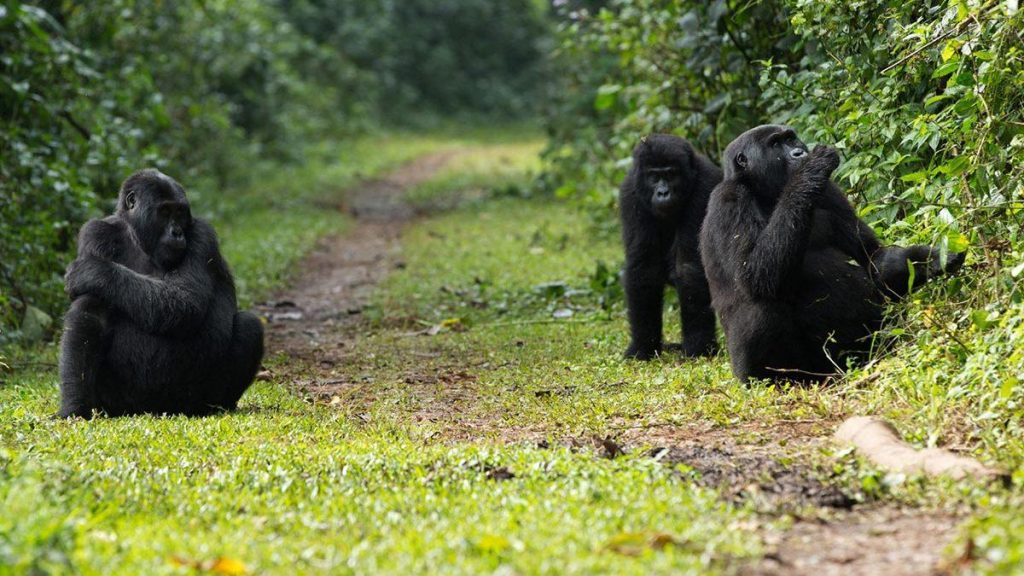
Preparing for a gorilla trekking adventure involves more than booking a permit and choosing accommodation. It also means preparing your body for the physical demands of walking through a natural mountain forest. For travellers who rarely exercise, even a simple walking routine can make a valuable difference.
Gorilla trekking in Rwanda takes place in Volcanoes National Park. The park protects part of the Virunga Mountains, where mountain gorillas live among bamboo forests and other high-altitude vegetation. The terrain includes steep slopes, muddy paths, exposed roots and uneven ground. Therefore, visitors should prepare for conditions that differ from an ordinary walk around their neighbourhood.
The good news is that you do not need an expensive gym membership or advanced hiking experience to get started. A gentle four-week walking plan can help you develop better stamina, strengthen your legs and become more comfortable with longer walks.
At Safari O’clock, we encourage travellers to prepare gradually instead of attempting difficult workouts shortly before departure. The goal is not to become a professional hiker in four weeks. Instead, you should build a consistent routine that improves your confidence and physical readiness.
This guide introduces a practical walking programme for beginners. It also explains how to prepare for hills, choose suitable footwear, manage tiredness and approach your gorilla trekking day with realistic expectations.
Why You Need a Gorilla Trek Walking Plan
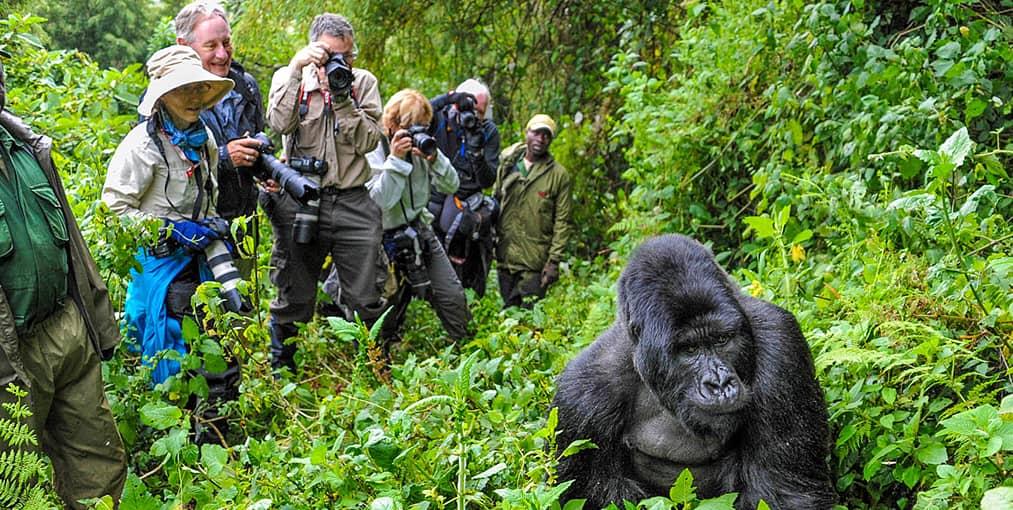
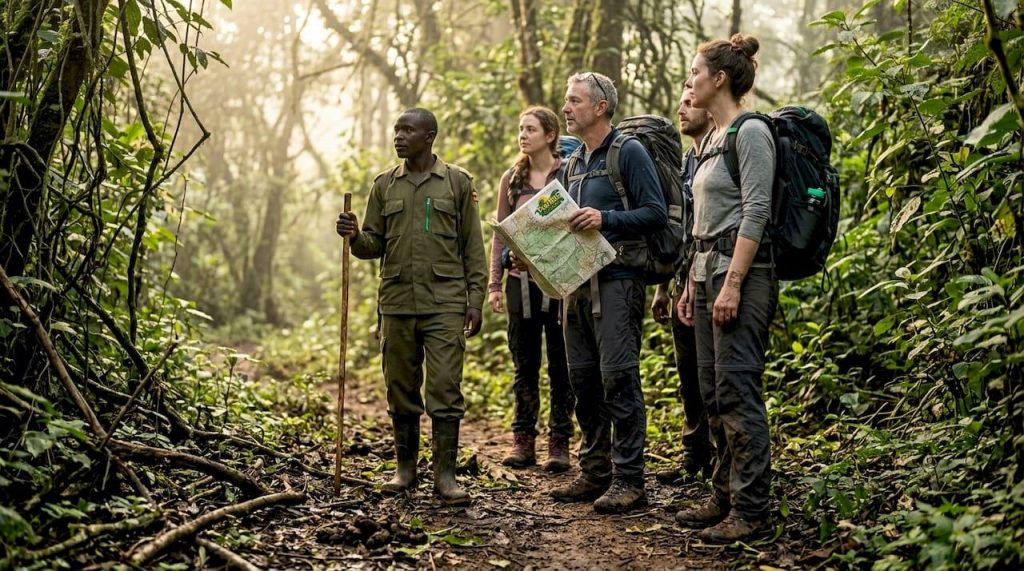
Gorilla trekking is different from ordinary sightseeing. Visitors cannot simply drive to the forest and expect to find the gorillas waiting in one location. Instead, park trackers monitor the gorilla families and guide visitors through the forest to reach them.
Consequently, the walking distance changes from one day to another. Some visitors may reach their assigned gorilla family after a relatively short walk. Others may spend several hours moving through steep and challenging terrain.
The Rwanda Development Board explains that mountain gorillas inhabit high-altitude areas of the Virunga Mountains. This environment can make physical activity more demanding, especially for visitors who live at lower elevations.
Furthermore, forest conditions can change quickly. Rain may create muddy paths, while thick vegetation can make movement more difficult. Walking uphill also requires additional effort from your leg muscles.
A structured gorilla trek walking plan helps you prepare for these conditions gradually. Regular walking improves your endurance, while gentle hill practice helps your legs become familiar with climbing.
It also gives you an opportunity to test your shoes, socks and backpack before travelling. This reduces the likelihood of discovering uncomfortable equipment on the actual trekking day.
Most importantly, a preparation routine helps you understand your physical limits. You can identify activities that feel comfortable and recognise areas where you need more practice.
Before Starting Your Four-Week Walking Plan
Before beginning the programme, consider your current activity level. Someone who already walks regularly may progress faster than someone who spends most of the day sitting.
If you rarely exercise, start with shorter walks. There is no need to force yourself to complete long distances immediately.
The National Health Service recommends that people who are not very active increase their walking distance gradually. Even short walks can provide a useful starting point.
The US Centers for Disease Control and Prevention recommends that adults work towards at least 150 minutes of moderate-intensity physical activity each week. It also recommends muscle-strengthening activities on at least two days.
However, these are general health recommendations, not official gorilla trekking fitness requirements. Your walking programme should reflect your current ability and allow enough time for recovery.
Before starting a new exercise routine, seek medical advice if you have a heart or respiratory condition, significant joint problems, a previous serious injury or another health concern that may affect physical activity.
You should also remember that four weeks is a short preparation period. If you have been inactive for a long time, consider starting earlier or repeating the easier weeks.
Your Four-Week Gorilla Trek Walking Plan
This programme gradually increases walking time and introduces gentle hills. It is designed for beginners who can manage normal daily activities but do not regularly participate in long walks.
You can complete the sessions around your work, family responsibilities and other daily activities. If a session feels too difficult, reduce the duration and progress more slowly.
Week 1: Build a Simple Walking Habit
The first week focuses on consistency rather than distance or speed.
Begin with three or four walking sessions. Each walk can last approximately 15 to 20 minutes, depending on your current fitness level.
Choose flat and comfortable routes. You can walk around your neighbourhood, use a nearby park or take a gentle walk along a quiet road.
Maintain a relaxed pace. You should be able to speak comfortably while walking. If you become unusually breathless, slow down or take a break.
During this week, pay attention to your feet and legs. Notice how your shoes feel and whether your ankles, knees or hips become uncomfortable.
You can also introduce simple strengthening exercises twice during the week. Try supported squats, gentle calf raises and a few controlled step-ups.
Do not worry about completing many repetitions. The purpose is to introduce movement and help your muscles adjust.
By the end of the first week, you should feel more familiar with regular walking. Building the habit is more important than achieving a particular distance.
Week 2: Increase Your Walking Time
During the second week, begin extending your walking sessions gradually.
Aim for three or four walks lasting approximately 20 to 30 minutes. If you feel comfortable, include one slightly longer session of around 35 minutes.
You can now introduce gentle inclines. Find a small hill or a safe staircase and practise climbing at a steady pace.
Uphill walking helps strengthen the muscles you will use when navigating the mountain slopes of Volcanoes National Park.
However, avoid rushing. Walk slowly enough to maintain control of your breathing.
Continue your simple strengthening exercises twice during the week. You can include squats, calf raises and step-ups. If you feel comfortable, add a few supported lunges.
Another useful activity is practising controlled downhill walking. Choose a gentle slope and take small steps as you descend.
This helps you develop balance and become more confident when walking on changing ground.
You can also begin carrying a lightweight backpack during one walking session. Include a water bottle and a few personal items to understand how the additional weight affects your comfort.
The main objective during week two is to increase your walking endurance without causing unnecessary fatigue.
Week 3: Introduce Hills and Longer Walks
The third week brings you closer to the conditions you may encounter during gorilla trekking.
At this stage, continue walking three or four times during the week. Most sessions can last approximately 30 to 40 minutes.
If your body responds well, include one longer walk of 45 to 60 minutes.
Try to choose routes that include gentle hills and slightly uneven surfaces. A nature trail, grassy path or safe countryside route can provide useful practice.
During uphill sections, maintain a steady rhythm. Avoid taking unnecessarily large steps because they can make climbing more tiring.
When descending, keep your movements controlled. Watch where you place your feet and avoid rushing over loose stones or slippery surfaces.
Continue strengthening your legs twice during the week. Step-ups, squats and calf raises can help improve the muscles involved in climbing.
You can also practise walking with your intended daypack. Keep it lightweight and adjust the straps so that the bag sits comfortably.
This week is also a good opportunity to test your hiking boots. Wear them during your longer walks and check for rubbing, pressure points or discomfort.
By the end of week three, you should have a better understanding of your walking pace and how your body responds to longer sessions.
Week 4: Build Confidence Before Your Gorilla Trek
The final week focuses on bringing your preparation together.
Continue with three comfortable walking sessions. Aim for approximately 30 to 45 minutes per session, depending on your fitness.
If you have progressed comfortably, include one longer walk of around 60 to 75 minutes. Choose a route with gentle slopes and some natural changes in ground level.
Wear the footwear and clothing you plan to use during your safari. Carry your lightweight backpack and practise taking short breaks when necessary.
Pay attention to your breathing, posture and energy levels. The aim is to maintain a comfortable pace rather than compete with other walkers.
Continue gentle strengthening exercises early in the week. However, avoid introducing difficult new workouts close to your departure date.
During the final days, reduce your exercise intensity. Take relaxed walks and give your muscles enough time to recover.
Check your equipment, organise your travel arrangements and get enough sleep.
You should arrive at your gorilla trekking destination feeling rested and prepared, not exhausted from last-minute training.
A Simple Weekly Schedule for Your Gorilla Trek Walking Plan
Following a weekly routine makes preparation easier. You can use the example below and adjust it according to your schedule and fitness level.
Monday: Complete a comfortable walking session.
Tuesday: Practise simple leg-strengthening exercises.
Wednesday: Walk on a flat route or introduce a gentle hill.
Thursday: Rest or enjoy gentle stretching.
Friday: Complete another comfortable walking session.
Saturday: Take your longer walk of the week, adjusting the duration to your ability.
Sunday: Rest and allow your body to recover.
During the first week, keep your walking sessions short. As you progress, gradually increase the duration and introduce more challenging surfaces.
You do not have to follow these exact days. The important thing is to balance walking, strength exercises and recovery.
The Best Exercises to Combine With Your Walking Plan
Walking improves endurance, but a little strength training can also help prepare your body for the forest terrain.
You do not need complicated equipment. Several simple exercises can strengthen the muscles involved in climbing and descending.
Squats
Squats help strengthen your thighs, hips and buttocks. These muscles support your body when climbing hills and standing up after resting.
Stand with your feet comfortably apart. Bend your knees and hips as though sitting on a chair. Then return to a standing position.
Start with a few repetitions and increase gradually.
Step-ups
Step-ups are useful because they imitate the movement of climbing.
Use a stable, low step. Place one foot on the step and lift your body upwards. Bring the other foot up before stepping down carefully.
Repeat the movement while maintaining good balance.
Calf raises
Your calf muscles help support walking and climbing.
Stand near a stable support. Raise your heels slowly until you stand on your toes. Lower them gently and repeat.
Gentle lunges
Lunges can improve leg strength and stability.
Take a comfortable step forward and bend your knees slightly. Return to your starting position and repeat with the other leg.
If you experience discomfort, reduce the movement or choose a different exercise.
Balance practice
Good balance helps you move across uneven ground.
Practise standing on one leg while holding a stable surface nearby. You can also include controlled step-ups.
These exercises should remain comfortable. Avoid movements that cause pain or make you feel unstable.
How to Prepare for Steep and Muddy Trails
One important mistake to avoid is preparing only on smooth roads.
Volcanoes National Park has a mountainous landscape. Some trekking routes involve steep slopes, exposed roots, muddy ground and thick vegetation.
Therefore, try to introduce suitable terrain during your preparation.
Gentle hills are a good starting point. They help your legs become familiar with uphill movement without placing too much pressure on your body.
If you cannot access natural hills, use stairs as an alternative. Climb a few flights at a comfortable pace and rest before repeating the exercise.
Practise downhill movement as well. Descending requires balance and controlled steps, particularly when the ground becomes slippery.
You should also avoid wearing ordinary shoes that provide little grip during your actual trek. Choose comfortable hiking boots with a strong sole and suitable support.
Remember that forest conditions can change quickly. Good preparation helps you manage the terrain, but it cannot remove every challenge.
Choosing the Right Shoes for Your Gorilla Trek
Footwear is one of the most important items to prepare before visiting Volcanoes National Park.
A comfortable pair of hiking boots can help you move across muddy and uneven ground. Look for a strong sole with reliable grip and a fit that supports your feet without causing pressure.
Waterproof or water-resistant footwear is useful because mountain weather can change during the day.
Ankle support may also help on uneven paths. However, comfort should remain a priority.
Do not wait until your tracking day to wear new boots. Introduce them during the first or second week of your walking plan.
Wear the socks you intend to use during the trek. This helps you identify friction and potential blisters before travelling.
You can also carry an extra pair of socks in your daypack.
Safari O’clock recommends testing all your trekking equipment before departure. Small problems discovered early are easier to address than discomfort experienced halfway through a mountain trek.
How to Manage Rest and Recovery During Your Preparation
Rest is an important part of any physical training programme.
When you increase your walking time, your muscles need an opportunity to recover. Without enough rest, you may experience excessive tiredness or muscle soreness.
Allow easier days between demanding sessions. You can use these days for gentle movement or complete rest.
Also, avoid increasing your walking distance too quickly. If a 30-minute walk feels difficult, remain at that level until it becomes more comfortable.
Drink enough water throughout the day and maintain regular, balanced meals. Good sleep also supports recovery.
If you experience persistent pain, swelling, dizziness or unusual breathlessness, stop exercising and seek medical advice.
Remember that the purpose of your four-week walking plan is to prepare for your safari, not to arrive with tired or injured muscles.
What If Four Weeks Is Not Enough?
Four weeks can provide a useful starting point, but it may not be enough for everyone.
Your current fitness level, health, age and previous activity experience all influence how quickly your body adjusts.
If you rarely exercise or have been inactive for several months, you may need a longer preparation period.
There is nothing wrong with repeating the first or second week. You can also extend the programme to six or eight weeks if necessary.
The goal is to progress at a comfortable pace.
Remember that gorilla trekking does not have one fixed walking duration. The distance depends on the movement and location of the assigned gorilla family.
The Rwanda Development Board advises visitors to walk slowly and drink enough water. It also provides information about porter services for visitors who need help carrying their belongings.
If you have a medical condition or concerns about strenuous activity, consult a healthcare professional before booking your trek.
Safari O’clock encourages travellers to plan according to their actual abilities rather than follow unrealistic fitness targets.
Preparing for Altitude Before Your Gorilla Trek
Altitude is another factor that deserves attention.
Mountain gorillas live in the high-altitude forests of the Virunga Mountains. At these elevations, reduced air pressure means that each breath provides less oxygen than it would at sea level.
Consequently, even people who exercise regularly may become breathless when climbing steep slopes.
Walking regularly can improve your general endurance. However, it does not guarantee protection against altitude sickness.
Where possible, allow time to rest after arriving in the region. During your trek, maintain a steady pace and take breaks when necessary.
Pay attention to symptoms such as headaches, dizziness, nausea and unusual tiredness. Inform your guide if you feel unwell.
More serious symptoms, including confusion, difficulty walking straight or breathlessness at rest, require urgent medical attention.
Good preparation includes understanding your limits and knowing when to stop.
What to Pack After Completing Your Four-Week Walking Plan
Once you have completed your preparation, organise the essentials for your trekking day.
Start with comfortable hiking boots, long trousers and a long-sleeved shirt. These clothes help protect your skin from nettles, scratches and other vegetation.
Carry a lightweight waterproof jacket because rainfall can occur in mountain forests.
A small backpack should contain drinking water, a snack and personal essentials. Avoid packing unnecessary items because extra weight can make the walk more tiring.
Gardening gloves can protect your hands when moving through vegetation. Walking sticks may also provide additional support on slippery or steep sections.
Remember to follow the instructions provided by park authorities and your guide. Eating and drinking near the gorillas are restricted under the visitor guidelines.
You should also carry any personal medication you may need.
How Safari O’clock Can Help You Prepare for Gorilla Tracking
Planning your first gorilla trekking experience involves several decisions. You need to understand the permit requirements, choose suitable accommodation and prepare for the physical demands of the activity.
Safari O’clock helps travellers plan their Rwanda adventures with practical travel information and guidance.
Whether you are travelling alone, with friends or as a family, understanding the trekking conditions can help you make informed decisions.
We encourage beginners to start preparing early. A simple walking routine, suitable footwear and realistic expectations can make a positive difference.
We also help travellers understand the differences between gorilla tracking, golden monkey tracking and volcano hiking. These activities have different physical requirements, so choosing the right experience matters.
Our goal is to help you enjoy Rwanda’s natural attractions while respecting the environment and supporting responsible tourism.
Final Thoughts: Take Small Steps Towards Your Gorilla Trek
A gorilla trekking adventure is a special experience, and preparing your body can help you enjoy it with greater confidence.
You do not need to complete difficult mountain hikes before travelling to Rwanda. Instead, begin with short walks and gradually increase your walking time.
During the first week, focus on consistency. In the second week, increase your walking duration. By the third week, introduce gentle hills and longer walks. Finally, use the fourth week to practise with your trekking equipment and prepare for the journey.
Allow enough time for rest and recovery. Choose comfortable footwear and learn how to manage your pace on steep terrain.
Most importantly, remember that every gorilla trek is different. The walking distance depends on the location of the gorilla family and the conditions of the forest.
Safari O’clock encourages travellers to prepare realistically and enjoy the journey at their own pace.
Ready to plan your Rwanda gorilla trekking adventure? Contact Safari O’clock and let us help you prepare for an unforgettable encounter with mountain gorillas in Volcanoes National Park.