- DIRECT CONTACTS:
- +256394517569
- tours@safarioclock.africa

How to Prepare for Uneven, Muddy Forest Trails During Rwanda Gorilla Tracking

Why Walking Slowly Can Help During a Mountain Gorilla Trek
November 23, 2026
How Elevation May Affect Your Gorilla Tracking Experience
November 23, 2026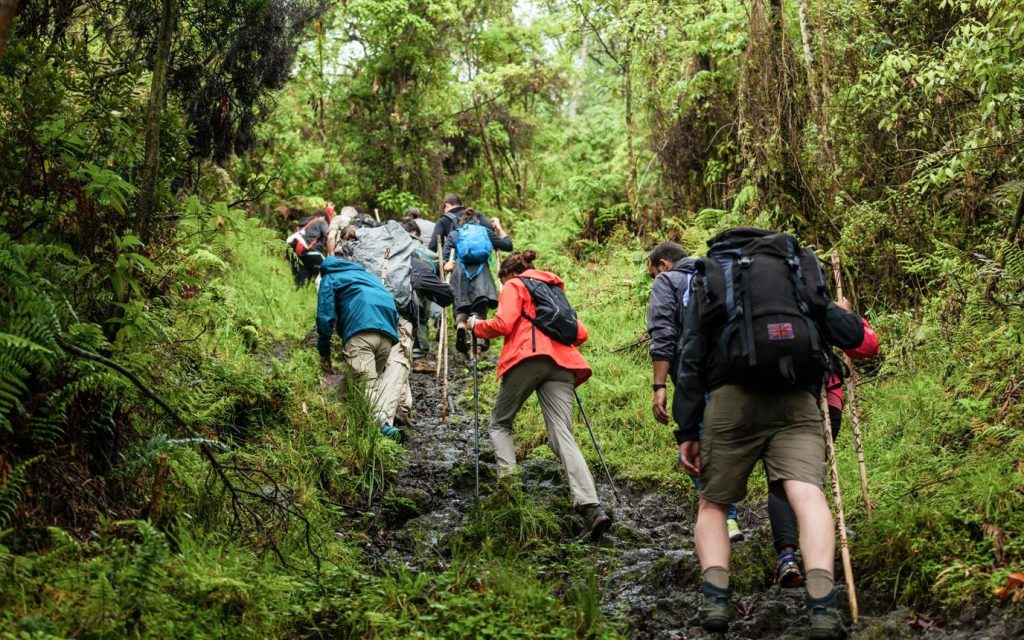
Rwanda’s mountain gorilla trekking experience takes visitors into the beautiful forests of Volcanoes National Park. The journey offers incredible scenery, fresh mountain air and the opportunity to encounter endangered mountain gorillas in their natural habitat. However, the forest environment can also present a few physical challenges. Some sections have uneven ground, slippery mud, exposed roots, thick vegetation and steep slopes.
These conditions are part of the adventure. They do not mean that visitors need to be professional hikers. However, preparing for the terrain can make the experience more comfortable and manageable. With suitable footwear, protective clothing and a steady walking approach, visitors can enjoy the trek with greater confidence.
At Safari O’clock, we encourage travellers to prepare for the actual forest conditions rather than relying only on photographs of Rwanda’s beautiful green landscapes. Understanding what to expect helps you choose the right equipment and make sensible decisions during your trek.
Understanding the Forest Trails During Rwanda Gorilla Tracking
Volcanoes National Park lies within the Virunga mountain range in north-western Rwanda. Its landscape includes high-altitude forests, bamboo zones, thick vegetation and volcanic mountain slopes. The terrain changes as visitors move through different sections of the park.
During gorilla tracking, you may walk along narrow forest paths, cross areas covered with vegetation or climb sections of uneven ground. Some routes can include exposed roots, stones and muddy patches. The exact conditions depend on the location of the assigned gorilla family and the weather.
Rain can also affect the condition of the trails. The Volcanoes region experiences rainfall, mist and cool temperatures. Showers can occur even when the morning begins with clear skies. Therefore, visitors should prepare for wet conditions in any season. A dry forecast does not guarantee that every section of the forest will be dry.
It is also important to understand that gorilla tracking does not follow one fixed walking route. The guides lead visitors towards the assigned gorilla family. As a result, the length, slope and surface conditions can vary from one trek to another. Safari O’clock helps visitors understand these practical considerations before their journey.
Choose the Right Boots for Muddy Forest Trails
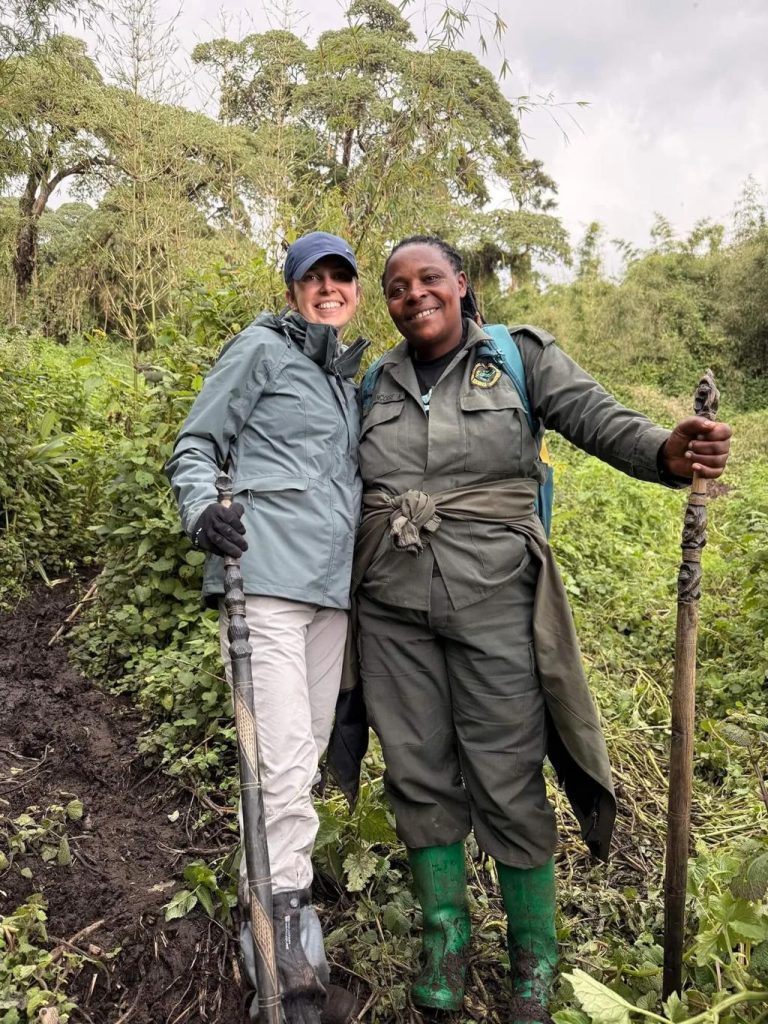
Your footwear is one of the most important parts of your preparation. Ordinary trainers may feel comfortable on paved roads, but they are not always suitable for wet and uneven forest ground. A pair of sturdy hiking boots offers better protection and support for this type of environment.
Choose boots with a strong rubber sole and a reliable tread pattern. The tread helps the sole grip the ground when you walk over wet soil, loose stones and muddy sections. Ankle-supporting boots can also offer useful support when the ground becomes uneven.
Water-resistant or waterproof footwear is worth considering. It helps keep your feet drier when you encounter wet vegetation or shallow muddy sections. However, no boot can guarantee completely dry feet in every forest condition. Good fit and comfort remain just as important as waterproofing.
Most importantly, wear your boots several times before travelling to Rwanda. Walk in them on different surfaces so your feet become familiar with the fit. New boots can cause blisters, rubbing and discomfort during a long trek. Breaking them in early gives you time to identify any problems and make adjustments.
Also, choose hiking socks that fit comfortably inside your boots. Avoid socks that bunch up around your toes or heels. If possible, carry an extra pair for use after the trek.
Prepare Your Clothing for Wet and Uneven Forest Trails
The right clothing protects you from more than rain. Forest vegetation may include thorny plants, stinging nettles and branches that can scratch exposed skin. Long trousers and long-sleeved shirts provide a useful layer of protection.
Choose comfortable clothing that allows you to move freely. Lightweight, quick-drying materials are often more practical than heavy fabrics. Jeans, for example, can become uncomfortable when they absorb water and mud. They may also take longer to dry.
Gaiters can help prevent mud, small stones and vegetation from entering your boots. Alternatively, you can tuck your long trousers into your socks. This also helps reduce the chance of insects crawling inside your clothing.
A lightweight rain jacket or waterproof outer layer is another important item. Rwanda’s mountain weather can change quickly, so carrying rain protection is sensible even during the drier months. A warm layer is also useful because temperatures can feel cool at higher elevations.
Safari O’clock recommends choosing clothing that prioritises comfort, protection and freedom of movement. You do not need an expensive outfit. Instead, focus on practical items that can handle a wet forest environment.
Use Walking Poles on Slippery Forest Trails
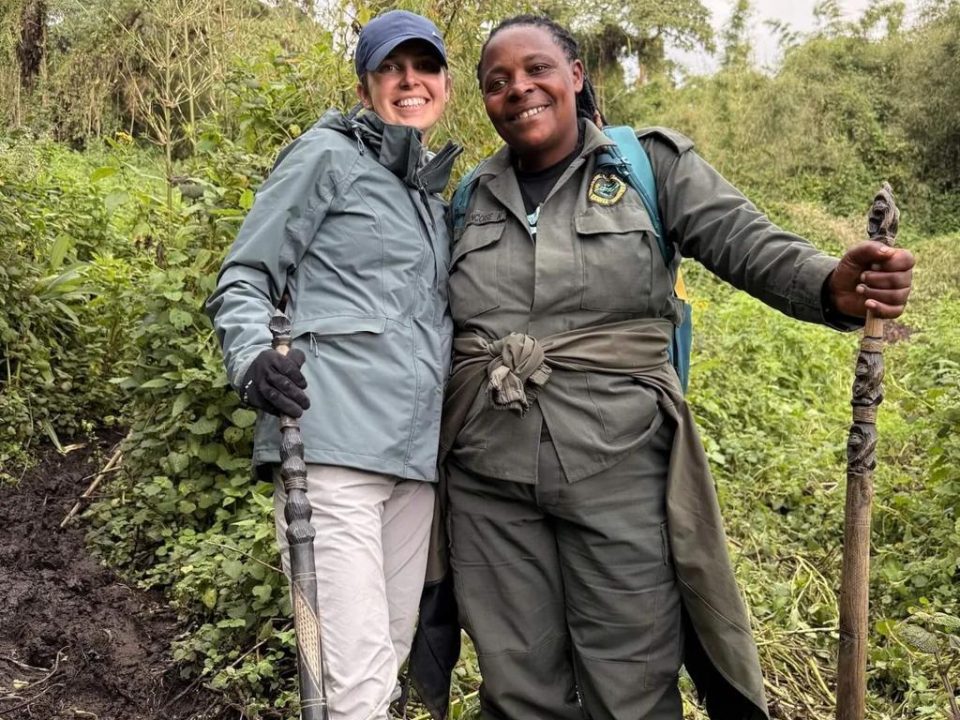
Walking poles or a sturdy walking stick can provide extra support when the trail becomes steep or slippery. They give you another point of contact with the ground and can help you maintain balance as you move.
For example, when approaching a muddy slope, you can place the pole carefully on a stable section before moving your foot forward. On a descent, it can help you manage your movement and avoid rushing down the slope.
However, walking poles are not a substitute for careful foot placement. A pole can slip if you place it on loose soil, unstable stones or weak vegetation. Always check where you position it before relying on it for support.
Visitors should ask their guide about the available walking sticks and how to use them correctly. Follow the guide’s instructions throughout the trek. If you feel uncertain about a particular section, communicate this rather than attempting to move through it too quickly.
How to Walk Safely on Uneven Forest Trails
Your walking technique matters just as much as your equipment. When the ground is uneven, avoid taking long, hurried steps. Instead, use shorter steps and maintain a comfortable pace.
Look a short distance ahead so you can identify roots, stones and muddy patches before reaching them. At the same time, remain aware of the ground immediately around your feet. This approach helps you choose a more stable place to step.
When walking uphill, lean slightly forward and maintain a steady rhythm. Avoid using sudden bursts of energy. Take controlled steps and pause when necessary. On downhill sections, slow down and avoid leaning too far backwards. Place your feet carefully and use your walking stick if it helps you maintain balance.
Some muddy areas may look firm but have a soft surface underneath. Therefore, do not assume that every patch of ground can support your full weight. Follow the route recommended by your guide and avoid stepping onto unstable edges.
If a section feels too slippery, ask your guide for direction before proceeding. The guide understands the terrain and can advise you on the safest available way forward.
Protect Your Hands When Moving Through Dense Vegetation
Mountain forest trails may pass through thick vegetation. At times, you may need to move carefully around branches and plants. A pair of gardening-style gloves can help protect your hands from scratches, thorns and stinging vegetation.
Choose gloves that fit well and allow you to move your fingers freely. Very thick gloves may make it difficult to grip a walking pole or handle your equipment. A comfortable pair with a good fit is more practical.
However, avoid pulling on weak branches or grabbing plants without checking them. Some vegetation may not support your weight. Your guide can help you identify suitable places to hold when necessary.
Gloves are a simple item, but they can make the forest experience more comfortable. They are especially useful when the route passes through areas with thick plants and narrow paths.
Prepare for Rain Before You Enter the Forest
Rain is one of the main reasons forest trails can become muddy and slippery. The Volcanoes region experiences rainfall and mist, and the weather can change during the day. Therefore, visitors should not depend entirely on the season when deciding what to pack.
Carry a lightweight rain jacket or suitable waterproof outer layer. A rain cover for your daypack can protect spare clothing and other belongings. You can also place your phone, camera and important personal items in waterproof bags.
It is useful to keep a small dry layer in your daypack. If your clothing becomes wet, changing into something dry after the trek can improve your comfort. A spare pair of socks can also be helpful.
Remember that waterproof clothing does not remove every challenge of walking in wet conditions. Mud can still affect your footing, and rain may reduce visibility. Continue to follow your guide’s instructions and adjust your pace when the weather changes.
Pack Only What You Need for the Trek
A heavy backpack can make walking on uneven ground more tiring. It may also affect your balance, especially when moving uphill or downhill. For this reason, carry only the items you need during the trek.
A small daypack can hold your drinking water, rain jacket, personal medication, camera and a few useful essentials. Keep the weight manageable and arrange the contents so that you can reach important items easily.
You should also consider hiring a local porter. A porter can carry your daypack, which allows you to concentrate more on your footing and the trail. Hiring a porter also provides an opportunity to support people living around the park.
Before departure, ask Safari O’clock or your lodge which items they provide. Some accommodation providers may offer walking sticks or other trekking equipment. Checking in advance can help you avoid carrying unnecessary items.
Build Your Walking Confidence Before Travelling
You do not need to climb a mountain every week to prepare for gorilla tracking. However, regular walking can help you become more comfortable with spending several hours on your feet.
Start with walks on familiar, relatively flat routes. Gradually increase the distance as your fitness improves. Once you feel comfortable, include gentle hills, slopes and uneven paths where it is safe to do so.
Stair climbing can also help develop leg strength and improve your confidence when moving uphill. In addition, simple exercises such as step-ups, squats and calf raises can support the muscles used during walking. Start at a level that feels manageable and increase the challenge gradually.
Practising with your trekking boots is especially useful. It allows you to understand how they feel on different surfaces before the actual adventure. You can also test your rain jacket and daypack to make sure they fit comfortably.
If you have a health condition, joint problems or concerns about walking at high altitude, speak with a healthcare professional before travelling. They can help you decide what preparation is appropriate for your circumstances.
Follow Your Guide’s Instructions on Muddy Forest Trails
Your guide plays an important role throughout the gorilla tracking experience. They understand the forest environment and help visitors move safely through the terrain. Their instructions are especially important when the trail becomes steep, narrow or slippery.
Stay with your group and avoid walking ahead without permission. Do not attempt to create your own route around muddy sections. Moving away from the designated route can expose you to unstable ground, thick vegetation or wildlife hazards.
If you feel tired, uncomfortable or unsure about a section of the trail, tell your guide. They can advise you on how to proceed and whether a short break is appropriate.
You should also avoid rushing to catch up with other visitors. Every person has a different walking pace, and the trek should be approached with patience. A steady pace allows you to pay attention to your surroundings and enjoy the forest.
Safari O’clock encourages visitors to communicate openly with their guides. A comfortable and well-informed traveller is better prepared to enjoy the experience.
What to Do After Walking Through Muddy Forest Trails
Your preparation should also include what happens after the trek. Muddy boots, wet clothing and tired feet are common after a day in the forest. Having a few simple items ready can make the return to your lodge more comfortable.
Carry spare socks and a change of clothing. You may also want to bring a small towel and a separate bag for muddy clothes. Once you return, clean your boots according to the manufacturer’s instructions and allow them to dry properly.
Check your feet for blisters, irritation or small cuts. Clean any minor wounds and seek medical advice if you notice signs of infection or have a more serious injury. Rest and drink water after the trek, especially if you feel physically tired.
If you have used your camera or phone in wet conditions, dry the exterior carefully before storing it. Check your daypack too, so damp items do not remain inside for long periods.
These small steps help you recover comfortably and prepare for the rest of your Rwanda safari.
Enjoy Rwanda Gorilla Tracking with the Right Preparation
Uneven and muddy forest trails are a normal part of the mountain gorilla tracking experience. They may require more attention than ordinary walking paths, but the right preparation can make them easier to manage.
Choose comfortable hiking boots with good grip, wear protective clothing and carry suitable rain gear. Practise walking before your trip, use a walking stick when appropriate and follow your guide’s instructions throughout the experience.
Most importantly, remember that every trek is different. The route depends on the location of the gorilla family, the terrain and the conditions on the day. There is no need to rush or compare your walking speed with other visitors.
With thoughtful preparation and guidance from experienced professionals, you can approach the adventure with greater confidence. Safari O’clock is ready to help you plan your Rwanda gorilla tracking experience, understand what to expect and prepare for the beautiful mountain forests of Volcanoes National Park.