- DIRECT CONTACTS:
- +256394517569
- tours@safarioclock.africa

Practical Tips for Travellers Who Feel Nervous About Hiking During Gorilla Tracking

How Elevation May Affect Your Gorilla Tracking Experience
November 23, 2026
How to Discuss Mobility Needs Before Booking a Gorilla Trek
November 23, 2026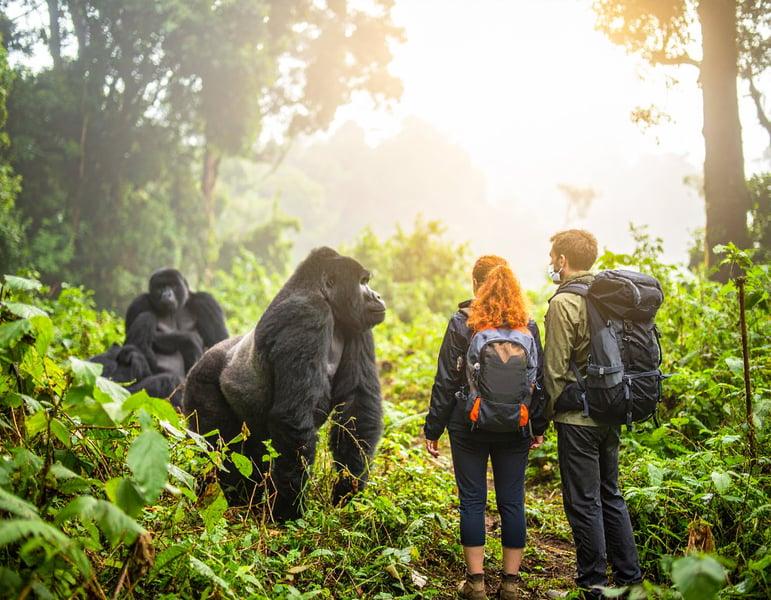
Gorilla tracking in Rwanda is an unforgettable wildlife experience. It gives travellers an opportunity to enter the beautiful forests of Volcanoes National Park and observe endangered mountain gorillas in their natural habitat. However, not everyone approaches this adventure with complete confidence. For some visitors, the thought of hiking through steep mountain slopes, muddy trails and thick vegetation can create anxiety.
You may be excited about seeing gorillas but worried about your physical fitness. Perhaps you rarely hike, struggle with long walks or feel uncomfortable walking on uneven ground. You may also wonder whether you will keep up with other visitors or manage the entire journey without becoming exhausted.
These concerns are understandable, especially for first-time visitors. Gorilla tracking involves physical activity, and the difficulty can vary depending on the location of the gorilla family. However, feeling nervous does not automatically mean you cannot enjoy the experience.
With proper preparation, realistic expectations and the right support, you can approach your adventure with greater confidence. Safari O’clock encourages travellers to understand what lies ahead and prepare at a comfortable pace before arriving in Rwanda.
Why Travellers Feel Nervous About Hiking During Gorilla Tracking
Understanding the source of your nervousness is an important first step. Many travellers worry because they are unfamiliar with mountain environments. Others have never participated in an activity that requires several hours of walking.
In Rwanda’s Volcanoes National Park, gorilla tracking takes place in a mountainous landscape. The trails can include steep sections, slippery ground, thick vegetation and changing weather conditions. Consequently, the experience may feel more challenging than an ordinary countryside walk.
Another common concern is physical fitness. Some visitors believe they must be extremely athletic to participate. However, there is no requirement to become a professional hiker before booking a gorilla tracking adventure. A reasonable level of preparation can help you manage the physical demands.
Additionally, uncertainty can increase anxiety. You may not know how far you will walk, how long the hike will last or what happens if you become tired. Learning about the tracking process before travelling can reduce these worries.
Safari O’clock recommends asking questions early rather than allowing unanswered concerns to affect your excitement about the trip.
1. Start Preparing for Hiking Before Your Rwanda Trip
One of the best ways to overcome hiking anxiety is to prepare your body gradually. You do not need an expensive gym membership or an intense training programme. Simple activities can help improve your walking endurance.
Start with regular walks around your neighbourhood. Initially, choose short distances that feel comfortable. As your confidence improves, gradually increase the duration and distance.
You can also introduce gentle uphill walking. This helps your legs become familiar with the effort required when climbing mountain slopes. If you do not have access to hills, use stairs as an alternative.
Furthermore, consider practising on different surfaces. Walking on grass, gravel and gentle slopes can help you become more comfortable with uneven ground.
Consistency matters more than intensity. Avoid pushing yourself too hard during the first few days. Instead, create a realistic routine and increase your activity gradually over several weeks.
By the time you travel, you should feel more comfortable walking for longer periods. This preparation can also reduce the fear of not being physically ready.
2. Understand What to Expect During Gorilla Tracking
Uncertainty often makes people more nervous than the activity itself. Therefore, learning how gorilla tracking works can help you feel more prepared.
In Rwanda, visitors begin their tracking day at the Volcanoes National Park headquarters in Kinigi. Park officials organise a briefing before groups enter the forest. During this session, guides explain the tracking process, safety instructions and responsible gorilla viewing rules.
Visitors are then assigned to trekking groups and begin following experienced guides and trackers. These professionals help locate the gorilla families and lead visitors through the forest.
The hiking duration varies. Some groups may reach their gorillas relatively quickly, while others require a longer journey. The terrain and the movement of the gorilla family influence the experience.
According to Rwanda’s official gorilla tracking information, hikes may last from around 30 minutes to four hours or more. The return journey also requires walking.
Knowing this information helps you avoid unrealistic expectations. Instead of imagining one extremely difficult climb, understand that the journey involves different sections, walking periods and opportunities to pause.
Safari O’clock encourages visitors to approach the day as a guided wildlife adventure rather than a competition.
3. Choose a Comfortable Pace and Avoid Comparing Yourself With Others
One mistake nervous hikers make is believing they must walk as quickly as everyone else. This can create unnecessary pressure and lead to exhaustion.
Remember that every traveller has a different fitness level. Some visitors regularly participate in outdoor activities, while others may be experiencing their first mountain hike.
Your goal should be to maintain a comfortable and steady pace. Take short breaks when necessary and communicate with your guide if you need assistance.
Walking slowly does not make your experience less meaningful. In fact, a controlled pace can help you conserve energy and pay attention to the beautiful forest surroundings.
Additionally, avoid feeling embarrassed when you need to rest. Your comfort and safety are more important than trying to impress other visitors.
Gorilla tracking is a shared experience, but your physical journey remains personal. Focus on your progress rather than comparing your walking speed with someone else’s.
4. Wear the Right Clothing and Hiking Equipment
The right equipment can make a significant difference when walking through a mountain forest. Uncomfortable shoes, unsuitable clothing and poorly packed bags can increase physical discomfort.
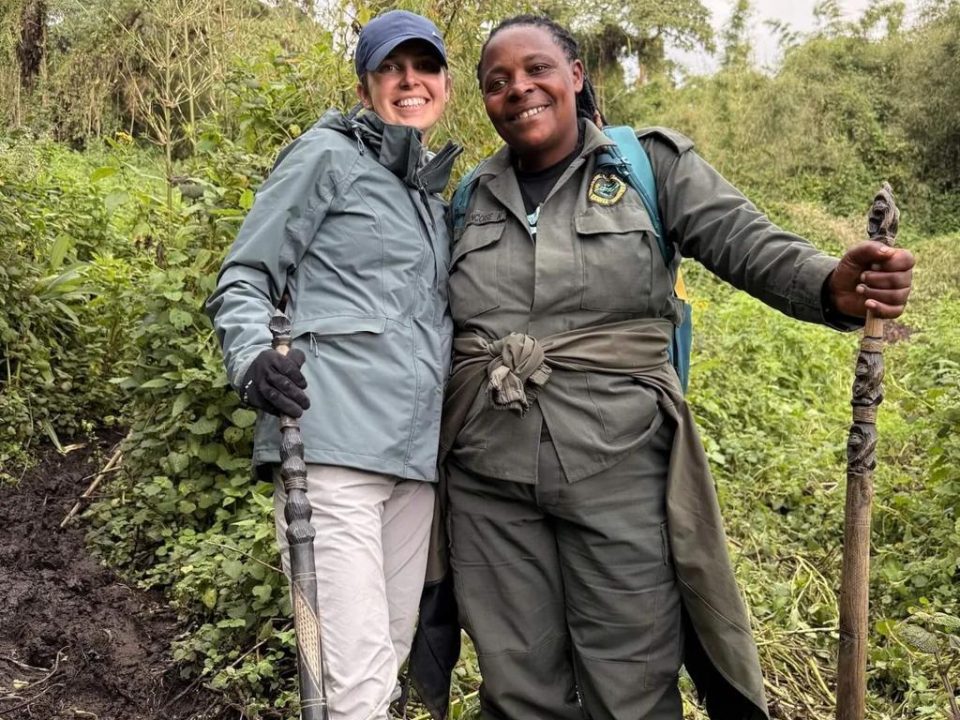
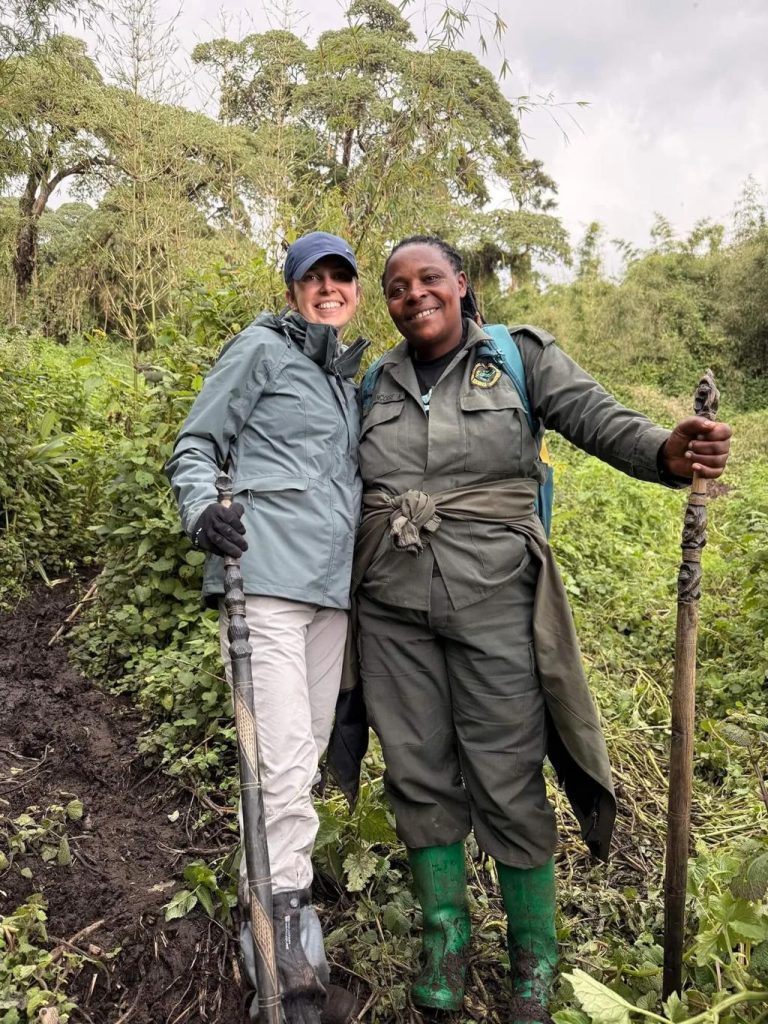
Start by choosing sturdy hiking boots with good grip. They should fit properly and provide enough support for uneven trails. Avoid wearing brand-new boots for the first time during your actual trek. Break them in before travelling to reduce the risk of blisters.
Long hiking trousers and long-sleeved shirts help protect your skin from scratches and irritating vegetation. A waterproof jacket is also useful because mountain weather can change quickly.
Consider carrying the following items:
- Comfortable, broken-in hiking boots.
- Waterproof trousers or suitable hiking pants.
- A lightweight rain jacket.
- Gardening gloves for handling vegetation.
- A reusable water bottle.
- A small waterproof backpack.
- Sunscreen and a hat.
- A walking stick, where available.
- A few suitable energy-giving snacks.
You do not need to carry everything you own into the forest. Keep your backpack light and pack only useful essentials.
Safari O’clock recommends discussing your equipment needs before departure so that you avoid unnecessary purchases.
5. Consider Hiring a Porter for Extra Support
If carrying a backpack makes you nervous, consider hiring a porter during your gorilla tracking adventure.
Porters provide practical assistance by carrying visitors’ daypacks and helping them navigate difficult sections of the trail. Their support can be particularly useful when walking uphill or crossing slippery ground.
You may also appreciate having someone nearby when stepping over roots or moving through thick vegetation.
Hiring a porter does not mean you are incapable of hiking. It is simply a practical way to make the journey more manageable.
Furthermore, hiring local porters provides an opportunity to support people living around the park. Tourism creates important income opportunities for communities near Rwanda’s protected areas.
Ask Safari O’clock about arranging porter assistance as part of your travel preparations.
6. Do Not Let Fear of Altitude Discourage You
Some travellers feel nervous because they have heard that gorilla tracking takes place at high elevations. This is a valid concern, especially for visitors who have never travelled to mountainous destinations.
Volcanoes National Park lies within the Virunga Mountains. The reduced atmospheric pressure at higher elevations means that less oxygen enters the bloodstream with each breath.
As a result, physical activity may feel more demanding. You might notice faster breathing, tiredness or a need to rest more frequently.
However, not everyone experiences altitude in the same way. Good physical fitness also does not guarantee protection against altitude sickness.
Allow time to adjust to higher elevations where your itinerary permits. Walk slowly and avoid unnecessary exertion immediately after arriving at high altitude.
Pay attention to warning signs such as headaches, nausea and dizziness. If symptoms develop, stop ascending and seek medical advice. Severe breathlessness at rest, confusion or loss of coordination requires urgent medical attention.
Travellers with existing heart or lung conditions should consult a healthcare professional before their trip.
The important thing is to prepare sensibly rather than allowing fear to prevent you from exploring Rwanda.
7. Learn to Manage Hiking Anxiety Before and During the Trek
Physical preparation is important, but mental preparation also deserves attention.
Some visitors feel anxious because they imagine every possible difficulty before the journey begins. They may worry about slipping, becoming tired or failing to complete the hike.
Instead of focusing on the entire journey, divide it into smaller sections. Concentrate on reaching the next comfortable stopping point rather than thinking about the total distance.
You can also practise simple breathing techniques before your trip. Slow, controlled breathing may help you manage ordinary nervousness. However, do not use breathing exercises to ignore unusual breathlessness or other symptoms of altitude illness.
Get enough sleep before your tracking day. Eat a suitable breakfast and avoid beginning the hike while feeling hungry or dehydrated.
Most importantly, communicate with your guide. Let them know if you feel uncomfortable, need a break or are struggling with a particular section.
You do not need to pretend that everything is easy. Honest communication helps your guide understand your needs.
8. Ask About Trekking Options When Booking Your Gorilla Permit
Travellers sometimes assume that every gorilla tracking route involves the same level of difficulty. However, the experience can vary considerably.
Different gorilla families move through different parts of the forest. Some may be found closer to the starting area, while others may require longer hikes across steeper terrain.
For this reason, discuss your physical concerns when arranging your trip.
Rwanda’s park authorities organise visitors into tracking groups. Your preferences and physical ability may help inform the planning process, although a particular gorilla family or an easy route cannot be guaranteed.
Do not assume that choosing a shorter hike is always possible. Gorilla families move freely through their natural habitat, and their location can change.
Safari O’clock can help explain the tracking arrangements, communicate your concerns and advise on suitable itinerary planning.
Early communication is especially important if you have limited hiking experience or specific mobility concerns.
9. Stay Hydrated and Eat Properly Before the Hike
Long walks require energy, and mountain environments can make physical activity feel more demanding.
Begin your day with a suitable breakfast. Choose foods that provide lasting energy without making you feel uncomfortable during the hike.
Carry enough drinking water for the expected journey. Drink regularly throughout the day, but avoid forcing excessive amounts.
You can also carry a small snack for the hike. However, remember that park regulations restrict eating and drinking near the gorillas.
Follow your guide’s instructions about when and where you can take refreshments.
Additionally, avoid consuming alcohol before your tracking day. It can affect sleep and hydration, making your preparation less effective.
Good nutrition and hydration will not eliminate the effects of altitude. Nevertheless, they support normal physical performance and help you feel better prepared.
10. Give Yourself Enough Time to Rest After Tracking
Another practical tip is to avoid planning too many activities around your gorilla tracking day.
The experience can be physically demanding, particularly after several hours of walking through steep or muddy terrain.
After returning from the forest, allow yourself time to rest. Enjoy a relaxed meal, freshen up and recover before beginning another activity.
Avoid scheduling a long road journey or another demanding excursion immediately after tracking if you can arrange a more comfortable alternative.
This is particularly important for travellers who are not accustomed to regular hiking.
Safari O’clock encourages visitors to create realistic itineraries that balance adventure with relaxation. A well-paced holiday often provides a more enjoyable overall experience.
11. Remember That You Do Not Have to Be an Experienced Hiker
One of the biggest misconceptions about gorilla tracking is that only experienced hikers can participate.
Although the activity requires reasonable physical preparation, visitors do not need professional mountaineering skills.
Many first-time hikers successfully enjoy guided gorilla tracking adventures. The important factors include understanding the physical demands, preparing gradually and communicating honestly with the guides.
However, do not confuse encouragement with ignoring your health. If you have a condition that affects your mobility or ability to undertake strenuous exercise, seek professional medical advice before booking.
Also, remember that Rwanda’s minimum age for gorilla tracking is 15 years. All visitors must follow the park’s eligibility and safety requirements.
You should approach the experience with confidence, but also with realistic expectations.
How Safari O’clock Helps Nervous Travellers Prepare
At Safari O’clock, we understand that planning a gorilla tracking adventure involves more than choosing travel dates and purchasing a permit.
Some visitors need additional guidance before they feel comfortable committing to the journey. Others want reassurance about hiking duration, accommodation choices, transport arrangements and the equipment they should carry.
Safari O’clock helps travellers understand these practical details before arriving in Rwanda.
Our planning support can include discussing your hiking concerns, arranging suitable transport, recommending accommodation based on your itinerary and helping you prepare for the tracking day.
We also encourage visitors to communicate their physical needs early. This allows the trip-planning process to consider practical arrangements instead of leaving important questions until the last minute.
Although no travel company can guarantee an easy trail or control the movement of wild gorillas, good planning can help you approach the adventure with greater confidence.
Final Thoughts: Do Not Let Hiking Nervousness Stop You From Exploring Rwanda
Feeling nervous about hiking is completely understandable, especially when you are preparing for your first gorilla tracking adventure. The unfamiliar environment, mountain slopes and possibility of a long walk can create uncertainty.
However, nervousness does not have to define your experience.
Start preparing early, practise regular walking and choose suitable hiking equipment. Learn about the tracking process and communicate your concerns when arranging your trip. During the adventure, follow your guide’s instructions and take breaks whenever necessary.
Most importantly, remember that you are there to experience one of the world’s most remarkable wildlife encounters, not to prove how fast or strong you can walk.
With thoughtful preparation and support from Safari O’clock, you can approach your Rwanda gorilla tracking adventure with greater confidence and enjoy every moment of this extraordinary journey.
Let Safari O’clock help you turn your dream of seeing mountain gorillas into a well-planned and memorable adventure.