- DIRECT CONTACTS:
- +256394517569
- tours@safarioclock.africa

How Elevation May Affect Your Gorilla Tracking Experience

How to Prepare for Uneven, Muddy Forest Trails During Rwanda Gorilla Tracking
November 23, 2026
Practical Tips for Travellers Who Feel Nervous About Hiking During Gorilla Tracking
November 23, 2026
How Elevation May Affect Your Gorilla Tracking Experience
Safari O’clock | Rwanda Travel Guide
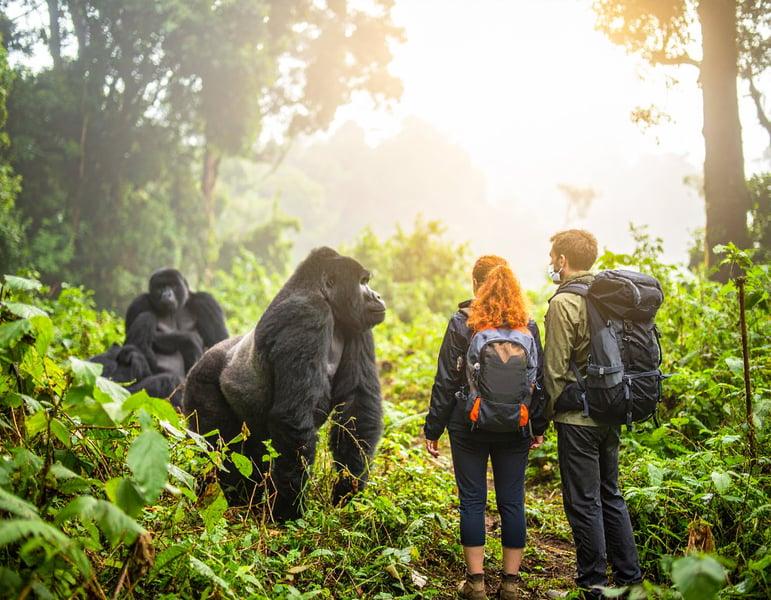
For many travellers, gorilla tracking in Rwanda is a once-in-a-lifetime adventure. Walking through beautiful mountain forests and encountering endangered mountain gorillas in their natural habitat creates unforgettable memories. However, there is one important factor that visitors should consider before booking their trip: elevation.
Rwanda’s Volcanoes National Park lies within the Virunga Mountains, a region known for its high-altitude landscapes, steep slopes and dense vegetation. These conditions make gorilla tracking exciting, but they can also make the physical experience more demanding. Travellers who are unfamiliar with high elevations may notice changes in their breathing, energy levels and walking pace.
Understanding how elevation affects your body can help you prepare properly. It also allows you to make better decisions about fitness, rest and travel arrangements. With the right preparation, you can enjoy your adventure with greater confidence.
Safari O’clock helps travellers understand these conditions before arriving in Rwanda. From choosing suitable accommodation to organising transport and guiding services, proper planning can make the experience more comfortable.
Understanding Elevation in Rwanda’s Gorilla Tracking Destination
Elevation refers to the height of a location above sea level. As elevation increases, atmospheric pressure decreases. This means that each breath provides less oxygen than it would at a lower altitude, even though the percentage of oxygen in the air remains approximately the same.
Volcanoes National Park sits within the Virunga volcanic mountain range in north-western Rwanda. Its terrain includes forested slopes, valleys and volcanic mountains. The park’s altitude generally ranges from approximately 2,400 to 4,500 metres above sea level.
Consequently, visitors may experience the effects of elevation even before they begin tracking. The combination of thinner air, steep terrain and physical activity can make walking more challenging than expected.
However, not every visitor experiences altitude in the same way. Some people adjust comfortably, while others notice fatigue, headaches or shortness of breath. Previous experience with mountain hiking does not guarantee that someone will avoid altitude-related symptoms.
How Elevation Affects Your Gorilla Tracking Experience
Elevation can influence several aspects of your gorilla tracking adventure. Understanding these effects helps you prepare for the conditions you may encounter.
1. Elevation Can Make Breathing More Difficult
One of the first changes visitors may notice at higher elevations is increased breathing effort. At lower altitudes, the body receives oxygen more easily with every breath. However, as you climb higher, reduced atmospheric pressure makes oxygen transfer into the bloodstream less efficient.
During gorilla tracking, your body needs more oxygen because you are walking, climbing and sometimes navigating steep forest trails. As a result, you may breathe faster or feel tired sooner than usual.
This does not necessarily mean you are unfit. Even physically active travellers can notice these changes when hiking at high elevations.
Therefore, avoid rushing during the trek. Take short breaks when necessary and allow your body to adjust to the physical demands. Your guide can help you maintain a comfortable pace throughout the journey.
2. High Elevation Can Increase Physical Fatigue
Gorilla tracking involves more than walking through a forest. Depending on the gorilla family’s location, visitors may climb steep slopes, cross uneven ground and move through thick vegetation.
At higher elevations, the body works harder to deliver oxygen to the muscles. This can increase the feeling of physical exhaustion, particularly during demanding sections of the trail.
For example, a visitor who comfortably walks for several hours at a lower altitude may find a shorter uphill climb more tiring in the mountains.
Additionally, fatigue can become more noticeable when visitors have not prepared through regular physical activity. This is why Safari O’clock encourages travellers to build their walking endurance before travelling to Rwanda.
3. Elevation May Affect Your Walking Speed
High-altitude trekking often requires a slower and more controlled walking pace. Visitors who attempt to move too quickly may become exhausted before reaching the gorilla family.
In Volcanoes National Park, some routes involve steep climbs and narrow forest paths. The ground may also become slippery after rainfall.
Consequently, walking speed should depend on your comfort, physical condition and the terrain. There is no advantage in rushing through the experience.
Your guide will help determine a suitable pace while ensuring that the group follows park regulations. Remember that gorilla tracking is not a race. The goal is to enjoy the journey and experience mountain gorillas responsibly.
4. Elevation Can Cause Altitude-Related Symptoms
Altitude sickness, also known as acute mountain sickness (AMS), can affect people who ascend to high elevations without enough time to adjust.
Common symptoms include:
- Headaches.
- Nausea or loss of appetite.
- Dizziness.
- Unusual tiredness.
- Difficulty sleeping.
- Shortness of breath during physical activity.
Symptoms often begin within several hours of reaching a higher altitude. However, not everyone develops altitude sickness, and individual responses vary.
Travellers should take these symptoms seriously, especially when they appear after ascending to higher elevations.
If symptoms develop, stop ascending and seek medical advice. Severe breathlessness at rest, confusion, difficulty walking straight or a worsening headache requires urgent medical attention. Do not continue tracking when you feel unwell.
5. Elevation Can Influence Your Overall Trekking Duration
The location of a gorilla family plays a major role in determining how long a tracking experience takes. Some groups may be found relatively close to the starting point, while others require longer hikes through mountainous terrain.
Elevation can make these journeys feel more demanding, particularly when the route involves continuous climbing.
It is important to understand that gorilla tracking does not have a fixed duration. Some visitors may find the gorillas within a few hours, while others may spend considerably longer walking through the forest.
Furthermore, the trekking time includes the journey to locate the gorillas and return to the starting area. Safari O’clock encourages visitors to keep their daily schedules flexible rather than planning several demanding activities immediately after their trek.
Why Volcanoes National Park’s Elevation Makes Preparation Important
The mountainous environment of Volcanoes National Park is one of the reasons Rwanda offers such a unique gorilla tracking experience. However, its elevation also means visitors should prepare for more than an ordinary nature walk.
The park’s forest ecosystem includes bamboo vegetation, montane forests and open mountain slopes. These environments create different walking conditions throughout the trek.
For instance, bamboo-covered areas may have steep ground and loose vegetation. Meanwhile, dense forest sections can contain muddy trails, tangled roots and slippery surfaces.
In addition, weather conditions can change quickly in mountain environments. Cool temperatures, mist and rainfall may affect how comfortable visitors feel while walking.
Travellers should therefore prepare for a combination of altitude, physical activity and changing weather conditions.
How to Prepare Your Body for High-Elevation Gorilla Tracking
Good preparation can make a significant difference to your experience. Although you cannot completely eliminate the effects of elevation, you can improve your physical readiness and reduce avoidable discomfort.
1. Build Your Walking Endurance Before Travelling
Regular walking is one of the simplest ways to prepare for gorilla tracking. Begin with shorter walks and gradually increase the distance as your fitness improves.
You can also include uphill walking, hiking and stair climbing in your exercise routine. These activities help prepare your legs for the slopes and uneven terrain found in Volcanoes National Park.
However, avoid sudden increases in exercise intensity. Give your body enough time to adapt to your training routine.
2. Allow Time for Altitude Acclimatisation
Acclimatisation refers to the process through which your body adjusts to reduced oxygen availability at higher elevations.
If possible, avoid arriving at a high elevation and immediately undertaking strenuous physical activity. Allowing time to rest and adjust can help reduce the risk of altitude sickness.
Travellers should also remember that spending a night at a lower elevation does not guarantee complete protection against altitude sickness. Individual responses differ.
Safari O’clock can help arrange an itinerary that considers your arrival time, accommodation location and planned tracking day.
3. Stay Properly Hydrated
Water plays an important role in maintaining normal body functions during physical activity. Mountain hiking can increase fluid loss through sweating and faster breathing.
Drink water regularly before and during your adventure. However, avoid forcing excessive amounts of water, as overhydration can also be harmful.
A reusable water bottle is a useful addition to your trekking equipment. You should also consider carrying suitable snacks to maintain your energy during longer hikes.
4. Choose Suitable Trekking Equipment
The right equipment helps you remain comfortable while navigating challenging mountain trails.
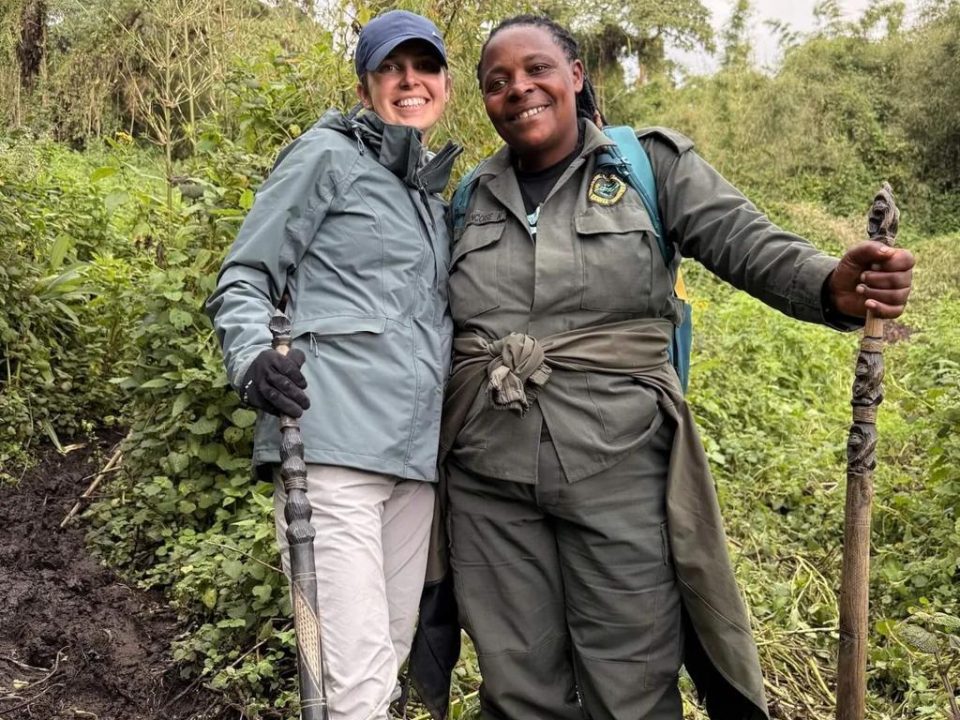
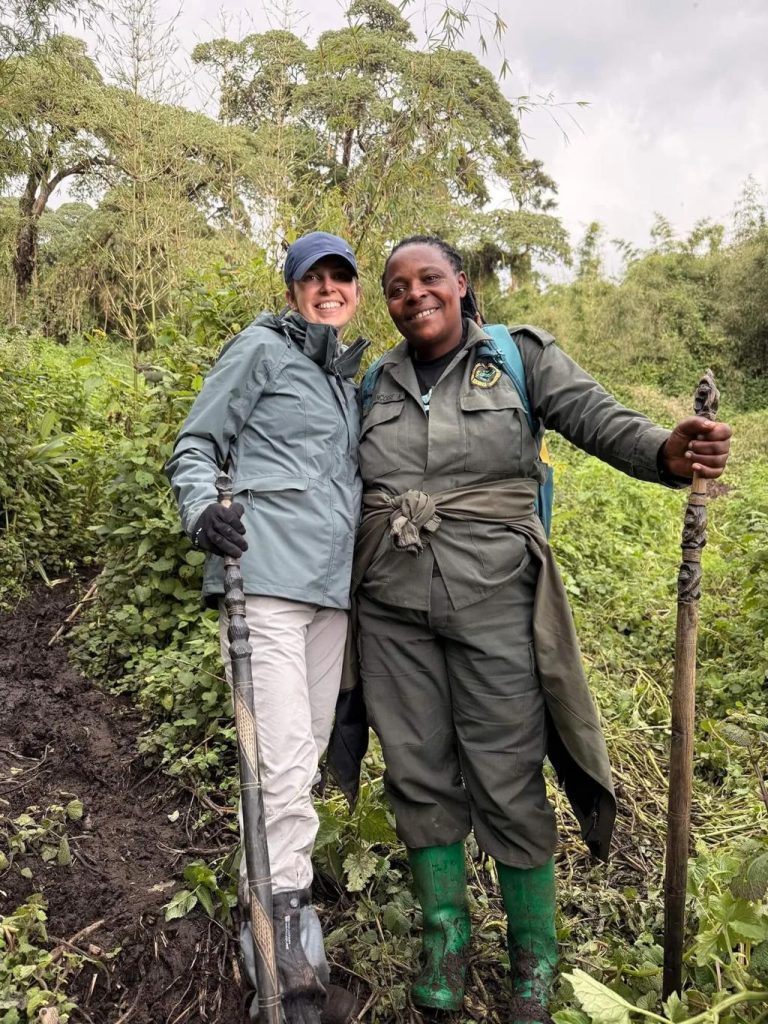
Pack sturdy hiking boots with good grip and ankle support. Waterproof clothing is also useful because rainfall can occur unexpectedly.
Other useful items include:
- A waterproof jacket.
- Comfortable hiking trousers.
- Gardening gloves for handling vegetation.
- A walking stick, where permitted and provided.
- A small backpack.
- Drinking water.
- Energy-giving snacks.
- A hat and sunscreen.
Good equipment will not remove the effects of elevation. Nevertheless, it can make walking safer and more comfortable.
5. Consult a Healthcare Professional Before Your Trip
Travellers with existing medical conditions should discuss their travel plans with a qualified healthcare professional before visiting high-altitude destinations.
This is particularly important for people with heart or lung conditions, previous altitude sickness or other concerns that may affect their ability to exercise at high elevations.
A healthcare professional can assess individual risks and advise whether any additional precautions or medication are appropriate.
Do not rely on medication as a substitute for proper acclimatisation or appropriate medical assessment.
Does Elevation Affect Everyone the Same Way?
No. People respond differently to high-altitude environments.
Several factors can influence how your body handles elevation, including your rate of ascent, previous altitude exposure, individual susceptibility and general health.
For example, someone who regularly participates in mountain hikes may still experience altitude sickness. Similarly, a traveller with excellent physical fitness may struggle with breathing when walking uphill at a high elevation.
Physical fitness can improve your ability to handle strenuous activity. However, it does not prevent altitude sickness.
Age alone also does not determine whether someone will experience altitude-related symptoms. Therefore, visitors should avoid comparing their performance with other members of the trekking group.
Instead, pay attention to your body’s signals and communicate with your guide when you need assistance.
How Elevation and Weather Conditions Work Together
Elevation is not the only environmental factor that influences gorilla tracking. Weather conditions can also affect the difficulty of the journey.
Higher mountain areas often experience cooler temperatures than surrounding lowlands. Visitors may therefore feel cold, especially during early morning activities.
Rainfall can also make forest trails muddy and slippery. This increases the effort required to maintain balance while walking uphill or downhill.
Additionally, mist may reduce visibility along some sections of the trail. Visitors should remain close to their guides and follow instructions throughout the trek.
For these reasons, wearing layered clothing is a practical choice. It allows you to adjust your clothing as temperatures change during the day.
Safari O’clock recommends preparing for both cool mountain temperatures and possible rainfall, regardless of the season you choose to visit.
Choosing the Right Gorilla Tracking Itinerary with Safari O’clock
A well-planned itinerary can make your gorilla tracking experience more manageable. This is particularly important for travellers who are concerned about elevation or have limited mountain hiking experience.
Safari O’clock helps visitors plan their Rwanda gorilla tracking adventures with attention to their travel schedules and individual needs.
For example, travellers arriving from countries at lower elevations may benefit from an itinerary that allows time to rest before tracking. Accommodation choices also matter because different lodges sit at different elevations and offer different travel distances to the park headquarters.
Furthermore, visitors should avoid scheduling strenuous activities immediately after their gorilla tracking experience. Allowing enough recovery time helps make the rest of the holiday more enjoyable.
When discussing your trip with Safari O’clock, share any physical concerns or previous experiences with high-altitude travel. This information can help the team recommend practical arrangements and communicate your needs when coordinating the experience.
Can Beginners Enjoy Gorilla Tracking at High Elevations?
Yes. Beginners can enjoy gorilla tracking, provided they understand the physical demands and prepare appropriately.
You do not need to be a professional mountaineer to participate. However, you should be comfortable with the possibility of walking uphill, crossing uneven terrain and spending several hours in a mountain forest.
Preparation is especially important for first-time visitors who have never hiked at high elevations.
Start exercising several weeks before your trip. Practise walking on different surfaces and gradually increase your endurance. Also, choose comfortable hiking equipment and allow enough time for rest.
During the trek, communicate openly with your guide. If you feel exhausted or unwell, do not hesitate to ask for assistance.
Remember that every visitor has a different experience. A successful gorilla tracking adventure is not measured by how quickly you reach the gorillas. It is measured by enjoying the encounter safely and responsibly.
Final Thoughts: Prepare for Elevation and Enjoy Your Gorilla Tracking Adventure
Elevation is an important factor to consider when planning a gorilla tracking adventure in Rwanda. From increased breathing effort to physical fatigue and possible altitude sickness, high mountain environments can influence how visitors experience the trek.
However, these challenges should not discourage you from exploring Volcanoes National Park. With proper preparation, suitable equipment, realistic expectations and a well-organised itinerary, you can approach your adventure with greater confidence.
Most importantly, listen to your body and never ignore signs of altitude sickness. Your health and safety should always come before reaching the gorillas.
At Safari O’clock, we believe that a memorable safari begins with good preparation. Our team helps travellers plan meaningful Rwanda gorilla tracking experiences while considering the practical details that make each journey more comfortable.
Start planning your Rwanda gorilla tracking adventure with Safari O’clock and prepare to experience the extraordinary beauty of the Virunga Mountains.