- DIRECT CONTACTS:
- +256394517569
- tours@safarioclock.africa

How Porters Can Support Visitors on the Trail During Gorilla Trekking

How to Recover Comfortably After a Challenging Gorilla Trek
November 23, 2026
Questions to Ask Before Booking Rwanda Gorilla Trekking If You Have Limited Hiking Experience
November 23, 2026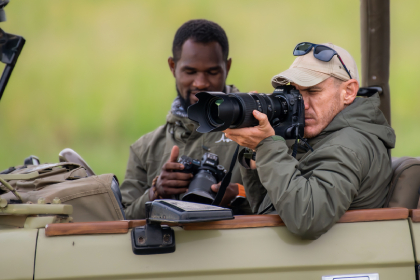
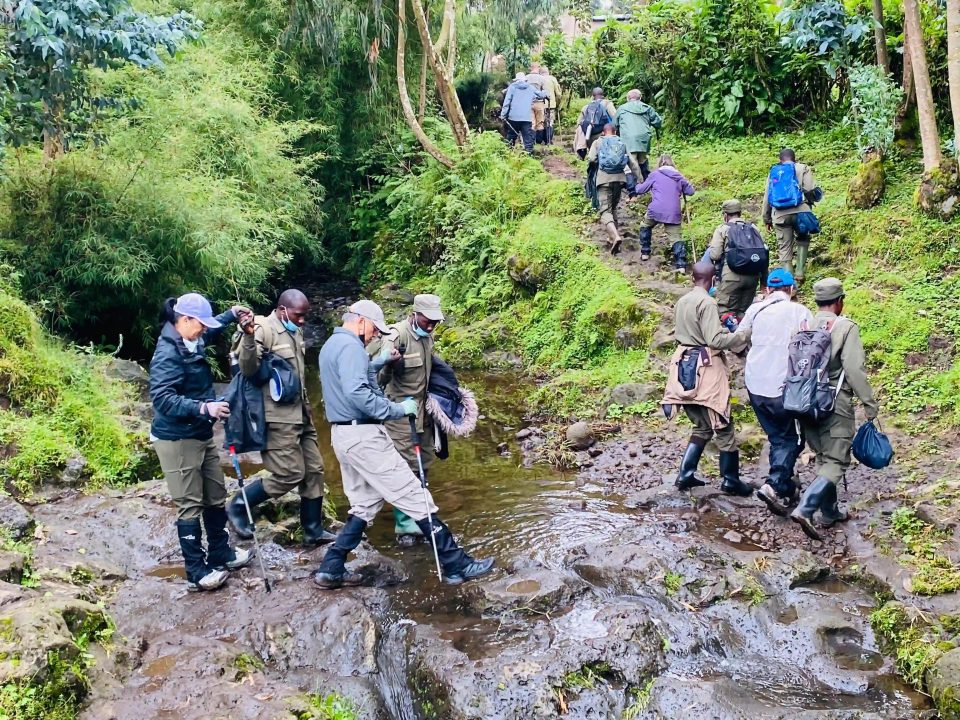
Gorilla trekking in Rwanda offers an unforgettable opportunity to see mountain gorillas in their natural habitat. However, reaching these gentle giants can involve a demanding walk through thick vegetation, steep slopes, muddy paths and uneven forest ground. Depending on the location of the gorilla family, visitors may spend several hours walking before reaching their destination.
For this reason, support on the trail can make a meaningful difference. One of the most helpful people visitors can hire during this experience is a local porter. Porters assist with carrying personal belongings and can offer a helping hand when the terrain becomes difficult. Their support can make the walk more manageable, especially for visitors who do not regularly hike.
At Safari O’clock, we encourage travellers to understand the value of hiring a porter before their gorilla tracking adventure. A porter does not simply carry a backpack. Their assistance can improve comfort, reduce the weight visitors carry and create an opportunity to support local livelihoods.
This guide explains how porters support visitors on the trail, when their help becomes useful and why hiring one contributes to the communities surrounding Volcanoes National Park.
Why Porter Support Matters During Gorilla Trekking
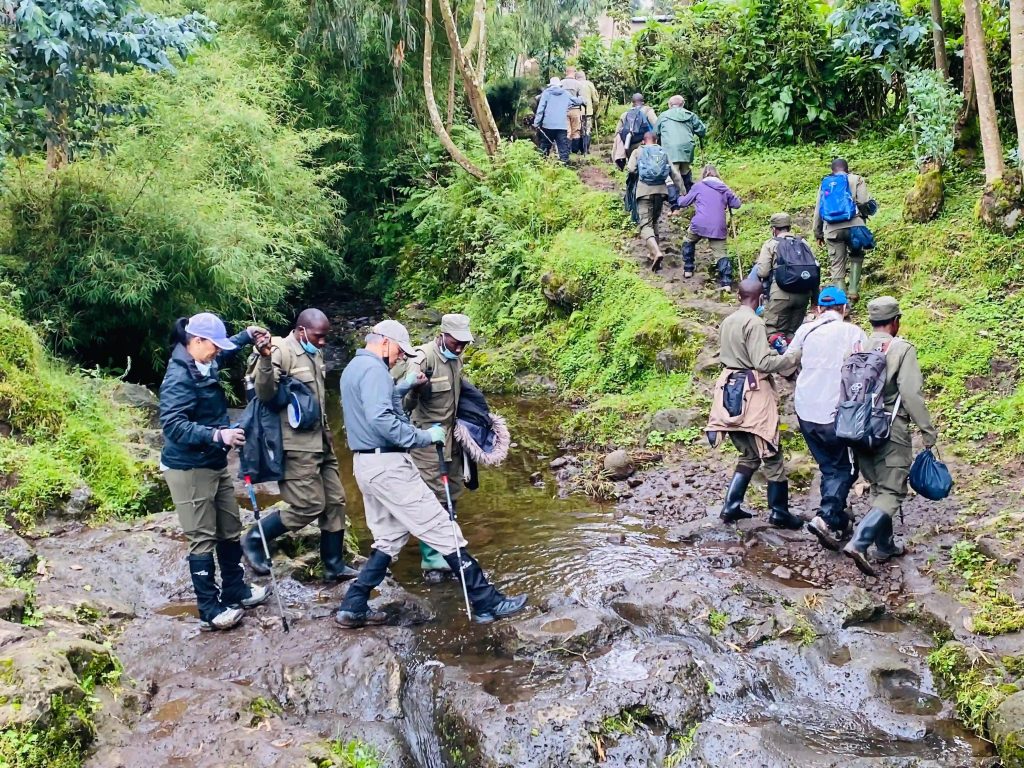
Gorilla trekking takes place in a natural forest environment. Unlike a maintained walking path, the terrain can change throughout the journey. Visitors may encounter slippery soil, exposed roots, steep sections and thick vegetation.
These conditions can make the walk physically demanding. Carrying a heavy backpack at the same time may increase discomfort and make it harder to maintain balance. Therefore, having someone carry your belongings can make the journey more comfortable.
The Rwanda Development Board confirms that porters are available to help visitors carry their daypacks during gorilla tracking. It also highlights their assistance with footing along difficult sections of the hike.
Porter support can be useful for different types of travellers. First-time hikers may appreciate the extra help on unfamiliar terrain. Older visitors may prefer not to carry heavy bags. Photographers may also benefit from having someone help with their equipment.
However, hiring a porter does not remove the physical demands of the trek. Visitors still need to walk through the forest and should prepare according to their fitness and mobility.
How Porters Support Visitors on the Trail
Porters perform several practical duties during a gorilla trek. Their work helps visitors manage personal belongings and navigate challenging sections more comfortably.
1. Porters Carry Backpacks and Personal Belongings
Carrying a backpack for several hours can become tiring, especially when the trail involves steep climbs. A bag may contain drinking water, snacks, a rain jacket, a camera and other personal items. Although these belongings are useful, their combined weight can add to the physical effort.
A porter can carry your daypack, allowing you to walk without the extra load on your shoulders. This can help reduce the strain of carrying equipment throughout the journey.
It also allows you to keep your hands free when you need to maintain balance. You can concentrate more on choosing your next step rather than adjusting a heavy backpack.
Before the trek begins, agree with your porter on the items they will carry. Keep essential personal items accessible, and follow the park guide’s instructions about what you may take during the gorilla encounter.
2. Porters Offer a Helping Hand on Steep Sections
Some parts of the forest trail can be steep and slippery. Rain can make the soil muddy, while roots and vegetation may create uneven surfaces. These conditions can make climbing or descending more difficult.
A porter may offer a hand or help you steady yourself when you encounter a challenging section. This support can be especially useful when stepping over roots or moving through muddy ground.
However, visitors should communicate clearly before accepting physical assistance. Tell the porter when you need help and move at a comfortable pace. Avoid pulling suddenly or depending entirely on another person to support your body weight.
The official park guide remains responsible for leading the trek and giving safety instructions. Therefore, visitors should follow the guide’s directions throughout the journey.
3. Porters Help Visitors Manage Their Equipment
Gorilla trekking often requires visitors to carry several useful items. These may include cameras, binoculars, water bottles, rain protection and snacks.
Carrying everything personally can become inconvenient during a long walk. A porter can help manage the daypack and reduce the number of items you need to handle while walking.
This support can be particularly useful for visitors carrying camera equipment. You can focus on moving safely without constantly adjusting your bag.
Nevertheless, protect valuable equipment from rain and accidental damage. Use waterproof bags or protective covers where necessary. Also, agree on how the porter should handle fragile items before handing them over.
4. Porters Can Help Visitors Feel More Confident
Walking through an unfamiliar forest can feel intimidating, especially for first-time trekkers. The terrain may look different from the hiking paths visitors know at home.
Having a porter nearby can provide reassurance. Their experience working around the park means they are familiar with the practical challenges visitors may encounter on the trail.
When the ground becomes slippery or a slope looks difficult, their assistance can help visitors approach the section more calmly. They may also offer encouragement during demanding parts of the walk.
However, confidence should never replace caution. Visitors should move slowly, watch their footing and ask for assistance whenever they feel uncertain.
How Porter Support Helps During Long Gorilla Treks
The length of a gorilla trek depends on where the assigned gorilla family is located. The Rwanda Development Board explains that some hikes may take around 30 minutes, while others can last four hours or more. The return journey can also take considerable time.
This variation means visitors cannot always predict the exact walking distance before the trek begins. Some groups may encounter the gorillas relatively close to the starting area. Others may need to walk much farther through the forest.
During a longer trek, carrying a backpack can become increasingly uncomfortable. Your shoulders may feel tired, and the weight may affect your walking comfort. A porter helps reduce this burden by carrying your belongings.
Porter support can also make it easier to concentrate on your pace. You can focus on the terrain, follow the guide and take breaks when needed.
Safari O’clock recommends that visitors consider hiring a porter even if they feel physically fit. You do not have to wait until you experience difficulty before asking for support.
Why Hiring a Porter Benefits Local Communities
Porters play an important role beyond assisting visitors. Their work also creates income opportunities for people living around Volcanoes National Park.
Gorilla tourism supports several local occupations. These include park staff, trackers, guides, accommodation workers, transport providers and porters. The Visit Rwanda tourism platform identifies porters among the local workers who benefit from gorilla tracking activities.
When visitors hire a porter, they pay for a service provided by a local person. This creates a direct economic opportunity within the community.
Such opportunities matter because communities living near protected areas are important partners in conservation. When local people can earn from tourism, they have an additional way to benefit from the protection of the natural environment.
The relationship between tourism and conservation is important. Mountain gorillas need a protected habitat to survive. At the same time, surrounding communities need sustainable livelihood opportunities.
Hiring a porter is not a complete solution to community development or conservation challenges. However, it is one practical way visitors can contribute to the local economy while receiving useful assistance.
How to Hire a Porter During Gorilla Tracking in Rwanda
Hiring a porter is generally straightforward. Visitors can arrange assistance at the park’s designated meeting area before beginning the trek. The Rwanda Development Board confirms that porter services are available to visitors.
You can also inform Safari O’clock before your travel date if you would like help understanding how porter arrangements work. Planning ahead gives you time to ask questions and include the service in your trekking preparations.
At the meeting point, ask about the available porter arrangements and the service fee before the walk begins. Confirm what the porter will carry and how they will assist you on the trail.
It is also helpful to explain any specific needs. For example, you may need help carrying camera equipment or may prefer assistance on steep sections. Clear communication helps both you and the porter understand what to expect.
Porter services are optional. However, many visitors find them useful because of the terrain and the physical demands of gorilla tracking.
What Porters Do and What the Official Park Guide Does
Visitors sometimes confuse the roles of porters and park guides. Although both contribute to the trekking experience, their responsibilities are different.
The official park guide leads the group and provides instructions throughout the trek. The guide coordinates the walking experience and explains the rules visitors must follow around mountain gorillas.
Porters mainly provide personal assistance. They carry belongings and may help visitors manage difficult sections of the trail.
Trackers also have a separate role. They help locate and monitor the gorilla families and communicate information to the guiding team.
Understanding these differences helps visitors know who to approach for different types of assistance. If you have questions about the route or gorilla encounter rules, speak to the official park guide. If you need help with your backpack or footing, communicate with your porter.
Visitors must follow the park guide’s instructions at all times. The porter does not replace the guide or make decisions about the trekking route.
How to Work Well With Your Porter on the Trail
A good working relationship begins with clear communication and mutual respect. Before leaving the starting point, introduce yourself and explain what kind of assistance you may need.
Show the porter the items they will carry. Avoid handing over unnecessary belongings that add weight without serving a useful purpose. Keep important personal items secure and accessible.
During the walk, communicate whenever you need assistance. If you feel uncomfortable on a steep section, ask for help before attempting it. You should also tell the porter if you need to slow down or take a short break.
Respect the porter as a professional service provider. Their work can involve considerable physical effort, particularly when they carry bags through difficult terrain.
At the end of the trek, thank them for their assistance. If you wish to give a tip, ask your tour operator or the park team about appropriate local practice. Do not assume that every porter arrangement follows the same payment or tipping structure.
Do Porters Accompany Visitors During the Gorilla Encounter?
Visitors should understand that hiring a porter does not automatically mean the porter will accompany them into the final gorilla viewing area.
The gorilla encounter follows strict park procedures. The official guide and park staff direct visitors and explain where they may go, what they may carry and how they should behave.
Your porter may be directed to remain with your belongings while you continue towards the gorillas with the authorised trekking team. Follow the instructions given on the day rather than making assumptions about where the porter can go.
The gorilla viewing experience also has specific rules. Visitors must respect the required distance, keep their voices low and follow the guide’s instructions. Eating, drinking and smoking near the gorillas are prohibited.
These rules protect both visitors and the gorillas. Therefore, always follow the official park team’s guidance.
Tips for Getting the Most From Porter Support
Hiring a porter is most useful when you understand how to work with them. A little preparation can make the arrangement more comfortable for everyone.
First, pack only what you need for the trek. A porter can carry your daypack, but unnecessary items create extra weight. Choose useful essentials such as water, rain protection and your camera.
Second, wear suitable hiking footwear. Porter assistance does not replace good shoes with reliable grip. Your footwear should fit properly and feel comfortable before tracking day.
Third, communicate your needs honestly. If you have concerns about balance, walking ability or carrying equipment, explain them before the trek begins.
Finally, remember that the porter is part of your trekking support team, not a replacement for physical preparation. Practise walking, build your fitness gradually and be realistic about your abilities.
Safari O’clock encourages visitors to prepare for the trek while making use of available local support. This approach helps you enjoy the experience without placing unnecessary pressure on yourself.
How Safari O’clock Helps You Prepare for Porter Support
Planning a gorilla tracking adventure involves several important details. You need to understand the trekking conditions, prepare suitable clothing and decide what support you may need on the trail.
Safari O’clock helps visitors plan their Rwanda safari experiences and understand practical arrangements before the trekking day. If you would like to hire a porter, share your needs during the planning process.
You can also ask questions about the walking conditions, expected equipment and how porter services operate at the park. This helps you arrive with realistic expectations.
For visitors who are trekking for the first time, knowing that assistance is available can make the experience feel less intimidating. However, remember that the forest remains a natural environment. The route, walking time and level of difficulty can change.
With proper preparation, guidance and support from local porters, you can approach the trek with greater confidence.
Final Thoughts on How Porters Support Visitors on the Trail
Porters are valuable members of the gorilla trekking experience in Rwanda. They carry daypacks, help visitors manage difficult sections and provide practical support during demanding walks.
Their contribution also extends beyond tourism services. Hiring a porter creates an income opportunity for a local community member and helps more people benefit directly from tourism around Volcanoes National Park.
For your next gorilla tracking adventure, consider including porter support in your preparations. You do not need to be struggling before you ask for assistance. A porter can help make the journey more comfortable from the beginning.
Plan your experience with Safari O’clock, prepare for the forest conditions and appreciate the people who help make your adventure possible.