- DIRECT CONTACTS:
- +256394517569
- tours@safarioclock.africa

How to Recover Comfortably After a Challenging Gorilla Trek

How to Prepare Your Knees for a Steep Forest Walk
November 23, 2026
How Porters Can Support Visitors on the Trail During Gorilla Trekking
November 23, 2026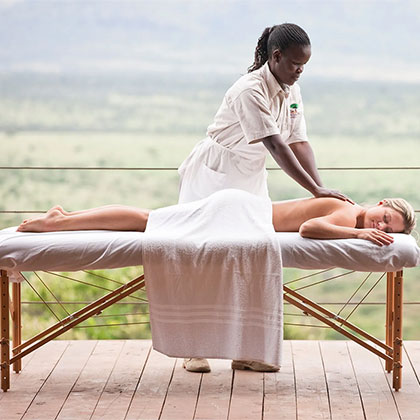
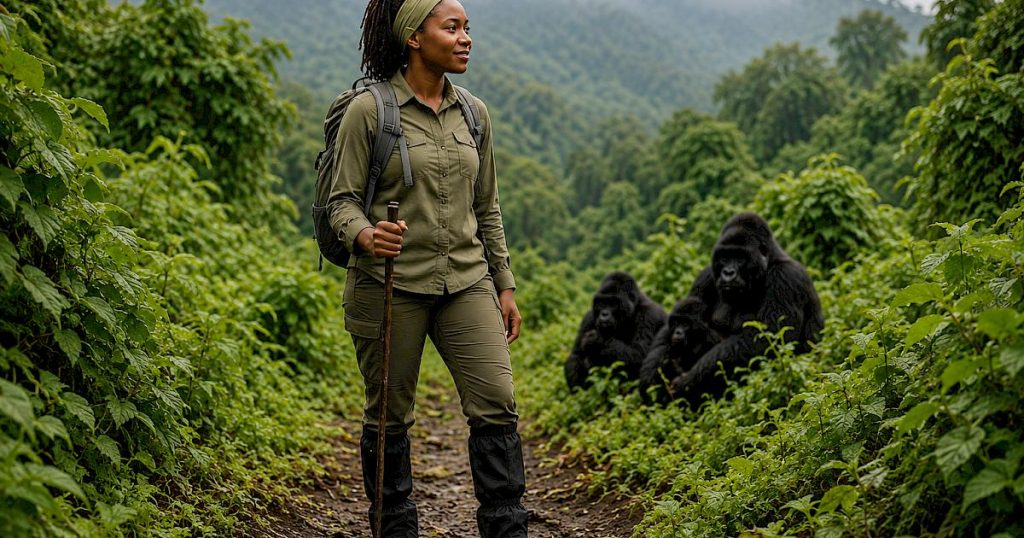
Seeing mountain gorillas in their natural habitat is an unforgettable experience. However, reaching them can require several hours of walking through steep, muddy and uneven forest terrain. Some visitors return to their lodges feeling tired, thirsty or physically exhausted. Others experience muscle soreness, especially in their legs, hips and lower back.
That is why recovery deserves attention when planning a gorilla tracking adventure in Rwanda. Your body needs time to rest, replace lost fluids and recover from the physical effort. A comfortable recovery routine can also help you enjoy the rest of your safari without feeling unnecessarily exhausted.
At Safari O’clock, we encourage travellers to think beyond the trekking day itself. Preparing for the walk is important, but knowing how to care for your body afterwards matters too. Simple actions such as drinking enough water, eating a balanced meal and getting quality sleep can make a difference.
This guide explains how to recover comfortably after a challenging gorilla trek. It also covers muscle soreness, hydration, nutrition, gentle movement and warning signs that should never be ignored.
Why Gorilla Trek Recovery Matters After a Challenging Walk
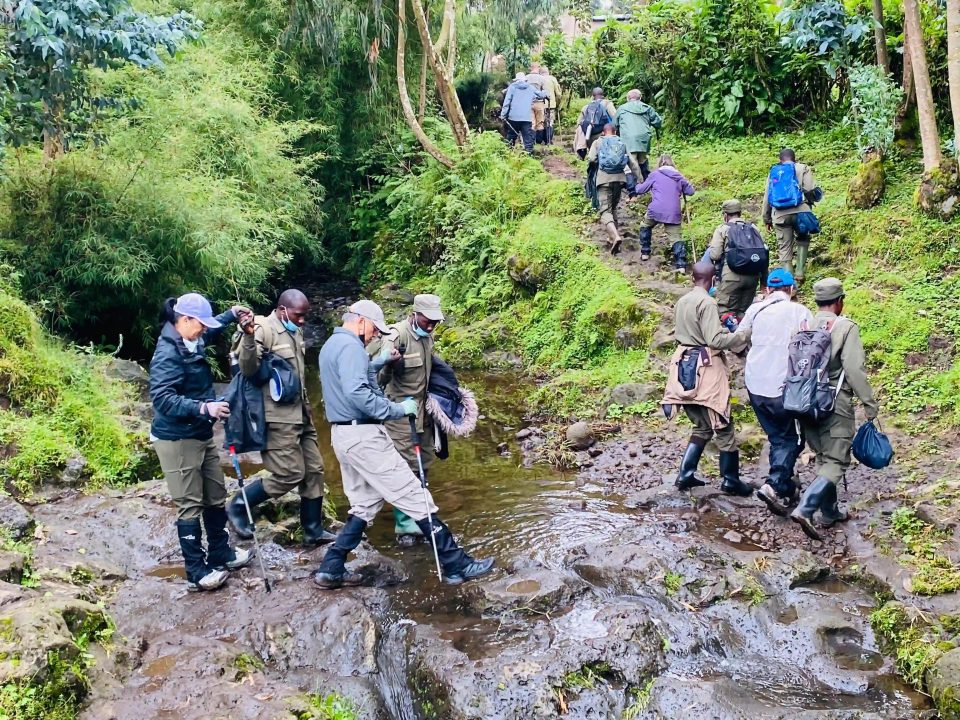
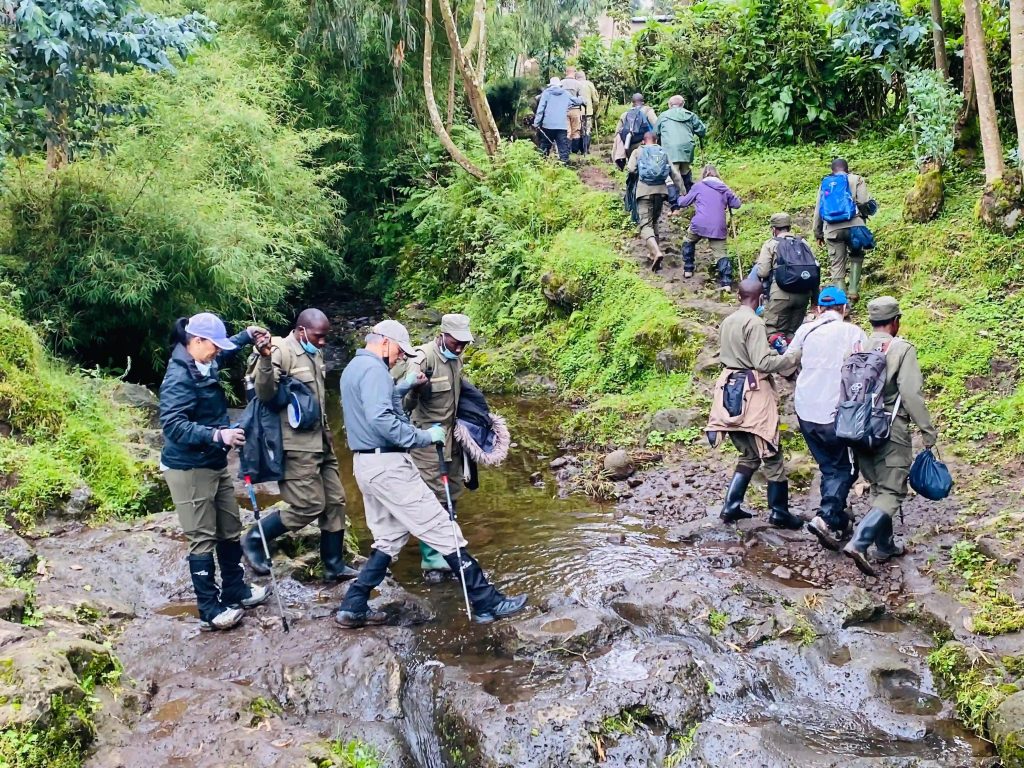
Gorilla tracking takes place in a natural mountain environment. Depending on the location of the assigned gorilla family, visitors may walk uphill, cross muddy sections and navigate uneven ground. The Rwanda Development Board explains that hikes can vary considerably in length, depending on where the gorillas are located. The return journey can also take time.
This physical effort places demands on several parts of the body. Your leg muscles help you climb and descend. Your hips and lower back support your movement. Meanwhile, your cardiovascular system works harder as you walk over steep terrain, sometimes at high altitude.
After such activity, you may notice tired muscles, temporary stiffness or general fatigue. These feelings can occur after strenuous exercise, especially when your body performs movements that it is not used to.
Recovery gives your body time to repair and adapt. It also helps you restore the energy you used during the trek. Therefore, avoid treating the end of the tracking experience as a signal to immediately continue with another demanding activity.
Start Gorilla Trek Recovery With a Gentle Cool-Down
After reaching the starting point or returning to your vehicle, give yourself time to settle down. You may feel excited and eager to discuss the gorilla encounter. However, your body has just completed a demanding physical activity.
Start by slowing your movement rather than sitting down immediately after intense effort. Walk gently for a few minutes if you feel comfortable. This allows your breathing and heart rate to return towards normal gradually.
You can then sit somewhere comfortable and remove any wet or uncomfortable clothing. Change into dry clothes if necessary, especially after walking through rain or damp vegetation. Staying warm and comfortable can make the rest of your recovery easier.
The NHS recommends a gradual cool-down after intense exercise. Its guidance suggests that a cool-down may take around five to ten minutes. You do not need a complicated routine. Gentle walking is often enough to help you transition from strenuous activity to rest.
However, do not force yourself to keep walking if you feel dizzy, unwell or unusually breathless. Sit down, tell someone how you feel and seek medical assistance when necessary.
Rehydrate Properly After a Gorilla Trek
Walking through a forest for several hours can make you lose fluids through sweating and breathing. You may not notice how much effort you have used, particularly when the excitement of seeing mountain gorillas keeps your attention elsewhere.
Once the trek ends, begin replacing the fluids you have lost. Drink clean water regularly and respond to your thirst. Avoid drinking an excessive amount all at once. Instead, take comfortable amounts over time.
The Rwanda Development Board advises gorilla tracking visitors to carry water and drink plenty because the mountain environment can create additional physical challenges. This advice remains useful after the trek.
If you have sweated heavily or walked for a long time, a meal or drink containing electrolytes may also help replace some of the minerals lost through sweat. However, most people do not need special sports supplements after an ordinary hike. Water and balanced meals are usually a sensible starting point.
Pay attention to how you feel. Persistent dizziness, confusion, fainting or an inability to keep fluids down should not be treated as ordinary trekking fatigue. Seek medical attention if these symptoms occur.
Eat a Balanced Meal to Support Gorilla Trek Recovery
Your body uses energy during a demanding forest walk. Therefore, eating a balanced meal after tracking helps replenish that energy and provides nutrients that support normal muscle recovery.
Include foods that provide carbohydrates and protein. Carbohydrates help restore energy stores, while protein supplies building blocks that your body uses to repair and maintain muscles.
For example, you could enjoy rice, potatoes or matooke alongside beans, fish, chicken or eggs. Add vegetables or fruit for additional nutrients. You do not need an expensive recovery meal or a special diet to support your body.
If you have a smaller appetite immediately after the trek, begin with a light snack. A banana, yoghurt, fruit or a simple sandwich can be a convenient option. You can then enjoy a larger meal when you feel ready.
Try not to skip meals simply because you feel tired. Your body still needs energy after the physical effort. At the same time, avoid forcing yourself to eat a large meal when you feel uncomfortable.
Safari O’clock encourages travellers to plan their meals around the trekking schedule. If you expect to return later than usual, discuss meal arrangements with your accommodation provider before the tracking day.
Rest and Sleep Well After a Challenging Gorilla Trek
Rest is one of the most important parts of recovery. After a demanding walk, your muscles need time to recover from the physical stress of the activity. Therefore, avoid filling the rest of your day with unnecessary strenuous activities.
Once you return to your lodge, take a shower if facilities are available. Change into comfortable clothing and give your legs time to relax. You can spend the afternoon reading, enjoying the scenery or having a quiet conversation with your travel companions.
Sleep also plays an important role in recovery. During sleep, your body carries out several processes that support tissue repair and normal physical function. A comfortable room, a relaxing evening routine and enough sleep can help you feel more refreshed the following morning.
Try to avoid staying up late after a physically demanding trek. You may be tempted to celebrate the experience for hours, especially if it was your first gorilla encounter. However, getting proper rest will help you enjoy the rest of your Rwanda holiday.
The University of Washington’s UW Medicine also identifies sleep, hydration and balanced nutrition as important foundations of exercise recovery.
Use Gentle Movement to Ease Muscle Stiffness
After a long walk, you may feel stiffness when standing up, climbing stairs or getting out of bed. This can happen because your muscles have worked harder than usual.
If you experience mild general muscle soreness, gentle movement may help you feel more comfortable. For example, take a short, relaxed walk around your accommodation. You can also move your ankles, gently bend and straighten your legs, or perform comfortable shoulder movements.
Avoid turning the following morning into another workout. Your aim is to keep your body moving comfortably without adding unnecessary strain.
Gentle stretching may also help you maintain comfortable movement. However, stretch slowly and avoid forcing your muscles into painful positions. Deep stretches are not necessary, especially when your muscles already feel sore.
Do not massage or stretch an area aggressively if you suspect an injury. Sharp pain, significant swelling or difficulty moving a joint needs proper assessment rather than more exercise.
Manage Sore Legs and Tired Feet After Gorilla Tracking
Your legs and feet do much of the work during a forest trek. They support your body as you climb slopes, step over roots and move across slippery ground. Therefore, it is normal for some visitors to notice tired legs and feet afterwards.
Start by removing your hiking boots and checking your feet. Look for blisters, redness, pressure marks or areas of discomfort. If your socks became wet during the trek, change into a dry pair.
You can rest your feet in a comfortable position. If your legs feel tired, sit down and elevate them slightly if that feels comfortable. This may help you relax after spending several hours on your feet.
For mild muscle soreness, a cool or warm shower may feel soothing. Some people also find gentle massage comfortable. However, these methods should not replace medical assessment when pain is severe or unusual.
Avoid walking long distances in uncomfortable shoes after the trek. If you have another excursion planned, choose footwear that supports your feet and allows you to move comfortably.
How to Plan the Day After Gorilla Trekking
The day after your gorilla trek deserves thoughtful planning. You may feel ready for another adventure, but your energy levels could be lower than usual. Therefore, choose activities that match how your body feels.
If you feel well, consider a relaxed visit to a nearby cultural attraction, a gentle sightseeing experience or time at your accommodation. You can also enjoy the scenery around Musanze without committing to another demanding hike.
However, avoid scheduling several strenuous activities immediately after a difficult trek. A long drive, another mountain walk and a busy sightseeing programme may leave little time for recovery.
If you are travelling with family or friends, explain that you would prefer a relaxed schedule. Everyone may recover at a different pace. Some visitors feel comfortable the next morning, while others need more time.
Safari O’clock can help travellers consider their wider itinerary when planning a Rwanda safari. Sharing your preferred activity level before the trip makes it easier to discuss a realistic schedule.
When Muscle Soreness Is Normal and When to Seek Help
Mild muscle soreness can develop after strenuous activity. It may appear several hours after the trek and become more noticeable the following day. You may feel it when walking downstairs, standing up or stretching your legs.
This type of soreness often affects the muscles that worked hardest. It should gradually improve with appropriate rest and normal recovery.
However, not every type of pain is ordinary muscle soreness. Sharp pain, severe swelling, unusual bruising or difficulty bearing weight may indicate an injury. You should seek medical assessment rather than trying to walk through these symptoms.
Pay attention to other warning signs too. Severe muscle pain accompanied by marked weakness, swelling or dark, tea-coloured urine after intense exertion can indicate a serious condition called rhabdomyolysis. This requires urgent medical evaluation.
Chest pain, fainting, confusion or severe difficulty breathing also require urgent medical attention. Do not assume that these symptoms are simply part of being tired after a trek.
If you have a pre-existing medical condition or an injury, follow the advice of your healthcare professional. Your recovery needs may differ from those of another traveller.
Avoid These Common Gorilla Trek Recovery Mistakes
Some visitors make recovery harder by returning to their normal activities too quickly. For example, you may feel excited after seeing the gorillas and decide to spend the rest of the day exploring. However, your body may need more rest than you expect.
Another common mistake is forgetting to drink water. The excitement of the tracking experience can distract you from basic needs. Make hydration part of your routine as soon as you finish the walk.
Skipping meals is another poor recovery habit. Your body needs energy and nutrients after strenuous activity. Even a light snack can be a useful starting point if you do not feel ready for a full meal.
You should also avoid intense exercise to overcome soreness. A second demanding hike or heavy gym session may add more stress to tired muscles. Give yourself time to recover before returning to strenuous activity.
Finally, do not ignore injuries. Pain that becomes worse, significant swelling or difficulty walking deserves attention. Early assessment can help prevent a small problem from becoming more serious.
How Safari O’clock Helps You Plan a Comfortable Gorilla Tracking Experience
A successful gorilla tracking holiday involves more than the time spent with the gorillas. Travellers should also consider the walking conditions, accommodation, transport and activities planned after the trek.
Safari O’clock helps visitors organise their Rwanda travel experiences and prepare for the practical demands of gorilla tracking. Before travelling, share any concerns about your fitness, mobility or previous injuries. This gives the team an opportunity to discuss your needs and explain what to expect.
It is also helpful to choose accommodation that allows you to rest comfortably after the trek. Consider the journey back from the park, meal arrangements and whether you want a quiet afternoon.
The Rwanda Development Board provides visitor guidance on trekking conditions, water, footwear and porter assistance. Porters can help carry daypacks, which may reduce the burden of carrying your own belongings. However, they do not remove the physical demands of walking through the forest.
Safari O’clock encourages visitors to approach the experience with realistic expectations. The gorillas move freely through their natural habitat, so the location and walking distance can change. A flexible itinerary gives you more room to rest when necessary.
Final Thoughts on Recovering Comfortably After a Gorilla Trek
A challenging gorilla trek can leave you feeling tired, but a thoughtful recovery routine can help you enjoy the rest of your holiday. Start by slowing down after the walk. Drink water, eat a balanced meal and give your body enough time to rest.
Gentle movement may help with mild stiffness, while quality sleep supports normal recovery. Most importantly, listen to your body. Do not ignore severe pain, unusual swelling or other warning signs.
Your gorilla tracking experience should remain a wonderful travel memory. With sensible planning and practical guidance from Safari O’clock, you can give yourself time to recover and enjoy more of what Rwanda has to offer.