- DIRECT CONTACTS:
- +256394517569
- tours@safarioclock.africa

Questions to Ask Before Booking Rwanda Gorilla Trekking If You Have Limited Hiking Experience

How Porters Can Support Visitors on the Trail During Gorilla Trekking
November 23, 2026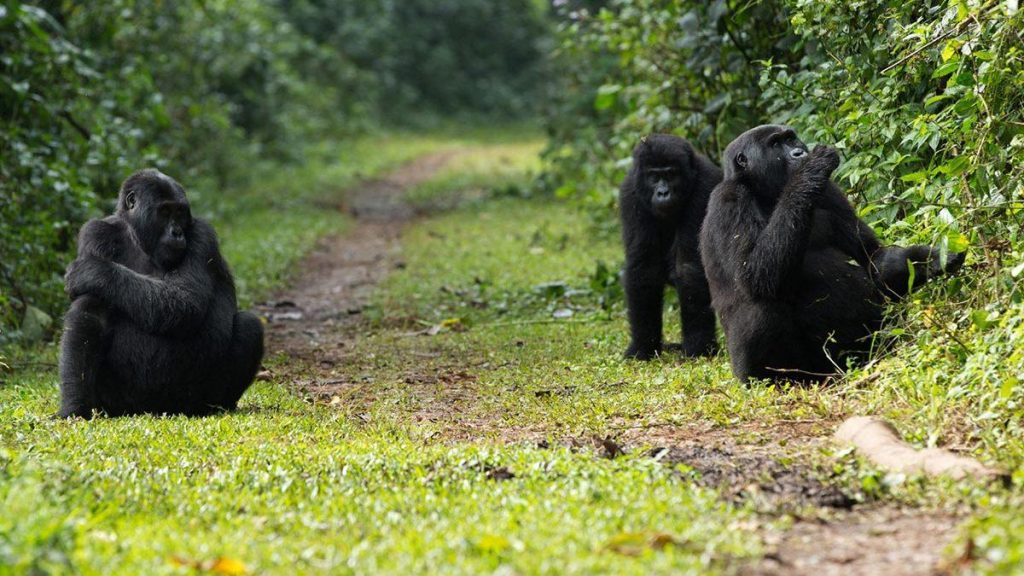
Rwanda is one of the world’s most remarkable destinations for mountain gorilla trekking. Every year, travellers visit Volcanoes National Park to experience mountain gorillas in their natural habitat. However, not everyone who dreams of this adventure has previous hiking experience. Some visitors have never walked along a mountain trail, while others have little experience with steep slopes, muddy paths and long outdoor activities.
Fortunately, limited hiking experience does not automatically mean you cannot enjoy gorilla trekking. However, it is important to understand the physical demands before making a booking. The forest terrain, changing weather, altitude and movement of gorilla families can influence how challenging the experience becomes. Therefore, asking the right questions helps you prepare properly and avoid unpleasant surprises.
At Safari O’clock, we believe that a successful safari begins with honest information and proper planning. Travellers should understand what awaits them before paying for permits and confirming their travel arrangements. If you are considering gorilla trekking for beginners, the following questions will help you make an informed decision and prepare for a rewarding experience.
1. How physically demanding is gorilla trekking in Rwanda?
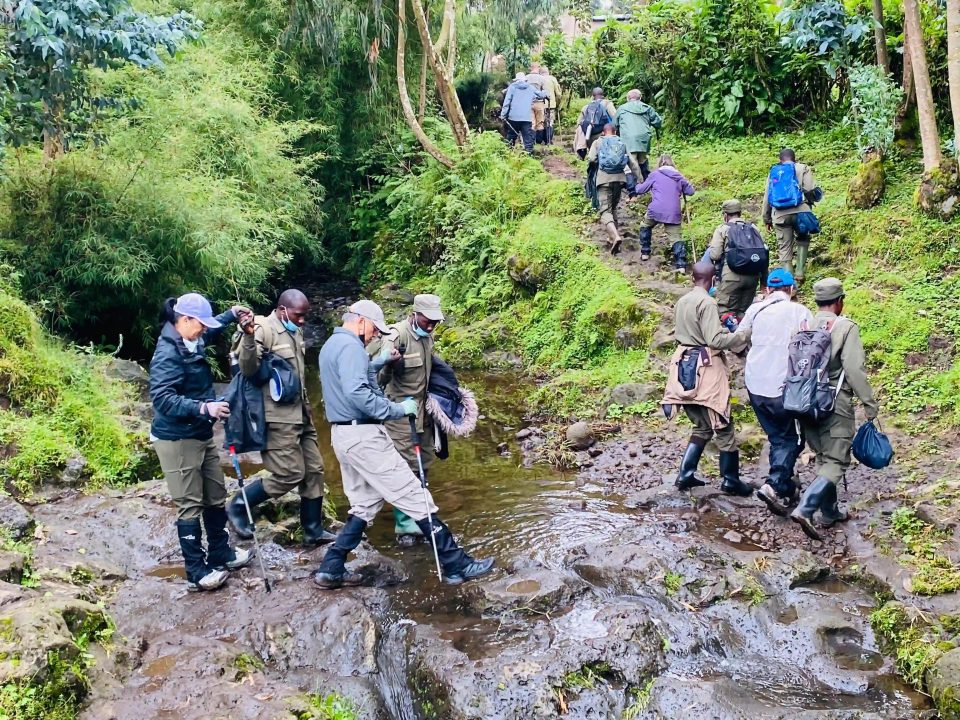
This should be one of your first questions when speaking to a tour operator. Gorilla trekking involves walking through the mountainous rainforest of Volcanoes National Park. Unlike ordinary nature walks, the trails may include steep sections, slippery ground, thick vegetation and uneven surfaces.
The difficulty also changes depending on the location of the gorilla family on the day of your trek. Some groups may be relatively close to the starting point, while others may require a longer walk through the forest. According to Rwanda’s official tourism information, treks can take anywhere from approximately 30 minutes to four hours or more, depending on the gorillas’ movements.
Furthermore, the park sits at a high altitude. This means that even visitors who regularly walk on flat ground may find the uphill sections more demanding. The thinner air can make physical activity feel harder, particularly for travellers who are not accustomed to high elevations.
Ask your tour operator to explain the typical walking conditions, possible climbing sections and expected level of physical effort. This information will help you decide whether you need additional preparation before travelling.
2. Can I request an easier gorilla trekking experience?
Travellers with limited hiking experience should ask whether the park can accommodate their physical abilities when assigning gorilla families.
Gorilla families occupy different areas of the forest, and their locations change as they move in search of food. Consequently, some trekking routes may involve shorter walks, while others can require more time and effort.
Explain your fitness level honestly when discussing your booking. If you have difficulty walking uphill or have limited stamina, communicate this before your travel date. You can also ask whether the park authorities can consider your needs when allocating a gorilla family.
However, remember that an easier route cannot always be guaranteed. Gorilla movements are unpredictable, and final arrangements depend on the park’s tracking and allocation procedures.
Safari O’clock encourages visitors to share their concerns early rather than waiting until the morning of the trek. Honest communication gives your tour operator a better opportunity to discuss realistic arrangements and suitable alternatives.
3. How many hours should I expect to walk during the trek?
Another important question concerns the amount of time you may spend walking through the forest.
Many first-time visitors assume that gorilla trekking takes only a short time because the actual gorilla viewing experience lasts one hour. However, the walking journey happens before that viewing period begins. Depending on the gorilla family’s location, reaching the animals may take considerably longer.
Some visitors reach their assigned gorilla family relatively quickly. Others spend several hours climbing through challenging forest terrain before finding the group. The return journey also requires additional walking.
Therefore, ask your tour operator about the possible duration of the trek and whether you should prepare for a full morning or potentially a longer day. Avoid planning another demanding activity immediately afterwards.
It is also important to understand that the one-hour viewing limit does not represent the total time required for the experience. You should allow enough time for registration, the morning briefing, transportation to the starting point and the actual forest walk.
4. Are porters available to assist visitors with limited hiking experience?
If you are not an experienced hiker, this is one of the most valuable questions to ask before booking.
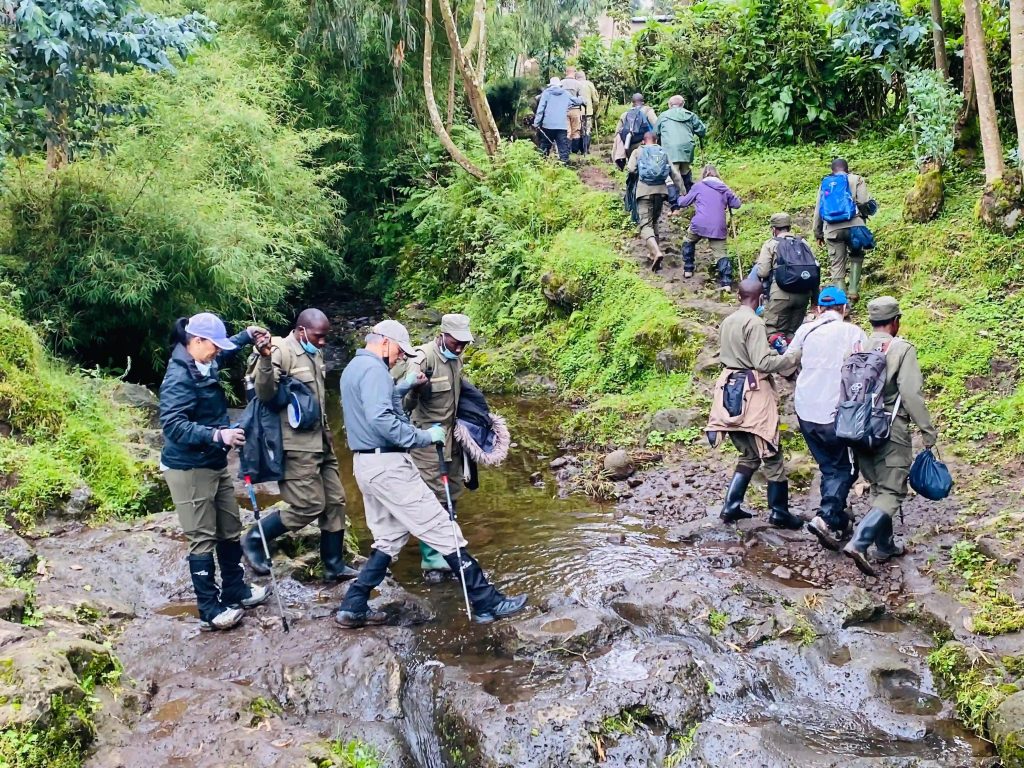
Porters are available at Volcanoes National Park to help visitors carry their backpacks and provide support along difficult sections of the trail. Their assistance can make the journey more manageable, particularly when the ground becomes slippery or steep.
A porter may help you maintain balance, navigate difficult sections and reduce the effort involved in carrying your personal belongings. This allows you to concentrate more on walking safely and enjoying the forest environment.
Hiring a porter also supports local livelihoods. Many porters come from communities surrounding the national park, and their work provides an important source of income.
Ask Safari O’clock about arranging porter assistance before your trekking day. You should also confirm the current charges and whether you need to carry cash for the service.
Remember that a porter does not replace physical preparation. You will still need to walk through the forest, but having someone assist you can improve your overall experience.
5. What physical preparation should I do before travelling?
You do not need to become a professional athlete before visiting Rwanda. Nevertheless, preparing your body can make a significant difference, especially if you rarely participate in outdoor physical activities.
Ask your tour operator how early you should begin preparing and what types of exercise would be helpful. In most cases, regular walking provides a practical starting point.
Begin with short walks around your neighbourhood. Gradually increase the distance as your body becomes comfortable with the activity. You can also introduce gentle uphill walking, stair climbing and other exercises that improve stamina and leg strength.
If possible, practise walking on different surfaces. This helps you become familiar with uneven ground and improves your confidence when navigating outdoor trails.
Most importantly, increase your activity gradually. Avoid attempting a very demanding hike immediately before your safari. Give yourself enough time to build endurance and recover between exercise sessions.
Travellers with existing medical concerns should seek appropriate medical advice before undertaking strenuous activity at altitude. Safari O’clock recommends discussing any relevant mobility or health concerns during the planning stage.
6. What type of clothing and footwear should I bring?
Your clothing and footwear can greatly influence your comfort during gorilla trekking.
Ask whether your tour operator provides a detailed packing list and whether any equipment can be hired locally. Proper footwear should be a priority because forest trails can become slippery, muddy and uneven.
Sturdy hiking boots with good grip provide better support than ordinary sandals or fashionable shoes. Waterproof footwear is particularly useful during wet conditions. Long trousers and long-sleeved shirts also help protect your skin from vegetation and insects.
Additionally, carry a lightweight waterproof jacket because mountain weather can change quickly. Gardening gloves can help protect your hands when moving through vegetation, while hiking gaiters may reduce the amount of mud entering your boots.
A comfortable daypack should contain essential items such as drinking water, personal medication and other recommended supplies. However, avoid carrying unnecessary items because additional weight can make walking more difficult.
Ask Safari O’clock to help you identify the essential items before departure. Packing appropriately allows you to focus on the experience rather than worrying about uncomfortable equipment.
7. What happens if the weather changes during the trek?
Weather is another important consideration for visitors with limited hiking experience.
Volcanoes National Park is a mountainous rainforest environment. Rain can occur even when the morning begins with clear skies. As a result, forest trails may become muddy and slippery, making certain sections more difficult to navigate.
Ask your tour operator how the itinerary handles rainy conditions and what happens if the weather becomes particularly challenging.
It is important to understand that gorilla trekking is an outdoor activity. Visitors should be prepared for changing conditions rather than expecting perfectly dry trails throughout the experience.
A waterproof jacket, suitable boots and protective clothing can help you remain comfortable. In addition, follow your guide’s instructions when crossing slippery sections and avoid rushing to keep up with other visitors.
Your safety should always come before speed. Walking steadily and taking necessary breaks can make the journey more manageable.
8. Will the guides adjust the walking pace to accommodate beginners?
Experienced park guides play an important role in making gorilla trekking organised and safe.
Before entering the forest, visitors attend a briefing where guides explain the trekking procedures, safety requirements and gorilla conservation rules. During the trek, guides lead the group and communicate with trackers who help locate the gorilla families.
If you have limited hiking experience, ask whether the guides can accommodate a slower walking pace and allow suitable rest breaks.
You should also explain your concerns during the morning briefing. This gives the guides an opportunity to understand your needs and provide appropriate guidance.
Do not feel pressured to walk faster simply because other visitors appear more experienced. Everyone has different physical abilities, and taking a steady pace is better than exhausting yourself unnecessarily.
However, understand that the entire group follows the park’s operational arrangements. Guides can provide assistance, but they cannot always control the location of the gorillas or the condition of the trails.
9. Is there additional assistance for visitors who struggle to walk long distances?
If you have significant mobility difficulties, ask about additional support before paying for your gorilla permit.
Apart from ordinary porter services, specialised options such as sedan chairs may be available through local operators and park arrangements. These services involve trained people carrying a visitor along the trekking route.
However, availability, costs, advance arrangements and suitability must be confirmed before travelling. Do not assume that specialised mobility assistance will automatically be available on arrival.
You should also explain your mobility requirements clearly. Some conditions may affect your ability to navigate the forest, even with assistance.
Safari O’clock can help you discuss the available arrangements and determine whether the proposed experience is suitable for your needs.
10. What happens if I cannot complete the trek?
This is an important question that many first-time visitors overlook.
Although proper preparation improves your chances of completing the trek, unexpected situations can occur. You may become tired, experience discomfort or discover that the terrain is more challenging than expected.
Ask your tour operator what assistance is available if you struggle during the walk. Find out whether the guides can arrange additional support, how they handle visitors who need to stop and what options exist if someone cannot continue.
You should also understand the permit conditions before making payment. Rwanda Development Board publishes specific rules concerning permits, cancellations and circumstances in which visitors may qualify for a refund or another opportunity to track.
For example, its official guidance describes special arrangements when visitors fail to encounter a gorilla family because of the family’s movements. However, this should not be confused with an automatic refund for someone who decides to stop walking.
Read the applicable terms carefully and ask for clarification about situations involving illness, injury or inability to complete the trek.
11. How early should I arrive in Musanze before the trekking day?
Arriving early is another useful consideration for travellers who are not familiar with hiking at altitude.
Volcanoes National Park is located in northern Rwanda, and gorilla trekking registration takes place at the Kinigi visitor information centre. Rwanda Development Board lists 07:00 as the reporting time for visitors.
Ask your tour operator whether you should spend the previous night in Musanze or at a nearby lodge. Staying close to the park can reduce early-morning travel pressure and give you enough time to prepare.
If your itinerary allows, consider arriving at the destination a day before trekking. This gives you time to settle in, organise your equipment and rest before the activity.
It also provides an opportunity to discuss any last-minute concerns with your guide.
Avoid travelling long distances immediately before the trek if you can arrange a more comfortable schedule. A relaxed morning can help you begin the experience with greater confidence.
12. Does the gorilla trekking package include everything I need?
Before confirming your booking, request a clear breakdown of the services included in your safari package.
Some travellers focus mainly on the gorilla permit and forget that the overall experience involves several other arrangements. These may include accommodation, transportation, meals, guide services and porter assistance.
Ask whether your package includes airport transfers, transport from Kigali to Musanze, accommodation and transfers to the park headquarters.
You should also establish whether porter fees, personal expenses and optional services are included or paid separately.
A detailed quotation helps you understand the full cost of your trip. It also reduces the risk of unexpected expenses during your holiday.
At Safari O’clock, we encourage travellers to understand their safari arrangements before making payments. A well-planned package should clearly explain what is included, what is excluded and which services require additional payment.
13. What are the health and safety requirements for gorilla trekking?
Gorilla trekking involves entering the natural habitat of endangered mountain gorillas. Therefore, visitors must follow rules designed to protect both people and wildlife.
Ask your tour operator to explain the health requirements before booking. Rwanda Development Board advises visitors with colds, flu or other contagious illnesses not to visit the gorillas.
This is important because mountain gorillas are vulnerable to human respiratory infections. Even a seemingly mild illness can pose a serious risk to these endangered animals.
Visitors must also follow the park’s instructions on maintaining distance, keeping their voices low and avoiding sudden movements. Rwanda’s official guidance requires visitors to maintain a distance of at least seven metres from gorillas.
Furthermore, viewing time is limited to one hour, and visitor groups are restricted to a maximum of eight people.
If you have concerns about your fitness or medical suitability, seek advice before travelling. Being honest about your physical condition helps your tour operator discuss appropriate arrangements.
14. What happens during the pre-trek briefing?
First-time visitors should understand the briefing process because it introduces the important rules and procedures for the day.
Before entering Volcanoes National Park, visitors gather at the designated registration centre. Park staff provide information about the gorilla families, trekking guidelines and expected behaviour in the forest.
You will also receive instructions about staying with your group, respecting wildlife and following your guide’s directions.
Ask whether your tour operator will accompany you to the registration point and help you understand the process.
The briefing is also an excellent opportunity to communicate any concerns about your hiking ability. If you need a porter or additional support, raise the issue before the group enters the forest.
Listen carefully to the instructions because they are designed to protect you, other visitors and the gorillas.
15. Is gorilla trekking suitable for someone who has never hiked before?
This is perhaps the most important question for anyone considering their first gorilla trekking experience.
The answer depends on your general fitness, mobility, health and willingness to prepare. You do not necessarily need previous mountaineering experience, but you should understand that gorilla trekking is a physically demanding outdoor activity.
Some visitors with little hiking experience complete the journey successfully by preparing beforehand, choosing suitable equipment and using porter assistance.
Nevertheless, no tour operator should promise that every trek will be easy. The natural environment, altitude and movement of the gorillas make each experience different.
Be honest about your abilities and ask detailed questions before confirming your booking. If you have significant health or mobility concerns, seek professional advice and discuss the available support options.
With realistic expectations and proper planning, even a first-time hiker can approach this remarkable adventure with greater confidence.
Final Thoughts: Prepare Well Before Booking Your Gorilla Trek
Having limited hiking experience should encourage you to plan carefully rather than immediately abandon your dream of seeing mountain gorillas in Rwanda.
The most important step is understanding what the experience involves. Ask about the terrain, walking duration, physical demands, porter assistance, available support and the services included in your safari package.
Additionally, begin preparing your body before travelling. Regular walking, suitable footwear and appropriate clothing can make a meaningful difference during the trek.
At Safari O’clock, we believe every traveller deserves honest guidance before embarking on a safari. Our goal is to help visitors understand their options, prepare for the journey and enjoy meaningful encounters with Rwanda’s remarkable wildlife.
If you are planning your first gorilla trekking adventure, let your questions guide your preparation. Speak to Safari O’clock about your hiking experience, physical abilities and travel expectations so that you can explore suitable arrangements before confirming your booking.
Your first gorilla trekking experience can become a remarkable travel memory. Start with the right questions, prepare responsibly and approach the forest with confidence and respect for nature.