- DIRECT CONTACTS:
- +256394517569
- tours@safarioclock.africa

Why Long Sleeves and Long Trousers Are Useful in the Forest During Gorilla Tracking

What to Wear for Gorilla Tracking in Volcanoes National Park
November 23, 2026Choosing Hiking Boots for Rwanda Gorilla Tracking
November 23, 2026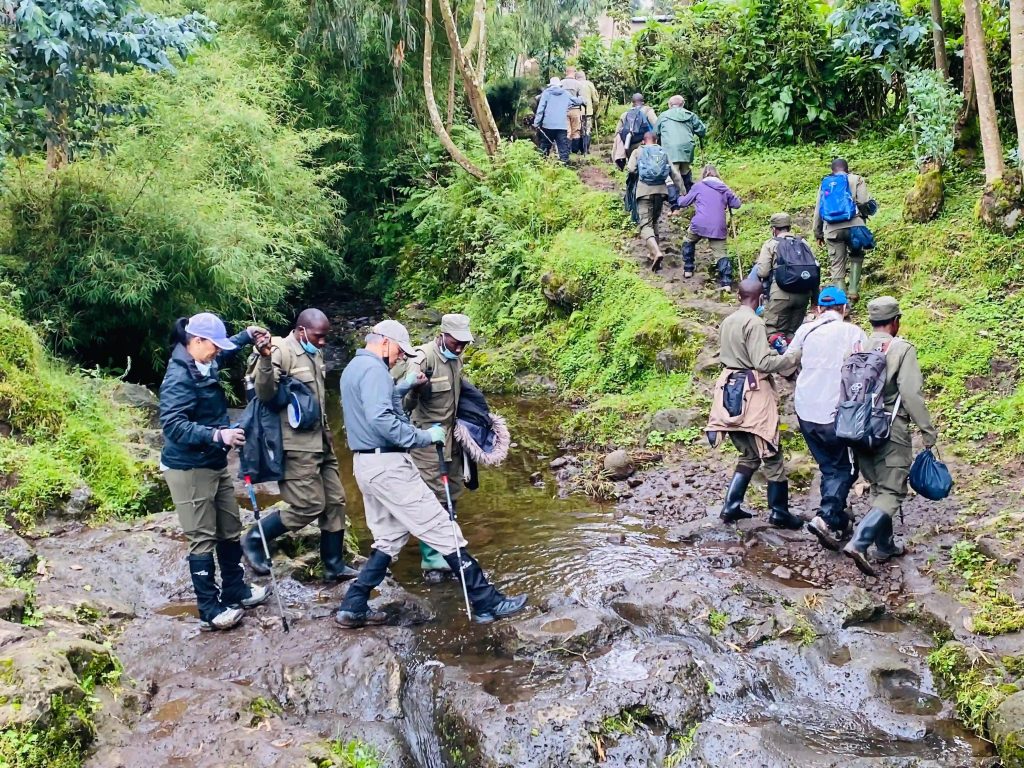
Gorilla tracking in Rwanda is an exciting opportunity to explore the beautiful forests of Volcanoes National Park and observe endangered mountain gorillas in their natural habitat. However, the experience involves more than simply walking through a forest. Visitors move through thick vegetation, climb steep slopes, cross muddy sections and sometimes pass through areas with stinging plants and insects. Therefore, choosing the right clothing is an important part of preparing for the adventure.
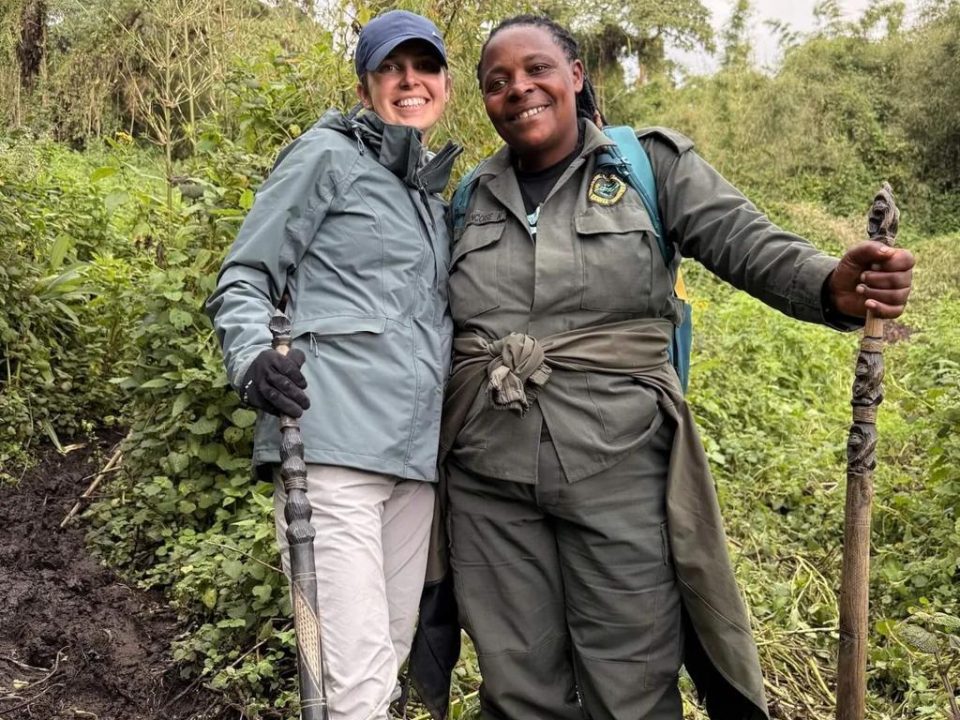
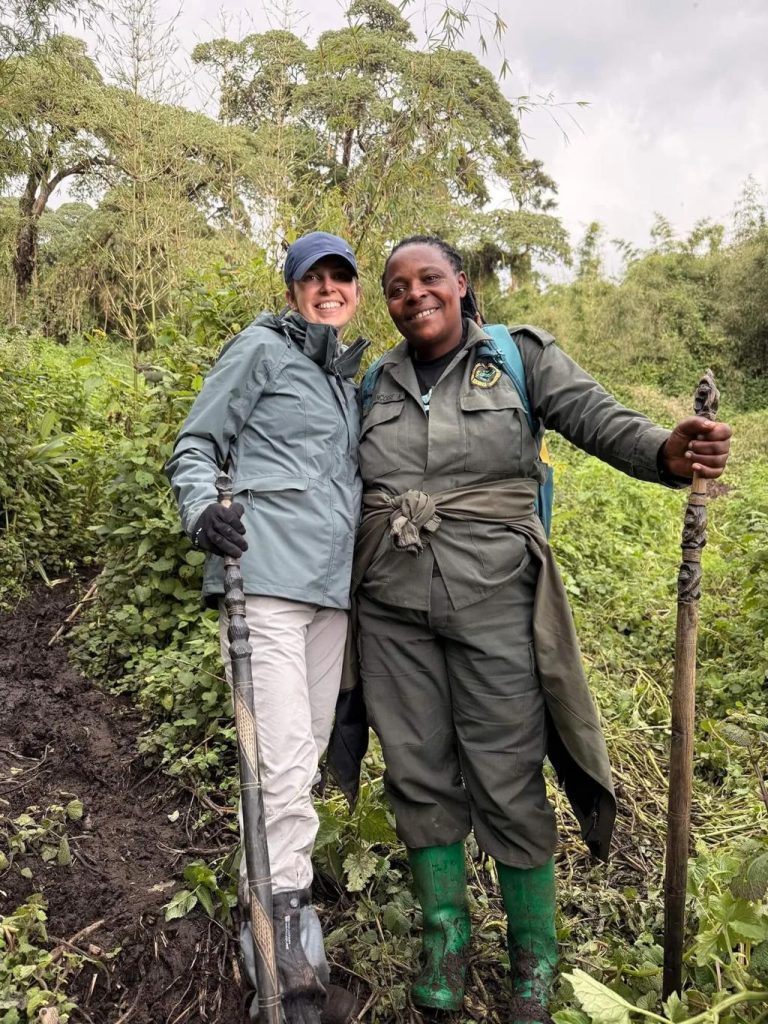
One of the most useful clothing recommendations is to wear a long-sleeved shirt and long trousers throughout the trek. Although some visitors may prefer shorts and short-sleeved tops in warmer weather, covering the arms and legs offers practical protection against several challenges found in the forest.
At Safari O’clock, we encourage visitors to prepare properly before their gorilla tracking experience. Understanding why these clothing choices matter can help you feel more comfortable, protect your skin and enjoy the journey with greater confidence.
Why Forest Trekking Clothing Matters During Gorilla Tracking
The forests of Volcanoes National Park contain different types of vegetation, including bamboo, shrubs, vines and other dense plant growth. Visitors do not always follow wide, clear walking paths. Instead, guides may lead groups through narrow routes and areas where vegetation grows close to the walking path.
As a result, your clothing becomes an important layer of protection. Long sleeves cover your arms, while long trousers protect your legs from direct contact with plants and other natural hazards.
Furthermore, forest conditions can change during the trek. You may begin walking in cool morning temperatures and later encounter warmer conditions as you climb. Rain can also make the vegetation wet and the ground muddy. Suitable clothing helps you manage these changing conditions.
Safari O’clock recommends choosing comfortable, breathable clothing that allows you to move freely while keeping your skin covered.
1. Long Sleeves Protect Your Arms from Stinging Nettles
One of the main reasons to wear long sleeves during gorilla tracking is to protect your arms from stinging nettles. These plants grow naturally in forest environments and can cause an uncomfortable reaction when they touch exposed skin.
Stinging nettles have tiny hair-like structures on their leaves and stems. When they come into contact with the skin, they can release irritating substances. This may cause itching, redness, a burning sensation or small raised marks.
During a trek, you may brush against vegetation without noticing it immediately. Sometimes, you may also need to pass through narrow sections where plants grow close together. A long-sleeved shirt creates a physical barrier between your skin and the vegetation.
However, not every long-sleeved shirt offers the same protection. Very thin or loose fabric may provide less protection against sharp plants. Choose a comfortable trekking shirt made from durable material that still allows your body to breathe.
For additional protection, consider wearing gardening gloves. They help protect your hands when you hold branches or use vegetation for support. Visit Rwanda also recommends long sleeves and gloves for the thick vegetation and stinging nettles encountered during gorilla tracking.
2. Long Trousers Protect Your Legs from Scratches
Your legs can come into contact with different plants as you walk through the forest. Shrubs, thorny branches and rough vegetation may scratch exposed skin, especially when the route becomes narrow.
This is why long trousers are useful. They cover your thighs, knees and lower legs, reducing direct contact with vegetation.
Imagine walking through a section where branches extend across the path. If you wear shorts, your bare legs may brush against the plants. However, long trousers provide an extra layer between your skin and these obstacles.
They are also useful when climbing slopes or stepping over fallen branches. You may need to bend your knees, move around plants or adjust your footing. Comfortable trekking trousers allow you to do these activities while keeping your legs covered.
Safari O’clock recommends lightweight but durable trousers. Avoid clothing that is too tight because it can restrict movement. Also, avoid very heavy materials that become uncomfortable when wet.
3. Forest Trekking Clothing Helps Reduce Insect Exposure
Forests provide habitats for many insects. During gorilla tracking, visitors may encounter ants and other small insects as they move through vegetation and along forest paths.
Long sleeves and long trousers reduce the amount of exposed skin. This creates a physical barrier that can help limit direct contact with insects.
Long trousers can provide additional protection around the ankles when worn with suitable socks. Some trekkers also tuck their trouser ends into their socks. This helps reduce the chances of crawling insects reaching the skin through gaps around the lower legs.
However, covering your skin does not guarantee that insects will never reach you. You should still follow your guide’s instructions and use suitable insect repellent where appropriate.
It is also helpful to avoid sitting directly on vegetation or placing your hands on plants without checking where you are touching. These simple precautions can make the experience more comfortable.
4. Long Sleeves and Trousers Protect Against Thorny Vegetation
Not every plant in the forest has soft leaves. Some vegetation contains sharp edges, thorns and rough branches. These can cause small scratches when visitors brush against them.
Long sleeves help protect the arms, especially when branches extend across narrow sections of the route. Long trousers provide similar protection for the legs.
This matters because gorilla tracking does not always take place on smooth, open trails. Depending on the location of the assigned gorilla family, visitors may need to move through thick vegetation and uneven ground.
At times, guides may identify a suitable route through the forest to reach the gorillas. Visitors should follow their instructions instead of forcing their way through plants.
Although protective clothing reduces direct skin contact, it does not make you completely immune to scratches. Move carefully, avoid grabbing unknown plants and let your guide lead the way.
5. Long Sleeves Help You Stay Comfortable in Cool Forest Conditions
Protection from vegetation is a major reason to wear long sleeves. However, warmth is another practical benefit.
Volcanoes National Park lies in Rwanda’s mountainous north-western region. Its high-altitude environment can feel cool, particularly during early morning starts. Temperatures may also change as visitors move through different sections of the forest.
A long-sleeved shirt provides light coverage against cool air. You can also add a fleece, sweater or lightweight jacket when temperatures are low.
Nevertheless, visitors should avoid wearing only thick clothing. Gorilla tracking involves physical activity, and you may become warm while climbing. Breathable layers allow you to adjust your clothing as conditions change.
For this reason, Safari O’clock recommends dressing in layers. Start with a comfortable long-sleeved base layer and carry an additional warm layer for colder conditions.
6. Long Trousers Make Movement Through Dense Vegetation More Comfortable
Comfort is essential during a gorilla trek. The activity may involve walking for several hours, depending on the location of the gorilla family and the terrain.
During the journey, you may step over roots, walk around shrubs, climb slopes and cross uneven sections. Long trousers help protect your legs while allowing you to move through these environments with greater confidence.
Choose trousers that fit properly around the waist and legs. They should not be so tight that they restrict your movement. Similarly, avoid excessively loose trousers that may catch on branches.
Quick-drying trekking trousers are a practical choice because forest vegetation can be wet. Rain and contact with damp plants may leave your clothing moist during the walk.
Denim is generally less suitable for this activity. It can become heavy when wet and may restrict movement on steep terrain. Lightweight outdoor trousers are usually a more comfortable option.
7. Long Sleeves and Trousers Are Useful in Both Wet and Dry Seasons
Some visitors assume that protective clothing is only necessary during the rainy season. However, long sleeves and long trousers remain useful throughout the year.
During wetter periods, the forest may become muddy, and vegetation can remain wet after rainfall. Covered arms and legs help reduce direct contact with damp plants and rough surfaces.
During drier periods, visitors can still encounter stinging nettles, thorny branches and insects. Therefore, changing seasons does not remove the need for protective clothing.
The main difference is the type of fabric you choose. During warmer conditions, lightweight and breathable materials can help manage heat. In cooler or wetter conditions, consider adding a warm layer and a waterproof jacket.
Safari O’clock advises visitors to prepare for changing mountain weather rather than relying entirely on the season’s general forecast.
How to Choose the Right Long Sleeves and Long Trousers
Knowing what to wear is important, but choosing suitable clothing is equally valuable. The best outfit should protect your skin without making walking difficult.
For your upper body, choose a long-sleeved shirt made from comfortable, breathable material. Quick-drying fabrics are useful because they manage moisture better than heavy cotton when you sweat or get caught in rain.
For your lower body, select durable trekking trousers that allow your knees and hips to move freely. They should cover your legs properly and remain comfortable when you climb or bend.
Consider the following practical tips:
- Choose breathable fabrics: They help you stay comfortable during physical activity.
- Avoid very tight clothing: Your outfit should allow you to climb and walk freely.
- Select durable materials: They provide a useful barrier against rough vegetation.
- Carry a rain jacket: Mountain weather can change, even when the morning starts dry.
- Wear suitable socks: Long socks can help cover the gap between your trousers and boots.
- Consider gardening gloves: They protect your hands when handling branches and vegetation.
- Avoid new, uncomfortable clothing: Test your trekking outfit before the actual activity.
Your clothing should work together with suitable hiking boots. Good footwear provides grip and support on slippery or uneven ground, while your clothing protects the rest of your body.
Do Long Sleeves and Long Trousers Replace Other Safety Precautions?
No. Protective clothing is important, but it is only one part of preparing for gorilla tracking.
Visitors must also follow the instructions provided during the park briefing. Guides explain how to behave in the forest and how to approach the gorilla family responsibly.
For example, maintaining the required distance from gorillas helps reduce the risk of disease transmission and disturbance. Visitors who feel unwell should inform their tour operator and follow the park’s health guidance. Wearing long sleeves and trousers does not replace these precautions.
You should also avoid touching gorillas, feeding wildlife or removing plants from the forest. Follow your guide’s directions throughout the experience.
Remember that the main purpose of protective clothing is to reduce contact with vegetation and improve personal comfort. It does not make every forest hazard disappear.
Common Clothing Mistakes to Avoid During Gorilla Tracking
Even when visitors understand the importance of covering their skin, they sometimes make clothing choices that reduce comfort during the trek.
One common mistake is wearing shorts because the morning feels warm. However, the temperature may change, and the forest may contain stinging plants and thorny vegetation. Long trousers remain a more practical choice.
Another mistake is wearing very thin clothing that offers little protection against scratches. While lightweight fabric is useful, it should also be reasonably durable.
Some visitors also choose jeans because they already own a pair. However, denim can become heavy when wet and may restrict movement. Purpose-made trekking trousers are generally more suitable.
Finally, avoid wearing clothing that has not been tested before the trek. Uncomfortable seams, poor fitting and unsuitable materials can become frustrating during a long walk.
Preparing your outfit in advance allows you to identify these problems before your gorilla tracking day.
How Safari O’clock Helps You Prepare for Gorilla Tracking
Preparing for gorilla tracking involves more than obtaining a permit and choosing accommodation. Visitors should understand the environment, clothing requirements and practical arrangements before arriving at Volcanoes National Park.
Safari O’clock helps travellers organise their Rwanda gorilla tracking experiences. From permit arrangements and accommodation planning to transport and safari guidance, the company helps visitors prepare for their journey.
We also encourage travellers to pack suitable clothing before travelling to Rwanda. A long-sleeved shirt, durable long trousers, comfortable hiking boots, gardening gloves and waterproof outerwear can make a meaningful difference during the forest walk.
If you are unsure about the clothing to bring, Safari O’clock can help you understand the practical items to consider when planning your itinerary.
Final Thoughts: Dress for Protection and Comfort in the Forest
Long sleeves and long trousers are more than ordinary clothing choices during gorilla tracking. They help protect your arms and legs from stinging nettles, thorny branches, scratches and direct contact with insects. They also provide useful coverage in the cool and changing conditions of Volcanoes National Park.
The most important thing is to choose clothing that balances protection, comfort and freedom of movement. Lightweight, durable and breathable materials are practical options for the forest environment.
As you prepare for your Rwanda adventure, remember that the right clothing helps you focus on the experience rather than worrying about avoidable discomfort. With proper preparation and guidance, you can enjoy the remarkable opportunity to observe mountain gorillas in their natural home.
Plan your Rwanda gorilla tracking adventure with Safari O’clock and prepare for an unforgettable forest experience.