- DIRECT CONTACTS:
- +256394517569
- tours@safarioclock.africa

What to Wear for Gorilla Tracking in Volcanoes National Park

The Complete Rwanda Gorilla Tracking Packing Checklist: Everything You Need for Your Safari
November 23, 2026
Why Long Sleeves and Long Trousers Are Useful in the Forest During Gorilla Tracking
November 23, 2026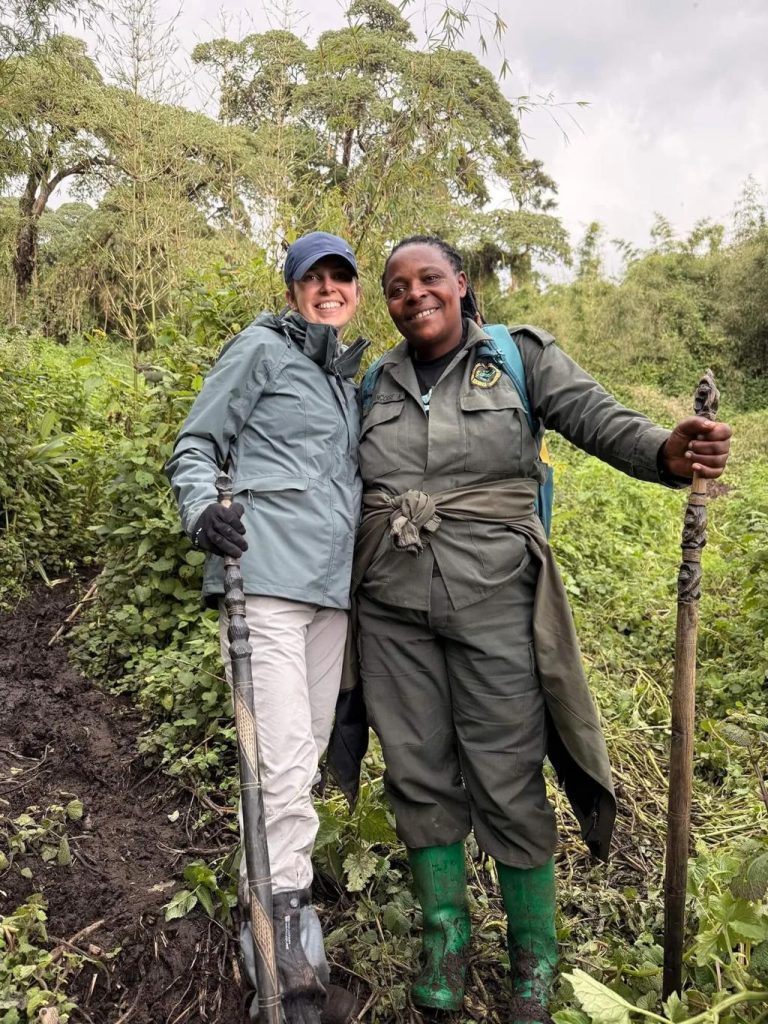
Preparing for gorilla tracking in Rwanda involves choosing the right clothing for a unique outdoor experience. Volcanoes National Park is home to endangered mountain gorillas and features a beautiful landscape of bamboo forests, thick vegetation and mountainous terrain. However, the environment also presents some challenges for visitors. Rain, mud, steep slopes and stinging vegetation can make the trekking experience physically demanding.
Therefore, choosing what to wear is not simply about looking good in safari photographs. Your clothing should protect your body, provide comfort and allow you to move safely through the forest. The right outfit can also help you remain comfortable when temperatures change during the day.
Many first-time visitors wonder whether ordinary trainers are suitable, whether they need special hiking trousers or whether a rain jacket is necessary during the dry season. These are important questions to consider before travelling.
At Safari O’clock, we encourage visitors to prepare for the actual conditions they may encounter rather than relying on ordinary sightseeing clothes. This guide explains what to wear for gorilla tracking in Volcanoes National Park, why each item matters and how to choose suitable clothing for your adventure.
1. Gorilla tracking clothes: Why your outfit matters
Gorilla tracking takes place in a natural rainforest environment rather than on prepared walking paths. Visitors follow experienced guides and trackers through forest vegetation to locate their assigned gorilla family.
The journey may involve walking uphill, crossing muddy sections and moving through thick plants. Some routes also have slippery ground, exposed roots and uneven surfaces.
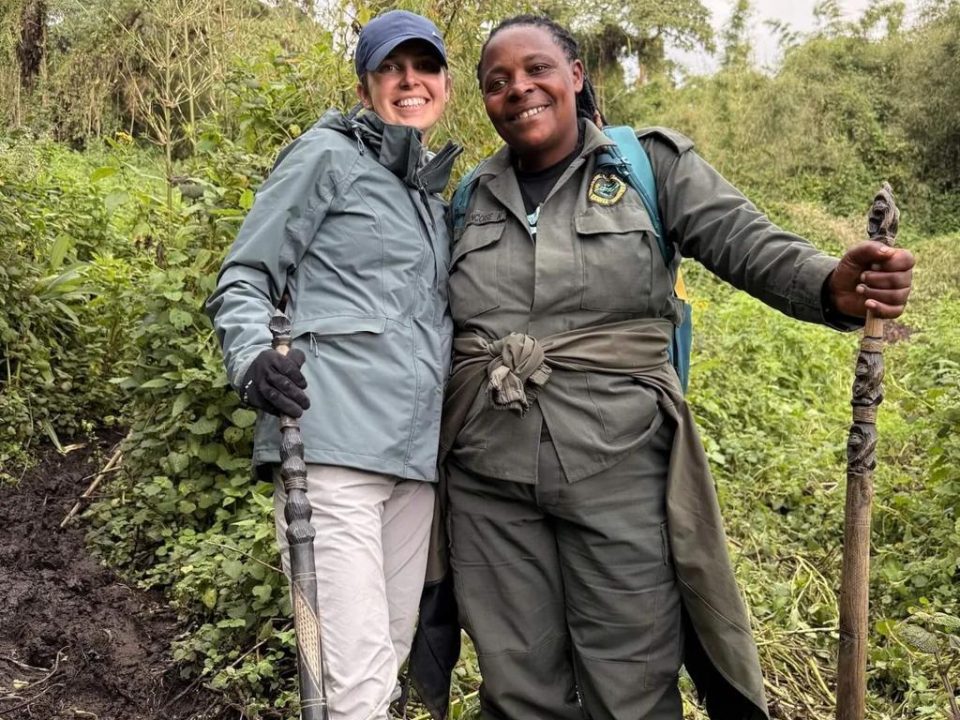
Consequently, your clothing needs to provide protection without restricting movement. Long sleeves and trousers help protect your skin from stinging nettles, branches and insects. Meanwhile, suitable footwear provides better grip on challenging sections.
The weather also plays an important role. Volcanoes National Park lies within the Virunga Mountains, where conditions can change throughout the day. A cool morning may become warmer during the hike, while rain can arrive unexpectedly.
Rwanda’s official tourism guidance recommends sturdy walking shoes, protective clothing and lightweight waterproof jackets for gorilla tracking. These recommendations reflect the practical conditions visitors may encounter in the forest.
Safari O’clock therefore recommends choosing comfortable, durable and weather-appropriate clothing before departure.
2. Gorilla tracking clothes: Choose long-sleeved shirts
A long-sleeved shirt is one of the most important clothing items to wear during your trek.
Volcanoes National Park contains thick vegetation, including plants that can sting or scratch exposed skin. As you move through the forest, your arms may come into contact with branches, vines and other vegetation.
Long sleeves provide an additional layer of protection against these conditions. They also help reduce direct exposure to insects.
Choose a lightweight shirt made from breathable material. Moisture-wicking fabrics are particularly useful because they help manage sweat during physical activity.
You should also consider carrying an extra shirt if your safari lasts several days. This allows you to change into clean clothes after the trek.
Avoid wearing very tight shirts that restrict your arm movements. You need enough flexibility to maintain balance and navigate uneven sections of the trail.
3. Gorilla tracking clothes: Wear long, comfortable trousers
Long trousers are equally important when preparing your trekking outfit.
The forest contains vegetation that can irritate or scratch exposed legs. Therefore, wearing shorts is not advisable for the actual trek.
Choose durable hiking trousers that allow you to bend, climb and walk comfortably. Quick-drying synthetic fabrics are a good option because they handle moisture better than heavy denim.
Avoid wearing jeans if possible. Denim absorbs water, becomes heavy when wet and can restrict movement during steep climbs.
You should also choose trousers that fit comfortably around your waist and legs. Extremely loose trousers may catch on vegetation, while very tight ones can make climbing uncomfortable.
An additional practical tip is to tuck the lower ends of your trousers into your socks or gaiters. This helps reduce the chances of insects entering your clothing while walking through the forest.
For travellers visiting Volcanoes National Park, protective trousers are a practical choice rather than simply a fashion preference.
4. Why waterproof hiking boots are essential
Footwear is one of the most important decisions when choosing what to wear for gorilla tracking.
The forest trails can become muddy and slippery, particularly after rainfall. Some sections also involve steep slopes and uneven ground. Ordinary shoes may not provide sufficient grip or support in these conditions.
A good pair of waterproof hiking boots offers several advantages. First, the waterproof material helps keep your feet dry when walking through wet vegetation. Second, a strong rubber sole provides traction on muddy ground. Finally, suitable ankle support can improve comfort when navigating uneven surfaces.
When purchasing hiking boots, consider the following features:
- Waterproof or water-resistant construction.
- Strong rubber soles with good grip.
- Comfortable inner cushioning.
- Suitable ankle support.
- A secure and comfortable fit.
Most importantly, break in your boots before travelling. Walk in them several times so your feet become accustomed to the fit.
New boots can cause painful blisters during long hikes. Therefore, avoid wearing a brand-new pair for the first time on your trekking day.
Safari O’clock recommends investing in comfortable hiking footwear rather than relying on ordinary trainers or sandals.
5. Wear comfortable hiking socks
Socks may seem like a small detail, but they play an important role in your trekking comfort.
A good pair of hiking socks provides cushioning and reduces friction between your feet and boots. This helps minimise the risk of blisters during long walks.
Choose socks that fit properly and do not slide down inside your footwear. Moisture-wicking materials are useful because they help manage sweat.
Long socks also make it easier to tuck your trousers into them before entering the forest. This provides an additional barrier against crawling insects and vegetation.
Carry at least one extra pair in your daypack or leave a clean pair at your lodge for after the trek.
Avoid thin everyday socks that provide little cushioning, particularly when wearing heavy hiking boots.
6. Pack a warm fleece or sweater for the mountain climate
Although Rwanda has a tropical climate, Volcanoes National Park experiences cooler conditions because of its mountainous location.
Early mornings can feel particularly cold. This is important because gorilla trekking begins with a morning briefing before visitors enter the forest.
A lightweight fleece jacket, sweater or thermal top provides warmth without adding unnecessary weight to your luggage.
Layering is the best approach. Start your morning with a warm outer layer and remove it when your body becomes warmer during the hike.
You can also wear a comfortable base layer beneath your trekking shirt. Choose breathable materials that help manage moisture.
Do not assume that warm weather in Kigali means the mountain environment will feel equally warm. Temperatures can differ significantly between destinations.
Safari O’clock encourages travellers to include warm clothing even when visiting during relatively dry months.
7. Always carry a waterproof rain jacket
Rain protection is essential when visiting Volcanoes National Park.
The park contains tropical rainforest vegetation, and mountain weather can change quickly. Even during periods that generally receive less rainfall, visitors may experience showers.
A lightweight waterproof jacket is therefore a practical part of your trekking outfit.
Choose a jacket that offers good protection while allowing your body to breathe. A hood is useful because it protects your head when rain begins unexpectedly.
You may also carry waterproof trousers if you prefer additional protection.
Some visitors choose ponchos because they cover both the upper body and part of the backpack. However, make sure your rain protection does not restrict movement or interfere with your walking.
Protecting yourself from rain can improve your comfort and help prevent your clothes from becoming excessively wet during the trek.
8. Are gardening gloves necessary for gorilla tracking?
Gardening gloves are highly recommended for visitors trekking through Volcanoes National Park.
During the hike, you may need to hold branches or vegetation for balance. Some plants have thorns, while others can irritate exposed skin.
A sturdy pair of gardening gloves provides protection when using your hands for support.
Choose gloves with a comfortable fit and a good grip. They should allow you to hold branches without making your fingers feel restricted.
You do not need expensive professional hiking gloves. A durable gardening pair can serve the purpose.
However, avoid pulling or damaging plants unnecessarily. Follow your guide’s instructions when navigating difficult sections.
For visitors who have never trekked through a rainforest, gardening gloves are a simple item that can make the experience more comfortable.
9. Should you wear gaiters during gorilla tracking?
Gaiters are protective coverings worn around the lower legs and the tops of hiking boots.
They help prevent mud, water, small stones and vegetation from entering your footwear.
This equipment can be particularly useful when walking through wet or muddy forest sections. It also provides additional coverage between your trousers and boots.
Although gaiters are not compulsory for every visitor, they can improve comfort during challenging conditions.
Choose lightweight gaiters that fit securely around your boots. Check that they do not interfere with your walking or create uncomfortable pressure around your legs.
If you do not own gaiters, ask your tour operator whether they can help you arrange a suitable pair before the trekking day.
10. What colours should you wear for gorilla tracking?
Many travellers ask whether they must wear particular colours when visiting mountain gorillas.
Rwanda does not have a strict universal clothing colour requirement for gorilla tracking. However, choosing comfortable, practical and relatively neutral colours is a sensible approach.
Earthy shades such as brown, olive, grey and khaki work well in natural environments. They also photograph nicely against the green forest background.
You do not need to purchase an entirely new safari wardrobe just to obtain these colours. Your main priority should be protection and comfort.
Avoid wearing clothing that is excessively delicate or difficult to clean. Your outfit may become muddy as you move through the forest.
Bright colours are not an officially stated universal prohibition, so there is no need to panic if your trekking clothes include brighter shades. Instead, prioritise the practical requirements and follow any instructions provided by your park guides.
Safari O’clock recommends simple, durable clothing that suits the forest environment.
11. Wear a comfortable hat or cap
A hat can be useful during your gorilla trekking adventure, particularly when the weather becomes sunny.
A wide-brimmed safari hat provides coverage for your face and neck. Alternatively, a simple cap is lightweight and easy to carry.
Choose a hat that fits securely and does not easily fall off when walking through vegetation.
A breathable material is preferable because it helps reduce discomfort during physical activity.
You may also carry sunglasses for protection against bright sunlight. However, keep them secure when navigating difficult sections of the trail.
12. What should women wear for gorilla tracking in Rwanda?
Women visiting Volcanoes National Park should prioritise practical clothing that provides coverage and allows comfortable movement.
Long hiking trousers, long-sleeved shirts and sturdy waterproof boots are suitable choices. A comfortable sports bra or supportive undergarment can also improve comfort during a physically demanding walk.
Avoid wearing long flowing dresses, skirts or clothing that can easily catch on vegetation. Such outfits may make it difficult to navigate uneven trails.
Choose breathable underwear and moisture-wicking base layers where possible.
You can still maintain your personal style without compromising practicality. Neutral hiking trousers, a well-fitted outdoor shirt and comfortable boots can create a neat and functional trekking outfit.
For photographs at your lodge or other destinations, you can carry separate outfits that suit your preferred style.
The important thing is to dress appropriately for the actual forest conditions.
13. What should you wear during different seasons?
The weather in Volcanoes National Park can vary throughout the year. Therefore, travellers should not choose their clothing based only on whether they are visiting during a dry or wet season.
During the relatively drier months, trails may be easier to navigate in some areas. However, the rainforest environment can still experience rainfall.
Wear your usual long trousers, hiking shirt and sturdy boots. Carry a lightweight rain jacket and an extra layer for cool morning conditions.
During wetter periods, rain protection becomes even more important. Choose waterproof boots, a reliable jacket and gaiters if available. Carry extra socks because your footwear may become wet or muddy.
Warm layers are useful throughout the year, particularly before sunrise and during evenings.
Regardless of your travel month, always prepare for changing weather. This is more reliable than assuming that a particular season guarantees dry trekking conditions.
14. What clothing should you avoid during gorilla tracking?
Some clothing choices can make your trekking experience unnecessarily uncomfortable.
First, avoid sandals and open shoes. They expose your feet to mud, insects and rough vegetation. They also provide poor support on uneven trails.
Second, avoid heavy jeans. Denim becomes uncomfortable when wet and may restrict your movement.
Third, do not wear shorts during the actual forest trek. They leave your legs exposed to vegetation and insects.
You should also avoid delicate clothing that can tear easily when moving through branches and thick plants.
High heels and fashionable shoes are unsuitable for this activity. Save them for your lodge or other relaxed activities.
Finally, avoid carrying too many clothing layers in your daypack. Pack according to the weather and carry only what you may reasonably need.
15. How should you dress on the actual gorilla trekking morning?
Your trekking morning begins early, so organise your clothes the previous evening.
Start with comfortable hiking trousers, a long-sleeved shirt, hiking socks and waterproof boots. Add a warm fleece or sweater if the morning feels cold.
Carry your waterproof jacket where you can access it easily. You should not have to unpack your entire bag when rain begins.
Before leaving your lodge, check that your boots fit comfortably and your trousers are properly positioned.
You can also wear your gardening gloves or keep them in an accessible pocket.
At the park headquarters in Kinigi, you will attend a briefing before entering the forest. Park staff will explain the important trekking and gorilla protection rules.
Follow their instructions and avoid making unnecessary clothing adjustments once the trek begins.
After reaching the gorillas, visitors must follow the official viewing rules. Keep a respectful distance, maintain low voices and never use flash photography.
Your clothing should allow you to concentrate on the experience rather than dealing with discomfort throughout the encounter.
16. Can you hire some trekking clothing and equipment in Rwanda?
Some visitors prefer to travel with only their essential personal belongings and arrange selected trekking equipment locally.
Depending on availability, local operators and accommodation providers may help visitors obtain items such as walking sticks, gaiters and rain protection.
Porters are also available to carry daypacks and assist visitors along difficult sections of the trail.
However, do not assume that every clothing item will be available for hire. Personal footwear, for example, is best purchased and broken in before travelling.
If you are unsure about what to bring, contact Safari O’clock before departure. We can help you understand which items are essential and which arrangements you may be able to make locally.
Planning early also gives you time to purchase any missing equipment without rushing.
Final Thoughts: Dress Right for Your Gorilla Tracking Adventure
Choosing what to wear for gorilla tracking in Volcanoes National Park can make a meaningful difference to your overall experience.
The forest environment requires practical clothing that protects your body from vegetation, rain, insects and changing temperatures. Long-sleeved shirts, comfortable hiking trousers, waterproof boots, warm layers and gardening gloves should all feature in your preparation.
Additionally, choose clothing that allows you to move comfortably. Avoid heavy denim, open shoes and delicate outfits that may become uncomfortable during the trek.
Remember that gorilla tracking is a wildlife experience, not a fashion competition. Your comfort, safety and respect for the natural environment should always come first.
At Safari O’clock, we want every traveller to approach this adventure with realistic expectations and proper preparation. Our team encourages visitors to ask questions, organise suitable equipment and understand the conditions before confirming their safari.
With the right outfit and a well-planned itinerary, you can enjoy the remarkable experience of meeting Rwanda’s mountain gorillas in their natural habitat.