- DIRECT CONTACTS:
- +256394517569
- tours@safarioclock.africa

Are Gaiters Worth Packing for a Gorilla Trek in Rwanda?

Choosing Hiking Boots for Rwanda Gorilla Tracking
November 23, 2026
Why Gardening Gloves Can Be Helpful on Forest Trails During Gorilla Tracking
November 23, 2026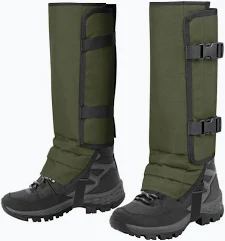
Preparing for a gorilla trek in Rwanda involves more than booking a permit and choosing accommodation. Visitors also need suitable clothing and equipment for walking through the mountainous forests of Volcanoes National Park. The trails can be muddy, steep and covered with thick vegetation. Therefore, even small accessories can make a difference to comfort during the journey.
One item that often raises questions is gaiters. Some travellers include them in their packing lists, while others wonder whether they are really necessary. After all, a good pair of hiking boots, long trousers and thick socks already provide some protection.
So, are gaiters worth packing for a gorilla trek? In many situations, yes. They can help keep mud, water, leaves and small debris from entering your boots. They also provide an extra layer of coverage around the lower legs. However, they are not compulsory for every visitor.
At Safari O’clock, we encourage travellers to understand the purpose of each piece of trekking equipment before packing. This guide explains how gaiters work, when they are useful and how to decide whether to bring them for your Rwanda gorilla tracking adventure.
What Are Gaiters and How Do They Work?
Gaiters are protective coverings worn around the lower legs and the top of hiking boots. They usually extend from the ankle area towards the lower or middle part of the calf. Most designs use straps, zips or fasteners to hold them securely in place.
Their main purpose is to prevent unwanted material from entering your footwear. For example, mud, wet leaves, small stones and plant debris can enter through the gap between your trousers and boots. Gaiters cover this opening and reduce that problem.
They also create an additional barrier between your lower legs and the surrounding vegetation. This can be useful when walking through dense forest areas where plants brush against your clothing.
Gaiters come in different designs. Some are lightweight and suitable for ordinary hiking. Others offer stronger protection for wet, muddy or rough conditions.
For gorilla tracking in Rwanda, lightweight waterproof hiking gaiters are a practical option to consider. However, the best choice depends on the conditions you expect to encounter and the footwear you plan to wear.
1. Why Gorilla Trek Gaiters Are Useful on Muddy Trails
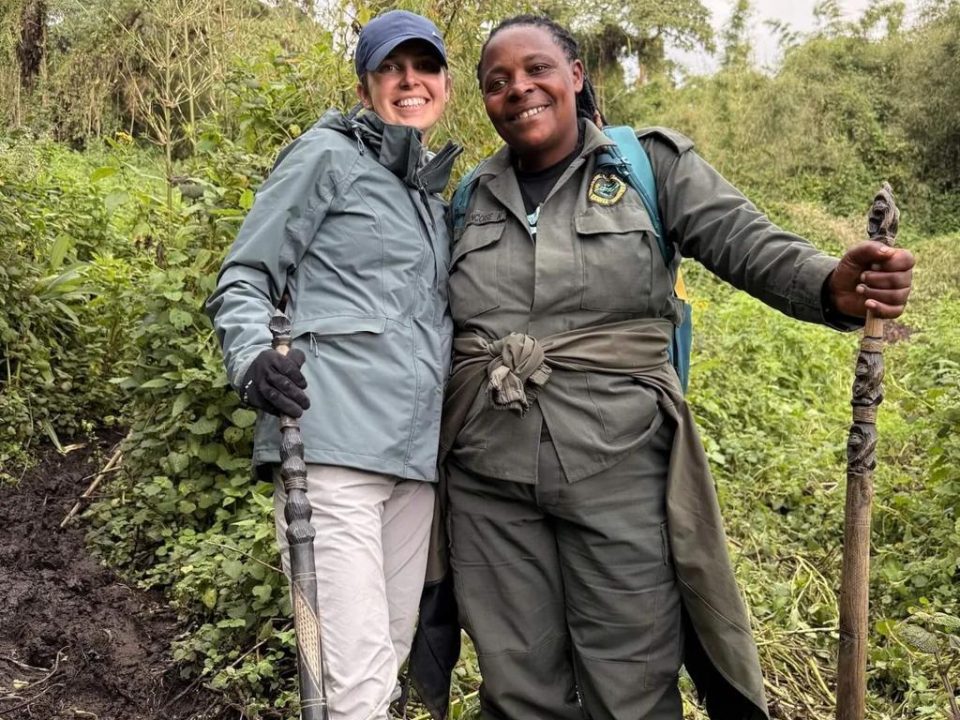
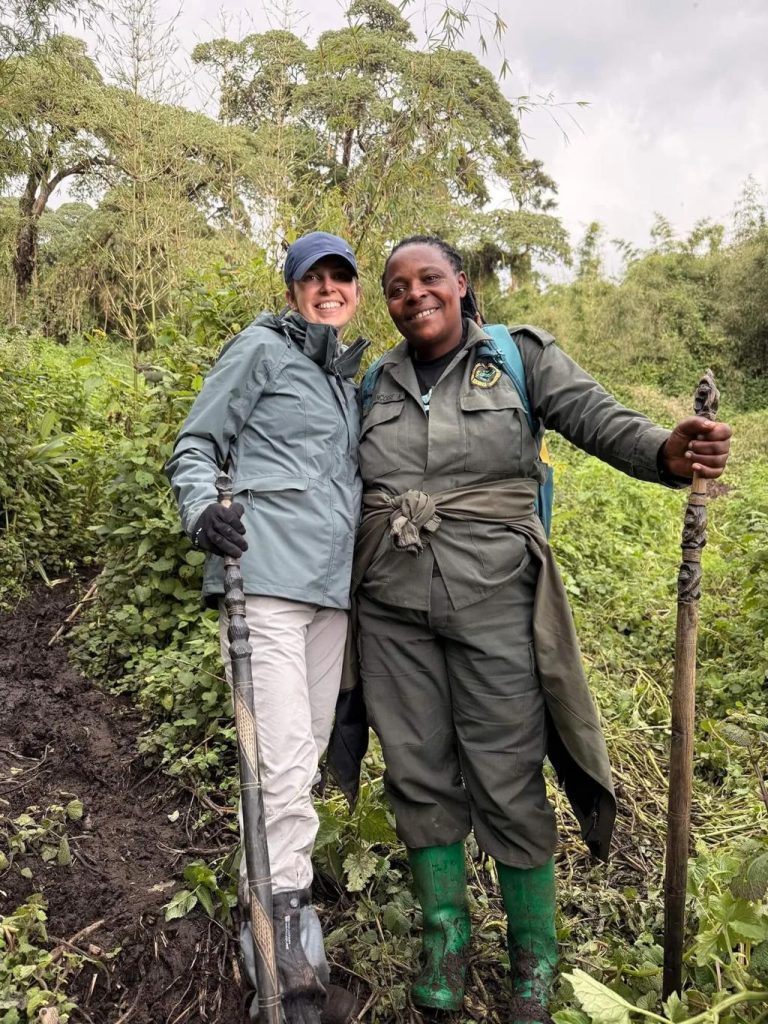
One of the strongest reasons to pack gaiters is the muddy nature of some forest trails. Volcanoes National Park lies in a mountainous environment where rainfall can affect trail conditions.
After rain, sections of the route may become wet and slippery. Mud can also collect around your boots as you walk. Without suitable protection, it may enter through the top of your footwear.
Gaiters cover the gap between your trousers and boots. This helps prevent mud from splashing into your shoes and reduces the amount of debris that reaches your socks.
They can also help keep the lower part of your trousers cleaner. This is useful when walking through wet vegetation or crossing muddy sections.
However, gaiters do not make your boots completely waterproof. Water can still enter through the top if you walk through deep water. They also cannot prevent mud from covering the outside of your footwear.
For this reason, combine gaiters with sturdy hiking boots that have good grip and suitable water resistance.
2. Gorilla Trek Gaiters Help Keep Leaves and Small Debris Out of Your Boots
Forest trails contain more than mud. Visitors may walk through fallen leaves, small branches, grass and loose vegetation.
These materials can collect around the ankles and sometimes enter the top of hiking boots. Even small pieces of debris can become irritating when they rub against your socks or feet.
Gaiters provide a protective covering around this area. They reduce the space through which leaves and other material can enter your footwear.
This is particularly useful when guides lead visitors through narrow sections of vegetation. The plants may brush against the lower legs as the group moves through the forest.
Although gaiters cannot keep every piece of debris away, they provide an additional layer of protection. This can make the walk more comfortable, especially during longer treks.
3. Gorilla Trek Gaiters Provide Extra Coverage Against Vegetation
The forests of Volcanoes National Park contain different plant species, including shrubs, vines and stinging nettles. Visitors may encounter vegetation close to the walking route.
Long trousers provide important protection for the legs. However, the area around the ankles may remain exposed, especially when trousers move during walking.
Gaiters cover part of this lower-leg area. They can reduce direct contact with wet vegetation and help protect clothing from scratches caused by light contact with plants.
However, gaiters should not replace long trousers. They cover only part of the leg and cannot protect the thighs or knees.
Safari O’clock recommends combining them with durable long trousers, suitable socks and sturdy boots. This creates a more complete clothing arrangement for the forest environment.
4. Do Gaiters Help Protect Against Insects?
Gaiters can help close the gap between trousers and boots. This may reduce the opportunity for small crawling insects to enter through that opening.
Some visitors also tuck their trousers into long socks. This creates another barrier around the ankles.
However, gaiters do not guarantee protection against insect bites. Small insects may still reach exposed areas of the body or enter through gaps in clothing.
Therefore, continue using other sensible precautions. Wear long trousers and long sleeves, follow your guide’s instructions and use suitable insect repellent where appropriate.
It is also important to check that your gaiters fit properly. Loose or poorly secured coverings may leave gaps that reduce their usefulness.
5. Are Gaiters Necessary During Every Gorilla Trek?
No. Gaiters are useful, but they are not an absolute requirement for every gorilla tracking experience.
Their usefulness depends on several factors, including weather, trail conditions, vegetation and personal preference.
For example, visitors trekking after rainfall may find gaiters particularly helpful because muddy ground can cause splashes and debris around the ankles. They may also benefit visitors who prefer extra protection around their boots.
On the other hand, someone walking on a relatively dry route may feel comfortable wearing well-fitted boots, long trousers and long socks without gaiters.
The Rwanda hiking preparation guidance from Visit Rwanda includes gaiters among the recommended items for hiking. Volcanoes National Park’s equipment guidance also lists them as useful trekking equipment.
These recommendations show that gaiters are worth considering. However, they do not mean that every visitor must buy a pair.
Before purchasing them, ask Safari O’clock or your accommodation provider whether gaiters are available for hire or use during the trek.
6. What Type of Gaiters Should You Choose?
If you decide to pack gaiters, choose a pair that suits the conditions of your gorilla trek. The right design should fit securely over your boots and trousers without making walking uncomfortable.
Water resistance is a useful feature. It helps protect the lower legs against splashes, wet grass and muddy vegetation.
The material should also be durable enough to handle contact with branches and rough plants. At the same time, it should allow comfortable movement.
Pay attention to the fastening system. A good pair should remain secure as you walk, climb and bend your knees.
The lower strap is particularly important because it helps keep the gaiter attached beneath the boot. Check that it does not hang loosely or interfere with your steps.
Also, choose the correct size. Gaiters that are too tight may restrict movement, while loose ones may slide down or allow debris to enter.
You do not necessarily need expensive mountaineering gaiters for an ordinary gorilla trek. A comfortable, durable hiking pair may provide enough protection for your needs.
7. How to Wear Gaiters Correctly During Gorilla Tracking
Buying gaiters is only useful if you wear them properly. Incorrect fitting may allow mud and debris to enter your footwear.
Start by putting on your hiking socks and trousers. Next, wear your hiking boots and tie them securely.
Position the gaiters over the lower legs and around the top of your boots. Follow the manufacturer’s instructions to secure the front fastening, lower strap and upper closure.
Make sure the bottom of each gaiter sits properly over the boot. The lower strap should remain underneath the sole where the design requires it.
Check that the upper section fits comfortably around your calf. It should stay in place without cutting into your skin.
Before travelling to Rwanda, practise putting them on and taking them off. This helps you identify any fitting problems before the actual trekking day.
You should also walk around while wearing the complete outfit. Check that the gaiters do not slip, rub or interfere with your movement.
8. Gaiters or Long Socks: Which Is Better?
Some visitors wonder whether they should carry gaiters or simply tuck their trousers into long socks. Both approaches can help cover the gap between trousers and boots, but they serve slightly different purposes.
Long socks provide a simple barrier around the lower legs. When you tuck your trousers into them, you reduce the amount of exposed space around your ankles.
Gaiters offer additional coverage over the outside of your boots and lower trousers. They are particularly useful for keeping mud, wet leaves and other debris out of footwear.
If you already have suitable long socks and your main concern is covering the ankle area, you may not need to purchase gaiters.
However, if you expect muddy conditions or want extra protection against wet vegetation, gaiters may be a worthwhile addition.
Your decision should also consider comfort. Some travellers prefer the simplicity of long socks, while others find gaiters more practical.
9. How to Care for Gaiters After the Trek
Gaiters can collect mud, moisture and plant material during the forest walk. Cleaning them after the trek helps maintain their condition.
Start by removing loose mud and leaves from the outer surface. Use a soft brush or damp cloth where necessary.
Follow the manufacturer’s washing instructions. Some materials require gentle cleaning, while others may tolerate machine washing.
Allow the gaiters to dry naturally in a well-ventilated place. Avoid placing them directly against intense heat because this may damage certain fabrics or fastenings.
Check the straps, buckles and zips before packing them away. If any part becomes loose or damaged, repair it before your next outdoor activity.
Proper care helps your gaiters remain useful for future hikes and trekking adventures.
10. Other Items to Pack Alongside Your Gaiters
Gaiters are only one part of a suitable gorilla tracking outfit. You should combine them with other practical items that support comfort and protection.
Start with sturdy hiking boots that offer good grip on muddy and uneven ground. Make sure you have already worn them on several walks before the trip.
Long trousers and a long-sleeved shirt help protect your skin from stinging nettles and rough vegetation. Choose comfortable materials that allow you to move freely.
A waterproof jacket is also useful because rainfall can occur in the mountain environment. Gardening gloves can protect your hands when handling vegetation.
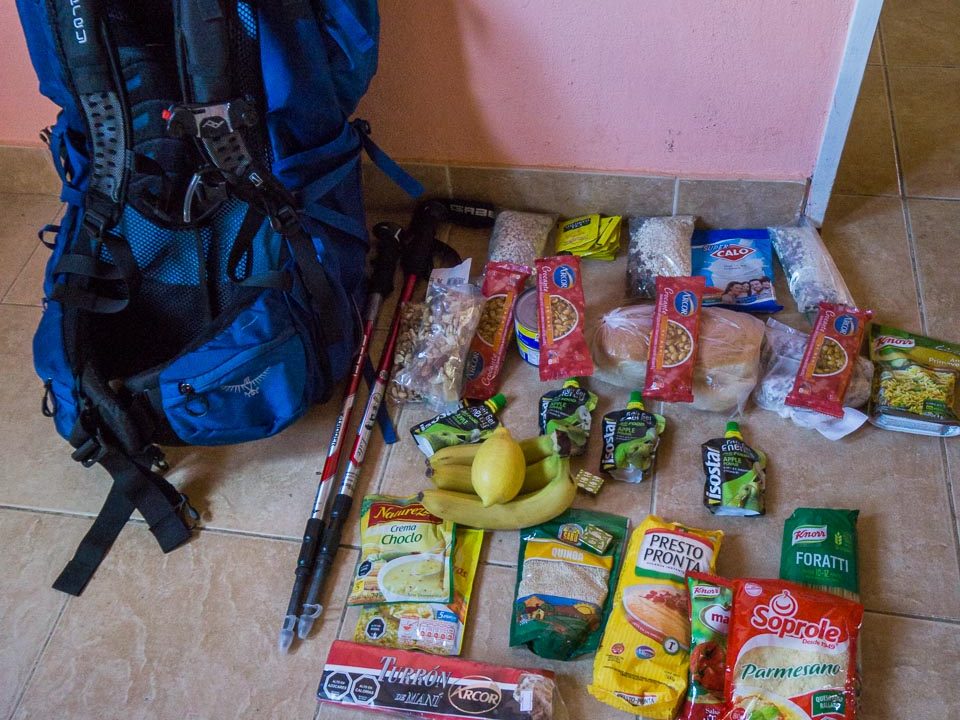
Carry enough drinking water and some energy-giving snacks for the trek. A small backpack can hold these items, along with personal medication and other essentials.
Finally, consider hiring a porter if you need assistance carrying your bag. This can make the walk more manageable while also providing income to local community members.
How Safari O’clock Can Help You Prepare for Gorilla Tracking
A successful gorilla tracking experience begins with proper planning. Visitors need to understand the terrain, choose suitable clothing and organise their equipment before arriving at Volcanoes National Park.
Safari O’clock helps travellers plan Rwanda gorilla tracking experiences. From permit arrangements and accommodation to transport and safari preparation, the company helps visitors organise important parts of their journey.
We encourage travellers to prepare their trekking equipment early. This includes checking hiking boots, selecting comfortable trousers and deciding whether gaiters are necessary for their planned trek.
If you are unsure about packing gaiters, ask about the equipment available through your accommodation or tour arrangements. This can help you avoid carrying unnecessary items.
With the right information, you can pack practically and focus on enjoying the remarkable experience of seeing mountain gorillas in their natural habitat.
Final Thoughts: Are Gaiters Worth Packing for a Gorilla Trek?
Yes, gaiters are worth considering when preparing for a Rwanda gorilla trek, particularly if you expect muddy trails, wet vegetation and thick forest growth. They help prevent mud, leaves and small debris from entering your boots. They also provide extra coverage around the lower legs.
However, they are not compulsory for every visitor. Suitable hiking boots, long trousers and long socks remain important parts of your trekking outfit. Depending on the conditions, these items may provide enough protection without the need for gaiters.
The best approach is to consider the expected trail conditions, check what equipment is available and choose accessories that improve your comfort.
Plan your Rwanda gorilla tracking adventure with Safari O’clock and prepare for the forest with confidence.