- DIRECT CONTACTS:
- +256394517569
- tours@safarioclock.africa

Why Gardening Gloves Can Be Helpful on Forest Trails During Gorilla Tracking

Are Gaiters Worth Packing for a Gorilla Trek in Rwanda?
November 23, 2026
How to Choose a Waterproof Jacket for Gorilla Tracking in Rwanda
November 23, 2026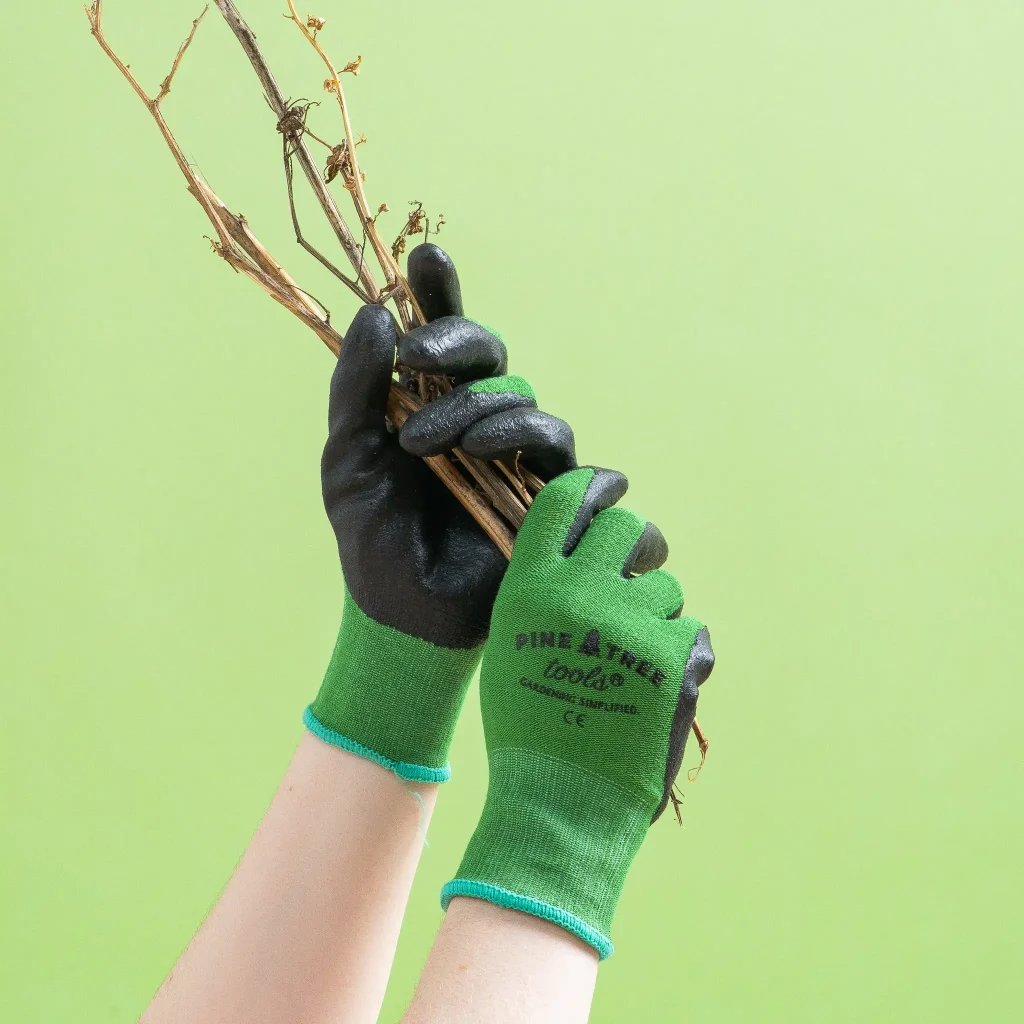
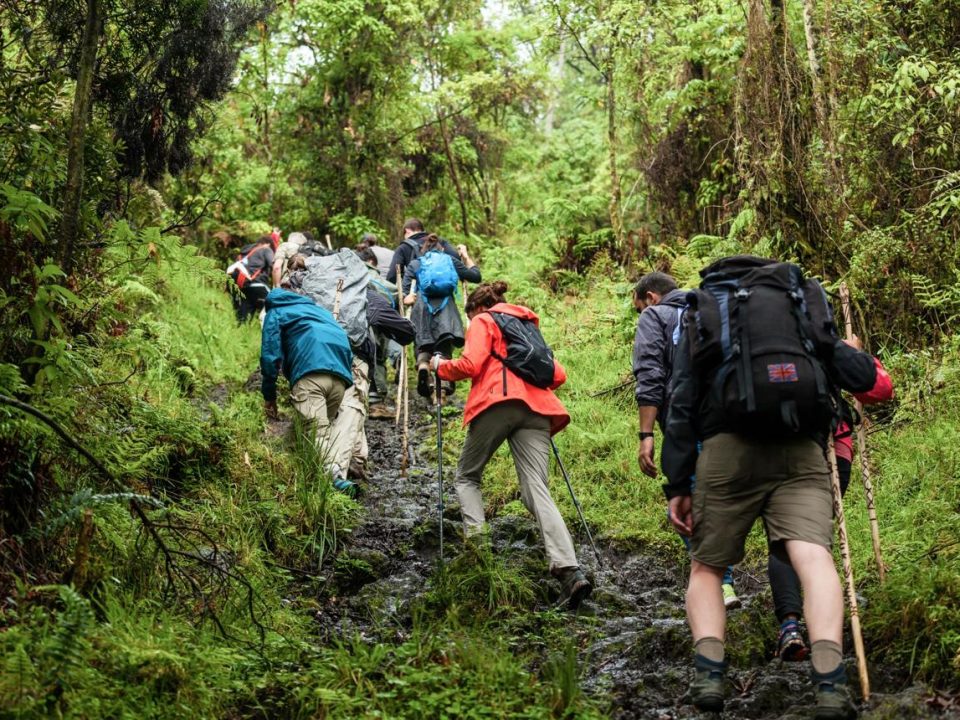
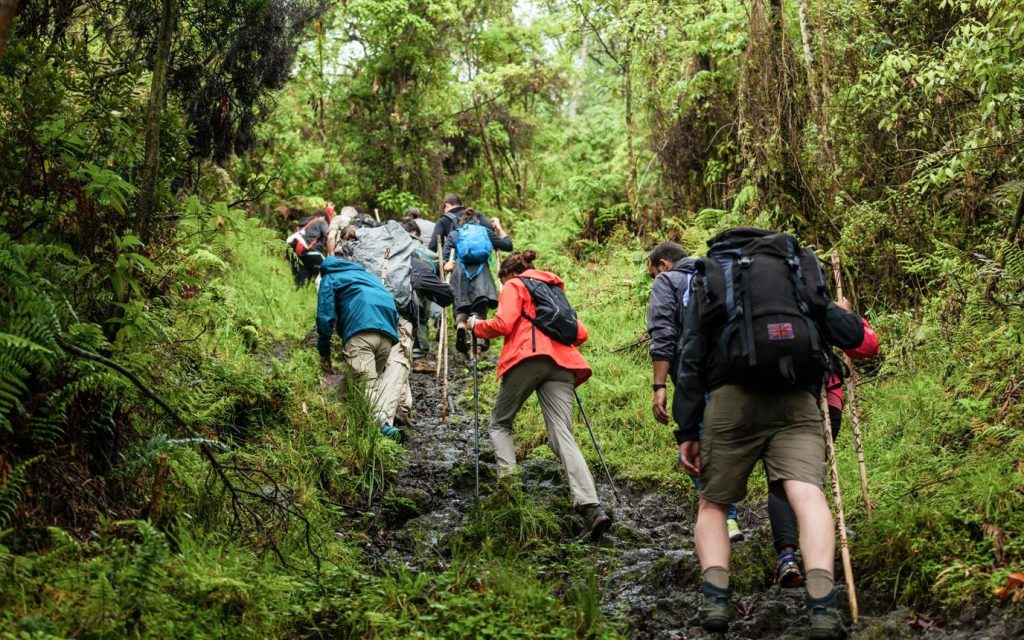
Gorilla tracking in Rwanda offers visitors an opportunity to explore the beautiful forests of Volcanoes National Park and observe mountain gorillas in their natural habitat. However, reaching the gorillas involves walking through a natural environment that can present several physical challenges. Visitors may encounter steep slopes, muddy ground, thick vegetation, thorny plants and stinging nettles along the way.
While most travellers remember to pack hiking boots, long trousers and rain jackets, they sometimes overlook one small but useful item: gardening gloves. These gloves can help protect the hands when visitors need to hold branches or steady themselves while walking through challenging sections of the forest.
At Safari O’clock, we encourage travellers to prepare carefully before their gorilla tracking adventure. Understanding why gardening gloves are useful can help you pack more effectively and avoid unnecessary discomfort during the trek.
Why Gardening Gloves Matter on Forest Trails
Forest trails are different from ordinary walking paths. Visitors do not always walk on wide, smooth surfaces. Instead, they may pass through narrow routes surrounded by shrubs, vines, tree branches and other vegetation.
The ground can also become slippery after rainfall. During some sections, visitors may need to use their hands for balance or hold suitable vegetation for support, following their guide’s instructions.
This is where gardening gloves become useful. They create a protective layer between your hands and rough surfaces. They can also reduce direct contact with thorny plants and stinging nettles.
The official Visit Rwanda travel guidance recommends considering gardening or leather gloves when tracking gorillas. Volcanoes National Park visitor guidance also identifies sturdy gardening gloves as useful protection against thorny and irritating plants.
Therefore, although gloves may seem like a minor accessory, they deserve consideration when preparing for a forest trek.
1. Gardening Gloves Protect Your Hands from Thorny Plants
One important reason to carry gardening gloves is protection against thorny vegetation. Forest environments contain different plant species, and some have sharp edges or thorns.
When walking through narrow sections, visitors may accidentally brush against branches. They may also encounter vegetation while adjusting their position on a slope.
Direct contact with thorny plants can cause scratches, small cuts and discomfort. Gardening gloves provide an extra layer between your skin and these surfaces.
However, gloves do not offer complete protection against every thorn. Their effectiveness depends on the material, thickness and construction.
For this reason, choose sturdy gloves designed for outdoor work. Avoid very thin gloves that may tear easily when they come into contact with rough vegetation.
Safari O’clock recommends checking the condition of your gloves before travelling. Small holes or damaged sections may reduce the protection they provide.
2. Gardening Gloves Help Protect Against Stinging Nettles
Stinging nettles are another reason to consider wearing gloves during gorilla tracking. These plants have tiny hair-like structures that can irritate the skin when touched.
Contact may cause itching, redness, a burning sensation or raised marks. The reaction can be uncomfortable, especially when it happens during a long trek.
Visitors may encounter nettles while moving through thick vegetation. They may also touch them accidentally when trying to hold nearby plants for support.
Gardening gloves help reduce direct contact between your hands and these irritating plants. They are particularly useful when the route passes through areas with dense vegetation.
Nevertheless, gloves should not replace careful movement. Watch where you place your hands and follow the guide’s instructions when navigating difficult sections.
If you accidentally touch a stinging plant, avoid rubbing the affected area. Follow appropriate first-aid advice if irritation develops.
3. Gardening Gloves Improve Comfort When Holding Branches
Some forest trails contain uneven ground, exposed roots and sloping sections. During these parts of the trek, visitors may need to steady themselves carefully.
A suitable branch or stable surface may sometimes provide additional support. However, visitors should never assume that every branch can carry their weight.
Gardening gloves can make handling rough surfaces more comfortable. They provide a barrier against sharp edges, rough bark and irritating vegetation.
Some gloves also have textured palms that improve contact with surfaces. This may help when holding suitable branches, although gloves cannot guarantee a secure grip.
Choose gloves that fit properly and allow your fingers to move freely. Very loose gloves may slide around your hands, while excessively tight ones can become uncomfortable.
Most importantly, follow your guide’s directions when moving through difficult sections. Never pull down branches, break plants or clear vegetation yourself.
4. Gardening Gloves Reduce Direct Contact with Mud and Dirt
Forest trails can become muddy, especially after rainfall. Visitors may occasionally need to steady themselves using their hands when moving across uneven ground.
Without gloves, direct contact with mud and soil can make your hands dirty. You may also encounter wet leaves and other natural material along the route.
Gardening gloves create a barrier between your skin and these surfaces. This can make handling rough outdoor conditions more comfortable.
However, gloves do not replace good hand hygiene. Dirt can still collect on the outside, and contaminated gloves can transfer material to your hands if you remove them carelessly.
After the trek, remove your gloves carefully and clean your hands. Wash reusable gloves according to the manufacturer’s instructions before storing them.
Remember that good hygiene remains important throughout a gorilla tracking experience. Visitors should follow the park’s health and hygiene instructions, especially before approaching the gorillas.
5. Gardening Gloves Help Protect Against Scratches from Rough Vegetation
Not all forest plants have obvious thorns. Some branches and stems have rough surfaces that can scratch the skin.
As visitors move through vegetation, their hands may brush against these surfaces. This can cause minor cuts or irritation, especially when the route becomes narrow.
Gardening gloves provide extra coverage around the palms and fingers. Depending on their material, they can reduce the impact of contact with rough branches and stems.
This protection is useful when visitors need to adjust their balance or handle suitable natural surfaces.
However, gloves should not encourage unnecessary contact with plants. Your guide knows the appropriate route and can help you navigate the forest safely.
The best approach is to combine protective gloves with careful movement and proper guidance.
6. Gardening Gloves Can Improve Grip on Certain Surfaces
Some gardening gloves have textured palms or rubber-coated sections. These features can improve grip when holding suitable objects.
During a forest trek, this may be helpful when handling a walking stick or steadying yourself on an appropriate surface.
A good fit is essential. Gloves that are too large can make it harder to control your fingers. Similarly, very thick gloves may reduce sensitivity when holding objects.
Choose a pair that allows you to move your hands naturally. The material should also provide enough flexibility for comfortable walking.
However, do not rely on gloves as your main safety equipment. They cannot replace proper hiking boots, a walking stick where appropriate or instructions from your guide.
Your footwear provides the main support for walking across muddy and uneven ground. Gloves simply offer additional protection for your hands.
7. Gardening Gloves Are Useful in Wet Forest Conditions
Rainfall can occur in the mountainous environment around Volcanoes National Park. Even when the day begins with clear skies, visitors may encounter wet vegetation and damp surfaces.
Wet branches can feel slippery, while muddy ground may make walking more difficult. Gloves can help protect your hands when you need to handle suitable surfaces.
However, not all gardening gloves perform well when wet. Some materials absorb water and become heavy. Others may lose their grip when covered in mud.
For this reason, consider gloves made from durable materials that dry reasonably quickly. Check the manufacturer’s information before purchasing waterproof or water-resistant designs.
It is also useful to carry your gloves in a small waterproof bag before the trek. This helps keep them dry until you need them.
What Type of Gardening Gloves Should You Pack?
Choosing the right gloves is just as important as remembering to pack them. The best pair should provide protection without making it difficult to move your fingers.
Start by considering the material. Leather gardening gloves can offer useful protection against rough vegetation and thorns. However, some leather designs may feel warm or stiff.
Synthetic gardening gloves are another option. They can be lighter and more flexible, depending on their construction.
Some gloves also include reinforced palms and textured surfaces. These features may improve durability and grip during outdoor activities.
When choosing your gloves, consider the following features:
- Comfortable fit: Your fingers should move freely without excessive space inside the gloves.
- Durable material: Choose gloves that can handle contact with rough vegetation.
- Flexible fingers: You should be able to hold objects naturally.
- Textured palms: These may improve grip when handling suitable surfaces.
- Breathable construction: This helps reduce discomfort during physical activity.
- Secure wrist fit: The gloves should remain in place while you walk.
You do not need to purchase expensive professional gardening equipment. A comfortable, sturdy pair can be sufficient for the protection you need.
Are Gardening Gloves Compulsory for Gorilla Tracking?
Gardening gloves are useful, but travellers should not assume that they are a compulsory requirement for every gorilla trek.
Visit Rwanda recommends considering gardening or leather gloves as part of suitable tracking clothing. Volcanoes National Park guidance also highlights their usefulness when visitors encounter thorny or irritating vegetation.
These recommendations show that gloves are a practical addition to your packing list. However, individual trekking conditions and equipment arrangements may differ.
Some lodges or tour operators may provide gloves. Therefore, ask about available equipment before purchasing your own pair.
Even when you carry gloves, remember that they do not remove every risk. You still need to watch your footing, avoid touching unknown plants and follow your guide’s instructions.
Safari O’clock encourages visitors to prepare according to their planned activity rather than packing every item without considering its purpose.
How to Wear and Use Gardening Gloves Correctly
Before entering the forest, make sure your gloves fit comfortably. Check that the fingers are not too long and that the material does not restrict movement.
Wear them when you expect to encounter rough vegetation or when your guide recommends using them. Keep them accessible in your daypack instead of placing them at the bottom of your luggage.
If you need to hold a walking stick, check that the gloves allow a secure grip. You should also be able to adjust your backpack straps and handle other equipment without difficulty.
Avoid touching your face while wearing dirty gloves. After handling mud or vegetation, clean your hands when possible.
Most importantly, do not use gloves as a reason to touch wildlife or interfere with the forest. Visitors must never touch mountain gorillas, even when they wear protective gloves.
When approaching the gorillas, follow the guide’s instructions and observe all park rules.
Common Mistakes to Avoid When Packing Gardening Gloves
Some visitors pack gloves without checking whether they are suitable for the activity. Others choose thick gloves that make it difficult to move their fingers.
One common mistake is selecting gloves that are too thin. These may offer little protection against thorny vegetation and rough surfaces.
Another mistake is buying gloves that do not fit properly. Loose gloves can slip, while tight ones may cause discomfort during prolonged use.
Some travellers also forget to test their gloves before departure. Try them on and practise holding a walking stick or adjusting your backpack straps.
Finally, avoid assuming that gloves make it safe to grab every branch. Some vegetation may be unstable, sharp or irritating. Let your guide identify the safest route and appropriate points of support.
Other Protective Items to Carry Alongside Gardening Gloves
Gardening gloves work best as part of a complete trekking outfit. You should combine them with other clothing and equipment suitable for the forest environment.
Long-sleeved shirts help cover your arms and protect against stinging plants. Long trousers provide similar protection for your legs.
Sturdy hiking boots with good grip help you move across muddy and uneven ground. You may also consider gaiters to reduce the amount of mud and debris entering your boots.
A lightweight waterproof jacket is useful because mountain weather can change. Carry a small backpack for drinking water, snacks and personal essentials.
Some visitors also choose to hire a porter. A porter can help carry a backpack and provide assistance on challenging sections, allowing you to concentrate on your footing.
Each item serves a different purpose. Together, they help you prepare for the physical conditions of gorilla tracking.
How Safari O’clock Helps You Prepare for Forest Trails
A successful gorilla tracking experience begins with proper preparation. Visitors need to understand the forest environment and choose equipment that supports their comfort and safety.
Safari O’clock helps travellers organise Rwanda gorilla tracking experiences. The company assists with safari arrangements and provides practical information to help visitors prepare for their journey.
We encourage travellers to review their packing lists before departure. This includes checking hiking boots, choosing protective clothing and carrying useful accessories such as gardening gloves.
If you are unsure about the type of gloves to bring, ask Safari O’clock for guidance when planning your trip. You can also check whether your accommodation or tour arrangements include any trekking equipment.
Preparing early gives you enough time to test your items and replace anything unsuitable.
Final Thoughts: Give Your Hands Extra Protection on Forest Trails
Gardening gloves may be a small part of your gorilla tracking equipment, but they can provide useful protection during a forest trek. They help reduce direct contact with thorny plants, stinging nettles, rough branches and muddy surfaces.
They can also make handling suitable support surfaces more comfortable when the terrain becomes challenging. However, they do not replace careful movement, proper footwear or guidance from park rangers.
Choose gloves that fit well, offer reasonable protection and allow your fingers to move freely. Test them before travelling and keep them accessible during the trek.
As you prepare for your Rwanda adventure, remember that the right equipment helps you focus on the experience rather than avoidable discomfort.
Plan your gorilla tracking adventure with Safari O’clock and prepare for the forest with confidence.