- DIRECT CONTACTS:
- +256394517569
- tours@safarioclock.africa

What Kind of Daypack Works Best for Gorilla Tracking? A Complete Guide for Travellers

Packing Layers for Cool Mornings in Musanze: A Complete Guide for Rwanda Travellers
November 23, 2026
How Much Water Should You Carry on a Gorilla Trek? A Complete Hydration Guide
November 23, 2026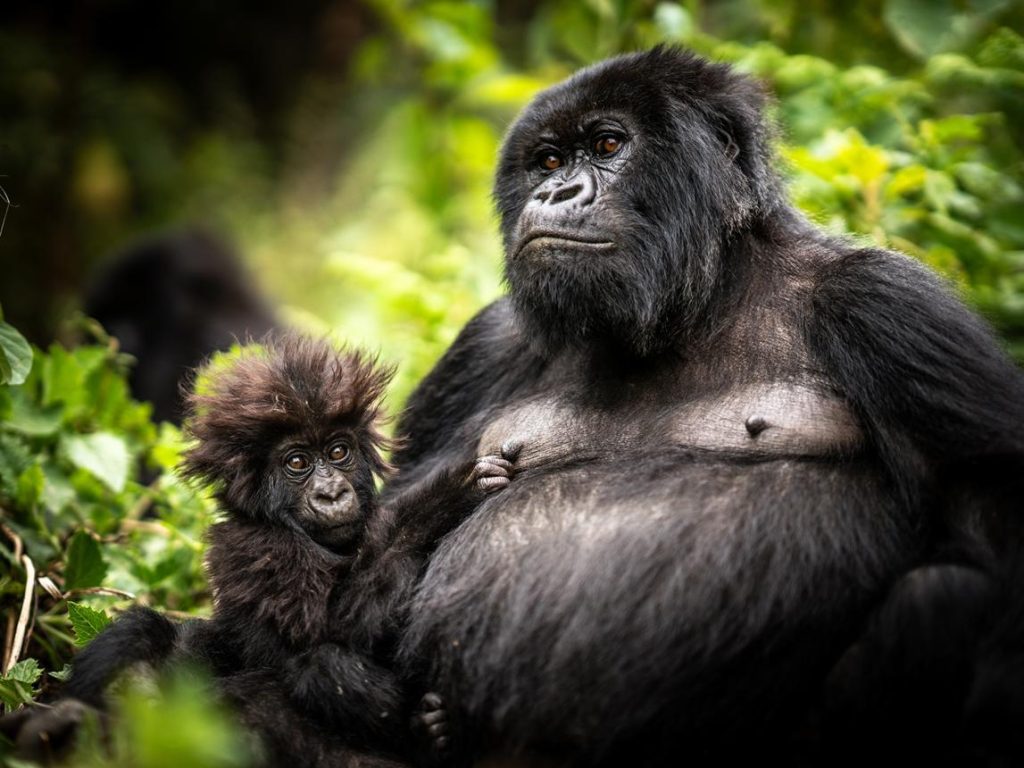
Introduction
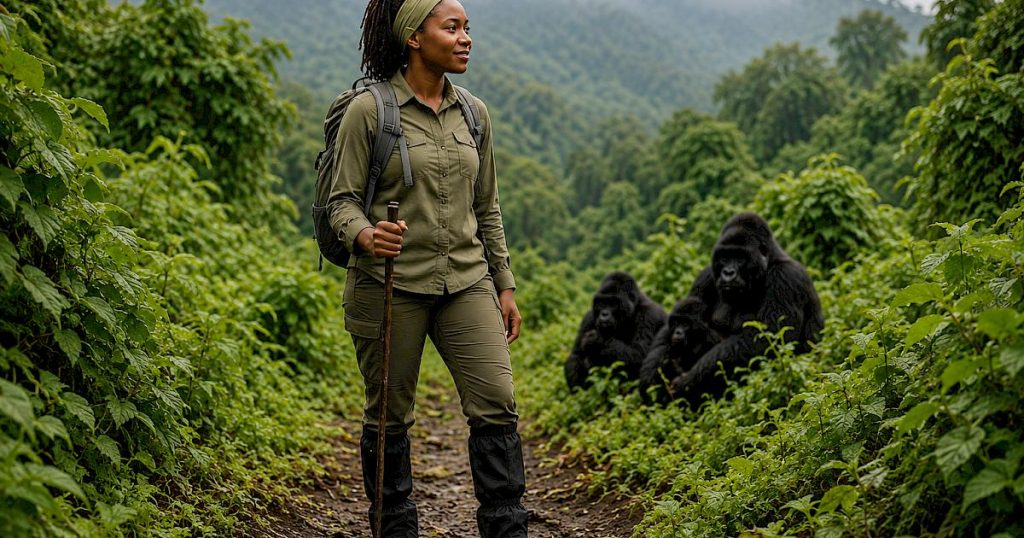
Gorilla tracking is one of the most memorable wildlife experiences in Africa. It takes visitors through beautiful tropical forests, steep mountain slopes and thick vegetation in search of endangered mountain gorillas. In Rwanda, many travellers visit Volcanoes National Park for this extraordinary adventure. Others travel to Bwindi Impenetrable National Park or Mgahinga Gorilla National Park in Uganda.
However, preparing for a gorilla tracking experience involves more than choosing comfortable hiking boots and suitable clothing. Travellers also need a reliable daypack to carry essential supplies throughout the hike.
A good daypack provides enough room for drinking water, snacks, rain protection, personal medication and other useful items. It should also feel comfortable when walking through muddy trails and uneven forest terrain. Most importantly, it should protect your belongings from rain and accidental damage.
So, what kind of daypack works best for gorilla tracking?
The best option is usually a lightweight, comfortable and water-resistant or waterproof backpack with adjustable straps, practical compartments and enough capacity for your essential items. You do not need a large expedition backpack for an ordinary gorilla trek. Instead, choose a compact design that allows you to move freely without carrying unnecessary weight.
At Safari O’clock, we encourage travellers to prepare carefully before visiting the mountain gorillas. This guide explains what to look for when choosing a daypack and how to pack it for a comfortable trekking experience.
Why Choosing the Right Gorilla Tracking Daypack Matters
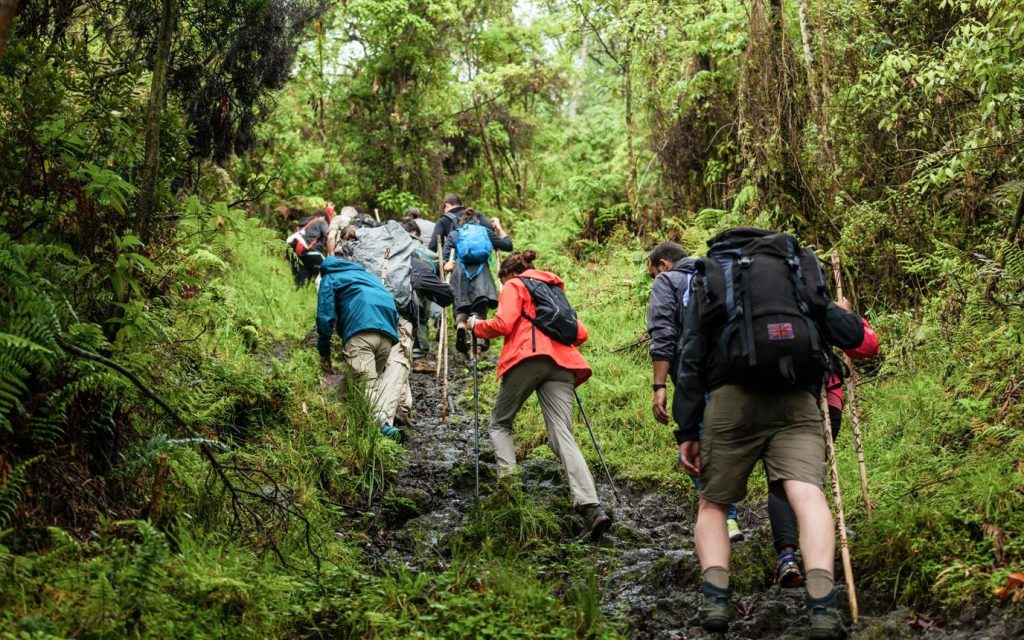
A gorilla tracking excursion can take several hours, depending on the location of the gorilla family and the difficulty of the terrain. Some groups are closer to the starting point, while others require longer hikes through steep and dense vegetation.
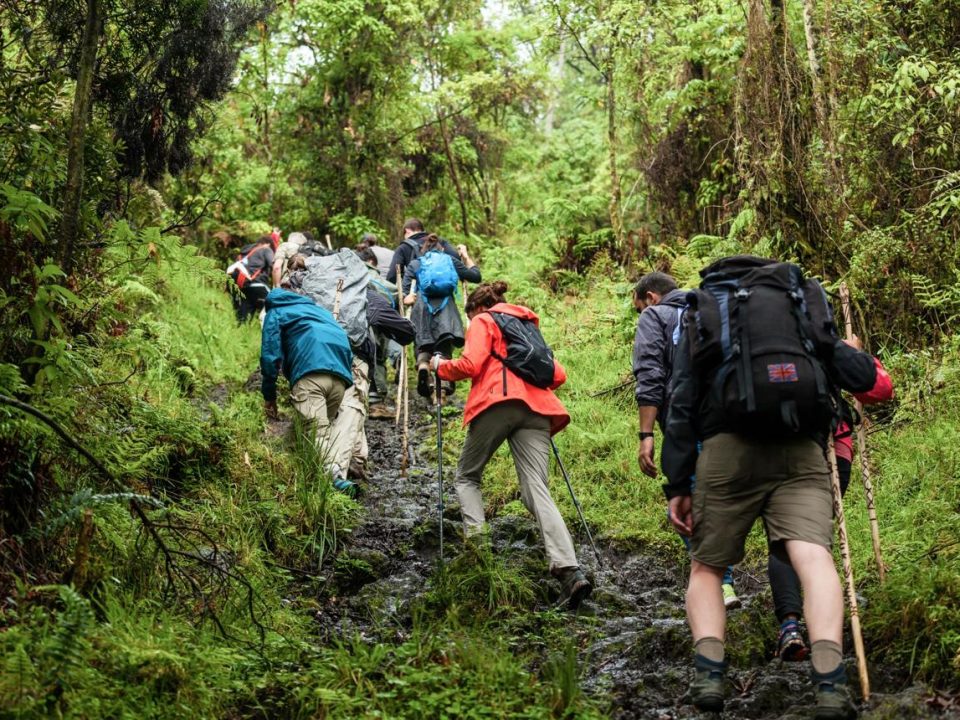
During this experience, you may walk through muddy sections, climb slopes and pass through areas with thick plants. Therefore, carrying your belongings in an uncomfortable or poorly designed bag can make the journey more difficult.
A suitable daypack distributes weight across your shoulders and back. This reduces unnecessary strain and allows you to concentrate on walking. Adjustable straps also help keep the bag stable as you move across uneven ground.
Weather protection is another important consideration. Gorilla trekking takes place in tropical mountain forests, where rain can occur even when the morning begins with clear skies. A suitable daypack helps protect your camera, phone, snacks and extra clothing from moisture.
Furthermore, a well-organised backpack makes it easier to access important items without emptying everything onto the forest floor. You can quickly reach your water bottle, rain jacket or other supplies when necessary.
For these reasons, selecting the right backpack should form part of your gorilla tracking preparation.
What Size of Gorilla Tracking Daypack Works Best?
Size is one of the first things to consider when buying a trekking backpack. A bag that is too small may not accommodate your essentials. On the other hand, an oversized backpack can encourage unnecessary packing and add weight to your journey.
For most travellers, a daypack with a capacity of approximately 15 to 25 litres offers a practical starting point. This range provides room for basic supplies without requiring a bulky hiking backpack.
A 15-litre bag may work well for visitors who prefer carrying only water, snacks, a rain jacket and a few personal items. Meanwhile, a 20 to 25-litre backpack provides additional room for a camera, extra clothing and a small personal first-aid kit.
However, your ideal capacity depends on your personal needs. Photographers may require additional space for camera accessories, while travellers carrying only basic supplies may prefer a smaller design.
Remember that the park authorities do not prescribe one standard backpack capacity for every visitor. Therefore, choose a size that accommodates your essentials comfortably without encouraging overpacking.
Is a Small Backpack Better for Gorilla Tracking?
In many situations, yes. A compact backpack makes it easier to navigate narrow forest trails and move through thick vegetation. It also reduces the temptation to carry unnecessary equipment.
However, small should not mean uncomfortable or impractical. Your bag must still accommodate enough water, snacks and weather protection for the trek.
Safari O’clock recommends choosing a backpack that balances capacity with comfort. The best bag is not necessarily the smallest one. It is the one that carries your essential supplies securely without interfering with your movement.
Essential Features to Look for in a Gorilla Tracking Daypack
Before purchasing a backpack, examine its design carefully. Certain features make a noticeable difference during outdoor activities, especially in tropical rainforest environments.
1. Waterproof or Water-Resistant Material
Rain protection should be one of your main priorities. Mountain forests around Volcanoes National Park and Bwindi can experience rainfall throughout the year.
A waterproof daypack or a water-resistant backpack with a reliable rain cover helps protect your belongings. This is particularly important when carrying electronic devices, travel documents and camera equipment.
Some backpacks include waterproof coatings, sealed seams and water-resistant zips. These features provide additional protection against moisture.
However, do not assume that every bag advertised as water-resistant can withstand prolonged heavy rain. Check the manufacturer’s specifications before purchasing.
If your preferred backpack does not provide full waterproof protection, use a separate dry bag or waterproof pouch inside it. This creates another protective layer for valuable belongings.
2. Comfortable and Adjustable Shoulder Straps
You may carry your backpack for several hours, so shoulder comfort matters.
Look for padded shoulder straps that distribute weight evenly. Adjustable straps allow you to position the bag correctly according to your body size.
A sternum strap is another useful feature. It connects the shoulder straps across your chest and helps prevent them from moving outward during walking.
Some larger daypacks also include a padded hip belt. This can improve stability and transfer some of the load towards your hips.
Choose straps that feel comfortable without pressing tightly against your shoulders. Before travelling, adjust them and test the bag while walking.
3. A Lightweight Design
Your backpack should not add unnecessary weight to your trekking equipment.
Remember that you will also carry water, snacks, personal supplies and possibly a camera. A heavy bag can become uncomfortable once you add these items.
Choose a lightweight design made from durable materials. Avoid unnecessary metal accessories, oversized decorative features and bulky compartments.
A simple backpack with a practical structure often works better than a fashionable bag with many unnecessary attachments.
4. Multiple Compartments for Easy Organisation
A good backpack should help you organise your belongings.
Look for a main compartment for larger items and smaller pockets for frequently used supplies. A separate compartment can hold your rain jacket, while an exterior pocket may provide convenient access to a water bottle.
Internal pockets also help separate electronic equipment from food and other belongings.
However, avoid choosing a backpack simply because it has many compartments. The most important thing is that its design makes your belongings easy to organise and retrieve.
5. Strong Zips and Durable Stitching
Gorilla trekking involves movement through challenging outdoor environments. Your backpack should withstand regular use without falling apart.
Inspect the zips, seams, buckles and stitching before purchasing. Strong zips help keep your belongings secure, while reinforced stitching improves durability.
Also, check the quality of the shoulder strap attachments. These areas experience considerable pressure when the bag carries water and other supplies.
A well-made backpack is a worthwhile investment, especially if you regularly enjoy hiking and outdoor travel.
What Should You Pack Inside Your Gorilla Tracking Daypack?
Choosing a good backpack is only the first step. You also need to organise its contents carefully.
A successful trekking day does not require carrying your entire travel luggage into the forest. Instead, focus on items that support comfort, hydration, protection and personal needs.
Drinking Water
Water is one of the most important items to carry. Walking through mountain forests and climbing steep slopes requires energy and adequate hydration.
Pack enough drinking water for the expected duration of your trek. At least one litre is a useful starting point, although two litres may be more suitable for longer or more demanding hikes. Follow your guide’s advice and consider your personal hydration needs.
A reusable water bottle is a practical option. Some backpacks also include side pockets that allow you to reach your bottle without opening the main compartment.
Energy-Giving Snacks
A gorilla trek can involve several hours of walking. Therefore, carrying a few snacks can help you maintain your energy.
Consider lightweight options such as nuts, energy bars, dried fruit or other convenient snacks.
However, follow your ranger’s instructions about when and where you can eat. Rwanda Development Board guidance allows visitors to bring water and snacks, but eating and drinking near the gorillas is prohibited. Follow the current instructions provided by your guides.
A Lightweight Rain Jacket
Weather conditions can change quickly in mountain forests. A compact rain jacket is therefore a useful addition to your backpack.
Choose one that folds easily and does not occupy too much space. You can keep it in an accessible compartment so you can reach it quickly when rain begins.
Even if you already wear a waterproof jacket, carrying additional protection may be useful when conditions become particularly wet.
Personal Medication and a Small First-Aid Kit
Travellers who use prescription medication should carry what they need for the trekking day.
A small first-aid pouch can also hold blister plasters, adhesive bandages and other basic supplies. Keep these items organised in a waterproof pouch.
If you have specific medical needs, consult your healthcare professional before undertaking a demanding hike.
Camera and Phone Protection
Many visitors want to capture memories of their gorilla tracking experience. A camera or smartphone can help preserve these special moments.
However, electronic equipment needs proper protection from moisture. Use padded cases or waterproof pouches inside your backpack.
Carry spare camera batteries or a power bank if necessary. Also, remember that flash photography is prohibited when photographing gorillas.
Keep your phone and camera secure when moving through thick vegetation. Avoid placing expensive equipment loosely inside the main compartment.
Sunscreen, Insect Repellent and Personal Essentials
A small bottle of sunscreen and insect repellent can be useful during outdoor activities. You may also carry tissues, lip balm and hand sanitiser where appropriate.
Keep these items in a separate pouch to prevent spills from affecting your other belongings.
You do not need to carry full-sized toiletries or large personal care products into the forest. Travel-sized containers are more practical.
Should Your Gorilla Tracking Daypack Have a Hip Belt?
A hip belt can improve comfort, especially when carrying a heavier backpack.
It helps stabilise the bag and transfers some of the weight from your shoulders towards your hips. This can reduce movement when walking along uneven trails.
However, not every traveller needs a large hiking backpack with a substantial hip belt.
For a compact 15 to 25-litre daypack, a simple padded hip belt or adjustable waist strap may be sufficient. Some smaller designs do not include one, and they can still work well when carrying light supplies.
Your decision should depend on the amount of equipment you intend to carry and your personal comfort.
If you have a history of back or shoulder discomfort, consider trying several backpack designs before your trip.
Waterproof Backpack or Rain Cover: Which Is Better?
Both options can help protect your belongings, but they serve slightly different purposes.
A fully waterproof backpack offers stronger protection when its materials, seams and closures are designed to prevent water from entering. However, these bags may cost more and may not provide the same range of compartments as ordinary hiking backpacks.
A water-resistant backpack with a separate rain cover is another practical choice. The cover fits over the outside of the bag and helps prevent rain from reaching the main fabric.
For additional protection, place electronic equipment and travel documents inside waterproof pouches.
Safari O’clock recommends considering both the expected weather and the type of equipment you plan to carry. If you are bringing expensive camera equipment, additional waterproof protection is particularly important.
Choosing Between a Hiking Backpack and an Ordinary Daypack
Not every backpack is suitable for a gorilla trek. An ordinary school bag may carry your belongings, but it may lack the comfort and weather protection needed for several hours outdoors.
A proper hiking daypack usually offers better shoulder support, stronger materials and a design suited to movement.
Some models also include ventilation features that reduce heat build-up against your back. This can improve comfort during physical activity.
However, you do not need an expensive professional mountaineering backpack. A simple, well-constructed hiking daypack can meet the needs of most gorilla trekking visitors.
When comparing options, focus on durability, weight, fit and weather protection rather than brand names alone.
How to Pack Your Gorilla Tracking Daypack Properly
Even a high-quality backpack can become uncomfortable if you organise its contents poorly.
Start by placing heavier items close to your back. This helps keep the load stable and prevents the bag from pulling backwards.
Place lighter clothing and your rain jacket in the upper section or another easily accessible compartment. Keep frequently used items within reach, but secure anything valuable.
Water bottles should fit securely in the side pockets or inside the main compartment. Avoid placing sharp objects loosely alongside electronic equipment.
Also, make sure the zips close properly and the straps do not hang loosely. Long straps can catch on branches and vegetation while walking through the forest.
Before the trekking day, load your backpack with the items you intend to carry and walk around for a few minutes. This allows you to identify uncomfortable pressure points and adjust the straps.
A little preparation can make a significant difference once you enter the forest.
Should You Hire a Porter to Carry Your Daypack?
Yes, hiring a porter is an option worth considering, especially if you are carrying a heavier backpack or find steep terrain physically challenging.
Porters are available at gorilla trekking destinations in Rwanda and Uganda. They can help carry your daypack and provide support on difficult sections of the trail.
Their assistance can make the experience more comfortable. It also creates an opportunity for visitors to support local livelihoods through tourism.
Rwanda Development Board specifically recognises the availability of porters to help visitors carry their daypacks.
However, remember that hiring a porter is a personal choice. If you prefer carrying your own small backpack, you can do so as long as you remain comfortable and follow your guide’s instructions.
If you hire a porter, keep important personal belongings, travel documents and valuable electronic equipment secure. You should also discuss arrangements with your trekking operator before the activity.
Common Mistakes to Avoid When Choosing a Gorilla Tracking Daypack
One mistake is choosing a bag based only on appearance. A stylish backpack may look attractive, but it might not offer adequate shoulder support or weather protection.
Another mistake is purchasing an oversized hiking bag. Carrying unnecessary equipment increases weight and may make movement through dense vegetation more difficult.
Some travellers also forget to check the quality of the zips and stitching. A damaged zip or weak strap can become a serious inconvenience during a long hike.
Ignoring waterproof protection is another common problem. Even when the weather looks clear, forest conditions can change unexpectedly.
Finally, avoid using a backpack for the first time on your trekking day. Test it beforehand and make sure the straps, compartments and closures work properly.
Preparation helps you identify problems before they affect your experience.
Gorilla Tracking Daypack Checklist: What to Look For
Before purchasing your backpack, use this simple checklist:
Backpack design
- Lightweight construction.
- Approximately 15 to 25 litres of capacity.
- Comfortable padded shoulder straps.
- Adjustable straps.
- Durable zips and reinforced stitching.
- Practical compartments.
- Water-resistant or waterproof material.
- Rain cover or compatible waterproof protection.
Items to carry
- Drinking water.
- Lightweight snacks.
- Waterproof rain jacket.
- Personal medication.
- Small first-aid pouch.
- Sunscreen.
- Insect repellent.
- Camera or smartphone.
- Waterproof pouches for valuables.
- Any additional items recommended by your trekking guide.
Before departure
- Test the backpack while walking.
- Adjust the shoulder and chest straps.
- Check all zips and buckles.
- Protect electronic equipment.
- Remove unnecessary items.
- Confirm your guide’s packing recommendations.
This checklist provides a practical starting point for choosing and preparing your trekking bag.
How Safari O’clock Helps You Prepare for Gorilla Tracking
Preparing for a gorilla tracking experience involves making several important decisions. From selecting suitable accommodation to organising transport and choosing the right trekking equipment, every detail contributes to a comfortable journey.
Safari O’clock helps travellers plan memorable gorilla trekking experiences in Rwanda and other East African destinations. We understand that first-time visitors may have questions about the forest environment, trekking requirements and the equipment they should bring.
Our travel guidance helps visitors understand practical preparations before entering the forest. This includes choosing suitable clothing, carrying enough drinking water, protecting personal belongings and preparing for changing weather conditions.
We also encourage travellers to consider their physical comfort when selecting trekking equipment. A suitable daypack, comfortable hiking boots and appropriate rain protection can make the experience much more enjoyable.
Whether you are planning your first gorilla trek or returning for another wildlife adventure, Safari O’clock can help you prepare for an unforgettable experience.
Frequently Asked Questions About Gorilla Tracking Daypacks
1. What size backpack is best for gorilla tracking?
A backpack of approximately 15 to 25 litres is a practical choice for most visitors. It provides enough room for water, snacks, rain protection and personal essentials without becoming unnecessarily bulky.
2. Does my gorilla tracking backpack need to be waterproof?
Waterproof protection is strongly recommended. Gorilla trekking takes place in tropical mountain forests where rain can occur throughout the year. A waterproof backpack or a water-resistant bag with a rain cover can help protect your belongings.
3. Can I use an ordinary school backpack for gorilla tracking?
You can use a suitable ordinary backpack if it is comfortable, durable and provides enough protection for your belongings. However, a hiking daypack usually offers better support, practical compartments and features designed for outdoor activities.
4. How much water should I carry during gorilla tracking?
At least one litre provides a useful starting point, although two litres may be more appropriate for longer or more demanding treks. Your hydration needs depend on the weather, physical activity and trek duration.
5. Should I carry food inside my daypack?
Yes. A few lightweight snacks can provide energy during a long hike. However, follow your guide’s instructions and never eat near the gorillas.
6. Can a porter carry my gorilla tracking backpack?
Yes. Porters are available at gorilla trekking destinations and can help carry your daypack. Their services are particularly useful for visitors who prefer additional assistance on steep or muddy trails.
7. Do I need a special backpack for gorilla trekking in Rwanda?
You do not need a particular brand or specialised professional mountaineering backpack. A lightweight hiking daypack with comfortable straps, adequate storage and good rain protection is generally suitable.
8. Can I carry my camera inside my gorilla tracking daypack?
Yes. You can carry your camera inside a padded or waterproof protective case. Keep it secure while walking and remember that flash photography is not permitted when photographing mountain gorillas.
Final Thoughts
Choosing the right daypack is a simple but important part of preparing for gorilla tracking. The ideal backpack should be lightweight, comfortable, durable and capable of protecting your belongings from rain.
For most visitors, a compact hiking daypack with approximately 15 to 25 litres of capacity provides enough room for the essentials. Look for padded shoulder straps, practical compartments and reliable waterproof protection.
More importantly, pack only what you genuinely need. Carry enough water, a few snacks, personal essentials and suitable weather protection. If your backpack feels too heavy, consider hiring a porter to assist you.
With the right equipment and preparation, you can focus more on the incredible forest environment and less on the weight of your belongings.
For more practical travel advice and help planning your next gorilla trekking adventure, explore the travel guides and safari experiences available through Safari O’clock.