- DIRECT CONTACTS:
- +256394517569
- tours@safarioclock.africa

Packing Layers for Cool Mornings in Musanze: A Complete Guide for Rwanda Travellers

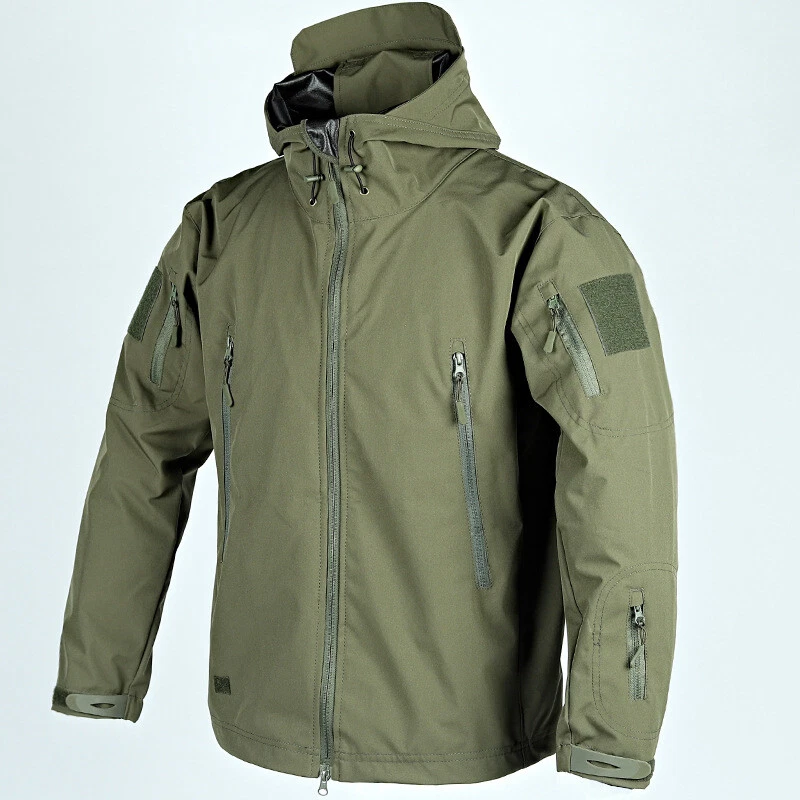
How to Choose a Waterproof Jacket for Gorilla Tracking in Rwanda
November 23, 2026
What Kind of Daypack Works Best for Gorilla Tracking? A Complete Guide for Travellers
November 23, 2026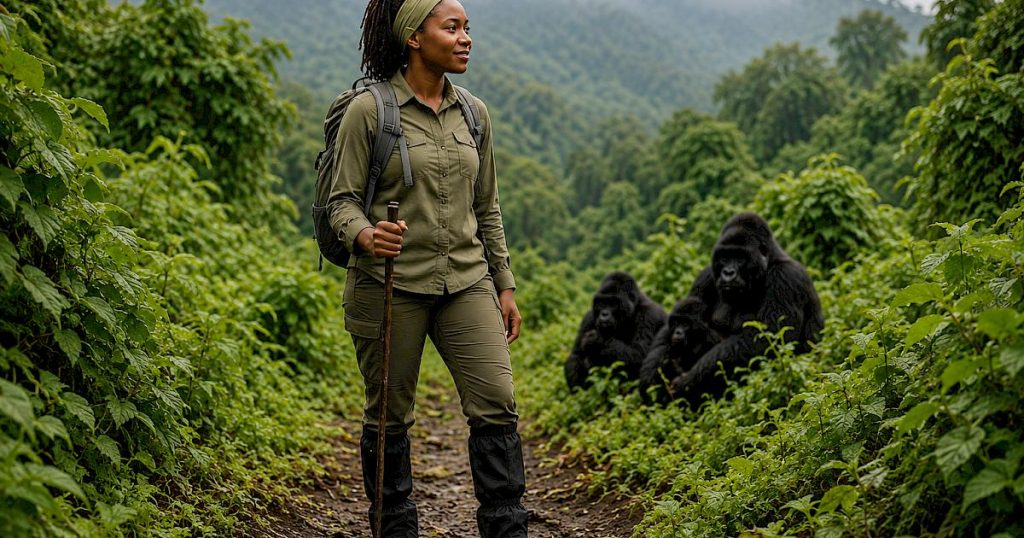
Introduction
Musanze is one of Rwanda’s most beautiful travel destinations. Located in the country’s Northern Province, it attracts visitors with its green hills, scenic landscapes and proximity to Volcanoes National Park. Many travellers also use the town as a starting point for mountain gorilla trekking, golden monkey tracking and volcano hiking.
However, Musanze has a climate that visitors should understand before travelling. Although Rwanda lies close to the equator, Musanze sits at a relatively high elevation. As a result, mornings and evenings can feel quite chilly, while daytime temperatures are generally mild and comfortable. Rain showers can also occur throughout the year.
For this reason, packing the right clothing is an important part of preparing for a comfortable trip. Rather than carrying several thick jackets, travellers can use a simple layering system. This approach allows you to adjust your clothing as temperatures change throughout the day.
At Safari O’clock, we encourage visitors to prepare for changing mountain weather without overpacking. Understanding how to combine light, warm and waterproof clothing can make your Rwanda adventure much more enjoyable.
Understanding the Weather Before Packing Layers for Musanze
Before choosing what to wear, it helps to understand the local weather. Musanze stands at approximately 1,850 metres above sea level. Its highland location contributes to cooler conditions than many travellers expect when visiting an equatorial country.
Daytime temperatures are generally mild, often reaching approximately 20°C to 24°C. Meanwhile, average minimum temperatures can fall to around 11°C to 13°C. Higher areas around Volcanoes National Park can feel colder, particularly during early morning activities.
Rainfall is another important consideration. Rwanda generally experiences two main rainy seasons, although local conditions vary with elevation. The longer rains usually occur between March and May, while another rainy period runs from around September to December.
Nevertheless, visitors should not assume that dry-season travel means completely rain-free conditions. Musanze’s highland environment can experience unexpected showers. Therefore, a waterproof outer layer remains useful throughout the year.
Safari O’clock recommends checking the weather forecast before departure. However, travellers should still pack clothing that works in both cool and mild conditions.
Why Packing Layers for Musanze Makes a Difference
Layering means wearing several lighter garments on top of one another instead of depending on one heavy jacket. Each layer serves a different purpose. You can add clothing when the morning feels cold and remove it as the day becomes warmer.
This method is particularly useful for visitors who plan to explore Musanze and Volcanoes National Park. A morning gorilla trekking briefing may begin in cool conditions. As the hike continues, physical activity can make your body feel warmer. Later, rain or wind may create another need for protection.
A layering system also gives you more flexibility during other activities. Whether you are exploring local attractions, enjoying a countryside drive or walking around your lodge, you can adjust your clothing without changing your entire outfit.
Furthermore, lightweight layers take up less space in your suitcase. This makes packing easier, especially for travellers combining several destinations in Rwanda, Uganda or other East African countries.
The Three Essential Layers to Pack for Musanze
A practical layering system has three main parts: a base layer, a middle layer and an outer layer. Each one has a specific function.
1. Start with a Comfortable Base Layer
The base layer sits closest to your skin. Its main purpose is to help manage moisture and keep you comfortable.
For cool mornings in Musanze, pack lightweight long-sleeved tops or comfortable thermal shirts. These provide extra warmth without making your outfit too heavy.
Merino wool and synthetic moisture-wicking fabrics are useful options. They help move sweat away from your skin, which is particularly helpful when walking or hiking. Avoid relying entirely on thick cotton garments during active outdoor activities. Cotton absorbs moisture and can take longer to dry.
You do not need to buy expensive specialist clothing for an ordinary visit to Musanze. A comfortable long-sleeved shirt can work well for sightseeing and relaxed outdoor activities. However, travellers planning longer mountain hikes may benefit from proper technical base layers.
2. Add a Warm Middle Layer
The middle layer provides insulation. It helps retain body heat when temperatures are low.
A lightweight fleece jacket is one of the most practical options for a Musanze trip. It provides warmth without adding too much weight to your luggage. You can wear it over a long-sleeved shirt during chilly mornings and remove it when the temperature rises.
A comfortable sweater or lightweight wool jumper can also work well. These options are particularly useful when spending time at your lodge, enjoying breakfast outdoors or travelling through the surrounding countryside.
Safari O’clock recommends choosing a middle layer that fits comfortably under your outer jacket. Avoid garments that are too tight because they can restrict movement and make it difficult to add another layer.
3. Finish with a Waterproof Outer Layer
The outer layer protects you from wind and rain. It is especially important when visiting Volcanoes National Park, where weather conditions can change quickly.
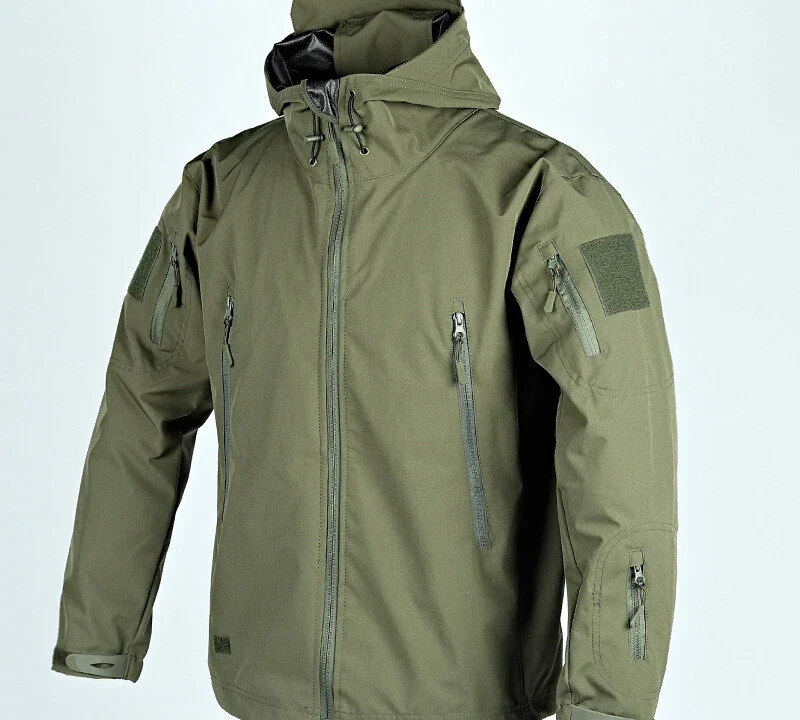
Pack a lightweight waterproof jacket with a hood. Ideally, choose one that allows some ventilation so you do not become uncomfortable during physical activity.
A wind-resistant jacket can also provide extra protection on exposed viewpoints and during early morning drives. However, a regular windbreaker is not necessarily waterproof. Check the garment’s specifications before depending on it for rainy conditions.
For gorilla trekking, a proper rain jacket is particularly useful. The forest environment can be wet and muddy, even when the weather around your accommodation looks clear.
Keep your waterproof jacket somewhere accessible in your daypack. This allows you to put it on quickly when rain begins.
Choosing the Right Fabrics When Packing Layers for Musanze
The fabric you choose can influence how comfortable you feel throughout your journey. Some materials retain heat effectively, while others dry quickly after exposure to moisture.
Merino wool is a good choice for travellers who want warmth and moisture management. It is also useful because it can remain comfortable across changing temperatures. However, it is usually more expensive than synthetic alternatives.
Synthetic fabrics, such as polyester, are another practical option. They are often lightweight, dry relatively quickly and work well for active travel.
Fleece is particularly useful as a middle layer. It provides insulation while remaining relatively light. Travellers can also choose lightweight fleece jackets that fit easily inside a daypack.
For outerwear, look for waterproof or water-resistant materials with suitable weather protection. Remember that water-resistant clothing may not withstand prolonged heavy rain.
It is also worth checking the garment’s breathability. When hiking, your body produces heat and sweat. Breathable clothing helps reduce discomfort caused by trapped moisture.
What to Wear During Early Morning Activities in Musanze
Early mornings are often the coldest part of the day. Travellers leaving their accommodation for gorilla trekking, golden monkey tracking or sightseeing should prepare accordingly.
Start with a comfortable long-sleeved base layer. Add a fleece or warm sweater, then wear your waterproof jacket if conditions require it.
For outdoor activities, long trousers are a practical choice. They help protect your legs from scratches, insects and vegetation. During gorilla trekking, sturdy waterproof hiking boots are also essential because forest trails can be muddy and uneven.
Do not forget comfortable socks. A warm pair can make a noticeable difference when starting a hike in cool conditions.
A lightweight hat can also help retain warmth, especially when the morning is windy. Meanwhile, gloves may be useful for visitors who feel cold easily or plan to hike at higher elevations.
Safari O’clock advises travellers to dress for the conditions at the start of their activity while keeping removable layers accessible.
Adjusting Your Clothing as the Day Becomes Warmer
One advantage of layering is that you do not have to remain in heavy clothing throughout the day.
As the sun rises, Musanze often becomes pleasantly mild. If you begin feeling warm, remove your outer jacket first. You can then take off the fleece if necessary, leaving your comfortable base layer.
Keep the removed clothing in your daypack rather than carrying it in your hands. This makes walking easier and ensures that you can put it back on when temperatures drop.
However, avoid removing too many layers before entering shaded or exposed areas. Weather around the volcanic mountains can differ from conditions in the town centre.
Travellers should also remember that physical activity generates body heat. A combination that feels comfortable while sitting in a vehicle may feel too warm during a steep hike.
Packing Layers for Musanze During the Rainy Season
Rainy-season travel requires a little more preparation. Musanze receives considerable rainfall, particularly during the main rainy periods.
Between March and May, heavier rainfall can affect outdoor activities. Another rainy period generally occurs between September and December. However, showers can also occur outside these months.
During these periods, a waterproof jacket should be a priority. Consider carrying lightweight waterproof trousers if you plan to spend extended periods outdoors. These can help keep your legs dry during wet hikes.
Waterproof hiking boots with good grip are also important for forest activities. Choose comfortable footwear that you have already worn before your trip. New boots can cause blisters during long walks.
A waterproof cover for your daypack will help protect extra clothing, travel documents and electronic equipment. You can also use dry bags or waterproof pouches for valuable items.
Most importantly, do not pack all your warm clothing at the bottom of your suitcase. Keep the essential items within easy reach, especially when travelling between accommodation and outdoor activities.
Packing Layers for Musanze During the Dry Season
The dry season is popular with travellers visiting Rwanda’s northern region. It generally offers more favourable conditions for outdoor activities, although weather can still vary.
During this period, visitors may enjoy comfortable daytime temperatures and clearer mornings. Nevertheless, early starts can still feel cold because of Musanze’s elevation.
A long-sleeved shirt, lightweight fleece and comfortable jacket are usually a useful combination. You may not need to wear all three layers throughout the day, but having them available gives you flexibility.
Do not completely remove rain protection from your packing list. Even during drier months, occasional showers can occur around the mountains.
Sunscreen, sunglasses and a comfortable hat are also useful. Cooler temperatures do not eliminate the effects of sunlight, particularly during extended outdoor activities.
Common Layering Mistakes Travellers Should Avoid
One common mistake is packing only heavy winter jackets. While these garments provide warmth, they can become uncomfortable when temperatures rise. They also take up considerable luggage space.
Another mistake is ignoring rain protection. Some visitors assume that Rwanda’s dry season guarantees sunshine throughout the day. However, mountain weather can change, so a waterproof layer remains useful.
Travellers should also avoid wearing unsuitable footwear during trekking activities. Ordinary trainers may not provide enough grip or protection on muddy forest trails. Instead, choose sturdy hiking boots with good traction.
Packing too many clothes is another problem. A few versatile garments can serve different purposes when combined correctly. Choose colours and styles that work together so you can create several outfits from fewer items.
Finally, do not forget to consider the activity you have planned. Clothing for a relaxed town visit may differ from what you need for a long mountain hike.
A Practical Packing Checklist for Cool Mornings in Musanze
Before leaving for Rwanda, use this checklist to organise your clothing:
Base layers
- Lightweight long-sleeved shirts.
- Comfortable thermal tops for visitors who feel cold easily.
- Moisture-wicking T-shirts for daytime activities.
Middle layers
- One lightweight fleece jacket.
- One comfortable sweater or warm jumper.
Outer layers
- One waterproof jacket with a hood.
- A lightweight wind-resistant layer if needed.
- Waterproof trousers for extended wet-weather activities.
Additional clothing
- Long hiking trousers.
- Comfortable everyday trousers.
- Warm socks.
- A lightweight hat or beanie.
- Gloves for particularly chilly mornings.
Outdoor essentials
- Waterproof hiking boots with good grip.
- A waterproof daypack cover.
- Dry bags for electronic equipment.
- Sunscreen and sunglasses.
You do not need every item on this list for every trip. Your final selection should depend on the season, length of stay and planned activities.
How Safari O’clock Helps You Prepare for Musanze’s Weather
A comfortable Rwanda safari begins with proper preparation. Knowing what to pack helps travellers enjoy their activities without worrying about unexpected changes in temperature.
Safari O’clock helps visitors plan memorable journeys through Rwanda, including experiences around Musanze and Volcanoes National Park. Whether you are interested in mountain gorilla trekking, golden monkey tracking or exploring the beautiful northern countryside, our team can help you prepare for your adventure.
We also encourage travellers to consider their accommodation, transport arrangements and activity schedules when selecting their clothing. For example, visitors with an early gorilla trekking departure may need warmer clothing than those planning a relaxed afternoon in town.
With the right preparation, you can enjoy the scenery, explore comfortably and make the most of your time in Rwanda.
Frequently Asked Questions About Packing Layers for Musanze
1. Does Musanze get cold in the morning?
Yes. Musanze has a highland climate, and early mornings and evenings can feel chilly. Average minimum temperatures can fall to around 11°C to 13°C, although conditions vary by location and season. A sweater or lightweight fleece is useful for most visitors.
2. Do I need a winter jacket when visiting Musanze?
Most travellers do not need a heavy winter jacket for ordinary visits. A lightweight warm jacket combined with a fleece and comfortable base layer is generally more practical. However, visitors hiking at higher elevations should prepare for colder conditions.
3. What should I wear for gorilla trekking in Volcanoes National Park?
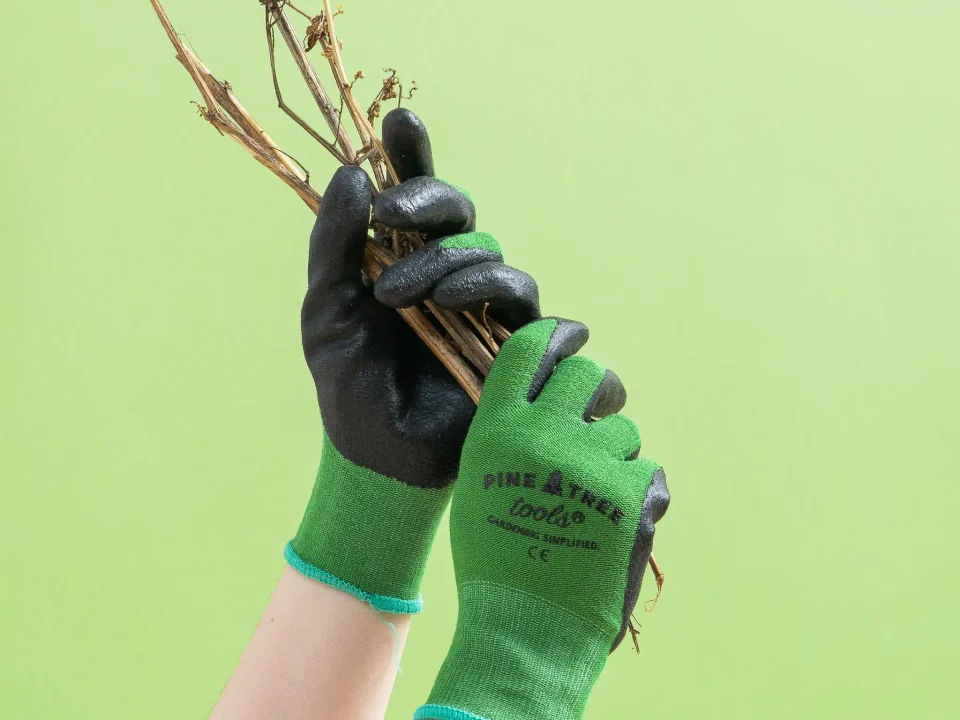
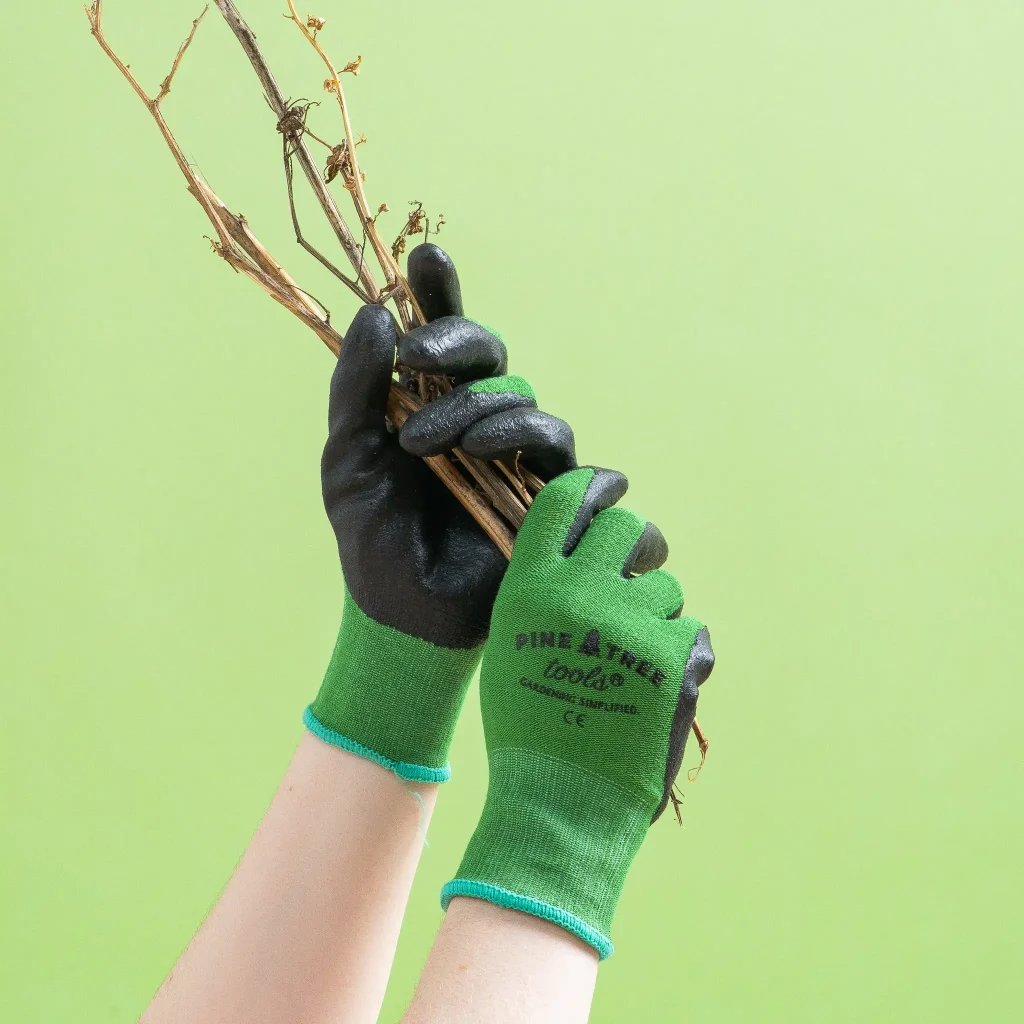
Wear a long-sleeved shirt, long trousers, sturdy waterproof hiking boots and comfortable socks. Add a lightweight fleece for the cool morning and carry a waterproof jacket for rain protection. Gardening gloves can also help protect your hands from thorny vegetation.
4. Can I wear T-shirts during the day in Musanze?
Yes. Daytime temperatures are generally mild, so a comfortable T-shirt may be suitable, especially when the sun comes out. However, keep a light jacket nearby because temperatures can change.
5. Is a rain jacket necessary during the dry season?
Yes. A rain jacket is still useful because Musanze and the surrounding highlands can experience unexpected showers. This is particularly important for visitors exploring Volcanoes National Park.
6. How many warm layers should I pack for a Musanze trip?
For a typical short visit, one or two base-layer tops, one fleece or sweater and one waterproof jacket provide a practical starting point. You can adjust the quantities depending on your travel duration and planned activities.
7. Should I pack differently for Musanze and Kigali?
Yes. Kigali generally has warmer conditions than the higher northern areas around Musanze. If your itinerary includes both destinations, pack versatile clothing that you can add or remove as temperatures change.
Final Thoughts
Packing for Musanze does not have to be complicated. The most important thing is to choose clothing that allows you to adjust comfortably to changing temperatures.
Start with a breathable base layer, add a warm fleece and finish with a waterproof jacket when necessary. Include suitable hiking trousers, comfortable socks and sturdy boots if you plan to explore the mountain forests.
Most importantly, remember that cool mornings do not mean cold conditions throughout the day. A flexible layering system helps you stay comfortable without carrying unnecessary clothing.
With these practical tips from Safari O’clock, you can prepare confidently for your Rwanda adventure and enjoy everything Musanze has to offer.