- DIRECT CONTACTS:
- +256394517569
- tours@safarioclock.africa
How Group Size Rules Affect Gorilla Permit Planning

What Details Do You Need Before Applying for a Gorilla Permit?
November 7, 2026
Understanding the Difference Between a Gorilla Permit and a Complete Tour Package
November 7, 2026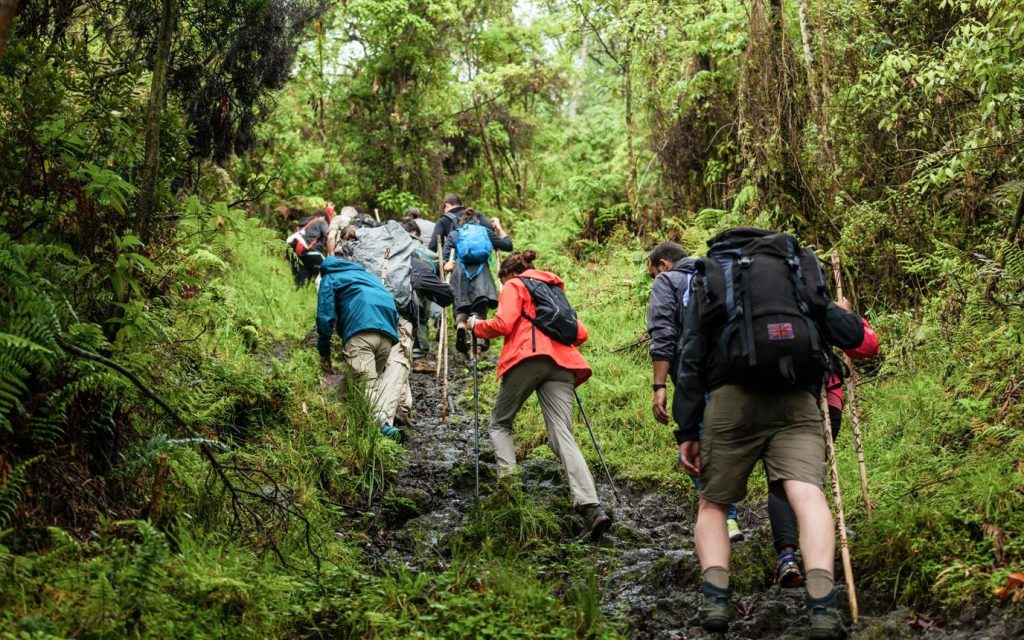
Planning a gorilla trekking adventure in Rwanda requires more than choosing a travel date and booking accommodation. Travellers must also understand the rules that control how many people can visit a mountain gorilla family at one time. These rules affect permit availability, group bookings, travel schedules, and the experience visitors enjoy in Volcanoes National Park.
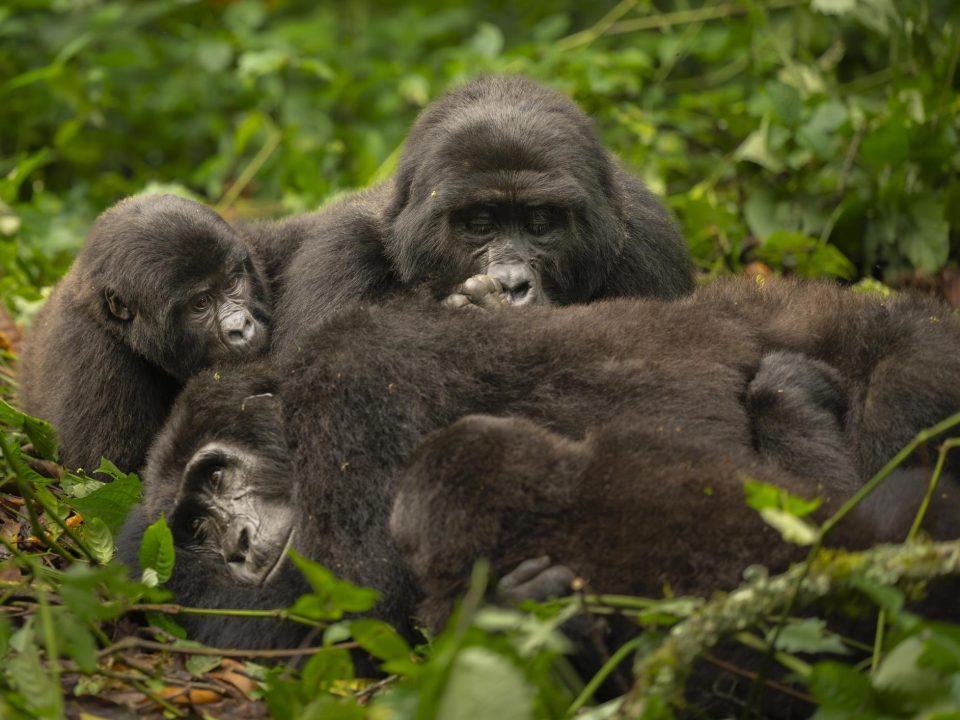
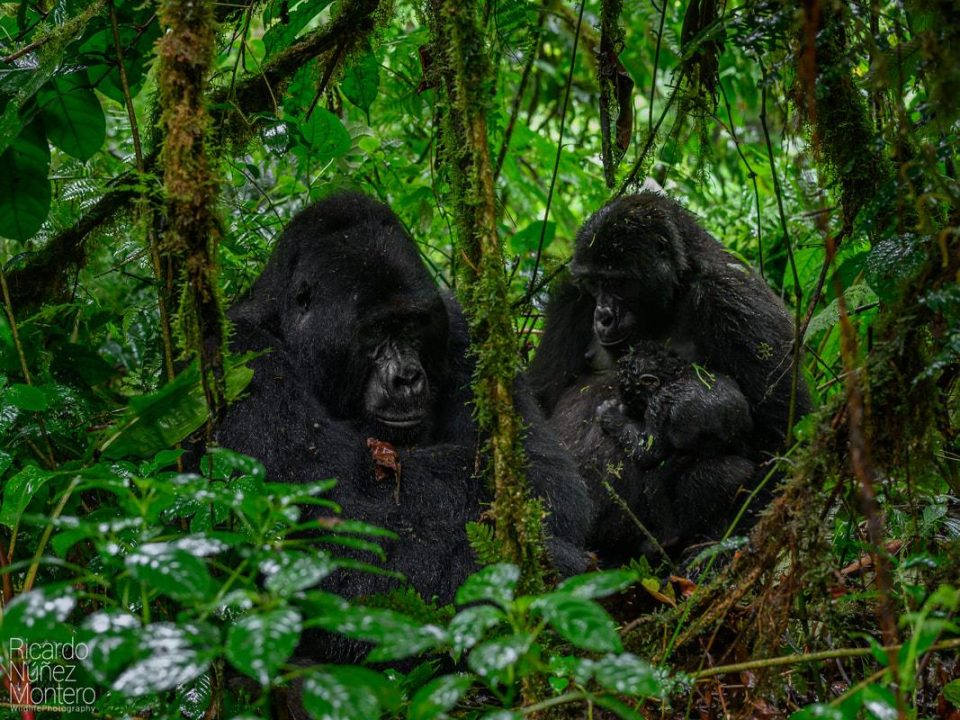
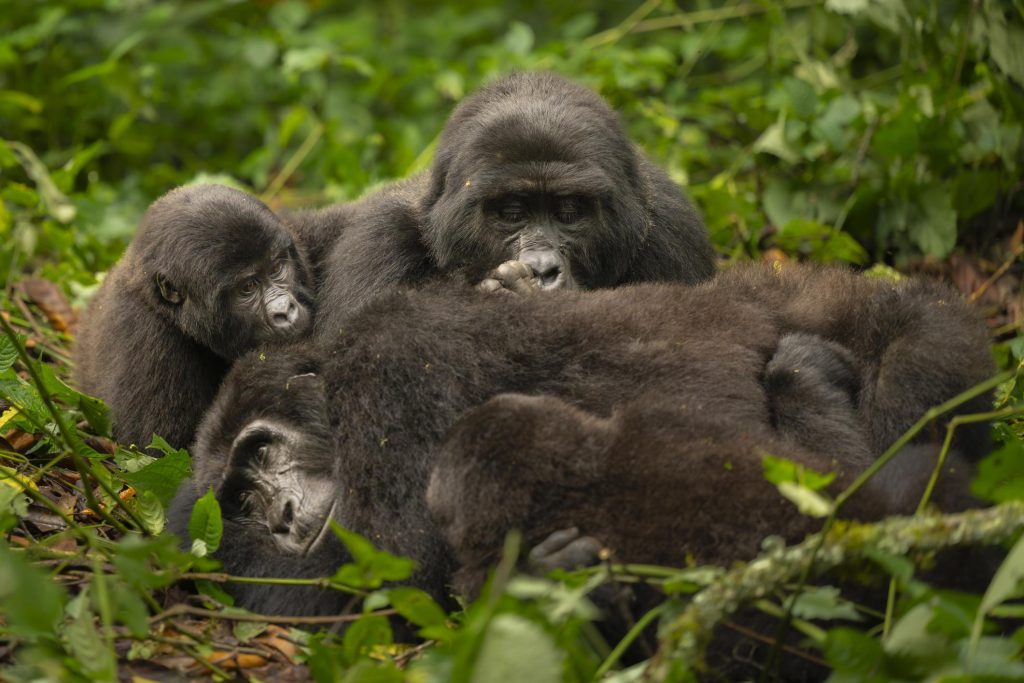
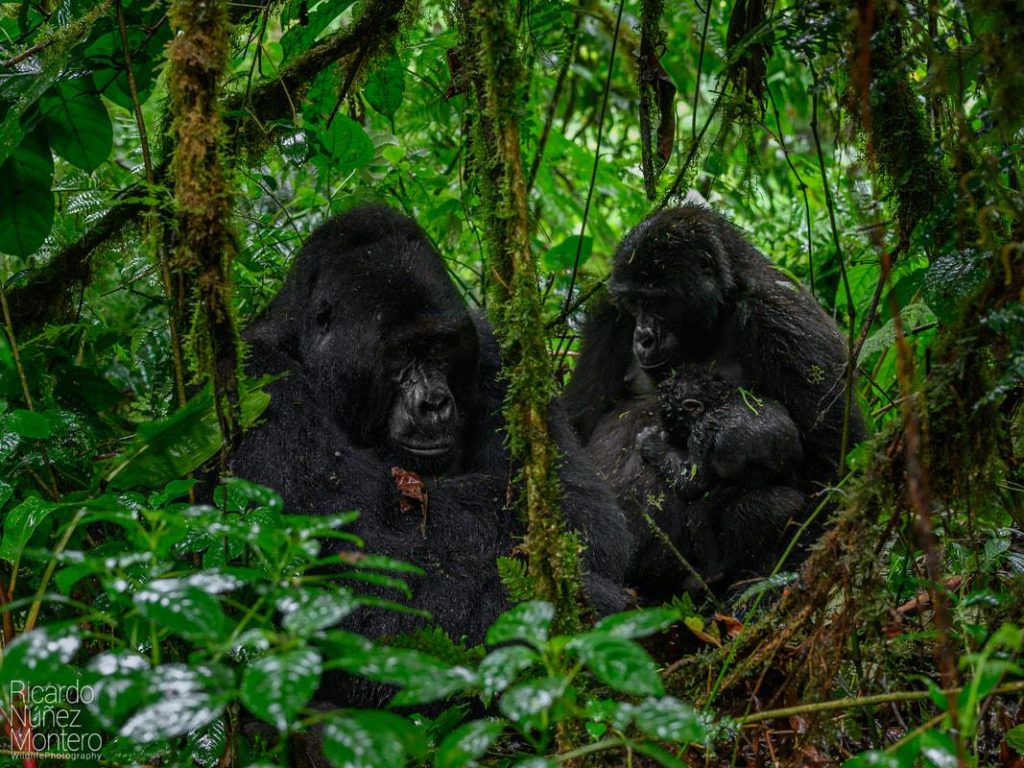
Rwanda is one of the world’s most popular destinations for mountain gorilla trekking. Visitors travel to Volcanoes National Park to observe endangered mountain gorillas in their natural habitat. However, the experience follows strict conservation rules that protect these animals and their environment.
One of the most important rules concerns the number of visitors allowed to see a gorilla family during a trekking visit. Rwanda’s official guidance sets a maximum of eight visitors per gorilla group. This limit means that travellers cannot simply arrive with a large party and expect everyone to visit the same gorilla family together.
So, how do group size rules affect gorilla permit planning? Safari O’clock explains what travellers need to know before organising a solo trip, family holiday, group safari, or private travel experience in Rwanda.
Understanding Gorilla Group Size Rules in Rwanda
Before booking your adventure, you should understand what the gorilla group size rule means. In Rwanda, a maximum of eight visitors may visit a gorilla group during a tracking experience. The rule helps control human contact with these vulnerable animals.
It is important to distinguish between a group of travellers and a gorilla trekking group. Your travel party may include friends, relatives, colleagues, or members of an organised tour. However, the number of people in your travel party does not automatically determine how many visitors can approach one gorilla family.
For example, imagine that twelve friends plan a gorilla trekking holiday together. Although they can travel as one party, they cannot all visit the same gorilla family at the same time under the eight-visitor limit. They would need to discuss suitable arrangements with their tour operator and follow the park authority’s allocation procedures.
The park authorities manage the trekking arrangements and assign visitors to gorilla families. Therefore, a large travel party should not assume that it can choose one family and visit it together.
Safari O’clock encourages travellers to understand this distinction before paying for their permits. Doing so helps you set realistic expectations and organise a trip that follows Rwanda’s conservation rules.
How Gorilla Group Size Affects Permit Availability
Gorilla group size directly affects the number of visitors who can participate in trekking on a given day. Since each gorilla family has a limited visitor allowance, the number of permits available for a particular date is also limited.
Rwanda’s official booking information confirms that a maximum of eight visitors can visit each gorilla group. Consequently, the number of available permits depends partly on how many gorilla groups are open for tourism and the applicable operational arrangements.
This system helps protect the gorillas from excessive human contact. At the same time, it means that travellers must plan carefully because the permits available for their preferred date may be limited.
For example, a group of six friends may need six permits for the same trekking date. A larger party of twelve may need twelve permits, but those permits will not allow all twelve visitors to see one gorilla family together. The park authorities will manage visitor allocation according to the applicable rules and available arrangements.
Therefore, do not wait until the last minute to organise a group safari. First, establish how many people intend to trek. Next, identify suitable travel dates and check permit availability before confirming other arrangements.
Safari O’clock can help travellers coordinate their intended dates, group numbers, and wider travel plans. However, the availability and allocation of permits must be confirmed through the official booking process.
Why Rwanda Limits Gorilla Trekking Group Size
The eight-visitor limit serves an important conservation purpose. Mountain gorillas are vulnerable to human disturbance and certain infectious diseases. Limiting the number of people who visit them helps manage these risks.
Protecting Gorilla Health Through Group Size Rules
Humans and gorillas share susceptibility to some infectious diseases, including respiratory infections. As a result, visitors must follow health precautions throughout their trekking experience.
A smaller visitor group helps limit the number of people in close proximity to the gorillas. Nevertheless, group size alone cannot eliminate disease risks. Visitors must also follow instructions about illness, hygiene, distance, coughing, and other protective measures.
The Rwanda Development Board advises visitors who have a cold, flu, or another contagious illness not to visit the gorillas. Travellers should take this instruction seriously because protecting gorilla health is a shared responsibility.
Safari O’clock encourages every traveller to prepare responsibly and follow the guidance given by park officials. Responsible tourism helps protect the gorillas and supports the long-term sustainability of wildlife experiences in Rwanda.
Reducing Disturbance Through Gorilla Group Size Rules
Mountain gorillas live in social families and carry out natural activities such as feeding, resting, moving, and caring for their young. Although tourism gorillas are accustomed to controlled human visits, they remain wild animals.
A large crowd could create more noise and movement around the animals. Therefore, restricting visitor numbers helps reduce unnecessary disturbance during the encounter.
Visitors must also keep their voices low and avoid sudden movements. They should follow the guide’s instructions rather than approaching the animals independently.
In addition, Rwanda limits the viewing period to one hour. This restriction helps manage the encounter and prevents visitors from remaining with a gorilla family for an extended period.
For travellers, these rules create a more controlled experience. For the gorillas, they help maintain safeguards around human contact. Safari O’clock encourages visitors to respect these arrangements as an essential part of responsible gorilla trekking.
How Gorilla Group Size Affects Group Bookings
If you are organising a trip with several people, group size should be one of your first planning considerations. The number of travellers determines how many permits you need and may affect the coordination required for your booking.
For instance, a couple needs two permits if both partners intend to trek. A family of five needs five permits for its trekking members. Similarly, a group of ten adults needs ten permits if everyone plans to participate.
However, the number of permits does not guarantee that everyone will visit the same gorilla family. Rwanda’s eight-visitor limit still applies, and the park authorities manage the allocation of visitors.
This is particularly important for corporate trips, university groups, birthday celebrations, and family holidays. Travellers may want to share every part of the experience, but the trekking arrangements must follow the park’s conservation rules.
If your party has more than eight trekkers, inform your tour operator early. The operator can help you understand the booking requirements and discuss the arrangements that may be possible. However, the final allocation depends on the park authority and available permits.
Safari O’clock recommends collecting the names and details of everyone who intends to trek before making arrangements. This approach makes it easier to identify the number of permits required and plan the rest of the safari around the confirmed booking.
Planning for Groups Larger Than Eight Visitors
Travelling with a large group can be exciting. Friends, family members, or colleagues can share transport, accommodation, meals, and other activities throughout their Rwanda safari.
However, a party with more than eight trekkers needs additional planning. The group cannot assume that all members will visit the same gorilla family together because Rwanda limits each trekking group to eight visitors.
Suppose twelve colleagues want to experience gorilla trekking during a company retreat. They should first confirm permit availability for their preferred date. They should also explain their group size when contacting their tour operator.
The operator can then discuss the booking arrangements and explain how the park authorities manage visitor allocation. The travellers should remain flexible because they cannot guarantee that everyone will receive the same gorilla family assignment.
It is also important to coordinate transport and other activities around the confirmed arrangements. A larger party may need suitable vehicles, clear meeting instructions, and a well-organised itinerary.
Do not book a non-refundable package based on the assumption that every member will trek together. Instead, confirm the permit arrangements first and clarify any conditions that may affect the group.
Safari O’clock can help larger parties organise their wider travel arrangements and prepare for the practical requirements of a group safari. The goal is to create a smooth trip while respecting the rules that protect Rwanda’s mountain gorillas.
How Gorilla Group Size Influences Your Travel Budget
Group size can also influence your overall safari budget. Each person who intends to trek needs an appropriate permit, so adding more travellers increases the total permit cost.
For example, a party of four trekkers needs four permits. A party of eight needs eight permits. A party of ten needs ten permits if everyone plans to participate, even though the trekking arrangements will still follow the maximum of eight visitors per gorilla group.
You should also budget for accommodation, meals, transport, guide services, and other activities included in your itinerary. Some of these costs may be shared among travellers, while others increase with each additional person.
For instance, a group may share the cost of a vehicle or certain transport services. However, accommodation charges depend on the room arrangements, and every participating trekker needs an appropriate permit.
The important point is to distinguish between shared travel expenses and individual permit costs. A larger group does not automatically qualify for a lower permit fee simply because it is travelling together.
Before making a payment, ask your tour operator for a clear breakdown of the package. Confirm the number of permits, what the price includes, and whether any additional costs apply.
Safari O’clock can help you consider the different elements of your Rwanda safari budget. With accurate information, you can decide how many people will travel and allocate funds for the activities you want to enjoy.
Why You Should Book Gorilla Permits Early
Early planning is particularly important when several people want to trek on the same date. Every traveller needs an appropriate permit, and the number of visitors allowed to see each gorilla family is limited.
If you are travelling alone or as a couple, you may have more flexibility to consider alternative dates. However, a larger group often needs to coordinate several schedules, flights, accommodation bookings, and work commitments.
For this reason, begin planning as soon as you know your intended travel period. Establish the number of people who will trek and check availability for dates that suit the group.
If your first-choice date is unavailable, consider whether your party can travel on another day. You may also need to adjust the length of your stay or change other parts of the itinerary.
Do not assume that an accommodation reservation guarantees a gorilla permit. These are separate arrangements, so confirm the permit before committing to other bookings that may be difficult or expensive to change.
Safari O’clock recommends discussing your intended dates and group size early in the planning process. This gives you more time to explore available options and organise the other elements of your safari.
Can You Request a Private Gorilla Trekking Group?
Some travellers prefer private experiences. Couples may want to share the adventure with one another, while families and friends may hope to visit the gorillas as a single party.
However, a private travel arrangement does not automatically mean a private gorilla trekking group. Rwanda’s official rule limits a visit to a maximum of eight visitors per gorilla group.
If you are travelling with fewer than eight people, your group may fit within that numerical limit. However, you should not assume that the park will assign your party a particular gorilla family or guarantee that no other visitors will join the group.
Likewise, paying for a private vehicle, private guide, or luxury safari package does not automatically change the gorilla permit rules. Transport arrangements and gorilla family allocation are separate matters.
If privacy is important to you, explain your preferences to Safari O’clock before confirming your trip. The team can clarify which parts of the itinerary may be arranged privately and which parts remain subject to the park authority’s procedures.
Always request confirmation of any special arrangement before paying additional fees. This helps you understand what the package includes and avoid expecting services that cannot be guaranteed.
How Group Size Affects Your Trekking Day
Your gorilla trekking experience begins with the required registration and briefing. Park staff explain the rules and procedures before visitors set out with their guides.
The park authorities manage the allocation of visitors to gorilla families. Therefore, the group you travel with during other activities may not necessarily remain together throughout every part of the trekking experience.
Once the trek begins, visitors should stay with their assigned group and follow their guide’s instructions. The forest environment can include steep slopes, muddy paths, dense vegetation, and changing weather conditions.
The trek may take several hours, depending on the location and movement of the gorilla family. Once visitors find the gorillas, the viewing period is limited to one hour.
A smaller group can make it easier to listen to the guide and observe the animals without unnecessary crowding. Nevertheless, every visitor must remain considerate of the others and avoid behaviour that could disturb the gorillas.
If you are travelling with friends or relatives, prepare everyone for the possibility that the park authorities may allocate them differently. This helps prevent disappointment and ensures that everyone understands the conservation rules.
Safari O’clock encourages travellers to focus on the experience rather than expecting complete control over every part of the trek. The final arrangements depend on park procedures, safety considerations, and the needs of gorilla conservation.
Important Documents and Details for Group Permit Planning
Group size is only one part of preparing for a gorilla trekking adventure. Every traveller should also provide the personal details and supporting documents required for the permit application.
Begin by collecting each participant’s full name and passport information. Check the spelling carefully and make sure the details match the relevant identity documents.
Next, confirm the preferred trekking date and the total number of people who intend to participate. These details help you determine how many permits to request and whether your chosen date is suitable.
You should also prepare accurate contact information for the travellers or the designated group organiser. If the booking authority or tour operator needs to clarify information, reliable contact details can make communication easier.
If anyone in the group qualifies under a particular citizenship or residency category, confirm the applicable requirements before selecting that category. Never assume that every member of a group qualifies for the same permit category.
Finally, keep copies of booking confirmations and payment records. Review the details before departure and contact the relevant booking authority promptly if you identify a mistake.
Safari O’clock encourages group organisers to collect the required information early. This makes it easier to coordinate the booking process and reduce avoidable delays.
Common Mistakes to Avoid When Planning a Group Gorilla Trek
One common mistake is assuming that a large travel party can all visit the same gorilla family together. Rwanda’s eight-visitor limit means that a party with more than eight trekkers must follow the park’s visitor allocation procedures.
Another mistake is booking flights and accommodation before checking permit availability. These arrangements do not guarantee that permits will be available for your preferred trekking date.
Some organisers also underestimate the total cost of a group trip. Remember that each person who intends to trek needs an appropriate permit, even if the group shares some transport or accommodation expenses.
It is also risky to submit incomplete or incorrect personal information. The Rwanda Development Board warns that visitors may be denied entry if their applications contain errors or false supporting documents, even after payment.
Finally, avoid promising your group a specific gorilla family or private encounter without official confirmation. Park authorities manage the allocation process, and the final arrangements must follow the applicable rules.
Safari O’clock recommends a simple approach: confirm the number of trekkers, check permit availability, prepare accurate documents, and coordinate the remaining travel arrangements around the confirmed booking.
How Safari O’clock Helps You Plan a Group Gorilla Safari
Organising a gorilla trekking trip requires careful coordination, especially when several people are travelling together. You need to consider permit availability, travel dates, accommodation, transport, individual budgets, and the needs of every participant.
Safari O’clock can help you bring these arrangements together. Whether you are planning a family holiday, a trip with friends, a corporate retreat, or a larger safari, the team can help you consider the practical details before you travel.
The planning process begins with understanding your group. You should establish how many people intend to trek, which dates work best, and what other activities you want to include in your Rwanda itinerary.
Next, you can discuss accommodation, transport, and the services you need. Safari O’clock can help you coordinate these elements while keeping the permit requirements in mind.
For groups larger than eight trekkers, communicate your numbers from the beginning. This allows the team to explain the booking considerations and help you prepare for the park authority’s allocation procedures.
However, remember that the Rwanda Development Board controls the official gorilla permit system and visitor allocation. Safari O’clock cannot guarantee permit availability or override the park’s rules.
With clear communication and careful planning, your group can prepare for a memorable gorilla trekking experience while respecting the conservation measures that protect Rwanda’s mountain gorillas.
Frequently Asked Questions About Gorilla Group Size and Permits
How many visitors can trek to see one gorilla family in Rwanda?
Rwanda’s official mountain gorilla tracking guidance sets a maximum of eight visitors per gorilla group. Visitors must follow the allocation and instructions provided by the park authorities.
Can a group of ten friends go gorilla trekking together?
Yes, ten friends can plan a gorilla trekking holiday together, provided they secure the necessary permits and follow the applicable rules. However, all ten cannot visit the same gorilla family together under the eight-visitor limit. The park authorities manage visitor allocation.
Does a larger group receive a discount on gorilla permits?
Do not assume that a larger party automatically qualifies for a lower permit fee. Each person who intends to trek needs an appropriate permit, and the applicable fee depends on the current official rules and visitor category.
Can we choose the gorilla family we want to visit?
You should not assume that you can choose a particular gorilla family. Park authorities manage the allocation of visitors according to the applicable procedures and operational considerations.
How long can visitors stay with the gorillas?
The Rwanda Development Board limits the gorilla viewing period to one hour. Visitors must follow the guide’s instructions throughout the encounter.
Should large groups book gorilla permits early?
Early planning is advisable because permit availability is limited. A larger group also needs to coordinate more people, schedules, and travel arrangements. Checking availability early gives you more time to consider suitable dates.
Can Safari O’clock organise a group gorilla trekking trip?
Safari O’clock can help you plan your wider Rwanda safari arrangements, including travel dates, accommodation, transport, and other itinerary details. Confirm the permit arrangements and services included in your package before payment.
Final Thoughts: Plan Your Gorilla Trek Around the Group Size Rules
Group size rules play an important role in Rwanda’s gorilla trekking experience. The maximum of eight visitors per gorilla group helps manage human contact with the gorillas and supports the conservation measures that protect these endangered animals.
For travellers, the rule affects permit availability, group bookings, budgeting, and the organisation of the trekking day. A party with more than eight participants can still plan a shared safari, but it must follow the park’s allocation procedures.
Therefore, establish your group size early, check permit availability, prepare accurate documents, and coordinate your travel arrangements around the confirmed booking. Avoid making assumptions about private visits, specific gorilla families, or group discounts.
Safari O’clock encourages every traveller to plan responsibly and respect the official rules. With careful preparation, you can organise a rewarding Rwanda safari and look forward to seeing mountain gorillas in their natural habitat.