- DIRECT CONTACTS:
- +256394517569
- tours@safarioclock.africa

Crocodiles of Murchison Falls: The Nile’s Ancient Predators

Tracking Leopards in Murchison Falls National Park: What Visitors Should Know
September 15, 2026
Chimpanzee Tracking in Budongo Forest Near Murchison Falls: A Complete Uganda Safari Guide
September 15, 2026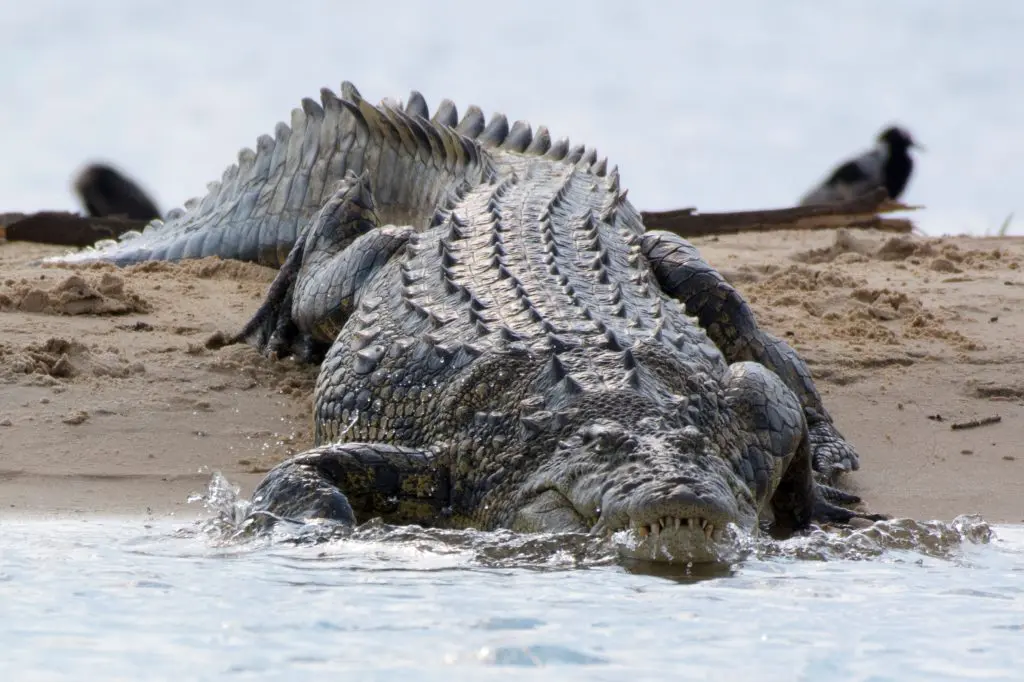
Murchison Falls National Park is a destination where the Nile is never far from the safari experience. The river shapes the landscape, attracts wildlife and creates one of Uganda’s most memorable boat-safari experiences. Along its banks, however, another presence commands attention. Nile crocodiles lie almost motionless on sandbanks, rocks and muddy shores. Some rest with their mouths open in the sun, while others float with only their eyes and nostrils above the water. These animals can look surprisingly calm. Yet they remain powerful predators that have survived for millions of years. For travellers planning a Uganda safari, crocodiles Murchison Falls encounters provide an unforgettable opportunity to observe one of Africa’s most ancient reptiles in its natural environment.
The crocodiles of Murchison Falls belong to the Nile crocodile species, Crocodylus niloticus. They have adapted to rivers, lakes, wetlands and other freshwater environments across much of Africa. Murchison Falls offers particularly good habitat because the Victoria Nile passes through the park and eventually flows towards Lake Albert. The river supports fish, hippos, waterbirds and many other animals. Therefore, it also provides the food and habitat that crocodiles need. UWA’s current description of Murchison Falls identifies Nile crocodiles as permanent residents along the river, particularly around the calmer stretch below the falls.
For Safari O’clock travellers, this makes the Nile boat cruise much more than a scenic excursion. The cruise becomes an opportunity to understand how an entire river ecosystem works. You can watch crocodiles resting near hippos, see fish-eating birds working along the shoreline and observe elephants or buffaloes approaching the water. At the same time, the enormous Murchison Falls remains the dramatic centrepiece of the landscape. The combination creates a safari experience that is difficult to reproduce anywhere else in Uganda.
Crocodiles Murchison Falls and the Victoria Nile
The Victoria Nile is the ecological heart of the Murchison Falls landscape. UWA explains that the river runs for about 80 kilometres through the park before reaching the narrow gorge where the famous falls force the water through a passage only about eight metres wide. The river then plunges roughly 45 metres into the gorge before continuing in a calmer flow towards Lake Albert. This change is important for wildlife. The turbulent rapids and gorge create one environment, while the broad river below the falls creates another.
Below the falls, the river becomes a broad and relatively tranquil waterway. This is where visitors commonly encounter crocodiles during boat trips. The reptiles can rest on exposed banks or shallow areas close to the channel. Some remain partly submerged for long periods. Others move through the water with only a small part of the body visible. From a safari boat, this behaviour gives visitors a close look at an animal that can otherwise be difficult to observe from land.
The river also provides an important connection between different parts of the ecosystem. Animals come to drink, hunt, cool themselves or cross between habitats. Fish support crocodiles and many bird species. Hippos spend much of their time in the water and graze on nearby vegetation. Elephants and buffaloes may visit the banks. Consequently, a crocodile sighting often forms part of a much larger wildlife story.
Where to See Crocodiles Murchison Falls
The most reliable way for visitors to look for crocodiles is through a boat safari on the Victoria Nile. UWA identifies the Nile as one of the park’s greatest wildlife-viewing areas. Crocodiles and hippos occur along the river, while elephants, giraffes and buffaloes frequently visit the banks.
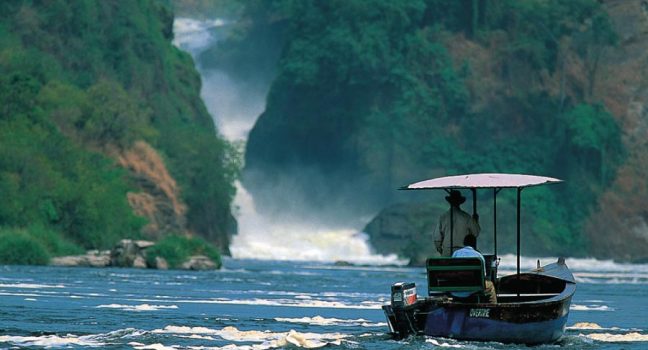
The classic boat cruise from Paraa travels upstream towards the bottom of Murchison Falls. During the journey, passengers can observe crocodiles resting along the shoreline and in the water. The boat provides a different viewing angle from a game-drive vehicle. You are close to the water’s surface, so the crocodile’s eyes, head and body can appear much more dramatic. You can also watch the animal’s behaviour without the obstruction of thick vegetation that sometimes makes land-based viewing difficult.
The riverbanks near the falls are especially interesting because wildlife concentrates around the water. However, visitors should not expect crocodiles to appear in exactly the same place every day. They move between basking areas, feeding sites and sections of the river. Water levels, weather, food availability and disturbance can influence where individual animals spend their time. A good guide therefore watches the shoreline carefully rather than promising a particular sighting location.
Why Crocodiles Murchison Falls Are Such Effective Predators
The Nile crocodile has a body built for ambush hunting. Its eyes and nostrils sit high on the head, allowing it to remain largely submerged while watching what happens around it. This gives the crocodile an important advantage. Potential prey may not realize that a large predator is nearby until the crocodile moves.
The animal also possesses extremely powerful jaws. Its teeth help it seize and hold prey rather than chew food in the same way mammals do. Once a crocodile captures an animal, it can use its powerful body and jaws to control the prey. Larger individuals can take substantial prey, although crocodiles also eat fish, birds, reptiles and smaller animals.
This hunting strategy explains why crocodiles can appear inactive for such long periods. Waiting is part of the strategy. A crocodile does not need to chase every potential meal. Instead, it can conserve energy while watching the water and shoreline. Then, when an opportunity appears, it can respond with surprising speed.
The Ancient Evolution of the Nile Crocodile
Calling the crocodile an ancient predator is more than a poetic description. Crocodilians belong to an ancient reptile lineage that has survived major environmental changes over a very long evolutionary history. Modern crocodiles still retain many features that reflect their aquatic lifestyle and predatory role.
However, it is important not to suggest that today’s Nile crocodiles are unchanged animals from the age of the dinosaurs. Evolution continues. Modern crocodilians have their own evolutionary history and adaptations. Their success comes from their ability to survive in changing environments while retaining a highly effective body design.
When you watch a crocodile lying quietly beside the Victoria Nile, you are therefore looking at an animal shaped by an exceptionally long evolutionary story. That perspective adds another layer to the safari. The encounter is not simply about seeing a large reptile. It is about observing a predator whose body and behaviour have remained highly effective across generations.
How Large Can Murchison’s Crocodiles Become?
Nile crocodiles can become very large. Adult males generally grow larger than females, and exceptional individuals can reach several metres in length. Their size depends on factors such as age, sex, food availability and environmental conditions.
Visitors should also remember that measuring a crocodile accurately from a boat is difficult. A crocodile lying partly in the water can appear shorter or longer depending on perspective. Therefore, guides should avoid presenting every large crocodile as a record-sized animal.
The impressive size of mature crocodiles becomes easier to appreciate when you compare them with familiar objects. A large individual can stretch several metres along a riverbank. Its head alone can look enormous from a nearby boat. Even so, distance matters. Safari O’clock guides should always keep an appropriate separation between visitors and wildlife rather than approaching an animal simply to make it appear larger in photographs.
Why Crocodiles Spend So Much Time Basking
If you watch crocodiles along the Nile, you may notice how often they lie on the riverbank with their mouths open. This behaviour can look aggressive, but an open mouth does not automatically mean the crocodile wants to attack.
Basking allows crocodiles to raise their body temperature using solar energy. As reptiles, they depend heavily on environmental heat to regulate their body temperature. They can move between water and land to control their exposure to the sun.
The open-mouth posture can also help with heat management. Therefore, a crocodile lying quietly with its jaws open may simply be regulating its temperature. Visitors should still keep their distance because a relaxed-looking crocodile remains a wild predator.
What Do Crocodiles Murchison Falls Eat?
Nile crocodiles have a broad diet that changes as they grow. Younger crocodiles tend to take smaller prey. These can include fish, insects, amphibians and other small animals. Larger individuals can handle bigger prey and may take fish, birds, reptiles, mammals and carrion.
The Victoria Nile provides a rich environment for opportunistic feeding. Fish are an important food source, while animals approaching the water can sometimes become vulnerable. Crocodiles do not need to hunt constantly. They can wait for opportunities and take advantage of available food.
This flexibility helps explain why crocodiles remain important predators in aquatic ecosystems. They occupy a different ecological role from lions and leopards. While those predators mainly operate across terrestrial habitats, crocodiles connect the aquatic and shoreline food webs.
Crocodiles and Hippos Share the Nile
One of the most interesting scenes during a Murchison Falls boat safari is seeing crocodiles and hippos in the same stretch of river. Both species spend significant amounts of time in or near the water. However, they occupy different ecological roles.
Hippos are large herbivores. They spend much of the day in water or close to it and normally leave the water to graze at night. Crocodiles, by contrast, are predators. Their presence beside hippos shows how different species can use the same habitat in different ways.
The relationship can become more complicated around space and resources. Large hippos can be highly territorial around preferred water areas. Crocodiles must therefore respond to the presence of these powerful neighbours. Watching both species from a boat provides an excellent lesson in how animals share a limited environment.
Crocodiles Murchison Falls and the Other Nile Wildlife
Crocodiles are only one part of the river ecosystem. The same stretch of water supports numerous bird species. Fish-eating birds patrol the shoreline and shallows. African fish eagles may sit on exposed branches. Herons and other waders search for prey along the water’s edge.
The river also attracts large mammals. Elephants may approach the water to drink and bathe. Buffaloes sometimes gather near the banks. Waterbucks remain associated with wet habitats, while hippos spend much of the day in the river.
For this reason, Safari O’clock recommends viewing the crocodile experience as part of a complete Murchison Falls safari rather than as an isolated wildlife activity. A boat cruise can complement a game drive perfectly. After searching the savannah for elephants, giraffes, lions and antelopes, travellers can experience the river and its aquatic wildlife from a completely different perspective.
The Latest Crocodile Population Evidence in Uganda
Current conservation information gives useful context for understanding the crocodiles of Murchison Falls. UWA’s State of Wildlife Resources in Uganda 2026 reports that population surveys have focused particularly on the Nile crocodile. Researchers have studied the Victoria Nile between the delta and Murchison Falls National Park for decades, alongside other parts of Uganda.
The latest study cited by UWA was conducted by Amanya in 2023. It reported a combined total of 1,110 crocodiles across the Victoria Nile, Albert Nile, Murchison Falls National Park and Lake Victoria. This figure should not be interpreted as a Murchison Falls-only population estimate because it covers several areas. That distinction matters when publishing accurate wildlife information.
UWA also reports that long-term monitoring shows an overall crocodile decline since the 1960s, although the Victoria Nile has experienced localized recovery. This makes conservation and habitat protection especially important. It also demonstrates why responsible tourism matters. Protecting the river ecosystem protects the crocodiles and the many other species that depend on the same environment.
Why Crocodile Conservation Matters
A healthy crocodile population can indicate that a river ecosystem still supports suitable habitat and food resources. Crocodiles depend on aquatic environments for much of their lives. Therefore, threats to rivers can eventually become threats to crocodiles.
Pollution, habitat modification, changes in water systems, illegal killing and conflict with people can all create conservation challenges. Human-wildlife conflict deserves particular attention because crocodiles can pose genuine risks to people who enter their habitat.
UWA has demonstrated the complexity of this issue through its problem-animal control work. In one recent case, the Authority captured two crocodiles on Kyamuswa Island after they were suspected of attacking people. The animals measured 3.3 metres and 4.47 metres and were subsequently relocated to Murchison Falls within the Karuma Wildlife Reserve. The operation illustrates an important conservation principle: authorities must protect people while also managing wildlife responsibly.
Are Crocodiles Dangerous in Murchison Falls?
Yes. Nile crocodiles are wild predators and can be dangerous when people enter or approach their habitat. However, tourists on an authorized boat cruise are not placed in the same situation as someone swimming or fishing from an unprotected riverbank.
Visitors should never attempt to approach, feed or touch a crocodile. Do not enter the water simply because it looks calm. Do not stand close to the riverbank for photographs without following your guide’s instructions. A crocodile can remain difficult to detect even when it is close.
The safest approach is simple. Stay inside the safari boat, listen to the guide and respect the animal’s space. Safari O’clock guides should also prioritize safe boat positioning rather than trying to obtain an unnecessarily close photograph.
How to Photograph Crocodiles Murchison Falls
Crocodiles are excellent subjects for wildlife photography because they often remain still long enough for careful observation. A telephoto lens can help you capture details without moving too close. Focus on the eye when the head is above water. The eye can create a strong image because it shows how alert the animal remains even when most of its body appears motionless.
Try different compositions rather than photographing every crocodile from the same angle. A wider image can show the animal within the Nile landscape. A closer frame can reveal the textured scales and powerful jaw. You can also photograph reflections when the water is calm.
Light matters as well. Morning and late-afternoon conditions can create softer light. Harsh midday sunlight may produce strong highlights on the scales. However, good wildlife photography depends more on patience and positioning than on chasing a particular time of day.
Most importantly, never ask the boat operator to move dangerously close to a crocodile for a photograph. A great wildlife photograph should record natural behaviour rather than create unnecessary disturbance.
The Best Time to See Crocodiles Murchison Falls
Crocodiles can be seen throughout the year, so there is no single month that guarantees a sighting. The animals remain part of the river ecosystem regardless of the safari season. However, weather and river conditions can affect visibility and the overall experience.
Dry periods can make general wildlife viewing easier in Uganda’s savannah parks because vegetation may become less dense and animals can concentrate around reliable water sources. Yet the Victoria Nile remains an important wildlife corridor throughout the year.
For visitors whose main goal is crocodile photography, the timing of the boat trip can also influence the quality of light. Safari O’clock can help plan the broader itinerary around game drives and river activities so that visitors do not treat the crocodile experience as a rushed stop.
What a Murchison Falls Boat Safari Is Really Like
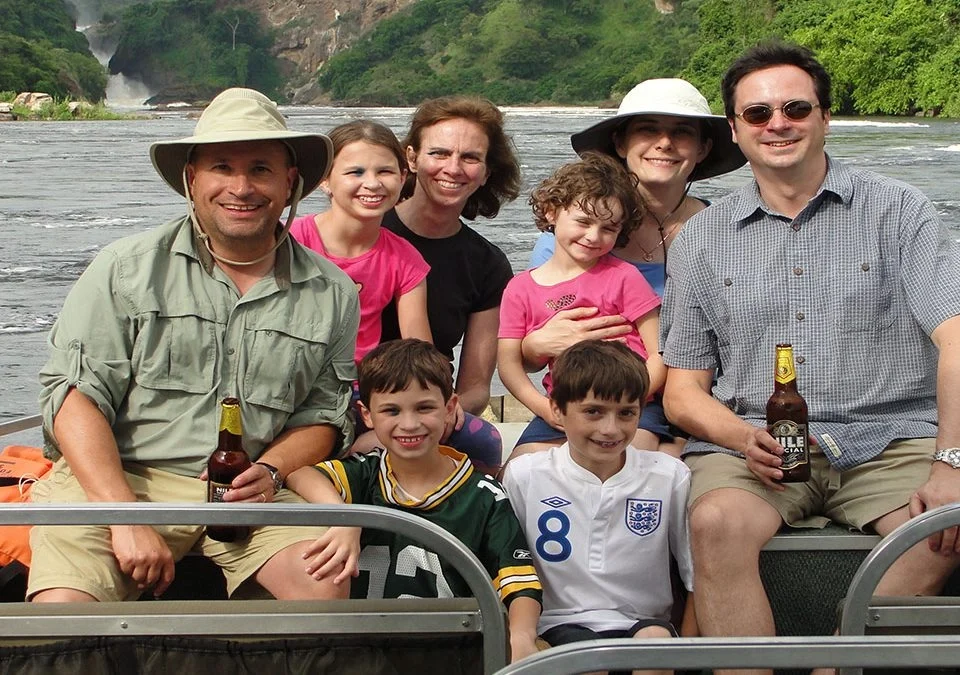
A typical Nile boat experience combines scenery with wildlife. As the boat moves along the river, the landscape changes gradually. You may see hippos resting in the water, crocodiles on the banks and birds moving through the reeds. Further along, the sound of the falls becomes more noticeable.
The classic upstream cruise towards the falls is especially popular because it combines wildlife viewing with one of Uganda’s most dramatic natural landmarks. The journey also allows visitors to appreciate how the Nile changes as it approaches the narrow gorge.
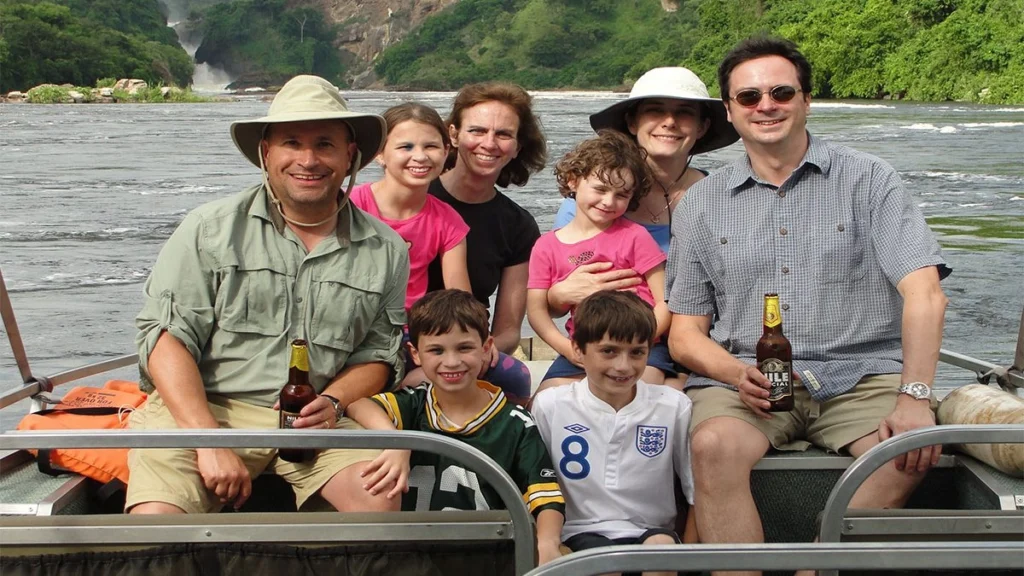
The experience works particularly well for families, photographers, first-time safari travellers and people who want a slower wildlife activity after a game drive. You do not need to be an expert photographer or wildlife researcher. Simply watching the river carefully can reveal an extraordinary amount of activity.
Why Safari O’clock Includes the Nile in a Murchison Itinerary
At Safari O’clock, we see the Murchison Falls boat safari as an essential complement to the land-based safari. A game drive introduces visitors to the savannah ecosystem. The Nile cruise introduces a different world.
On land, you may spend the morning looking for lions, leopards, elephants, giraffes and Uganda kob. On the river, the emphasis changes. Crocodiles, hippos, waterbirds and aquatic habitats become the focus. The two experiences therefore provide different views of the same protected landscape.
Safari O’clock can also combine the river experience with the Top of the Falls, game drives and accommodation around the park. This creates a fuller Murchison itinerary. Instead of visiting the waterfall for a short photograph and leaving, travellers can understand the river from several perspectives.
Responsible Wildlife Viewing Along the Nile
Responsible tourism begins with respecting the fact that the Nile is a wild ecosystem. Crocodiles do not exist for tourist entertainment. They are animals with natural behaviours, territories and survival needs.
Visitors should never feed wildlife. Feeding can alter natural behaviour and create dangerous expectations around boats and people. Do not throw food into the water. Do not attempt to attract crocodiles closer. Avoid loud or sudden behaviour around animals.
UWA’s broader management approach emphasizes sustainable wildlife management and the protection of wildlife alongside community interests. The Authority’s conservation mission includes working with neighbouring communities and stakeholders to manage protected areas sustainably.
A responsible safari therefore benefits both visitors and wildlife. When tourists observe animals without interfering, they help preserve the natural character of the experience for future travellers.
What Should You Bring for a Crocodile Boat Safari?
You do not need complicated equipment. Comfortable clothing, sunscreen, sunglasses and a hat are useful on the river. A light jacket can also help during cooler morning conditions. Binoculars are valuable because some crocodiles may rest farther from the boat.
For photographers, a camera with a medium or long telephoto lens offers flexibility. Keep spare batteries and memory cards available if you plan to photograph extensively. Protect your equipment from splashes and dust.
Most importantly, bring curiosity. The best Nile experience does not depend entirely on getting the perfect photograph. Watch the crocodiles. Look for birds. Observe hippos. Study the changing landscape. Listen to the guide. The river has much more to offer than one animal.
Crocodiles Murchison Falls: An Essential Part of the Safari
Crocodiles are among the animals that give Murchison Falls its distinctive character. They connect the river, fish, shoreline habitats and wider food web. Their presence also reminds visitors that the Nile remains a wild river despite the growing popularity of tourism around it.
The latest UWA information shows why careful conservation remains important. Uganda’s Nile crocodile populations have a long monitoring history, and current evidence points to an overall long-term decline with localized recovery in parts of the Victoria Nile. The 2023 study cited by UWA recorded 1,110 crocodiles across several surveyed areas, including the Victoria Nile, Albert Nile, Murchison Falls National Park and Lake Victoria.
For Safari O’clock travellers, the message is simple. Do not look at a crocodile as merely another animal on a checklist. Look at the entire river. Understand how the crocodile fits into it. Watch how other animals use the water. Appreciate the landscape and the conservation work that protects it.
Frequently Asked Questions About Crocodiles Murchison Falls
Are there crocodiles in Murchison Falls National Park?
Yes. Nile crocodiles are permanent residents along the Victoria Nile in Murchison Falls National Park. They are particularly associated with the calmer river section below the falls.
Can I see crocodiles on a Murchison Falls boat cruise?
Yes. A Nile boat cruise is one of the best ways to look for crocodiles because the route follows their river habitat. Visitors can also see hippos, waterbirds, elephants and buffaloes during the same experience.
How big are crocodiles in Murchison Falls?
Nile crocodiles can reach several metres in length, with males generally growing larger than females. Individual size varies according to age, sex, food availability and other environmental factors.
Are Murchison Falls crocodiles dangerous?
Yes. Nile crocodiles are powerful wild predators and visitors should treat them with caution. Never swim near them or approach them on foot. During a safari, follow the guide’s safety instructions and remain inside the designated boat.
How many crocodiles are in Murchison Falls?
There is no current UWA figure that should be presented as a Murchison-only population count. UWA’s 2026 State of Wildlife Resources report cites a 2023 study that recorded 1,110 crocodiles across the Victoria Nile, Albert Nile, Murchison Falls National Park and Lake Victoria combined.
Do crocodiles live with hippos?
Yes. Crocodiles and hippos commonly share aquatic habitats. They have different diets and ecological roles, although both species can compete for space in particular situations.
What do Nile crocodiles eat?
Their diet varies with age and size. They can eat fish, birds, reptiles, mammals and carrion. Young crocodiles generally take smaller prey than large adults.
Why do crocodiles lie with their mouths open?
Crocodiles often bask to regulate their body temperature. Opening the mouth can also help with heat management. It does not necessarily mean the crocodile is preparing to attack.
Can I photograph crocodiles during the boat cruise?
Yes. A boat cruise offers excellent opportunities for wildlife photography. A telephoto lens helps you photograph animals without approaching them too closely.
Does Safari O’clock guarantee crocodile sightings?
No responsible safari operator should guarantee a particular wild-animal sighting. Crocodiles are common along suitable sections of the Nile, but their exact locations change. Safari O’clock focuses on experienced guiding, good timing and responsible wildlife viewing to give visitors the best possible experience.
Final Thoughts
The crocodiles of Murchison Falls represent one of the clearest connections between Uganda’s wildlife and the Nile River. They have survived through enormous ecological changes and continue to occupy an important position in the river ecosystem. Their quiet behaviour can be deceptive. Beneath the stillness is a highly adapted predator capable of responding quickly when an opportunity appears.
For travellers, the best way to experience them is from the safety of a guided Nile boat cruise. Take time to watch the shoreline. Look beyond the crocodile itself. Notice the hippos, birds, fish and large mammals that depend on the same river. Then look towards the falls and remember that this entire landscape is connected by water.
That is what makes a Murchison Falls safari with Safari O’clock so rewarding. You are not simply visiting a waterfall or searching for animals. You are entering a living ecosystem shaped by one of Africa’s great rivers. And somewhere along its banks, almost perfectly still beneath the Ugandan sun, an ancient predator may be watching you too.