- DIRECT CONTACTS:
- +256394517569
- tours@safarioclock.africa

Family-Friendly Boat Safaris in Murchison Falls: A Complete Guide for Families

How to Combine a Boat Cruise and Game Drive in Murchison Falls
September 16, 2026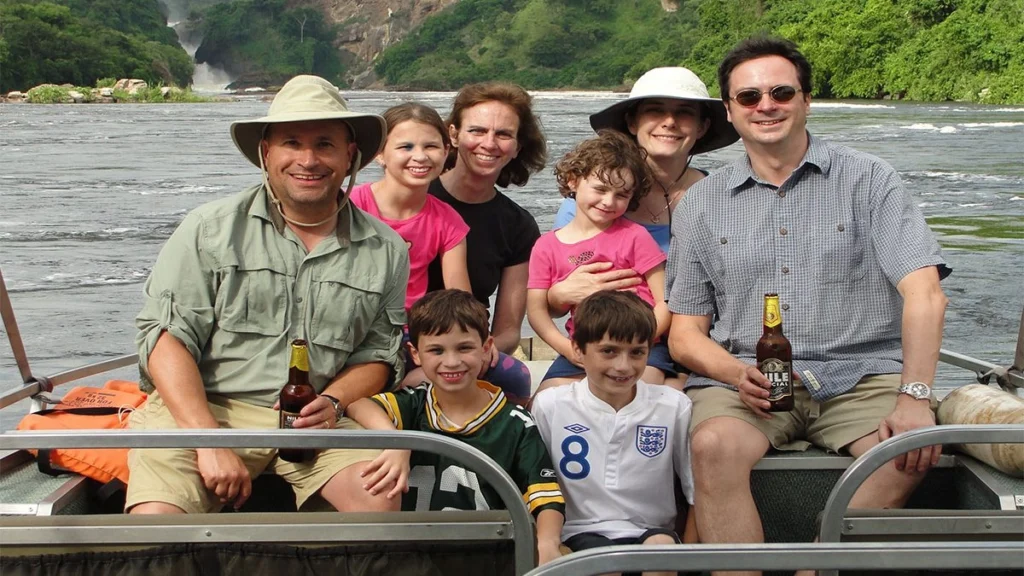
A family safari in Uganda can become one of those rare holidays that children remember for years. Instead of simply looking at wildlife through photographs or reading about African animals in books, families can watch elephants approach the Nile, see hippos resting in the water, observe crocodiles along the riverbanks, and listen to birds calling from the wetlands. Among the experiences available in Uganda, a family boat safari in Murchison Falls National Park offers a particularly engaging way to introduce children to the African wilderness because the experience combines wildlife, water, scenery, photography, and storytelling in one activity.
Murchison Falls National Park is Uganda’s largest national park and covers about 3,840 square kilometres. The Victoria Nile passes through the park before reaching the dramatic Murchison Falls, where the river is forced through a narrow gorge. Along the calmer river below the falls, visitors can encounter hippos, Nile crocodiles, elephants, buffaloes and many species of water-associated birds. The Uganda Wildlife Authority also identifies the Nile boat ride as one of the park’s major visitor experiences.
For parents, however, planning a safari with children involves more than choosing a beautiful destination. You need to think about the length of activities, comfort, timing, wildlife safety, food, sun protection, transport and the attention span of younger travellers. This guide explains how to plan a family boat safari in Murchison Falls so that parents can enjoy the wilderness while children remain comfortable, curious and engaged.
Why Choose a Family Boat Safari in Murchison Falls?
A family boat safari works particularly well because the boat offers a different rhythm from a conventional game drive. On a game drive, the vehicle moves between different wildlife areas. On the Nile, the boat follows the river while wildlife appears along the banks and in the water. This creates a more relaxed experience for families who want to slow down after a long journey or after an early morning game drive.
The river also provides excellent opportunities for children to observe animals from a safe distance while remaining seated with their family. Hippos can appear in the water or along the riverbanks, crocodiles may lie motionless on sandy or muddy edges, and elephants sometimes visit the river to drink or move along the shoreline. UWA specifically notes that the boat trip to the bottom of Murchison Falls provides opportunities to see hippos, crocodiles and visiting elephants and buffaloes.
Another advantage is the variety. A child who becomes excited about mammals may spend part of the cruise watching hippos. A young birdwatcher may become interested in kingfishers, herons or fish eagles. Older children may enjoy learning how crocodiles regulate their body temperature or why hippos spend much of the day in water. Consequently, the boat becomes more than transportation. It becomes a moving outdoor classroom.
Safari O’clock can make this experience even more engaging by helping families plan the activity around the ages, interests and energy levels of their children. Instead of creating a schedule that simply fills every available hour, a family itinerary can include enough time for wildlife viewing, meals, rest and relaxed moments.
Family Boat Safari: What Will Children See?
One of the biggest questions parents ask is what their children can actually see from the boat. The answer depends on the season, water levels, wildlife movements and the section of the Nile being explored. Nevertheless, the river offers a strong combination of large animals and smaller wildlife.
Hippos Along the Nile
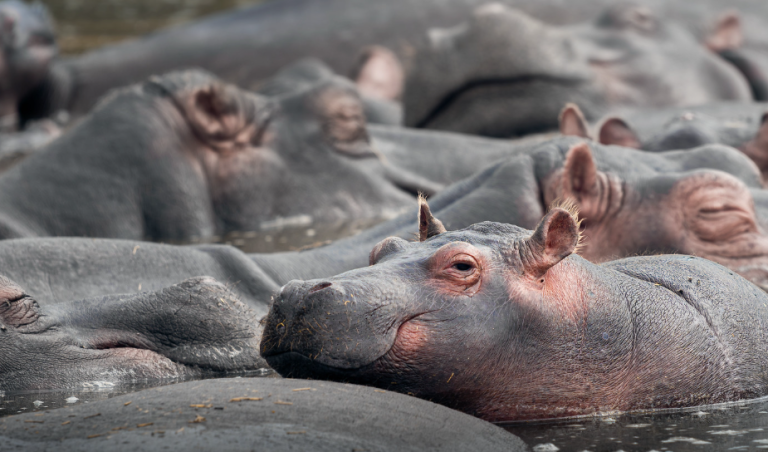
Hippos are usually one of the first animals children notice. They may appear partly submerged in the river, with only their eyes, ears and nostrils visible. Others rest close to the riverbank. UWA specifically describes the Murchison Nile boat ride as an opportunity to see numerous hippos along the shores and in the water.
This creates a wonderful learning opportunity. Parents can explain that hippos are not simply large aquatic animals. They spend much of their day in or near water but usually leave the river to feed on land, especially at night. Their large size can make them look slow and harmless, yet they are powerful wild animals. Therefore, children should understand why the boat maintains a respectful distance.
Nile Crocodiles
Crocodiles provide another memorable sighting. They often lie almost motionless along the riverbank, which makes them an excellent animal for a simple safari challenge: who can spot the crocodile first?
Parents can encourage children to look for shapes, movement and reflections rather than simply searching for an entire animal. A crocodile may blend remarkably well with the riverbank. Once children understand what they are looking for, the experience becomes interactive.
Elephants Along the River
Elephants can create some of the most exciting family moments on the Nile. UWA’s Murchison Falls information notes that visiting elephants and buffaloes can be encountered during the classic boat excursion.
A family should never assume that elephants will appear on every cruise. Wildlife remains wild, and sightings vary. However, when elephants come to the water, children can observe behaviours such as drinking, bathing, crossing near the river or feeding along the vegetation.
For young travellers, this can also become a lesson in animal behaviour. Ask them what the elephant is doing before explaining it. That simple approach turns wildlife viewing into participation rather than passive observation.
Buffaloes and Other River Wildlife
Buffaloes may also be seen near the river, particularly where suitable grazing and water occur. The river environment can also reveal waterbucks and other animals that use the shoreline.
Because the boat moves through a living ecosystem, families should avoid focusing only on the largest animals. Small birds, insects, reptiles and river vegetation can make the cruise equally interesting. Children often notice small details that adults overlook.
Family Boat Safari to the Bottom of Murchison Falls
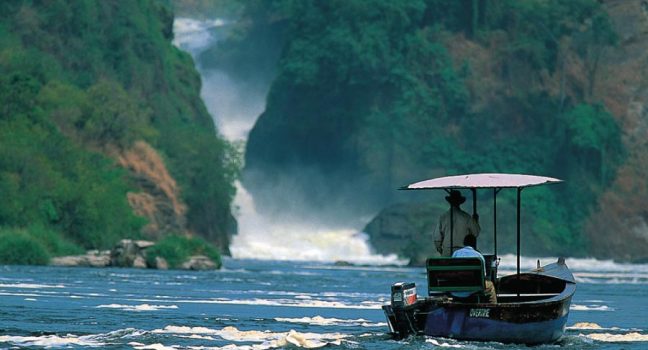
The classic Murchison Falls boat cruise begins around Paraa and travels upriver toward the bottom of the falls. UWA’s park brochure describes this as a roughly three-hour return excursion. The route passes riverside wildlife, including resident hippos and crocodiles and visiting elephants and buffaloes.
For families, this route offers a powerful combination of wildlife and scenery. As the boat approaches the falls, the sound of the water becomes more prominent. The landscape also changes, creating a natural sense of anticipation.
Parents should explain to younger children that the boat does not simply travel into the waterfall. The classic excursion approaches the bottom of the falls, where the Nile rushes through the gorge. This distinction helps children understand the route while also building excitement.
The waterfall itself provides another memorable part of the experience. The river becomes dramatically narrower at the falls, creating the powerful landscape for which Murchison is famous. UWA describes the falls as the point where the Victoria Nile is forced through a narrow gorge before plunging downward.
Family Boat Safari on the Nile Delta
Families who have more time can also consider a Delta boat experience. The Nile Delta lies where the river approaches Lake Albert, creating a wetland environment with channels, islands and extensive bird habitat.
UWA’s Murchison Falls brochure describes Delta cruises as particularly rich in waterbirds, with the shoebill being one of the major attractions. The brochure identifies December to February and June to September as particularly favourable periods for shoebill sightings in the Delta.
This can be an excellent option for families with older children who enjoy birds and nature. A Delta cruise may feel different from the classic Falls cruise because the focus shifts more toward wetlands, birds and landscapes.
The wider Delta ecosystem is also ecologically important. UWA’s documentation identifies the Delta as an important bird area and Ramsar wetland, while its bird-monitoring work records waterbird habitats along the Nile between the falls and Lake Albert.
What Age Is Best for a Family Boat Safari?
There is no single age at which a child becomes ready for a boat safari. Families differ, and children have different levels of patience and curiosity. A child who loves animals may remain fascinated for hours, while another child may need regular breaks and activities.
For toddlers and very young children, parents should focus on comfort and supervision. Keep the day simple, avoid overloading the itinerary and carry familiar snacks, water and sun protection. Young children may not remember the names of every animal, but they can still enjoy seeing elephants, hippos, birds and crocodiles.
School-age children often benefit most from the educational side of the cruise. Give them small challenges. Ask them to count hippos, identify birds, look for crocodiles or photograph different landscapes. A simple wildlife checklist can transform the cruise into a game.
Teenagers can enjoy photography, wildlife identification and conservation discussions. They may also appreciate combining the boat cruise with a game drive, chimpanzee tracking in nearby Budongo Forest or a visit to the Top of the Falls.
Safari O’clock can help parents select activities according to the children’s ages rather than simply copying a standard adult itinerary.
Family Boat Safari Safety: What Parents Should Know
Wildlife safaris require responsible behaviour at every age. The presence of a boat does not remove the need for caution. Families should listen carefully to the boat crew and safari guide before departure and throughout the cruise.
Children should remain seated when instructed and should not lean dangerously over the side of the boat. They should also avoid shouting at animals, throwing objects into the water or attempting to attract wildlife. The objective is to observe animals without changing their behaviour.
The same principle applies throughout Murchison Falls National Park. UWA’s visitor guidance prohibits feeding wildlife and hooting, while park rules also regulate movement and vehicle speeds. These measures exist to reduce disturbance and protect both visitors and wildlife.
Parents should also discuss the difference between watching wildlife and approaching wildlife. A hippo may look calm from a distance, while a crocodile may appear motionless. Neither should be treated like a domestic animal. Children should learn that wildlife viewing works best when humans respect space.
Before booking, families should also ask the safari operator about the specific boat being used, seating arrangements, boarding procedures and available safety equipment. Requirements and arrangements can vary between operators. Safari O’clock can help families understand these details before the trip rather than leaving important questions until the day of departure.
How to Keep Children Interested During the Cruise
A three-hour wildlife excursion can feel long to a young child if every minute is presented as serious wildlife watching. Fortunately, parents can make the experience much more interactive.
Start with a simple animal challenge. Ask children to find their first hippo, crocodile, elephant or bird. Then encourage them to notice what the animal is doing. Is it swimming? Feeding? Resting? Moving? Calling? This approach gives children something specific to watch.
You can also introduce a family wildlife competition. One child can look for mammals, another can search for birds, while parents watch the riverbanks. Keep the competition friendly and avoid making the experience about winning.
Storytelling works especially well. Before the cruise, explain that the Nile is not just a river on a map. It is a living system that supports animals, birds, plants and people. Once children understand that connection, they often become more interested in what they see.
Safari O’clock guides can also help parents turn ordinary sightings into memorable lessons. The goal is not to give children a classroom lecture. Instead, share short explanations at the moment when the animal appears.
The Best Time of Day for Families
The best time for a family boat safari depends on the family’s itinerary, weather conditions and the type of experience they want. The classic Falls cruise often works well as part of a morning or afternoon safari schedule.
Families who have spent the early morning on a game drive may prefer a later boat cruise. This allows everyone to slow down and enjoy the river after the activity of searching for wildlife across the savannah.
Alternatively, families may choose the boat first and follow it with a game drive. This can work well when parents want to introduce children to the park gradually. The river offers a calmer beginning before the family moves into the wider savannah.
Safari O’clock can arrange the sequence according to the family’s accommodation, park entry point and wider itinerary. The important point is to avoid creating an exhausting schedule simply because several activities are available.
Family Boat Safari and Game Drives: Why Combine Them?
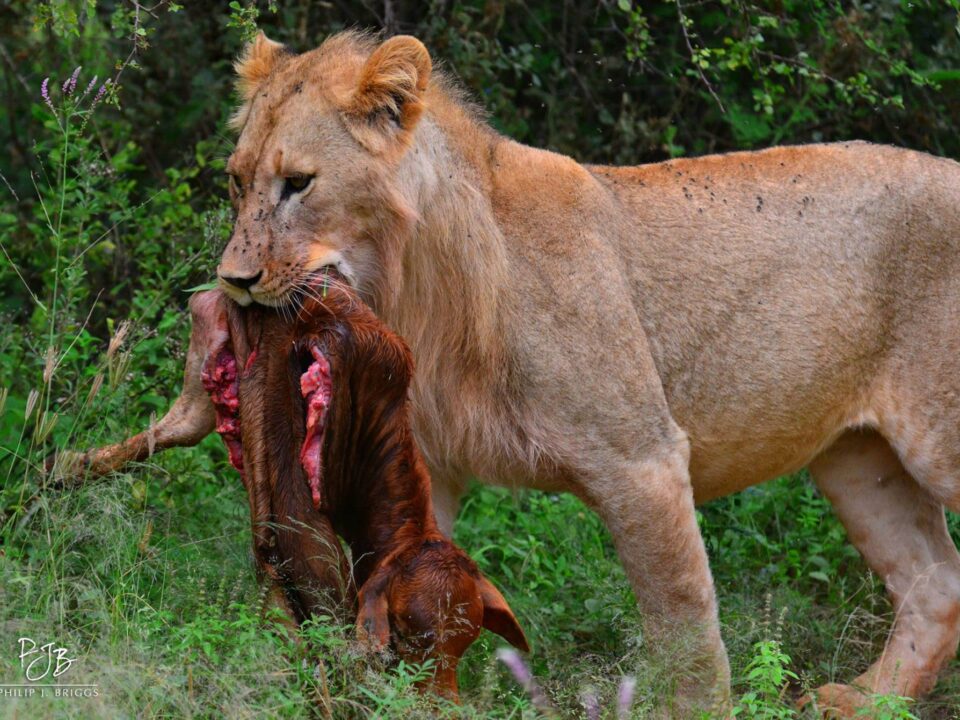
A boat cruise and game drive reveal different sides of Murchison Falls National Park. The boat focuses heavily on the Nile and its riverine wildlife. The game drive explores the savannah, woodland and grassland habitats where animals such as elephants, giraffes, buffaloes, Uganda kob, lions and leopards may be encountered.
UWA identifies the Buligi Peninsula as a prime game-viewing area. The park brochure also highlights elephants, buffaloes, antelopes and giraffes there, with opportunities for predators such as lions and leopards. The Heart of Murchison is also noted for substantial Uganda kob herds and lion viewing.
For children, this combination can create a complete safari story. The morning might involve searching for giraffes and elephants on the savannah. Later, the family can watch hippos and crocodiles along the Nile.
The contrast also helps children understand that wildlife does not live in one uniform landscape. Different animals use different habitats for food, water, shelter and movement.
A Family-Friendly Murchison Falls Safari Itinerary
A two-night family trip can provide enough time for a boat cruise and game drive without making the holiday unnecessarily rushed.
On the first day, Safari O’clock can arrange travel from Kampala or another starting point toward Murchison Falls National Park. Depending on the family’s route and arrival time, the afternoon can remain relaxed. Families staying around the Paraa area have convenient access to the Nile and the park’s main tourism activities.
On the second day, an early game drive can introduce children to the savannah. After breakfast and some rest, the family can take the afternoon boat cruise toward the bottom of Murchison Falls. This creates a balanced day with two very different wildlife experiences.
On the third day, families can choose another game drive, visit the Top of the Falls or include another nearby activity before beginning the journey onward. Families with older children and more time may also extend the itinerary toward Budongo Forest for chimpanzee tracking.
This structure gives children something to look forward to without filling every hour with activities.
What Should Families Pack?
Packing for a family boat safari should focus on comfort rather than carrying too much equipment.
Lightweight clothing works well for daytime activities. A hat provides useful protection from the sun, while sunglasses can make the river experience more comfortable. Sunscreen is important, especially because families spend several hours outdoors.
Carry enough drinking water and child-friendly snacks. Familiar snacks can be particularly useful for younger children who become hungry between meals.
A camera or phone can help older children document their wildlife sightings. Binoculars are also useful, especially for birdwatching and observing animals farther from the boat.
A light layer can be useful during cooler periods or when weather conditions change. Families should also carry any essential personal medicines and basic child-care items they normally use while travelling.
Avoid bringing unnecessary plastic packaging or anything that could become litter. UWA specifically prohibits littering within the park.
Photography Tips for Families
Children often enjoy photography because it gives them a specific task. Instead of asking them simply to photograph everything, give them a theme.
One child might photograph birds. Another might photograph elephants. Older children can try to capture reflections on the water or landscapes around the river.
Parents should also explain that wildlife photography requires patience. A good photograph may come from waiting quietly rather than moving constantly.
Do not allow photography to become more important than safety. Children should follow the boat crew’s instructions about where they can stand and when they need to remain seated.
For family photographs, the river can provide a beautiful background. However, wildlife should remain the main focus of the experience rather than becoming a prop for close-up photographs.
Is a Boat Safari Suitable for a Family with Young Children?
Yes, a boat safari can be a rewarding family activity, but parents should plan according to the child’s age, personality and comfort level.
The most important consideration is supervision. Young children should remain under close adult supervision throughout the cruise. Parents should also discuss boat rules before boarding so that children understand why they need to remain seated and listen to the crew.
The second consideration is timing. A tired child may enjoy a two-hour activity less than an alert child enjoys a longer experience. Therefore, families should consider sleep schedules, meal times and other safari activities when planning the cruise.
The third consideration is expectations. Wildlife sightings cannot be guaranteed. Parents should prepare children for the possibility that they may see many hippos but no elephant, or several birds but only a distant crocodile. This teaches children an important lesson about real wildlife: nature does not follow a script.
Family Boat Safari During the Dry Season
The dry seasons can be particularly useful for families because wildlife often becomes easier to locate around water sources. UWA’s Murchison Falls brochure identifies December to late February and June to September as dry periods that can be favourable for wildlife viewing. The same source highlights December to February and June to September as favourable periods for Delta shoebill sightings.
However, families should not assume that dry season automatically means better experiences in every respect. Temperatures can be high, and children may become tired more quickly. Hydration, hats, light clothing and sensible scheduling become especially important.
For a family travelling during a busy holiday period, Safari O’clock can also help structure the itinerary so that the children have enough downtime between activities.
Family Boat Safari During the Wet Season
The wet season can offer a different experience. The landscape may become greener, the air can feel fresher after rain, and bird activity can be rewarding. However, rain can affect road conditions and outdoor comfort.
Families travelling during wetter months should therefore carry flexible clothing and remain open to itinerary adjustments. A short weather delay does not necessarily ruin a safari. In many cases, waiting for conditions to improve can make the eventual wildlife experience more enjoyable.
The key is flexibility. Safari O’clock can help families build schedules that leave some room for changing conditions rather than connecting every activity too tightly.
Birdwatching on a Family Boat Safari
Birdwatching is sometimes overlooked by families who come to Murchison Falls mainly for elephants and hippos. However, the Nile provides an excellent opportunity to introduce children to bird identification.
The river and Delta support numerous water-associated birds. UWA’s bird-monitoring work has documented waterbird habitats along the Nile between the falls and Lake Albert. The Delta is also recognised for important wetland and bird values.
Parents do not need to know every bird species. Start with easy categories. Ask children to find a bird that is flying, one that is sitting near water and one that is fishing.
The shoebill can become a special target for families taking a Delta excursion. Sightings are never guaranteed, but searching for this distinctive bird can add another layer of excitement.
Teaching Children About Conservation
A family safari provides an opportunity to teach conservation without making the holiday feel like a lesson.
Children can learn that national parks protect habitats where wildlife can live. They can also learn that tourism contributes to conservation and that visitors have responsibilities.
Simple rules can become conservation lessons. Do not feed wildlife because wild animals should find their own natural food. Do not litter because rubbish can damage habitats. Do not shout at animals because wildlife should not be forced to react to people.
UWA’s visitor guidance emphasises responsible behaviour, including avoiding littering, feeding animals and unnecessary disturbance.
Safari O’clock can reinforce these principles throughout the trip. When children understand why the rules exist, they are more likely to remember them.
How Safari O’clock Makes Family Safaris Easier
Planning a family safari involves many small decisions. Where should you stay? Which activity should come first? How long should the children spend in the vehicle? When should the boat cruise happen? Should the family add a game drive, Delta excursion or visit to the Top of the Falls?
Safari O’clock can bring these pieces together into one practical itinerary. The company can help families plan the safari around children’s ages, interests, travel time and preferred accommodation style.
The aim should not be to create the longest possible itinerary. Instead, it should create a safari that gives everyone enough time to enjoy the destination.
For parents, that means fewer logistical worries. For children, it means more opportunities to explore without feeling rushed from one activity to another.
Common Mistakes Families Should Avoid
One common mistake is packing too many activities into one day. A family may technically have enough time for a game drive, boat cruise, nature activity and long transfer, but that does not mean children will enjoy all of them.
Another mistake is assuming that every wildlife sighting will happen exactly as planned. Wildlife is unpredictable. A good guide can improve your chances, but no responsible operator should promise a particular animal on a particular day.
Families should also avoid treating the boat like a playground. The Nile is a wild environment. Children need clear rules about staying seated, listening to the crew and respecting wildlife.
Finally, avoid planning only for adults. A safari becomes much more enjoyable when children have something to do. Bring binoculars, wildlife checklists, simple cameras or small notebooks. Let them ask questions. Let them participate.
Frequently Asked Questions About Family Boat Safaris
Is a family boat safari suitable for children?
A boat safari can be suitable for families, provided parents consider the child’s age, comfort and ability to follow safety instructions. Younger children require especially close supervision. Families should also discuss the specific boat, seating and safety arrangements with their safari operator before departure.
How long is the Murchison Falls boat cruise?
UWA’s Murchison Falls brochure describes the classic Paraa-to-Falls boat excursion as approximately three hours return.
What animals can children see from the boat?
Common possibilities include hippos and Nile crocodiles. Elephants and buffaloes may also appear along the river. Birdlife can be abundant, particularly around wetland areas. Sightings vary because wildlife moves freely.
Can children see elephants from the Nile?
Yes, elephants can be encountered along the river during the boat excursion. UWA specifically lists visiting elephants among the wildlife seen along the route. However, no wildlife sighting is guaranteed.
Is the Delta boat cruise good for families?
It can be particularly interesting for families who enjoy birds and wetlands. The Delta is known for waterbirds and is an important wetland ecosystem. The shoebill is one of its major attractions.
Should we do the boat cruise before or after a game drive?
Either sequence can work. Many families enjoy an early game drive followed by a later boat cruise because the two activities provide contrasting experiences. However, the best sequence depends on accommodation, weather, children’s energy levels and the rest of the itinerary.
What should children bring on the boat?
Children should have drinking water, sun protection, suitable clothing and any personal medicines they require. Binoculars, a camera and a simple wildlife checklist can also make the experience more engaging.
Can Safari O’clock organise a family boat safari?
Yes. Safari O’clock can incorporate a Murchison Falls boat cruise into a wider family safari itinerary, alongside accommodation, game drives, transfers and other activities. The itinerary can be adjusted around the ages and interests of the children.
Final Thoughts: Making the Nile Part of Your Family Story
A family boat safari in Murchison Falls is more than a sightseeing activity. It is an opportunity for children to encounter Uganda’s wildlife in a natural setting and to understand how animals, rivers, wetlands and forests are connected.
The sight of a hippo surfacing beside the boat can become a lasting childhood memory. A crocodile resting silently on the riverbank can inspire questions about adaptation. An elephant approaching the water can turn a normal afternoon into a story the family tells for years.
Murchison Falls provides the setting, but thoughtful planning makes the difference. Families should allow enough time, respect wildlife, prepare for changing conditions and choose activities that match the children’s ages and interests.
With Safari O’clock helping to coordinate the experience, families can combine the Nile boat cruise with game drives and other Murchison Falls activities while keeping the pace comfortable. Most importantly, the safari can become an experience that children do not simply watch. They can participate, ask questions, discover wildlife and begin building their own connection with Uganda’s natural heritage.