- DIRECT CONTACTS:
- +256394517569
- tours@safarioclock.africa
Questions to Ask Before Booking a Rwanda Gorilla Tracking Tour

How to Choose the Right Akagera Safari Experience
October 27, 2026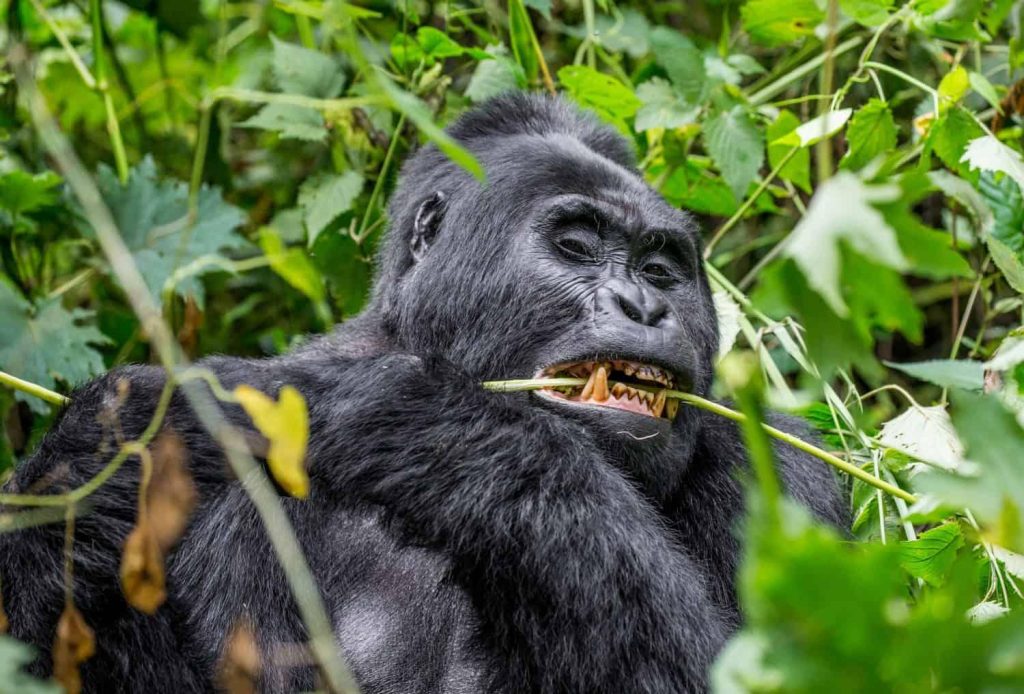
Questions to Ask Before Booking a Rwanda Gorilla Tracking Tour
Rwanda offers one of Africa’s most remarkable wildlife experiences: observing endangered mountain gorillas in their natural habitat. The experience takes place in Volcanoes National Park, in the northwestern part of the country. Here, visitors hike through beautiful mountain forests to find a gorilla family under the guidance of trained park guides and trackers. For many travellers, this encounter becomes the highlight of their African adventure.
However, planning a successful gorilla tracking trip requires more than choosing a destination and booking a hotel. Travellers need to understand permit requirements, accommodation options, transport arrangements, physical demands, and the rules that protect the gorillas. These details can influence the quality of the experience and the overall cost of the trip.
Before confirming your holiday, it is important to ask the right questions. A reliable tour operator should explain what your package includes, how the booking process works, and what you should expect on tracking day. At Safari Oclock, we believe informed travellers can make better decisions and enjoy a smoother journey through Rwanda.
This guide explores the most important questions to ask before booking a Rwanda gorilla tracking tour. Whether you are planning a short trip from Kigali or a longer African safari, these considerations will help you prepare with confidence.
1. What Does the Rwanda Gorilla Tracking Tour Include?
One of the first questions to ask is what your tour package actually covers. Although many travel companies advertise Rwanda gorilla tracking tours, their packages can differ considerably. Some include only the permit and transport, while others provide accommodation, meals, a private driver-guide, and additional sightseeing activities.
Understanding these differences helps you compare quotations fairly. A cheaper package may exclude important services that you would otherwise need to arrange separately. Therefore, request a clear breakdown of the services included in your quotation before making a payment.
Ask whether the package covers gorilla tracking permits, airport transfers, transport to Volcanoes National Park, accommodation, meals, park-related transfers, and the services of a professional guide. You should also confirm whether bottled drinking water, porter arrangements, and any additional activities are included.
For example, a three-day Rwanda gorilla tracking tour may include a transfer from Kigali to the Volcanoes National Park area, an overnight stay before tracking, the gorilla experience, and a return journey to Kigali. Depending on your interests, you could also add golden monkey tracking or a cultural experience.
Safari Oclock can help travellers understand the different components of a gorilla tracking package before they commit. The goal is to ensure that you know exactly what you are paying for and can plan your travel budget accordingly.
2. How Much Does a Rwanda Gorilla Tracking Permit Cost?
The gorilla tracking permit is one of the most important expenses to consider when planning your trip. Rwanda’s permit prices depend on the visitor category and the applicable official tariff.
According to Rwanda’s official tourism information, the standard permit price for foreign non-residents is US$1,500 per person for one gorilla tracking experience. Eligible Rwandan citizens, East African Community citizens, African citizens, and qualifying residents may have access to different rates, subject to the applicable rules and promotional offers.
However, travellers should not assume that a discounted rate applies automatically. Some offers have specific conditions and restricted periods. For example, the Rwanda Development Board’s published permit information identifies restrictions on promotional rates during June to October 2026. As these conditions can change, check the official booking portal for the rate that applies to your travel date and visitor category.
You can review the official requirements through the Rwanda Development Board’s gorilla tracking booking portal.
When requesting a quotation from Safari Oclock, ask whether the permit is included in the total price. If it is included, confirm that the quotation specifies the correct number of permits and travellers.
You should also ask about additional costs that may arise during the trip. These could include international flights, travel insurance, visa expenses, personal purchases, tips, and optional activities. Understanding the full cost in advance makes it easier to establish a realistic travel budget.
3. Is My Rwanda Gorilla Tracking Permit Confirmed?
Having a permit is essential because gorilla tracking takes place under a controlled booking system. Visitors cannot simply arrive at Volcanoes National Park and expect to join a gorilla tracking group.
The Rwanda Development Board manages the official permit booking system. Reservations depend on availability, and the park limits the number of visitors who can track each gorilla family.
Before paying for your tour, ask the operator how it will secure your permit. Find out whether the requested date is available and what happens if your preferred date cannot be confirmed.
You should also ask what proof of booking you will receive. Depending on the booking arrangement, the operator should explain how it will communicate the permit details and confirmation documents.
Another important question concerns your personal information. The official booking process requires accurate traveller details and supporting documentation. Ensure that your name, passport information, and other required details match your travel documents.
The Rwanda Development Board warns that incorrect or incomplete applications can lead to denied entry, even when a payment has been made. For that reason, check all the information carefully before the operator submits your application.
Safari Oclock encourages travellers to clarify the status of their permits rather than relying on verbal assurances alone. Early planning also gives you a better chance of securing your preferred tracking date, particularly during busy travel periods.
4. When Should I Book a Rwanda Gorilla Tracking Tour?
Timing is another important consideration. Gorilla tracking attracts visitors throughout the year, but permit availability can become limited during popular travel periods.
If your travel dates are fixed, booking well in advance is a sensible approach. This is especially important for travellers visiting during school holidays, major holiday periods, or the busier dry-season months.
Your booking schedule should also account for accommodation availability. Even if a permit is available, your preferred lodge may not have rooms on the same dates. Coordinating both arrangements early helps you avoid unnecessary changes to your itinerary.
Ask your tour operator how far in advance you should book for your intended travel period. You should also clarify whether the company will check permit availability before requesting a deposit or making other non-refundable arrangements.
Travellers with flexible schedules may have more options. For instance, moving a trip by a day or two could help when your preferred date is unavailable. However, flexibility does not guarantee permit availability, so always confirm before changing flights or accommodation.
At Safari Oclock, travellers can discuss their preferred dates and trip duration before settling on a final itinerary. This approach helps align the permit, accommodation, and transport arrangements from the beginning.
5. Where Is Volcanoes National Park Located, and How Long Is the Drive From Kigali?
Understanding the location of the park helps you plan your arrival, accommodation, and departure. Volcanoes National Park lies in northwestern Rwanda, close to the town of Musanze and the border region adjoining Uganda and the Democratic Republic of the Congo.
The drive from Kigali to the Volcanoes National Park area generally takes around two to three hours, depending on the destination, road conditions, traffic, and stops along the way. Travellers should confirm the expected journey time for their specific accommodation and transfer arrangements.
Ask whether your tour includes a private vehicle and driver-guide. You should also confirm your pickup location, the planned departure time, and whether the transfer from Kigali International Airport is included.
If you arrive in Rwanda on an evening flight, consider spending the night in Kigali before travelling to the park the following day. Alternatively, depending on your arrival time and the operator’s arrangements, you may travel directly to the Musanze area.
The most important consideration is to arrive in time for the early-morning briefing on tracking day. Rwanda’s official gorilla tracking information states that visitors should report to the registration centre at Kinigi at approximately 7:00 a.m.
Consequently, staying near the park the night before your trek is often a practical choice. It reduces the pressure of an early departure from Kigali and gives you more time to prepare for the experience.
Safari Oclock can help you plan transfers around your arrival schedule and accommodation location, allowing you to approach tracking day with fewer logistical concerns.
6. Which Accommodation Should I Choose for Gorilla Tracking?
Accommodation plays a major role in the comfort and convenience of your trip. The area around Volcanoes National Park offers a range of options, from simple guesthouses to comfortable hotels and luxury lodges.
Your choice should reflect your budget, preferred level of comfort, and travel priorities. Some travellers want a peaceful lodge surrounded by gardens and mountain scenery. Others prefer a property with additional amenities, spacious rooms, and full-service dining.
However, price and appearance are not the only factors to consider. The property’s location can affect your transfer time to the park headquarters. Therefore, ask how long it takes to reach Kinigi from the lodge and whether the property can arrange an early breakfast before tracking.
You should also clarify which meals are included. An overnight package may cover breakfast and dinner, while lunch may be arranged separately. Confirm these details before accepting the quotation.
If you are travelling as a couple, you may prefer a lodge with private rooms and a relaxed atmosphere. Families and small groups may benefit from properties offering larger rooms or interconnected accommodation, although each property has its own availability and policies.
Another useful question is whether the lodge has reliable hot water, comfortable bedding, and facilities suited to the cool mountain climate. These practical details can make a difference after several hours of hiking.
Safari Oclock can help you compare accommodation options based on location, comfort, and budget. Rather than selecting a lodge based on photographs alone, consider how well it supports the overall tracking experience.
7. How Difficult Is Gorilla Tracking in Rwanda?
Gorilla tracking involves walking through a mountainous forest environment, so travellers should understand the physical demands before booking.
The difficulty varies from one trek to another. Park guides assign visitors to gorilla families on the day, taking relevant factors into account, including visitors’ fitness levels. The gorillas move through their natural habitat, so the tracking distance and terrain cannot be guaranteed in advance.
Some visitors may reach their assigned gorilla family after a relatively short walk. Others may hike for several hours over steep, muddy, or uneven ground. Altitude can also make the experience more demanding for people who are not accustomed to mountain environments.
Before booking, explain any mobility concerns or physical limitations to your tour operator. Ask what support may be available and whether a porter can help carry your daypack. Porters can also provide practical assistance on difficult sections of the trail.
It is wise to prepare by walking regularly before your trip. If possible, include walks on uneven terrain and gentle hills in your training routine. You do not need to be an experienced mountaineer, but a reasonable level of fitness will help you enjoy the experience more comfortably.
During the trek, follow your guide’s instructions and take breaks when needed. Wear sturdy hiking boots, long trousers, and clothing that protects your skin from vegetation. Carry drinking water and bring waterproof clothing because mountain weather can change quickly.
Safari Oclock recommends discussing your fitness level honestly when planning your trip. This helps you understand the nature of the activity and prepare for a more comfortable day in the forest.
8. What Is the Minimum Age for Rwanda Gorilla Tracking?
Age restrictions are essential when planning a family holiday. According to the Rwanda Development Board, the minimum age for mountain gorilla tracking is 15 years.
This means that children younger than 15 cannot participate in the standard gorilla tracking experience, even if they are accompanied by their parents or guardians.
If you are travelling with children, confirm the ages of all participants before requesting a quotation. This will help you determine who can join the trek and whether you need alternative activities for younger family members.
You should also verify the required documentation for each participant. Passport details and any documents needed to establish eligibility must be accurate and available when requested.
Families may consider combining gorilla tracking with activities that are suitable for different age groups. Depending on the children’s ages and the activities available, these might include cultural experiences, nature activities, or sightseeing in Kigali.
It is important to plan these arrangements in advance rather than assuming that every traveller can enter the park.
Safari Oclock can help families build an itinerary that considers age restrictions, individual interests, and the practical needs of travelling together.
9. What Rules Must I Follow During Gorilla Tracking?
Gorilla tracking operates under strict conservation and visitor safety guidelines. These rules protect the gorillas, reduce the risk of disease transmission, and help preserve their natural habitat.
One important rule concerns the minimum distance visitors should maintain from the gorillas. Rwanda’s official guidance advises visitors to keep approximately seven metres away. However, gorillas may occasionally move closer, and visitors should follow their guide’s instructions in such situations.
Visitors must also keep their voices low and avoid sudden movements. Do not attempt to touch, feed, or provoke a gorilla. If a gorilla displays threatening behaviour, remain calm and follow the guide’s directions.
Photography is permitted, but flash photography is not allowed. Visitors should also avoid littering and must not eat, drink, or smoke near the gorillas.
The official rules limit the viewing period to one hour. This helps minimise disturbance to the gorillas and allows the park to manage visitor access responsibly.
Health precautions are equally important. The Rwanda Development Board advises people with contagious illnesses, including colds and flu, not to visit the park because human diseases can threaten gorillas.
Before your trip, ask your operator to explain the main rules and any current health guidance. You should also check whether additional measures apply on your tracking date.
Safari Oclock encourages responsible wildlife tourism. Following park regulations protects the gorillas and helps ensure that future generations can continue to experience these remarkable animals in their natural environment.
10. What Happens If We Do Not Find the Gorillas?
Although experienced trackers work hard to locate the gorilla families, wildlife encounters cannot be guaranteed in the same way as a scheduled museum visit.
Gorillas move through the forest in search of food and suitable resting places. Their movements can affect how long visitors walk before reaching the assigned family.
Before booking, ask your tour operator to explain the official policy if the tracking group cannot locate the gorillas. It is important to distinguish between failing to find a gorilla family and cancelling the trek for another reason.
The Rwanda Development Board publishes specific permit provisions for unsuccessful tracking attempts. Its guidance states that visitors who spend the day tracking but cannot make contact with a gorilla family may qualify for a 75% refund of the tracking fee. It also describes a different provision for cases where the gorilla group’s movements prevent tracking for the entire day.
These conditions are subject to the official rules and circumstances of the booking. Therefore, review the applicable terms before travelling rather than assuming that every unsuccessful or cancelled trek receives the same refund.
Ask whether the operator’s package has any separate cancellation terms for accommodation, transport, and other services. The permit policy does not automatically determine the refund terms for every component of a tour package.
Safari Oclock can explain the arrangements included in your quotation and help you understand which policies apply to the services you book.
11. What Is the Best Time of Year for Rwanda Gorilla Tracking?
Rwanda offers gorilla tracking throughout the year, but weather conditions can influence the trekking experience.
The drier months are often popular because trails may be less muddy and walking conditions can be more comfortable. However, the mountain forest remains a natural environment, so rain is possible even during traditionally drier periods.
The wetter months can bring slippery trails and heavier rainfall. On the other hand, the surrounding landscape may appear especially lush and green. Wildlife movements, trail conditions, and the weather on your particular day can vary regardless of the season.
Rather than choosing your dates based only on weather, consider your wider travel plans. Flight prices, accommodation availability, permit availability, and the activities you wish to combine may also influence your decision.
If you want to combine gorilla tracking with a wider Rwanda safari, consider the time needed to visit other destinations. Akagera National Park offers savannah wildlife experiences, while Nyungwe National Park is known for its forest environment and primate experiences.
You could also explore Kigali’s cultural attractions or visit local communities around Musanze. These additions can turn a short gorilla tracking trip into a more varied holiday.
Safari Oclock can help you compare travel dates and plan a route that balances wildlife experiences, travel time, and accommodation preferences.
12. Can I Combine Gorilla Tracking With Other Rwanda Experiences?
Yes. Gorilla tracking can form part of a broader Rwanda itinerary, allowing you to experience more of the country’s landscapes, wildlife, and culture.
One popular addition is golden monkey tracking in Volcanoes National Park. These primates inhabit the region’s bamboo forests and offer a different wildlife experience from mountain gorilla tracking.
Travellers interested in Rwanda’s natural diversity may also consider Nyungwe National Park. Its forests support chimpanzees and several other primate species. However, chimpanzee tracking takes place in a different region and requires additional travel time.
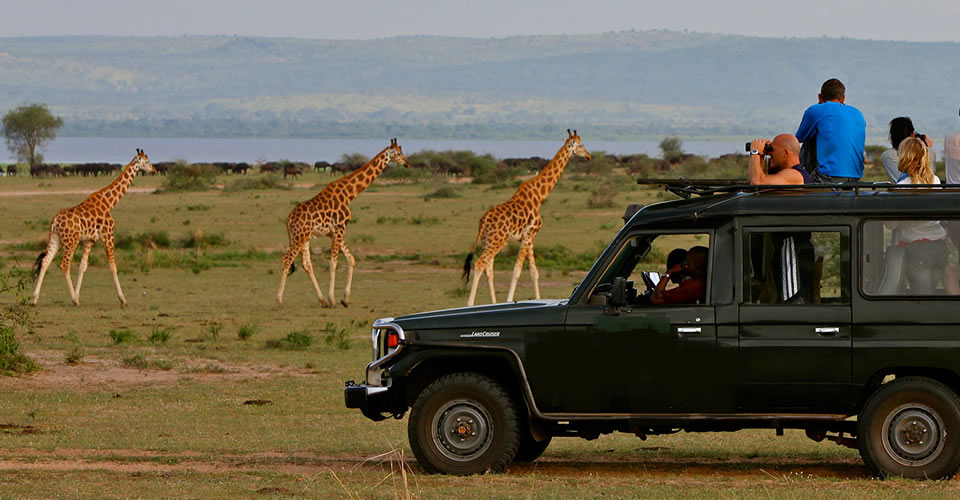
Akagera National Park is another option for visitors who want to include a traditional wildlife safari. Its savannah landscapes and lakes support a variety of wildlife, including elephants, giraffes, zebras, and other species. The park also offers opportunities to look for lions and rhinoceroses.
Kigali can provide a cultural introduction to the country. Depending on your interests, you may explore local markets, museums, and other city attractions.
When combining destinations, ask how many nights you need in each location and how much time you will spend travelling between them. A rushed itinerary can reduce the time available to enjoy each experience.
Safari Oclock can help you choose suitable additions based on your available days, budget, and interests. The aim is to create a balanced itinerary rather than adding activities simply to make the trip longer.
13. What Is Included in the Tour Operator’s Cancellation Policy?
Before paying a deposit, make sure you understand the cancellation and amendment policy.
Gorilla tracking permits have specific conditions, and accommodation providers, transport companies, and other suppliers may apply separate terms. As a result, the amount you can recover after cancelling may depend on the services already confirmed and the rules governing each booking.
Ask how the operator handles cancellations caused by changes in your travel plans, flight disruptions, illness, or other unexpected circumstances. You should also clarify whether the company permits changes to the tracking date and whether those changes depend on permit availability.
Request the cancellation policy in writing. Review the deadlines, potential deductions, and any restrictions before making your payment.
Travel insurance is another important consideration. Depending on the policy, insurance may help cover certain unexpected events, but coverage varies. Check the exclusions and requirements carefully, especially for trekking activities and trip cancellation.
If you book several months in advance, ask whether your quotation remains valid until a particular date. You should also clarify how the operator will communicate changes to the itinerary or supplier arrangements.
Safari Oclock encourages travellers to understand the booking terms before confirming their holiday. Clear communication at this stage can help prevent misunderstandings later.
14. What Should I Pack for Rwanda Gorilla Tracking?
Packing the right equipment can make the trek more comfortable. Because Volcanoes National Park lies in a mountainous environment, temperatures and weather conditions can change throughout the day.
Start with sturdy hiking boots or walking shoes that provide good grip. The trail may contain mud, uneven ground, and steep sections. Long trousers and long-sleeved shirts can protect your skin from nettles and dense vegetation.
A lightweight waterproof jacket is also useful because rain can occur unexpectedly. Gardening gloves can protect your hands when moving through vegetation, although you should always follow your guide’s instructions about touching plants and navigating the trail.
Carry a small daypack with drinking water, a light snack for appropriate breaks away from the gorillas, and any personal medication you may need. You should also bring a camera or phone for photographs, remembering that flash photography is prohibited.
Consider packing a hat, extra socks, and a warm layer for cool conditions. A waterproof cover for your daypack can help protect your belongings if the weather changes.
If you plan to hire a porter, ask your operator about the available arrangements and charges. A porter can help carry your belongings and provide assistance along the trail.
Safari Oclock recommends preparing your packing list before departure. Having the right equipment allows you to focus on the experience instead of worrying about preventable discomfort.
15. Is It Better to Book Directly or Use a Tour Operator?
Travellers can arrange gorilla tracking through the official booking system or use a tour operator to coordinate the wider trip.
Booking a permit directly may suit visitors who prefer to arrange their own accommodation, transport, and activities. However, this approach requires you to coordinate the different services yourself.
A tour operator can simplify the process by arranging the permit, accommodation, transfers, and other activities as part of one itinerary. This can be particularly useful for visitors arriving in Rwanda for the first time or those who want to combine several destinations.
Before choosing a company, ask about its experience, licensing, and the services it provides. Request a detailed itinerary and confirm the vehicle arrangements, accommodation names, meal plan, and permit status.
You should also establish who your main contact will be before and during the trip. Clear communication helps you know whom to contact if you have questions or encounter an unexpected change.
Visit Rwanda recommends using licensed tour operators and guides when arranging a private tour. You can also consult official tourism resources to learn more about booking options and the destination.
Safari Oclock aims to make the planning process easier by helping travellers understand their options and coordinate the practical details of their journey.
Ultimately, the right choice depends on your experience, available time, and preferred level of assistance. What matters most is that your booking is transparent, your arrangements are reliable, and you understand what to expect.
16. How Can I Make My Rwanda Gorilla Tracking Tour More Responsible?
Responsible tourism should be part of every gorilla tracking plan. Mountain gorillas are endangered animals, and their continued protection depends on conservation work, habitat management, and responsible visitor behaviour.
When planning your trip, ask how your visit supports conservation and local communities. Gorilla tourism generates income that helps support conservation activities and provides livelihoods for people working in and around protected areas.
You can also make thoughtful choices during your visit. Consider hiring a local porter, purchasing crafts from local artisans, and choosing accommodation that treats its staff fairly and manages its environmental impact responsibly.
During the trek, follow all instructions from park guides and rangers. Keep your distance from the gorillas, avoid unnecessary noise, and never leave waste in the forest.
Do not pressure guides or trackers to break park rules for photographs or a closer encounter. These regulations protect both visitors and wildlife.
It is also important to be honest about your health before tracking. If you have symptoms of a contagious illness, follow the park’s guidance and speak to your operator about the appropriate next steps.
Safari Oclock encourages travellers to approach gorilla tracking with respect for wildlife, local communities, and the environment. A responsible visit helps protect the destination while supporting the people who make the experience possible.
Final Thoughts: Ask the Right Questions Before Booking
Booking a Rwanda gorilla tracking tour should be an exciting step towards one of Africa’s most memorable wildlife experiences. However, careful preparation is essential if you want your trip to run smoothly.
Before confirming your booking, make sure you understand the permit price, availability, accommodation arrangements, transport, physical demands, and cancellation conditions. Confirm the minimum age requirement and review the rules that protect the gorillas. Most importantly, ensure that your itinerary provides enough time to reach Volcanoes National Park and attend the early-morning briefing.
A well-planned trip allows you to focus on the experience rather than worrying about missing information or unexpected expenses. It also helps you make informed decisions about accommodation, additional activities, and the overall length of your holiday.
Safari Oclock can help you plan a Rwanda gorilla tracking tour that suits your travel dates, budget, and interests. Whether you prefer a short gorilla tracking adventure or a longer itinerary combining primates, wildlife, and cultural experiences, careful planning is the foundation of a rewarding journey.
Start by asking the right questions, confirming the important details, and choosing an itinerary that gives you time to appreciate Rwanda’s remarkable natural beauty.