- DIRECT CONTACTS:
- +256394517569
- tours@safarioclock.africa

How to Choose the Right Akagera Safari Experience

Evening Game Drives in Murchison Falls: A Complete Uganda Safari Guide
September 18, 2026
Questions to Ask Before Booking a Rwanda Gorilla Tracking Tour
October 27, 2026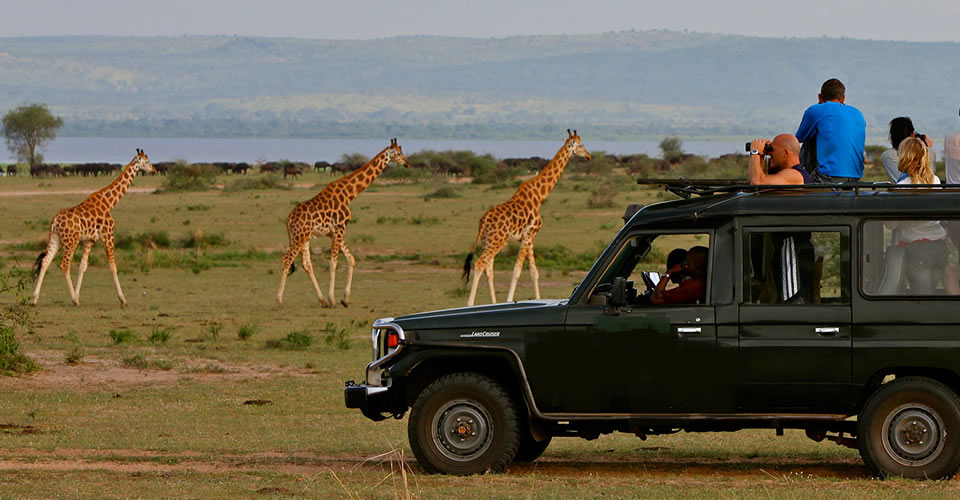
Choosing the right Akagera safari experience can turn an ordinary holiday into an unforgettable African adventure. However, with several activities, accommodation options, and travel packages available, deciding where to begin can feel overwhelming. Some travellers want to see lions and elephants in the wild. Others prefer peaceful boat cruises, birdwatching, photography, or a relaxing escape surrounded by nature. Fortunately, Akagera National Park offers experiences for different interests, budgets, and travel styles.
Located in eastern Rwanda, Akagera National Park is the country’s only savannah national park. Its landscape features open grasslands, woodlands, wetlands, and lakes. These habitats support a variety of wildlife, including lions, leopards, elephants, buffaloes, and rhinoceroses. Visitors can also encounter giraffes, zebras, antelopes, hippos, crocodiles, and numerous bird species. As a result, Akagera offers a different experience from Rwanda’s famous mountain gorilla trekking destinations.
At Safari O’Clock, we believe that the best safari starts with understanding what you want from your journey. Rather than choosing a package simply because it is popular, consider your interests, available time, comfort preferences, and budget. This guide explains how to choose the right Akagera safari experience and make the most of your visit to Rwanda’s remarkable savannah wilderness.
1. Understand What You Want from Your Akagera Safari
Before booking an Akagera safari, think about the experience you want to enjoy. Your travel interests will help determine which activities deserve the most attention and how long you should spend in the park.
Wildlife enthusiasts often prioritise game drives because they provide opportunities to search for large mammals across different habitats. Photographers may prefer longer drives that allow them to wait for good lighting and interesting animal behaviour. Meanwhile, birdwatchers may want to combine land-based exploration with a boat trip on Lake Ihema.
Families, couples, and first-time safari travellers may have different priorities. Some prefer a comfortable lodge and a relaxed itinerary. Others want early starts, extended wildlife viewing, and several activities throughout their stay. Therefore, identifying your priorities early helps you select an itinerary that suits your expectations.
Safari O’Clock can help travellers compare these options and choose a suitable combination of activities, accommodation, and transport. The goal is to create a safari that reflects your interests rather than filling your schedule with activities you may not enjoy.
Choose an Akagera Safari for Wildlife Viewing
If seeing African wildlife is your main priority, make guided or self-drive game viewing the foundation of your safari. Akagera’s savannah landscapes provide opportunities to encounter elephants, buffaloes, giraffes, zebras, antelopes, and several predator species.
The park also supports all five animals commonly associated with the Big Five: lions, leopards, elephants, buffaloes, and rhinoceroses. However, wildlife sightings are never guaranteed. Animals move freely through their habitats, and their visibility depends on several factors, including weather, vegetation, time of day, and their natural behaviour.
A knowledgeable guide can help you interpret tracks, recognise animal behaviour, and understand the park’s ecosystems. Furthermore, a guide can adjust the route according to conditions and recent wildlife observations.
Choose an Akagera Safari for Relaxation and Scenery
Not every safari needs to focus entirely on predators and large mammals. Akagera also appeals to travellers who enjoy beautiful landscapes, quiet lakes, and time away from busy cities.
A boat cruise on Lake Ihema offers a different perspective on the park. Depending on conditions, visitors may see hippos, Nile crocodiles, and waterbirds along the shoreline. The surrounding wetlands also provide excellent opportunities to appreciate the diversity of Akagera’s habitats.
Travellers who prefer a slower pace can combine a game drive with a boat trip and comfortable overnight accommodation. This approach creates a balanced experience without making every part of the day feel rushed.
2. Select the Right Akagera Safari Activities
Akagera offers several ways to explore its wildlife and landscapes. Understanding the differences between these activities will help you build an itinerary that suits your interests.
Akagera Safari Game Drives
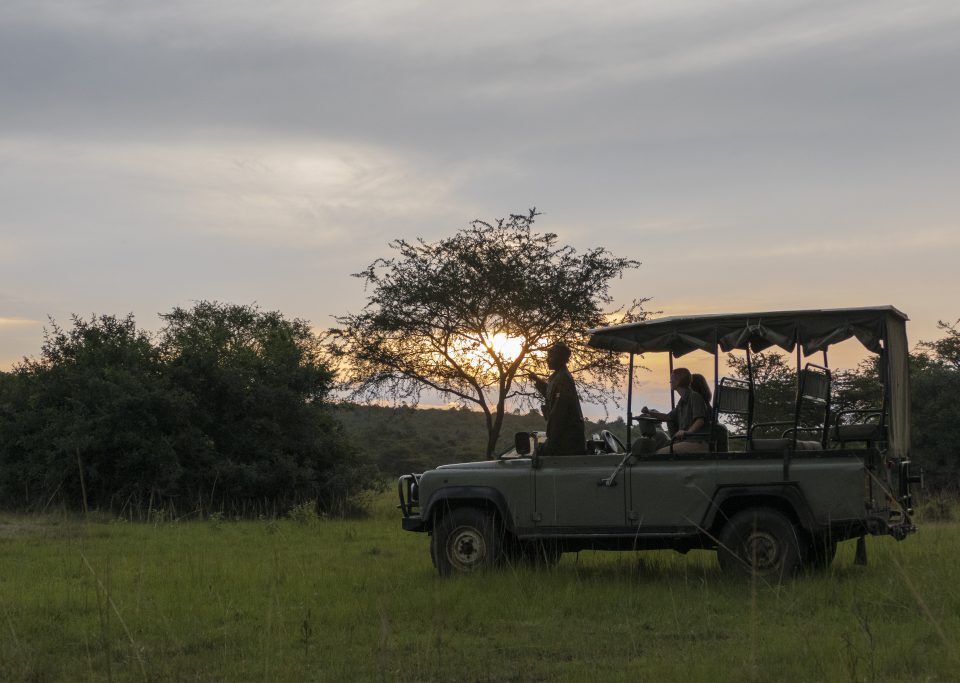
Game drives remain one of the most popular ways to explore Akagera National Park. Travellers use suitable vehicles to follow designated park roads and tracks while searching for wildlife.
Morning drives can provide opportunities to observe animals when they are active after the night. Afternoon drives offer another chance to explore the savannah, woodlands, and lakeside habitats. A full-day drive allows visitors to cover more ground, although the actual distance depends on road conditions, wildlife sightings, and the route selected.
A guided drive is particularly useful for first-time visitors. Experienced guides share information about animal behaviour, habitats, and conservation while helping guests search for wildlife. They can also explain why certain animals favour particular areas.
When planning your Akagera safari, ask whether your package includes a guided drive, a dedicated safari vehicle, park entry fees, and a professional driver-guide. These details can significantly affect your experience and the final price.
Akagera Safari Boat Trips on Lake Ihema
A boat safari is an excellent addition to a traditional game drive. Instead of exploring the park from a vehicle, you observe wildlife from the water and discover the importance of Akagera’s lakes and wetlands.
Lake Ihema is particularly known for its hippos, Nile crocodiles, and waterbirds. Visitors may also spot other wildlife along the shoreline. Birdwatchers can look for different waterbird species, while photographers may appreciate the reflections, changing light, and scenic lake views.
Boat trips usually operate on scheduled departures, although private arrangements may be available. Confirm the departure times and availability before finalising your itinerary.
For many travellers, combining a boat trip with a game drive creates a more varied Akagera safari. It introduces different habitats and wildlife encounters without requiring a completely separate destination.
Akagera Safari Night Game Drives
A night game drive reveals a different side of the park. As daylight fades, some animals become more active, creating opportunities to search for nocturnal wildlife.
Depending on conditions, sightings may include bush babies, civets, servals, hyenas, and other animals. Travellers may also encounter predators, although sightings remain unpredictable.
Night drives generally require a suitable vehicle and an authorised guide or operator. Availability can depend on the location of your accommodation and the arrangements offered by the park.
Consider this activity if you enjoy wildlife photography, animal behaviour, and experiences beyond conventional daytime game drives. However, remember that darkness can make photography and animal identification more challenging.
Safari O’Clock can help you determine whether a night drive fits your schedule and accommodation location. Always confirm the current operating arrangements before booking.
Akagera Safari Birdwatching
Akagera is also an excellent destination for birdwatching. Its grasslands, woodlands, lakes, and wetlands attract a wide variety of resident and migratory birds.
Birdwatchers can search for fish eagles, herons, kingfishers, storks, and other species. The park’s wetlands also support specialist birds, making them particularly interesting for visitors who enjoy observing different habitats.
If birdwatching is your main interest, allow sufficient time to explore several areas rather than rushing through a single game drive. A guide with strong bird identification skills can also improve your experience.
Bring binoculars, a camera with a suitable lens, and a field guide or bird identification application. Early starts can be useful because many birds are active during the cooler hours of the day.
3. Decide How Long Your Akagera Safari Should Last
The length of your safari affects how much of the park you can explore. Your available holiday time, wildlife interests, and preferred pace should guide this decision.
One-Day Akagera Safari
A one-day safari suits travellers with limited time in Rwanda. It can work particularly well for visitors staying in Kigali who want to experience the country’s savannah wildlife without spending the night in the park.
Akagera lies approximately 110 kilometres from Kigali, and the drive often takes around two hours under favourable conditions. However, traffic, weather, road conditions, and the exact starting point can affect travel time.
A day trip can include a game drive and, depending on your schedule and availability, a boat trip. However, you should plan carefully because travelling to and from the park reduces the time available for wildlife viewing.
This option suits travellers who want a taste of Akagera rather than an extensive exploration. Safari O’Clock can help organise a practical schedule that accounts for transfers, park activities, and your return to Kigali.
Two-Day Akagera Safari
A two-day safari offers a more balanced introduction to the park. It gives you additional time for wildlife viewing and reduces the pressure to fit every activity into a single day.
You could dedicate part of your first day to a game drive and a boat trip, depending on arrival time and activity availability. The following day could focus on further wildlife viewing before returning to Kigali.
An overnight stay also allows you to experience the park’s surroundings at a slower pace. Depending on your accommodation and itinerary, you may be able to include an early game drive or a night safari.
For couples, families, and first-time visitors, two days often provide a good balance between time, comfort, and activities.
Three-Day Akagera Safari
A three-day safari suits travellers who want a deeper experience of Akagera. With additional time, you can explore more areas, spend longer observing wildlife, and include activities that might not fit into a shorter itinerary.
For example, you could combine daytime game drives, a Lake Ihema boat cruise, and a night game drive where available. Birdwatchers and photographers may also appreciate the flexibility to revisit promising locations.
A longer stay can be especially valuable if you enjoy watching animals without constantly checking the clock. Nevertheless, additional days do not guarantee more sightings of a particular species. Wildlife moves naturally, and every drive offers different possibilities.
Safari O’Clock can help you decide whether two or three days will provide the best value for your interests and travel plans.
4. Choose the Best Time for Your Akagera Safari
Akagera can be visited throughout the year, but seasonal conditions can influence your activities, driving comfort, and wildlife viewing.
Dry Season Akagera Safari
The drier months, particularly June to September, are often a popular time for wildlife viewing. Mid-December to February can also offer favourable conditions.
During drier periods, some animals may gather around available water sources, which can help visitors locate them. In addition, firmer roads may make driving more comfortable in suitable areas.
However, wildlife sightings depend on more than the season. Animal movements, local rainfall, and daily weather conditions all influence what you may encounter.
If you plan to travel during a popular holiday period, arrange your accommodation and activities in advance. Safari O’Clock can help you compare available options and create a schedule that matches your travel dates.
Wet Season Akagera Safari
The wetter months can bring greener landscapes, fresh vegetation, and excellent scenery. These conditions may appeal to photographers and travellers who enjoy lush environments.
Rain can also affect road conditions and driving times. Some tracks may become more challenging, so a suitable vehicle and a flexible itinerary are important.
The wet season can be rewarding for birdwatchers because seasonal changes may bring additional bird species into the area. Nevertheless, you should check current conditions and activity availability before travelling.
Rather than choosing a season based on a single wildlife prediction, consider your interests, comfort preferences, and tolerance for changing weather.
5. Select Accommodation for Your Akagera Safari
Your accommodation influences the comfort, pace, and overall character of your safari. Akagera offers different types of stays, ranging from camping to comfortable lodges and camps.
Budget-Friendly Akagera Safari Accommodation
Travellers working with a limited budget may consider camping or other economical accommodation options, subject to availability and park regulations.
Camping offers a closer connection to the natural surroundings. It can also appeal to travellers who enjoy outdoor experiences and do not require extensive hotel facilities.
However, check what the campsite provides before booking. Facilities, bedding, meals, and equipment may differ between options. You should also consider transport arrangements and the time required to reach your planned activities.
A lower room rate does not always mean a lower overall safari cost. Compare the complete package, including transport, meals, park fees, and activities.
Midrange Akagera Safari Accommodation
Midrange accommodation suits travellers who want comfort without necessarily choosing the most expensive properties.
Depending on the selected lodge or camp, you may enjoy private rooms or tents, comfortable beds, en-suite facilities, and meal services. Some properties also provide scenic views and outdoor relaxation areas.
When comparing accommodation, look beyond photographs and advertised room rates. Ask about meal arrangements, location, transport access, and the facilities included in your package.
Safari O’Clock can help you select accommodation that balances comfort, budget, and access to your planned activities.
Luxury Akagera Safari Accommodation
Luxury accommodation appeals to travellers who value privacy, attentive service, attractive surroundings, and additional comfort.
Depending on the property, you may find spacious rooms or tents, high-quality dining, personalised services, and views across the surrounding landscape.
Luxury accommodation may also suit honeymooners, couples celebrating special occasions, and travellers seeking a more exclusive experience.
However, a higher room rate does not automatically produce better wildlife sightings. Your guide, itinerary, available time, and activity choices remain important parts of the experience.
Choose accommodation that supports your overall safari goals rather than spending your entire budget on the room alone.
6. Choose Between a Private and Shared Akagera Safari
The way you travel can influence your flexibility, comfort, and total cost.
A private safari gives you greater control over your itinerary. You can discuss your interests with your guide and make reasonable adjustments to your schedule, subject to park regulations and activity availability.
This option often suits couples, families, photographers, and small groups who prefer a personalised experience. It can also be useful for travellers who want to spend extra time observing particular animals.
A shared safari may offer a more economical way to explore the park. Travellers share certain transport and guiding arrangements, which can reduce the cost per person. However, the itinerary and activity choices may be less flexible.
Before booking, confirm the group size, vehicle arrangements, departure schedule, and activities included. Also, check whether the advertised price covers park fees and accommodation.
Safari O’Clock can help you compare private and shared arrangements based on your budget, preferred travel style, and available dates.
7. Consider Transport When Planning an Akagera Safari
Transport is an important part of choosing the right safari. Akagera’s terrain includes open plains, woodland, and wetland areas, so road conditions can vary.
A suitable safari vehicle provides a comfortable way to explore the park. Four-wheel-drive vehicles are particularly useful when conditions become challenging, especially during rainy periods.
Travellers can explore Akagera independently or arrange a guided trip through a tour operator. Self-driving gives you greater independence, but you must understand the park’s access rules, road conditions, and vehicle requirements.
A guided safari can reduce the planning burden. Your driver-guide can help navigate the park, identify wildlife, and explain the surroundings.
When comparing packages, ask whether the vehicle is private or shared, whether fuel is included, and whether the price covers transfers between Kigali and Akagera. You should also clarify whether the guide remains with you throughout the trip.
For travellers unfamiliar with Rwanda’s roads, a professionally organised safari can make the journey easier and allow more attention to wildlife and scenery.
8. Compare Akagera Safari Prices and Inclusions
Safari prices vary according to travel dates, accommodation, group size, transport, and activities. Therefore, comparing headline prices alone can lead to an incomplete picture.
One package may include accommodation, meals, park entry, transfers, and guided game drives. Another may advertise a lower price but charge separately for several of these services.
Before making a decision, request a clear breakdown of the main inclusions and exclusions. Confirm the cost of any optional activities, including boat trips and night game drives.
You should also ask about deposit requirements, payment deadlines, cancellation conditions, and what happens if weather or operational issues affect an activity.
If you are travelling as a couple or family, compare the total cost for everyone rather than looking only at the per-person rate. For larger groups, ask whether sharing a vehicle or accommodation arrangements could reduce the overall expense.
Safari O’Clock can help you compare suitable options and understand what each package provides. A transparent quotation makes it easier to choose an experience that fits your budget without sacrificing the activities that matter most to you.
9. Choose an Akagera Safari for Your Type of Traveller
Different travellers value different aspects of a safari. Matching your itinerary to your travel style can help you enjoy the experience more fully.
Akagera Safari for Couples and Honeymooners
Couples may prefer a private safari with comfortable accommodation, scenic views, and a balanced schedule. A game drive followed by a boat cruise can create variety without making the trip feel rushed.
If you are celebrating a honeymoon or anniversary, discuss special accommodation requests when booking. Some properties may offer romantic dining arrangements or other extras, subject to availability.
A private vehicle can also provide greater flexibility for photographs and wildlife observation.
Akagera Safari for Families
Families should consider travel times, children’s ages, accommodation facilities, and the length of each activity.
A shorter game drive may suit younger children better than a full-day excursion. A boat trip can also provide a different way to experience wildlife, although parents should confirm age restrictions and safety requirements before booking.
Choose accommodation with facilities that meet your family’s needs. Keep drinking water, sun protection, suitable clothing, and snacks available where permitted.
Most importantly, follow your guide’s instructions and keep children under close supervision throughout the safari.
Akagera Safari for Photographers
Wildlife photographers benefit from flexibility, patience, and sufficient time in the field.
Consider a private vehicle if your budget allows. This arrangement may make it easier to adjust your pace and spend additional time photographing an animal, subject to park rules.
Bring suitable camera equipment, spare batteries, memory cards, and a lens that matches your interests. A telephoto lens can be useful for distant wildlife, while a wider lens may help capture landscapes.
Light changes throughout the day, so consider how morning and late-afternoon conditions may affect your photographs. Remember that guides cannot guarantee sightings or animal behaviour.
Akagera Safari for Birdwatchers
Birdwatchers should prioritise a guide who understands bird identification and the habitats that support different species.
Allow enough time to explore wetlands, lakeshores, grasslands, and woodland areas. Carry binoculars, a bird list, and a camera if you enjoy recording sightings.
A boat trip can complement land-based birdwatching by providing access to a different viewing perspective. However, sightings depend on seasonal conditions and bird movements.
If birdwatching is your main goal, communicate this when requesting a quotation so the itinerary can reflect your interests.
10. Decide Whether to Combine Akagera with Other Rwanda Destinations
Akagera can form part of a longer Rwanda holiday. Combining it with other destinations allows you to experience different landscapes and wildlife habitats within the same trip.
Travellers interested in mountain gorillas may combine a savannah safari with a visit to Volcanoes National Park. Those who want to explore Rwanda’s forests and primates may consider Nyungwe National Park, depending on their available time and interests.
Kigali can also form part of the itinerary, offering opportunities to learn about the country’s history, culture, and contemporary life.
However, do not add destinations simply to make your itinerary longer. Travel between regions takes time, and each park offers different activities. Plan realistic driving times and allow enough time to enjoy each location.
Safari O’Clock can help you decide whether an Akagera-only safari or a multi-destination Rwanda journey better suits your holiday.
11. Check Important Details Before Booking Your Akagera Safari
Once you have identified your preferred experience, review the practical details before paying a deposit.
First, confirm the travel dates, number of travellers, accommodation category, and transport arrangements. Next, check the planned activities and whether the package includes park fees, meals, and transfers.
Ask about the expected daily schedule and how much time you will spend travelling. If you want a boat cruise or night drive, confirm its availability rather than assuming it is included.
You should also understand the payment schedule and cancellation policy. Read the terms carefully and request written confirmation of the services covered by your quotation.
Finally, ask whether the itinerary can accommodate any special interests, such as birdwatching, wildlife photography, or travelling with children.
A reliable safari plan should explain what you can expect without promising specific animal sightings. This approach helps you make an informed decision and prepares you for the natural uncertainty that makes wildlife viewing exciting.
12. Why Plan Your Akagera Safari with Safari O’Clock?
Planning a safari involves more than choosing a national park. You must coordinate transport, accommodation, activities, park requirements, and travel dates while ensuring the itinerary remains practical.
Safari O’Clock can help you bring these details together and select an experience that reflects your priorities. Whether you want a short day trip from Kigali, a comfortable two-day safari, or a longer wildlife adventure, the right plan should balance activities, travel time, and budget.
We recommend starting with three questions: What do you most want to experience? How much time can you spend in Akagera? What level of comfort suits your budget? Your answers provide a useful starting point for comparing available options.
You should also remain flexible about wildlife sightings. Akagera is a natural ecosystem, not a zoo, so no operator can guarantee that you will see every animal on your list. A well-planned safari gives you opportunities to explore different habitats while appreciating the wildlife and scenery you encounter.
By working with Safari O’Clock, you can discuss your interests, compare practical options, and build an itinerary that suits your travel style.
Conclusion: Find the Right Akagera Safari Experience
Choosing the right Akagera safari experience begins with understanding what matters most to you. Game drives are ideal for exploring the savannah and searching for wildlife. Boat trips reveal the beauty of Lake Ihema and its aquatic habitats. Night drives provide opportunities to look for nocturnal animals, while birdwatching introduces visitors to the park’s remarkable diversity.
Your available time, preferred accommodation, travel season, and budget will also influence your decision. A day trip can suit travellers on a tight schedule, while a two- or three-day safari allows more time to explore the park at a relaxed pace.
Most importantly, choose an itinerary that reflects your interests rather than simply selecting the longest or most expensive package. Compare inclusions carefully, confirm activity availability, and leave room for the unexpected moments that make a safari special.
Safari O’Clock can help you plan an Akagera safari that suits your expectations and travel plans. With thoughtful preparation and realistic expectations, you can discover the landscapes, wildlife, and experiences that make Akagera National Park a memorable part of a Rwanda holiday.