- DIRECT CONTACTS:
- +256394517569
- tours@safarioclock.africa

Questions to Ask Before Booking a Solo Gorilla Trek

Solo Travel Budget Considerations for Gorilla Tracking
November 4, 2026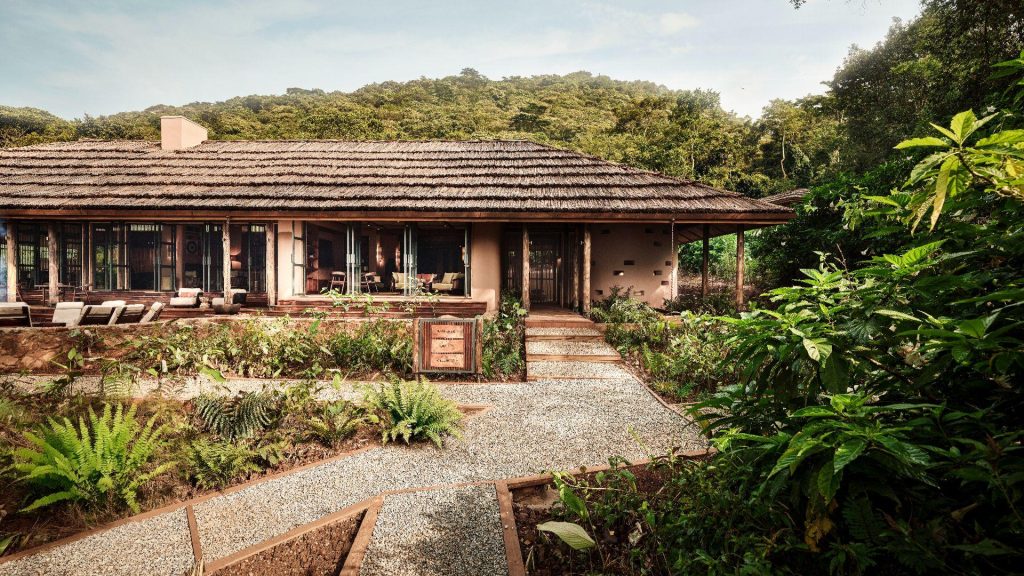
Planning a gorilla trek alone can be an exciting adventure. It offers the freedom to explore at your own pace and connect with nature. However, a successful trip requires careful preparation. Before paying for your safari, you need clear answers about permits, transport, accommodation, fitness, and other travel arrangements.
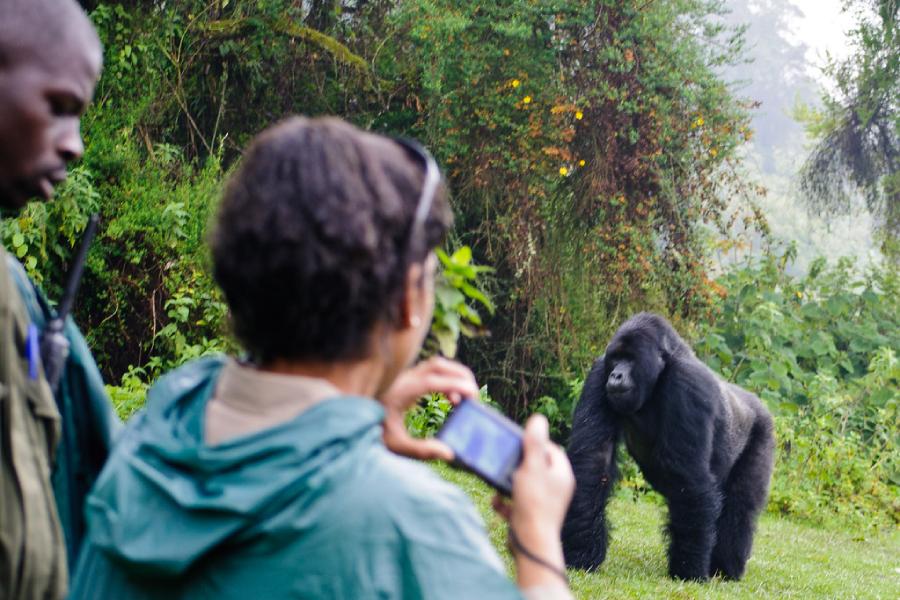
Rwanda is one of the destinations where visitors can experience mountain gorillas in their natural habitat. The trek takes place in Volcanoes National Park, in the country’s northern region. Although the experience can be unforgettable, it requires advance planning and respect for wildlife conservation rules.
At Safari O’clock, we believe every traveller deserves clear information before making a booking. Asking the right questions can help you avoid unexpected costs, choose a suitable itinerary, and prepare for the experience with confidence.
This guide explores the most important questions to ask before booking a solo gorilla trek in Rwanda.
1. Is My Preferred Gorilla Trekking Date Available?
Your first question should concern permit availability. Gorilla trekking permits are limited, so you should not assume that your preferred date will be available.
The Rwanda Development Board manages gorilla tracking permits through its official booking system. Bookings operate on a first-come, first-served basis. Therefore, checking availability early is especially important if you plan to travel during a busy period.
As a solo traveller, you generally need one permit for your own trek. However, you must still secure a place for your chosen date. You should also confirm the exact date on your permit before finalising the rest of your travel arrangements.
Ask your tour operator whether the permit is available, whether it has been secured, and when you will receive confirmation. Do not rely on a verbal promise alone.
Safari O’clock can help you understand the booking process and coordinate your travel plans around your intended trekking date.
2. How Much Does a Solo Gorilla Trek Cost?
Before booking, ask for a complete breakdown of the cost. The permit is an important expense, but it is not the only cost you may incur.
According to Rwanda’s official tourism information, the standard gorilla tracking permit for a foreign visitor is listed at US$1,500 per person. Different rates may apply to eligible citizens and residents. You should confirm the applicable rate and any promotional conditions through the official booking system before paying.
Your total budget may also include accommodation, airport transfers, transport to the park, meals, travel insurance, and optional activities. In addition, you may choose to hire a porter to help carry your bag during the trek.
Solo travellers should pay particular attention to accommodation costs. Some properties offer single rooms at standard rates, while others apply a single supplement. This depends on the property and the package you choose.
Ask Safari O’clock for an itemised quotation. It should explain what the price includes and what you must pay separately. This will help you compare packages fairly and avoid surprises during your trip.
Which Costs Are Included in My Solo Gorilla Trek Package?
Never assume that every advertised package covers the same services. One package may include meals and private transfers, while another may cover only selected services.
Ask whether the package includes your gorilla permit, accommodation, meals, transport, driver-guide services, and airport transfers. You should also check whether park-related charges and any additional activities are included.
If the package excludes certain expenses, request an estimate before making your decision. A lower advertised price may not represent the lowest final cost.
Safari O’clock should make these inclusions clear in your quotation so that you can plan your spending with confidence.
3. Will I Need to Pay More Because I Am Travelling Alone?
Travelling alone does not automatically mean that every part of your safari will cost more. Your permit is charged per person, but other expenses depend on how your trip is arranged.
For example, a private vehicle may cost more per traveller when only one person uses it. Accommodation may also cost more if the property applies a single supplement.
However, you may find accommodation with suitable single-room rates. Some tour operators may also offer group departures that allow solo travellers to join other visitors. Availability depends on the operator, itinerary, and travel dates.
Ask whether your safari will be private or shared. If you prefer a shared departure, confirm that the departure is guaranteed and understand what happens if other travellers do not join.
Also, ask whether joining a group changes your departure time, accommodation, or transport arrangements.
Safari O’clock can help you compare suitable options. The goal is to find a package that matches your budget without compromising important arrangements.
4. Is the Tour Operator Reliable and Properly Established?
Choosing the right tour operator is an important part of planning a solo trip. You need a company that communicates clearly, explains its services, and provides accurate booking information.
Before making payment, ask for the company’s full business details. Find out who will manage your booking and who will assist you during the safari. You should also understand how to contact the company if your plans change.
Check independent reviews and look for consistent feedback about communication, transport, accommodation, and customer support. Read the booking terms carefully rather than relying only on promotional messages.
You should also ask who will issue your permit and how you can verify it. For Rwanda, the Rwanda Development Board provides an official booking platform for gorilla tracking.
Safari O’clock should be able to explain the booking process, outline the services it provides, and answer reasonable questions before you commit. Clear communication is a good starting point for a smooth travel experience.
5. Where Will I Stay Before the Gorilla Trek?
Your accommodation can affect both your comfort and your travel schedule. For a Rwanda gorilla trek, many visitors stay in or around Musanze, near Volcanoes National Park.
Ask how far your accommodation is from the park’s visitor registration centre in Kinigi. You should also confirm whether the property provides breakfast, dinner, Wi-Fi, laundry, and other services that matter to you.
Since the trek begins early, a convenient location can make your morning easier. It may also reduce the need for a long transfer before registration.
If you are travelling alone, consider the type of accommodation you prefer. You may choose a budget guesthouse, a comfortable mid-range lodge, or a luxury property. Compare the location, room arrangements, meal options, and total price.
Do not book based on photographs alone. Check recent reviews and confirm the exact property included in your package.
Safari O’clock can help you select accommodation that suits your comfort level and budget while keeping your trekking arrangements practical.
6. How Will I Travel From Kigali to Volcanoes National Park?
Transport is another important question for solo travellers. Your journey may begin at Kigali International Airport, followed by a transfer to Musanze and the Volcanoes National Park area.
Ask whether your package includes airport pickup and transport to your accommodation. You should also find out whether the vehicle is private or shared, who will drive you, and how much luggage you can bring.
Rwanda’s official tourism information identifies both private vehicles and public transport as ways to travel towards Musanze. However, you will still need to organise suitable transport for the remaining journey to Kinigi.
For a solo traveller, a pre-arranged transfer can simplify the journey, particularly after a long international flight. It can also help you coordinate your arrival with your accommodation and trekking schedule.
Ask what happens if your flight arrives late. You should know whether the driver will wait, whether an additional charge applies, and how you should communicate any delay.
Safari O’clock can help coordinate your transfer arrangements so you understand how each part of the journey fits together.
7. How Difficult Is the Gorilla Trek?
Do not assume that every gorilla trek follows the same route. The terrain and walking time depend on the location of the assigned gorilla family and conditions in the forest.
Some treks involve a relatively short walk, while others require several hours of hiking. The route may include steep slopes, uneven ground, thick vegetation, mud, and changes in elevation.
Before booking, explain your current fitness level and any mobility concerns to your tour operator. Ask what level of physical effort you should prepare for and what assistance may be available.
Rwanda’s official tourism information recommends sturdy walking shoes or hiking boots, long clothing, and waterproof gear. A porter can also help carry your daypack for a fee.
You do not need to be an expert mountaineer to begin preparing for the experience. However, regular walking and gentle hill training can help improve your comfort. It is also wise to practise walking in the shoes you intend to wear.
Safari O’clock can help you prepare for the practical demands of the trek. Honest information about your fitness will make it easier to discuss suitable arrangements.
8. What Happens During the Gorilla Trekking Briefing?
Ask what you need to know before the trekking day begins. In Rwanda, visitors report to the park’s registration centre in Kinigi at 7:00 a.m. for the scheduled briefing.
Park staff explain the rules for visiting the gorillas and provide guidance before visitors enter the forest. The park team also assigns visitors to gorilla groups.
You should understand that the briefing is an important part of the conservation process. It helps visitors learn how to behave responsibly around the gorillas and follow the instructions of their guides.
The rules include keeping the required distance, speaking quietly, avoiding flash photography, and not touching the animals. Visitors should also avoid littering and follow instructions if a gorilla approaches them.
Ask your tour operator what time you will leave your accommodation to reach Kinigi on time. Confirm whether breakfast and transport are arranged before the briefing.
Safari O’clock can help you plan your morning schedule so you arrive prepared rather than rushing at the last minute.
9. What Is Included in the Permit, and What Does It Not Cover?
A gorilla tracking permit allows you to participate in the authorised tracking experience under the park’s rules. However, it does not automatically cover every expense associated with your safari.
For example, you should not assume that your permit includes accommodation, airport transfers, meals, travel insurance, or a porter. These services depend on the arrangements you purchase separately or through a tour operator.
Ask for a written explanation of what your permit covers and which services form part of your package. You should also confirm the permit date and visitor details.
The Rwanda Development Board states that applicants must provide the required information and supporting documents. Incorrect or incomplete applications may lead to denied entry, even if a permit has been generated.
Before payment, check that the names and identification details used for your booking are accurate. Ask how you will receive the permit confirmation and what documents you must present at registration.
Safari O’clock can guide you through the information needed for your booking and help you understand the difference between the permit and the wider safari package.
10. What Happens If I Become Sick Before the Trek?
Health is especially important when visiting mountain gorillas. These animals are vulnerable to human illnesses, including respiratory infections.
Rwanda’s official tracking guidance states that visitors with a cold, flu, or another contagious illness may be denied access to protect the gorillas.
Before booking, ask about the operator’s procedures if you become sick shortly before the trekking date. You should also read the official permit conditions carefully to understand the circumstances in which a refund or date change may be possible.
Do not assume that illness automatically guarantees a refund. The applicable conditions and the circumstances of the missed trek matter.
Travel insurance may help with some unexpected travel costs, depending on the policy. However, you should check the coverage and exclusions before purchasing it.
If you feel unwell before your trek, inform your tour operator and follow the park authorities’ instructions. Protecting the gorillas must remain a priority.
Safari O’clock can help explain the travel arrangements and the importance of checking relevant booking conditions before departure.
11. Can I Change My Trekking Date or Cancel My Booking?
Travel plans can change because of illness, flight disruptions, family emergencies, or other unexpected events. Therefore, ask about cancellation and rescheduling terms before paying.
Find out whether the permit can be transferred to another date, what deadlines apply, and whether any fees may arise. You should also ask whether accommodation and transport bookings have separate cancellation policies.
Rwanda’s official permit information explains that refunds are subject to specific conditions. For example, certain outcomes involving the movement of a gorilla group may qualify for another opportunity or a refund. Other circumstances, including late arrival or cancellation for unrelated reasons, may not qualify.
Because the rules can differ by situation, read the current official conditions rather than relying on a general promise.
Ask your operator to put its own cancellation terms in writing. Make sure you understand what happens to payments for services that are separate from the permit.
Safari O’clock can help you review the relevant arrangements before you confirm your booking. Knowing the rules early makes it easier to manage your expectations.
12. What Should I Pack for a Solo Gorilla Trek?
Your packing list should reflect the forest environment and the possibility of changing weather. The terrain can be muddy, wet, steep, or covered in thick vegetation.
Ask your tour operator for a recommended packing list before departure. In general, sturdy hiking shoes or boots, long trousers, a long-sleeved top, waterproof clothing, and gardening gloves can be useful.
You should also consider drinking water, a small snack for the trek, personal medication, and a suitable daypack. A camera or phone can help you record memories, but flash photography is not allowed.
A porter may help carry your daypack if you prefer to walk with less weight. Ask about the cost and how to arrange the service.
Avoid packing unnecessary items that make the trek more difficult. Instead, focus on clothing and equipment that support comfort, safety, and responsible travel.
Safari O’clock can provide practical packing guidance based on your itinerary and the time of year you intend to travel.
13. Will I Have Support if I Am Travelling Alone?
Solo travel offers independence, but it is still important to know who will help if something goes wrong. Before booking, ask who your main contact will be during the trip.
Find out whether you will receive your driver’s contact details, how to reach your tour operator outside normal office hours, and who to contact if you cannot find your driver.
You should also confirm the meeting points and departure times for transfers and activities. Keep your booking confirmation, permit details, accommodation information, and emergency contacts accessible.
If your itinerary includes several destinations, ask who will coordinate the transitions between them. Clear arrangements can reduce uncertainty, especially when travelling in a country you have not visited before.
Safari O’clock can explain the support included in your chosen package. Make sure you understand which assistance is available throughout your journey and which services require separate arrangements.
14. Can I Join Other Travellers as a Solo Visitor?
Some solo travellers enjoy meeting people during their journeys. Others prefer the privacy of travelling independently. Before booking, decide which style suits you best.
Ask whether the operator has a scheduled group departure that matches your dates. If so, confirm the group size, itinerary, accommodation arrangements, and whether the departure is guaranteed.
Joining a group may help spread some transport costs. However, group departures are not always available, and the savings depend on the package.
You should also understand that gorilla tracking itself follows park rules. Rwanda’s official guidance limits the number of visitors allowed with a gorilla group. The park assigns visitors to groups for the tracking experience, so your tour operator cannot guarantee that you will trek with particular people.
If you prefer a private safari, ask what additional costs apply and what flexibility the arrangement provides.
Safari O’clock can help you compare group and private options before you decide which one works best for your travel style.
15. What Other Activities Can I Enjoy Around Volcanoes National Park?
A gorilla trek can be the main highlight of your visit, but you may want to explore more of Rwanda while you are there.
Ask about additional activities that fit your interests, available time, and budget. Depending on your itinerary, you may consider a cultural experience, a visit to Kigali, or another activity offered in the region.
Before adding activities, confirm their prices, duration, transport needs, and booking requirements. You should also leave enough time for your main trekking experience rather than packing too much into a short trip.
If you have only a few days, prioritise the activities that matter most to you. If your schedule is flexible, you may have more room to explore.
Safari O’clock can help you build a realistic itinerary around your gorilla trek. This allows you to enjoy more of the destination without overlooking the practical arrangements.
16. What Documents Do I Need Before Travelling?
Before booking flights, check the entry requirements that apply to your nationality and travel circumstances. These may include a valid passport, a visa or other entry permission, and supporting travel documents.
You should also check whether your permit application requires particular identification details. Make sure the information you provide is correct and matches your travel documents.
Ask your tour operator which documents you should carry on the trekking day. Rwanda’s official guidance requires visitors to follow the application process and provide the necessary supporting information.
Do not rely on assumptions about visa eligibility or passport validity. Check the current requirements with the relevant official immigration authority before departure.
Safari O’clock can help you identify the travel arrangements that need attention. However, you should verify immigration requirements through official government sources.
17. What Is the Best Time for My Solo Gorilla Trek?
The best time depends on your travel preferences, budget, and available dates. Some visitors prefer periods when conditions may be more favourable for hiking, while others prioritise particular holiday dates or a wider Rwanda itinerary.
Weather in a mountain forest can change quickly. Even when you travel during a generally drier period, rain and muddy trails remain possible.
Ask your operator how your chosen dates may affect accommodation availability, transport, and the overall itinerary. You should also confirm whether any special permit offers apply to your visitor category and travel dates.
Do not assume that an advertised discount applies to every traveller. Rwanda’s official booking system lists specific offers and conditions, so check eligibility before including a discount in your budget.
Safari O’clock can help you compare available dates and plan a trip that fits your schedule and priorities.
18. How Do I Know When My Booking Is Confirmed?
Before making your final payment, ask exactly what confirmation you will receive. A clear booking process should explain which services have been reserved and which remain outstanding.
Request written confirmation of your itinerary, accommodation, transport arrangements, and permit status. Check the travel dates, visitor details, and any payment balance.
If you book through a tour operator, ask how you can verify the permit through the relevant official process. Keep copies of your payment receipts and booking documents.
You should also know whom to contact if you notice an error. Resolve discrepancies before travelling rather than waiting until you arrive at the park.
Safari O’clock can explain the confirmation process for the services included in your package. Make sure you have a clear record of your arrangements before you leave home.
Final Thoughts: Ask the Right Questions Before Booking a Solo Gorilla Trek
Booking a solo gorilla trek should begin with clear information, not guesswork. When you understand the permit process, total costs, accommodation, transport, and trekking requirements, you can make a more confident decision.
Remember to check the cancellation terms and prepare for the physical demands of the forest. You should also confirm your documents, packing needs, and support arrangements before departure.
Most importantly, choose an itinerary that matches your priorities and budget. A well-planned trip allows you to focus on the experience rather than worrying about avoidable problems.
Safari O’clock can help you explore your options and organise the practical details of your Rwanda gorilla safari. Ask your questions, compare the available arrangements, and make sure you understand what you are paying for before confirming your booking.
With the right preparation, your solo gorilla trek can become a rewarding opportunity to experience Rwanda’s remarkable wildlife while supporting responsible tourism and conservation.