- DIRECT CONTACTS:
- +256394517569
- tours@safarioclock.africa

How to Plan a February Gorilla Tracking Getaway

How to Choose Flexible Travel Dates for a Gorilla Safari
November 3, 2026
Planning a Year-End Gorilla Tracking Journey in Rwanda
November 3, 2026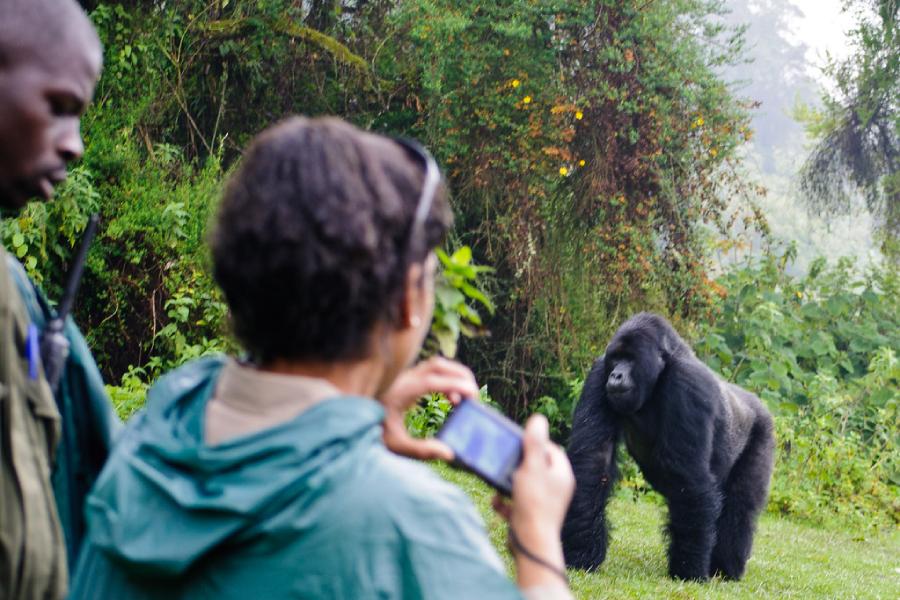
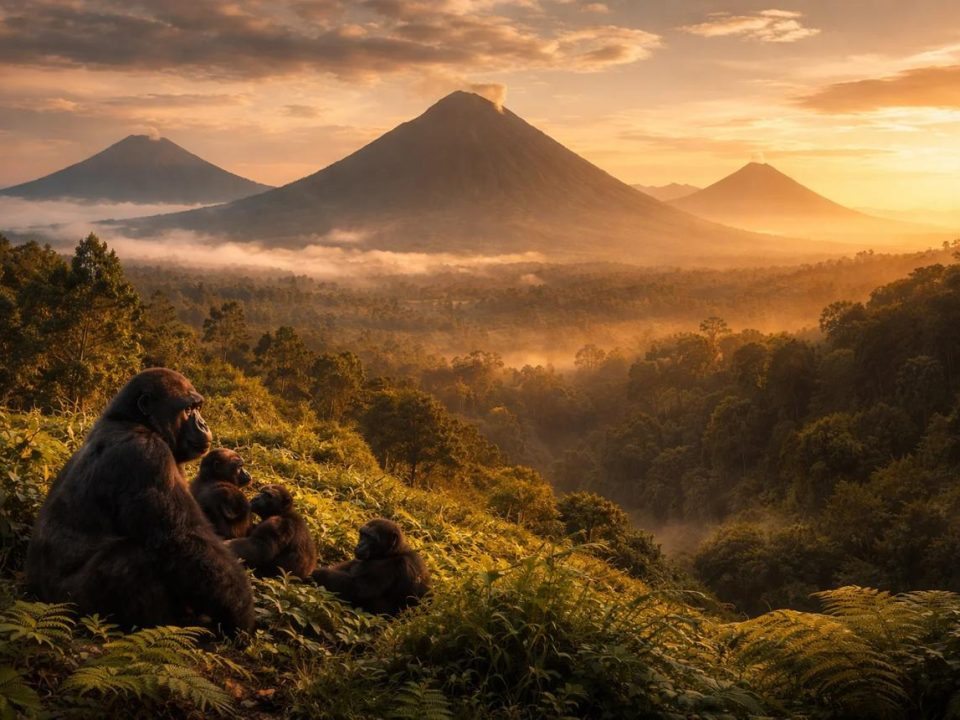
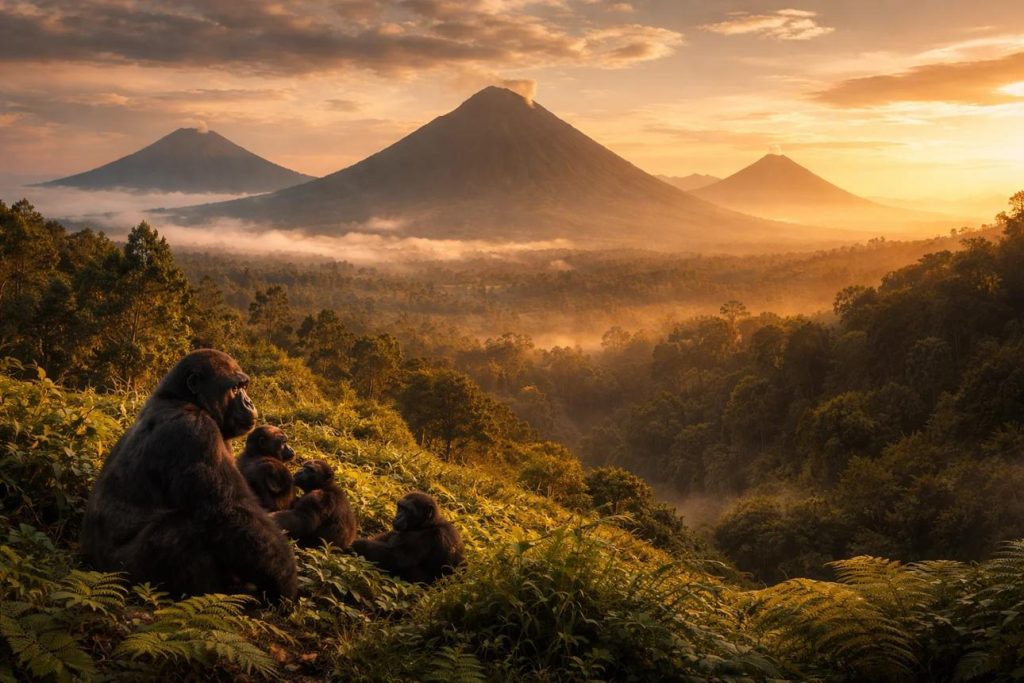
February offers an exciting opportunity to experience mountain gorillas in their natural forest habitat. During this month, Uganda and Rwanda generally experience part of their short dry season. As a result, visitors can enjoy relatively favourable trekking conditions, beautiful forest scenery and memorable wildlife encounters.
However, a successful gorilla tracking getaway requires more than choosing a travel date. You need to secure a permit, select the right destination, arrange suitable accommodation and prepare for the forest environment. Good planning also helps you manage your budget and enjoy the journey without unnecessary pressure.
Whether you dream of exploring Uganda’s Bwindi Impenetrable National Park or visiting Rwanda’s Volcanoes National Park, February gives you an excellent opportunity to plan an unforgettable adventure.
At Safari O’clock, we help travellers turn their gorilla tracking dreams into well-organised safari experiences. Here is how to plan your February getaway with confidence.
1. Why Choose February for Gorilla Tracking?
February falls within the short dry season in both Uganda and Rwanda. This period generally offers less rainfall than the main rainy seasons. Consequently, forest trails may be firmer, and visitors can find walking conditions more comfortable.
In Uganda, February is a suitable month for visiting Bwindi Impenetrable National Park and Mgahinga Gorilla National Park. These protected areas provide opportunities to encounter habituated mountain gorilla families. Rwanda also offers excellent trekking opportunities in Volcanoes National Park.
However, remember that these parks contain tropical mountain forests. Rain can occur even during the drier months. Therefore, you should still pack waterproof clothing and prepare for changing weather.
Another advantage of February is its position after the busy Christmas and New Year travel period. Depending on your exact dates, you may find more flexibility when comparing accommodation and travel arrangements. Nevertheless, demand for gorilla permits remains important, so early planning is still advisable.
2. Choose Your February Gorilla Tracking Destination
Your destination is one of the most important decisions when planning your getaway. Uganda and Rwanda both offer remarkable mountain gorilla experiences. However, they provide different travel settings, accommodation options and itinerary possibilities.
February Gorilla Tracking in Uganda
Uganda offers gorilla tracking in two protected areas: Bwindi Impenetrable National Park and Mgahinga Gorilla National Park. Bwindi is divided into four main tracking sectors: Buhoma, Ruhija, Rushaga and Nkuringo.
Each sector has its own accommodation options and access routes. Therefore, you should choose your trekking location before booking your lodge. This helps reduce unnecessary driving and makes your itinerary easier to manage.
Bwindi also offers opportunities to combine gorilla tracking with other experiences. You could explore local communities, enjoy guided nature walks or continue to another Ugandan national park. For example, Queen Elizabeth National Park offers savannah wildlife experiences that complement a forest adventure.
Mgahinga provides another setting for visitors who want to explore the Virunga volcanic landscape. Its forested slopes and mountain scenery create a different atmosphere from Bwindi.
February Gorilla Tracking in Rwanda
Rwanda offers gorilla tracking in Volcanoes National Park, located in the country’s north-western region. The park forms part of the Virunga mountain range and protects important mountain gorilla habitat.
Visitors normally report to the park headquarters in Kinigi for registration and a morning briefing. The authorities organise trekking groups and assign visitors to habituated gorilla families.
Rwanda is also a practical option for travellers who want a shorter road journey from Kigali to the gorilla trekking region. You can combine your trek with visits to Musanze, cultural experiences and other destinations around the country.
Safari O’clock can help you compare both destinations according to your preferred travel style, budget and available time.
3. Book Your February Gorilla Tracking Permit Early
Securing your gorilla tracking permit should be one of your first planning steps. The authorities control the number of visitors who can visit habituated gorilla families. This system helps reduce disturbance and supports responsible wildlife tourism.
In Rwanda, a maximum of eight visitors can visit one habituated gorilla family during a tracking session. Uganda also operates a controlled permit system, with permits linked to the tracking date and designated location.
February may offer favourable trekking conditions, but that does not mean permits will always be available at short notice. Your preferred date and tracking sector may already have bookings.
Therefore, start checking availability several months before your intended trip. Once you identify an available date, confirm the permit requirements and payment arrangements through the relevant authority or a recognised tour operator.
Do not book your flights and non-refundable accommodation before confirming the essential permit arrangements. This simple step can help you avoid expensive changes later.
Safari O’clock can assist with checking permit availability and coordinating the booking process. We also help travellers understand the information required before confirming their reservations.
4. Select Accommodation Near Your Tracking Location
Your choice of accommodation can influence how comfortable your February getaway becomes. Gorilla tracking usually starts early in the morning. Therefore, staying close to your assigned park entrance can make the experience easier.
In Uganda, choose accommodation based on your assigned Bwindi sector or your plans for Mgahinga. For example, a lodge near Buhoma may not be convenient for someone tracking from Nkuringo. Always confirm the exact location before paying for your stay.
In Rwanda, many visitors choose lodges around Musanze and Kinigi. These areas provide access to Volcanoes National Park and its morning registration point.
You can select from budget guesthouses, comfortable mid-range lodges and luxury safari properties. Your choice should depend on your budget, preferred facilities and travel arrangements.
Additionally, check whether your accommodation provides meals, early breakfast, laundry services and transport to the park. These details can make a real difference on trekking day.
Safari O’clock can help you select accommodation that matches your permit location and overall safari budget.
5. Plan Your February Gorilla Tracking Budget
A well-planned budget helps you enjoy your getaway without unexpected financial pressure. However, remember that the permit is only one part of the total safari cost.
Start by considering the official gorilla tracking permit fee for your destination and visitor category. Permit rates can differ between Uganda and Rwanda. They may also change when authorities introduce new tariffs or promotional arrangements.
Next, include accommodation, transport, meals and other activities. You should also budget for international flights, travel insurance, visa requirements and personal expenses.
If you are visiting Uganda, consider the road transfer from Entebbe or Kampala to the south-western region. The journey can take several hours, depending on your starting point and final trekking sector.
For Rwanda, include the transfer from Kigali to Musanze and the surrounding park area. Also consider whether you need an airport transfer or a private safari vehicle.
Remember to include the cost of hiring a porter. Porters can carry your daypack and offer support on difficult sections of the trail. Their services can make the trek more comfortable while supporting local livelihoods.
Before making a payment, ask your tour operator for a clear breakdown of the package. Safari O’clock can help you understand the costs and choose arrangements that suit your travel budget.
6. Prepare for the February Forest Weather
February is generally part of the drier period. However, mountain forests have their own weather patterns. Conditions can change quickly, even when the morning begins with sunshine.
You may experience mist, light rain, cool temperatures or sunshine during the same day. Therefore, avoid packing only for hot weather.
Choose sturdy hiking boots with good grip. They help you walk across uneven ground and slippery sections. Long trousers and long-sleeved shirts can also protect your skin from scratches and stinging vegetation.
A lightweight waterproof jacket is essential. You should also carry gardening gloves, drinking water, a small daypack and any personal medication you may need.
In addition, pack warm clothing for the evenings. The highland areas around Bwindi, Mgahinga and Volcanoes National Park can feel cool, especially after sunset.
At Safari O’clock, we encourage visitors to prepare for both sunshine and rain. Practical clothing helps you enjoy the forest without worrying about avoidable discomfort.
7. Get Physically Ready for Gorilla Tracking
Gorilla tracking is an exciting wildlife experience, but it can also be physically demanding. The trek involves walking through natural forest terrain. Depending on the gorilla family’s location, you may encounter steep slopes, thick vegetation and muddy sections.
Uganda Wildlife Authority notes that gorilla tracking can take approximately two to seven hours, including the time spent walking to and from the gorilla family. The actual duration varies according to the location of the animals and the terrain.
In Rwanda, trekking times also vary. Some groups reach their assigned gorilla family relatively quickly, while others walk for several hours.
You do not need to become a professional athlete before travelling. However, regular preparation can improve your comfort.
Start taking walks several weeks before your trip. Gradually increase your walking distance and include gentle uphill routes. This helps your body adjust to longer periods of movement.
During the trek, follow your guide’s instructions and maintain a comfortable pace. Take breaks when necessary and consider hiring a porter if you need extra support.
8. Create a Flexible February Gorilla Tracking Itinerary
A good itinerary gives you enough time to enjoy the trek without rushing between destinations. Ideally, avoid scheduling your gorilla tracking activity immediately after a long international flight.
Instead, arrive at your destination early enough to rest and prepare. If you are visiting Rwanda, you could spend your first night in Kigali or continue towards Musanze, depending on your arrival time.
For a Uganda trip, consider travelling to the Bwindi or Mgahinga region a day before your tracking date. This reduces the pressure of making a long journey on the morning of your trek.
You should also leave room for other activities. In Rwanda, you could explore the local culture, visit the Twin Lakes or enjoy golden monkey tracking. In Uganda, you could add a community experience or continue to Queen Elizabeth National Park.
However, avoid filling every day with demanding activities. Gorilla tracking can take several hours, so allow time to rest afterwards.
Safari O’clock can help you arrange a realistic itinerary that considers driving distances, accommodation locations and your preferred experiences.
9. Understand the Gorilla Tracking Rules
Responsible gorilla tracking protects both visitors and the animals. Mountain gorillas are vulnerable to some human infectious diseases. Therefore, park authorities enforce strict health and visitor guidelines.
For example, Rwanda’s official guidance requires visitors to maintain a distance of at least seven metres from the gorillas. It also limits each visiting group to eight people and allows a maximum viewing period of one hour.
Visitors should keep their voices low and avoid sudden movements. They must never attempt to touch the gorillas. Flash photography is also prohibited.
If you have a cold, flu or another contagious illness, inform your tour operator and follow the park authorities’ instructions. Do not put the gorillas at risk by entering the forest while sick.
In addition, follow your guide’s directions throughout the encounter. The gorillas are wild animals, and their behaviour can change unexpectedly.
Understanding these rules before travelling helps you enjoy a safe and responsible wildlife experience.
10. Combine Your Gorilla Trek with Other February Experiences
Your February getaway does not have to end after one gorilla tracking experience. Both Uganda and Rwanda offer other attractions that can make your holiday more rewarding.
In Uganda, you could combine gorilla tracking with a visit to Queen Elizabeth National Park. The park offers game drives, boat trips along the Kazinga Channel and opportunities to see a variety of wildlife.
You could also explore Lake Bunyonyi, known for its beautiful scenery and peaceful atmosphere. It offers a relaxing stop after the physical demands of trekking.
In Rwanda, you could combine your gorilla adventure with golden monkey tracking in Volcanoes National Park. You may also explore Kigali, visit cultural attractions or enjoy the scenery around Lake Kivu.
However, consider the time required to travel between destinations. A well-paced itinerary is more enjoyable than trying to visit too many places in a few days.
Safari O’clock can help you combine gorilla tracking with other experiences while keeping your journey comfortable and organised.
11. Arrange Your Transport Before Travelling
Transport is another important part of your February gorilla tracking getaway. The parks are located in mountainous and forested regions, so reaching your accommodation and tracking point requires proper planning.
In Uganda, the journey to Bwindi or Mgahinga can take several hours by road. Your travel time will depend on whether you start from Kampala, Entebbe or another destination. The final route also depends on your assigned tracking sector.
In Rwanda, the journey from Kigali to Musanze is generally shorter. Nevertheless, you should arrange a reliable vehicle and confirm your departure time before the trekking day.
A private 4×4 safari vehicle can provide comfort and flexibility, especially when travelling on rural roads. It also allows you to enjoy stops along the way.
Make sure your driver understands your permit location and reporting time. In addition, confirm who will handle airport transfers, park transfers and other scheduled journeys.
Safari O’clock can coordinate transport arrangements so that you spend less time worrying about logistics and more time enjoying your adventure.
12. Pack the Right Essentials for Your February Getaway
Packing properly can make your gorilla tracking experience much more comfortable. You do not need to carry everything you own. Instead, focus on items that support your safety and comfort.
Start with sturdy hiking boots, long trousers and long-sleeved shirts. Add a waterproof jacket, gardening gloves and warm clothing for cool evenings.
Your daypack should contain drinking water, personal medication, a small snack and other essential personal items. Remember that eating and drinking near the gorillas is not permitted. Follow your guide’s instructions about when you can take refreshments.
You may also carry a camera or phone. However, switch off the flash before photographing the gorillas.
Keep your travel documents, permit confirmation and identification ready. These documents may be required during the booking process or at the park entrance.
Finally, pack a small amount of cash for personal expenses and porter services. Keep it secure throughout your journey.
13. Book with a Reliable Gorilla Safari Operator
Planning a gorilla tracking getaway involves several arrangements. These include permits, accommodation, transport, park requirements and activities. Coordinating everything independently can take time, especially if you are unfamiliar with the destinations.
A reliable tour operator can help you organise these details. However, always confirm what your package includes before making a payment.
Ask about the permit, accommodation category, meals, transport and guiding services. You should also understand the payment terms and cancellation conditions.
Check that your operator follows the relevant tourism regulations. For Uganda, you can verify tourism businesses through the Uganda Tourism Board. For permits, consult the Uganda Wildlife Authority or Rwanda Development Board, depending on your destination.
At Safari O’clock, we believe that every successful safari begins with clear communication and careful planning. We help travellers understand their options and organise the important details before departure.
Make February Your Month for an Unforgettable Gorilla Adventure
February offers a rewarding opportunity to experience mountain gorillas in Uganda or Rwanda. The short dry season can provide relatively favourable trekking conditions, while the surrounding forests offer beautiful scenery and memorable wildlife encounters.
Nevertheless, proper preparation remains essential. Choose your destination carefully, secure your permit early and select accommodation close to your tracking location. Also, prepare for changing mountain weather and allow enough time for travel and rest.
Most importantly, remember that gorilla tracking is a conservation experience. Respect the park rules, listen to your guides and observe the gorillas responsibly.
Are you ready to plan your February gorilla tracking getaway?
Let Safari O’clock help you organise your next adventure. Contact us today to discuss your preferred travel dates, destination and safari package. Your unforgettable mountain gorilla experience could be closer than you think!