- DIRECT CONTACTS:
- +256394517569
- tours@safarioclock.africa

Solo Travel Budget Considerations for Gorilla Tracking

Planning a Year-End Gorilla Tracking Journey in Rwanda
November 3, 2026
Solo Travel Budget Considerations for Gorilla Tracking
Travelling alone offers a special kind of freedom. You choose your destination, create your own schedule and enjoy new experiences at your own pace. For wildlife lovers, gorilla tracking is one of the most rewarding adventures to consider. However, planning a solo gorilla safari requires careful financial preparation.
Unlike travellers who share expenses with friends or family, solo visitors often cover several costs independently. Accommodation, private transport and some safari services can become more expensive when one person pays the full amount. Therefore, understanding these expenses before departure helps you avoid unexpected financial pressure.
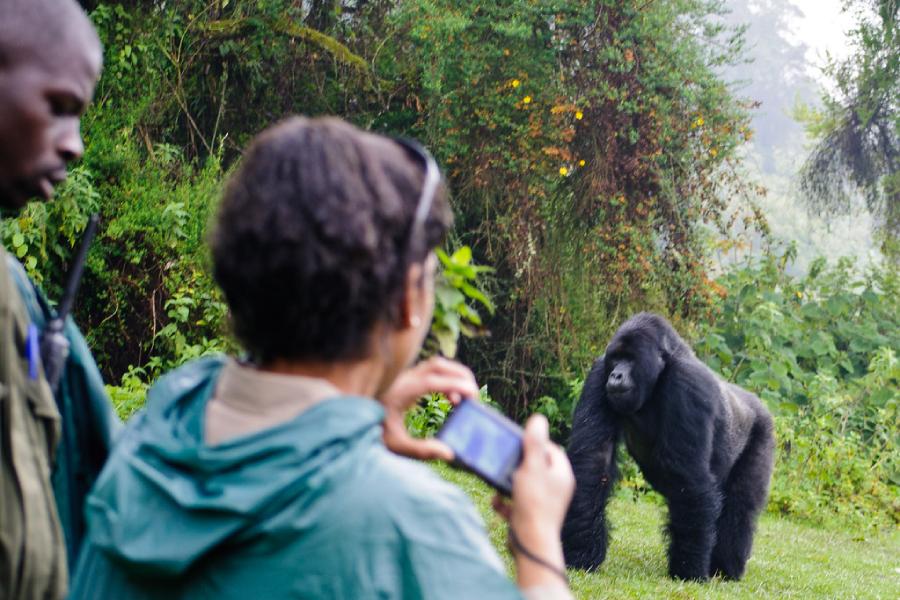
Rwanda is an excellent destination for solo gorilla tracking. Its famous Volcanoes National Park offers visitors an opportunity to encounter endangered mountain gorillas in their natural habitat. The country also has convenient road access from Kigali to the Musanze area, making it possible to organise a relatively short wildlife holiday.
However, the cost of this experience goes beyond the gorilla tracking permit. Travellers must also consider accommodation, meals, transport, insurance, personal expenses and optional activities.
In this guide, Safari O’clock explores the main solo gorilla tracking budget considerations and explains how independent travellers can plan a memorable safari without unnecessary spending.
Why Solo Travellers Need a Different Gorilla Tracking Budget
A solo safari budget differs from a group safari because travellers do not have companions with whom to divide certain expenses. For example, two people sharing a hotel room may pay less per person than one visitor occupying the same room alone.
Transport can create another financial challenge. A private safari vehicle and driver may cost almost the same whether one person or two people use the service. As a result, solo travellers may carry a larger share of the transport expense.
However, travelling alone does not mean every activity must be arranged privately. Visitors can join scheduled group activities where available. They can also ask tour operators about shared transfers and group safari departures.
The most important step is to understand which expenses are fixed and which ones can change. Safari O’clock helps solo travellers examine these costs before choosing a suitable package.
1. Understand the Gorilla Tracking Permit Cost
The gorilla tracking permit is usually the largest fixed expense in a Rwanda gorilla safari. Every visitor who wants to track mountain gorillas in Volcanoes National Park must have a valid permit.
The Rwanda Development Board currently lists the standard permit for foreign visitors at US$1,500 per person. Other visitor categories may qualify for different rates, subject to official eligibility requirements.
Since the permit is charged per person, travelling alone does not create an additional permit fee. You pay for one permit just like every other individual visitor.
The permit provides access to the official tracking experience under park regulations. However, it does not cover every expense associated with your holiday. Accommodation, transport, international flights and personal spending must be budgeted separately.
There is also a possible low-season saving worth investigating. Rwanda offers a 30% gorilla permit discount for qualifying trips that combine gorilla tracking with visits to Akagera National Park and/or Nyungwe National Park. Specific accommodation and activity conditions apply. Therefore, solo travellers should confirm eligibility through the official booking system before including this discount in their budget.
Safari O’clock can help you understand the permit requirements and plan your activities around your confirmed tracking date.
2. Budget for Accommodation as a Solo Traveller
Accommodation is one of the most important expenses to consider when travelling alone. Hotels and safari lodges often advertise rates based on single or double occupancy. However, the final price depends on the property’s room policy and selected package.
Some properties charge a single supplement when one guest occupies a room designed for two people. This means you may pay more than half of the usual double-room rate.
Fortunately, Rwanda offers different accommodation categories near Volcanoes National Park. Solo visitors can choose from budget guesthouses, mid-range hotels and luxury safari lodges.
If you want to control your spending, consider a comfortable guesthouse or a mid-range hotel in Musanze. These options may provide everything you need without the high cost of a luxury lodge.
Also, compare accommodation packages carefully. Some properties include breakfast, dinner or airport transfers. Others charge separately for these services.
Before making a reservation, ask whether the quoted price applies to one guest. Safari O’clock can help you compare suitable accommodation options and identify properties that offer reasonable single-occupancy rates.
3. Consider Transport Costs for a Solo Gorilla Safari
Transport can significantly influence the total cost of a solo gorilla safari. Most international visitors arrive through Kigali International Airport before travelling to Musanze, the main town near Volcanoes National Park.
The road journey usually takes around two to three hours, depending on traffic and the exact destination.
A private vehicle offers convenience because you control your departure time and travel arrangements. However, paying for a dedicated vehicle alone can increase your safari budget.
To manage this expense, explore different transport arrangements before booking. You may find a scheduled group transfer or a shared safari departure that allows you to divide transport costs with other travellers.
Public transport can also help reduce spending. However, you must consider the extra arrangements needed to reach your accommodation and the Kinigi briefing centre. Convenience and reliability are particularly important on the morning of your gorilla trek.
Remember that gorilla tracking begins early. Visitors must report to the Kinigi registration centre at 7:00 a.m. Therefore, choose accommodation and transport that allow you to arrive on time.
Safari O’clock can help you compare private and shared transport arrangements based on your itinerary and budget.
4. Compare Private Safaris with Group Departures
Solo travellers do not always need to book a completely private safari. Joining a group departure can be one of the most practical ways to reduce certain travel expenses.
On a group safari, participants may share transport, guiding arrangements and some logistical costs. This can make the overall package more affordable than arranging every service independently.
However, not every tour operator offers scheduled departures for solo visitors. Some packages also require a minimum number of participants. Therefore, ask about available dates before making your travel plans.
A private safari provides greater flexibility. You can choose your preferred departure dates, accommodation and additional activities. Nevertheless, you may pay more because you carry most of the operational costs.
When comparing quotations, examine the services included rather than choosing the cheapest price immediately. Check the vehicle arrangement, accommodation category, meals, transfers and permit costs.
Safari O’clock can help solo visitors explore suitable group and private safari arrangements. The aim is to find a package that offers good value without removing the comfort and flexibility you need.
5. Plan Your Meals and Daily Spending
Food is another expense that solo travellers should include in their budgets. Although some safari lodges provide full-board accommodation, others include only breakfast or dinner.
If your accommodation does not include every meal, set aside money for lunch, dinner, drinks and snacks. Musanze has restaurants and local dining options where visitors can enjoy different meals.
Eating at local restaurants can help control your spending. However, always consider hygiene, food quality and your personal dietary needs.
You should also plan for meals during your transfer from Kigali and on days when you participate in additional activities.
Small daily expenses can accumulate throughout a trip. Bottled water, coffee, snacks and occasional restaurant visits may seem inexpensive individually. However, they can increase your final holiday cost.
Ask your accommodation provider which meals are included before confirming your reservation. This simple step helps you calculate a more realistic food budget.
6. Include Porter Fees and Other Gorilla Trekking Expenses
The gorilla tracking permit does not cover every personal expense during the trek. One useful service to consider is hiring a porter.
A porter can carry your backpack and provide assistance along difficult sections of the forest trail. This service can make the experience more comfortable, particularly for visitors who do not want to carry heavy equipment.
Hiring a porter also supports local livelihoods around the park. Many visitors choose this service as a practical way to contribute to the surrounding communities.
You should also prepare for other possible expenses. These may include tips, walking sticks, snacks, personal supplies and optional activities.
Do not assume that every service is included in your safari package. Ask your tour operator which items you will pay for separately.
Safari O’clock can explain the expected personal expenses before your departure. This allows you to prepare enough money instead of making last-minute financial decisions.
7. Set Aside Money for International Flights and Travel Documents
International flights can form a major part of your solo safari budget. The final price depends on your departure country, airline, travel dates and booking period.
Solo travellers should compare different flight options before selecting a ticket. However, do not focus on price alone. Consider baggage allowances, arrival times, stopovers and cancellation conditions.
Your arrival time also matters. If you land late at night, you may need accommodation in Kigali before continuing to Musanze the following morning.
Travel documents are another important consideration. Check your passport validity and confirm whether you need a visa based on your nationality.
You should also arrange suitable travel insurance. Choose a policy that covers medical emergencies, trip interruptions and relevant trekking activities.
Remember to include visa charges, insurance premiums and airport transfers in your calculations. These expenses are easy to overlook when focusing mainly on the gorilla permit.
8. Choose the Right Time to Travel
Your travel dates can influence accommodation availability and the overall cost of your safari. Some periods attract more visitors, which may increase demand for rooms and transport services.
If your schedule is flexible, compare different travel dates before confirming your booking. Travelling outside major holiday periods may provide more accommodation choices.
However, do not choose dates based on price alone. Consider the weather, park conditions and availability of gorilla permits.
Rwanda’s official low-season gorilla permit promotion is another option worth investigating. It applies to qualifying trips between November and May that include specified visits to other national parks. The offer has conditions, so confirm the current requirements before relying on the saving.
For solo visitors, flexibility can make a significant difference. You may find a suitable group departure or a better accommodation option by adjusting your travel dates.
Safari O’clock can help you identify practical travel dates that balance your budget and preferred experiences.
9. Consider Optional Activities Without Overspending
Gorilla tracking may be the main reason for your visit, but Rwanda offers other experiences that can make your safari more rewarding.
Golden monkey tracking in Volcanoes National Park is one popular activity. It gives visitors an opportunity to observe another fascinating primate species in the bamboo forests of the Virunga Mountains.
You can also visit the Ellen DeGeneres Campus of the Dian Fossey Gorilla Fund to learn more about mountain gorilla conservation and research.
For a cultural experience, consider visiting the Iby’Iwacu Cultural Village near Volcanoes National Park. Visitors can learn about local traditions, music and community life.
If you have additional days, you may also explore Kigali or relax along the shores of Lake Kivu.
However, every additional activity affects your budget. Select experiences that genuinely interest you instead of adding activities simply because they are available.
Safari O’clock can help you prioritise your preferred experiences and organise them into a realistic itinerary.
10. Keep an Emergency and Contingency Fund
A responsible travel budget should always include money for unexpected situations. Even a carefully planned safari can experience changes.
For example, you may need an additional hotel night because of a flight delay. You may also need extra transport, replacement travel equipment or unexpected medical assistance.
Solo travellers should take this preparation seriously because they do not have a companion with whom to share unexpected expenses.
Set aside a separate emergency fund before departure. Avoid using this money for shopping, souvenirs or optional activities.
It is also helpful to keep some emergency funds accessible through a payment method that works internationally. Carry a reasonable amount of cash for smaller expenses, but avoid keeping all your travel money in one place.
A contingency fund gives you greater financial confidence throughout your journey.
11. Avoid Common Budgeting Mistakes When Travelling Alone
One common mistake is budgeting for the permit only. Although the permit is a major expense, it does not cover accommodation, transport, meals and international travel.
Another mistake is assuming that a safari package designed for two people will cost half as much for one person. Some expenses remain fixed regardless of the number of travellers.
You should also avoid booking accommodation without checking single-occupancy rates. A room that appears affordable online may attract an additional single supplement.
Furthermore, do not make payments without understanding what the package includes. Ask for a clear breakdown of costs and request written confirmation of your arrangements.
Finally, avoid leaving permit bookings until the last minute. Gorilla tracking permits are limited, and popular dates may become unavailable.
Planning early gives you more time to compare prices, arrange payments and make informed decisions.
12. How Safari O’clock Can Help You Plan a Solo Gorilla Safari
Organising a solo gorilla safari involves several decisions. You need to secure a permit, choose accommodation, arrange transport and create an itinerary that matches your budget.
Safari O’clock helps travellers bring these arrangements together. The company can assist with selecting suitable safari packages, checking permit requirements and organising accommodation and transport.
For solo visitors, the planning process should consider single-room rates, private transport costs and opportunities to join group departures where available.
A clear quotation is also important. It helps you understand what you are paying for and identify expenses that may arise during the journey.
Whether you prefer a simple safari or a more comfortable experience, Safari O’clock can help you explore suitable arrangements.
The goal is not simply to find the cheapest package. It is to create a rewarding experience that offers comfort, value and responsible wildlife tourism.
Final Thoughts: Plan Your Solo Gorilla Tracking Budget with Confidence
Travelling alone to see mountain gorillas can be an unforgettable experience. It gives you the freedom to explore Rwanda, connect with nature and enjoy one of Africa’s most remarkable wildlife encounters.
However, a successful solo safari begins with a realistic budget. Start with the gorilla permit, then calculate accommodation, transport, meals, flights, insurance and personal expenses.
Look for opportunities to share transport costs, compare single-occupancy accommodation rates and consider group departures. Also, keep an emergency fund for unexpected situations.
Most importantly, do not allow poor planning to take away from the experience. Understand your expenses before travelling and choose arrangements that match your financial comfort.
With proper preparation and guidance from Safari O’clock, your solo gorilla tracking adventure can become a memorable journey worth every investment.