- DIRECT CONTACTS:
- +256394517569
- tours@safarioclock.africa

What Does the One-Hour Gorilla Encounter Actually Include?

How to Organise Digital Copies of Your Gorilla Tracking Documents
November 9, 2026
Why Rwanda Is a Leading Destination for Mountain Gorilla Trekking
November 9, 2026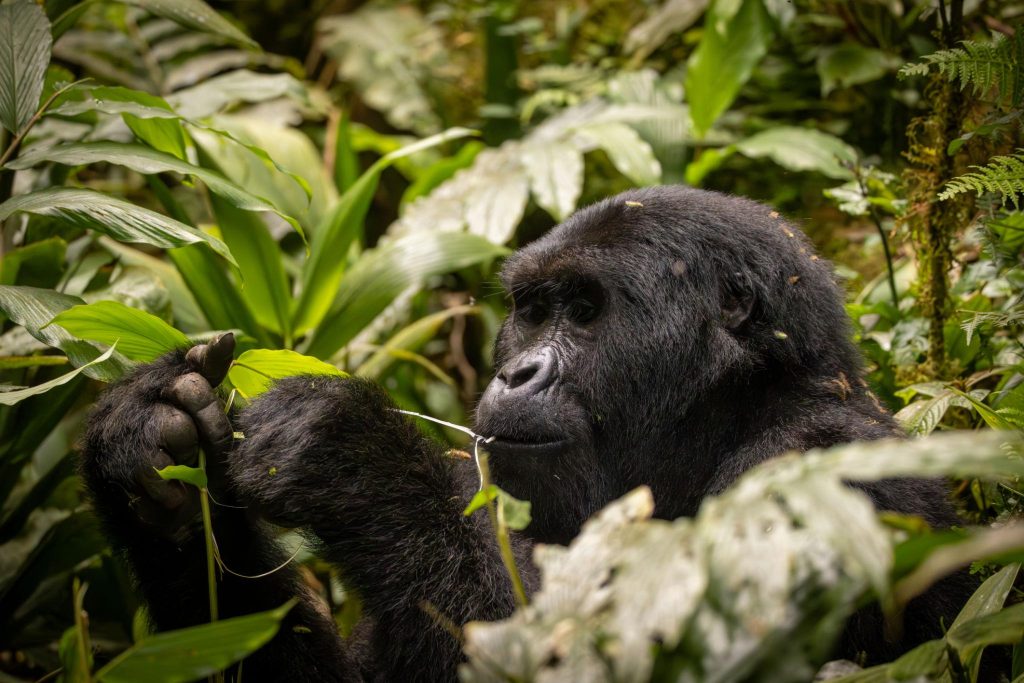
The encounter includes several exciting activities. However, visitors should understand that gorillas are wild animals. Therefore, their behaviour and movements can change throughout the visit.
Here are some of the experiences visitors can expect.
1. Observing the Gorilla Family in Its Natural Habitat
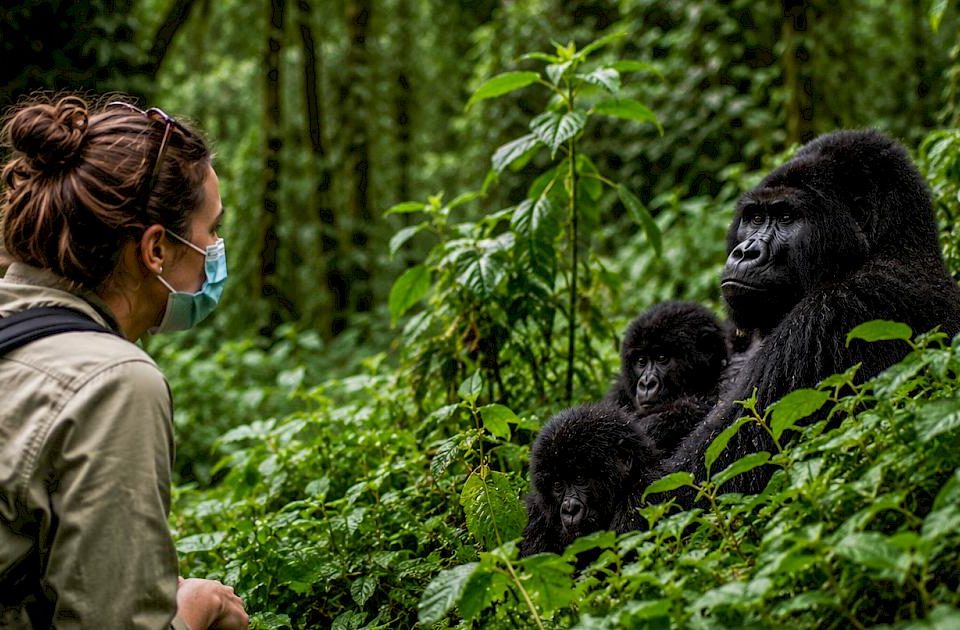
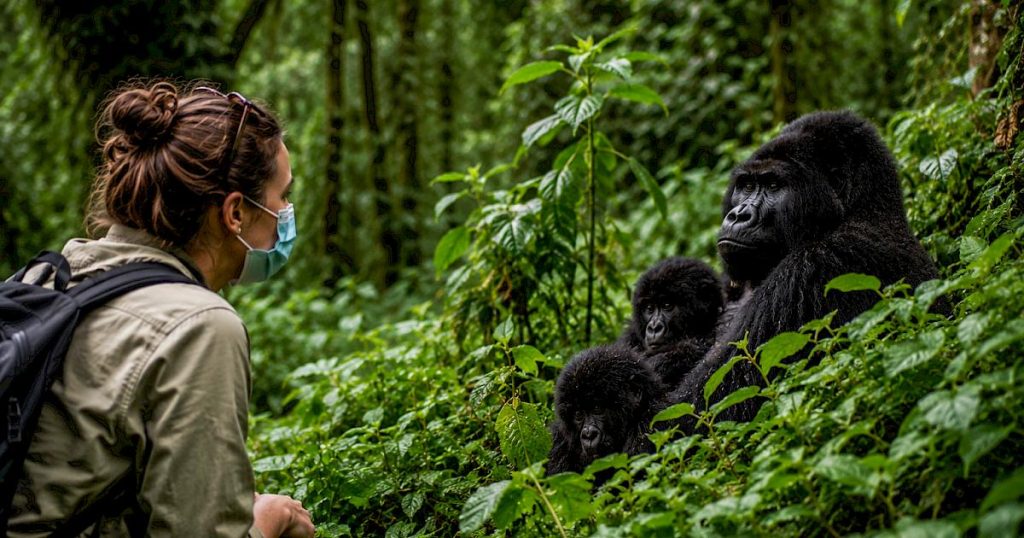
One of the first things visitors experience is seeing the gorilla family together in the forest.
Unlike watching animals in a zoo, this experience takes place in their natural environment. The gorillas move freely through the vegetation, interact with one another and continue their daily routines.
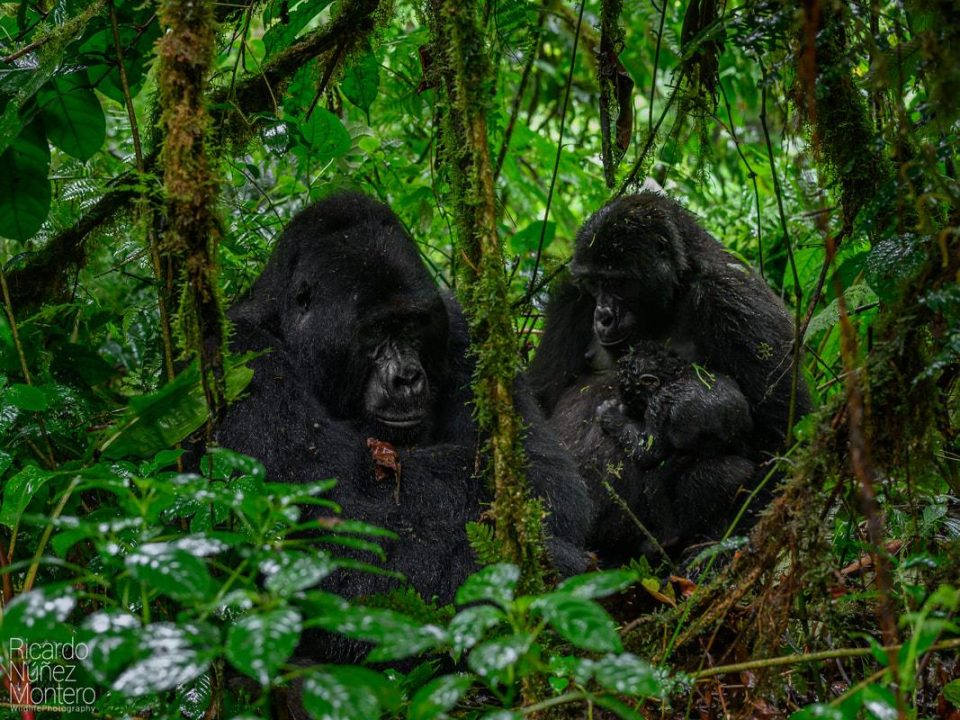
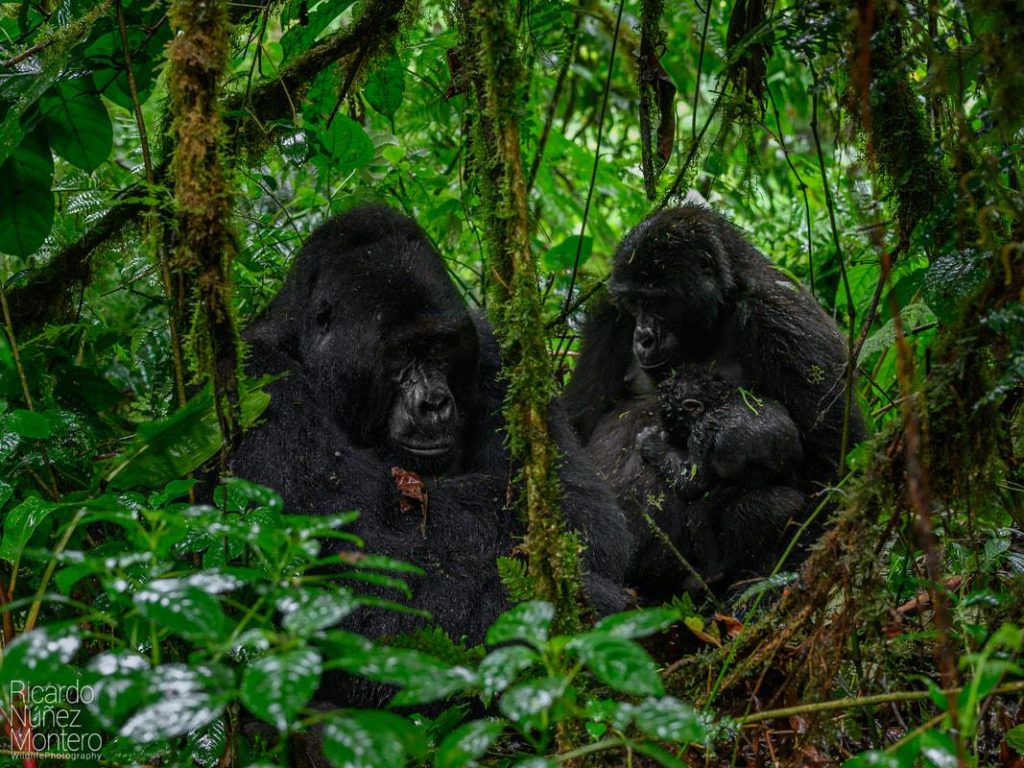
Visitors may see several family members, including adult females, silverbacks, juveniles and infants. Each member plays a different role within the family.
For example, mothers often stay close to their young ones. Meanwhile, juveniles may play, climb vegetation or explore their surroundings.
The silverback usually provides leadership and protection. Observing these interactions helps visitors appreciate the strong social relationships within gorilla families.
Safari O’clock encourages travellers to pay attention to these natural activities rather than concentrating entirely on taking photographs.
2. Watching the Silverback and Understanding Its Role
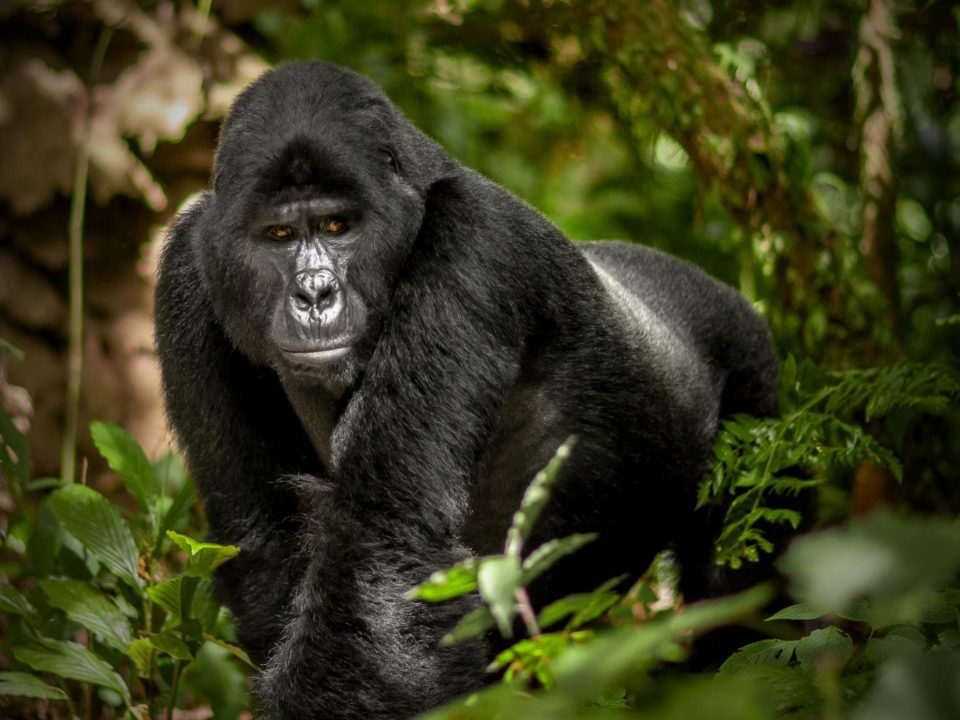
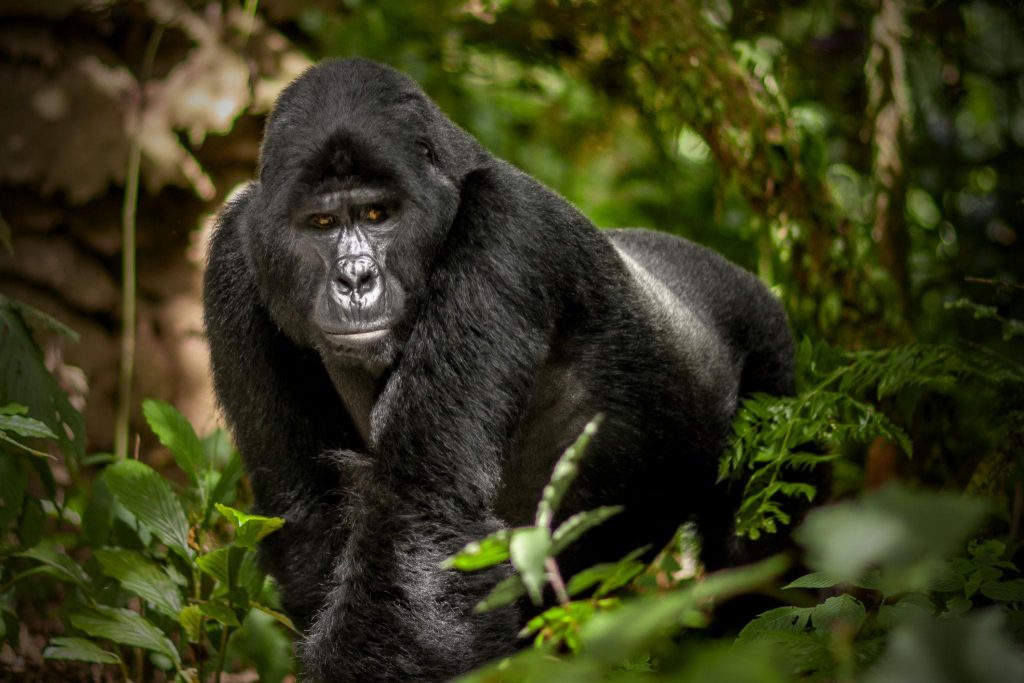
The silverback is often one of the most fascinating members of a gorilla family.
Its impressive size and distinctive silver-coloured hair make it easy to recognise. However, there is much more to observe than its physical appearance.
During the one-hour gorilla encounter, visitors may watch the silverback resting, feeding, moving through vegetation or interacting with other family members.
The guide can explain how the silverback leads the family, responds to possible threats and maintains social relationships.
Visitors may also notice different forms of communication. These include body movements, facial expressions, vocalisations and other behaviours.
It is important to remember that silverbacks do not spend the entire hour displaying their strength. In fact, they often appear relaxed while the family goes about its normal activities.
This makes the encounter an excellent opportunity to understand gorilla behaviour beyond what photographs and documentaries can show.
3. Watching Mothers Care for Their Infants
For many visitors, watching mother gorillas with their babies becomes one of the most memorable parts of the encounter.
Mother gorillas demonstrate strong maternal care. They carry their infants, keep them close and protect them as they move through the forest.
Depending on the family’s activities, visitors may see young gorillas resting against their mothers, breastfeeding or exploring nearby vegetation.
Older infants may also interact with other young family members. These moments provide a fascinating view of how gorillas develop social relationships from an early age.
However, visitors should never attempt to approach or touch an infant. Mothers can be protective, and every gorilla must have enough space to move freely.
With guidance from experienced trackers, Safari O’clock helps visitors understand these interactions without interfering with the animals’ natural behaviour.
4. Observing Gorilla Feeding Habits
Feeding is another activity visitors may witness during the encounter.
Mountain gorillas spend a significant part of their day searching for and eating vegetation. Their diet mainly consists of leaves, stems, shoots and other available plant materials. They may also eat fruits when these are available.
During the encounter, visitors might see gorillas pulling leaves from plants, chewing vegetation or moving to another feeding location.
These activities help travellers understand how mountain gorillas survive in their forest environment.
The guide may also explain how feeding habits influence gorilla movements and their relationship with the surrounding vegetation.
However, feeding is not guaranteed throughout the entire hour. Some gorillas may be resting or moving around when visitors arrive.
5. Learning About Gorilla Communication and Social Behaviour
The one-hour gorilla encounter is also an opportunity to understand how gorillas communicate.
Although visitors may expect to hear loud sounds, gorillas use several forms of communication. These include vocalisations, facial expressions, body posture and physical interactions.
You may notice a gorilla making a particular sound, beating its chest or displaying a specific body movement.
Your guide can explain the possible meaning of these behaviours within the situation.
For instance, chest beating can serve different purposes, including communication and displays of strength. It does not automatically mean that a gorilla intends to attack.
Visitors may also observe grooming, playing and other social interactions.
These moments make the experience educational because travellers learn to appreciate the behaviour of mountain gorillas rather than simply viewing them as wildlife attractions.
6. Taking Photographs and Short Videos
Photography is another important part of the one-hour gorilla encounter.
Visitors are allowed to take photographs and short videos to preserve memories of their experience. However, they must follow the park’s photography regulations.
Flash photography is prohibited because sudden flashes can disturb the gorillas.
Travellers should also avoid making unnecessary movements while taking pictures. Instead, they should remain in their designated positions and follow the guide’s instructions.
It is wise to prepare your camera or phone before reaching the gorilla family. This helps you avoid wasting valuable viewing time adjusting camera settings.
A good camera with sufficient battery power and storage space can make a difference.
Nevertheless, visitors should not spend the entire hour behind a camera. Taking time to observe the gorillas directly allows travellers to appreciate their behaviour and surroundings.
Safari O’clock encourages visitors to balance photography with meaningful wildlife observation.
7. Asking Questions and Learning From Experienced Guides
The encounter is not just about watching animals. It is also an opportunity to learn from people who understand mountain gorillas and their environment.
Visitors can ask their guides questions about gorilla families, feeding habits, family relationships and conservation efforts.
For example, travellers may want to understand how researchers identify individual gorillas or how trackers monitor their movements.
Guides can also explain the importance of habituation. This is the gradual process through which wild gorillas become accustomed to the presence of humans.
However, habituation does not make gorillas domesticated. They remain wild animals and must be treated with respect.
The explanations provided by guides add educational value to the experience. They also help visitors understand why responsible tourism plays an important role in mountain gorilla conservation.
What Rules Must Visitors Follow During the One-Hour Gorilla Encounter?
The one-hour gorilla encounter comes with strict guidelines. These rules protect both visitors and the gorillas.
Before approaching the family, guides explain the expected behaviour and safety precautions.
Some of the most important rules include:
Maintain a safe distance. Visitors should follow the distance instructions provided by their guides and park authorities. Rwanda’s official visitor guidance specifies a minimum distance of seven metres, although instructions may vary when gorillas move closer.
Keep your voice low. Loud conversations can disturb the animals. Visitors should speak quietly and avoid unnecessary noise.
Do not touch the gorillas. Even when a gorilla approaches, visitors must never attempt to touch it.
Avoid flash photography. Cameras should have their flash switched off throughout the encounter.
Do not eat, drink or smoke near the gorillas. These activities can increase health risks and disturb the animals.
Follow your guide’s instructions. Guides understand gorilla behaviour and know how to respond to different situations.
Avoid visiting when sick. Visitors with contagious illnesses should not approach gorillas because human infections can threaten their health.
These guidelines help ensure that tourism does not interfere with the survival and well-being of mountain gorillas.
Why Is the One-Hour Gorilla Encounter Limited to 60 Minutes?
Many travellers wonder why they cannot spend two or three hours with a habituated gorilla family.
The one-hour restriction exists primarily to protect the animals.
Although mountain gorillas have become accustomed to carefully managed human visits, prolonged exposure can cause unnecessary disturbance.
Limiting visitor time helps reduce pressure on the gorilla family. It also reduces repeated human exposure and the potential transmission of infectious diseases.
Furthermore, gorillas need enough time and space to continue their natural activities without excessive interference.
The restriction also helps wildlife authorities manage visitor numbers. In standard trekking experiences in Rwanda and Uganda, a maximum of eight visitors can visit a habituated gorilla family at a time.
Therefore, the one-hour encounter is not designed to limit visitors’ enjoyment. Instead, it balances tourism opportunities with long-term conservation needs.
What Happens If the Gorillas Move Away During the Encounter?
Mountain gorillas are wild animals. Therefore, visitors should not expect them to remain in one position throughout the encounter.
A family may move deeper into the forest, change feeding locations or separate naturally while carrying out its daily activities.
When this happens, guides and trackers help visitors maintain a suitable viewing position without disturbing the animals.
Visitors should never attempt to follow individual gorillas independently. Instead, they should remain with their group and follow the instructions provided.
Sometimes, the gorillas may become nervous or unsettled. In such situations, guides can end the encounter before the full hour expires.
The one-hour period is therefore a maximum viewing time, not a guaranteed minimum.
Understanding this helps travellers approach the experience with realistic expectations.
Is One Hour Enough to Enjoy Gorilla Trekking?
For most visitors, one hour provides a deeply rewarding wildlife experience.
Although the viewing period is relatively short, travellers can witness several important aspects of gorilla life. These include family relationships, feeding habits, communication and interactions between different age groups.
The experience also feels different from ordinary wildlife viewing.
Visitors are not observing the gorillas from a vehicle or behind a fence. Instead, they are standing in the forest, within a carefully controlled viewing distance, while the animals continue their natural activities.
Every encounter is different because each gorilla family has its own behaviour and daily routine.
Some visitors may find the gorillas feeding peacefully. Others may witness playful juveniles or mothers caring for their infants.
This unpredictability makes every encounter special.
Safari O’clock helps travellers understand that the value of gorilla trekking does not depend on how many activities happen during the hour. It comes from experiencing these endangered animals in their natural habitat.
How Can Visitors Make the Most of Their One-Hour Gorilla Encounter?
Good preparation allows visitors to enjoy every moment without unnecessary distractions.
First, listen carefully during the morning briefing. The information provided helps you understand the trekking rules and what to expect when you reach the gorillas.
Second, prepare your camera before the encounter. Check your battery, storage space and flash settings.
Third, wear comfortable trekking clothing and suitable footwear. Although the one-hour encounter takes place after finding the gorillas, reaching them may require hiking through steep, muddy or thick forest vegetation.
Additionally, carry drinking water and other necessary personal items for the trek. Your guide will advise you when and where you can use them.
Most importantly, remain calm and attentive. Watch how the gorillas interact, listen to your guide and appreciate the experience without trying to control what happens.
Finally, remember that the best moments are not always captured by a camera. Sometimes, simply watching a mother care for her infant or a silverback resting peacefully can create memories that last a lifetime.
Safari O’clock encourages responsible travel and thoughtful preparation so that every visitor can enjoy this remarkable encounter.
Can Visitors Spend More Than One Hour With Mountain Gorillas?
Yes, but this depends on the type of gorilla experience booked.
Standard gorilla trekking permits allow visitors to spend up to one hour with a fully habituated gorilla family.
However, Uganda offers another activity known as the Gorilla Habituation Experience.
This experience takes place in Bwindi Impenetrable National Park. It allows visitors to spend up to four hours with a gorilla family that is still undergoing the habituation process.
Unlike standard trekking, the habituation experience involves a smaller visitor group and provides a closer look at the research and monitoring activities involved in habituation.
Travellers should understand that these are two different tourism products. They also have different permit requirements, availability and costs.
Therefore, anyone interested in spending more time with gorillas should discuss the available options with Safari O’clock before booking.
Plan Your Gorilla Trekking Experience With Safari O’clock
A gorilla trekking safari is more than an ordinary wildlife holiday. It is an opportunity to witness one of the world’s most remarkable endangered species in its natural environment.
Although the actual encounter lasts a maximum of one hour, the memories can remain with you for a lifetime.
From watching a silverback lead its family to observing playful infants and learning about gorilla communication, every moment offers something meaningful.
However, proper planning makes the experience even more rewarding. Choosing the right destination, securing a valid gorilla permit and preparing for the forest conditions are all important steps.
Safari O’clock helps travellers organise memorable gorilla trekking experiences in Uganda and Rwanda. Whether you are planning your first gorilla trek or returning for another wildlife adventure, our team can help you understand the available options and prepare for your journey.
Contact Safari O’clock today and start planning your unforgettable mountain gorilla encounter.