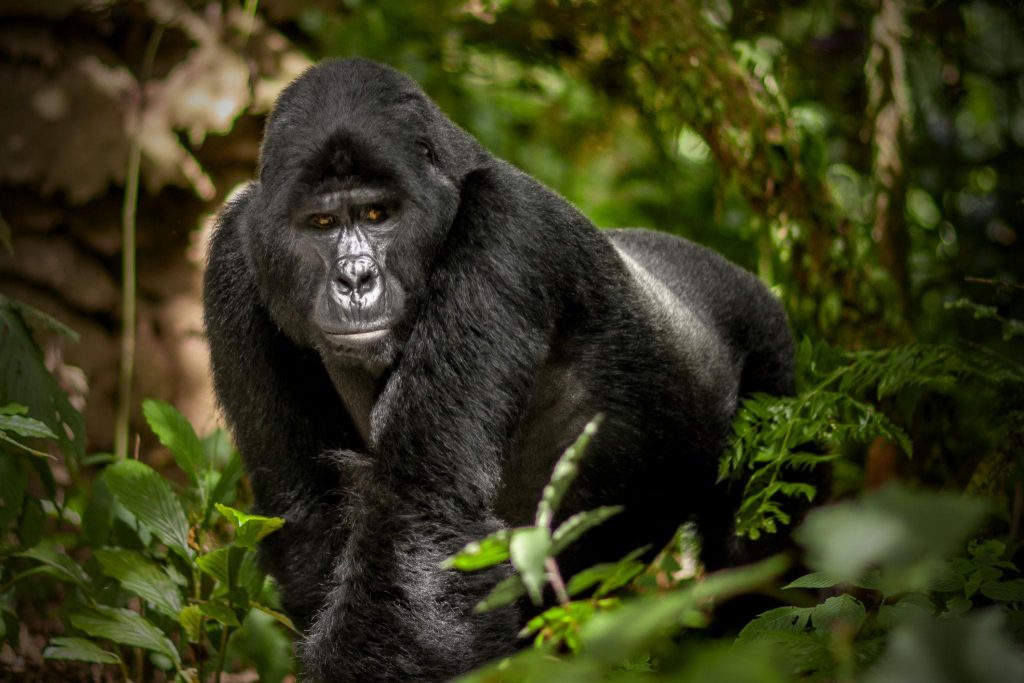
- DIRECT CONTACTS:
- +256394517569
- tours@safarioclock.africa

Who Leads the Gorilla Tracking Experience in Rwanda?

How Trackers Find Mountain Gorillas in the Forest
November 9, 2026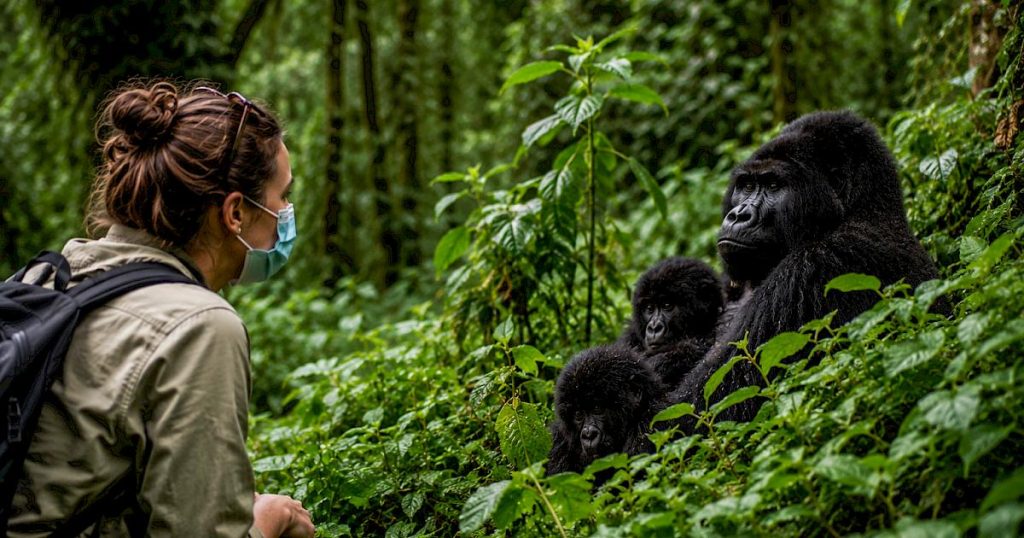
A gorilla tracking adventure in Rwanda involves more than visitors walking through a forest to find mountain gorillas. Behind every successful trek is a team of trained professionals who understand the animals, the forest and the importance of conservation. Each person has a specific responsibility, from locating the gorilla families to guiding visitors along the mountain trails.
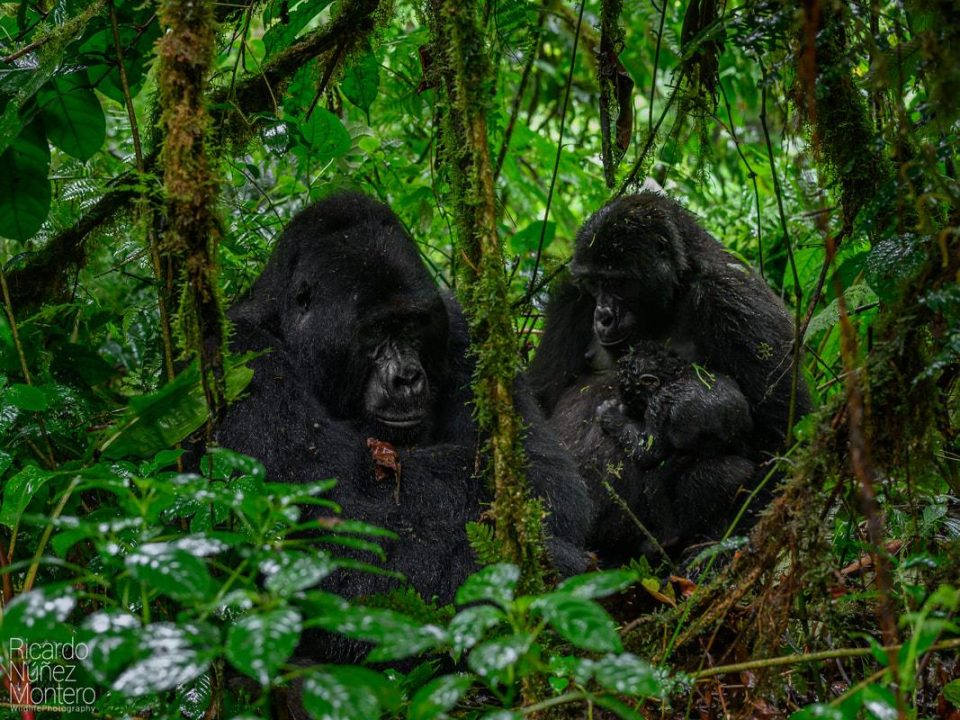
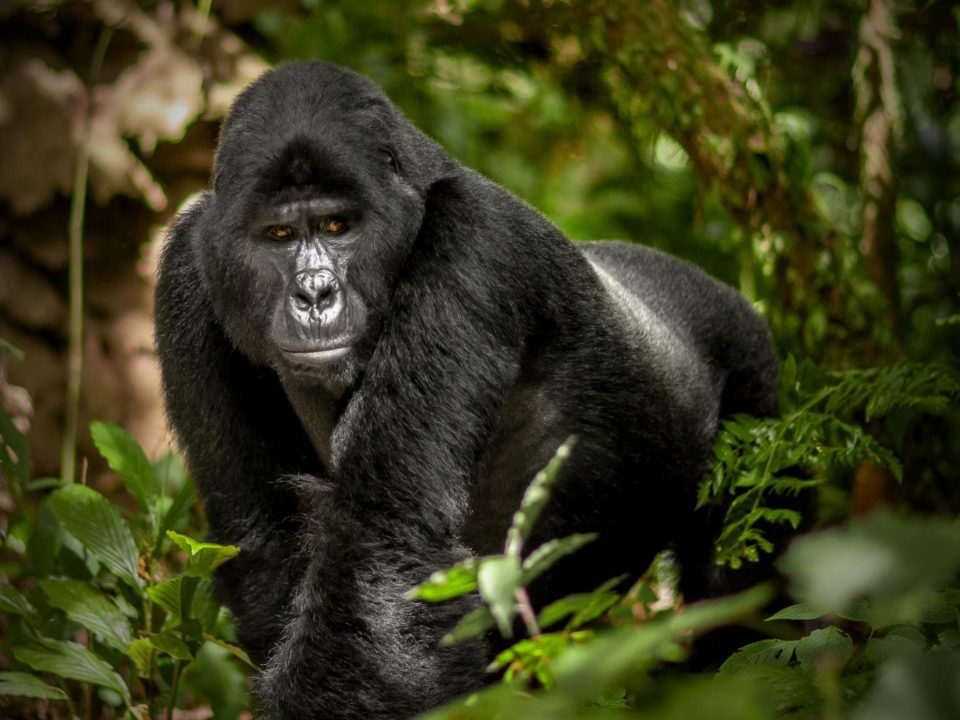
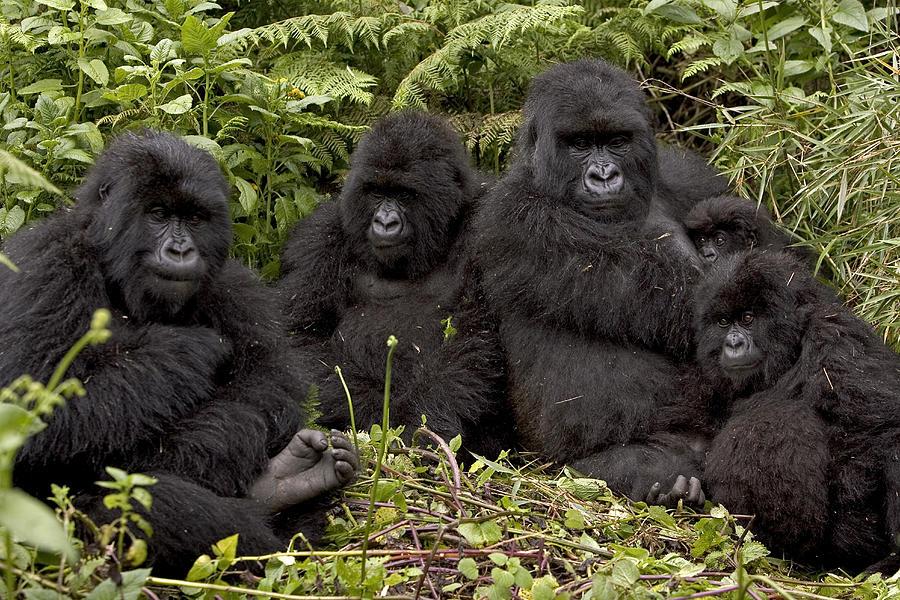
Rwanda conducts its mountain gorilla tracking activities in Volcanoes National Park, located in the country’s northwestern region. The park forms part of the Virunga Massif, a volcanic mountain range shared by Rwanda, Uganda and the Democratic Republic of Congo. Its forests provide a natural home for endangered mountain gorillas.
However, visitors do not enter the forest independently. Authorised park personnel organise and lead the tracking activity. Experienced guides take visitors through the forest, while specialist trackers help locate and monitor the gorilla families. Rangers also contribute to wildlife protection and park management.
At Safari O’clock, we believe travellers should understand the people behind their safari experience. Knowing who leads the trek helps visitors appreciate the teamwork, knowledge and conservation efforts involved. So, who actually leads the gorilla tracking experience in Rwanda?
1. Rwanda Gorilla Guides: Who Leads Visitors Through the Forest?
The main people who lead visitors during the actual gorilla tracking activity are trained park guides. They work within the park’s authorised tourism and conservation arrangements and understand the procedures for visiting mountain gorillas.
On the trekking day, visitors report to the designated registration and briefing point at Kinigi. Park staff organise the groups, provide instructions and explain the rules that everyone must follow. Visitors then meet the guides responsible for leading their assigned trekking groups.
The park guide directs the group throughout the forest journey. They help visitors follow the appropriate route, manage the pace and explain what to expect along the way. They also communicate with trackers to receive updates about the gorilla family’s location.
Once the group reaches the gorillas, the guide explains how visitors should behave. They remind everyone to remain calm, keep their voices low and follow the required viewing rules.
Their role is important because mountain gorillas are wild animals. Even habituated families must be approached with care and respect. A knowledgeable guide helps visitors enjoy the encounter without disturbing the animals.
2. The Role of Gorilla Trackers in Rwanda
Although park guides lead the visitors, specialist trackers play an equally important role. Their main responsibility is to locate and monitor the gorilla families before and during the trekking activity.
Trackers often enter the forest early in the morning. They use their knowledge of gorilla behaviour and previous observations to identify the areas where the families may be found.
They also examine natural signs left behind by the animals. These include feeding remains, disturbed vegetation, dung and night nests. Such evidence helps them understand where the gorillas have moved.
Once trackers locate a family, they share information with the guiding team. This helps the guides lead visitors towards the correct location.
However, the trackers’ work does not end when visitors arrive. They continue monitoring the animals and may provide updates if the family changes location. This coordination helps the team respond to the gorillas’ natural movements.
Rwanda Development Board’s official mountain gorilla tracking information describes a team of trained gorilla trackers who support the activity alongside trained guides. This shows that locating the gorillas and leading visitors are connected but distinct responsibilities.
3. Rwanda Gorilla Guides and Trackers Work Together
The tracking experience depends on cooperation between guides and trackers. Although they perform different duties, both teams contribute to the same goal: helping visitors observe mountain gorillas responsibly.
Trackers concentrate on locating and monitoring the gorilla families. Meanwhile, guides manage the visitor group and lead the forest journey. They exchange information throughout the activity to keep the trek organised.
For example, trackers may locate a family early in the morning and communicate its position to the guides. The guides then use this information to direct visitors towards the appropriate starting area.
Sometimes, the gorillas move before the visitors reach them. In that situation, trackers update the guiding team about the new location. The guide can then adjust the route and continue leading the group.
This teamwork is particularly important in Volcanoes National Park. The forest contains steep slopes, thick vegetation and changing terrain. Therefore, visitors need professionals who understand the environment and can respond to changing conditions.
The cooperation between guides and trackers also helps reduce unnecessary searching. It allows visitors to benefit from the trackers’ field knowledge while remaining under the direction of their assigned guide.
4. What Do Park Rangers Do During Gorilla Tracking?
Park rangers have an important responsibility in protecting wildlife and maintaining the security of the protected area. Their work extends beyond the tourist trekking experience.
They conduct patrols, monitor wildlife and help prevent illegal activities within the park. They may also report signs of threats, including snares, unauthorised entry and other activities that could harm wildlife.
Rangers contribute to conservation monitoring by recording information about gorilla groups and their habitat. These observations help park authorities understand changes in wildlife movements, group behaviour and environmental conditions.
The International Gorilla Conservation Programme explains that ranger-based monitoring supports wildlife protection, ecological monitoring and conservation management across the mountain gorilla range. Its work in Rwanda includes supporting monitoring systems used by park teams.
During gorilla tracking, park staff also help maintain visitor safety and ensure that people follow the rules. Depending on the day’s arrangements, rangers may work alongside guides and trackers.
It is useful to understand that not every ranger performs the same daily task. Some focus on patrols and protection, while others may have responsibilities linked to tourism or wildlife monitoring. Together, their work supports the management of Volcanoes National Park.
5. Who Gives Visitors the Gorilla Tracking Briefing?
Before entering the forest, visitors attend a briefing at the designated park meeting point. Park personnel explain the trekking process and the rules for visiting mountain gorillas.
The briefing is an important part of the experience. It prepares visitors for the physical journey and explains how to behave around the animals.
Visitors learn why they must keep their voices low and avoid sudden movements. They also receive instructions about maintaining the required distance, taking photographs without flash and avoiding direct contact with gorillas.
The briefing team explains what to do if a gorilla approaches or displays unexpected behaviour. Visitors must remain calm and follow the guide’s instructions rather than attempting to react independently.
Park staff also organise visitors into trekking groups and provide information about the assigned gorilla families. This helps everyone understand the plan before entering the forest.
According to Rwanda Development Board, visitors report to the registration centres at Kinigi at 7:00 a.m. The official information also sets a maximum of eight visitors per gorilla group and limits the standard viewing period to one hour.
These arrangements help manage visitor numbers and reduce disturbance to the gorillas.
6. What Is the Role of a Safari Guide or Tour Driver?
Many visitors book their Rwanda gorilla trekking experience through a safari company. In that case, they may travel with a private safari guide or driver-guide.
This professional usually manages the wider travel arrangements. They may collect visitors from Kigali, transfer them to Musanze, organise accommodation and ensure that they reach the park headquarters on time.
A safari guide can also share information about Rwanda’s culture, landscapes, wildlife and other attractions. During the journey, they may explain the history of Volcanoes National Park and the importance of mountain gorilla conservation.
However, there is an important difference between a safari guide and an authorised park guide.
Your safari guide may accompany you throughout the trip, but the park’s authorised personnel lead the actual gorilla tracking activity inside the protected area. The park team manages the briefing, trekking arrangements and rules for the gorilla encounter.
This distinction helps visitors understand what their tour operator provides and what the park authorities manage.
At Safari O’clock, we recognise the importance of this coordination. A well-organised safari should make the transfer, permit arrangements and communication with the park team as smooth as possible.
7. Do Porters Lead the Gorilla Tracking Experience?
Porters provide valuable assistance during gorilla tracking, but they do not normally lead the trekking group. Their main responsibility is to help visitors manage the physical demands of the journey.
A porter can carry a visitor’s backpack, water and other personal belongings. Some also offer a helping hand when visitors cross slippery ground or navigate steep sections of the trail.
This support can be especially useful for people who are not used to hiking in mountainous forests. Carrying a heavy bag over uneven terrain can make the journey more tiring. A porter allows visitors to concentrate on walking safely and enjoying the experience.
Hiring a porter also provides an opportunity to support local livelihoods around Volcanoes National Park. Many people living near the park benefit from tourism-related employment.
Rwanda Development Board’s official visitor information confirms that porter services are available to help carry daypacks during the trek.
Although porters do not replace the park guide, their contribution can make the journey more comfortable.
8. Who Is Responsible for Your Safety Around Mountain Gorillas?
Safety during gorilla tracking is a shared responsibility. Park authorities establish the rules, guides direct visitors, trackers monitor the gorilla families and visitors must follow the instructions provided.
The guide plays a particularly important role during the forest walk and gorilla encounter. They explain how visitors should behave and help the group respond calmly to different situations.
However, visitors must also take responsibility for their own conduct. They should remain with the group, avoid sudden movements and never attempt to touch or feed the gorillas.
Health precautions are equally important. Mountain gorillas can be vulnerable to human respiratory infections. Visitors who have a contagious illness should not enter the park to see them.
Rwanda Development Board advises visitors to maintain the required distance from gorillas, keep their voices low and follow the guide’s directions. It also prohibits littering and flash photography.
These rules protect both visitors and wildlife. They also help ensure that gorilla tourism remains a responsible conservation activity.
9. How Conservation Organisations Support the Gorilla Tracking Team
The work of park guides, trackers and rangers takes place within a wider conservation system. Several organisations support mountain gorilla protection through research, monitoring, training and community programmes.
One important organisation is the International Gorilla Conservation Programme. It works with conservation partners and protected-area authorities across the mountain gorilla range.
Its activities include supporting ranger-based monitoring and helping teams collect information about wildlife and habitat conditions. This information contributes to conservation planning and park management.
The Dian Fossey Gorilla Fund also supports gorilla research, conservation and community initiatives in the region. Its work includes long-term scientific research and education programmes that contribute to the protection of mountain gorillas and their habitats.
Gorilla Doctors provides veterinary support to mountain gorillas when health interventions become necessary. Its veterinary teams work with conservation authorities and monitoring personnel to address serious health concerns affecting individual gorillas.
These organisations do not all lead tourist treks. Instead, they contribute to the wider conservation work that helps protect the animals and their habitat.
Therefore, the gorilla tracking experience depends on a much larger network of people and institutions than visitors may initially realise.
10. What Should Visitors Expect From the Gorilla Tracking Team?
Visitors should expect a structured and guided activity rather than an independent forest walk. The park team organises the experience and provides instructions before the trek begins.
Your guide will lead the group through the forest and explain the route as you progress. Trackers will help locate the gorilla family and provide updates about its movements.
You may also receive explanations about the forest, gorilla behaviour and conservation during the journey. These conversations can make the experience more educational and enjoyable.
However, the time required to reach the gorillas can vary. Some groups may find their assigned family after a relatively short walk, while others may hike for several hours.
The gorillas also move freely through their natural habitat. Therefore, the team may need to adjust the route during the day.
Once you reach the family, your guide will explain the rules for the encounter. Standard gorilla tracking in Rwanda allows a maximum of one hour with the gorillas.
Visitors should listen carefully and respect the professionals who manage the activity. Their knowledge helps make the encounter safer and more meaningful.
11. How Safari O’clock Helps Organise Your Rwanda Gorilla Tracking Experience
Planning a gorilla safari involves more than securing a permit. Travellers also need to organise transport, accommodation, timing and other travel arrangements.
Safari O’clock helps travellers understand these different parts of the journey. From planning the route to arranging suitable accommodation, proper coordination makes the experience easier.
A well-planned itinerary should allow visitors to reach Musanze and Kinigi in good time. It should also consider the early morning briefing and the distance between the accommodation and park headquarters.
Safari O’clock can also help visitors understand the roles of the different professionals involved. This makes it easier to know who handles the transport, who leads the forest trek and who helps locate the gorilla family.
For first-time visitors, this information is particularly useful. It helps them arrive with realistic expectations and a better understanding of how the activity works.
Most importantly, Safari O’clock encourages responsible tourism. Respecting park staff, following wildlife guidelines and supporting local service providers all contribute to a positive gorilla tracking experience.
Conclusion: Gorilla Tracking in Rwanda Is a Team Effort
The gorilla tracking experience in Rwanda depends on the cooperation of several skilled professionals. Park guides lead visitors through the forest, while specialist trackers locate and monitor the gorilla families. Rangers protect the park and support wildlife monitoring, while porters help visitors manage the physical demands of the trek.
Safari guides and tour drivers also play an important role by organising transport and other travel arrangements. In addition, conservation organisations support research, veterinary care and long-term wildlife protection.
Each role contributes to the overall experience. Together, these professionals help visitors observe mountain gorillas while respecting their natural habitat.
When you visit Volcanoes National Park, remember that your gorilla encounter is made possible by more than the person walking at the front of your group. It is the result of teamwork, local knowledge and continued conservation efforts.
With Safari O’clock helping you plan your journey, you can arrive prepared, understand the people behind the experience and appreciate every part of your Rwanda gorilla tracking adventure.