- DIRECT CONTACTS:
- +256394517569
- tours@safarioclock.africa

How to Set Realistic Expectations for Your First Gorilla Trek

How Gorilla Tracking Differs From a Conventional Wildlife Safari
November 9, 2026
How Trackers Find Mountain Gorillas in the Forest
November 9, 2026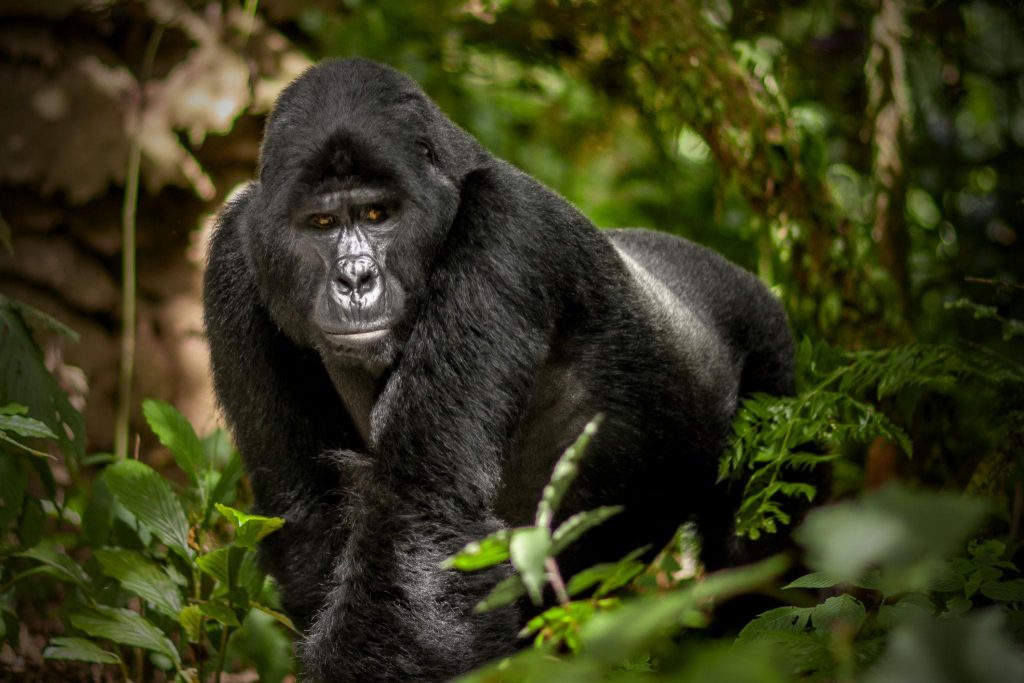
Planning your first gorilla trek is exciting. The thought of walking through a natural forest and seeing a mountain gorilla family in its own habitat is an experience many travellers look forward to. However, it is important to understand what the adventure involves before arriving at the park. A realistic understanding helps you prepare physically, mentally and practically.
Gorilla trekking is not an ordinary wildlife excursion. It involves hiking through natural forest terrain, following experienced guides and trackers, and observing wild gorillas under strict conservation rules. Some visitors may reach the gorillas after a relatively short walk. Others may spend several hours navigating steep slopes and thick vegetation. Therefore, every trek can feel different.
At Safari O’clock, we believe that good preparation helps travellers enjoy their experiences with confidence. Understanding what to expect also prevents disappointment when the day does not follow an exact schedule. Here is how to set realistic expectations before your first gorilla trek in Uganda or Rwanda.
1. Understand What Your First Gorilla Trek Involves
Before booking your trip, understand that gorilla trekking is a guided forest hike. It is not a zoo visit or a wildlife drive where animals appear beside the road. Instead, you follow trained park guides and trackers into the forest to locate a habituated mountain gorilla family.
The experience takes place in protected habitats such as Bwindi Impenetrable National Park and Mgahinga Gorilla National Park in Uganda. In Rwanda, visitors track gorillas in Volcanoes National Park. Each destination offers a natural forest environment, although the landscape and trekking conditions differ.
Your day usually begins with registration and a briefing at the park headquarters or designated meeting point. Park staff verify your permit and explain the rules. You then receive your group allocation and meet the guides who will lead the trek.
Trackers help locate the gorilla family and communicate its movements to the guiding team. Their knowledge of the forest makes the experience organised. However, the animals remain wild, and their movements determine where the group must walk.
Therefore, do not expect a fixed route or an exact arrival time. Your first gorilla trek is a guided wildlife experience that requires patience and flexibility.
2. Set Realistic Expectations About Trekking Time
One of the biggest mistakes first-time visitors make is assuming that gorillas are always close to the starting point. In reality, the time required to find a family varies.
The gorillas move through the forest in search of food, resting places and suitable vegetation. Their location can change from one day to another. As a result, some groups may require a shorter walk, while others may take several hours to reach.
According to the Uganda Wildlife Authority, gorilla tracking in Uganda can take approximately two to seven hours, depending on the conditions and location of the family. Rwanda’s official tourism information also explains that trekking time varies according to the assigned family and its movements. These figures are useful planning guides, not fixed schedules for every visitor.
Do not confuse trekking time with the time spent observing gorillas. For standard gorilla trekking, visitors are generally allowed one hour with the habituated family after reaching it. The hiking time comes before this viewing period. The walk back to the starting point follows afterwards.
It is also important to remember that the return journey requires energy. Reaching the gorillas does not mean the day’s physical activity is over. You still need to walk out of the forest.
Safari O’clock encourages travellers to leave enough time for the entire activity. Avoid planning another demanding excursion immediately after your trek. Give yourself room to rest, recover and enjoy the achievement.
3. Prepare for the Physical Demands of Your First Gorilla Trek
Gorilla trekking can be physically demanding. However, you do not need to be a professional mountain climber to participate. A reasonable level of fitness and proper preparation can make the experience more manageable.
The terrain is not always smooth. You may walk along narrow forest paths, climb steep slopes, cross uneven ground and move through thick vegetation. In some places, exposed roots and wet soil can make walking difficult. Rain can also make certain sections slippery.
Altitude is another factor to consider. Mountain gorilla habitats lie in highland areas, where some visitors may notice that walking feels more tiring than expected. The combination of elevation, slopes and changing weather can affect your pace.
Start preparing several weeks before your trip. Walk regularly, practise climbing hills and use stairs to build stamina. If possible, take longer walks on uneven paths. These activities help your body adjust to the demands of the trek.
However, do not push yourself beyond your ability. Tell your tour operator about any mobility concerns before the trip. You can also discuss your fitness level with park staff during the morning briefing. They can consider the available trekking options and explain what support may be possible.
A porter can also help make the journey easier. Porters carry your backpack and may offer a helping hand on difficult sections. Hiring one also provides an opportunity to support people living around the park.
Your first gorilla trek should challenge you within reasonable limits, not become a competition. Walk at a manageable pace, take breaks when necessary and follow your guide’s instructions.
4. Expect Changing Weather and Natural Forest Conditions
Mountain forests have changing weather conditions. A morning that begins with cool air and clear skies can become cloudy or rainy later in the day. Even during drier months, visitors should prepare for possible showers.
The forest floor can become muddy after rainfall. Some paths may have wet leaves, loose soil and slippery roots. In addition, thick vegetation can make movement slower than walking on an ordinary hiking trail.
Do not expect the forest to look like a landscaped garden. It is a natural habitat, and its conditions are part of the adventure. You may encounter beautiful plants, birds, insects and different forest sounds along the way.
Wear suitable clothing to protect yourself from the weather and vegetation. Waterproof hiking boots with good grip are useful. Long trousers and long-sleeved shirts help protect your skin from scratches and insects. A lightweight rain jacket can also be helpful.
Gloves may protect your hands when you need to hold vegetation for support. However, always follow your guide’s instructions about where to place your hands and how to move through the forest.
Safari O’clock recommends packing practical clothing rather than choosing an outfit based only on photographs. Comfort, protection and safety should come first.
5. Understand That Your First Gorilla Trek Has a One-Hour Viewing Limit
Many visitors dream of spending a long time watching mountain gorillas. However, standard gorilla trekking has a strict viewing limit. In Uganda and Rwanda, visitors are generally allowed a maximum of one hour with a habituated gorilla family.
This period begins when the group reaches the gorillas. It does not include the walk from the starting point or the return journey.
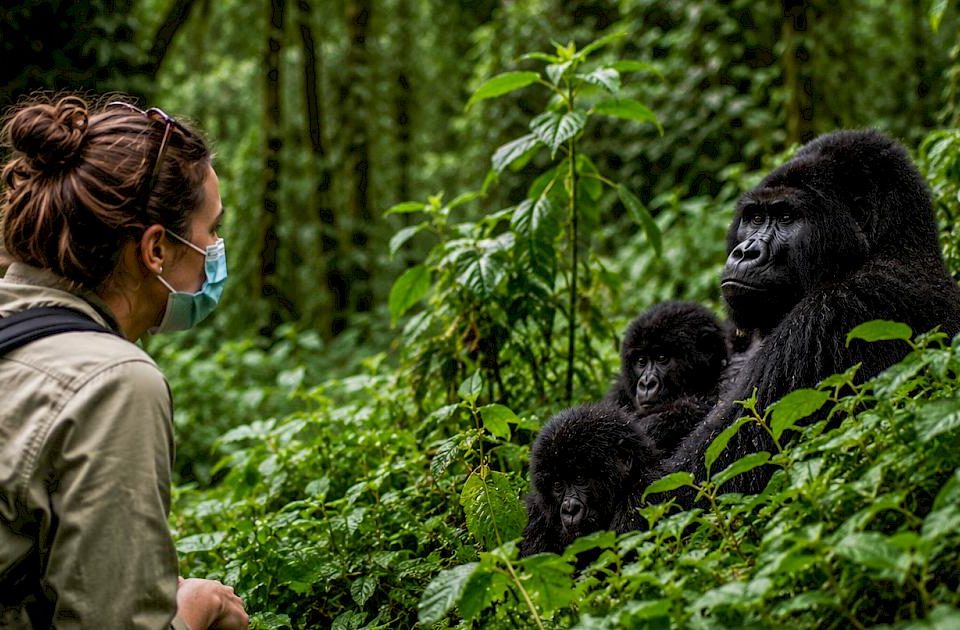
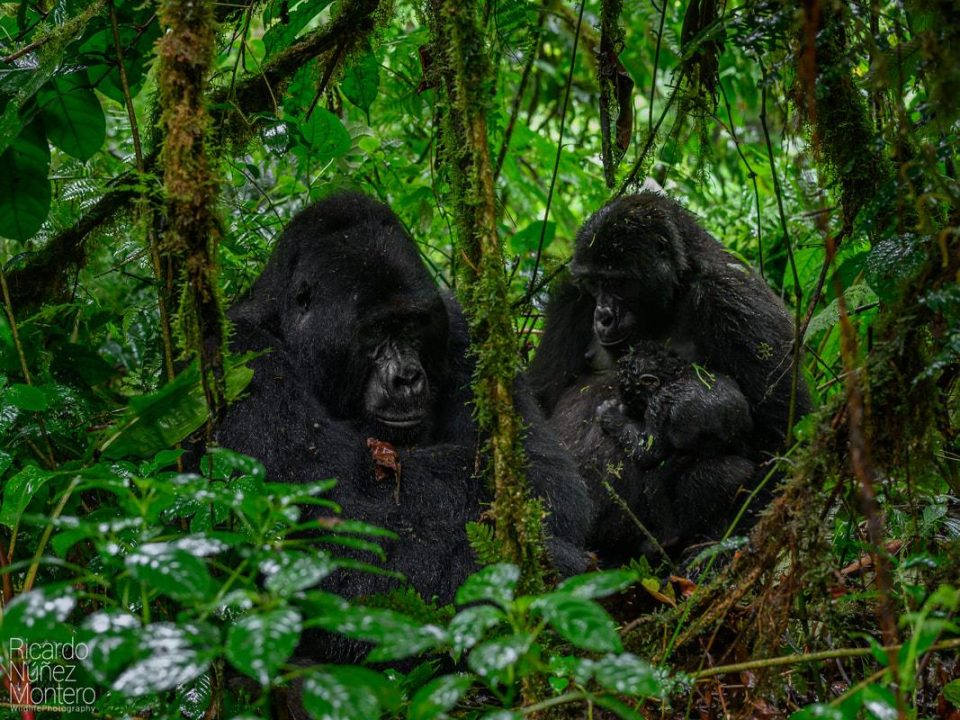
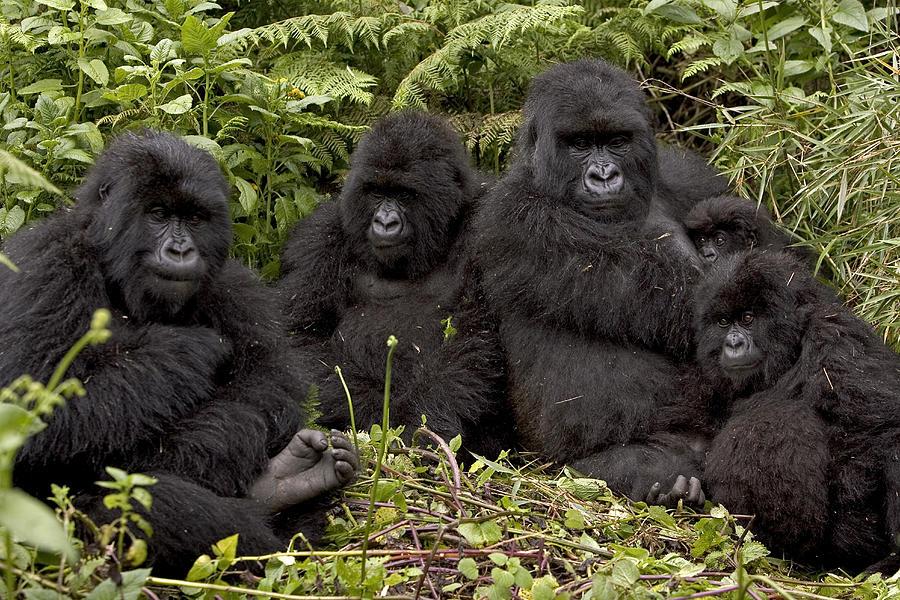
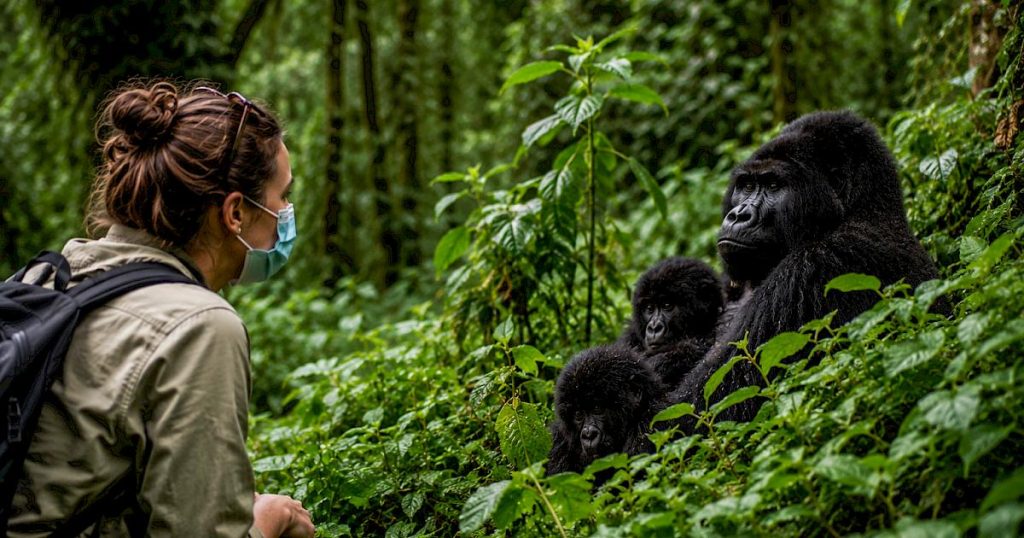
During this hour, you may observe several natural behaviours. Gorillas may feed, groom one another, rest or move through the vegetation. Young gorillas may play while adults remain close to the group. You may also see the silverback watching over the family.
However, do not expect every gorilla to remain in one place. The animals are free to move around their habitat. Some may stay visible for longer, while others may disappear behind vegetation. Your guide will direct the group and explain what is happening.
The one-hour limit helps protect gorillas from prolonged human disturbance and reduces the risk of disease transmission. It also allows the parks to manage visitor access responsibly.
Rwanda Development Board information confirms the one-hour viewing limit and other visitor rules. The Uganda Wildlife Authority also lists a one-hour observation period for standard gorilla tracking.
If you hope to spend more time with gorillas, Uganda offers a separate gorilla habituation experience. This is a different activity with its own arrangements and permit requirements. It should not be confused with an ordinary trek.
6. Do Not Expect Gorillas to Behave Like Animals in a Zoo
A realistic expectation is that gorillas will behave naturally. They do not perform for visitors, follow instructions or remain in one position for photographs.
You may find a family feeding quietly when you arrive. At another time, you might see gorillas moving through the forest or resting beneath trees. Their behaviour depends on their natural activities and surroundings.
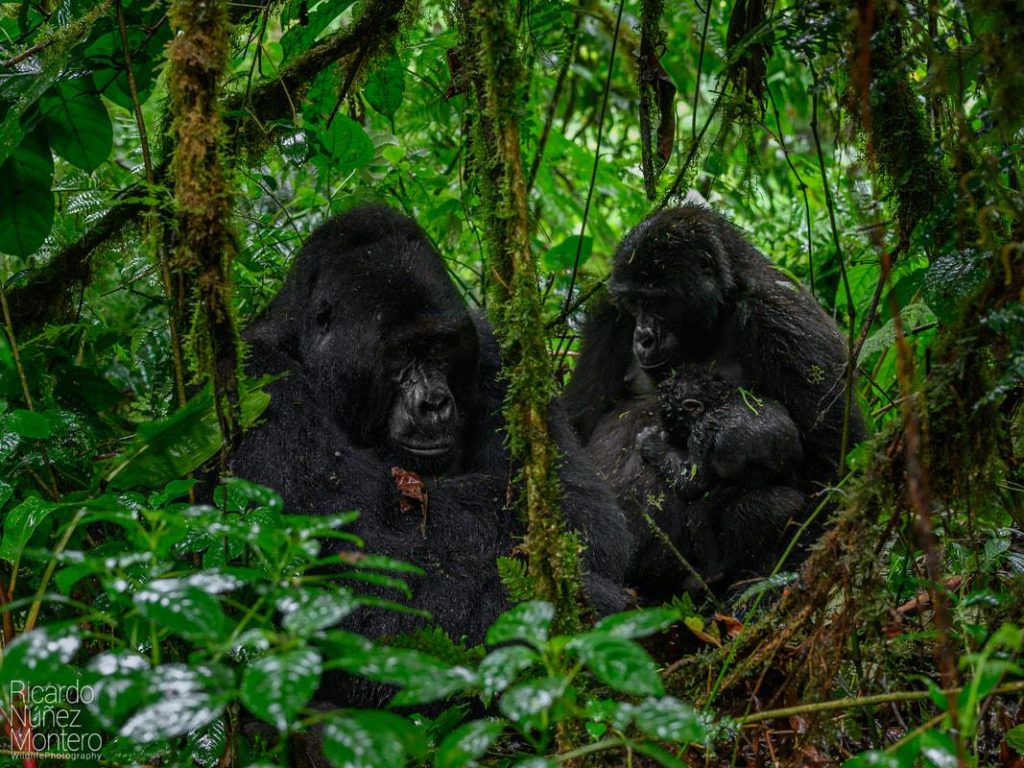
The silverback may sit calmly while younger members explore nearby. Mothers may carry their infants, and juveniles may play with one another. These moments are special because you are observing real wildlife behaviour.
However, not every trek provides the same views. Thick vegetation can sometimes block your line of sight. A gorilla may turn away, move behind a tree or remain partly hidden. This is normal in a natural forest.
Avoid expecting a perfect photograph of every family member. Instead, appreciate the opportunity to observe them without interfering with their activities.
Your guide will help you understand the behaviour you see. Listen carefully and remain calm throughout the encounter. Never try to attract a gorilla’s attention or move closer for a better photograph.
At Safari O’clock, we encourage visitors to value the experience itself rather than measure it by the number of photographs they take.
7. Be Ready for an Early Start and a Full Day
Your first gorilla trek usually begins early in the morning. This gives park teams time to organise visitors and coordinate with trackers who help locate the gorilla families.
The exact reporting time depends on the destination and park arrangements. Therefore, check your itinerary carefully and follow the instructions provided by your tour operator.
An early start means you should prepare the previous evening. Pack your day bag, organise your documents and choose your trekking clothes before going to bed. This reduces morning stress.
Eat breakfast before leaving your accommodation. You will need energy for the walk, especially if the gorillas are far from the starting point. Carry drinking water and any permitted snacks recommended by your guide or tour operator.
After the briefing, you will join your assigned group and begin the trek. Once you locate the gorillas, you will spend the permitted viewing time with them. Afterwards, you will walk back to the starting point.
The return journey can leave you tired, especially after a long trek. Therefore, allow time to rest at your lodge. Avoid arranging a tight travel schedule that leaves little room for unexpected delays.
8. Understand the Importance of Following Gorilla Trekking Rules
Gorilla trekking is a conservation activity, not simply a sightseeing experience. Visitors must follow strict rules to protect the animals and maintain a safe environment for everyone.
Mountain gorillas are vulnerable to some human illnesses. Even a common respiratory infection can pose a risk to them. For this reason, visitors should not enter the forest when they are sick. Inform your tour operator if you feel unwell before the trekking day.
During the encounter, keep your voice low and avoid sudden movements. Do not touch the gorillas, feed them or attempt to attract their attention. Follow the guide’s instructions about distance and positioning.
Photography is usually permitted, but flash photography is prohibited. Keep your camera ready without allowing it to distract you from the experience.
You should also avoid littering and respect the natural environment. Do not leave the group or wander away from the guides. These rules help protect both visitors and wildlife.
Rwanda Development Board provides official visitor guidance on group size, viewing time, health precautions and behaviour around gorillas. Uganda Wildlife Authority also requires visitors to follow the instructions of authorised guides and trackers.
Understanding these rules before your first gorilla trek helps you arrive with the right attitude. You are visiting the gorillas’ home, so their welfare must come first.
9. Manage Your Expectations About Photography
Photographs are an important part of many travellers’ memories. However, the forest environment can make photography more challenging than expected.
Thick vegetation may block your view, and light levels can be low beneath the forest canopy. Gorillas may also move while you are trying to take a picture. Therefore, do not expect every photograph to be perfectly clear.
A phone or camera that performs well in low light can be useful. Learn how to use it before the trip. This prevents you from spending too much time adjusting settings during the encounter.
Remember that flash photography is not allowed. Avoid making sudden movements or getting closer to the animals just to capture a better angle.
Most importantly, balance photography with observation. You have a limited period with the gorilla family. Take a few photographs, then put your device away and enjoy watching the animals.
Sometimes the most meaningful part of the experience is a moment you never capture on camera.
10. Prepare Yourself for Different Emotions During Your First Gorilla Trek
Your first gorilla trek may bring several emotions. You might feel excited during the journey, nervous during the briefing or tired while walking through the forest. These feelings are normal.
The anticipation can be especially strong when your guide announces that the group is getting closer to the gorillas. You may become quiet as everyone prepares for the encounter.
When you finally see the family, you may feel amazed, emotional or simply surprised by how peaceful the animals appear. Some visitors find the experience difficult to describe because seeing mountain gorillas in the wild feels very different from seeing them in photographs or documentaries.
However, do not put pressure on yourself to experience a particular emotion. Every traveller responds differently. You may feel excited, peaceful, overwhelmed or a mixture of feelings.
Give yourself time to appreciate the moment. Listen to your guide, observe the gorillas and enjoy the privilege of seeing them in their natural habitat.
11. Budget for More Than the Gorilla Permit
Another important expectation concerns the cost of the trip. A gorilla permit is a major part of the budget, but it is not necessarily the only expense.
Depending on your travel arrangements, you may need to budget for accommodation, transport, meals, porter services and other activities. International visitors may also need to consider flights, visas and travel insurance.
Your accommodation location can affect transport arrangements and the time needed to reach the park headquarters. Choosing a lodge close to your trekking sector may make the early morning easier.
A porter is an additional expense, but the service can be valuable during a demanding walk. Some travellers also choose to hire a walking stick or use one provided by the park, depending on availability.
Permit prices and booking conditions can change. Always confirm the current fees and requirements with the relevant wildlife authority or a licensed tour operator before making payment.
Safari O’clock can help travellers understand the different parts of their safari budget. A clear itinerary allows you to plan for the main costs instead of focusing on the permit alone.
12. Keep an Open Mind About Your First Gorilla Trek
Perhaps the most useful advice for a first-time visitor is to remain flexible. You can prepare your clothes, improve your fitness and organise your travel documents. However, you cannot control the weather, the forest conditions or the gorillas’ movements.
Your trek may take longer than expected. You may get muddy, feel tired or need more breaks than you planned. The gorilla family may also behave differently from what you have seen in documentaries.
These details do not mean the experience has gone wrong. They are part of visiting wild animals in their natural habitat.
Instead of expecting a perfect schedule, focus on the experience as a whole. Appreciate the forest, listen to the guides and respect the animals. Give yourself enough time to enjoy the journey without rushing.
Safari O’clock believes that realistic expectations make a meaningful difference. When you understand the nature of the activity, you can approach your first gorilla trek with confidence and respect.
Final Thoughts: Make Your First Gorilla Trek a Meaningful Experience
Your first gorilla trek is more than an opportunity to take photographs with mountain gorillas. It is a chance to explore a remarkable forest, learn about wildlife conservation and observe one of the world’s most fascinating primates in its natural habitat.
The experience requires preparation, patience and respect for the environment. You should expect an early start, changing weather, uneven terrain and a walk that may take several hours. You should also understand that standard gorilla viewing is limited to one hour.
Most importantly, allow the experience to unfold naturally. Do not compare your trek with another traveller’s story or expect every moment to happen exactly as planned.
With proper preparation and guidance from Safari O’clock, you can approach your adventure with realistic expectations. The result is a more relaxed, informed and rewarding gorilla trekking experience in Uganda or Rwanda.