- DIRECT CONTACTS:
- +256394517569
- tours@safarioclock.africa
Why Rwanda Is a Leading Destination for Mountain Gorilla Trekking

What Does the One-Hour Gorilla Encounter Actually Include?
November 9, 2026
How Gorilla Tracking Differs From a Conventional Wildlife Safari
November 9, 2026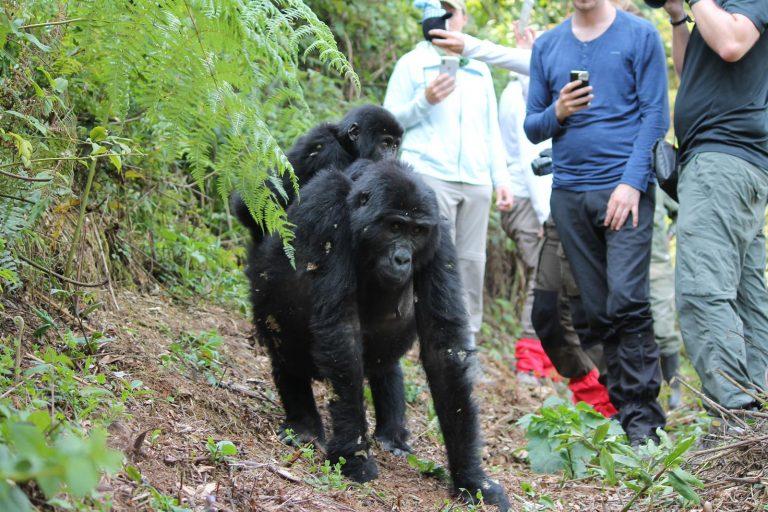
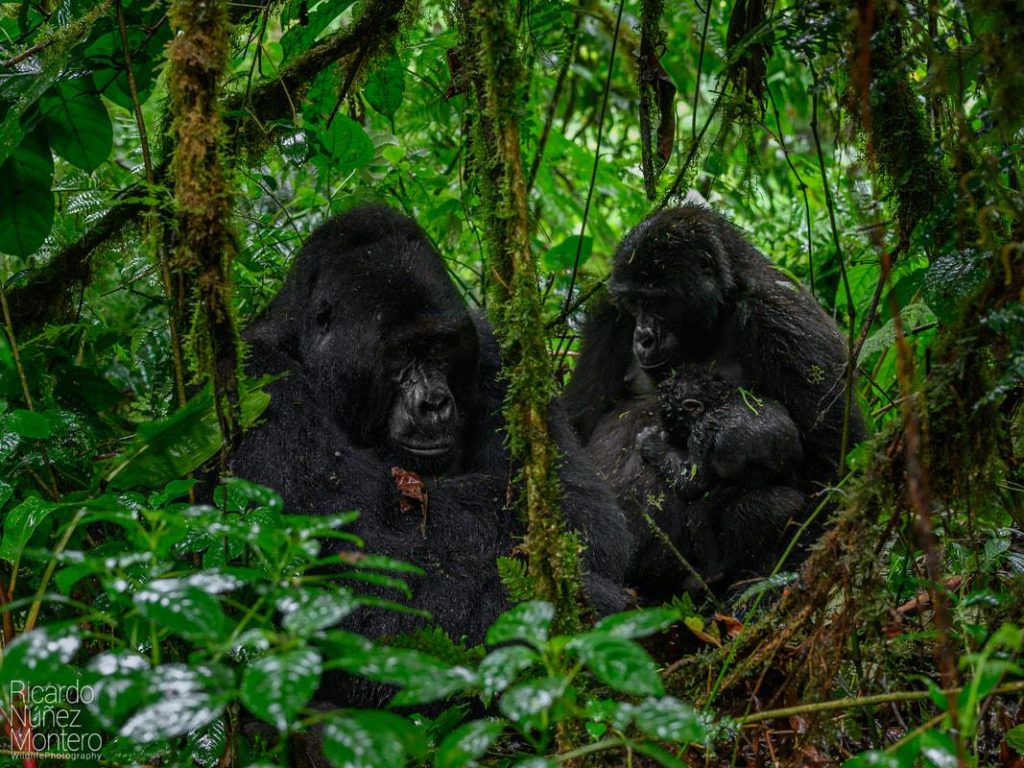
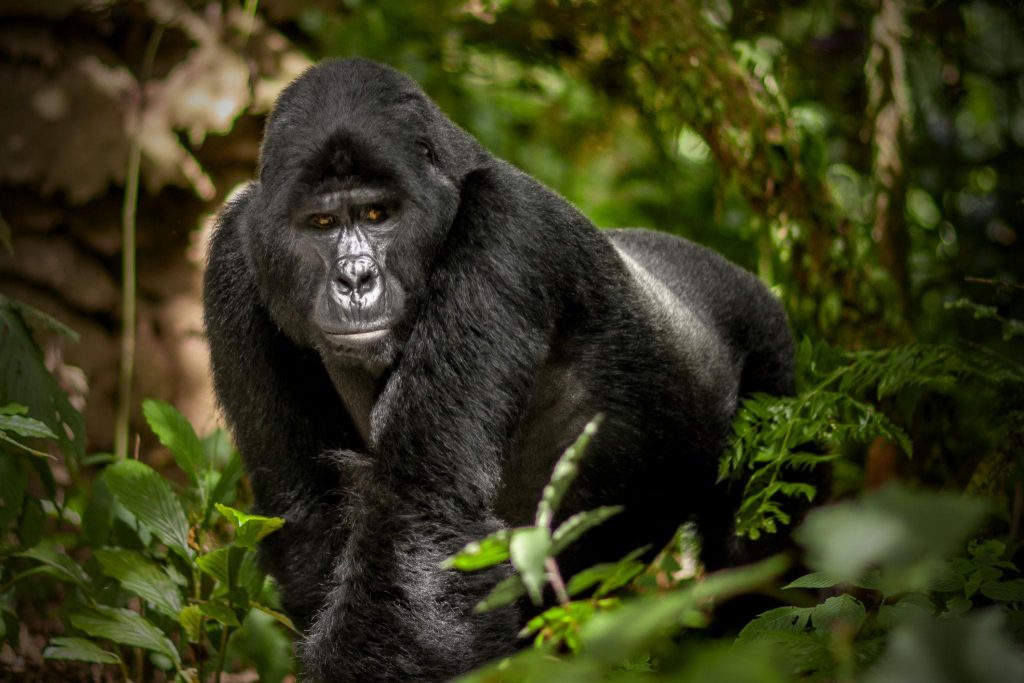
Mountain gorilla trekking is one of Africa’s most extraordinary wildlife experiences. It gives travellers an opportunity to encounter endangered mountain gorillas in their natural habitat. Among the destinations offering this experience, Rwanda has established a strong international reputation. Its protected forests, conservation programmes, professional tourism services and well-organised trekking activities attract visitors from different parts of the world.
Located in East Africa, Rwanda is home to Volcanoes National Park, one of the most important habitats for mountain gorillas. The park forms part of the Virunga Conservation Area, a mountainous region shared by Rwanda, Uganda and the Democratic Republic of Congo. Its bamboo forests, volcanic slopes and rich vegetation provide an important environment for these endangered primates.
However, Rwanda’s appeal goes beyond the presence of mountain gorillas. The country has invested in wildlife conservation, tourism infrastructure and community participation. These efforts have helped establish a destination where visitors can enjoy meaningful wildlife encounters while supporting conservation.
For travellers planning a memorable African safari, Rwanda offers an opportunity to combine adventure, nature and responsible tourism. Safari O’clock helps visitors discover these experiences by organising gorilla trekking journeys that showcase the country’s remarkable natural heritage.
Why Is Rwanda a Leading Destination for Mountain Gorilla Trekking?
Rwanda stands out because it combines exceptional wildlife encounters with organised tourism services and long-term conservation efforts. Its mountain gorilla population benefits from continuous monitoring, habitat protection and cooperation between conservation organisations and local communities.
The country’s tourism strategy also focuses on providing quality experiences while protecting natural resources. Rather than allowing uncontrolled visits, authorities regulate the number of people who can visit habituated gorilla families each day.
Furthermore, Rwanda has developed tourism services that make it easier for international visitors to plan their journeys. Travellers can arrange permits, accommodation, transportation and guided activities before arriving.
These factors work together to make Rwanda an attractive destination for mountain gorilla trekking.
1. Volcanoes National Park Offers Exceptional Gorilla Trekking Opportunities
One of the main reasons Rwanda attracts gorilla trekking visitors is Volcanoes National Park. Located in the Northern Province, the park protects a significant part of the Virunga Mountains and provides a natural home for endangered mountain gorillas.
The park features volcanic landscapes, bamboo forests, montane vegetation and thick tropical growth. These habitats provide food, shelter and suitable conditions for mountain gorillas.
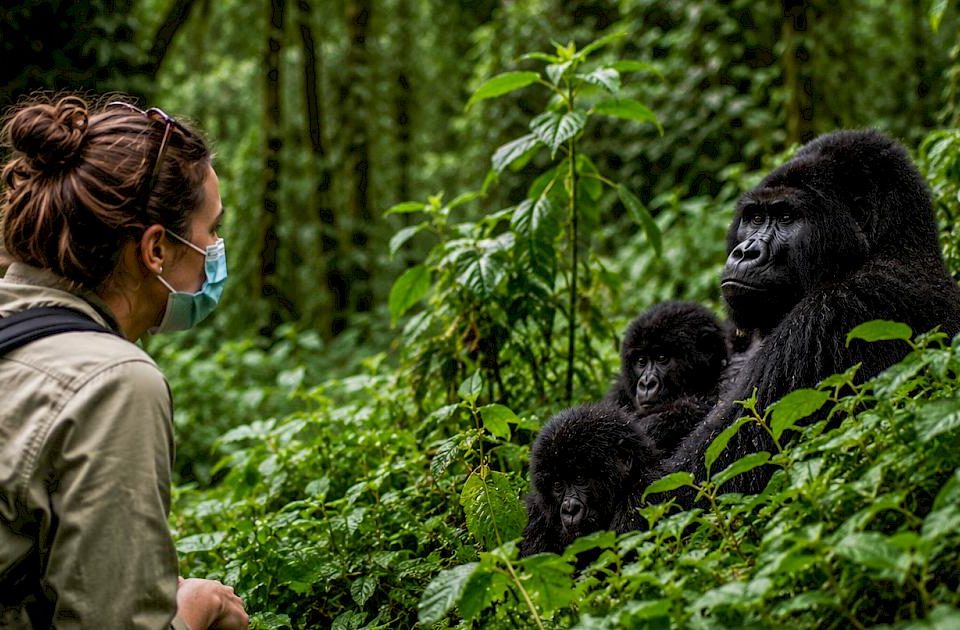
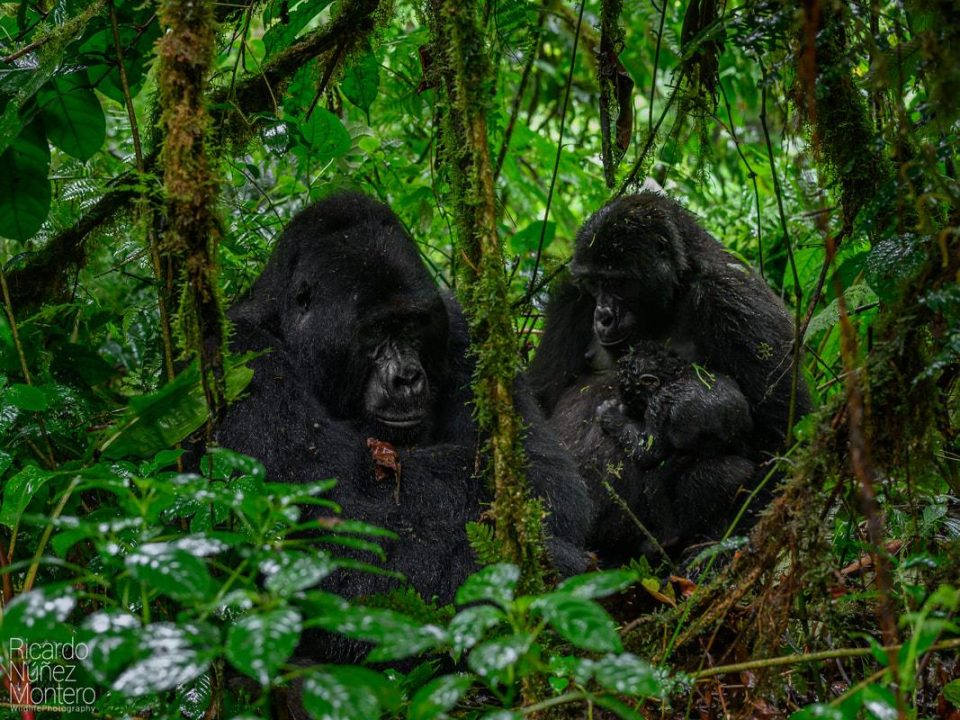
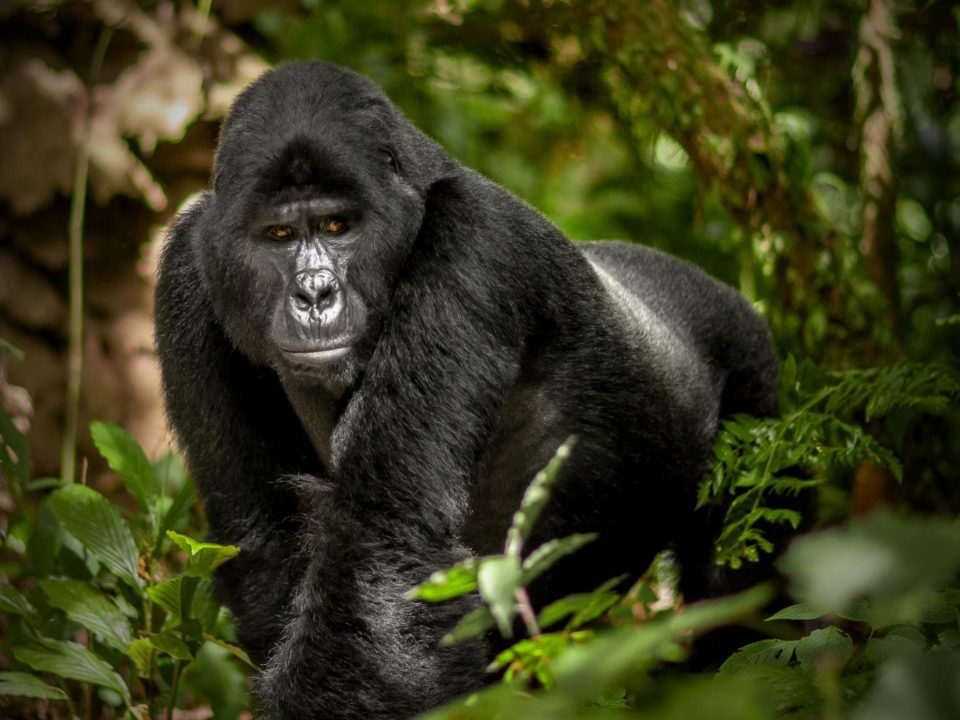
Visitors travel to the park to meet habituated gorilla families under the supervision of trained guides and trackers. Each family has its own social structure, which may include a dominant silverback, adult females, juveniles and infants.
During a trek, visitors follow experienced trackers through the forest until they locate their assigned family. The journey may involve walking along forest trails, climbing slopes and navigating thick vegetation.
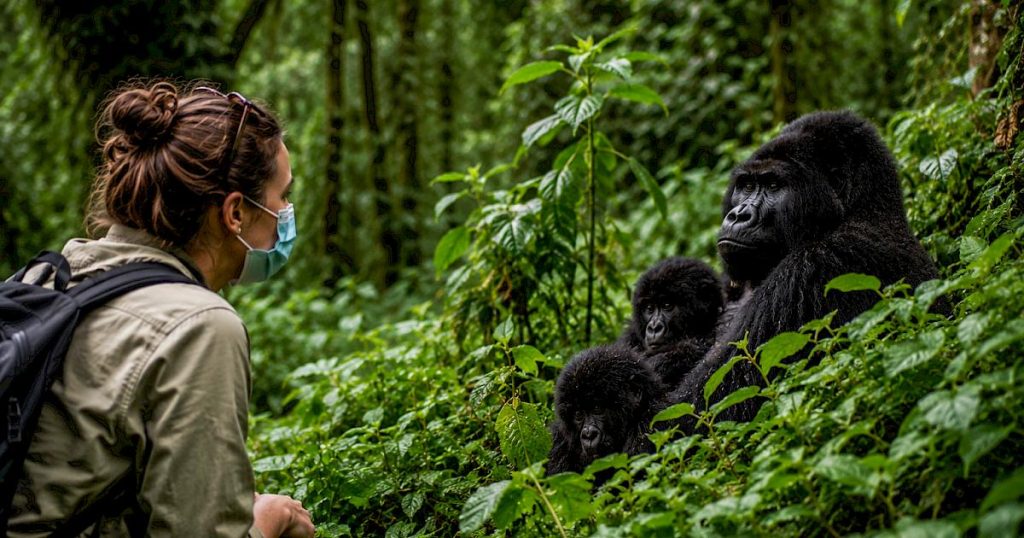
Once visitors find the gorillas, they can spend up to one hour observing their natural behaviour. This creates an opportunity to watch them feed, rest, play and interact with other family members.
For many travellers, this encounter becomes the highlight of their entire African holiday.
Safari O’clock helps visitors prepare for this experience by arranging trekking permits, suitable accommodation and transportation to Volcanoes National Park.
2. Rwanda Has Invested in Mountain Gorilla Conservation
Conservation is one of the strongest reasons behind Rwanda’s reputation as a mountain gorilla destination.
Mountain gorillas once faced serious threats from habitat destruction, poaching, human conflict and infectious diseases. Their survival required long-term protection and cooperation between governments, conservation organisations and surrounding communities.
Rwanda has developed several conservation initiatives to address these challenges. Park authorities work with researchers, veterinary teams and conservation partners to monitor gorilla families and protect their habitat.
Rangers also patrol the forest to identify possible threats. Their work helps prevent illegal activities and supports the safety of wildlife within the protected area.
Another important part of conservation involves monitoring individual gorillas. Researchers and trackers observe their health, movements and family relationships. This information helps conservation teams understand the population and respond to emerging threats.
These combined efforts have contributed to the recovery of mountain gorilla populations across their range. The species’ conservation status improved from Critically Endangered to Endangered in 2018.
This achievement demonstrates the importance of sustained conservation work.
When visitors book a responsible gorilla trekking experience through Safari O’clock, they participate in a tourism system that helps generate economic support for protecting these remarkable animals.
3. Rwanda Makes Gorilla Trekking Relatively Accessible
Accessibility is another important factor that makes Rwanda attractive to international travellers.
Volcanoes National Park is approximately two to three hours by road from Kigali, Rwanda’s capital city. This relatively short journey makes it possible for visitors to organise gorilla trekking without spending several days travelling between distant destinations.
Travellers can arrive at Kigali International Airport, spend time in the capital and continue towards Musanze, the main tourism gateway to Volcanoes National Park.
The road journey offers beautiful views of Rwanda’s countryside. Visitors can enjoy rolling hills, cultivated landscapes and traditional settlements along the way.
Moreover, travellers have several accommodation options around the park. These range from comfortable hotels and lodges to luxury properties offering beautiful mountain views.
This accessibility is particularly attractive to visitors working with limited holiday time. They can include gorilla trekking in a wider Rwanda itinerary that also covers cultural attractions, lakes and other national parks.
Safari O’clock helps travellers coordinate these arrangements so they can enjoy a smooth journey from arrival to the actual trekking experience.
4. Rwanda Provides Professional Gorilla Trekking Guides and Trackers
A successful gorilla trekking experience depends on more than finding the animals. Visitors also need knowledgeable professionals who understand the forest and gorilla behaviour.
Rwanda has developed an organised guiding and tracking system around Volcanoes National Park. Experienced trackers enter the forest to monitor gorilla families and help locate them before visitors begin their encounters.
During the trek, guides lead visitors along suitable routes and explain the park’s natural environment. They also provide information about gorilla family structures, feeding habits and conservation.
Their knowledge helps visitors understand what they observe rather than simply looking at the animals.
For example, a guide may explain why a silverback plays an important leadership role or how mother gorillas care for their infants.
Guides also remind visitors about the rules governing gorilla encounters. These include maintaining the required distance, avoiding flash photography and keeping noise levels low.
Their presence helps create a more informative and responsible wildlife experience.
Safari O’clock values professional guiding because knowledgeable local experts make a significant difference to the quality of a safari.
5. Rwanda Maintains Strict Gorilla Trekking Regulations
Responsible wildlife tourism requires clear rules. Rwanda has established regulations to control visitor activities and reduce disturbance to mountain gorillas.
One of the most important rules limits standard gorilla trekking visits to one hour with a habituated family.
In addition, a maximum of eight visitors can visit a habituated gorilla family at a time. This helps control human activity around the animals and supports a more manageable viewing experience.
Visitors must also follow health and safety guidelines. Anyone showing signs of a contagious illness should not participate in the encounter because mountain gorillas can catch some human diseases.
Other important regulations include avoiding physical contact with gorillas, maintaining the required viewing distance and switching off camera flashes.
These measures are essential because mountain gorillas share many biological similarities with humans. As a result, certain human infections can pose serious risks to their health.
The regulations may appear strict, but they protect both visitors and wildlife.
Rwanda’s commitment to controlled tourism demonstrates that the country recognises the importance of protecting the animals that attract visitors in the first place.
Safari O’clock encourages all travellers to understand and respect these guidelines before beginning their gorilla trekking adventure.
6. Rwanda’s Tourism Model Supports Local Communities
Mountain gorilla conservation cannot succeed without the involvement of people living near protected areas.
Communities around Volcanoes National Park depend on the surrounding landscape for different economic and social activities. Therefore, conservation programmes must also consider their livelihoods.
Rwanda has introduced a tourism revenue-sharing programme that directs 10% of national park tourism revenues towards community development projects.
These funds support initiatives such as schools, health facilities, water projects and other community infrastructure.
The programme helps local residents recognise the benefits of protecting wildlife and natural habitats.
Tourism also creates employment opportunities. People living around the park can work as guides, trackers, porters, drivers, hospitality workers and craft producers.
Local businesses also benefit from visitors who purchase meals, accommodation, transport services and locally made products.
This relationship creates an important connection between conservation and economic development.
The annual Kwita Izina gorilla naming ceremony provides another example of Rwanda’s commitment to conservation and community participation. The event celebrates newborn gorillas and recognises the work of conservationists, local communities and other partners.
Through these initiatives, Rwanda demonstrates that protecting mountain gorillas can also create opportunities for people.
Safari O’clock encourages travellers to support responsible tourism businesses and local communities during their visits.
7. Rwanda Offers High-Quality Accommodation and Safari Services
A memorable gorilla trekking holiday involves more than the time spent with the animals. Accommodation, transportation, meals and customer service also influence the overall experience.
Rwanda has developed a range of accommodation facilities around Volcanoes National Park. Visitors can choose from luxury lodges, boutique properties, mid-range hotels and more affordable guesthouses.
Some properties offer beautiful views of the Virunga volcanoes. Others provide comfortable facilities close to the park headquarters in Kinigi.
These options allow travellers to select accommodation according to their budget and preferred travel style.
The country’s tourism industry also provides different safari services. Visitors can arrange private transfers, guided excursions, porter assistance and additional activities around Musanze.
For travellers seeking a more comfortable holiday, luxury lodges offer opportunities to combine wildlife encounters with relaxation.
Meanwhile, visitors travelling on a moderate budget can explore suitable accommodation options without compromising the main trekking experience.
Safari O’clock helps visitors select suitable accommodation and organise transportation based on their itinerary, preferences and travel budget.
8. Rwanda Offers More Than Mountain Gorilla Trekking
Although mountain gorillas are Rwanda’s most famous wildlife attraction, the country offers several other experiences that make a visit even more rewarding.
Travellers can explore other protected areas, discover local cultures and enjoy Rwanda’s beautiful landscapes.
For example, Akagera National Park offers traditional African savannah wildlife experiences. Visitors can enjoy game drives and search for animals such as elephants, lions, giraffes, zebras and rhinos.
Nyungwe National Park provides a different experience through its ancient montane rainforest. The park is famous for chimpanzee tracking, other primates and forest biodiversity. Visitors can also experience the canopy walkway.
Lake Kivu offers opportunities for relaxation, boat excursions and lakeside activities. Its scenic shores provide a peaceful setting after an adventurous gorilla trek.
Travellers interested in cultural experiences can also explore Rwanda’s history, traditional crafts, local food and community tourism activities.
Combining these destinations creates a more complete holiday. Visitors can enjoy mountain gorillas while discovering other aspects of Rwanda’s natural and cultural heritage.
Safari O’clock can help travellers develop itineraries that combine gorilla trekking with other attractions according to their available time.
9. Rwanda Promotes Responsible and Sustainable Tourism
Sustainable tourism plays an important role in Rwanda’s approach to wildlife protection.
The country recognises that natural attractions must remain protected if future generations are to enjoy them. Therefore, tourism development needs to balance visitor experiences with environmental responsibility.
In Volcanoes National Park, authorities regulate trekking activities to minimise disturbance to gorilla families. They also monitor visitor behaviour and enforce rules that protect wildlife.
Rwanda’s conservation approach involves cooperation between government institutions, researchers, tourism operators and surrounding communities.
Responsible tourism also encourages visitors to make environmentally conscious choices. These include avoiding littering, following designated routes and respecting wildlife.
Travellers can further support sustainability by choosing responsible accommodation providers and purchasing services from local businesses.
Every responsible decision contributes to a tourism system that values both nature and people.
Safari O’clock supports responsible travel by encouraging visitors to respect wildlife regulations and appreciate the importance of protecting mountain gorilla habitats.
10. Rwanda Offers an Excellent Destination for Different Types of Travellers
Rwanda’s gorilla trekking experience attracts different categories of travellers.
Wildlife enthusiasts visit to observe mountain gorillas and learn about their behaviour. Photographers travel to capture images of these endangered primates in their natural environment.
Couples often include gorilla trekking in romantic African holidays. The experience can also form part of honeymoon itineraries and special celebrations.
Families with eligible members can organise wildlife holidays, provided all participants meet the minimum age requirements for gorilla trekking.
Solo travellers also enjoy the opportunity to join organised trekking groups and meet other wildlife enthusiasts.
Additionally, conservation supporters visit Rwanda to learn about the protection of endangered species and the importance of responsible tourism.
The experience appeals to different interests because it combines adventure, education, nature and conservation.
Safari O’clock works with travellers to organise suitable gorilla trekking arrangements, whether they are planning a private safari, a romantic getaway or a wider East African adventure.
How Does Rwanda Compare With Other Mountain Gorilla Trekking Destinations?
Rwanda is one of only three countries where visitors can see mountain gorillas in their natural habitat. The other destinations are Uganda and the Democratic Republic of Congo.
Each country protects part of the mountain gorilla’s natural range. However, the visitor experience differs depending on the destination.
Rwanda offers gorilla trekking in Volcanoes National Park. Its relatively short driving distance from Kigali makes it attractive to travellers with limited time.
Uganda offers trekking in Bwindi Impenetrable National Park and Mgahinga Gorilla National Park. It also provides the Gorilla Habituation Experience in Bwindi, where eligible visitors can spend up to four hours with a gorilla group undergoing habituation.
The Democratic Republic of Congo offers gorilla trekking in Virunga National Park when park operations and security conditions permit.
Therefore, the best destination depends on the visitor’s budget, available time, preferred experience and travel arrangements.
Rwanda remains an excellent choice for travellers who value convenient access, organised tourism services and the opportunity to explore other attractions within a relatively compact country.
Safari O’clock can help visitors compare these destinations and choose a trekking experience that matches their travel plans.
When Is the Best Time to Visit Rwanda for Mountain Gorilla Trekking?
Rwanda offers mountain gorilla trekking throughout the year. However, weather conditions can influence the experience.
The country generally experiences two drier periods: June to September and December to February. These months often provide more favourable conditions for forest trekking.
The wetter periods usually occur from March to May and October to November. During these months, forest trails can become muddy and more challenging.
However, mountain gorillas remain in the park throughout the year. Therefore, visitors can enjoy trekking during both wet and dry seasons.
Each period has its advantages. Drier months may provide easier hiking conditions, while wetter months can offer lush vegetation and beautiful forest scenery.
Travellers should also consider permit availability when choosing their travel dates. Since visitor numbers are controlled, booking early is advisable, particularly during popular holiday periods.
Safari O’clock helps visitors select suitable travel dates, check permit availability and prepare for the expected weather conditions.
How to Plan a Mountain Gorilla Trekking Safari in Rwanda
Planning a gorilla trekking safari requires several important arrangements.
First, visitors should select their preferred travel dates and confirm the availability of valid gorilla trekking permits through the authorised booking channels.
Second, they should arrange suitable accommodation around Volcanoes National Park. Staying near the park headquarters makes it easier to attend the early morning briefing.
Transportation is another important consideration. Visitors need reliable transfers from Kigali or other destinations to Musanze and the park headquarters.
Travellers should also prepare appropriate clothing and equipment. Comfortable hiking boots, long trousers, long-sleeved shirts, gardening gloves and a waterproof jacket can make the trek more comfortable.
Additionally, visitors should understand the gorilla trekking rules before arriving at the park.
Working with an experienced tour operator makes these arrangements easier to coordinate. Safari O’clock assists travellers with safari planning, accommodation, transportation and other essential arrangements.
With proper preparation, visitors can focus on enjoying their wildlife experience rather than worrying about last-minute logistics.
Experience Rwanda’s Mountain Gorillas With Safari O’clock
Rwanda has earned its reputation as a leading mountain gorilla trekking destination through its exceptional natural attractions, conservation commitment and organised tourism services.
From the volcanic landscapes of Volcanoes National Park to the work of experienced trackers and conservation teams, the country offers a remarkable wildlife experience.
Its community tourism programmes also demonstrate how responsible travel can support both wildlife protection and local development.
Whether you are a first-time visitor, a wildlife photographer or an experienced safari traveller, meeting mountain gorillas in their natural habitat is an experience worth planning carefully.
Safari O’clock is ready to help you discover Rwanda through well-organised gorilla trekking safaris and memorable wildlife adventures.
Let us help you arrange your permits, accommodation, transportation and other safari arrangements.
Contact Safari O’clock today and begin planning your unforgettable mountain gorilla trekking experience in Rwanda.