- DIRECT CONTACTS:
- +256394517569
- tours@safarioclock.africa

How Gorilla Tracking Differs From a Conventional Wildlife Safari

Why Rwanda Is a Leading Destination for Mountain Gorilla Trekking
November 9, 2026
How to Set Realistic Expectations for Your First Gorilla Trek
November 9, 2026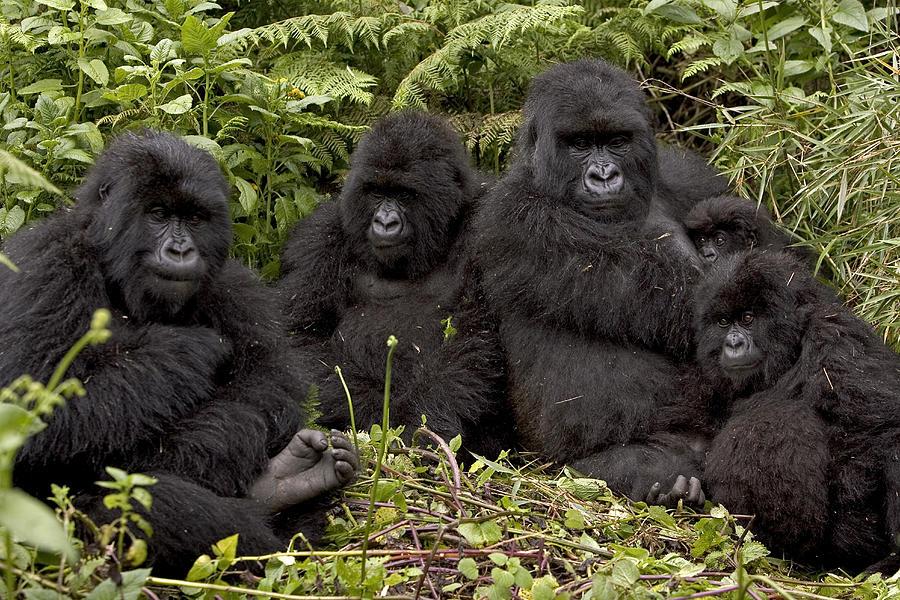
Africa is famous for its extraordinary wildlife experiences. From watching elephants cross open savannahs to observing lions resting under trees, the continent offers countless opportunities to explore nature. However, not every wildlife experience follows the same approach. Gorilla tracking, for example, offers something very different from a conventional wildlife safari.
Many travellers associate an African safari with travelling through national parks in a 4×4 vehicle while searching for animals. This is common in destinations such as Queen Elizabeth National Park, Murchison Falls National Park and Akagera National Park. Visitors can encounter elephants, lions, giraffes, buffaloes, zebras and several other wildlife species.
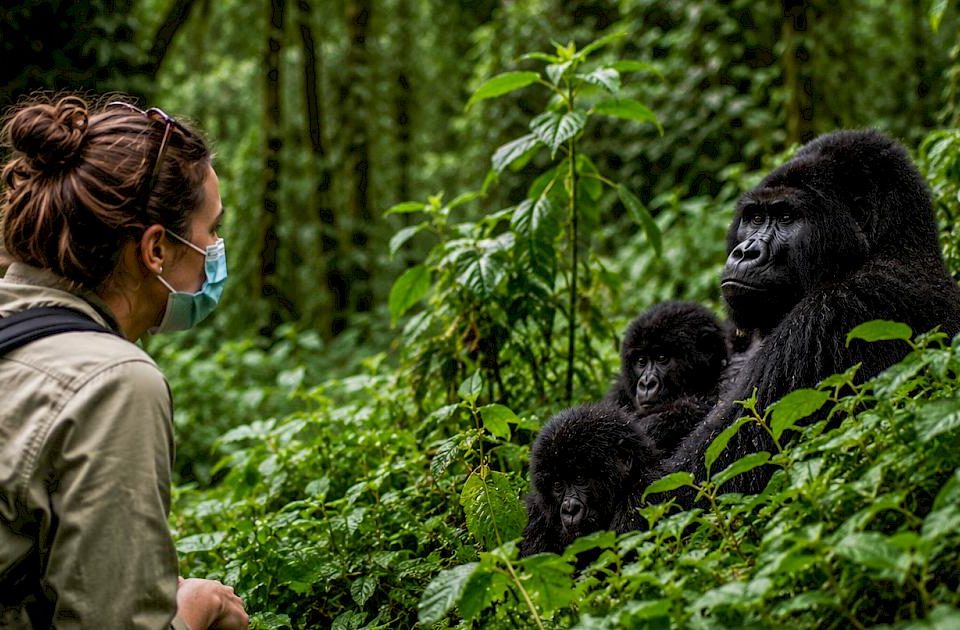
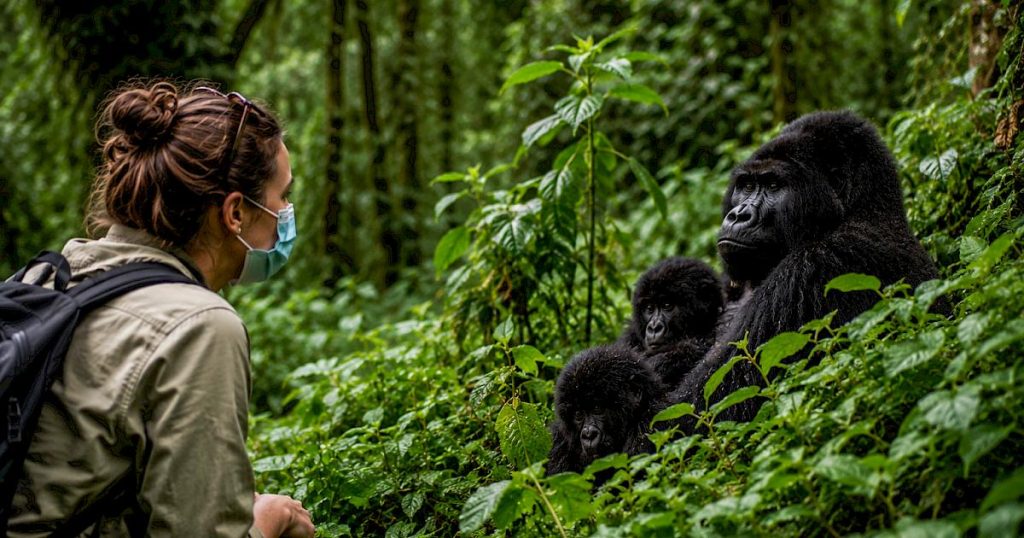
Gorilla tracking follows a different approach. Instead of searching for animals from a safari vehicle, visitors walk through dense forests with experienced guides and trackers to locate a habituated mountain gorilla family. Once they find the gorillas, they can spend a maximum of one hour observing their natural behaviour.
Although both activities involve wildlife observation, they differ in their environments, physical demands, visitor regulations and overall experiences.
Understanding these differences helps travellers choose an adventure that matches their interests, expectations and fitness levels. Safari O’clock helps visitors explore these opportunities through carefully organised wildlife and gorilla trekking safaris in East Africa.
What Is Gorilla Tracking?
Gorilla tracking is a guided wildlife activity that involves hiking through natural forest habitats to locate mountain gorillas. It takes place in protected areas where habituated gorilla families live under conservation management.
In Uganda, visitors can track mountain gorillas in Bwindi Impenetrable National Park and Mgahinga Gorilla National Park. Rwanda offers this experience in Volcanoes National Park. The Democratic Republic of Congo also has mountain gorilla habitat in Virunga National Park, subject to park operations and security conditions.
Unlike conventional game drives, gorilla tracking requires visitors to explore the forest on foot. Experienced trackers usually enter the forest ahead of visitors to monitor the gorillas and establish their approximate location.
Once the group receives its briefing, visitors follow trained guides through the forest. The hike may involve steep slopes, muddy trails, thick vegetation and changing weather conditions.
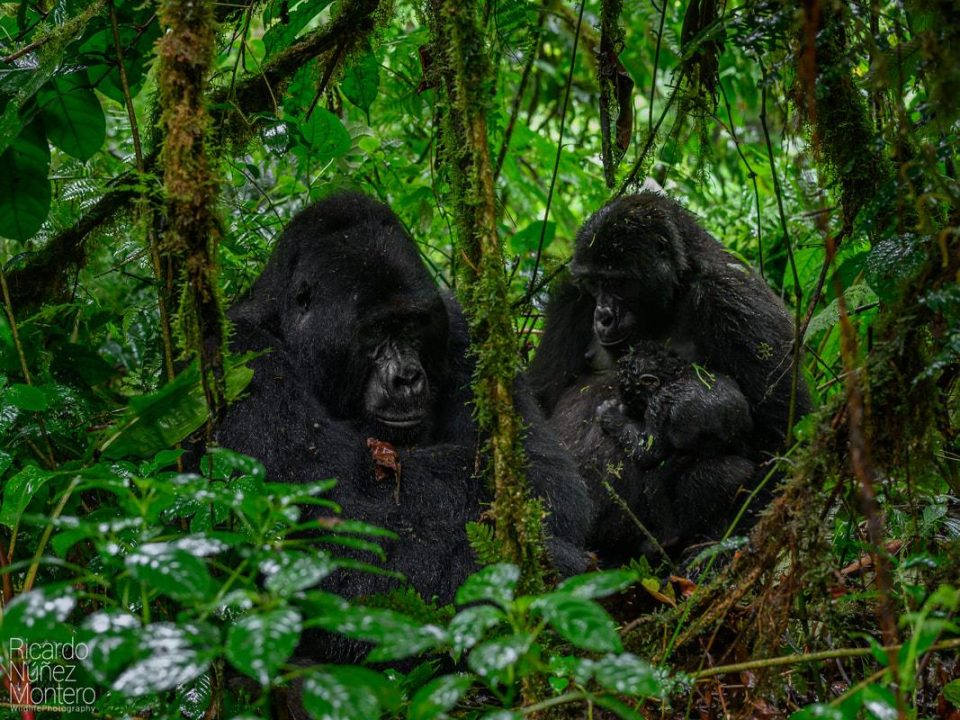
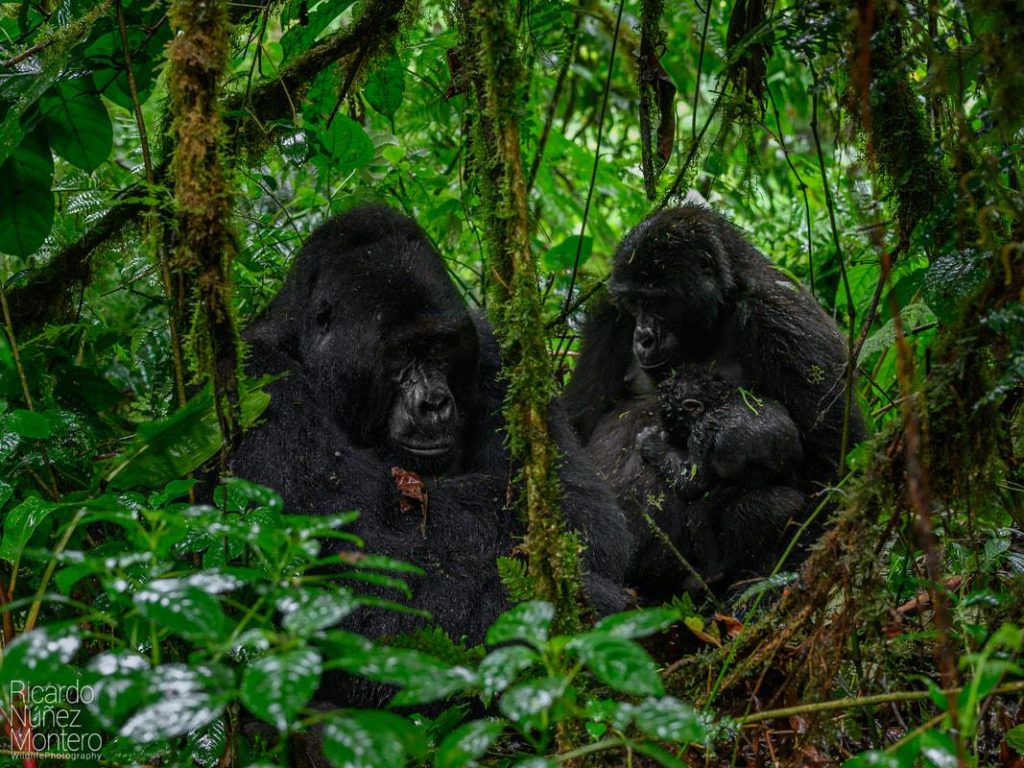
When the group locates the assigned gorilla family, visitors spend up to one hour observing the animals. During this period, they may see silverbacks, mothers, infants and juveniles interacting.
The experience allows visitors to understand gorilla behaviour while learning about the importance of protecting these endangered primates.
What Is a Conventional Wildlife Safari?
A conventional wildlife safari is a nature-based tourism experience that allows visitors to explore national parks and wildlife reserves to observe different animal species.
Most conventional safaris use specially designed 4×4 vehicles. These vehicles allow visitors to travel along established park roads and tracks while searching for wildlife.
Game drives are among the most popular safari activities. Visitors may explore open grasslands, woodlands, wetlands and riverbanks in search of animals.
Depending on the destination, travellers may encounter lions, leopards, elephants, buffaloes, giraffes, zebras, antelopes and many bird species.
For example, visitors to Queen Elizabeth National Park in Uganda can enjoy game drives in the Kasenyi Plains. They may also take a boat cruise along the Kazinga Channel to observe hippos, crocodiles, elephants and numerous water birds.
In Rwanda, Akagera National Park offers savannah wildlife experiences, including opportunities to see the Big Five.
Unlike gorilla tracking, conventional wildlife safaris do not usually focus on locating one specific animal family. Instead, visitors explore different areas in search of several wildlife species.
The experience is flexible because guides can adjust routes according to animal movements, weather conditions and available time.
Gorilla Tracking vs Wildlife Safari: The Main Differences
Although both activities allow visitors to enjoy wildlife in natural habitats, several important differences separate them.
1. The Environment and Natural Habitat
One major difference between gorilla tracking and a conventional wildlife safari is the environment where visitors encounter animals.
Gorilla tracking takes place in dense tropical and montane forests. These environments contain thick vegetation, bamboo stands, tall trees and steep mountain slopes.
For example, Bwindi Impenetrable National Park features thick forest vegetation that can make walking challenging. Volcanoes National Park also offers mountainous terrain with bamboo forests and other vegetation.
Visitors must navigate these environments on foot while following their guides.
Conventional wildlife safaris, on the other hand, often take place in more open landscapes. These include savannah grasslands, woodlands, wetlands and plains.
Such environments allow safari vehicles to move along designated tracks while visitors observe animals across the landscape.
The difference in habitat creates two distinct experiences. Gorilla tracking immerses visitors in a forest environment, while conventional safaris provide wider opportunities to explore different ecosystems.
2. The Method of Finding Wildlife
Another important difference involves how visitors locate animals.
During gorilla tracking, visitors walk through the forest with guides and trackers. These professionals use information about gorilla movements, feeding locations and nesting areas to help locate the assigned family.
Trackers may identify signs such as broken vegetation, feeding remains and nests from the previous night.
This process requires patience because mountain gorillas move freely within their natural habitat.
Conventional wildlife safaris usually involve searching for animals from a vehicle. Guides use their knowledge of animal behaviour, tracks, water sources and feeding areas to locate wildlife.
They may also communicate with other guides about recent sightings.
For example, a guide searching for lions may explore areas where prey animals gather. Similarly, elephants may be easier to find near water sources during certain periods.
Therefore, gorilla tracking involves a guided forest hike, while conventional safaris generally involve wildlife searches across larger areas using vehicles.
3. The Duration of Wildlife Encounters
The duration of animal encounters is another major difference.
During standard gorilla tracking in Uganda and Rwanda, visitors can spend up to one hour with a habituated gorilla family.
However, reaching the family may take several hours. In Uganda, the Uganda Wildlife Authority indicates that some treks can last between two and seven hours, depending on the location of the gorillas.
The actual viewing time begins when visitors reach the family. It does not include the journey through the forest.
Conventional wildlife safaris operate differently. A typical game drive may last several hours, depending on the itinerary and park regulations.
Visitors can encounter different animals throughout the drive. They may spend time observing elephants before moving to another location to search for lions or other wildlife.
There is generally no fixed one-hour viewing limit for each ordinary game-drive sighting.
This means that conventional safaris may offer several wildlife encounters within one outing, while gorilla tracking focuses on a carefully regulated encounter with one assigned family.
4. Physical Requirements and Level of Fitness
Gorilla tracking generally requires more physical effort than a conventional vehicle-based game drive.
Visitors must walk through forest vegetation, uneven ground and sometimes steep slopes. The trails can also become slippery during rainy weather.
The difficulty depends on where the gorilla family is located on the day of the trek. Some families may be relatively close to the starting point, while others require longer hikes.
Travellers should therefore prepare by wearing suitable hiking boots, comfortable clothing and carrying enough drinking water.
Conventional wildlife safaris usually involve less physical activity because visitors spend most of their time inside safari vehicles.
However, some conventional safari activities involve walking. These include guided nature walks, walking safaris and certain hiking excursions.
The difference is that standard gorilla tracking specifically requires visitors to reach the gorilla family on foot.
Safari O’clock advises travellers to consider their fitness levels when choosing activities and to communicate any mobility concerns before booking.
5. Wildlife Viewing Opportunities
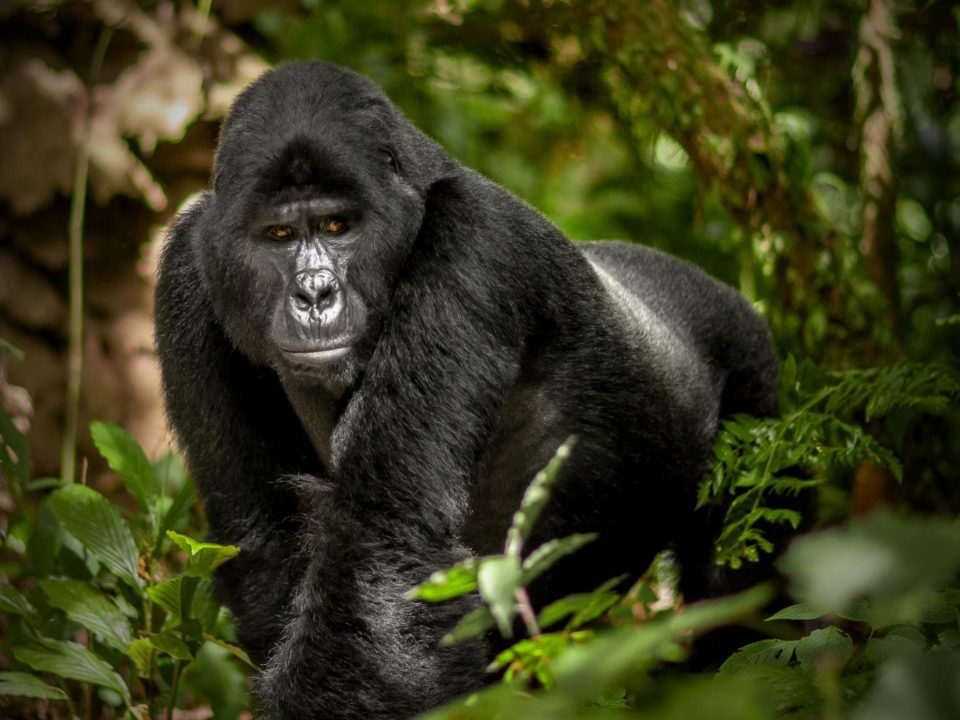
Gorilla tracking focuses on one particular species: the endangered mountain gorilla.
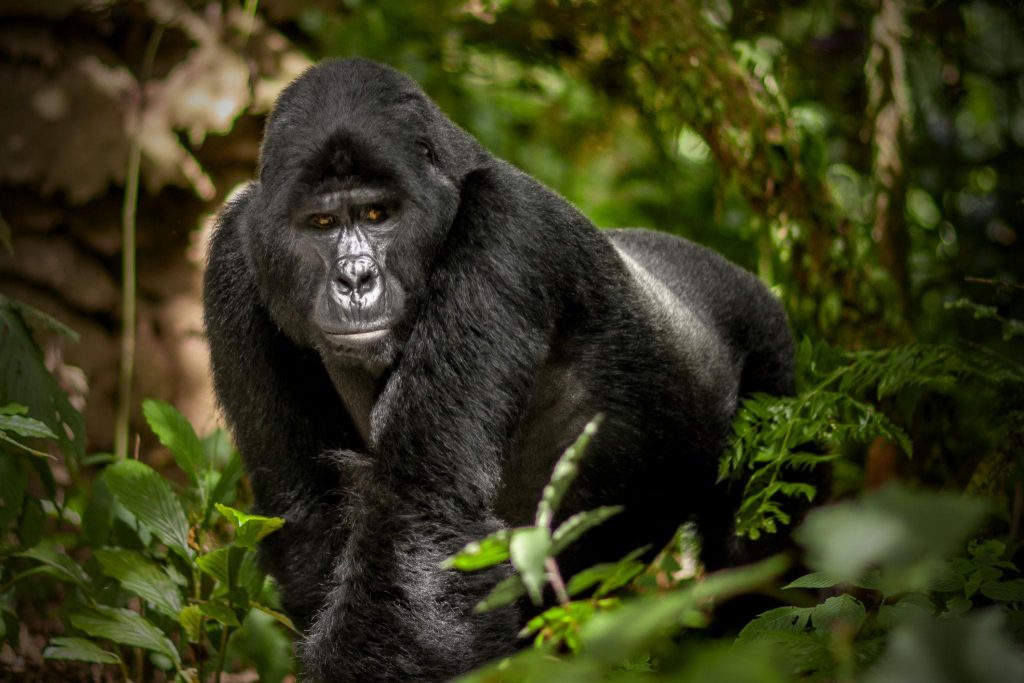
During the encounter, visitors observe members of a habituated family. They may see a dominant silverback, adult females, infants and younger gorillas.
The experience offers an opportunity to study their social relationships, feeding habits, communication and daily behaviour.
Conventional wildlife safaris provide a broader range of animal sightings.
Depending on the destination, visitors may encounter elephants, lions, leopards, buffaloes, rhinos, giraffes, zebras, antelopes and many bird species.
For example, a game drive in Murchison Falls National Park may reveal elephants, giraffes, buffaloes and lions. Meanwhile, a visit to Akagera National Park offers opportunities to explore Rwanda’s savannah wildlife.
Therefore, travellers interested in observing one of the world’s most remarkable primates may prefer gorilla tracking. Those who want to encounter several wildlife species may enjoy conventional safaris.
6. Permits, Reservations and Visitor Regulations
Both experiences require planning, but gorilla tracking has more specific booking requirements.
Visitors must obtain a valid gorilla tracking permit for their chosen destination and date. Permit numbers are limited to control visitor access and protect gorilla families.
In Uganda, the Uganda Wildlife Authority manages gorilla tracking in Bwindi and Mgahinga. In Rwanda, the Rwanda Development Board manages permits for Volcanoes National Park.
Standard gorilla tracking also has strict visitor regulations.
For example, Uganda and Rwanda limit standard encounters to a maximum of eight visitors per habituated gorilla family. The viewing period is also limited to one hour.
Visitors must follow health guidelines, maintain the required distance and avoid flash photography.
Conventional wildlife safaris generally involve park entry fees and activity charges. However, an ordinary game drive does not usually require the same type of individually allocated gorilla permit.
Travellers should still arrange park entry, accommodation and transportation in advance, particularly during busy travel periods.
Safari O’clock helps visitors understand the booking requirements and organise the necessary arrangements before travelling.
7. The Level of Interaction With Wildlife
Gorilla tracking creates a unique opportunity to observe a habituated gorilla family at a relatively close but carefully controlled distance.
Visitors can watch the animals carrying out their daily activities without attempting to influence their behaviour.
For instance, they may see a mother caring for her infant, juveniles playing or a silverback resting.
However, habituated does not mean domesticated. Mountain gorillas remain wild animals, and visitors must respect their space.
Conventional wildlife safaris also allow close observation, but visitors generally remain inside their vehicles during game drives.
This provides a safe way to watch animals in open habitats without entering their immediate environment.
Some walking safaris offer closer experiences with nature. Nevertheless, visitors must always follow the instructions of their guides.
Both activities promote wildlife appreciation, but gorilla tracking provides a particularly focused opportunity to understand the social behaviour of mountain gorillas.
8. Photography and Wildlife Observation
Photography plays an important role in both experiences, although the conditions differ.
During gorilla tracking, visitors take photographs while standing in the forest. The thick vegetation and changing natural light can create challenging photography conditions.
Travellers should prepare their cameras before reaching the gorilla family. They must also switch off flash photography because flashes can disturb the animals.
Conventional wildlife safaris offer different photography opportunities.
Visitors can take photographs from safari vehicles while guides position the vehicle appropriately. Open landscapes may provide better visibility for capturing animals at a distance.
Long camera lenses can help photograph animals without disturbing them.
For example, photographers may capture elephants walking across open plains, lions resting in the grass or giraffes feeding on trees.
Both experiences offer memorable photography opportunities. However, gorilla tracking provides a more intimate forest setting, while conventional safaris offer greater variety in landscapes and animal subjects.
9. Conservation and Environmental Protection
Conservation is central to both gorilla tracking and conventional wildlife safaris.
However, gorilla tracking requires particularly strict health and visitor management because mountain gorillas are vulnerable to certain human diseases.
Authorities regulate the number of visitors, limit encounter times and enforce health precautions.
These measures reduce unnecessary disturbance and help protect gorilla families.
Conventional wildlife safaris also contribute to conservation. Park entry fees, tourism activities and community initiatives help support protected areas and wildlife management.
In addition, responsible safari operators encourage visitors to follow park regulations, avoid littering and respect animal habitats.
Both experiences demonstrate how tourism can support wildlife conservation when managed responsibly.
Safari O’clock encourages travellers to choose responsible tourism experiences that respect animals, natural habitats and the communities living around protected areas.
Which Experience Is Better: Gorilla Tracking or a Conventional Wildlife Safari?
Choosing between gorilla tracking and a conventional wildlife safari depends on what you want from your holiday.
Gorilla tracking is ideal for travellers who want a focused and immersive wildlife experience. It offers an opportunity to observe endangered mountain gorillas in their natural habitat and learn about their behaviour.
It is particularly suitable for wildlife enthusiasts, nature photographers and travellers interested in primate conservation.
A conventional wildlife safari is ideal for visitors who want to explore different animal species across larger landscapes.
It offers opportunities to encounter the Big Five, observe birds and enjoy several game drives during one holiday.
However, travellers do not always need to choose one experience over the other.
Combining gorilla tracking with a conventional wildlife safari can create a more complete African adventure.
For example, visitors can track mountain gorillas in Bwindi Impenetrable National Park and then enjoy game drives in Queen Elizabeth National Park.
Alternatively, travellers visiting Rwanda can combine gorilla tracking in Volcanoes National Park with savannah wildlife viewing in Akagera National Park.
This combination provides a broader understanding of East Africa’s biodiversity.
Can You Combine Gorilla Tracking With a Conventional Wildlife Safari?
Yes. Combining both activities is one of the best ways to experience East Africa’s natural attractions.
Uganda is particularly suitable for travellers who want to combine forest adventures with traditional game drives.
A safari itinerary may begin with gorilla tracking in Bwindi Impenetrable National Park. Visitors can then travel to Queen Elizabeth National Park for game drives and a boat cruise along the Kazinga Channel.
Another option involves visiting Murchison Falls National Park. Here, travellers can enjoy game drives, boat excursions and views of the spectacular Murchison Falls.
In Rwanda, visitors can combine Volcanoes National Park with Akagera National Park. This allows them to experience mountain gorillas and savannah wildlife during one holiday.
The two activities complement each other because they introduce travellers to different ecosystems and conservation experiences.
Safari O’clock can help organise combined itineraries based on available travel days, accommodation preferences and individual budgets.
How to Prepare for Gorilla Tracking and a Conventional Wildlife Safari
Although the two activities differ, proper preparation improves both experiences.
For gorilla tracking, travellers should carry comfortable hiking boots, long-sleeved shirts, long trousers, gardening gloves and waterproof clothing.
They should also prepare drinking water and follow the instructions provided during the pre-trek briefing.
For conventional wildlife safaris, comfortable clothing, sunglasses, a hat, sunscreen and binoculars can improve the experience.
A camera is useful for both activities. However, travellers should remember that wildlife photography requires patience and respect for animal space.
It is also important to select suitable accommodation and organise transportation before arriving at the parks.
Visitors planning both experiences should allow enough time for road transfers and activities. They should avoid creating an itinerary that leaves them exhausted.
Safari O’clock helps travellers prepare for these adventures by coordinating accommodation, transport, permits and other essential safari arrangements.
Experience the Best of African Wildlife With Safari O’clock
Gorilla tracking and conventional wildlife safaris offer two different ways to discover Africa’s natural beauty.
Gorilla tracking takes visitors into protected forests to observe endangered mountain gorillas. Conventional safaris introduce travellers to a wider variety of wildlife across savannahs, wetlands and woodlands.
Neither experience replaces the other. Instead, each provides a different understanding of wildlife and conservation.
Whether you dream of watching a silverback in the forest or seeing elephants and lions during a game drive, East Africa offers unforgettable opportunities.
Safari O’clock is ready to help you plan an exciting wildlife adventure in Uganda and Rwanda.
We can assist with gorilla tracking permits, game drives, accommodation, transportation and combined safari packages.
Contact Safari O’clock today and let us help you discover the extraordinary wildlife experiences of East Africa.