- DIRECT CONTACTS:
- +256394517569
- tours@safarioclock.africa

How Trackers Find Mountain Gorillas in the Forest

How to Set Realistic Expectations for Your First Gorilla Trek
November 9, 2026
Who Leads the Gorilla Tracking Experience in Rwanda?
November 9, 2026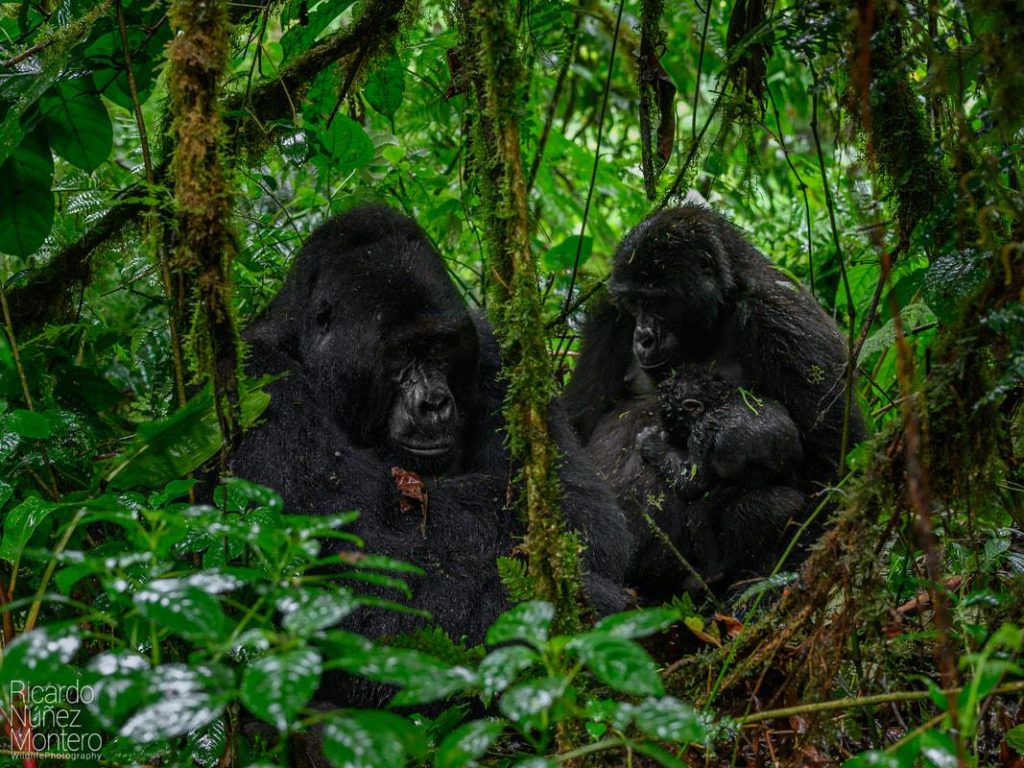
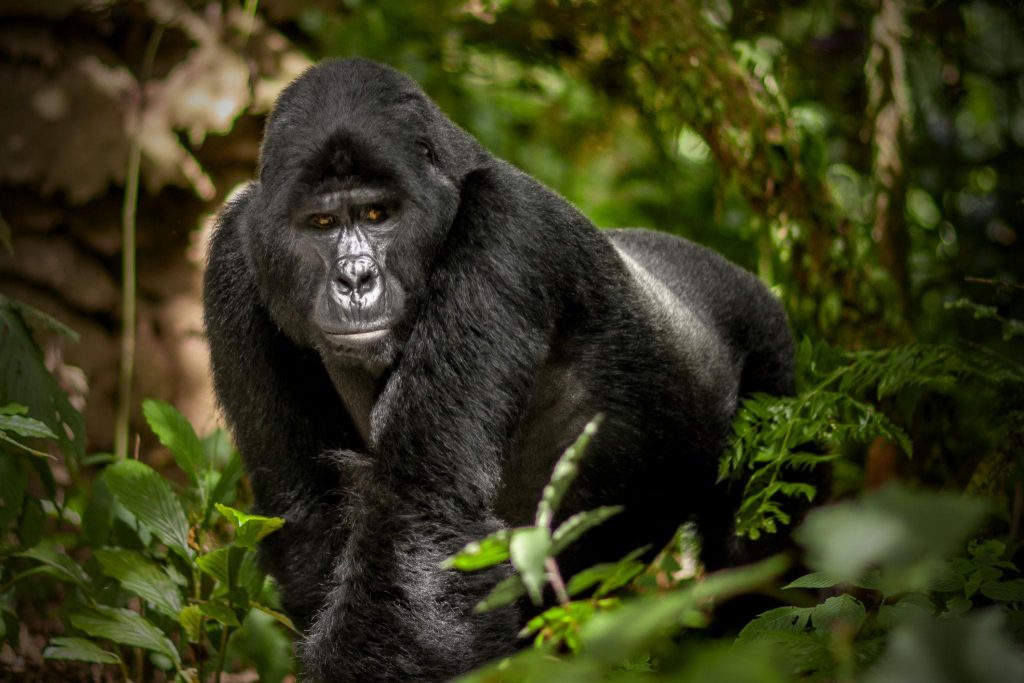
Finding mountain gorillas in a thick tropical forest is not a matter of luck. It requires experience, patience, observation and a deep understanding of the animals’ behaviour. Every day, trained trackers enter the forest to locate gorilla families before visitors begin their trekking experience. They study signs left behind by the animals and follow clues that lead them through the vegetation.
For many travellers, gorilla trekking begins when they meet their guides at the park headquarters. However, an important part of the activity often happens much earlier. Trackers have already started searching for the gorilla families, studying their movements and communicating useful information to the guiding teams.
Mountain gorillas live in forest habitats where thick vegetation can make visibility difficult. They also move freely in search of food, shelter and suitable resting places. Therefore, trackers cannot simply rely on seeing the animals from a distance. Instead, they use several natural signs and years of field experience to locate them.
At Safari O’clock, we believe that understanding this process makes a gorilla trekking adventure even more meaningful. It helps visitors appreciate the people behind the experience and the conservation work that supports responsible tourism. So, how do trackers find mountain gorillas in the forest?
1. Trackers Start Searching Before Visitors Arrive
Gorilla tracking often begins early in the morning. In many trekking areas, advance trackers enter the forest before tourists leave the park headquarters. Their first task is to find the gorilla families and establish their latest known locations.
Trackers often know where a family spent the previous evening. They use information from earlier observations and return to the area where they last saw the animals. This gives them a useful starting point for the morning search.
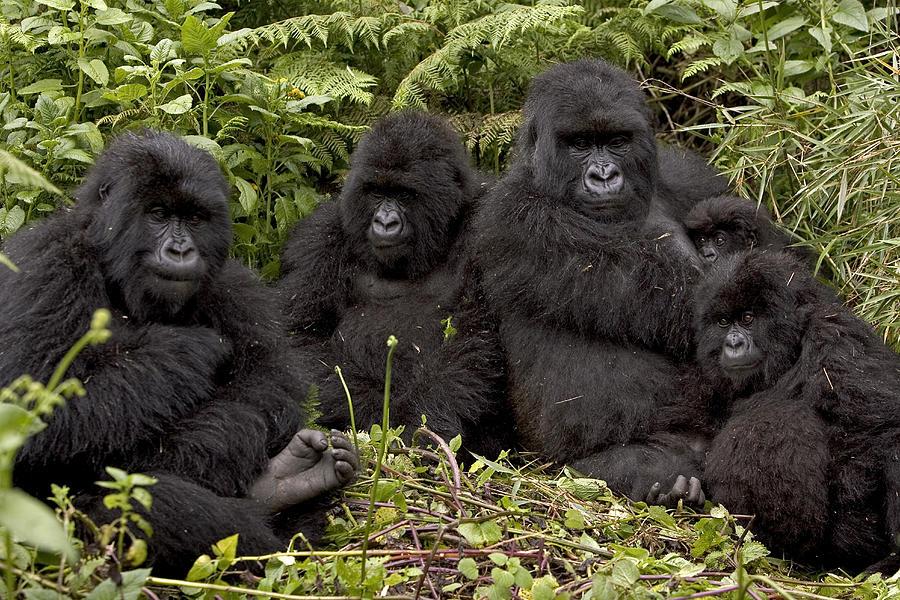
Mountain gorillas build nests where they sleep at night. Most individuals construct their own sleeping nests, although young infants may share nests with their mothers. These nests provide important clues about the family’s recent location.
After leaving their sleeping area, gorillas move through the forest to feed and carry out their daily activities. Trackers examine the nesting site and surrounding vegetation to understand the direction the family may have taken.
However, the animals do not follow a fixed route every day. They may move into another section of the forest, depending on food availability and other natural conditions. Therefore, trackers must remain alert and adjust their search as new information becomes available.
2. Gorilla Tracking Methods: Reading Signs Left in the Forest
Mountain gorillas leave several signs as they move through their habitat. Experienced trackers learn to recognise these clues and use them to follow the animals.
One important clue is disturbed vegetation. Gorillas feed on different plant parts, including leaves, stems and shoots. As they move and feed, they may bend plants, break branches or leave sections of vegetation partly eaten.
Trackers examine these changes carefully. Freshly broken stems and recently eaten plants can suggest that a gorilla family passed through an area not long ago. However, they must distinguish fresh signs from older disturbances.
Another important clue is gorilla dung. Trackers examine its appearance and freshness to help estimate how recently the animals passed. Dung can also provide information for scientific monitoring and health research.
Footprints and other marks may offer additional clues, depending on the ground conditions. However, trackers do not depend on one sign alone. They combine several observations to build a clearer picture of the family’s movements.
Research conducted in Bwindi Impenetrable National Park has documented the use of trails, bent vegetation, dung and food remains to study mountain gorilla movements. This shows how important natural signs are in understanding where gorillas have travelled.
3. How Gorilla Tracking Methods Use Night Nests
Night nests are among the most useful signs trackers and researchers examine in the forest. Mountain gorillas build nests for resting at night, usually from surrounding vegetation.
In the morning, trackers may visit the previous night’s nesting area to establish whether the family rested there. They examine the number of nests and their arrangement. This can help them estimate how many individuals used the site.
The condition of the nests also provides useful information. Fresh nests suggest recent activity, while older nests may indicate that the family left the area earlier.
Trackers then examine the surrounding ground and vegetation for signs of movement. These may include feeding remains, dung and flattened plants. Together, these clues help them identify the direction taken by the gorillas.
Researchers also use nest sites during population surveys. By recording nest locations and collecting suitable samples, they can study gorilla numbers, distribution and population changes.
However, finding a nest does not mean the gorillas are still nearby. The family may have moved a considerable distance since leaving the site. Trackers must therefore continue following fresh signs until they locate the animals.
4. Gorilla Tracking Methods Depend on Understanding Feeding Behaviour
Food plays an important role in the daily movements of mountain gorillas. They spend much of their active time feeding on vegetation available within their habitat.
Their diet includes leaves, stems, shoots, pith and other plant materials. The types of plants they eat can vary according to the location, season and availability of food.
Trackers understand that feeding activity leaves visible evidence. They may find partly eaten plants, broken stems and vegetation that has been pulled or bent.
These signs help them identify areas where gorillas have recently searched for food. They can then follow the trail and look for additional evidence of the family’s movements.
Knowledge of local vegetation is especially useful. Experienced trackers become familiar with plants that gorillas commonly feed on. This allows them to recognise feeding signs more accurately.
Nevertheless, feeding patterns do not provide an exact route. Gorillas may change direction as they search for different food sources. Trackers must combine their knowledge of feeding behaviour with other evidence from the forest.
5. Trackers Listen for Gorilla Sounds in the Forest
Mountain gorillas communicate through different vocalisations. These sounds can provide useful information about their activities and interactions.
While searching, trackers may listen for calls, grunts and other sounds coming from the forest. Hearing gorillas can help them identify an area where a family may be present.
However, dense vegetation can make it difficult to determine the exact location of a sound. Other forest noises can also make listening challenging. Therefore, trackers use sounds alongside physical signs rather than relying on them alone.
Gorilla vocalisations also have different meanings. Some sounds occur during social interactions, while others may express excitement, discomfort or communication between family members.
Experienced trackers gradually develop an understanding of these sounds through regular fieldwork. Their knowledge helps them interpret what they hear and decide how to continue the search.
For visitors, this is one reason why listening to the guide matters. The forest is full of sounds, and some may reveal more about the surrounding wildlife than visitors initially realise.
6. How Trackers Use Experience and Knowledge of the Forest
Finding gorillas requires more than following footprints or looking for broken plants. Trackers also depend on their knowledge of the forest and years of experience observing wildlife.
They become familiar with the areas where particular gorilla families have been seen. They also learn about feeding locations, nesting areas and common movement patterns.
This knowledge helps them make informed decisions during the search. For example, fresh feeding remains in a particular area may suggest that a family moved through recently. Trackers can examine nearby vegetation to identify the direction of travel.
However, gorilla families do not remain in one location. Their movements depend on natural conditions, including food availability and interactions with other groups. Therefore, previous observations provide guidance rather than a guaranteed location.
Trackers must also understand the forest terrain. They navigate steep slopes, thick vegetation and narrow trails while remaining alert to wildlife and other environmental conditions.
Their work demands physical endurance and careful observation. It also requires patience because locating a family may involve following several clues over a long distance.
7. Gorilla Tracking Methods Include Communication Between Trackers and Guides
Trackers and visitor guides perform different but closely connected roles. Trackers concentrate on locating and monitoring the gorilla families. Guides lead visitors through the forest and manage the trekking experience.
Once trackers locate a family, they communicate its position and relevant information to the guiding team. Depending on the park’s arrangements, they may use radios or mobile communication devices.
This communication helps guides understand where to lead visitors. It can also allow them to adjust the route when the gorillas move.
For example, a guide may begin the trek using the family’s earlier location. Later, the trackers may report that the gorillas have moved into another section of the forest. The guide can then change direction based on the latest information.
Communication is especially important because the forest environment can make coordination difficult. Teams need to share accurate information while working across different areas.
This teamwork helps organise the visitor experience. It also reduces unnecessary searching and supports the safe management of trekking activities.
8. How Technology Supports Gorilla Tracking Methods
Although trackers rely heavily on traditional field skills, technology also supports their work. Modern conservation teams use digital tools to record observations and monitor wildlife.
Handheld GPS devices and smartphones can help trackers record locations. These records allow conservation teams to study gorilla movements over time and understand how different families use their habitats.
Communication equipment also helps trackers share information with guides and park headquarters. This can improve coordination during daily trekking activities.
In Uganda, the Uganda Wildlife Authority has highlighted the use of smartphones, GPS and monitoring systems in recording gorilla locations, movements and health conditions. These tools support conservation planning and ecological monitoring.
However, technology does not replace the knowledge of experienced trackers. A GPS device can record a location, but it cannot independently interpret every broken branch, feeding sign or nesting site.
Trackers still need to understand animal behaviour and recognise natural clues. Technology simply provides additional information that supports their decisions.
It is also important not to assume that every gorilla family wears a tracking device. The methods used to locate habituated families include direct observation, field signs, monitoring records and communication between teams. Any specific use of animal-borne devices depends on authorised conservation and research programmes.
9. Why Gorilla Families Do Not Stay in One Place
Mountain gorillas move through their natural habitats throughout the day. They do not remain in one location simply because visitors are scheduled to see them.
Food availability is one of the main factors influencing their movements. As they feed, they may travel to different areas where suitable vegetation grows.
Social behaviour can also influence movement. Gorilla families interact with neighbouring groups, and individuals may sometimes leave or join different groups.
Weather and other environmental conditions may also affect where gorillas choose to rest or feed. As a result, trackers cannot assume that a family will return to the same location each morning.
This explains why the trekking route may change during the day. A family that was located in one area early in the morning may move before visitors reach it.
For travellers, this is an important part of the experience. Gorilla trekking takes place in a living ecosystem, and the animals determine their own movements.
10. How Trackers Help Protect Mountain Gorillas
The work of trackers goes beyond helping tourists find gorillas. Their daily observations also support conservation and wildlife monitoring.
By following gorilla movements, trackers can report changes in group locations and unusual behaviour. They may also notice signs of injury, illness or other concerns that require attention from conservation or veterinary teams.
Trackers and other park staff also contribute to monitoring activities. They can report signs of illegal activities, human disturbance and possible threats within protected areas.
Their observations help wildlife authorities make informed management decisions. In addition, regular monitoring allows conservation teams to maintain records about individual families and their changing social structures.
This work is particularly important because mountain gorillas face health risks from human diseases. Trackers and guides help ensure that visitors follow the rules designed to reduce disturbance and protect the animals.
Therefore, every successful gorilla trekking experience depends on more than finding a family. It also depends on responsible management and continued conservation work.
11. What Visitors Can Learn From the Trackers During a Gorilla Trek
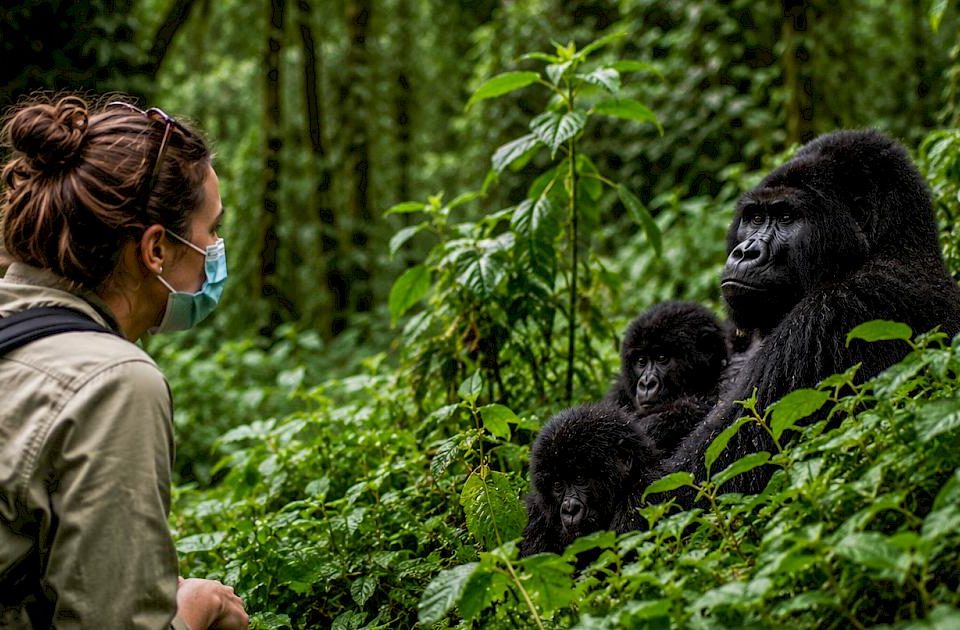
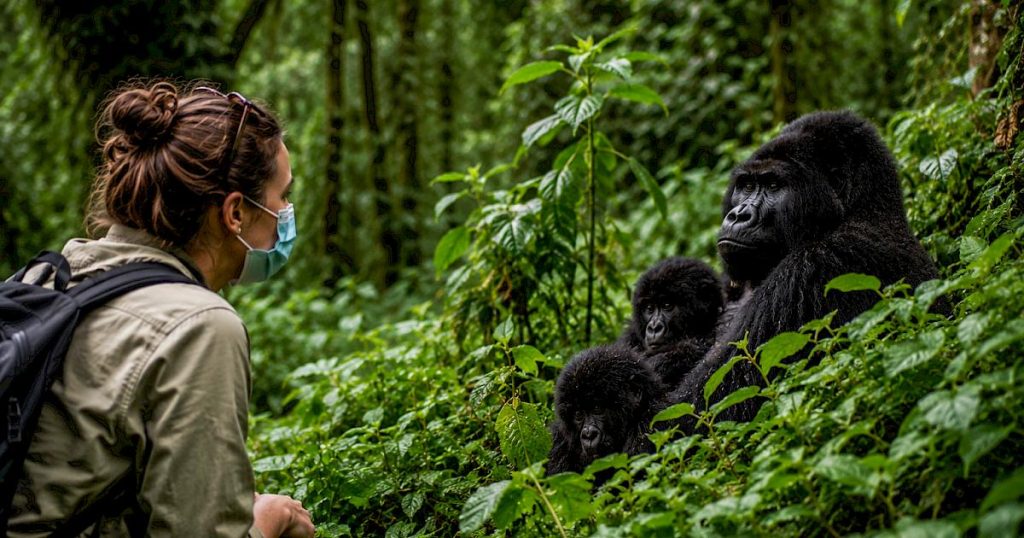
Visitors can learn a great deal from trackers and guides during their forest experience. Instead of viewing the trek as simply a walk to find gorillas, travellers can use the journey to understand how wildlife monitoring works.
Ask your guide about the signs you see along the trail. They may explain why certain plants look damaged or how trackers recognise a fresh feeding area.
You can also ask about gorilla nesting habits and how conservation teams monitor different families. These explanations make the forest more interesting and help visitors understand the work behind the experience.
However, always follow the guide’s instructions. Do not leave the group to investigate tracks or vegetation on your own. Avoid touching nests, dung or other wildlife evidence.
At Safari O’clock, we encourage travellers to remain curious and engaged throughout their adventure. The knowledge shared by local guides and trackers can make the experience more educational and memorable.
Conclusion: The Skilled People Behind Every Gorilla Trek
Finding mountain gorillas in a thick forest requires patience, knowledge and careful observation. Trackers use night nests, feeding remains, dung, disturbed vegetation and vocalisations to follow the animals. They also rely on their experience, knowledge of the forest and communication with guiding teams.
Technology supports this work through GPS records, smartphones and communication equipment. However, the ability to interpret natural signs remains an essential part of successful tracking.
The next time you visit Bwindi, Mgahinga or Volcanoes National Park, remember that the experience begins long before you meet the gorillas. Behind every trek is a team of dedicated people working to locate, monitor and protect these remarkable animals.
Safari O’clock recognises the importance of these skilled professionals in responsible gorilla tourism. Understanding their work allows visitors to appreciate not only the mountain gorillas but also the people who help make this extraordinary wildlife experience possible.