- DIRECT CONTACTS:
- +256394517569
- tours@safarioclock.africa

Why Forest Restoration Matters Around Gorilla Habitat

How Scientific Research Supports Mountain Gorilla Protection
November 11, 2026
How Tourism Can Help Fund Protected Areas
November 11, 2026
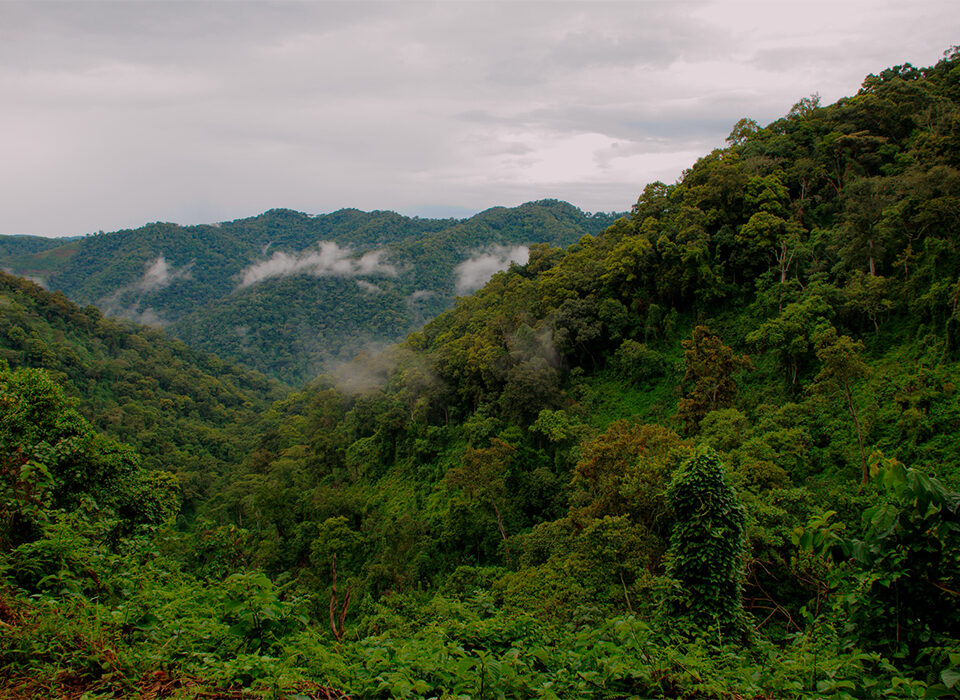
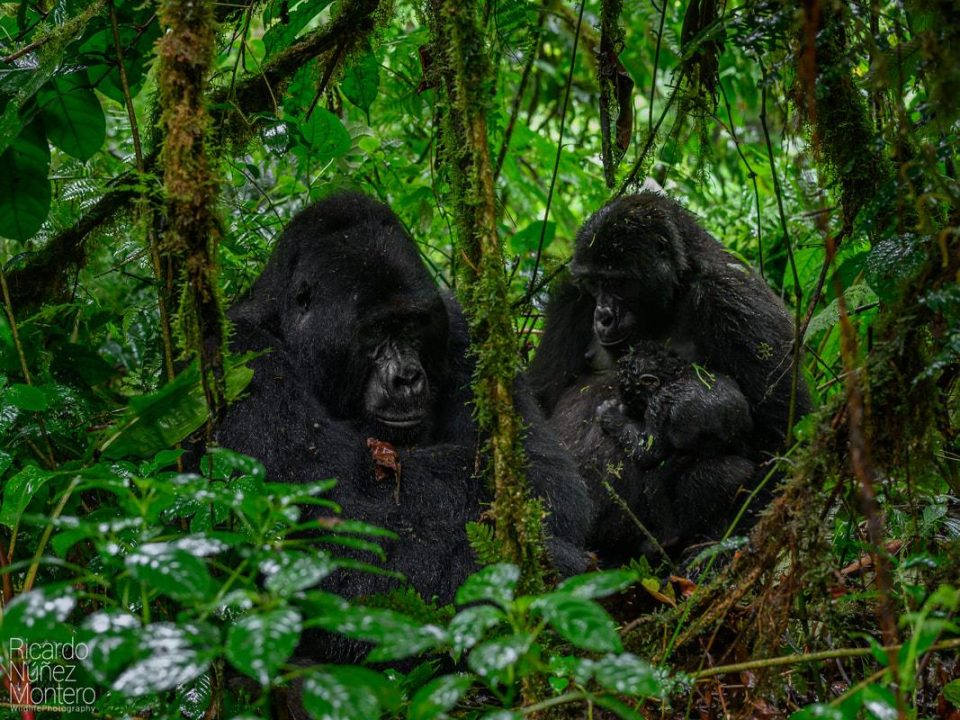
Mountain gorillas depend on healthy forests for food, shelter and survival. However, forest loss, habitat degradation and pressure from nearby human activities can threaten the places where these endangered animals live. Forest restoration helps repair damaged ecosystems and creates better conditions for wildlife and local communities.
Across Rwanda and Uganda, conservation organisations and government agencies recognise that protecting gorillas requires more than monitoring the animals. It also means protecting the forests they depend on. For travellers planning a gorilla trekking adventure, understanding forest restoration adds another important dimension to the experience.
At Safari O’clock, we believe that responsible travel should help visitors appreciate the connection between wildlife, forests and the people who live nearby. By understanding why forest restoration matters, travellers can better appreciate the conservation work that supports mountain gorilla survival.
What Is Forest Restoration Around Gorilla Habitat?
Forest restoration involves helping damaged or degraded forests recover their natural functions. This may include planting suitable native trees, restoring natural vegetation, removing invasive plants and allowing forests to regenerate naturally. The best approach depends on the condition of the land and the needs of the local ecosystem.
Restoration does not simply mean planting as many trees as possible. A forest needs the right plants, suitable growing conditions and enough time to develop. Conservation teams must also consider soil health, water systems, native wildlife and the needs of neighbouring communities.
Around mountain gorilla habitats, restoration can help recover areas that have lost natural vegetation or become less suitable for wildlife. It can also improve buffer zones between protected forests and nearby farms or settlements.
Mountain gorillas live in high-altitude forests across the Virunga Massif, which spans Rwanda, Uganda and the Democratic Republic of Congo. Another population lives in Uganda’s Bwindi Impenetrable National Park and the adjoining Sarambwe Forest Reserve in the Democratic Republic of Congo. These forests form part of a biologically rich region known as the Albertine Rift.
According to the International Gorilla Conservation Programme, these mountain forests support many unique species and help reduce soil erosion. Therefore, restoring forest landscapes benefits much more than gorillas alone.
Why Forest Restoration Protects Gorilla Food Sources
Mountain gorillas spend much of their time feeding on vegetation. Their diet includes leaves, shoots, stems, pith and other plant materials. The types of food available vary with the season, altitude and habitat.
When a forest becomes degraded, its natural plant communities may also change. Some important food plants may become less abundant, while invasive species can alter the structure of the vegetation. Restoring suitable native plants can help rebuild the conditions that gorillas need.
Forest Restoration Supports Natural Gorilla Food
Healthy mountain forests contain a variety of plants that provide food throughout the year. Different plant species grow at different times and in different parts of the forest. This diversity helps gorillas find suitable food as conditions change.
In Rwanda’s Volcanoes National Park, African alpine bamboo is an important part of the mountain forest ecosystem. The African Wildlife Foundation has supported restoration work involving Yushania alpina, a native bamboo species found in the park. This work aims to improve habitat for mountain gorillas and other wildlife.
Such projects show why restoration must match the local environment. Planting suitable native species can help rebuild the vegetation that belongs in a particular habitat. However, successful restoration takes time. Newly planted vegetation cannot immediately replace a mature forest.
Safari O’clock encourages travellers to look beyond the gorilla encounter itself. The plants surrounding a gorilla family are part of the wider ecosystem that makes the experience possible.
Forest Restoration Helps Maintain Plant Diversity
A healthy forest contains many plant species, each with its own ecological role. Some provide food for wildlife, while others offer shelter or help maintain soil conditions. Different plants also support insects, birds and other animals that contribute to the wider ecosystem.
Forest degradation can reduce this diversity. In contrast, well-planned restoration can help native plants return and create better conditions for other species.
Still, restoration teams must select plants carefully. Introducing unsuitable species may create new ecological problems. Invasive plants can compete with native vegetation and change the structure of the habitat.
For this reason, conservation projects often combine planting with the removal of invasive species and the protection of natural regeneration. This approach helps forests recover in a way that better reflects their original ecological character.
How Forest Restoration Expands Gorilla Habitat
Mountain gorillas need enough suitable forest to find food, move through their environment and carry out their daily activities. However, their habitat exists within a landscape that also supports farming, homes, roads and other human needs.
When forests become smaller or fragmented, wildlife may have fewer suitable places to use. Restoring degraded areas can improve the quality of existing habitat and, where land management allows, increase the amount of suitable vegetation available.
Forest Restoration Rebuilds Degraded Habitat
Some areas around protected forests have experienced pressure from farming, tree removal and other land uses. These activities can reduce natural vegetation and change the conditions that wildlife depends on.
Restoration can help repair some of this damage. Teams may plant native vegetation, remove invasive plants or protect areas where natural forest regeneration is already taking place.
For example, the African Wildlife Foundation reported that it handed over 27 hectares of restored land to the Rwanda Development Board in May 2024 for inclusion in Volcanoes National Park. The restoration work involved collaboration with EcoPlanet Bamboo Rwanda and aimed to improve habitat and food availability for mountain gorillas and other wildlife.
This example shows how carefully planned restoration can contribute to broader habitat protection. However, restoring a particular area does not automatically mean that gorilla numbers will increase. The results depend on habitat quality, available food, protection and other ecological factors.
Forest Restoration Can Improve Habitat Connectivity
Forest fragmentation occurs when a larger natural habitat becomes divided into smaller sections. Roads, farms, settlements and other land uses can separate areas that were once connected.
Restoring vegetation between suitable forest areas may improve habitat connectivity for some wildlife species. It can also help maintain ecological processes across a wider landscape.
For mountain gorillas, the value of any proposed corridor depends on its location, vegetation, safety and suitability for the animals. Conservation experts must assess these factors before assuming that a restored area will support gorilla movement.
Restoration also needs to fit within protected-area management plans and local land-use decisions. Planting trees alone cannot solve every problem associated with habitat fragmentation.
Nevertheless, restoring degraded forest landscapes can form an important part of long-term habitat planning. It helps conservation teams consider the wider ecosystem instead of focusing only on individual gorilla groups.
Why Forest Restoration Matters for Soil and Water
Mountain gorilla habitats often lie on steep volcanic slopes and mountainous terrain. In these environments, vegetation plays an important role in protecting the soil and managing water.
When land loses its natural plant cover, rain can wash away exposed soil. This process can reduce soil quality, damage streams and increase sediment entering water systems. The effects may extend beyond the damaged area and affect farms, homes and other communities downstream.
Forest Restoration Helps Reduce Soil Erosion
Tree roots and other vegetation help hold soil in place. Leaves and ground cover also reduce the direct impact of rainfall on the soil surface. Together, these features can help limit erosion when vegetation is suitable and well established.
Forest restoration can therefore help stabilise degraded slopes. However, results depend on the type of vegetation, the condition of the land and the restoration method.
Around Rwanda’s Volcanoes National Park, the World Bank has highlighted landscape restoration, slope stabilisation and erosion control as part of wider efforts to strengthen community resilience. These activities demonstrate how environmental restoration can support both nature and people.
Healthy soils also support plant growth. As native vegetation recovers, it can improve the conditions needed for further forest regeneration.
Forest Restoration Supports Water Quality
Forested landscapes help regulate how rainwater moves through the environment. Vegetation can slow surface runoff, while forest soils can absorb and store water. These processes may reduce the amount of loose soil entering nearby streams.
Restoration can therefore contribute to healthier water systems. The benefits depend on the wider landscape, including the condition of wetlands, riverbanks, farms and other land uses.
Water protection matters to wildlife and people alike. Communities around mountain forests need reliable water for household use, agriculture and other daily activities. Wildlife also depends on healthy ecosystems that maintain natural water processes.
For Safari O’clock travellers, this connection offers a useful reminder: gorilla conservation is linked to the health of an entire landscape. Protecting forests can help support the ecological systems that sustain both wildlife and nearby communities.
How Forest Restoration Benefits Local Communities
Long-term conservation works best when it considers the needs of people living near protected areas. Many communities depend on surrounding landscapes for farming, water, energy and income. As a result, forest restoration must address local priorities as well as ecological goals.
When restoration projects involve communities, they can create opportunities for employment, training and small businesses. Local people may take part in tree nurseries, planting activities, invasive-species removal and monitoring work.
These opportunities can help connect environmental protection with local livelihoods. However, the benefits depend on how projects are planned, funded and managed. Restoration should involve meaningful community participation rather than assuming that every household will benefit in the same way.
Forest Restoration Can Create Local Jobs
Restoration projects may require workers to collect seeds, raise seedlings, prepare land and care for young plants. Some projects also need people to monitor vegetation and maintain restored sites.
These activities can create paid work and develop practical environmental skills. Local nurseries and businesses may also benefit when projects purchase suitable seedlings, tools and other supplies locally.
For example, restoration initiatives around Volcanoes National Park have included work to remove invasive trees and support native vegetation recovery. Some projects have also involved local community members in restoration activities.
The long-term value goes beyond planting day. Young trees and other plants need care, and restoration teams must monitor whether the vegetation is surviving and developing as intended.
When communities have a meaningful role in these activities, they can contribute valuable local knowledge and help maintain the results over time.
Forest Restoration Can Support Sustainable Livelihoods
Communities living near mountain gorilla parks may face difficult choices when they need land, fuelwood or other resources. Conservation measures become more sustainable when they recognise these needs and support practical alternatives.
For instance, tree-growing projects outside protected areas may provide suitable sources of timber, fuelwood or other useful products. The species and harvesting methods must be selected carefully to avoid creating new environmental problems.
Community-based enterprises can also connect conservation with tourism, crafts, agriculture and other sources of income. Yet these benefits do not happen automatically. They require effective planning, fair access to opportunities and ongoing cooperation between communities, authorities and conservation partners.
The World Bank’s work around Rwanda’s Volcanoes region highlights the connection between landscape restoration, climate resilience, livelihoods and the protection of mountain gorilla habitat.
Safari O’clock recognises that local communities are important partners in responsible tourism. A positive conservation future depends on approaches that respect both wildlife and the people who share the surrounding landscape.
Forest Restoration Can Help Reduce Human-Wildlife Conflict
Mountain gorillas live in protected landscapes surrounded by areas used by people. Where farms and settlements meet wildlife habitat, conflicts can occur. Animals may sometimes enter cultivated areas and damage crops, creating financial and emotional pressure for households.
Habitat protection and restoration can help address some of the conditions that contribute to these conflicts. For example, restoring appropriate vegetation within protected areas may improve habitat quality and food availability. Well-designed buffer zones may also help manage the boundary between wildlife habitat and agricultural land.
However, restoration alone cannot prevent every conflict. Wildlife movement, crop choices, seasonal changes, settlement patterns and the availability of natural food all influence what happens near park boundaries.
Effective solutions may combine habitat restoration with community engagement, land-use planning, appropriate barriers and reliable systems for reporting and responding to conflict.
Conservation authorities must also consider local conditions before deciding which measures to use. An approach that works in one area may not suit another.
For travellers, the important lesson is that responsible gorilla conservation requires cooperation. Protecting wildlife while respecting the needs of nearby communities can help build stronger relationships between people and protected areas.
Why Native Plants Matter in Forest Restoration
Not every tree or plant is suitable for restoring gorilla habitat. The best choices usually reflect the natural vegetation of the area and the ecological conditions of the site.
Native plants have developed within local ecosystems. They can provide familiar food and shelter for wildlife and support relationships with other native species. Their suitability still depends on factors such as altitude, soil, rainfall and the condition of the land.
Forest Restoration Requires the Right Species
Before planting begins, restoration teams need to understand the site. They may assess the existing vegetation, soil conditions, water movement and presence of invasive species. This information helps determine whether planting is necessary or whether natural regeneration offers a better option.
In some places, removing invasive plants may allow native vegetation to recover. In others, teams may need to plant suitable local species because natural regeneration is too slow or unlikely to succeed on its own.
The example of African alpine bamboo in Volcanoes National Park shows the importance of selecting vegetation that belongs in the local ecosystem. The species plays a recognised role in the park’s mountain forest environment.
Restoration must also account for the future. Plants need enough space and suitable conditions to mature. Project teams should monitor survival rates and replace failed planting where necessary.
Forest Restoration Should Protect Natural Regeneration
Sometimes, the simplest restoration method is to protect an area and allow it to recover naturally. Seeds may arrive from nearby vegetation, while existing roots, seedlings and young plants can gradually develop into more complex plant communities.
Natural regeneration may be appropriate where the soil remains healthy and native plants are still present. It can also reduce the need for intensive planting.
However, it is not the right solution for every site. Severe degradation, invasive species or repeated disturbance may prevent recovery without additional intervention.
Conservation teams should therefore choose restoration methods based on evidence rather than assuming that planting trees is always the best answer.
The goal is not simply to create a green appearance. It is to rebuild a healthy ecosystem that can support wildlife and continue functioning over time.
How Responsible Tourism Supports Forest Conservation
Responsible tourism can help connect visitors with the importance of protecting natural habitats. Gorilla trekking brings travellers into contact with the forests of Rwanda and Uganda, creating opportunities to learn about wildlife conservation and the communities surrounding protected areas.
Tourism can also generate income through permits, accommodation, transport, guiding and other local services. Depending on the destination and its management system, tourism revenue and related community programmes can contribute to conservation and local development.
However, tourism does not automatically restore forests. Restoration requires specific plans, appropriate funding, ecological knowledge and long-term monitoring. Visitors should avoid assuming that every trip directly finances a tree-planting project.
Forest Restoration Makes Gorilla Trekking More Meaningful
A gorilla trekking experience involves more than finding a gorilla family in the forest. It also reveals the importance of protecting the wider habitat that supports the animals.
As visitors travel through mountain landscapes, they can learn how vegetation, rainfall, soil and wildlife interact. They may also discover the work that park authorities and conservation partners undertake to protect these environments.
Safari O’clock encourages travellers to approach gorilla trekking with curiosity and respect. Learning about forest restoration helps visitors understand why conservation requires long-term commitment rather than one-time action.
Travellers should follow park rules, listen to their guides and respect wildlife viewing instructions. These actions help reduce disturbance and support responsible visits.
Forest Restoration and Community Benefits Go Together
Tourism can support local economies when visitors use responsible operators and engage respectfully with communities. Hiring local guides, buying authentic crafts and choosing businesses that treat workers fairly can help spread tourism benefits.
These actions do not replace formal forest restoration programmes. Instead, they support a wider approach in which conservation, community wellbeing and responsible tourism work alongside one another.
At Safari O’clock, we encourage visitors to look at the full picture. The future of mountain gorillas depends on protected habitat, effective conservation, community participation and tourism practices that respect the environment.
What Challenges Can Affect Forest Restoration?
Although forest restoration offers important benefits, it is not a quick or simple process. Restoring a mountain forest requires suitable species, careful planning and continued attention.
One challenge is limited land. Areas around gorilla parks may support homes, farms, roads and other essential activities. Conservation planners must therefore consider how restoration can fit into the wider landscape while respecting community needs and legal land rights.
Another challenge is invasive vegetation. Some introduced plants can spread quickly and compete with native species. Removing them may require repeated work, followed by monitoring to prevent them from returning.
Climate conditions can also affect restoration. Changes in rainfall, temperature and extreme weather may influence seedling survival and plant growth. Steep slopes and degraded soils can create further difficulties.
Funding and long-term maintenance matter as well. Planting seedlings is only the first step. Teams must check whether the plants survive, whether native vegetation returns and whether the restored site begins to function as intended.
Finally, conservationists need reliable evidence to measure progress. The number of trees planted does not tell the whole story. Survival rates, plant diversity, habitat quality and wider ecological changes can provide a more useful picture of success.
These challenges show why forest restoration needs long-term cooperation among conservation organisations, park authorities, researchers, communities and government agencies.
How Visitors Can Support Forest Restoration Around Gorilla Habitat
Travellers do not need to be conservation scientists to support responsible forest protection. Simple choices can help visitors respect the places they explore and the people who live around them.
First, choose responsible tourism services that follow park rules and communicate honestly about conservation. Ask how a company approaches sustainability, community partnerships and wildlife protection. Look for specific, verifiable information rather than relying on broad environmental promises.
Second, follow your guide’s instructions during gorilla trekking. Keep the required distance from gorillas, avoid touching vegetation unnecessarily and never leave litter in the forest. These actions help reduce disturbance and protect the wider environment.
Third, support local businesses and community initiatives where possible. Buying locally made crafts or using local services can help circulate tourism income within the destination. Choose products responsibly and avoid buying items made from threatened wildlife or illegally harvested natural resources.
Visitors can also learn about forest restoration before and after their trip. Understanding the challenges facing mountain habitats makes the experience more meaningful and encourages informed conversations about conservation.
Safari O’clock can help travellers prepare for gorilla trekking while encouraging respect for wildlife, park regulations and local communities. Although responsible travel cannot replace dedicated restoration programmes, it can support a tourism culture that values healthy ecosystems.
The Future of Forest Restoration and Mountain Gorilla Conservation
Mountain gorilla conservation demonstrates what sustained protection, research and cooperation can achieve. Yet population recovery does not remove every threat. Gorillas still depend on limited forest habitats, and habitat loss or degradation can undermine long-term progress.
Forest restoration offers one way to address these challenges. It can help recover native vegetation, improve soil and water conditions, strengthen degraded landscapes and support the wider biodiversity of mountain forests.
In Rwanda, restoration efforts around Volcanoes National Park show how habitat recovery can form part of a broader conservation strategy. In Uganda, work around Bwindi and other forest landscapes also highlights the importance of protecting habitat while engaging nearby communities.
The most effective restoration programmes look beyond the number of seedlings planted. They consider whether native plants survive, whether ecological functions improve and whether communities can participate in and benefit from conservation.
These efforts require patience. Forest ecosystems take time to recover, and results depend on local conditions and continued management. Nevertheless, restoring degraded habitat can create a stronger foundation for wildlife conservation.
For Safari O’clock travellers, the message is clear: the future of mountain gorillas depends on protecting the forests that sustain them. Every responsible trekking experience offers an opportunity to appreciate that connection and support tourism that respects nature.
Conclusion: Forest Restoration Helps Protect Gorilla Habitat
Forest restoration matters because mountain gorillas cannot survive without suitable habitat. Healthy forests provide food, shelter and the ecological conditions that support wildlife. They also help protect soil, regulate water and sustain many other species.
When restoration uses suitable native plants and involves local communities, it can contribute to stronger ecosystems and more sustainable relationships between people and wildlife. However, success requires careful planning, monitoring and long-term commitment.
For visitors, learning about restoration adds meaning to a gorilla trekking adventure. It shows that conservation involves much more than protecting individual animals. It also means protecting the natural landscapes that make their survival possible.
Safari O’clock invites travellers to explore Rwanda and Uganda responsibly, appreciate the value of mountain forests and support tourism that respects wildlife and local communities. By protecting forest habitats today, we help create better conditions for mountain gorillas and future generations.