- DIRECT CONTACTS:
- +256394517569
- tours@safarioclock.africa

How Scientific Research Supports Mountain Gorilla Protection

How Anti-Poaching Work Helps Protect Mountain Gorillas
November 11, 2026
Why Forest Restoration Matters Around Gorilla Habitat
November 11, 2026
Mountain gorillas are among the most remarkable wildlife species in Africa. They live in the mountainous forests of Uganda, Rwanda and the Democratic Republic of Congo. Although their population has recovered through decades of conservation, these endangered animals still face threats from disease, habitat loss, illegal hunting and human activity.
Protecting mountain gorillas requires more than patrols and protected areas. Conservation teams also need reliable information about the animals, their health and their environment. This is where scientific research becomes essential.
Scientists study gorilla behaviour, monitor population changes and investigate diseases. They also examine forest conditions and identify threats that could affect gorilla survival. Conservation teams use these findings to make better decisions and improve protection measures.
At Safari O’clock, we believe that understanding the science behind conservation makes gorilla trekking more meaningful. Visitors can appreciate not only the beauty of mountain gorillas but also the research and dedication that help protect them for future generations.
Why Scientific Research Matters for Mountain Gorilla Protection
Scientific research helps conservationists understand what mountain gorillas need to survive. Without reliable information, it would be difficult to identify the most urgent threats or measure whether conservation efforts are working.
For example, researchers collect information about gorilla numbers, family groups, feeding habits and movement patterns. They also study changes in forest vegetation and the effects of human activity.
This information helps park authorities identify problems before they become more serious. It also allows conservation organisations to direct resources towards areas that need the most attention.
The International Gorilla Conservation Programme (IGCP) supports scientific studies across the mountain gorilla range. Its work includes population surveys, habitat assessments and research into human activities that affect gorilla environments.
Furthermore, research encourages cooperation between conservation organisations and protected-area authorities. Teams in Rwanda, Uganda and the Democratic Republic of Congo can use scientific evidence to improve conservation planning across national borders.
As a result, scientific research provides an important foundation for long-term mountain gorilla protection.
How Scientific Research Tracks Mountain Gorilla Populations
Knowing how many mountain gorillas live in the wild is essential for conservation planning. Population surveys help researchers understand whether numbers are increasing, declining or remaining stable.
Scientific Research Uses Gorilla Population Surveys
Researchers conduct mountain gorilla censuses to estimate population size and understand changes over time. These surveys require careful planning because gorillas live in dense forests and move across large areas.
Teams may follow gorilla trails, examine nests and collect samples for genetic analysis. Researchers can then use these findings to estimate the number of animals and identify individuals or family groups.
Genetic methods have become particularly valuable. Scientists can analyse DNA from gorilla dung to distinguish individuals and reduce the risk of counting the same animal more than once.
For example, the 2015–2016 Virunga Massif census estimated 604 mountain gorillas in that landscape. A separate 2018 census recorded 459 gorillas in Uganda’s Bwindi-Sarambwe ecosystem.
These figures came from different surveys conducted in different years. They should not be treated as a single current count. Instead, they show how population surveys help conservationists measure progress across the mountain gorilla range.
Scientific Research Identifies Population Trends
A single census provides useful information, but repeated surveys reveal longer-term changes. Researchers compare results from different years to understand population growth and possible threats.
For instance, increasing numbers may indicate that protection measures are working. However, scientists must also examine other factors, including births, deaths, migration and the condition of the habitat.
Population trends help park authorities evaluate conservation strategies. They also support decisions about patrols, tourism management and habitat protection.
Importantly, a rising population does not mean that gorillas no longer need protection. Their range remains limited, and disease or habitat pressure can still threaten their future.
Scientific Research Helps Identify Individual Gorillas
Researchers and trackers often use distinctive facial features, nose patterns, scars and other physical characteristics to recognise individual gorillas.
This information helps teams follow specific animals over time. They can record family relationships, births, deaths and changes in social groups.
Individual identification also supports health monitoring. If a gorilla develops an injury or shows unusual behaviour, conservation teams may compare new observations with earlier records.
Therefore, knowing individual gorillas helps researchers understand both population changes and the lives of particular animals.
How Scientific Research Protects Gorilla Health
Mountain gorillas face several health risks, including infectious diseases, parasites and injuries. Scientific research helps conservation teams understand these threats and develop appropriate responses.
Scientific Research Detects Diseases in Gorillas
Researchers study gorilla health through observations, veterinary examinations and carefully collected biological samples. These methods help identify signs of infection and other health problems.
For example, scientists have investigated gastrointestinal parasites in mountain gorillas. A study published in 2025 examined parasite DNA in samples collected from Rwanda’s Volcanoes National Park and Uganda’s Bwindi Impenetrable National Park.
The research investigated long-term changes in parasite communities and their possible relationship with gastrointestinal disease. Such findings can help veterinary teams understand health risks that may otherwise remain difficult to detect.
Scientific evidence also helps conservationists monitor diseases that can pass between humans and gorillas. Because the two species share biological similarities, some human infections can affect gorillas.
This is why health research and visitor health rules are closely connected.
Scientific Research Supports Veterinary Care
Gorilla Doctors and other veterinary professionals use scientific knowledge to assess and treat sick or injured gorillas when intervention is necessary.
Researchers and field teams may report wounds, breathing difficulties or unusual behaviour. Veterinary specialists then evaluate the information and decide whether an examination or treatment is appropriate.
However, veterinary intervention requires careful judgement. Approaching a wild gorilla can create stress, and some procedures require specialised equipment and trained personnel.
Scientific research helps veterinarians make informed decisions about these risks. It also improves understanding of gorilla anatomy, disease patterns and treatment methods.
Consequently, research contributes to both emergency care and the long-term health of mountain gorilla populations.
Scientific Research Helps Prevent Disease Transmission
Disease prevention is a major part of responsible gorilla conservation. Researchers study how infections spread between people, gorillas and other animals.
Mountain gorillas live in close family groups. Therefore, an infection may spread among members when they interact frequently.
Research has also shown that human contact can influence the spread of infectious diseases within gorilla populations. These findings support measures such as maintaining visitor distances, using required protective masks and preventing sick visitors from approaching gorillas.
Park authorities use health guidelines to reduce these risks. Meanwhile, scientists continue to study disease patterns and identify ways to improve protection.
For Safari O’clock travellers, the lesson is simple: following health rules helps protect the gorillas they have travelled to see.
How Behavioural Research Improves Gorilla Protection
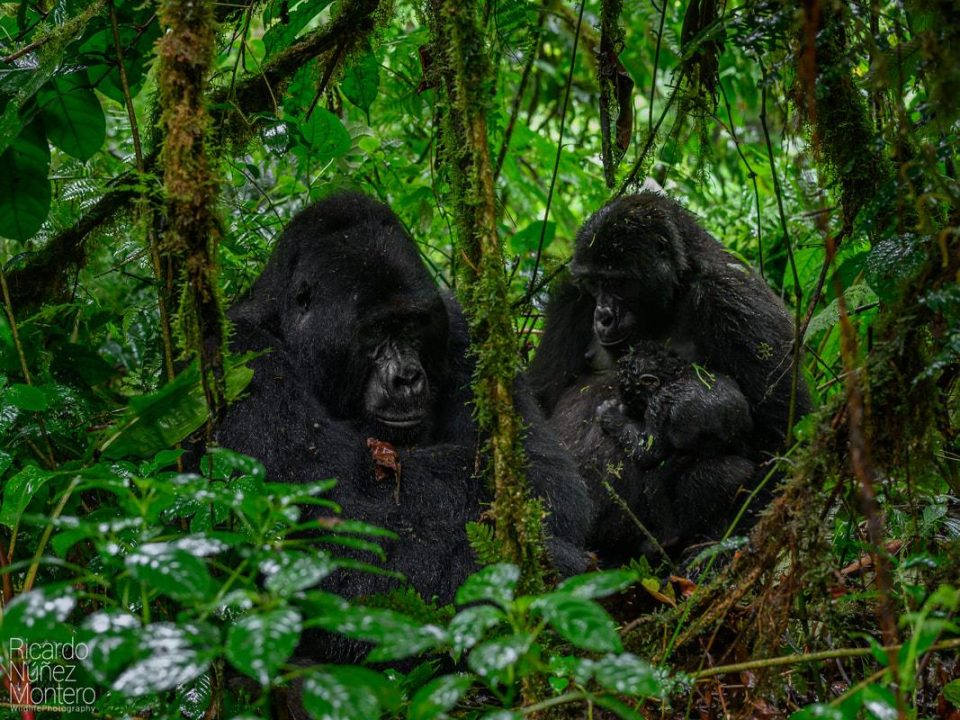
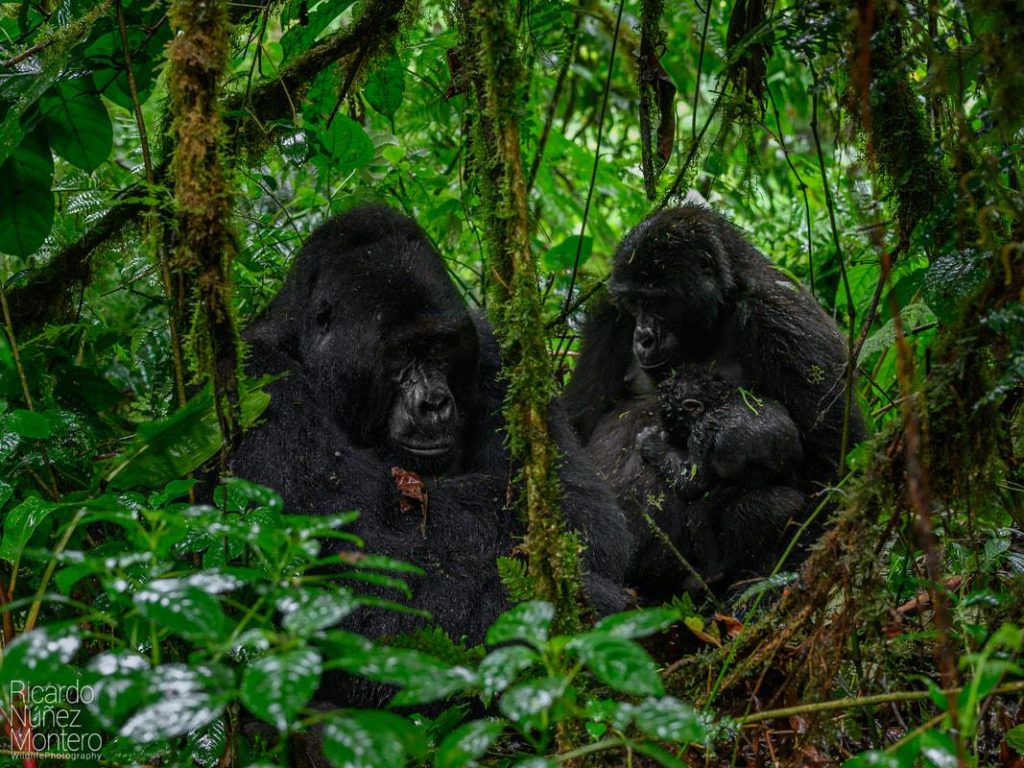
Mountain gorillas have complex social lives. They form family groups, communicate through sounds and gestures, care for their young and establish relationships with other members.
Behavioural research helps scientists understand these activities. Researchers observe gorilla interactions and record how individuals respond to changes in their environment.
Scientific Research Explains Gorilla Social Behaviour
Long-term studies allow researchers to follow gorilla families over many years. They can observe births, family changes, feeding behaviour and interactions between individuals.
This information helps scientists understand how gorilla groups develop and respond to different conditions.
For example, researchers can study how young gorillas learn from older members. They can also examine how dominant silverbacks influence group movement and protection.
Understanding these relationships helps conservation teams interpret changes in gorilla behaviour. It also provides useful information when groups experience unusual disturbances.
Scientific Research Helps Reduce Human Disturbance
Gorilla trekking allows visitors to observe habituated gorillas under controlled conditions. However, tourism must not interfere unnecessarily with their natural activities.
Researchers study how gorillas respond to human presence. Their findings help conservation authorities develop visitor guidelines that reduce disturbance.
Rules may limit the number of visitors, the length of encounters and the distance people must maintain. Guides also instruct visitors to remain calm, avoid sudden movements and follow park regulations.
These measures help balance tourism with gorilla welfare.
Safari O’clock encourages travellers to remember that gorillas are wild animals, not performers. Responsible visitors observe quietly and allow the animals to continue their natural behaviour.
How Scientific Research Protects Gorilla Habitats
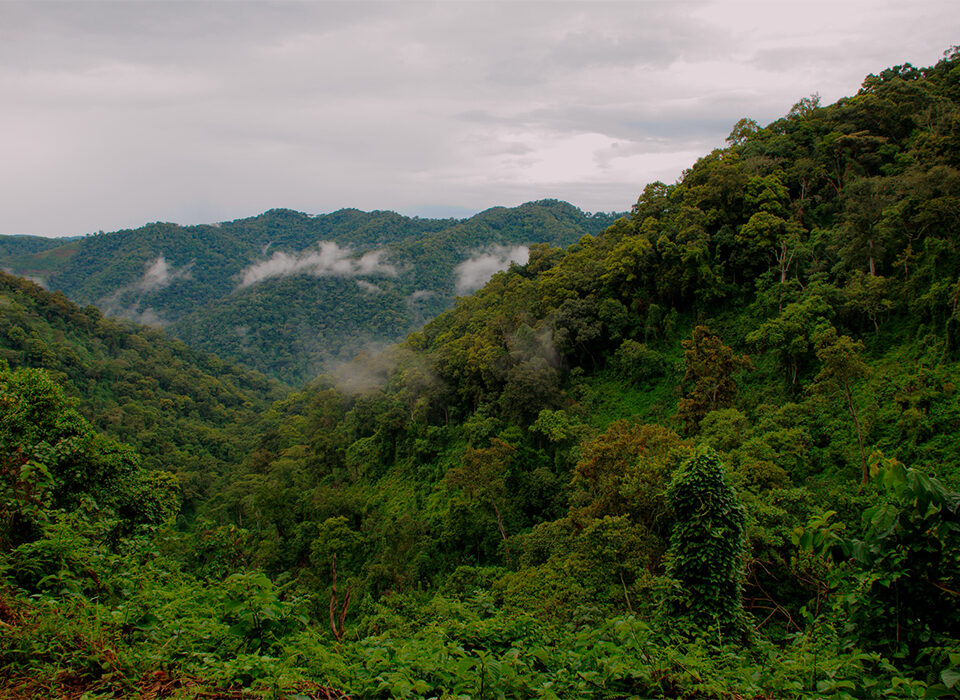
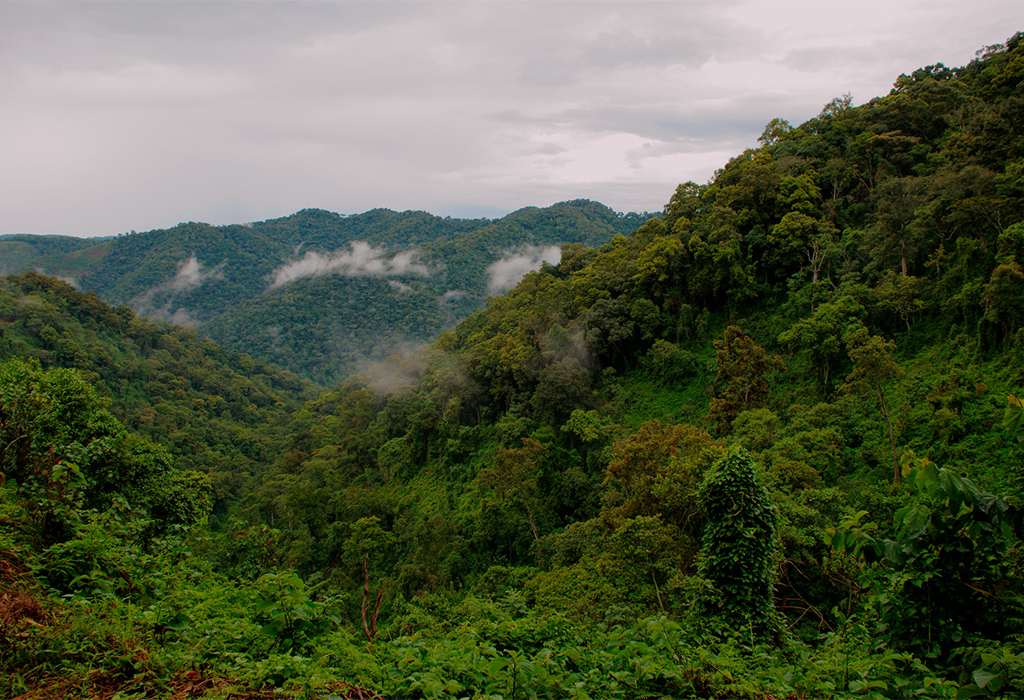
Mountain gorillas depend on healthy forests for food, shelter and movement. Changes to their habitat can affect their health and survival.
Scientific research helps conservationists understand these changes and identify areas that require protection.
Researchers Study Forest Vegetation
Scientists examine the plants that grow in gorilla habitats. They study vegetation patterns, food availability and changes in forest structure.
Mountain gorillas eat a variety of plant materials, including leaves, stems, shoots and roots. Therefore, changes in vegetation can affect the food available to them.
Researchers can use field surveys and vegetation mapping to identify important feeding areas. They can also monitor how forest conditions change over time.
This information helps park authorities make better decisions about habitat protection and restoration.
Scientific Research Measures Human Impacts
Human activities can place pressure on gorilla habitats. Farming, illegal logging, charcoal production and settlement expansion may damage forests or increase contact between people and wildlife.
Researchers study these pressures to understand where and how they affect protected areas.
For example, mapping tools can show changes in vegetation cover. Field observations can also reveal signs of illegal resource collection or human activity near gorilla habitats.
Conservation teams can then use the findings to plan patrols, improve boundaries and work with nearby communities.
Scientific Research Helps Address Climate Change
Climate change may affect mountain gorilla habitats through changes in temperature, rainfall and vegetation.
Researchers monitor weather patterns and ecological changes to understand how these factors influence the forest.
Although the full effects may take time to become clear, early research can help conservationists identify emerging risks.
These findings may guide habitat management, forest restoration and long-term conservation planning.
Therefore, studying the environment helps protect not only the gorillas living there today but also the habitats that future generations will depend on.
How Technology Supports Scientific Research on Mountain Gorillas
Modern technology has improved the way scientists collect and analyse conservation information. Researchers can now combine field observations with digital tools to build a clearer picture of gorilla populations and their environment.
GPS and Digital Mapping Improve Monitoring
GPS devices help researchers and field teams record locations accurately. They can map gorilla movements, monitor patrol routes and identify areas where conservation threats occur.
Digital maps also help managers compare information collected across different seasons and years.
This allows teams to identify important habitats and plan their activities more effectively.
Genetic Analysis Improves Population Estimates
DNA analysis has become an important tool in mountain gorilla conservation. Researchers can examine biological samples to distinguish individuals and support population estimates.
Genetic information can also help scientists understand relationships between individuals and groups.
This knowledge supports research into population structure and genetic diversity.
Camera Traps and Digital Records Provide More Information
Camera traps can capture images of wildlife without requiring researchers to remain at the site. These images help document animal presence and activity.
Digital reporting systems also allow rangers to record wildlife sightings, illegal activities and habitat changes.
The International Gorilla Conservation Programme has supported ranger-based monitoring systems that improve data collection and reporting across protected areas.
Technology does not replace fieldwork. Instead, it helps researchers combine different sources of evidence to understand conservation challenges more accurately.
Why Scientific Research Requires International Cooperation
Mountain gorillas live across national borders. Their conservation involves protected areas in Rwanda, Uganda and the Democratic Republic of Congo.
Although each country manages its own protected areas, the gorillas face many similar threats across the region. Therefore, cooperation helps conservation teams share knowledge and coordinate their efforts.
The International Gorilla Conservation Programme brings together conservation organisations and protected-area authorities across these countries. Its work includes scientific research, responsible tourism and community engagement.
Researchers also collaborate with universities, veterinary specialists and wildlife organisations. These partnerships support studies that may be difficult for one organisation to conduct alone.
For example, population surveys require extensive fieldwork, trained personnel and careful analysis. Sharing expertise can improve the quality of the results.
Furthermore, international cooperation helps conservationists compare findings from different habitats. This makes it easier to identify regional trends and develop suitable protection strategies.
For Safari O’clock, this is an important part of the conservation story. Protecting mountain gorillas requires teamwork that extends far beyond one park or country.
How Scientific Research Benefits Local Communities
Scientific research can also support people living near gorilla habitats. Conservation decisions affect local livelihoods, land use and opportunities linked to tourism.
Social research helps conservation organisations understand community needs and the pressures that may lead to forest damage.
For example, researchers can study how people use natural resources and how wildlife affects farming activities. They can also assess whether conservation programmes provide meaningful benefits to nearby communities.
This information helps organisations design more effective projects. Such projects may include sustainable livelihoods, community tourism and measures to reduce human-wildlife conflict.
Research can also help evaluate tourism revenue-sharing programmes. By examining how projects affect local people, conservation partners can identify what works and what needs improvement.
When communities benefit fairly from conservation, they may become more willing to support wildlife protection.
Therefore, scientific research can strengthen the relationship between gorilla conservation and local development.
How Safari O’clock Travellers Can Support Research-Based Conservation
Visitors may not conduct scientific studies themselves, but their choices can support responsible conservation.
First, follow all park regulations during gorilla trekking. These rules often reflect scientific knowledge about gorilla health, behaviour and visitor disturbance.
Second, choose responsible tourism services that respect wildlife and local communities. A good operator explains conservation rules and encourages ethical visitor behaviour.
Third, avoid spreading unverified information about gorilla populations or conservation projects. Share facts from reliable sources such as park authorities and established conservation organisations.
Visitors should also respect the work of researchers, trackers and rangers. Their observations and long-term studies provide much of the information used to protect mountain gorillas.
Finally, learn about the conservation challenges affecting the destination you visit. Understanding these issues makes the experience more meaningful and encourages responsible travel.
Safari O’clock encourages travellers to see gorilla trekking as an opportunity to appreciate both wildlife and the science that helps protect it.
Conclusion: Scientific Research Is Essential for Mountain Gorilla Protection
Scientific research helps conservationists understand mountain gorillas and respond to the threats they face. Population surveys reveal changes in numbers, while behavioural studies explain social relationships and responses to human activity.
Health research helps detect diseases and guide veterinary care. Habitat studies reveal environmental changes, and technology improves the collection and analysis of conservation information.
Furthermore, international cooperation allows researchers and park authorities to share knowledge across Rwanda, Uganda and the Democratic Republic of Congo.
However, research works best when teams apply the findings in practical ways. Patrols, veterinary care, responsible tourism and community partnerships all help turn scientific knowledge into meaningful protection.
At Safari O’clock, we believe that every gorilla trekking experience should inspire respect for these extraordinary animals. When visitors understand the research behind conservation, they can better appreciate the work required to protect mountain gorillas for generations to come.