- DIRECT CONTACTS:
- +256394517569
- tours@safarioclock.africa

How to Explain Gorilla Conservation to Children Before a Trip

Why Mountain Gorillas Need Space from Human Visitors
November 11, 2026
Responsible Souvenir Shopping Around Volcanoes National Park
November 11, 2026
A gorilla tracking trip can become much more meaningful when children understand why mountain gorillas need protection. Seeing these remarkable animals in their natural forest habitat is exciting. However, the experience also creates an opportunity to teach young travellers about wildlife, nature and responsible tourism.
Before travelling to destinations such as Rwanda or Uganda, parents can introduce children to the importance of gorilla conservation. They do not need complicated scientific explanations. Instead, simple stories, interesting facts and everyday examples can help children understand why protecting gorillas matters.
At Safari O’clock, we believe that a memorable wildlife journey should also encourage respect for nature. Preparing children before a trip helps them appreciate what they may see and understand how their behaviour can contribute to protecting wildlife.
What Does Gorilla Conservation Mean?
Start by explaining what conservation means. Children may understand the word more easily when you connect it to something familiar. For example, explain that conservation means looking after animals, plants and the places where they live so that they can survive into the future.
You can tell a child that mountain gorillas are wild animals that need forests for food, shelter and space. People work together to protect these forests and reduce dangers that threaten gorilla families. These efforts form part of gorilla conservation.
Explain that conservation does not mean keeping every wild animal in a zoo. It means allowing animals to live safely in their natural environments. Rangers, researchers, conservation organisations and nearby communities all play important roles in this work.
Children should also understand that protecting gorillas helps other living things. The same forests support birds, insects, plants and many other animals. Healthy forests also provide important benefits to people, including water resources and other natural resources.
Introduce Children to Mountain Gorillas
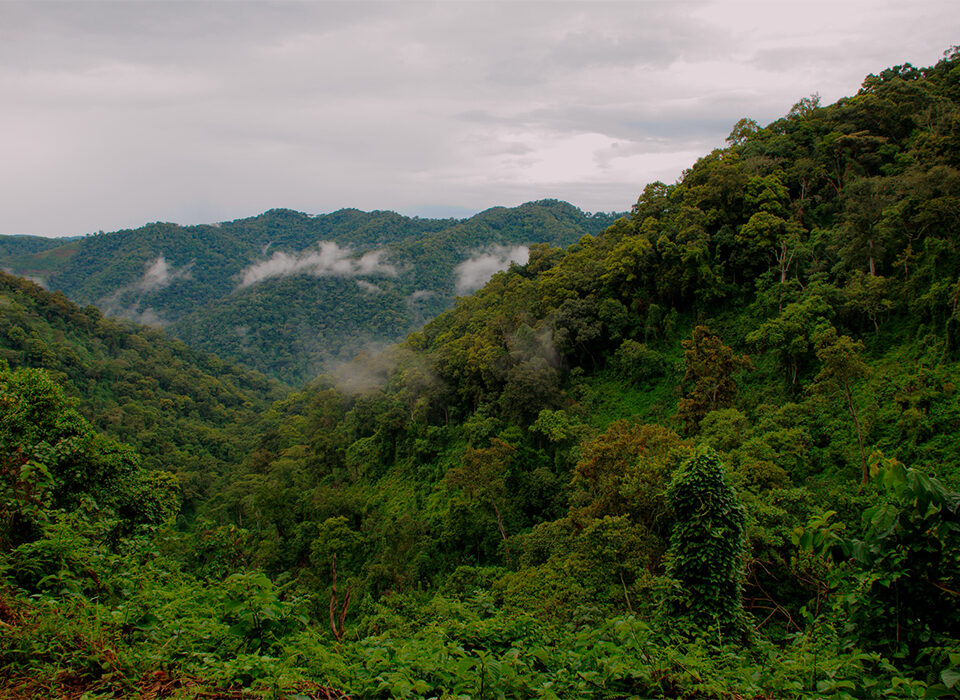
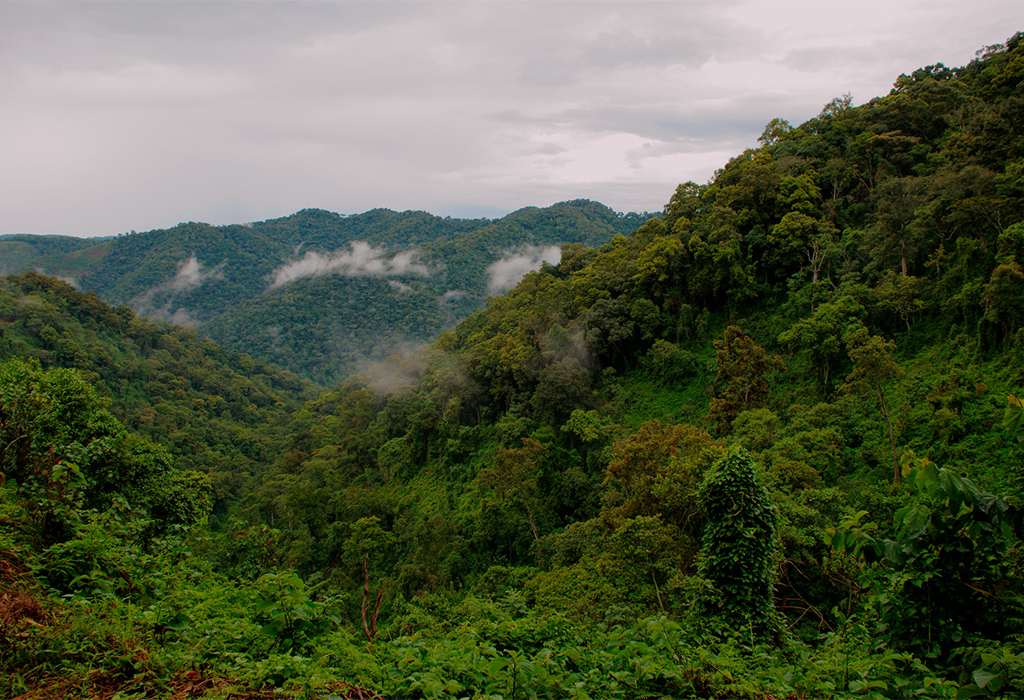
Before discussing threats, help children discover what makes mountain gorillas special. Mountain gorillas live in the high-altitude forests of the Virunga Mountains, which cross Rwanda, Uganda and the Democratic Republic of Congo. Another population lives in Uganda’s Bwindi-Sarambwe forest area.
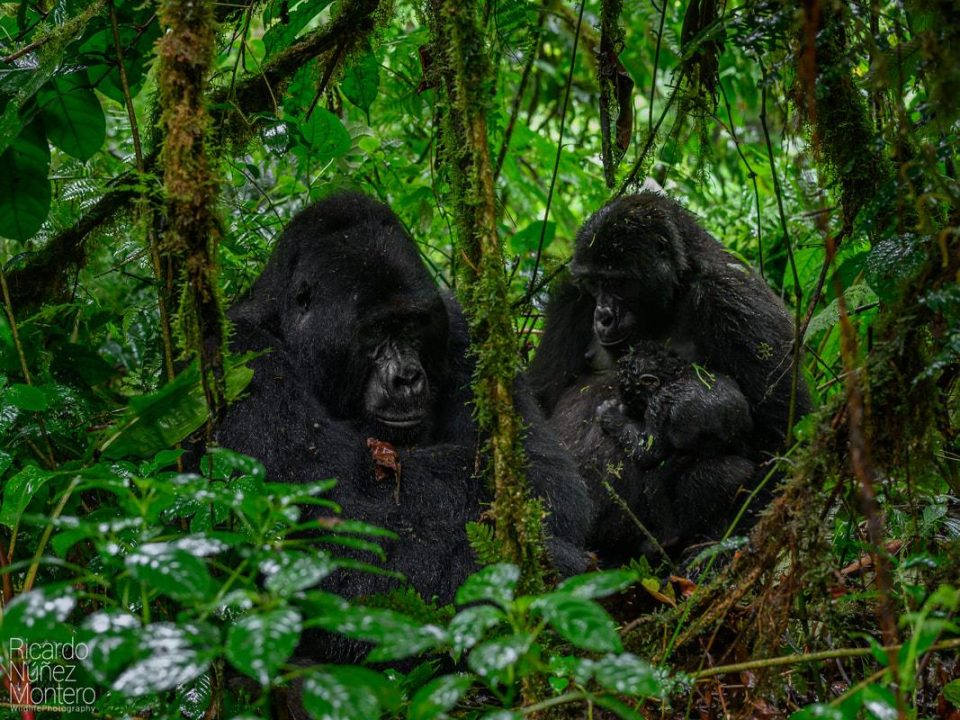
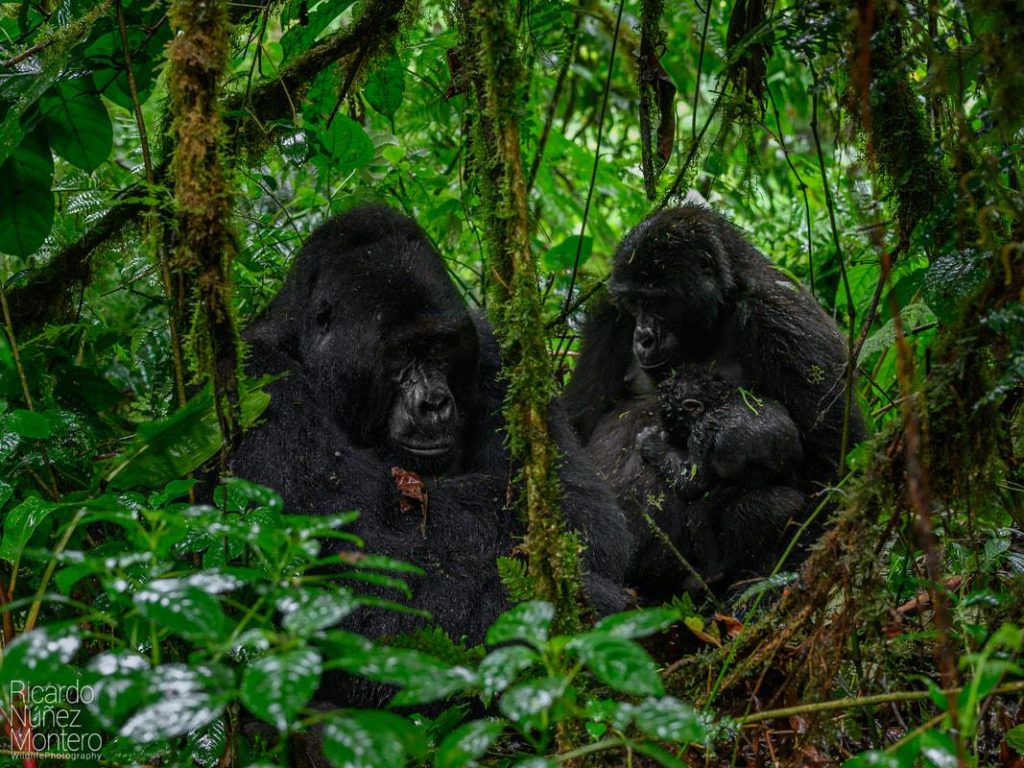
Explain that mountain gorillas live in family groups. These groups often include a dominant adult male called a silverback, females and young gorillas. The silverback gets his name from the silver-coloured hair that develops across his back as he matures.
Children may enjoy learning that gorillas spend much of their day feeding on leaves, shoots, stems and other vegetation. They also rest, play and interact with members of their families.
You can make the lesson more interesting by showing children photographs or age-appropriate wildlife documentaries. Ask them to notice how young gorillas interact with their mothers and how family members behave around one another.
However, remind them that gorillas are not human beings in animal costumes. They are wild animals with their own needs and natural behaviours. Respecting those differences is an important part of responsible wildlife tourism.
Explain Why Gorilla Conservation Matters
Children often understand conservation better when they know why an animal needs protection. Explain that mountain gorillas once faced serious threats to their survival. Although their numbers have increased through years of conservation work, they still need continued protection.
The International Gorilla Conservation Programme identifies habitat loss, disease, poaching and insecurity as important threats to mountain gorillas. Explain these issues in a way that suits the child’s age.
For example, you can describe habitat loss as the destruction or reduction of the forest where gorillas find food and shelter. When forests become smaller, animals have less space to live and move around.
You can explain disease transmission using a simple example. Just as children can catch a cold from another person, gorillas can also catch certain illnesses from humans. Some infections can seriously affect their health.
Poaching and snares are other dangers. Some traps are placed in forests to catch other animals, but gorillas can become injured when they encounter them. This is why rangers and conservation teams work to monitor forests and respond to threats.
Most importantly, avoid making children feel that the situation is hopeless. Explain that conservation efforts have helped mountain gorilla populations recover. People can make a difference when they work together to protect wildlife.
Teach Children How Tourism Supports Gorilla Conservation
A family trip can help children understand the connection between responsible tourism and conservation. Explain that people travel to protected areas to see wildlife, learn about nature and experience the forest.
However, gorilla tracking is not an ordinary sightseeing activity. It follows strict rules designed to protect both visitors and gorillas.
Responsible tourism can support conservation through permit revenue, employment and economic opportunities for communities around protected areas. Guides, trackers, porters, accommodation providers and other local workers may benefit from tourism activities.
Explain that when communities have opportunities to earn a living through responsible tourism, wildlife protection can become an important part of local economic activity.
Children should also understand that tourism must be carefully managed. Too many visitors or careless behaviour can disturb animals and increase health risks. Therefore, visitors must follow the instructions provided by park authorities and their guides.
Safari O’clock encourages families to approach gorilla tracking as both a wildlife adventure and a learning experience. Children can begin to appreciate that seeing an animal in the wild comes with a responsibility to protect it.
Explain Gorilla Conservation Rules Before the Trip
One of the most useful preparations is teaching children why visitors must follow gorilla tracking rules. Do not present the rules as unnecessary restrictions. Instead, explain the reasons behind them.
For example, visitors must maintain the required distance from gorillas. This helps reduce the risk of passing illnesses to the animals and limits unnecessary disturbance. Rwanda’s official guidance currently requires visitors to maintain at least seven metres where possible. Uganda’s published 2024–2026 tariff guidance specified ten metres. Families should always confirm the current rules for their chosen destination.
Children should also know that visitors must keep their voices low. Shouting, running or making sudden movements can disturb wildlife. A calm approach allows the gorillas to continue their natural activities.
Explain why visitors should never touch, feed or chase a gorilla. Wild animals need space, and human food is not part of their natural diet. Children should also understand that flash photography is not permitted during gorilla visits.
Another important lesson concerns illness. Visitors who have a cold, flu or another contagious illness should not visit gorillas. Children can understand this as a way of keeping the animals healthy.
The official guidance in Rwanda and Uganda also limits the number of visitors and the time spent with each gorilla family. These measures help manage human contact with the animals.
Use Simple Activities to Teach Gorilla Conservation
Children do not have to learn everything through long conversations. Simple activities can make conservation lessons enjoyable and memorable.
One useful activity is looking at a map. Show children where Rwanda and Uganda are located in East Africa. Then point out the forest areas where mountain gorillas live. This helps them understand that gorillas have specific natural habitats rather than living everywhere.
You can also create a small gorilla fact sheet together. Include information about their diet, family groups, habitat and conservation challenges. Encourage children to draw a gorilla family and label the silverback, females and young gorillas.
Another idea is to watch a short wildlife documentary before travelling. Pause occasionally and ask questions about what the gorillas are doing. For example, ask why they stay together, what they eat and how they interact with their surroundings.
Parents can also organise a simple conservation game. Give children different situations and ask them to choose the responsible action. For example, ask what they should do if they see litter in the forest or if another visitor starts shouting near wildlife.
These activities help children remember important lessons without making the preparation feel like schoolwork.
Help Children Understand the Role of Local Communities
Gorilla conservation is not only about protecting animals. It also involves people who live near protected forests.
Explain that communities around gorilla habitats need land, food, water and opportunities to earn a living. Conservation programmes therefore work with local people to find ways of protecting wildlife while supporting community wellbeing.
Tourism can create jobs for people who work as guides, porters, drivers, lodge employees and craft producers. Some tourism revenue-sharing programmes also direct a portion of tourism income towards community projects.
Children can learn an important lesson from this relationship. Protecting wildlife should also consider the needs of people who share the landscape with animals.
You can ask children to think about what their own communities need to thrive. Then explain that people living near gorilla forests have needs too. Conservation works best when wildlife protection and community wellbeing receive attention together.
This lesson can help young travellers develop respect for local people and their contribution to conservation.
Prepare Children for Responsible Behaviour During the Trip
After discussing conservation, help children understand what responsible behaviour looks like during a wildlife journey.
Teach them to listen carefully to their guide and follow instructions. They should avoid shouting, throwing objects or trying to attract animals. They should also understand why they must not leave rubbish behind.
If the family visits a forest or takes part in another nature activity, encourage children to stay on approved paths and avoid picking plants. Explain that even small actions can affect the natural environment.
You can also teach them to observe rather than interfere. If they see an animal resting, feeding or caring for its young, they should watch quietly without trying to change its behaviour.
For families planning gorilla tracking, it is important to check age requirements before booking. Rwanda’s official gorilla tracking information sets a minimum age of 15 years. Uganda’s published 2024–2026 tariff guidance also listed 15 years. Requirements should be confirmed with the relevant park authority when planning a future trip. Younger children can still learn about gorillas and enjoy suitable family activities around the destination.
Safari O’clock can help families understand their travel arrangements and prepare for a responsible wildlife experience.
Encourage Children to Become Young Conservation Ambassadors
The conservation conversation does not have to end when the trip begins. Encourage children to keep learning during and after the journey.
They can share interesting facts about mountain gorillas with friends, classmates and family members. They can also explain why visitors should respect wildlife rules and avoid leaving rubbish in natural areas.
After the trip, ask children what they learned. Find out which conservation lesson surprised them most and what they would tell another child preparing for a gorilla adventure.
You can even encourage them to create a short school presentation, drawing or photo journal about responsible tourism. These activities help them remember the experience and communicate what they learned.
However, remind them that being a conservation ambassador does not mean handling wild animals or trying to approach them. It means making responsible choices and encouraging others to respect nature.
Make Gorilla Conservation Part of the Family Travel Experience
A gorilla tracking journey offers more than an opportunity to see remarkable wildlife. It can introduce children to important ideas about biodiversity, animal behaviour, environmental protection and the relationship between people and nature.
By explaining these subjects before departure, parents help children understand why conservation matters. They also prepare young travellers to respect park rules and appreciate the work of the people who protect gorillas.
At Safari O’clock, we believe that meaningful travel creates memories while encouraging greater awareness of the natural world. A child who understands why mountain gorillas need protection may return home with more than photographs. They may also carry a lasting appreciation for wildlife and the responsibility people share in protecting it.
The best time to begin that lesson is before the journey starts.