- DIRECT CONTACTS:
- +256394517569
- tours@safarioclock.africa
Responsible Souvenir Shopping Around Volcanoes National Park

How to Explain Gorilla Conservation to Children Before a Trip
November 11, 2026How to Photograph Mountain Gorillas Without Using Flash
November 11, 2026
A visit to Rwanda’s Volcanoes National Park often leaves travellers with unforgettable memories. From encountering mountain gorillas to exploring the beautiful landscapes of the Virunga Mountains, every experience offers something worth remembering. For many visitors, buying a souvenir is also part of the journey.
However, souvenir shopping can mean more than purchasing something to take home. It can create opportunities for visitors to support local artisans, appreciate Rwandan culture and make more responsible travel choices.
The communities around Volcanoes National Park have a strong connection with the tourism industry. Local people participate in cultural activities, craft production, hospitality and other tourism-related businesses. Therefore, choosing locally made products can help visitors contribute to the area’s wider tourism economy.
At Safari O’clock, we encourage travellers to look beyond ordinary shopping. A meaningful souvenir should tell a story, respect the people who made it and avoid causing harm to the natural environment.
Why Responsible Souvenir Shopping Matters
Responsible souvenir shopping means choosing products with consideration for their origin, production and impact. Instead of buying anything simply because it looks attractive, travellers take time to understand what they are purchasing and who benefits from the sale.
Around Volcanoes National Park, tourism creates opportunities for people living in neighbouring communities. Artisans can earn income by making and selling handmade products. Cultural centres also give visitors opportunities to learn about traditional skills, art and local heritage.
When travellers purchase genuine local crafts, they create demand for the work of local producers. This can help small businesses reach more customers and encourage the continuation of valuable creative skills.
However, not every souvenir automatically supports local communities. Some products may come from outside the destination or pass through several sellers before reaching the visitor. Therefore, asking where an item comes from is an important first step.
Responsible shopping also considers environmental protection. A souvenir should not contribute to illegal wildlife trade, habitat destruction or unnecessary waste. By making informed choices, visitors can enjoy shopping while respecting the destination.
Choose Locally Made Souvenirs Around Volcanoes National Park
One of the best ways to shop responsibly is to look for products made by artisans in Rwanda. The Musanze area offers opportunities to explore local markets, craft businesses and community-based tourism activities.
Handmade baskets are among the craft products visitors may encounter in Rwanda. These products can reflect local weaving skills, creative designs and cultural traditions. Depending on the maker, they may serve as decorative pieces, storage items or practical household products.
Pottery is another interesting craft to explore. Some community cultural experiences around Volcanoes National Park introduce visitors to traditional pottery skills. These products can make meaningful souvenirs because they reflect techniques and knowledge passed between generations.
Travellers may also find paintings, handmade decorations, textiles, jewellery and other locally produced items. Some artisans create artwork inspired by Rwanda’s landscapes, wildlife and cultural heritage.
When buying these products, ask whether the seller or artisan made the item locally. You can also ask about the materials and the meaning behind a particular design.
Safari O’clock encourages visitors to consider the story behind a souvenir rather than focusing only on its appearance. A handmade product with a clear local connection can become a much more meaningful reminder of the journey.
How to Identify Responsible Souvenir Shopping Opportunities
Finding a responsible place to shop does not require complicated research. A few simple questions can help travellers make better decisions.
First, ask whether the product comes from a local artisan or cooperative. Community-based craft centres and established local businesses can provide opportunities to meet producers and understand their work.
Second, find out whether the product was handmade or commercially manufactured elsewhere. Both types of products may have a place in the market. However, visitors who want to support local craftsmanship should look for items with a clear connection to local producers.
Third, ask about the materials used. Natural materials are not automatically sustainable. Their harvesting and processing can still affect forests, plants and wildlife. Therefore, choose products made from responsibly sourced materials.
Finally, take time to understand the seller’s story. Some artisans may explain how they learned their skills, how long a product takes to make and what inspired its design. These conversations can make shopping a valuable cultural experience.
For travellers who want to explore community-based tourism, Safari O’clock can help incorporate suitable local experiences into a wider Rwanda itinerary.
Support Local Artisans and Community Businesses
Behind many handmade souvenirs is a person who has invested time, knowledge and creativity in producing an item. Buying directly from artisans, where possible, can help customers understand the value of that work.
Around Volcanoes National Park, community tourism initiatives offer visitors opportunities to experience local culture beyond gorilla tracking. These experiences can include traditional crafts, cultural performances, art and other activities.
The Community-Based Tourism Centre in Kinigi is one example of a local initiative that connects visitors with community craft activities. The African Wildlife Foundation has highlighted the work of local artisans at the centre, including basket weaving and other craft-related opportunities.
Red Rocks Intercultural Centre is another example of a community-focused tourism initiative in the Musanze area. Its activities connect visitors with cultural experiences, local creativity and community livelihoods.
These examples show that tourism around Volcanoes National Park extends beyond wildlife encounters. Visitors can also discover the people, skills and creative activities that form part of the wider destination.
When shopping, consider paying a fair price for handmade work. A product may look simple, but it can require considerable time and skill. Respectful bargaining is acceptable in some markets, but avoid pushing prices so low that artisans receive little value for their work.
Avoid Souvenirs Made from Wildlife Products
One of the most important rules of responsible souvenir shopping is to avoid products made from protected wildlife. Some souvenirs may contain animal skins, teeth, claws, horns, shells, feathers or other animal parts.
Although these products may appear attractive or traditional, buying them can encourage illegal wildlife trade and put pressure on vulnerable species.
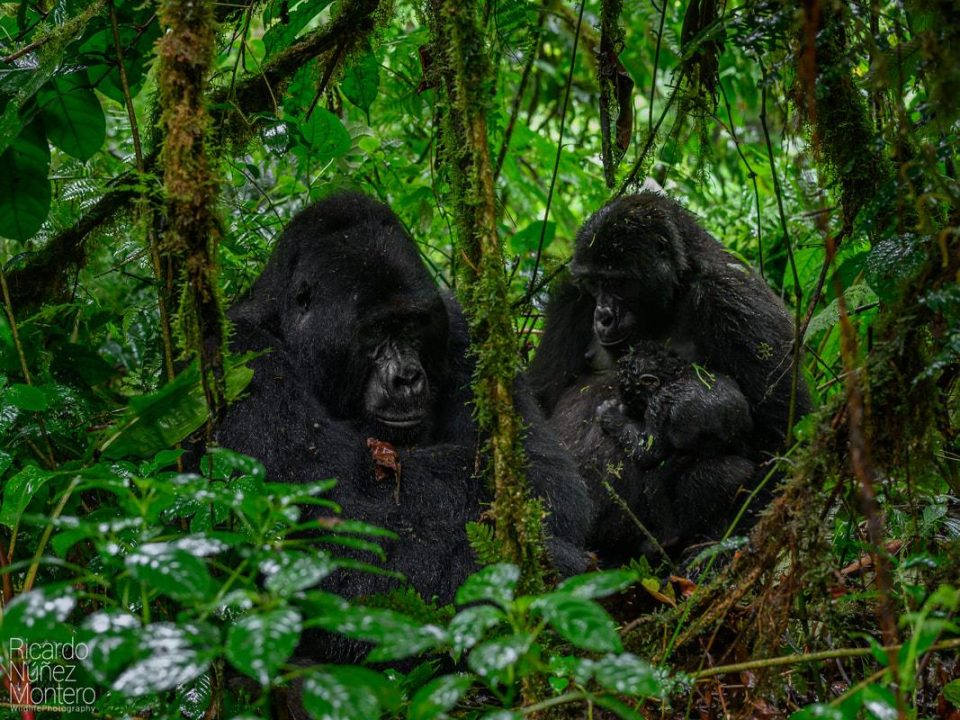
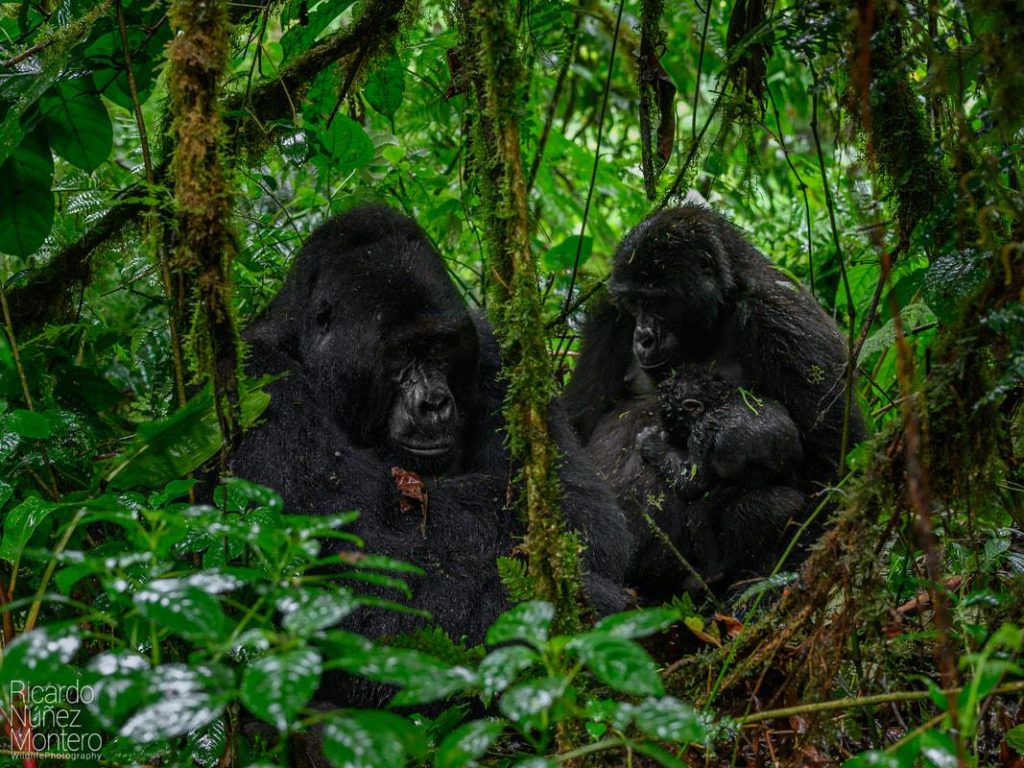
Mountain gorillas are among the animals protected through conservation efforts in the Virunga landscape. Visitors should never purchase products made from gorilla body parts or anything presented as a gorilla specimen.
The same caution applies to other wildlife products. Travellers should avoid items made from endangered or protected species, even when a seller claims that the products are old, traditional or legally sourced.
Some wildlife products may also fall under international trade restrictions. The Convention on International Trade in Endangered Species of Wild Fauna and Flora (CITES) regulates international trade in listed wild animals and plants. Buying a product locally does not automatically mean that you can legally take it across an international border.
If you are unsure about an item’s origin, do not purchase it. Choose a locally made craft that does not involve wildlife parts instead.
Safari O’clock encourages visitors to make souvenirs part of conservation-friendly travel. A gorilla-themed painting or handmade basket can preserve a memory without creating demand for animal products.
Consider the Environmental Impact of Souvenir Shopping
Responsible souvenir shopping should also consider the materials used to make products. Some items may involve excessive packaging, plastic components or materials collected in ways that damage the environment.
For example, avoid purchasing products made from illegally harvested wood or plant materials collected from protected areas. Do not buy flowers, seeds, roots or other natural materials taken from the national park without proper authorisation.
Instead, look for products made from responsibly sourced materials. Reusable baskets, locally produced textiles, artwork and durable crafts can offer practical alternatives to disposable souvenirs.
Packaging also deserves attention. Some sellers may wrap products in several layers of plastic. Where possible, ask for minimal packaging or carry a reusable shopping bag.
Furthermore, think about how you will transport your purchases. Very large or fragile items may require extra packaging and luggage space. Choose products that you can carry safely without creating unnecessary waste.
These small decisions help reduce the environmental footprint of shopping during a holiday.
Respect Rwandan Culture When Buying Souvenirs
Souvenir shopping can also introduce travellers to the cultural identity of Rwanda. Handmade products may reflect local creativity, history, artistic expression and traditional skills.
However, cultural respect requires more than buying an attractive object. Visitors should take time to understand the meaning of products and respect the people who create them.
If an artisan explains the meaning of a particular design, listen and ask questions politely. Do not assume that every pattern or object has the same meaning. Different producers may have different stories behind their work.
Photography also requires consideration. Always ask before taking pictures of artisans, their workspaces or cultural activities. Some people may welcome photographs, while others may prefer privacy.
When visiting a cultural centre, follow the guidance of your host. Respect local customs and avoid treating cultural performances or traditional activities as entertainment without recognising their wider meaning.
A respectful visitor approaches cultural experiences with curiosity rather than judgement. This attitude helps create positive interactions between travellers and local communities.
How to Bargain Fairly When Buying Souvenirs
Shopping in local markets can be an enjoyable part of a Rwanda trip. Travellers may encounter different prices, products and sellers. In some settings, customers can negotiate prices.
However, responsible bargaining should remain respectful. Remember that handmade products represent someone’s time, materials and skill.
Start by asking the seller for the price. If you feel it is beyond your budget, you can politely ask whether there is room for negotiation. Listen to the response and decide whether the item is worth purchasing.
Avoid making insulting comments about a product or comparing the seller’s work unfairly with mass-produced goods. Handmade crafts often require more time and attention than factory-made alternatives.
You should also avoid buying more than you need simply because an item appears inexpensive. Instead, choose a few meaningful products that you will genuinely use or appreciate.
A fair purchase creates a better experience for both the visitor and the seller. It also encourages a healthier relationship between tourism businesses and local communities.
Understand How Souvenir Shopping Connects to Conservation
Many travellers associate conservation around Volcanoes National Park mainly with mountain gorillas. However, conservation also involves communities living near protected areas.
When local people gain economic opportunities through tourism, they can benefit from activities connected to the park. These opportunities may include employment, craft sales, accommodation, guiding and cultural experiences.
Rwanda’s Tourism Revenue Sharing Programme provides another example of how tourism connects with community development. The programme directs a portion of national park tourism revenue towards projects that benefit communities around protected areas.
According to Rwanda’s Development Board, the programme reinvests 10 per cent of tourism revenue generated by national parks in community development initiatives. These projects have supported areas such as education, healthcare, water access and livelihoods.
However, visitors should understand the difference between buying a souvenir and contributing to the official revenue-sharing programme. A direct purchase from an artisan supports that seller’s business. It does not automatically mean that the money enters the national park revenue-sharing fund.
Both forms of economic activity can contribute to the wider tourism economy, but they operate differently.
At Safari O’clock, we encourage travellers to understand these connections. Responsible tourism becomes more meaningful when visitors recognise how wildlife protection, community livelihoods and local businesses relate to one another.
Practical Tips for Responsible Souvenir Shopping Around Volcanoes National Park
Before making a purchase, take a moment to consider its origin, materials and purpose. Ask the seller whether the item was made locally and whether the materials were responsibly sourced.
Choose products that are durable and useful. A handmade basket, textile, painting or locally produced decorative item may remain a treasured reminder of your trip for many years.
Avoid buying anything made from protected wildlife or materials that may have been taken illegally from natural habitats. If you cannot confirm the source of a product, it is safer to leave it behind.
Carry some local currency for small purchases, but check exchange rates and prices before shopping. Also, keep receipts for valuable purchases, especially if you may need to explain the origin of an item at customs.
If you plan to carry plant-based, wooden or animal-derived products across borders, check the import and export rules of your destination country. Some materials require permits or may be prohibited altogether.
Finally, be patient and respectful when interacting with sellers. Ask questions, appreciate their work and remember that shopping can be an opportunity to learn about the destination.
Make Responsible Souvenir Shopping Part of Your Rwanda Journey
A souvenir should remind you of more than the place you visited. It can also represent the people you met, the skills you discovered and the lessons you learned during your journey.
Around Volcanoes National Park, travellers have opportunities to explore local crafts, meet artisans and discover community-based tourism activities. These experiences can add another dimension to a gorilla tracking holiday.
By choosing locally made products, paying fair prices and avoiding wildlife souvenirs, visitors can make more thoughtful shopping decisions. They can also show respect for Rwanda’s cultural heritage and natural environment.
Safari O’clock believes that responsible travel includes the choices visitors make throughout their journey. From selecting a tour operator to exploring local communities and buying souvenirs, every decision can shape the quality of a travel experience.
When you visit Volcanoes National Park, take home something meaningful. Choose a souvenir that celebrates Rwanda, respects its people and leaves wildlife where it belongs: in the wild.