- DIRECT CONTACTS:
- +256394517569
- tours@safarioclock.africa
Understanding the Main Costs Beyond the Gorilla Permit

How Much Does a Rwanda Gorilla Tracking Trip Really Cost?
November 21, 2026
How to Budget for Transport to Volcanoes National Park
November 21, 2026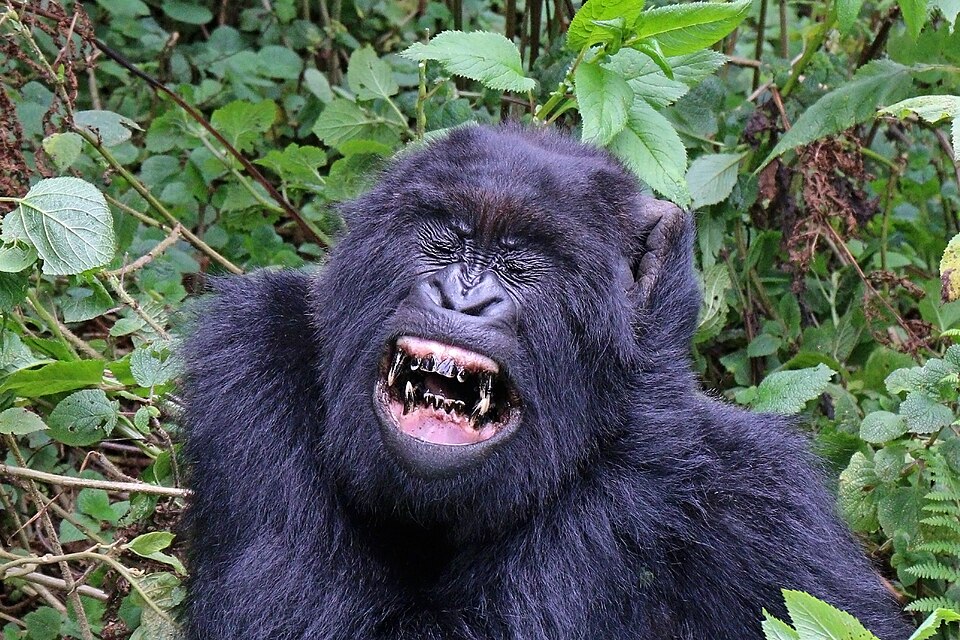
Gorilla trekking is one of Africa’s most extraordinary wildlife experiences. It gives travellers the opportunity to encounter endangered mountain gorillas in their natural habitat. Uganda and Rwanda are two of the leading destinations for this unforgettable adventure.
However, planning a gorilla trekking safari involves more than purchasing a permit. Although the permit is often the biggest individual expense, several other costs contribute to the final price of the journey.
Travellers must consider accommodation, transport, meals, travel documents, personal equipment and additional safari activities. These expenses can vary depending on the destination, travel season, group size and preferred level of comfort.
For example, someone planning a short gorilla trekking trip from Kigali may spend differently from a traveller flying into Entebbe and visiting Bwindi Impenetrable National Park. Similarly, a luxury safari with private transport will have a different budget from a simple adventure with shared arrangements.
Understanding these expenses helps travellers prepare realistic budgets and avoid unexpected costs during their holidays.
At Safari O’clock, we believe proper safari planning starts with clear information. This guide explains the main costs beyond the gorilla permit and shows how travellers can prepare for a comfortable and well-organised gorilla trekking experience in Uganda and Rwanda.
Why the Gorilla Permit Is Not the Total Safari Cost
A gorilla trekking permit gives a visitor access to a regulated wildlife experience. However, it does not automatically cover every expense involved in reaching the trekking destination and completing the safari.
In Uganda, gorilla trekking takes place in Bwindi Impenetrable National Park and Mgahinga Gorilla National Park. In Rwanda, visitors track mountain gorillas in Volcanoes National Park.
Each destination requires travellers to consider the distance from their arrival airport, accommodation options and available transport.
For instance, a traveller arriving at Entebbe International Airport may need several hours of road travel to reach Bwindi. Someone arriving in Kigali can reach the Musanze area and Volcanoes National Park in a shorter drive.
These differences affect transport costs, accommodation choices and the number of nights travellers may need.
Therefore, a realistic safari budget should include every important part of the journey, not just the permit price.
1. Accommodation Costs Beyond the Gorilla Permit
Accommodation is one of the most important expenses to consider when planning a gorilla trekking safari.
Travellers usually need accommodation before or after their trekking day. Some may also require additional nights depending on their arrival time, departure schedule and other planned activities.
The choice of accommodation depends on personal preferences and budget.
Budget Accommodation
Budget accommodation suits travellers who want a comfortable place to rest without spending too much on luxury facilities.
Guesthouses, budget hotels and simple safari lodges are available around popular trekking areas.
In Uganda, travellers can find budget accommodation around Buhoma, Ruhija, Rushaga and Nkuringo in Bwindi. There are also accommodation options around Mgahinga and Kisoro.
In Rwanda, Musanze and the areas surrounding Volcanoes National Park offer several affordable guesthouses and hotels.
These properties may provide private rooms, basic meals, Wi-Fi and other essential services.
However, travellers should check the location carefully. A cheaper hotel may require longer transfers to the park headquarters or trekking starting point.
Mid-Range Accommodation
Mid-range lodges provide a balance between comfort and affordability.
They often offer private bathrooms, comfortable beds, restaurants, gardens and beautiful views of the surrounding landscape.
This category suits couples, families and travellers who want a relaxing stay without paying luxury prices.
Some lodges also provide packed breakfasts or early meals for visitors leaving for their gorilla trekking briefing.
Luxury Accommodation
Luxury lodges offer a more exclusive safari experience.
Depending on the property, guests may enjoy spacious suites, private balconies, fine dining, personalised services and impressive forest or mountain views.
Some high-end lodges also provide spa treatments, private transfers and additional experiences.
However, luxury accommodation can significantly increase the total safari budget.
Travellers should therefore choose a lodge based on their expectations, available budget and trekking location.
Safari O’clock helps visitors explore accommodation options that match their preferred level of comfort.
2. Transport Costs Beyond the Gorilla Permit
Transport is another major expense that travellers should consider before booking a gorilla safari.
The cost depends on the destination, distance, vehicle type, number of travel days and number of passengers.
In Uganda, most international visitors arrive through Entebbe International Airport. From there, they travel towards southwestern Uganda to reach Bwindi or Mgahinga.
The journey to Bwindi can take approximately eight to ten hours by road from Entebbe, depending on the sector, route and road conditions.
Travellers may also choose domestic flights to airstrips serving the gorilla trekking areas. This can reduce road travel time, although flight costs may increase the overall budget.
In Rwanda, visitors usually arrive through Kigali International Airport. The drive to Musanze takes approximately 90 minutes under favourable conditions. They then continue to the relevant accommodation or Kinigi park headquarters.
Private Safari Vehicles
Private safari vehicles offer convenience and flexibility.
They allow travellers to move according to their itinerary without depending on public transport schedules.
A private vehicle is particularly useful for families, couples and small groups. It also allows visitors to stop at scenic locations, restaurants and cultural attractions along the way.
However, the cost depends on the vehicle, fuel, driver-guide arrangements and duration of the trip.
Shared Transport
Shared transport can help reduce costs.
Several travellers can share a vehicle and divide the transport expenses. This arrangement may suit people travelling on a limited budget.
However, shared transport may offer less flexibility. Travellers should confirm departure times, pickup points and luggage arrangements before choosing this option.
Domestic Flights
Domestic flights are another option for some Uganda safari itineraries.
Travellers can fly from Entebbe towards airstrips serving Bwindi and other safari destinations.
This option saves considerable road travel time. Nevertheless, it may require additional transfers between the airstrip, accommodation and park briefing location.
Safari O’clock encourages visitors to compare the full transport cost rather than looking at the vehicle or flight price alone.
3. Food and Meal Expenses
Food is another expense that can affect the total cost of a gorilla trekking holiday.
Some safari lodges include breakfast, lunch and dinner in their accommodation rates. Others offer breakfast only or charge separately for meals.
Travellers should understand these arrangements before confirming a booking.
In Uganda, visitors can enjoy local dishes such as matooke, rice, beans, potatoes, groundnut sauce and grilled meat. Hotels and lodges also serve international meals.
In Rwanda, travellers can enjoy dishes such as brochettes, beans, plantains, potatoes and traditional vegetable preparations.
Restaurants around Musanze, Kisoro and other trekking areas provide different dining options.
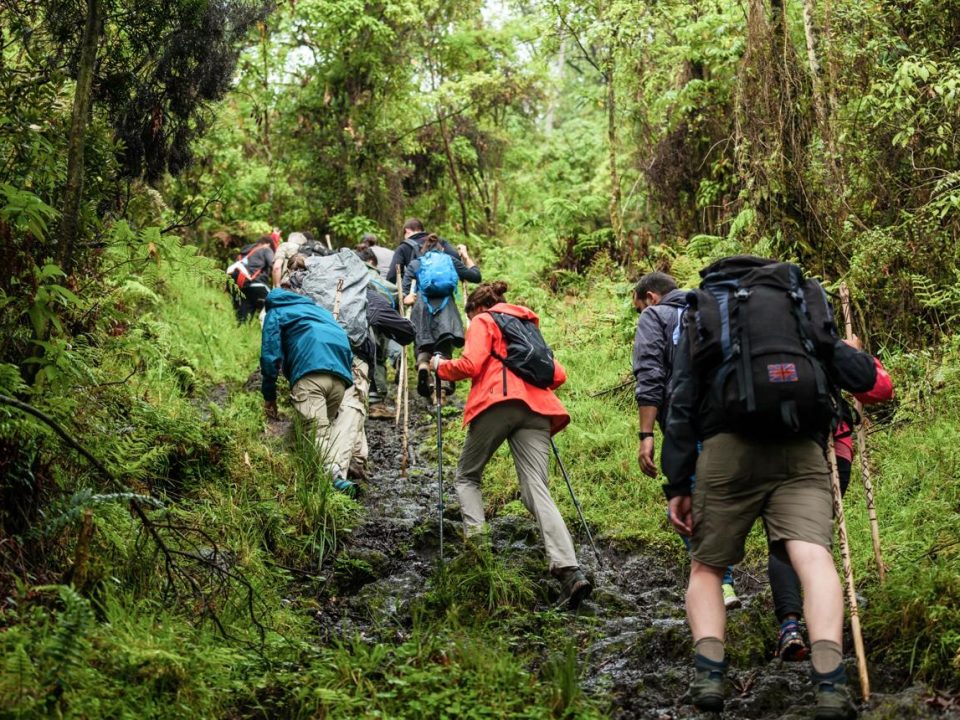
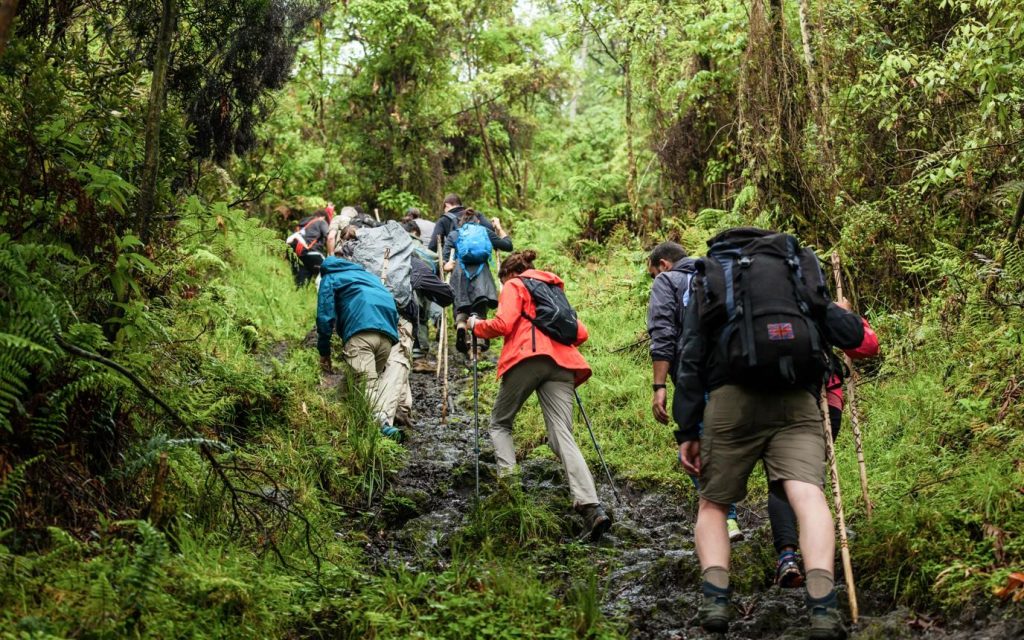
It is also important to consider food on the trekking day. Gorilla tracking can involve several hours of walking through forest terrain.
Travellers should carry drinking water and a suitable snack. However, they must follow the guides’ instructions and avoid eating near the gorillas.
Before booking accommodation, ask whether meals are included. This helps you calculate the daily food budget more accurately.
4. Porter Fees and Personal Trekking Support
Hiring a porter is an optional expense that many gorilla trekkers find helpful.
Porters assist visitors by carrying backpacks, water, cameras and other personal belongings during the trek.
They can also provide physical support on steep or slippery sections of the trail.
This assistance can be especially valuable for older visitors, photographers and travellers carrying heavy equipment.
Hiring a porter also supports local livelihoods around gorilla trekking destinations.
Porter charges vary depending on the destination and local arrangements. Therefore, travellers should confirm the current fee before the trek.
Visitors should also understand that porter services are separate from the official gorilla permit unless their safari quotation clearly states otherwise.
Safari O’clock encourages travellers to consider hiring local porters where appropriate. It can make the trek more comfortable while supporting communities living near protected areas.
5. Tips for Guides, Drivers and Other Service Providers
Tipping is another expense that travellers may wish to include in their budget.
Gorilla trekking involves several people who contribute to the experience. These may include park guides, trackers, drivers, porters and lodge staff.
Some visitors choose to show appreciation through tips after receiving good service.
However, tipping is generally discretionary. Travellers should not feel pressured to spend beyond their planned budget.
The amount can depend on the quality of service, length of interaction and personal preference.
It is useful to carry some small local currency notes for personal expenses and tips.
When travelling with Safari O’clock, visitors can ask for guidance on customary tipping practices before departure.
6. Travel Insurance and Medical Preparation
Travel insurance is an important part of planning a gorilla trekking safari.
Although many visitors complete the experience without serious problems, trekking takes place in natural forest environments. Trails can be steep, muddy and slippery.
Travellers should consider insurance that covers relevant medical expenses, emergency assistance and suitable trekking activities.
Some policies exclude particular adventure activities. Therefore, visitors should read their insurance conditions carefully.
Medical preparation is also important.
Visitors should pack personal medication, basic first-aid supplies and any other items recommended by their healthcare professionals.
They should also check the latest entry and health requirements for their destination.
Importantly, wildlife authorities do not allow sick visitors with contagious illnesses to approach mountain gorillas. This rule helps protect the animals from human diseases.
Safari O’clock encourages travellers to prepare properly before departure rather than waiting until the final days of their holiday.
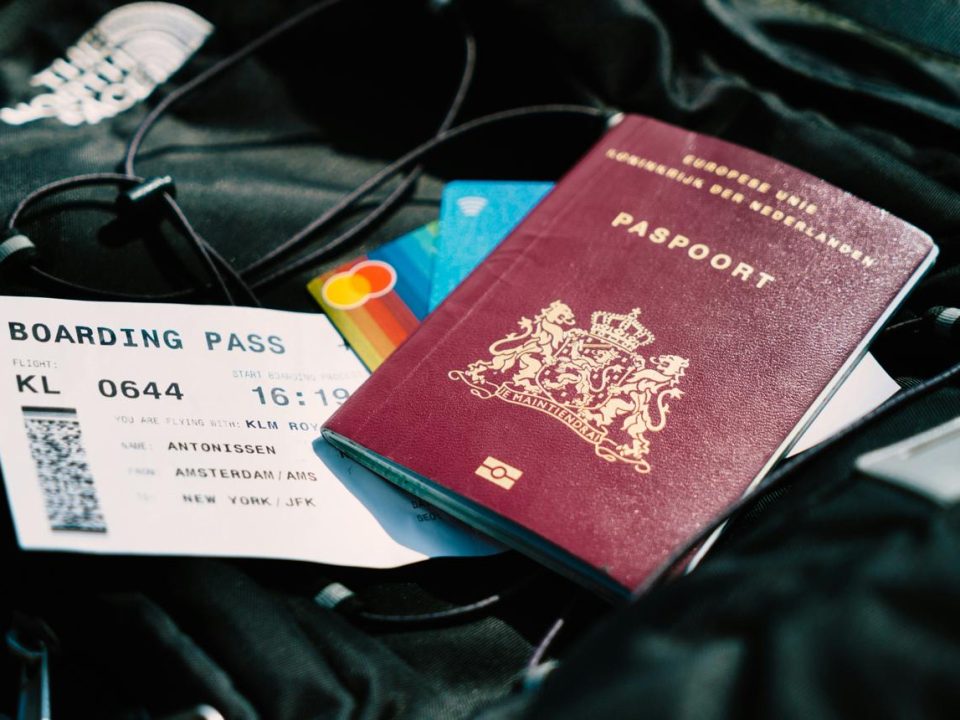
7. Visa and Other Travel Document Costs
International travellers should include visa and document expenses in their safari budgets.
Visa requirements depend on nationality, travel purpose and immigration arrangements.
Uganda and Rwanda have different entry procedures, so travellers should check the official immigration websites before departure.
Some visitors may qualify for visa-free entry, while others must obtain a visa and pay the applicable fee.
Travellers visiting both countries may also explore the East African Tourist Visa, where eligible. This visa allows qualifying visitors to travel between Uganda, Rwanda and Kenya under the applicable conditions.
However, travellers should confirm the current requirements and eligibility before applying.
Other possible expenses include passport renewal, travel document photographs and travel insurance.
These costs may appear small compared with the gorilla permit, but they still contribute to the overall holiday budget.
8. Extra Safari Activities Beyond Gorilla Trekking
Many travellers prefer to combine gorilla trekking with other wildlife and cultural experiences.
These additional activities make the holiday more interesting. However, they also increase the final safari cost.
Golden Monkey Tracking
Golden monkey tracking is available in Mgahinga Gorilla National Park in Uganda and Volcanoes National Park in Rwanda.
Visitors enter the forest with experienced guides to observe these active and colourful primates.
Each destination has its own permit arrangements and charges.
Therefore, travellers should check the relevant authority’s current rates before adding the activity to their itinerary.
Chimpanzee Tracking
Visitors travelling through Uganda can also include chimpanzee tracking in their safari.
Kibale National Park is one of the country’s leading destinations for this experience.
Travellers can observe chimpanzees in their natural forest environment while learning about their behaviour and conservation.
However, chimpanzee permits are separate from gorilla permits.
Wildlife Safaris
A gorilla trekking holiday can also include traditional wildlife game drives.
In Uganda, visitors may explore Queen Elizabeth National Park, Lake Mburo National Park or Murchison Falls National Park.
In Rwanda, Akagera National Park offers savannah wildlife experiences.
These activities require additional transport, park fees, accommodation and activity bookings.
Cultural Experiences
Travellers can also visit local communities and learn about the cultures surrounding gorilla trekking destinations.
In Uganda, visitors may explore Batwa cultural experiences around Bwindi and Mgahinga.
In Rwanda, cultural visits around Musanze and the wider northern province can provide insight into local traditions and history.
These experiences create opportunities to support community tourism while learning more about the region.
Safari O’clock can help travellers combine suitable activities without making their itinerary unnecessarily expensive.
9. Photography Equipment and Personal Trekking Gear
Some travellers forget to budget for the equipment needed during their gorilla trekking experience.
Proper clothing and footwear make the forest journey more comfortable.
Important items include strong hiking boots, long trousers, long-sleeved shirts, waterproof jackets and gardening gloves.
A small backpack is also useful for carrying drinking water, snacks and personal belongings.
Photographers may need additional equipment such as camera batteries, memory cards, protective camera covers and suitable lenses.
However, visitors do not need to purchase expensive equipment to enjoy gorilla trekking.
A basic camera or smartphone can capture memorable photographs, provided visitors follow the park’s photography rules.
Before purchasing new items, check what you already own. You may only need a few additional essentials.
This simple step can help reduce unnecessary expenses.
10. How the Travel Season Affects Your Total Safari Budget
The time of year can influence the overall cost of a gorilla trekking safari.
During popular travel periods, demand for accommodation, transport and other tourism services may increase.
This can make early planning particularly important.
Uganda and Rwanda generally experience wetter and drier periods, although rainfall can occur throughout the year in mountain forests.
The drier months are often preferred by visitors because forest trails may be easier to navigate. However, the actual trekking conditions depend on weather and the movement of gorilla families.
Travellers should also understand the different promotional permit arrangements offered by the two countries.
For example, Uganda Wildlife Authority introduced reduced low-season gorilla tracking rates for eligible foreign visitors in April, May and November 2026. The announced foreign non-resident rate is US$600, compared with the standard US$800 rate. These low-season permits have special conditions, including restrictions on rescheduling.
Rwanda also offers a 30% low-season gorilla permit discount from November to May for qualifying visitors who combine their gorilla trip with specified stays and paid activities in Akagera and/or Nyungwe National Parks.
These offers have specific eligibility conditions. They are not automatic discounts for every traveller visiting during the low season.
Therefore, visitors should confirm the applicable rates and requirements before preparing their final budget.
11. Understanding the Main Costs Beyond the Gorilla Permit in Uganda and Rwanda
Although Uganda and Rwanda offer similar mountain gorilla trekking experiences, their overall safari costs can differ.
One major difference is the official permit price.
According to the published Uganda Wildlife Authority tariff structure and subsequent 2026 low-season announcement, the standard foreign non-resident gorilla tracking permit is US$800, with an eligible low-season rate of US$600 in April, May and November 2026.
The permit includes the official guide fee, park entrance for the tracking day and community development contribution.
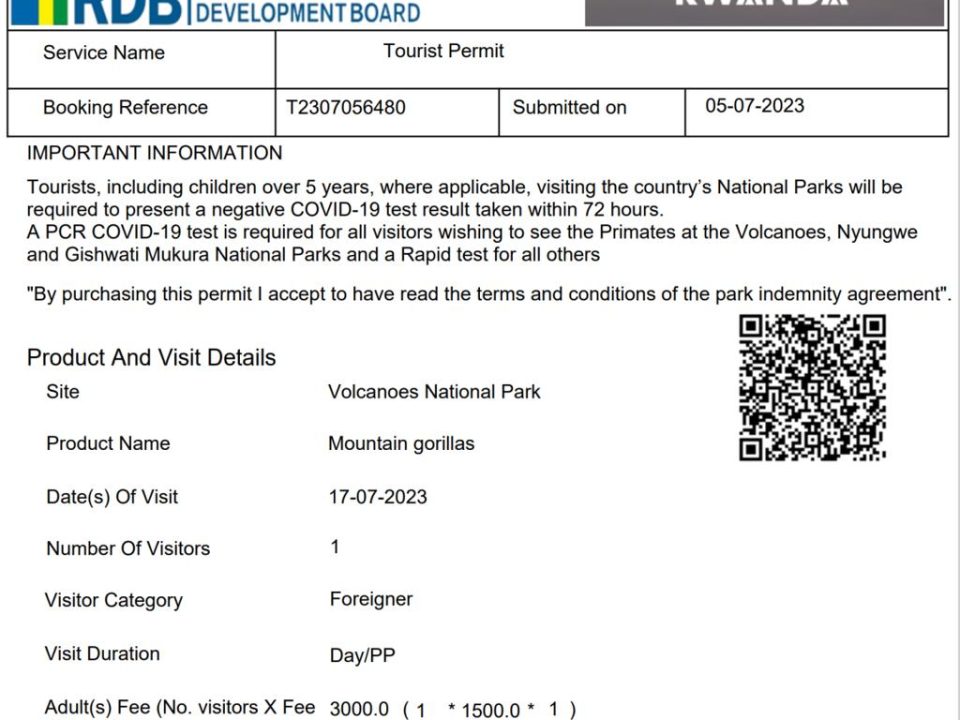
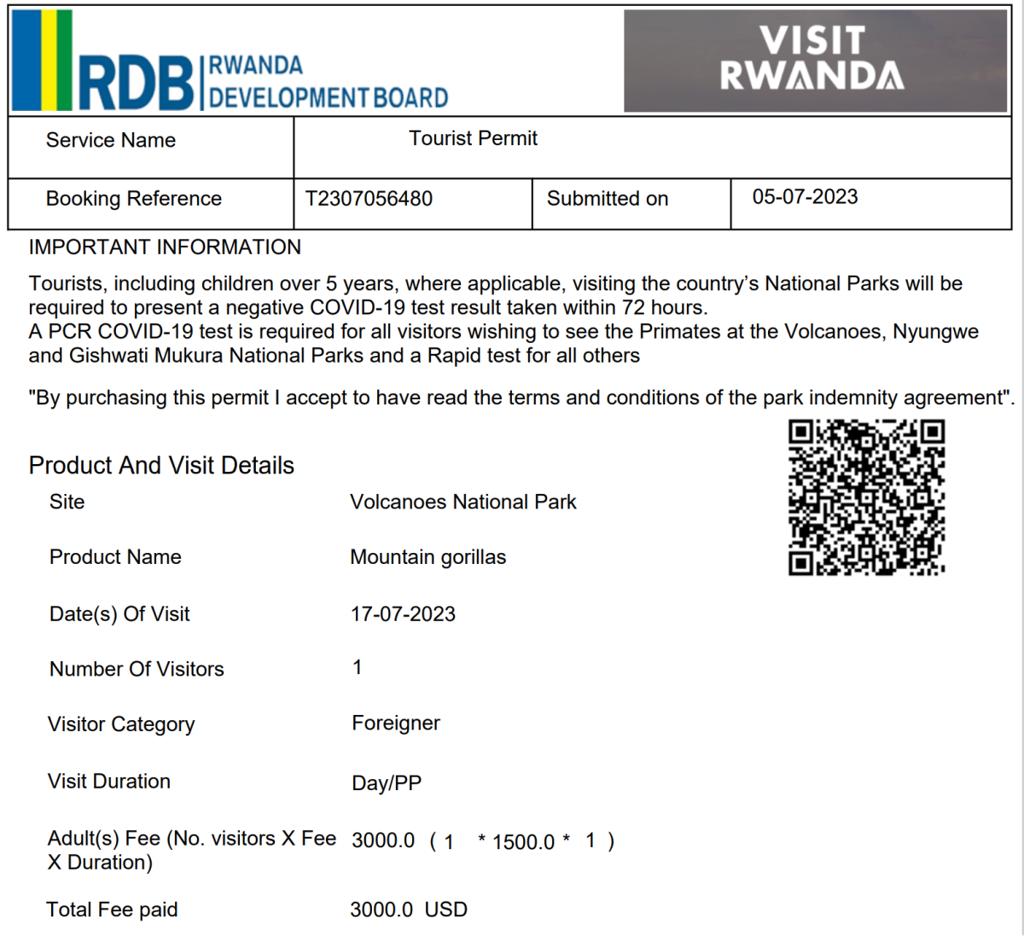
Rwanda’s standard permit for foreign visitors costs US$1,500 per person. Eligible visitors may access promotional rates under the Rwanda Development Board’s conditions.
Beyond the permit, travellers must compare the cost of reaching each park, accommodation and additional activities.
For example, Uganda’s Bwindi journey from Entebbe can involve a long road transfer. Rwanda offers a shorter drive from Kigali to the Volcanoes National Park area.
However, the best destination is not always the one with the cheaper permit.
Travellers should compare the complete safari cost, travel time, accommodation preferences and experiences they want to enjoy.
Safari O’clock helps visitors evaluate these differences before choosing their preferred destination.
12. How to Prepare a Realistic Gorilla Trekking Budget
A good safari budget should account for every important expense before the journey begins.
Start by confirming your destination and preferred trekking date. Then check the applicable permit price and availability.
Next, decide how many nights you need and choose accommodation that suits your budget.
After that, calculate your transport expenses. Consider airport transfers, road travel, domestic flights and local transfers where necessary.
You should also include meals, travel documents, insurance and personal trekking equipment.
If you plan to visit other parks or participate in additional activities, add those costs separately.
A simple budgeting structure can help:
| Budget category | What to include |
|---|---|
| Gorilla permit | Official permit for each traveller |
| Accommodation | Number of nights and meal arrangements |
| Transport | Airport transfers, safari vehicle or flights |
| Meals | Food and refreshments not included |
| Trekking support | Optional porter and tips |
| Travel documents | Visa and other applicable fees |
| Insurance | Medical and travel protection |
| Equipment | Hiking clothes, boots and photography gear |
| Extra activities | Golden monkeys, chimpanzees and game drives |
| Emergency allowance | Unexpected expenses |
The final amount will depend on your destination, group size and travel preferences.
It is also wise to keep an emergency allowance. This provides flexibility if travel arrangements change or unexpected expenses arise.
13. Practical Ways to Reduce Safari Costs Without Compromising Your Experience
A memorable gorilla trekking safari does not always require a luxury budget.
There are several ways to manage expenses while maintaining a comfortable and responsible experience.
First, consider travelling with a partner or group. Shared accommodation and transport can reduce the cost per person.
Second, choose accommodation that is conveniently located near your trekking sector. This can reduce unnecessary transfers and travel time.
Third, compare different vehicle arrangements before selecting your transport option.
You can also avoid unnecessary purchases by preparing your trekking equipment early.
Another useful strategy is to plan your safari around eligible promotional offers. However, always read the conditions before making a booking.
Finally, compare complete safari quotations rather than choosing a company based only on the lowest advertised price.
A cheaper quotation may exclude meals, transfers or accommodation. Therefore, the final amount could be higher than expected.
At Safari O’clock, we encourage travellers to choose arrangements that offer good value, reliable services and a comfortable experience.
Plan Your Gorilla Trekking Safari With Safari O’clock
Understanding the main costs beyond the gorilla permit is essential when preparing for a successful wildlife adventure.
The permit is an important expense, but it is only one part of the complete safari budget. Accommodation, transport, meals, personal equipment, travel documents and additional activities all contribute to the final cost.
Whether you choose Uganda or Rwanda, proper preparation helps you avoid unexpected expenses and enjoy a more organised holiday.
Safari O’clock helps travellers plan gorilla trekking experiences by considering their budgets, preferred destinations, travel dates and accommodation expectations.
We can help you explore suitable permit arrangements, compare safari options and coordinate the important details of your journey.
You deserve to enjoy your gorilla trekking adventure without unnecessary financial surprises.
Ready to plan your gorilla trekking safari? Contact Safari O’clock today and let us help you understand the costs, choose suitable arrangements and create an unforgettable wildlife experience in Uganda or Rwanda.