- DIRECT CONTACTS:
- +256394517569
- tours@safarioclock.africa

How to Budget for Transport to Volcanoes National Park

Understanding the Main Costs Beyond the Gorilla Permit
November 21, 2026
How to Build a Realistic Budget for a Two-Day Gorilla Trip
November 21, 2026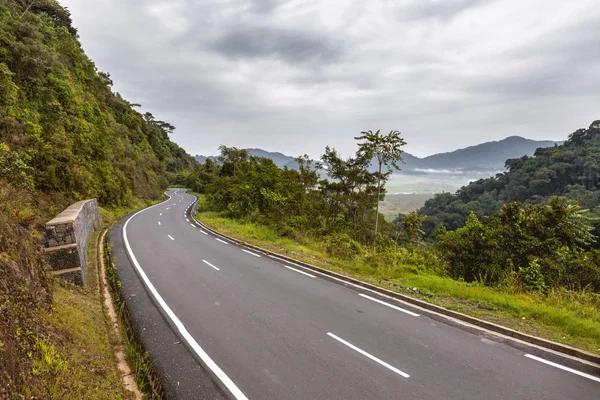
Planning a gorilla trekking safari in Rwanda involves more than booking a permit and choosing a lodge. You also need to plan how you will travel to Volcanoes National Park, how you will move between your accommodation and the park headquarters, and how you will get around during your stay. Transport can take up a noticeable part of your safari budget, especially when you choose private transfers or travel with a small group.
Volcanoes National Park lies in Rwanda’s Northern Province, near Musanze town. Many international visitors arrive through Kigali International Airport before travelling north to the park. The journey is manageable, but the transport option you choose can make a difference to your comfort, schedule and overall spending.
At Safari O’clock, we encourage travellers to consider transport costs early. A clear transport budget helps you avoid last-minute expenses and enjoy a more organised gorilla trekking experience.
Understanding the Transport Route to Volcanoes National Park
Most visitors reach Volcanoes National Park by road from Kigali. The journey covers approximately 90 to 110 kilometres, depending on your starting point and final destination. It usually takes about two to three hours by car. However, traffic, weather and road conditions can affect the travel time.
The route passes through Rwanda’s beautiful countryside before reaching Musanze. This town is the main gateway to Volcanoes National Park. From Musanze, visitors continue towards Kinigi, where the park headquarters are located.
It is important to understand that reaching Musanze does not always mean you have reached your final destination. Your lodge, the park headquarters and the actual trekking trailhead may be in different locations. Therefore, your budget should cover each part of the journey.
Safari O’clock can help you plan the full route instead of considering only the transfer from Kigali to Musanze.
How to Budget for Transport to Volcanoes National Park from Kigali
Your first major transport expense may be the journey from Kigali to Musanze or Kinigi. If you arrive at Kigali International Airport, you may need an airport pickup before travelling to the northern part of Rwanda.
A private transfer offers convenience because a driver collects you at the airport or your hotel. You can also agree on your departure time and travel directly to your accommodation. This option works well for couples, families and travellers with limited time. However, private transfers usually cost more than public transport.
The final price depends on the vehicle, distance, number of passengers, driver arrangements and whether the service includes a return journey. Some providers charge per transfer, while others quote a daily vehicle rate. Always ask what the price covers before making a payment.
For example, confirm whether the quotation includes fuel, the driver’s meals and accommodation, parking, waiting time and any extra journeys. A low initial price may not represent the full cost if these items appear separately.
If you are travelling with Safari O’clock, request a clear transport quotation that shows the services included. This makes it easier to compare options and plan your total safari expenditure.
Public Transport to Musanze: A Lower-Cost Option
Travellers who want to reduce their transport spending can consider public buses from Kigali to Musanze. Buses operate along the Kigali–Musanze route, with services departing from Nyabugogo. Rwanda’s transport regulator, RURA, publishes intercity fares. The April 2026 fare update reported a Kigali–Musanze fare of approximately RWF 3,821 per passenger.
Public transport can be suitable for independent travellers who have flexible schedules. It also offers an opportunity to experience everyday travel in Rwanda. However, the bus does not take you directly to your lodge or the park’s trekking trailhead.
After reaching Musanze, you still need to arrange local transport to your accommodation or Kinigi. Depending on your location, you may use a taxi, motorcycle taxi or another local transfer. These additional journeys should form part of your budget.
Most importantly, do not assume that a morning bus from Kigali will get you to the park in time for a gorilla trekking briefing. Trekkers are generally expected at the Kinigi headquarters early in the morning. Your exact reporting time should be confirmed with the park or your tour operator. Spending the previous night in Musanze or Kinigi is often a more practical choice.
Public transport may reduce the cost of the main journey. However, you should compare the total cost, including local transfers, overnight accommodation and the time required.
Budgeting for Transport from Musanze to Kinigi
The journey from Musanze to Kinigi is another important part of your transport plan. Kinigi is where visitors report for activities at Volcanoes National Park. Your accommodation may be in Musanze town, in Kinigi or in the surrounding area.
If you stay in Musanze, ask your hotel how much it charges for a morning transfer to the park headquarters. You can also arrange a private taxi or include the transfer in your safari package.
Motorcycle taxis may be available for short local journeys. They can be cheaper than hiring a private vehicle, but they may not suit every traveller. Consider your luggage, comfort, weather and the early reporting time before choosing this option.
The distance and cost will depend on your exact accommodation. Therefore, avoid using one general price for every traveller. Ask for a quotation based on your lodge’s location.
Safari O’clock recommends confirming this transfer before the trekking day. It is better to have your morning transport arranged than to search for a vehicle when you should already be preparing for the briefing.
Do You Need a 4×4 Vehicle for Volcanoes National Park?
A 4×4 vehicle can be useful during a safari in the Volcanoes region. However, you should understand where it is needed. The main road between Kigali and Musanze is paved, so a 4×4 is not always essential for the entire journey.
The situation can change when you travel beyond the main road. Some accommodation facilities and rural access roads may have uneven or muddy sections, especially during rainy weather. A suitable vehicle can provide better clearance and comfort on these routes.
Gorilla trekking also involves travel from the park headquarters to the trailhead assigned to your group. The location of the trailhead can vary. Some routes may require travel on rougher roads, so a suitable vehicle is important.
Before hiring a 4×4, ask your operator which parts of the itinerary require one. You may not need to pay for a large safari vehicle throughout the entire trip if a standard vehicle can handle your planned route.
At Safari O’clock, we encourage visitors to choose a vehicle based on the actual itinerary, road conditions and group size. This helps you avoid paying for transport features you may not need.
How Group Size Affects Your Transport Budget
The number of people travelling together can change the cost per person. A private vehicle may seem expensive when one person pays the full amount. However, the cost can become more manageable when several travellers share it.
For example, imagine a group of four people hiring one vehicle for a transfer. If the provider charges a fixed price for the vehicle, the group can divide the cost among all four passengers. This may make private transport more attractive than booking separate transfers.
However, do not assume that every vehicle can carry any group size. Check the number of passenger seats and the space available for luggage. A vehicle that fits four people may not comfortably carry four large suitcases.
Families should also consider child seats where needed. Travellers with mobility needs may require a vehicle with easier access and enough room for equipment.
When requesting a quote from Safari O’clock, provide the correct number of passengers and an estimate of your luggage. This allows the team to recommend a suitable vehicle and calculate a more realistic cost.
Include Return Transport in Your Volcanoes National Park Budget
Some travellers calculate only the cost of reaching the park. However, your budget should also include the return journey. You may travel back to Kigali after trekking, continue to another destination or spend extra nights in Musanze.
A return transfer can sometimes offer better value than arranging two separate one-way journeys. Still, this depends on the operator’s pricing and your itinerary. Ask whether the quotation covers both directions and whether the driver will wait during your activities.
If you plan to visit Lake Kivu after gorilla trekking, you may travel from Musanze towards Rubavu, also known as Gisenyi. This adds another transport leg to your budget. Similarly, travellers continuing to other destinations should calculate each journey separately.
Do not forget airport transfers at the beginning or end of your trip. A well-planned itinerary should show every major transfer, not just the journey to the park.
Other Transport Expenses to Remember
Your main transfer is not the only possible transport expense. Small journeys can add up, especially when you do not include them in your original budget.
For example, you may need transport between the airport and your hotel, between your hotel and restaurants, or between Musanze town and a nearby attraction. You may also need a transfer to a different lodge if your itinerary includes several accommodation locations.
Some accommodation providers offer complimentary transfers or include park transfers in their packages. Others charge separately. Always check the details before booking.
You should also consider possible waiting charges, additional mileage and changes to your travel schedule. If your flight arrives late, for instance, the transfer provider may apply different arrangements. Confirm these details before your journey.
Keep a small amount aside for unexpected local transport needs. This does not mean you should expect problems. It simply gives you flexibility if your plans change.
Sample Transport Budget for Volcanoes National Park
The following example shows how to organise your transport budget. These figures are planning categories, not fixed market prices. Actual quotations vary by provider, vehicle, group size and travel dates.
A budget-conscious independent traveller may use a public bus from Kigali to Musanze, then pay separately for local transfers to their accommodation and Kinigi. This approach can reduce the cost of the main journey. However, the traveller must plan the timing carefully and may need an overnight stay near the park.
A couple may prefer a private transfer from Kigali to Musanze. They can share the vehicle cost and arrange a return journey with the same provider. This option offers more flexibility, especially when they have limited time.
A family or group may choose a private 4×4 or safari vehicle. Although the total vehicle cost may be higher, sharing the cost among several passengers can make the price per person more reasonable.
To calculate your own budget, list the airport transfer, Kigali–Musanze journey, local transfer to Kinigi, trailhead transport where required, return journey and any additional excursions. Request separate prices for each item. Then add a small contingency for unexpected expenses.
How to Reduce Transport Costs Without Compromising Your Safari
You can manage your transport budget without making your journey uncomfortable. Start by booking your main transfers early. This gives you time to compare quotations and confirm what each provider includes.
Travelling with friends or family can also reduce the cost per person when you share a vehicle. If your dates are flexible, consider coordinating with other travellers, provided the arrangement suits your schedule and luggage needs.
Next, choose accommodation with transport arrangements that match your plans. A lodge near Kinigi may reduce the distance you travel on the morning of your trek. However, compare the accommodation price with the cost of staying farther away and paying for transfers.
You should also avoid unnecessary back-and-forth journeys. Plan your arrival, accommodation and activities in a logical order. For example, staying in Musanze or Kinigi before trekking can help you avoid a very early drive from Kigali on the morning of your activity.
Finally, compare the complete service rather than choosing the cheapest advertised rate. A reliable driver, suitable vehicle and clear pickup arrangements can save time and reduce stress.
Why You Should Plan Transport Before Your Gorilla Trekking Day
Transport planning is especially important because gorilla trekking follows a set morning schedule. Visitors travel to Kinigi for registration and briefing before heading to their assigned trekking areas.
If you stay in Kigali, you may need to leave very early to reach the headquarters on time. Traffic, rain or unexpected delays can affect your journey. For this reason, many visitors find it more convenient to spend the night in Musanze or Kinigi.
Your transport plan should also account for the location of your assigned trailhead. The drive from the headquarters may vary depending on the gorilla family and trekking area. Confirm who will provide this transport and whether it is included in your package.
Safari O’clock can help coordinate the journey with your accommodation and trekking schedule. A clear plan allows you to focus on the experience rather than worrying about how you will reach the starting point.
Plan Your Volcanoes National Park Transport with Safari O’clock
A successful gorilla trekking trip begins with good planning. Your transport budget should reflect your arrival point, accommodation, group size, preferred comfort level and activities.
Public buses can help independent travellers save money on the Kigali–Musanze route. Private transfers offer convenience and flexibility. Meanwhile, a suitable 4×4 may be helpful for certain local roads and trekking access routes.
There is no single transport option that suits every visitor. The best choice is the one that fits your itinerary and gets you to each destination safely and on time.
Safari O’clock helps travellers plan memorable Rwanda experiences with practical arrangements and clear travel guidance. Whether you need a private transfer, a safari vehicle or help organising your route to Musanze and Kinigi, plan ahead and request a quotation that explains the full transport cost.
With the right preparation, you can manage your transport expenses, avoid unnecessary surprises and enjoy the remarkable landscapes around Volcanoes National Park.