- DIRECT CONTACTS:
- +256394517569
- tours@safarioclock.africa

How to Build a Realistic Budget for a Two-Day Gorilla Trip

How to Budget for Transport to Volcanoes National Park
November 21, 2026
Planning a Rwanda Gorilla Trek for Two on a Clear Budget
November 21, 2026
A two-day gorilla trekking trip in Rwanda can be an unforgettable wildlife experience. It gives you time to travel from Kigali, spend a night near Volcanoes National Park and trek mountain gorillas in their natural habitat. However, a successful trip requires more than booking a gorilla permit. You also need to budget for accommodation, transport, meals and other travel expenses.
Many travellers focus on the permit fee and forget the smaller costs that make up the full safari budget. As a result, they may spend more than expected once they reach Rwanda. Planning every major expense in advance helps you avoid unnecessary surprises.
At Safari O’clock, we believe that a realistic budget starts with understanding what the trip includes. Whether you are travelling alone, as a couple or in a group, this guide explains how to plan your money for a two-day gorilla adventure in Rwanda.
What Does a Two-Day Gorilla Trip Include?
A two-day gorilla trip usually includes travel from Kigali to the Volcanoes National Park area, one overnight stay and a mountain gorilla trekking experience. Most visitors travel to Musanze or Kinigi on the first day. They spend the night near the park before reporting for the trek the following morning.
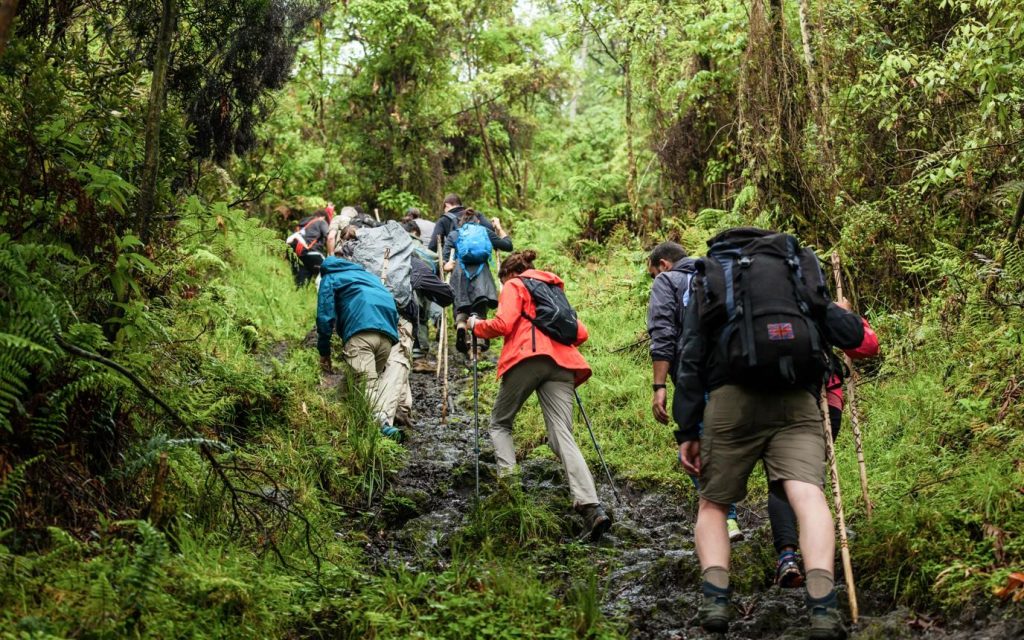
The second day usually begins early. Visitors report to the park headquarters in Kinigi for registration and a briefing. Rangers then assign visitors to gorilla trekking groups and explain the rules. After the trek, travellers return to their lodge or continue to Kigali.
This short itinerary works well for visitors with limited time. However, it requires careful coordination because the trekking briefing starts at 7:00 a.m. according to the Rwanda Development Board. Therefore, spending the previous night near the park is a practical choice. https://visitrwandabookings.rdb.rw/rdbportal/mountain-gorilla-tracking/
Before preparing your budget, decide whether you want a basic, comfortable or luxury experience. Your accommodation, transport and meal choices will depend on this decision.
Start Your Two-Day Gorilla Trip Budget with the Permit
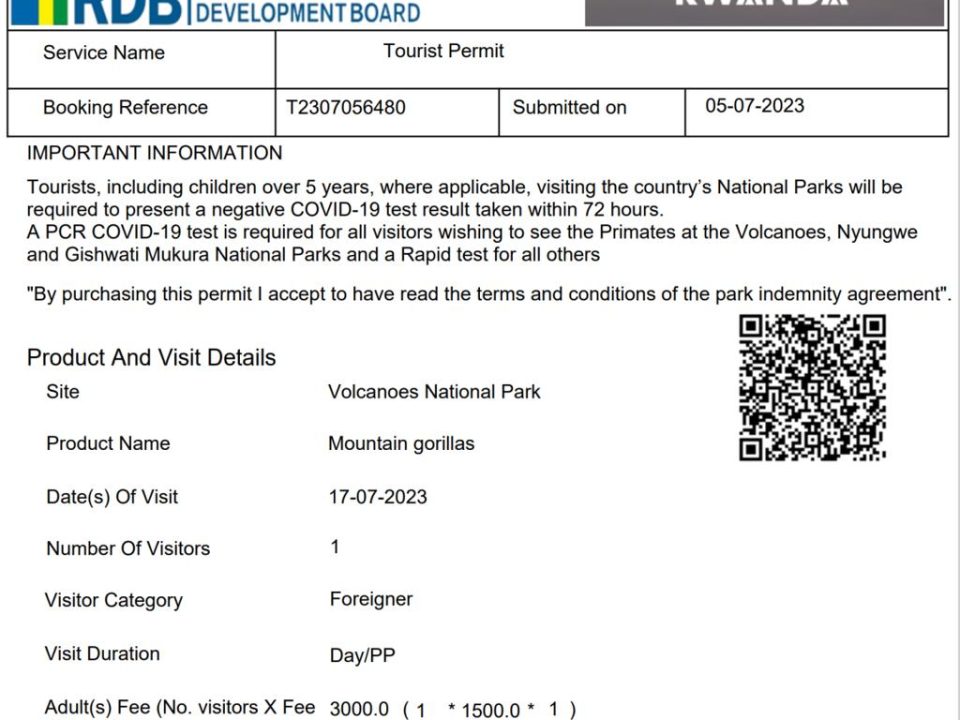
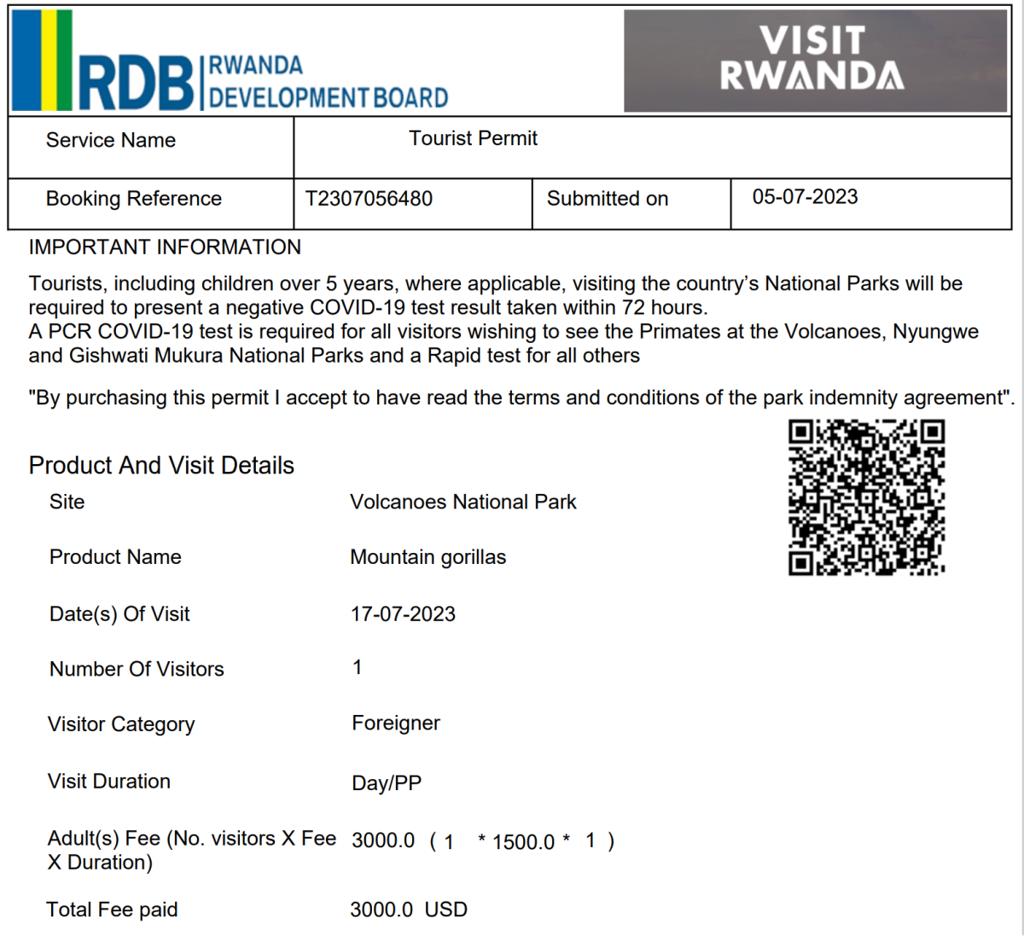
The gorilla permit is usually the largest single expense for international visitors. Rwanda’s standard mountain gorilla tracking permit costs US$1,500 per foreign visitor. The permit allows one person to join a gorilla trekking group in Volcanoes National Park.
Rwanda also has different permit categories for eligible visitors. These include Rwandan citizens, East African citizens, African citizens and qualifying foreign residents. Some categories have promotional rates and specific eligibility requirements. Travellers should check the official Rwanda Development Board booking portal before paying.
The permit price should be one of the first items in your budget. It is not an expense you should leave until the last minute. Gorilla permits have limited daily availability, and bookings operate on a first-come, first-served basis.
Also, remember that a gorilla permit is not the same as a complete safari package. It does not automatically cover your flights, accommodation, meals, airport transfers, tips or personal insurance. You should confirm exactly what your booking includes.
Safari O’clock can help you understand the permit requirements and plan the other expenses around your trekking date.
Plan Your Two-Day Gorilla Trip Budget for Transport
Transport is another important part of your two-day gorilla trip budget. Most international visitors arrive through Kigali International Airport and travel north to Musanze or Kinigi.
The Rwanda Development Board estimates the journey from Kigali to Musanze at approximately 90 minutes by road. Actual travel time can vary with traffic, weather and the location of your accommodation.
You can choose between a private transfer and public transport. A private vehicle offers convenience because the driver can collect you from the airport or hotel and take you directly to your lodge. It also makes it easier to coordinate an early departure for the trek.
Public buses offer a lower-cost alternative for travellers who are comfortable arranging their own local connections. Buses travel from Kigali towards Musanze. However, you will still need transport from Musanze to your accommodation and the park headquarters in Kinigi.
When comparing transport quotations, ask whether the price includes fuel, the driver, airport pickup, parking and return transfers. Some operators include these services in a package, while others charge separately.
If you are travelling as a couple or group, ask whether you can share a vehicle. Sharing the cost can make private transport more affordable per person.
At Safari O’clock, we recommend budgeting for the complete journey. Include the airport pickup, Kigali–Musanze transfer, local transport to Kinigi and the return journey if these services are not already included.
Include One Night of Accommodation in Your Two-Day Gorilla Trip Budget
A two-day gorilla trip normally requires one night of accommodation near Volcanoes National Park. Your choice of lodge can have a major effect on the total cost.
Musanze offers several accommodation options, including budget guesthouses, mid-range hotels and luxury lodges. You can also stay closer to Kinigi, which may reduce the distance you travel on the morning of your trek.
Budget accommodation can help reduce spending. However, check the location, cleanliness, meal arrangements and transport services before booking. A low room rate may not offer good value if you must pay extra for every meal and transfer.
Mid-range accommodation may suit travellers who want comfort without paying luxury rates. These properties may offer private rooms, restaurants, warm bedding and convenient access to the park.
Luxury lodges provide a more exclusive experience. They may include excellent dining, beautiful views and additional services. However, their prices can increase the total safari budget considerably.
When comparing accommodation, check whether the quoted rate covers breakfast, dinner, taxes and other services. Also, confirm whether the lodge can arrange an early breakfast or packed meal for trekking day.
Safari O’clock can help match your accommodation choice to your preferred budget and travel schedule.
Budget for Meals and Drinking Water
Food is another expense to consider when planning a short gorilla safari. Your accommodation may include breakfast, dinner or both. However, you may still need to pay for lunch, snacks and drinks.
On the first day, you might need lunch during your journey from Kigali. You may also buy bottled water or refreshments along the way. On the trekking day, some lodges provide an early breakfast or packed lunch, while others charge extra.
Ask your hotel or tour operator what meals the package includes. This simple step helps you avoid paying twice for the same service.
You should also carry drinking water for the trek. Follow the park’s guidance about eating and drinking near gorillas. Visitors should not eat, drink or smoke while close to the gorillas.
If you want to control your food budget, choose accommodation with a meal plan that suits your itinerary. A package that includes breakfast and dinner may offer better value than paying separately for every meal.
Remember Porter Fees, Tips and Personal Expenses
Some travel expenses do not appear in the main safari quotation. However, they can still affect your final budget.
For example, you may choose to hire a porter during your gorilla trek. Porters help carry daypacks and can provide physical support on difficult sections of the trail. Their services come at an additional cost, so ask your operator or guide about the current local rate.
You may also wish to budget for tips. Some visitors tip guides, drivers, lodge staff and other service providers. Tipping is a personal choice, so decide what you are comfortable spending.
Other personal expenses may include snacks, souvenirs, laundry and small purchases. You should also consider travel insurance and any visa costs that apply to your nationality.
These expenses may seem small when considered individually. Nevertheless, they can add up. Set aside a separate amount for personal spending rather than taking money from your permit or transport budget.
Understand How Group Size Changes Your Two-Day Gorilla Trip Budget
The number of people travelling together can affect the cost per person. This is especially true when you book a private vehicle and accommodation.
A solo traveller may pay more per person because they carry the cost of a private vehicle and a single room. A couple can share some transport expenses, while a larger group may divide the vehicle cost among several passengers.
For example, a published 2026 two-day Rwanda gorilla safari price list from East Africa Safaris shows different per-person prices according to group size. Its listed price is US$2,668 for one traveller, US$2,280 per person for two travellers and US$2,030 per person for a group of six.
These are examples from one tour operator, not fixed prices for every Rwanda safari. The published package includes the gorilla permit, lodging, private safari vehicle, driver-guide, park fees and airport transfers. It excludes international flights, visas, tips and insurance. https://eastafricasafaris.com/gorilla-trekking-cost/
The figures show why group size matters. Sharing some costs can reduce the amount each person pays. However, you should still check the vehicle capacity, room arrangements and package inclusions.
When requesting a quotation from Safari O’clock, provide the correct number of travellers. This helps the team prepare a more accurate price for your trip.
Build a Realistic Two-Day Gorilla Trip Budget with a Sample Cost
A useful way to plan your budget is to begin with the permit and then add the other expenses. For a standard foreign visitor, the permit alone costs US$1,500.
For a practical reference, consider the published two-day package prices mentioned above. They provide examples of what a complete trip can cost when several services are arranged together.
A group of six has a published example of US$2,030 per person. A couple has an example of US$2,280 per person. A solo traveller has an example of US$2,668.
These prices are useful planning benchmarks, not guaranteed quotations from Safari O’clock. They also reflect the specific services and accommodation selected by that operator.
If you are planning independently, use the following categories to build your own budget:
Gorilla permit: Set aside US$1,500 if you qualify for the standard foreign visitor rate. Check the official RDB portal for other eligible categories.
Transport: Add the cost of airport pickup, the journey from Kigali to Musanze, local transfers to Kinigi and the return journey.
Accommodation: Budget for one night in a guesthouse, hotel or lodge. Check whether the price includes meals and taxes.
Meals and drinks: Include lunch on the first day, dinner, breakfast and any extra refreshments.
Trekking support: Allow for a porter if you want assistance carrying your belongings.
Personal expenses: Set aside money for tips, souvenirs, snacks and other small purchases.
Travel protection: Check the cost of travel insurance and any visa requirements that apply to you.
Finally, add a contingency amount. This gives you room to manage unexpected expenses, changes in transport arrangements or additional personal needs.
Choose Between a Budget, Mid-Range and Luxury Two-Day Gorilla Trip
Your preferred travel style will determine how much you spend beyond the permit.
A budget trip focuses on essential services. You may choose a simple guesthouse, public transport and affordable meals. This approach can reduce expenses, but it requires more independent planning. You must also ensure that your transport arrangements allow you to reach Kinigi on time.
A mid-range trip offers a balance between comfort and cost. You may book a private transfer, stay in a comfortable lodge and include selected meals. This option suits travellers who want a smoother experience without choosing the most expensive properties.
A luxury trip prioritises comfort and personalised service. You may choose an exclusive lodge, private safari vehicle and premium dining. This option costs more, but it can provide a more relaxed experience.
There is no single budget that suits everyone. The best choice depends on your priorities, travel dates and group size.
Safari O’clock can help you compare different arrangements and choose an itinerary that fits your available budget.
Avoid Common Budgeting Mistakes on a Two-Day Gorilla Trip
One common mistake is budgeting only for the gorilla permit. Although the permit is a major expense, it does not cover every part of the journey. Always calculate accommodation, transport, meals and personal expenses separately.
Another mistake is choosing accommodation without checking its location. A lodge far from Kinigi may require extra transport and an earlier departure. Therefore, compare the room price with the additional transport cost.
Some travellers also forget to include return transfers. They budget for the journey from Kigali to Musanze but overlook the cost of returning to Kigali or continuing to another destination.
It is also important to check package inclusions. Two quotations may look similar, but one may include meals and airport transfers while the other charges for them separately.
Finally, avoid planning your trek around a tight flight schedule. RDB requires visitors to report for the morning briefing at 7:00 a.m. A delay can put your trekking plans at risk. Spending the night near the park gives you more time and reduces pressure on the morning of the trek.
How Safari O’clock Can Help You Plan Your Two-Day Gorilla Trip Budget
A realistic safari budget should make your journey easier, not more complicated. You need to know how much the permit costs, where you will sleep, how you will travel and which services are included in your package.
Safari O’clock helps travellers organise Rwanda safari experiences with attention to practical details. From permit planning and accommodation selection to transport arrangements, the goal is to help you understand the costs before your journey begins.
Whether you are travelling alone, with a partner or in a group, request a quotation that clearly lists the services included and excluded. This makes it easier to compare options and avoid unexpected expenses.
A two-day gorilla trip does not need to involve unnecessary spending. With early planning, suitable accommodation and the right transport arrangements, you can build a budget that matches your travel style.
Plan carefully, understand every cost and prepare for an unforgettable encounter with Rwanda’s mountain gorillas.