- DIRECT CONTACTS:
- +256394517569
- tours@safarioclock.africa
How to Read a Rwanda Gorilla Safari Quote Line by Line

How to Compare Gorilla Tracking Quotes Fairly
November 21, 2026
How to Plan a Gorilla Tracking Trip Without Unexpected Expenses
November 21, 2026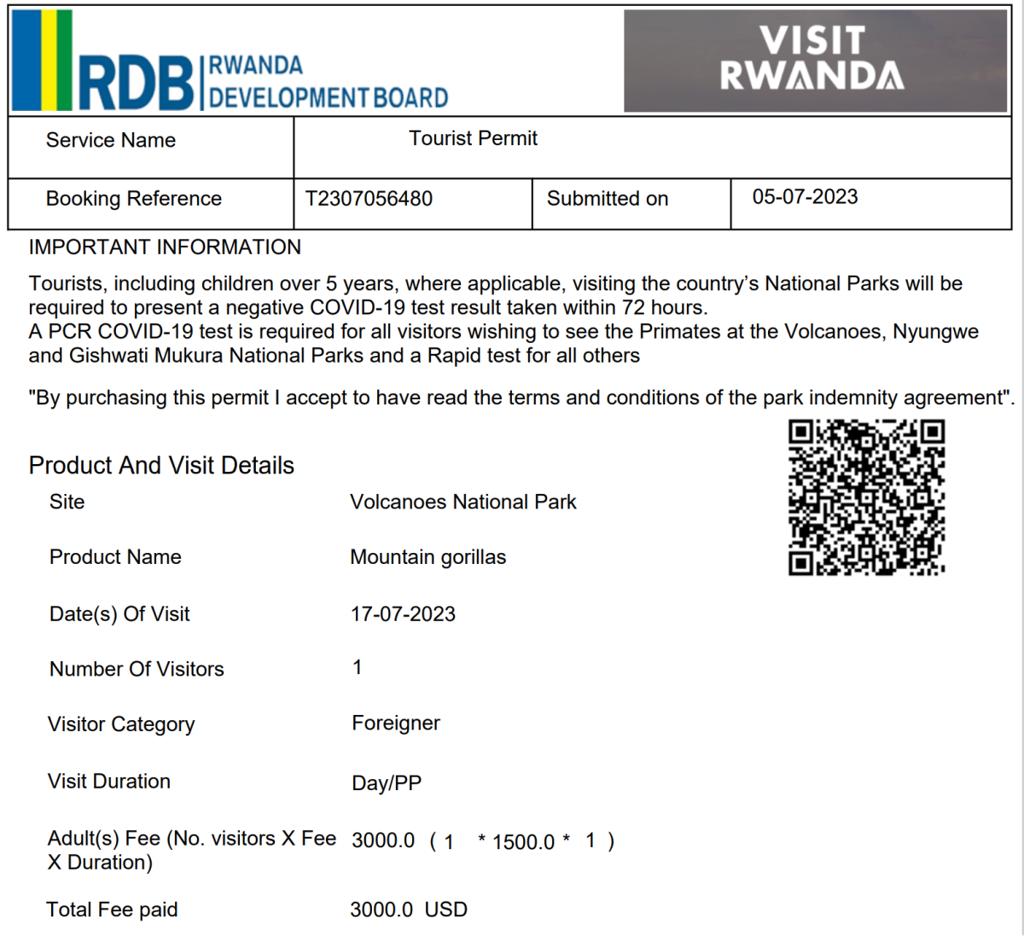
Planning a mountain gorilla tracking safari in Rwanda is exciting. However, receiving a quotation can sometimes feel confusing. A tour operator may send a document with several prices, services, travel dates and booking conditions. Some items may be included in the total, while others may require separate payment.
Therefore, travellers should never look at the final price alone. They need to understand what each line means and what the company promises to provide. A quotation should explain the full travel arrangement, not simply show one attractive figure.
At Safari O’clock, we believe that informed travellers make better booking decisions. Reading a Rwanda safari quote carefully helps you understand your expenses, avoid unexpected charges and choose a package that matches your expectations.
This guide explains how to read a Rwanda gorilla safari quotation line by line. It also highlights the questions to ask before confirming your booking.
Why You Should Read a Rwanda Safari Quote Carefully
A safari quotation is more than a price estimate. It is a breakdown of the services that a tour operator plans to arrange for your journey. It may cover gorilla permits, accommodation, meals, transport, guiding services and other travel arrangements.
However, different operators may present these details in different ways. One company may show every service separately. Another may combine several expenses under a single package price. As a result, two quotations with similar totals may offer very different experiences.
For example, one quotation may include private transport, full-board accommodation and airport transfers. Another may cover only the gorilla permit and one night at a lodge. The second package may appear cheaper, but you could spend more when you add the missing services.
For this reason, Safari O’clock encourages travellers to examine every item before comparing totals. A clear quotation should help you understand what you are paying for and what remains your responsibility.
1. Check the Travel Dates and Number of Travellers
Start by checking the travel dates at the top of the quotation. Confirm the arrival date, departure date and the exact day planned for gorilla tracking. These details affect permit availability, accommodation arrangements and transport planning.
Next, check the number of travellers. A quotation for one person may differ from a quotation for two or more people. This happens because some costs, such as a private vehicle and driver-guide, can be shared among travellers.
Also, check whether the quotation uses a single room, double room or twin room. These terms describe different accommodation arrangements. A single room normally accommodates one guest, while a double room usually has one large bed. A twin room normally has two separate beds.
If you are travelling with family or friends, confirm the room arrangements for everyone. Do not assume that all travellers will share one room unless the quotation clearly states this.
Safari O’clock recommends checking these details first because an incorrect date or passenger count can affect the entire safari budget.
2. Understand the Gorilla Permit Line
The gorilla permit is one of the most important items in a Rwanda gorilla safari quotation. It gives an eligible visitor permission to participate in mountain gorilla tracking in Volcanoes National Park on a specified date.
For foreign visitors, Rwanda’s official tourism information lists the standard gorilla tracking permit at US$1,500 per person. Special rates may apply to eligible visitor categories. However, travellers should confirm the current rate and their eligibility directly with the Rwanda Development Board before making payment.
Check whether the quotation lists the permit separately or includes it in the package total. If it says “permit included”, ask the operator to confirm that the permit will be secured for your exact tracking date.
You should also check whether the quotation covers one permit for each traveller. A couple, for example, normally needs two permits for the same tracking day.
The permit line should not be vague. Ask for the number of permits, the tracking date, the visitor category and confirmation of the booking arrangement. Rwanda’s official booking system processes applications using traveller details and supporting documents. Incorrect or incomplete information can cause problems at the park entrance.
Remember that the minimum age for mountain gorilla tracking in Rwanda is 15 years. Therefore, families should confirm the ages of all participants before requesting a quotation.
3. Read the Accommodation Line Carefully
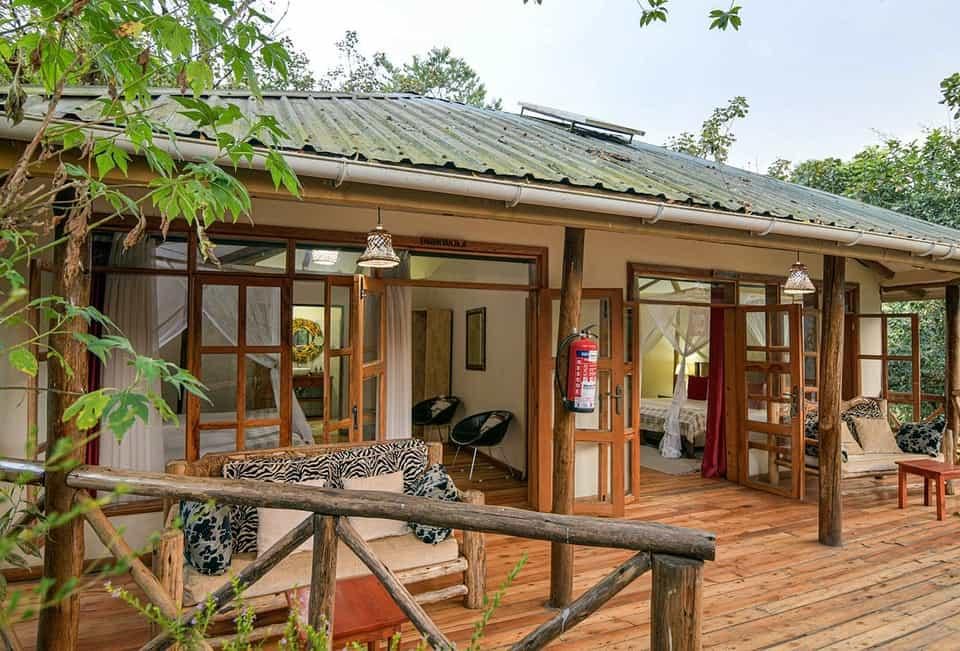
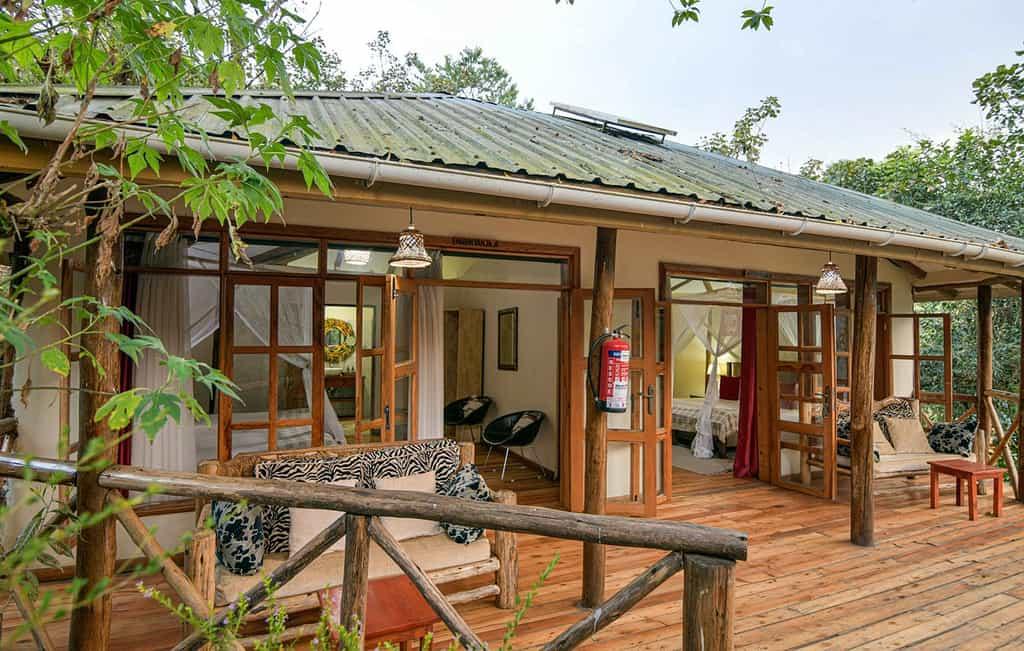
Accommodation can make a major difference to the total cost of your Rwanda gorilla safari. Most travellers stay around Musanze or near Volcanoes National Park. The available options range from simple guesthouses to comfortable hotels and luxury lodges.
Look beyond the word “accommodation” in the quotation. Check the actual name of the hotel or lodge. Then research its location, room category and facilities.
For example, a quotation may list a standard room at a lodge. Another may offer a superior room at a property closer to the park headquarters. These options may have different prices and levels of comfort.
You should also confirm the number of nights included. A two-day safari may require one night near the park, while a longer itinerary may include additional accommodation in Kigali or elsewhere in Rwanda.
Pay attention to the meal arrangement too. Some properties offer breakfast only. Others provide half-board or full-board accommodation.
Breakfast-only usually covers breakfast. Half-board commonly covers breakfast and one other main meal, often dinner. Full-board commonly covers breakfast, lunch and dinner. However, always confirm the exact arrangement because hotel policies can differ.
Safari O’clock encourages travellers to ask for the property name and room category before accepting an accommodation cost. This makes it easier to compare the actual value of different packages.
4. Examine the Transport and Driver-Guide Charges
Transport is another major part of a Rwanda safari quotation. Most visitors travel from Kigali to the Volcanoes National Park area before their gorilla tracking experience.
The quotation should explain the type of vehicle provided. It should also state whether the transport is private or shared.
A private safari vehicle gives your group more flexibility. You can usually agree on departure times and make suitable stops along the journey. Shared transport may cost less, but it can involve fixed schedules and other passengers.
Check whether the transport price covers airport pickup, hotel transfers and the journey to the park. Some quotations include only the main transfer. Others cover transport throughout the itinerary.
You should also look for the driver-guide service. Ask whether a professional English-speaking guide is included and whether the same person will accompany you throughout the trip.
A good quotation should clarify whether fuel, the driver’s accommodation, parking and other relevant vehicle expenses are included. Otherwise, you may face additional charges later.
Remember that the Rwanda Development Board’s gorilla tracking information requires visitors to report for registration and briefing at 7:00 a.m. on the tracking day. Your transport arrangement should allow you to reach the park headquarters on time.
5. Understand the Meals and Drinks Section
Food costs can easily be overlooked when travellers compare safari packages. Yet, meals and drinks contribute to the overall travel budget.
Read the meal section carefully. Check how many breakfasts, lunches and dinners the operator has included. If the quotation mentions packed lunch, ask whether it will be provided on the gorilla tracking day.
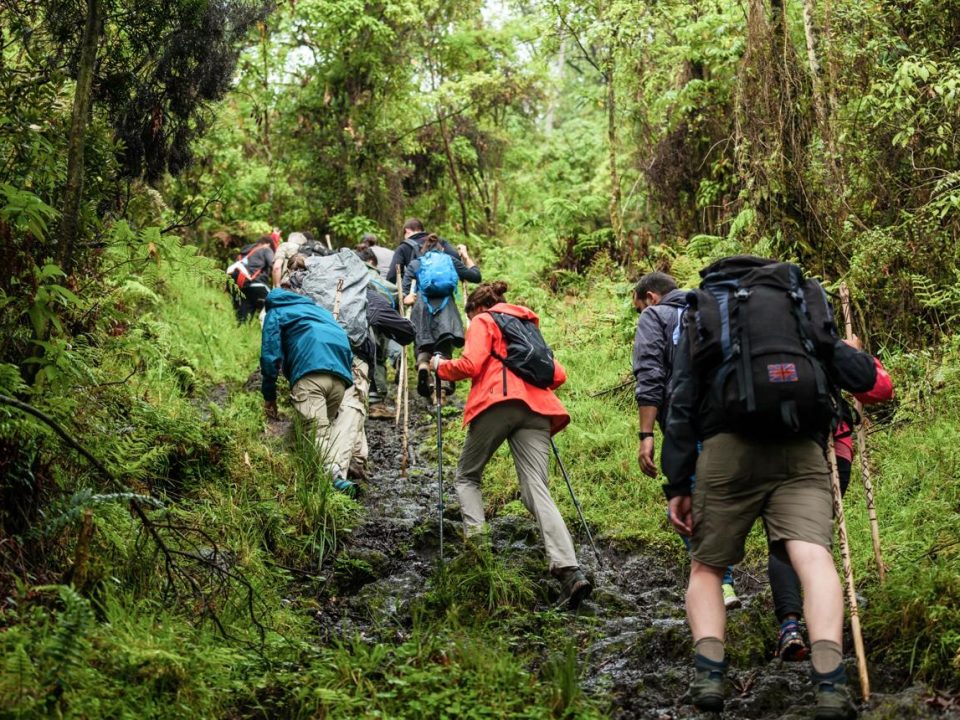
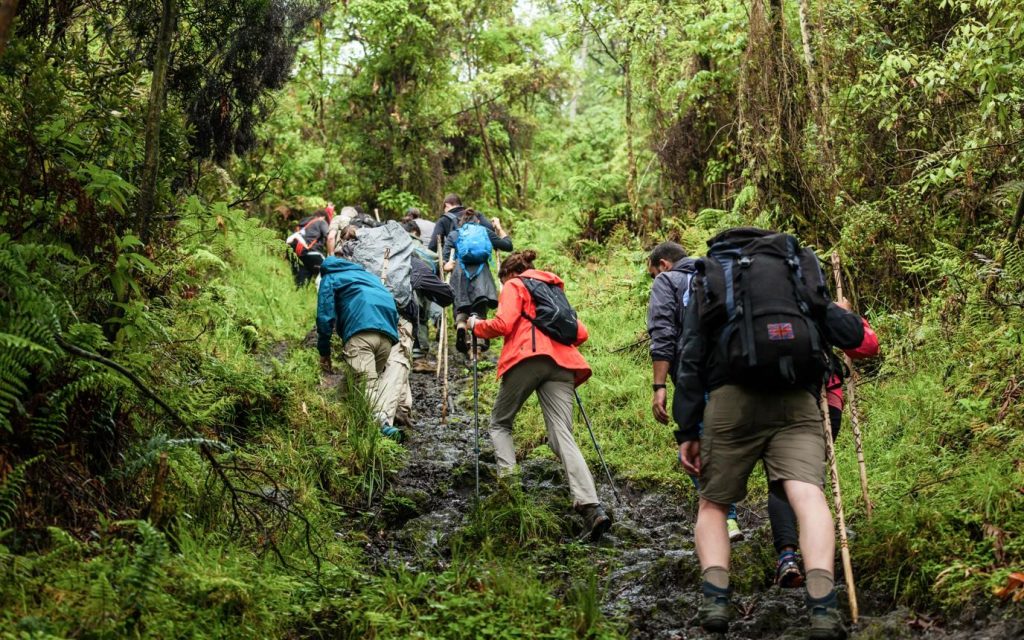
This is particularly important because the tracking experience can involve several hours of walking. The time spent in the forest depends on the location and movement of the gorilla family.
Also, check whether drinking water, tea, coffee and other beverages are included. Some hotels provide drinking water during meals, while others charge separately for bottled drinks.
If you have dietary requirements, inform the operator before booking. This includes vegetarian meals, allergies and other food preferences.
Safari O’clock recommends confirming the meal arrangement for every night of the trip. That way, you can estimate how much extra money to carry for meals outside the package.
6. Check Whether Park and Activity Fees Are Included
Some Rwanda safari quotations include additional activities besides gorilla tracking. These may include golden monkey tracking, nature walks, cultural experiences or visits to other attractions.
Each activity may have its own booking requirements and charges. Therefore, check whether the quotation covers all the activities listed in the itinerary.
Do not assume that every activity is included simply because it appears in the programme. A quotation may list an optional activity for information purposes without including its cost in the total.
Ask the operator to identify the activities that are confirmed, the ones that are optional and the ones that require separate payment.
You should also check whether any applicable park or activity fees are included. Where an operator lists a separate park fee, ask what it covers. This helps prevent confusion or duplicate charges.
7. Look for Porter Fees and Other Trekking-Day Expenses
A porter can help carry your daypack during gorilla tracking. Porters may also assist visitors as they walk through challenging forest terrain.
However, porter services are generally an optional expense. Do not assume that the service is included in your gorilla permit or safari package.
Check whether the quotation includes a porter or whether you will pay separately at the park. If the operator provides an estimated porter cost, ask whether it is a confirmed charge or simply a suggested allowance.
You should also ask about other personal expenses. These may include tips, souvenirs, personal snacks and additional drinks.
Some travellers may need extra assistance during the trek. If you think you may require special support, discuss the available arrangements with your operator well before travel.
The aim is not to add unnecessary expenses. Instead, you should know which costs are already covered and which ones you may need to budget for yourself.
8. Read the Taxes, Service Charges and Other Fees
A quotation may include taxes, service charges or administrative costs. These charges can appear as separate lines or form part of the package price.
Ask the operator to explain any item you do not recognise. For example, a line labelled “booking fee” should come with a clear explanation of what the fee covers.
Check whether the quoted amount is the final payable price. Some quotations show a base price before applicable taxes or other charges. Others provide an inclusive total.
You should also confirm the currency. Safari quotations commonly use United States dollars, but some local services may be priced in another currency.
If you plan to pay in a different currency, ask which exchange rate the operator will use. Also, check whether bank charges or international transfer fees may apply.
A transparent quotation should not leave you guessing about the final amount.
9. Separate Included Services from Excluded Services
This is one of the most important sections to examine. Many disagreements between travellers and tour operators happen because people misunderstand what a package includes.
Look for headings such as “included”, “excluded”, “not included” or “personal expenses”. Read these sections alongside the main price breakdown.
Common package inclusions may include:
- Gorilla tracking permit.
- Accommodation for the stated number of nights.
- Meals according to the selected meal plan.
- Private transport and a driver-guide.
- Airport transfers, where stated.
- Activities specifically listed as included.
Common exclusions may include:
- International flights.
- Visa charges, where applicable.
- Travel insurance.
- Personal purchases and souvenirs.
- Tips and gratuities.
- Optional activities.
- Meals and drinks not listed in the package.
- Porter services, unless specifically included.
These are examples, not a universal list. Every operator structures packages differently. Therefore, rely on the actual written quotation rather than assuming that a service is included.
Safari O’clock encourages travellers to request a clear inclusions and exclusions section. It makes the final cost easier to understand.
10. Examine the Payment Schedule and Booking Conditions
Before paying, read the payment terms carefully. The quotation should explain how much you need to pay to confirm the booking and when the remaining balance is due.
Some operators request a deposit. Others may require full payment for certain services before confirming them. Gorilla permits have their own booking and payment requirements, so ask how the operator will secure your permit.
Check the payment methods too. Confirm the official business payment details and request a receipt for every payment.
Next, read the cancellation and refund policy. Find out what happens if you cancel, change your travel dates or fail to travel. Ask whether accommodation, transport and permit payments follow the same refund rules.
Do not assume that the operator’s cancellation policy is identical to the permit authority’s rules. They may have separate terms.
Rwanda’s official gorilla tracking information outlines specific permit refund conditions. For example, it distinguishes between failure to track because of gorilla movement and cancellation for other reasons. Travellers should read the current official conditions before booking.
A responsible operator should explain these terms before accepting payment. You should never feel pressured to pay before understanding the conditions.
11. Compare the Final Total with the Actual Services
After reviewing every line, return to the total price. Now you can judge whether the amount reflects the services being offered.
For example, imagine that two companies send you quotations for the same tracking date. Company A offers a lower price but includes only the permit, transport and one night of accommodation. Company B offers a higher price that includes full-board accommodation, airport transfers and private transport.
The difference may be reasonable once you compare the services. However, you should still check the hotel category, vehicle arrangement and payment conditions.
Ask both operators to quote for the same number of travellers, dates, room arrangements and activities. This creates a fair comparison.
You should also check the price per person and the total group price. A quotation may show a shared vehicle cost or accommodation rate that changes according to group size.
The cheapest quotation is not always the best option. Instead, look for a clear price, reliable arrangements and services that meet your needs.
12. Watch Out for Missing Details and Unusually Low Prices
A quotation should answer your basic questions. If important details are missing, request clarification before booking.
Be cautious when a company gives a very low price without explaining how it will cover the gorilla permit, accommodation and transport. The final cost may rise once you add services that were not included.
Also, be careful with vague descriptions such as “good hotel”, “comfortable vehicle” or “all park fees covered”. Ask for the hotel name, vehicle type and a clear list of fees.
Check the company’s identity and contact information. Look for a consistent business name, professional communication and verifiable booking arrangements.
Most importantly, request written confirmation of the services you have agreed to purchase. Keep copies of the quotation, payment receipts and booking confirmations.
Safari O’clock believes that transparency should be part of every safari booking. Travellers deserve to know what they are paying for before they begin their journey.
A Simple Example of How to Review a Rwanda Safari Quote
Imagine you receive a quotation for two people travelling from Kigali for a gorilla tracking experience. The document shows a package total but does not explain every service.
Instead of accepting the total immediately, break it down into separate questions.
First, confirm that the package includes two gorilla permits for the correct date. Next, identify the accommodation and check whether the price covers one or two nights.
Then, examine the transport arrangement. Confirm whether the vehicle is private and whether airport transfers are included.
After that, check the meal plan, guide services and any additional activities. Finally, review the exclusions, payment schedule and cancellation terms.
You can use the following table when reviewing your own quotation.
| Quotation item | What you should confirm |
|---|---|
| Travel dates | Correct arrival, departure and tracking dates |
| Travellers | Correct number and room arrangements |
| Gorilla permits | Number, date, category and confirmation |
| Accommodation | Property name, room type and nights |
| Transport | Vehicle type, transfers and driver-guide |
| Meals | Breakfast, lunch, dinner and drinks |
| Activities | Confirmed activities and separate fees |
| Other expenses | Porter services, tips and personal costs |
| Exclusions | Flights, insurance, visas and optional services |
| Payment terms | Deposit, balance and accepted methods |
| Cancellation | Refunds, date changes and deadlines |
| Final price | Currency and whether all charges are included |
This simple review can help you identify missing information before you commit your money.
How Safari O’clock Helps You Understand Your Rwanda Safari Quote
Choosing a gorilla safari should be an exciting process. However, travellers need clear information before making financial commitments.
Safari O’clock helps travellers understand the services involved in a Rwanda gorilla tracking experience. We focus on clear communication, practical travel arrangements and quotations that explain what each package offers.
When requesting a quotation, share your preferred travel dates, number of travellers, accommodation expectations and any additional activities you would like to enjoy. These details help the company prepare an itinerary that reflects your needs.
You can also ask questions about permits, transport, accommodation, meals and other expenses. A good booking conversation should give you enough information to make a confident decision.
Whether you are planning a short gorilla tracking trip or a longer Rwanda holiday, take time to review the quotation before confirming your booking.
Final Thoughts: Understand Every Line Before You Book
A Rwanda gorilla safari quotation should never be judged by its final price alone. Every line tells you something about the experience, the services and the expenses involved.
Start with the travel dates and number of travellers. Then examine the gorilla permit, accommodation, transport, meals and additional activities. Finally, review the exclusions, payment terms and cancellation conditions.
If something is unclear, ask for an explanation in writing. This simple step can prevent misunderstandings and help you plan a realistic travel budget.
With Safari O’clock, travellers can approach their Rwanda gorilla tracking plans with better information and greater confidence. Read your quotation carefully, understand what it covers and prepare for an unforgettable encounter with mountain gorillas in their natural habitat.