- DIRECT CONTACTS:
- +256394517569
- tours@safarioclock.africa
How Meals and Drinks Affect the Total Cost of a Gorilla Trip

How Porter Fees Fit into a Gorilla Tracking Budget
November 21, 2026
How to Compare Gorilla Tracking Quotes Fairly
November 21, 2026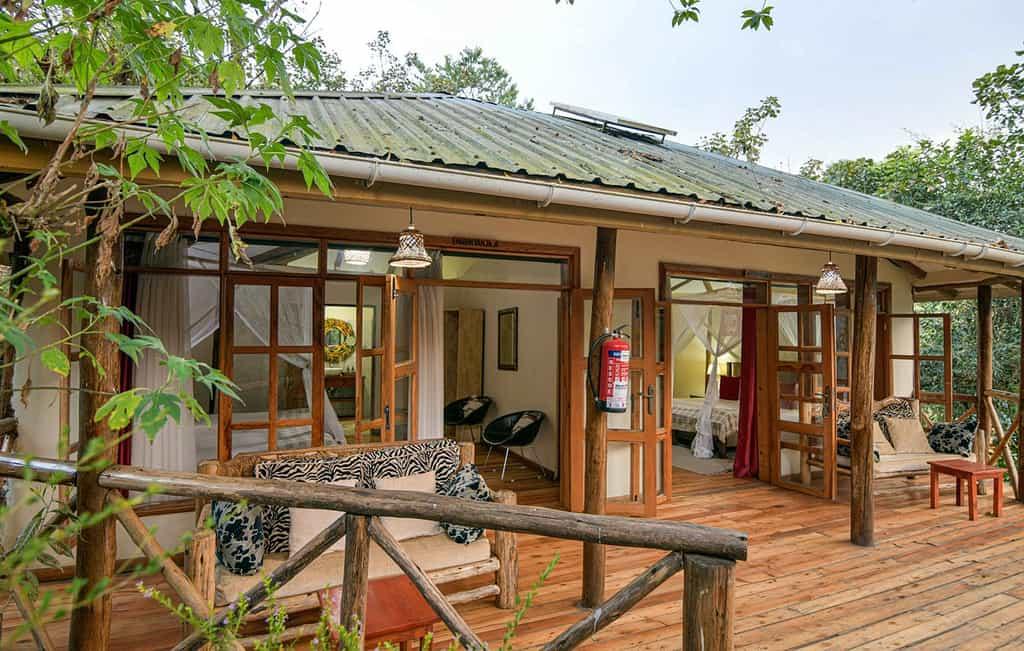
Planning a gorilla tracking safari involves more than paying for a gorilla permit. Travellers must also consider accommodation, transport, meals, drinks and other personal expenses. Although food and drinks may seem like small costs, they can influence the total price of a safari.
A gorilla trip may last two, three, four or more days. During this time, visitors need breakfast, lunch, dinner and drinking water. They may also purchase snacks, soft drinks, coffee or alcoholic beverages. These expenses can increase when travellers stay in remote lodges or choose premium accommodation.
At Safari O’clock, we encourage travellers to consider meal arrangements before confirming their gorilla safari. This helps them understand what their package covers and what they may need to pay separately. It also makes it easier to compare different accommodation options.
In this guide, we explain how gorilla meal costs affect your overall safari budget. We also explore meal plans, packed lunches, drinking water, local restaurants and practical ways to manage food expenses in Rwanda and Uganda.
Why Gorilla Meal Costs Matter in Your Safari Budget
Food is an essential part of every safari. However, the amount you spend depends on your travel style, accommodation and itinerary.
For example, a traveller staying at a lodge that offers full board may spend very little on additional meals. The accommodation package may already cover breakfast, lunch and dinner. However, another traveller staying at a bed-and-breakfast property may need to pay for lunch and dinner separately.
The difference can become significant over several days. Even small daily purchases can add up when you travel for a week.
Drinks also influence the total cost. Some lodges provide drinking water during meals, while others include bottled water throughout the safari. Soft drinks, fresh juices, speciality coffee and alcoholic beverages may attract additional charges.
Therefore, travellers should not compare safari packages using accommodation prices alone. They should also consider the meals and drinks included in each package.
Safari O’clock recommends reviewing the full package details before making a booking. This helps you understand the real cost of your trip rather than focusing only on the advertised price.
How Meal Plans Affect Gorilla Meal Costs
Accommodation providers in Rwanda and Uganda offer different meal arrangements. Understanding these options helps you choose a lodge that matches your budget.
Bed and Breakfast
A bed-and-breakfast package normally includes accommodation and breakfast. It may be suitable for travellers who prefer flexibility when choosing where to eat.
For instance, you may enjoy breakfast at your lodge and have lunch at a restaurant during your journey. You can then choose a local restaurant or return to the lodge for dinner.
This arrangement can work well in towns with several dining options. However, it may become less convenient in remote areas where restaurants are limited.
You should also check whether the lodge offers packed lunches for gorilla trekking days. Some properties prepare them at an additional cost.
Half Board
Half board usually includes breakfast and one additional main meal. In many safari lodges, this means breakfast and dinner.
This arrangement is useful for travellers who spend much of the day exploring. You can enjoy breakfast before your activities and return for dinner in the evening.
However, you may need to budget separately for lunch, snacks and drinks outside the included meals.
For example, a traveller who spends the day travelling between Kigali and Volcanoes National Park may stop for lunch along the way. Similarly, visitors travelling to Bwindi may need a lunch arrangement during a long road transfer.
Always confirm which meal the lodge includes. Do not assume that every half-board package follows the same arrangement.
Full Board
Full board generally includes breakfast, lunch and dinner. It is often a convenient choice for visitors staying at safari lodges near gorilla trekking destinations.
This arrangement can make budgeting easier because most main meals are covered. It also reduces the need to search for restaurants in remote areas.
However, full board does not always include every drink. Some properties charge separately for bottled beverages, alcoholic drinks, speciality coffee and minibar purchases.
In addition, you should confirm whether the lodge provides a packed lunch on the trekking day. A standard lunch served at the lodge may not automatically include a takeaway meal.
At Safari O’clock, we encourage guests to compare meal plans carefully. A slightly more expensive full-board lodge may offer better overall value than a cheaper property where every meal costs extra.
How Breakfast, Lunch and Dinner Influence the Total Cost
Every meal contributes to your daily safari expenses. The final amount depends on where you eat and what you choose.
Breakfast Before Gorilla Tracking
Gorilla tracking usually begins early in the morning. Visitors must report to the relevant park briefing location before entering the forest.
Rwanda Development Board lists a reporting time of 7:00 a.m. at the Volcanoes National Park visitor registration centre. Uganda Wildlife Authority also requires visitors to follow the official briefing and trekking arrangements.
Because of these early starts, breakfast planning is important.
Many safari lodges prepare breakfast before guests leave. Others may arrange a packed breakfast for visitors who depart early. This can include bread, fruit, eggs, juice or other simple foods.
However, the exact arrangement depends on the property. Some lodges may charge extra for an early breakfast or takeaway package.
Therefore, confirm your breakfast arrangements before the trekking morning. This helps you avoid buying an expensive meal at the last minute.
Lunch During a Gorilla Safari
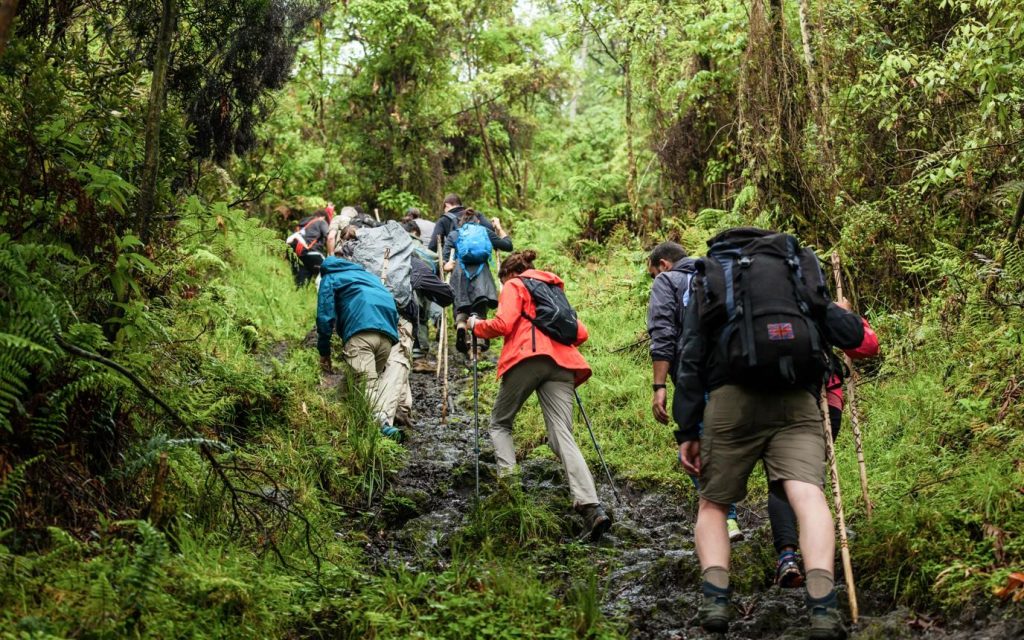
Lunch is another important part of your food budget. A gorilla trek can take several hours, depending on the location of the gorilla family and the terrain.
Uganda Wildlife Authority notes that gorilla tracking may last between two and seven hours. In Rwanda, trekking duration also varies according to the movement and location of the assigned gorilla family.
For this reason, travellers should prepare for a long day.
Many lodges provide packed lunches for guests who go tracking. These may include sandwiches, fruit, boiled eggs, snacks and bottled water. However, the contents and availability differ between properties.
Some lodges include packed lunches in their full-board arrangements. Others require guests to request them in advance or pay an additional fee.
Ask your accommodation whether the packed lunch is included. Also, confirm whether it contains drinking water and any snacks you may need.
Dinner After the Trek
After several hours in the forest, many visitors prefer to relax at their lodge. Dinner may become one of the most enjoyable parts of the day.
Safari lodges often serve a mixture of local and international meals. Depending on the property, you may find rice, vegetables, grilled meat, fish, potatoes, pasta, soups and fresh fruit.
Luxury lodges may offer more elaborate menus and additional dining choices. Budget and mid-range properties may provide simpler meals.
The accommodation category therefore influences how much you spend on dinner. If your package includes dinner, you may avoid this additional expense.
However, drinks and special menu items may still cost extra.
Gorilla Meal Costs in Rwanda
Rwanda offers mountain gorilla tracking in Volcanoes National Park. The park lies in the northern part of the country, near Musanze.
Many visitors stay in lodges around Kinigi and Musanze. These properties offer different accommodation standards and meal arrangements.
Some lodges provide breakfast-only packages, while others offer half-board or full-board services. The choice affects how much money you need for food throughout the trip.
For travellers who stay in Musanze town, local restaurants may offer more affordable dining options. A Rwanda pre-tour information guide lists indicative prices of around RWF 2,500–8,000 for a meal at a casual restaurant. It also gives a broad guide of RWF 500–1,500 for bottled water, depending on the bottle and location. These figures are planning references, not guaranteed current prices. https://www.crooked-compass.com/wp-content/uploads/2024/09/Rwanda_Pre-Tour-Information-1.pdf
Travellers staying at high-end lodges should expect different prices. Their meals may form part of a premium accommodation package, or they may be charged according to the property’s menu.
Drinks also require attention. A lodge may include tea and coffee during breakfast but charge for other beverages. Alcoholic drinks and imported brands can increase the final bill.
Safari O’clock recommends confirming the meal plan and drinks policy before selecting accommodation in Rwanda. This makes it easier to compare properties based on their complete value.
Gorilla Meal Costs in Uganda
Uganda offers mountain gorilla tracking in Bwindi Impenetrable National Park and Mgahinga Gorilla National Park.
Bwindi has several trekking sectors, including Buhoma, Ruhija, Rushaga and Nkuringo. These areas have different accommodation options, from simple guesthouses to luxury safari lodges.
Because some lodges are located far from larger towns, dining arrangements deserve attention. You may not find several restaurants within easy walking distance of your accommodation.
Many lodges provide meals for guests throughout their stay. Some offer full-board packages, while others include only breakfast or two meals.
A published Uganda safari food guide gives indicative examples of restaurant meals in Kampala at around US$8–US$25 and roadside lunches at around US$5–US$12. It also notes that meals and packed lunches should be checked against the accommodation package. These figures are useful examples, but Kampala prices should not be treated as exact prices for remote areas around Bwindi or Mgahinga. https://www.ugandasafaritours.com/uganda-safari-food-cost/
Travellers should also consider the cost of drinks. Some lodges provide drinking water or refill stations, while others charge for bottled water and additional beverages.
If you are travelling to Bwindi, ask your lodge about breakfast, lunch and dinner before arrival. Also, confirm whether the property can prepare a packed lunch for your trekking day.
Safari O’clock encourages visitors to plan meals around their trekking sector and accommodation location. This helps reduce unnecessary spending and makes the safari more comfortable.
How Drinking Water Affects Gorilla Meal Costs
Drinking water is one of the most important items to consider during a gorilla safari. Visitors walk through forest terrain, which may involve steep slopes, muddy paths and changing weather conditions.
Staying hydrated is important, especially during a long trek. However, the amount of water you need depends on the weather, the route and your personal requirements.
Some lodges provide complimentary drinking water during meals. Others offer refill stations or supply bottled water for excursions. In some cases, bottled water attracts an additional charge.
These purchases may seem small at first. However, buying several bottles every day can increase your spending over a multi-day safari.
One way to manage this cost is to carry a reusable water bottle. You can refill it using safe drinking water provided by your accommodation or tour operator.
Always confirm that the water is safe for drinking. Do not collect untreated water from streams or other natural sources.
Rwanda Development Board advises visitors to bring a water bottle and a small snack for the trek. However, eating and drinking near the gorillas is prohibited. Uganda Wildlife Authority also prohibits eating and drinking during the actual gorilla encounter. Follow your ranger’s instructions about when and where you may consume refreshments. https://visitrwandabookings.rdb.rw/rdbportal/mountain-gorilla-tracking/ https://ugandawildlife.org/wp-content/uploads/2024/03/UWA-Conservation-Tariff-July-2024-June-2026.pdf
How Alcoholic Drinks and Soft Drinks Increase Safari Expenses
Drinks outside the standard meal arrangement can add to your safari bill. This is especially true when you stay at a lodge with a bar or restaurant.
Soft drinks, bottled juices, speciality coffee and alcoholic beverages may not form part of your accommodation package.
For example, a traveller may order a soda with lunch and a beer with dinner. Another visitor may prefer fresh juice or a glass of wine in the evening. These purchases are personal choices, but they should still appear in your budget.
Alcoholic beverages can be more expensive at remote lodges. This may reflect transport costs, the type of property and the brands available.
Some premium lodges offer drinks packages. Others charge for each beverage separately. Therefore, check the drinks menu or ask for the property’s policy before ordering.
You can also manage your spending by deciding how much you wish to spend on drinks each day.
Safari O’clock recommends treating alcoholic beverages and premium drinks as optional expenses. This keeps your main safari budget focused on essential services.
Packed Lunches and Snacks: An Important Trekking-Day Expense
A packed lunch can be useful when your gorilla trek takes several hours. It allows you to carry food prepared by your accommodation rather than returning to the lodge for lunch.
Many packed lunches contain simple foods that are easy to carry. These may include sandwiches, fruit, boiled eggs, biscuits and other snacks.
However, the exact contents depend on the lodge. Some properties provide a generous lunch box, while others offer a basic meal.
If your accommodation package includes full board, ask whether the packed lunch replaces the usual lodge lunch. Also, confirm whether the lodge charges extra for takeaway packaging or additional snacks.
You may also want to carry a small personal snack. Energy bars, nuts and dried fruit are convenient options.
Nevertheless, follow all park rules. Do not eat or drink during the actual gorilla encounter. Your guide will advise you on the correct arrangements.
Planning your packed lunch early helps prevent unnecessary purchases on the trekking morning.
Local Food or Lodge Dining: Which Is Better for Your Budget?
Travellers can enjoy different food experiences during a gorilla safari. Some prefer dining at their accommodation, while others enjoy exploring local restaurants.
Local restaurants can provide an opportunity to experience everyday food and culture. In Uganda, visitors may enjoy matoke, rice, beans, groundnut sauce, vegetables and grilled meat.
In Rwanda, popular meals include brochettes, beans, plantains, potatoes and isombe. These dishes offer a taste of local cooking and can be more affordable than some lodge menus.
However, local restaurant options may be limited near remote trekking areas. You should also consider the distance between your accommodation and the restaurant.
Lodge dining offers convenience, especially after a long day outdoors. You can enjoy your meal without arranging additional transport.
The best option depends on your location and travel style. Budget-conscious travellers may prefer local restaurants where they are available. Visitors who value convenience may find a full-board lodge more suitable.
Safari O’clock can help you select accommodation based on your preferred comfort level and meal arrangements.
Sample Food and Drink Budget for a Gorilla Trip
A food budget becomes easier to manage when you estimate the cost of each meal and drink. The following example shows how a traveller might plan for a three-day gorilla safari.
These figures are illustrative allowances in US dollars. They are not official prices or a quotation from Safari O’clock. Actual costs depend on the lodge, restaurant, meal plan and personal choices.
| Expense | Budget allowance per person |
|---|---|
| Breakfast not included | US$5–10 |
| Lunch not included | US$8–15 |
| Dinner not included | US$10–20 |
| Additional drinking water | US$2–5 per day |
| Optional snacks | US$3–5 per day |
| Optional soft drinks or other beverages | US$3–10 per day |
If all three main meals are excluded, a traveller could allow approximately US$23–US$45 per day for meals. Additional water, snacks and drinks may increase that amount.
For a three-day trip, this could mean approximately US$69–US$135 for meals alone. This is a broad planning example, not a fixed daily rate for Rwanda or Uganda.
A traveller with a full-board package may spend much less on additional meals. Their main extra expenses could be bottled drinks, snacks, speciality beverages and personal purchases.
This is why the meal plan matters so much. Two travellers can stay in similar accommodation but spend different amounts because their packages include different services.
Practical Ways to Reduce Food and Drink Expenses
Managing your food budget does not mean sacrificing comfort. A few simple decisions can help you avoid unnecessary expenses.
First, choose accommodation with a meal plan that suits your itinerary. If you will spend most of your time near the lodge, full board may offer good value. However, if you plan to explore restaurants, bed and breakfast may provide more flexibility.
Second, confirm whether your package includes packed lunches. This is particularly important on trekking days when you may leave the lodge early.
Third, carry a reusable water bottle. Refill it with safe drinking water whenever your accommodation or tour operator provides it.
You can also buy suitable snacks before travelling to remote trekking areas. Shops in larger towns may offer more choices than small shops near the parks.
Next, check the drinks policy at your lodge. Ask whether bottled water, tea, coffee and soft drinks are included. This prevents unexpected charges at checkout.
Finally, avoid ordering more food than you need. Choose meals that suit your appetite and activity level.
These small decisions can help you manage your spending while enjoying the safari.
Questions to Ask Before Booking Your Gorilla Safari
Before confirming your accommodation, ask your tour operator a few important questions. These details can help you understand the real cost of your trip.
Find out whether the accommodation rate includes breakfast, lunch and dinner. If it offers half board, ask which two meals are covered.
Also, confirm whether packed lunches are available on trekking days. Ask whether the lodge provides drinking water during the safari or charges for additional bottles.
You should also check the cost of soft drinks and alcoholic beverages. If you have dietary requirements, inform your operator and accommodation provider in advance.
Travellers with food allergies or special dietary needs should confirm that the lodge can accommodate them. This is particularly important when staying in remote locations with limited food supplies.
Safari O’clock encourages guests to discuss these details during the booking process. Clear information makes it easier to prepare a realistic budget and avoid misunderstandings.
How Safari O’clock Helps You Plan Meals and Drinks
A well-organised gorilla safari should consider more than permits and accommodation. Meals and drinks are part of the complete travel experience.
Safari O’clock helps travellers plan gorilla tracking trips in Rwanda and Uganda. We consider the destination, accommodation category, transport arrangements and expected meal requirements.
We also encourage visitors to understand what their safari package includes. This means checking breakfast, lunch, dinner, packed meals and drinking water before departure.
Different travellers have different priorities. Some prefer affordable accommodation and local dining experiences. Others want full-board lodges with convenient meals and additional comfort.
There is no single meal plan that suits everyone. The right choice depends on your itinerary, budget and personal preferences.
By discussing these details with Safari O’clock, you can choose an arrangement that suits your travel style. You can also prepare for extra expenses such as snacks, bottled drinks and optional beverages.
Final Thoughts on Gorilla Meal Costs
Meals and drinks may appear to be minor expenses when planning a gorilla safari. However, they can influence the total cost of your trip, especially when you travel for several days.
Your accommodation’s meal plan plays an important role. Bed and breakfast, half board and full board offer different levels of convenience and value.
You should also consider packed lunches, drinking water, snacks and optional beverages. These expenses can increase when you stay in remote areas or choose premium accommodation.
Before booking, confirm exactly what your package includes. Ask about meal arrangements, drinks, packed lunches and any additional charges.
With proper preparation, you can enjoy local food, stay hydrated and avoid unnecessary spending.
Let Safari O’clock help you plan a gorilla tracking adventure that matches your budget and expectations. A realistic food budget allows you to focus on the experience, enjoy the journey and make lasting memories in the forests of Rwanda and Uganda.