- DIRECT CONTACTS:
- +256394517569
- tours@safarioclock.africa

How to Plan a Gorilla Tracking Trip Without Unexpected Expenses

How to Read a Rwanda Gorilla Safari Quote Line by Line
November 21, 2026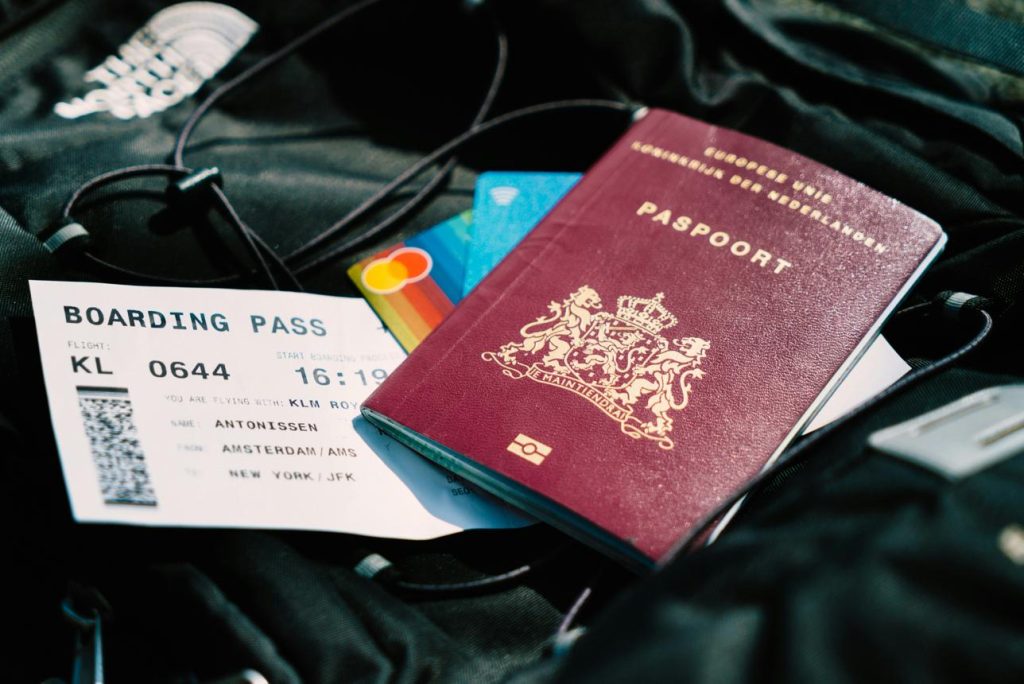
A mountain gorilla tracking trip in Rwanda is a special travel experience. It gives visitors an opportunity to meet endangered mountain gorillas in their natural habitat. However, planning the experience requires more than buying a gorilla permit. Travellers must also consider transport, accommodation, meals, travel documents and other personal expenses.
Many people begin their planning by checking the price of a gorilla permit. Although this is an important starting point, the permit does not cover every part of the safari. You may still need to pay for hotel accommodation, airport transfers, meals and other services. If you overlook these expenses, your final travel budget may become much higher than expected.
The good news is that you can avoid most budget surprises through proper planning. You need to understand the costs, confirm what your tour package includes and prepare for expenses that may arise during the journey.
At Safari O’clock, we believe that travellers should understand their safari costs before making a booking. This guide explains how to plan a gorilla tracking trip without unexpected expenses. It also highlights the important details to check before, during and after your booking.
Why You Need to Plan Gorilla Trip Expenses Early
Planning your gorilla trip expenses early helps you understand the full cost of your holiday. It also allows you to make better decisions about accommodation, transport and additional activities.
For example, two travellers may pay the same gorilla permit fee but spend different amounts on the rest of their safari. One may choose a luxury lodge and private transfers. Another may prefer a comfortable guesthouse and a simpler travel arrangement.
Both travellers can enjoy the gorilla tracking experience. However, their total budgets will differ.
Early planning also helps you avoid rushed decisions. You will have enough time to compare accommodation options, confirm transport arrangements and check the terms of your booking. Furthermore, you can identify expenses that are not included in your tour package.
Safari O’clock recommends preparing a complete travel budget before paying a deposit. This makes it easier to understand the actual financial commitment.
1. Understand the Main Gorilla Trip Expenses
Start by identifying the main expenses involved in your trip. Do not build your budget around the gorilla permit alone. Instead, consider every service you will need from arrival to departure.
A typical Rwanda gorilla tracking safari may include the following expenses:
- Gorilla tracking permit.
- International flights.
- Airport transfers.
- Transport to Volcanoes National Park.
- Accommodation before and after tracking.
- Meals and drinking water.
- Driver-guide services.
- Travel insurance.
- Visa or entry-related costs, where applicable.
- Porter services and personal tips.
- Optional activities and souvenirs.
Not every traveller will pay for all these items separately. Some tour packages combine several services into one price. However, you should still understand what each amount covers.
For instance, a package may include accommodation and breakfast but exclude lunch and dinner. Another may include private transport but not airport transfers. These differences can affect your final spending.
Therefore, list the services you need before requesting a quotation. Safari O’clock can then help you understand the costs associated with your preferred itinerary.
2. Confirm the Gorilla Permit Cost Before Booking
The gorilla tracking permit is one of the largest expenses in a Rwanda gorilla safari. It allows an eligible visitor to participate in mountain gorilla tracking in Volcanoes National Park.
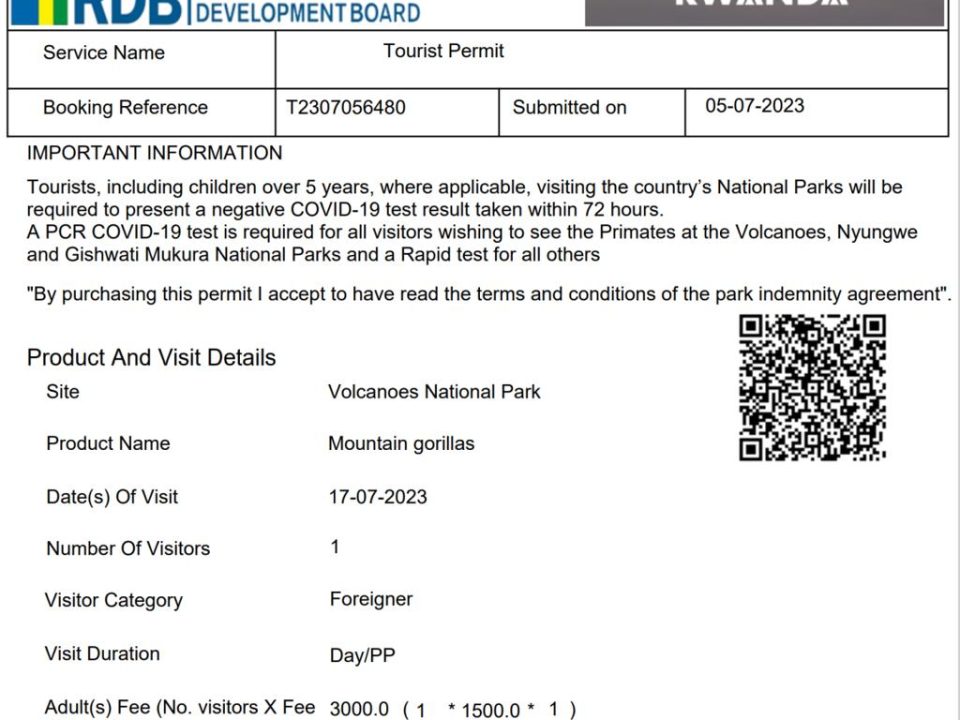
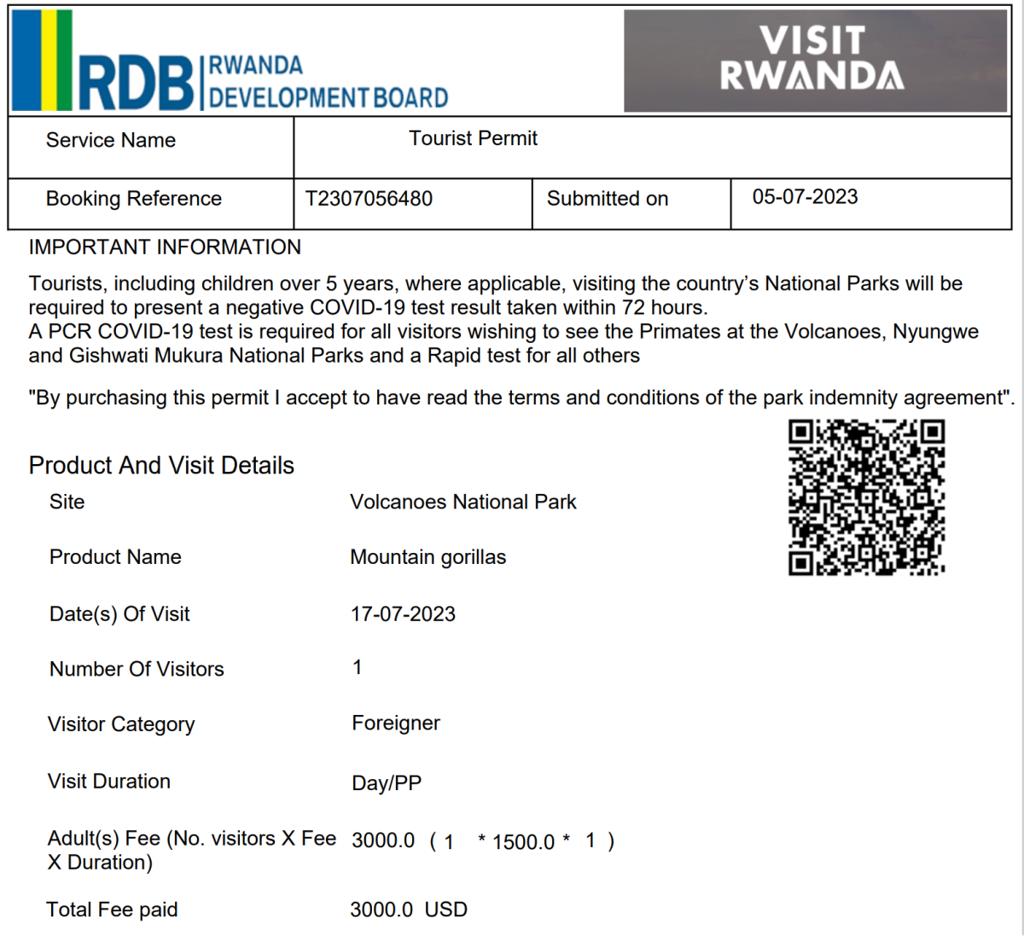
Rwanda’s official booking portal currently lists the standard foreign-visitor permit at US$1,500 per person. It also displays different rates for eligible visitor categories and promotional arrangements. These rates come with specific conditions, so travellers should confirm their eligibility and the price for their intended date through the official Rwanda Development Board booking portal.
Do not assume that a discounted rate applies to every visitor. Your nationality and residency documents may determine the category you qualify for. For example, eligible East African citizens and certain residents may access different rates when they provide the required documents.
You should also confirm whether the permit is included in your tour quotation. If the operator says it is included, ask for written confirmation of the tracking date and the number of permits secured.
Each traveller needs the correct permit for the planned tracking date. The details supplied during booking must also match the documents presented at the park.
Rwanda’s official system warns that incorrect or incomplete applications can lead to denied entry, even where a payment has been made. Therefore, check names, passport details and visitor categories carefully.
The minimum age for gorilla tracking in Rwanda is 15 years. Families should confirm this requirement before including children in their travel plans.
3. Choose Accommodation That Matches Your Budget
Accommodation is another important part of your gorilla trip expenses. Most travellers tracking gorillas in Rwanda stay around Musanze or near Volcanoes National Park.
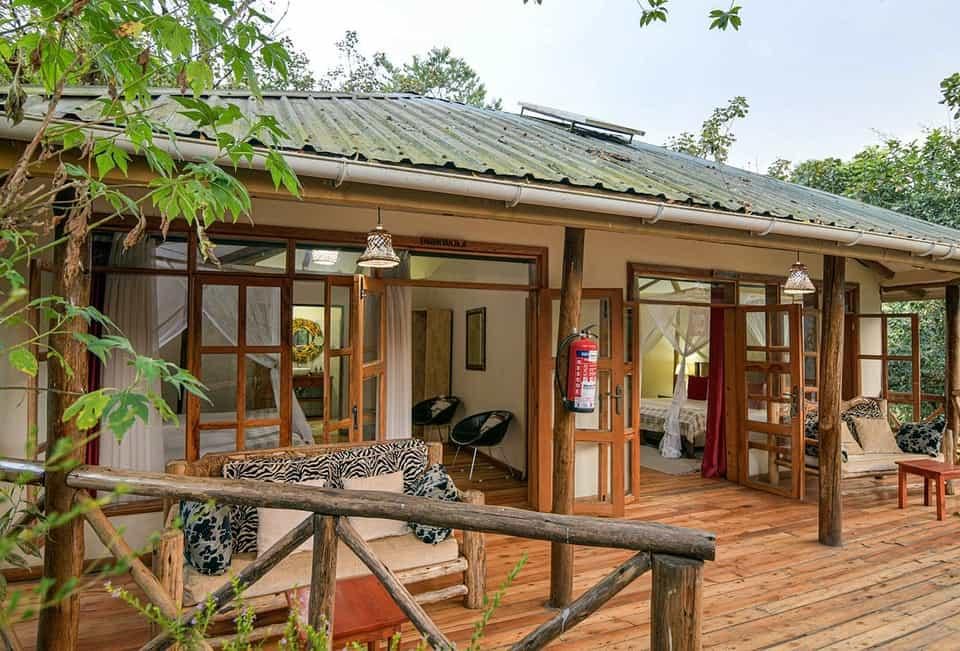
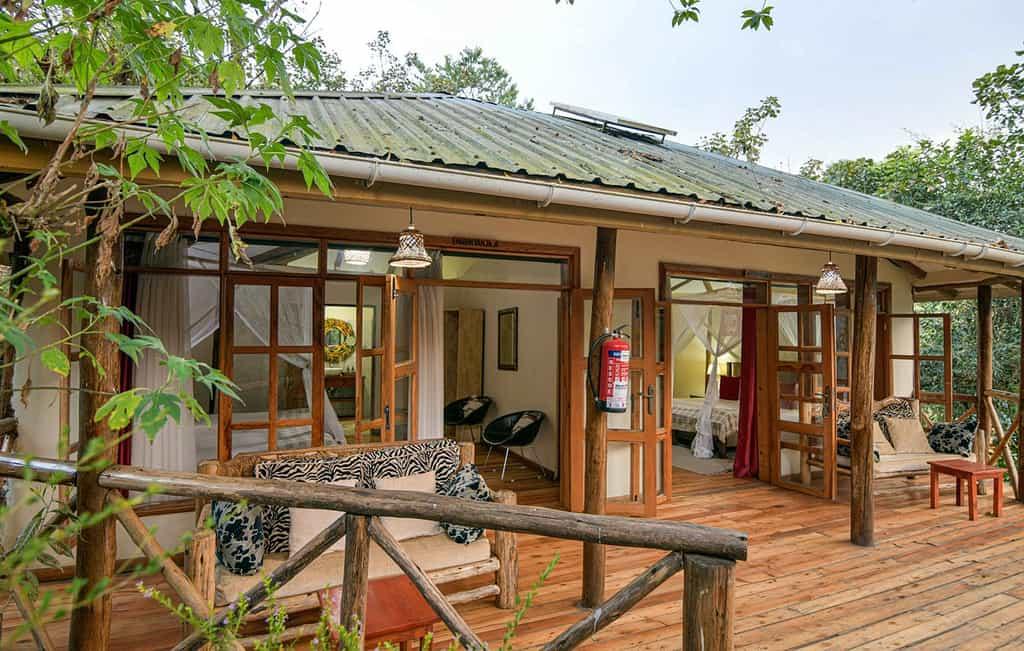
The area offers different accommodation categories. You can choose a simple guesthouse, a comfortable hotel or a luxury safari lodge. Your choice will influence the overall cost of the trip.
However, do not select accommodation based on price alone. Consider its location, room facilities, meal arrangements and distance from the park headquarters.
A cheaper hotel may appear attractive at first. However, if it is far from the tracking departure point, you may need additional transport. A slightly more expensive property closer to Kinigi could offer better value.
Next, check the number of nights included in your package. Gorilla tracking takes place in the morning, and visitors must report for registration and briefing at 7:00 a.m. at the park entry centre. Staying near the park the previous night can make the morning journey easier.
Also, confirm the room category. A standard room may differ from a superior room or a suite. If you are travelling as a couple, ask whether the quotation includes a double room or a twin room.
Safari O’clock encourages travellers to confirm the hotel name, room type, number of nights and meal plan before paying. These details prevent misunderstandings later.
4. Arrange Transport Before Your Travel Date
Transport can add a significant amount to your safari budget. Travellers arriving at Kigali International Airport need to plan how they will reach the Musanze area and Volcanoes National Park.
You may choose private transport, shared transport or a combination of available public services. Each option has different costs and levels of flexibility.
Private transport offers convenience, especially for travellers with limited time. A driver-guide can collect you from the airport or hotel and take you towards the park. It also makes it easier to manage your departure time.
However, confirm exactly what the transport quotation covers. Ask whether it includes airport pickup, the journey to Musanze, transfers to Kinigi and your return journey.
You should also check whether fuel, driver expenses and parking charges are included. A quotation that simply says “transport provided” may not explain the full arrangement.
Most importantly, plan to reach the park headquarters on time. Rwanda’s official gorilla tracking information requires visitors to report at 7:00 a.m. Late arrival can create serious problems. The official portal states that it does not provide refunds for late arrivals or flight delays.
For this reason, Safari O’clock recommends arriving in the Musanze area the day before tracking. This gives you time to rest and reduces the risk of missing your scheduled experience.
5. Check Your Meals and Drinks Arrangement
Food is one of the easiest expenses to forget when preparing a safari budget. Some travellers assume that their accommodation package covers every meal. However, this depends on the hotel and the selected meal plan.
Before booking, confirm whether your accommodation includes breakfast only, half-board or full-board services.
Breakfast-only normally covers breakfast. Half-board commonly covers breakfast and one other main meal, often dinner. Full-board commonly includes breakfast, lunch and dinner. Still, confirm the exact arrangement with the property.
You should also ask about packed lunches on the tracking day. Gorilla tracking can involve several hours of walking, depending on the location of the gorilla family. A packed lunch or suitable snack can be useful during the day.
Drinks may also attract additional charges. Bottled water, soft drinks, coffee and other beverages may not be included in every accommodation package.
If you have dietary needs, inform the operator early. This helps the hotel prepare suitable meals and reduces the need for last-minute arrangements.
Safari O’clock recommends checking the meal plan for every night of your stay. You can then set aside money for meals and drinks that fall outside the package.
6. Prepare Your Travel Documents and Visa Budget
Travel documents are another important part of planning. Before departure, check your passport validity, entry requirements and any documents needed for your journey.
Rwanda’s official tourism information states that nationals of all countries can obtain a visa on arrival at Kigali International Airport and at land borders. However, visa fees, exemptions and entry conditions depend on the traveller’s nationality and applicable immigration rules.
Therefore, check the current requirements for your passport before travelling. Do not assume that every traveller has the same visa conditions.
You should also ensure that the personal details used for your gorilla permit match your travel documents. A spelling difference or incorrect passport number may cause problems during verification.
Keep copies of your passport, permit confirmation, accommodation booking and travel insurance details. Save digital copies as well as printed versions where practical.
If you are travelling from another country, check the transit requirements too. Some journeys involve connecting flights through countries with their own entry or transit rules.
Planning these details early helps you avoid last-minute document expenses and unnecessary travel delays.
7. Include Travel Insurance in Your Budget
Travel insurance is an important expense to consider when planning a gorilla tracking trip. Although it may not be included in your safari quotation, it can provide financial protection against certain unexpected travel problems.
Depending on the policy, insurance may cover medical emergencies, trip cancellation, travel delays, lost baggage or emergency evacuation. However, policies differ, so you should read the terms before purchasing one.
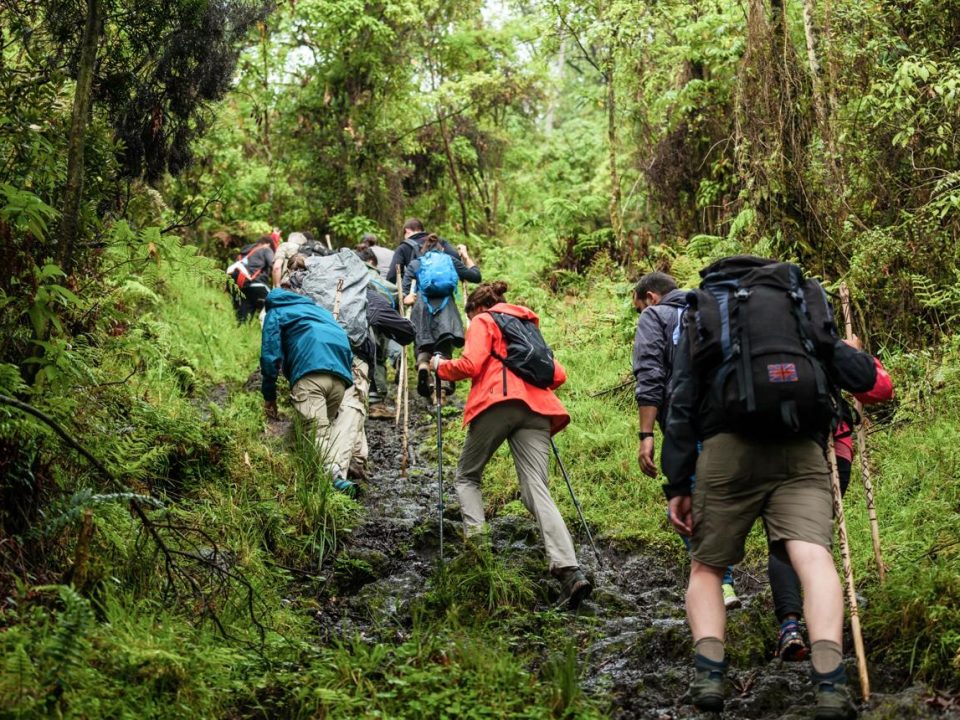
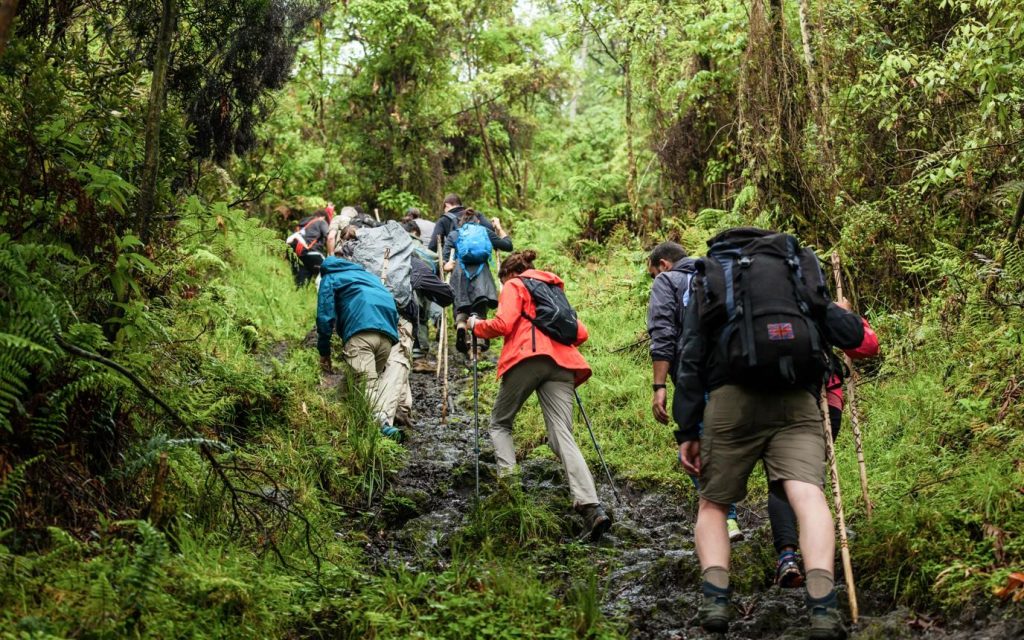
Gorilla tracking takes place in mountainous forest terrain. Visitors may encounter steep paths, mud, uneven ground and changing weather. Therefore, check whether your policy covers the activities you plan to undertake.
Pay attention to exclusions and coverage limits. Some policies require additional adventure or hiking coverage. Others may exclude certain medical or pre-existing conditions.
Also, check whether the insurer provides emergency assistance in Rwanda. Keep the emergency contact details available during your trip.
Safari O’clock recommends treating travel insurance as part of your overall travel preparation rather than an optional detail to consider at the last minute.
8. Budget for Porters and Other Tracking-Day Expenses
A porter can help carry your backpack during the gorilla tracking experience. Porters may also offer practical assistance on difficult sections of the trail.
However, porter services are generally optional and are not automatically included in the gorilla permit. If you would like to hire one, ask about the current charge and payment arrangement.
Avoid relying on old online price estimates. Porter charges can change, and different arrangements may apply. Your operator or the park team can help you confirm the current amount.
You may also want to prepare a reasonable allowance for tips. Tipping is a personal choice, and you should not confuse it with mandatory permit or park charges.
Other possible expenses include souvenirs, snacks, extra drinks and personal purchases. These costs may seem small, but they can add up during a multi-day holiday.
You do not need to carry a large amount of cash without a plan. Instead, estimate what you may need and confirm which payment methods are accepted for the services you intend to use.
9. Understand What Your Safari Package Includes
One of the best ways to prevent unexpected expenses is to understand your tour package before confirming it.
A safari quotation should clearly identify the services included in the total price. It should also explain what you will need to pay separately.
For example, a package may include a gorilla permit, private transport, one night of accommodation and breakfast. However, it may exclude international flights, travel insurance, personal drinks and porter services.
Another operator may offer a more comprehensive package with additional nights and meals. Therefore, a higher quotation does not automatically mean that the company is more expensive.
Ask for a written breakdown of the services. If the quotation uses unclear descriptions, request an explanation.
Pay particular attention to these items:
- Number of gorilla permits.
- Accommodation names and room categories.
- Number of nights.
- Meal arrangements.
- Vehicle type and transport schedule.
- Airport transfers.
- Driver-guide services.
- Optional activities.
- Taxes and additional charges.
- Excluded services.
Compare quotations using the same travel dates and requirements. This helps you identify which package offers the best value.
Safari O’clock believes that a clear quotation should leave travellers with fewer unanswered questions. Understanding the inclusions before payment makes budgeting much easier.
10. Read the Cancellation and Refund Policy
Unexpected changes can affect even a well-planned holiday. Flights may change, personal circumstances may arise or travellers may need to adjust their dates.
For this reason, read the cancellation and refund policy before paying for your gorilla tracking trip.
Rwanda’s official booking information explains specific permit refund conditions. For example, it provides different outcomes where tracking fails because of gorilla movement compared with situations where a visitor arrives late or cancels for another reason.
The official portal states that late arrival, flight delay, absence and cancellation for other reasons do not qualify for a permit refund under its published conditions.
This makes arrival planning especially important. Allow enough time between your international flight and the tracking date. Avoid arrangements that depend on a tight connection or an uncertain transfer.
Also, ask your tour operator about cancellation terms for accommodation, transport and other services. These may differ from the permit authority’s conditions.
Find out whether you can change your travel dates and whether additional charges apply. Keep the answers in writing.
A clear understanding of these conditions can help you avoid losing money when plans change.
11. Keep an Emergency and Extra Expense Allowance
Even with careful planning, it is sensible to prepare for small unexpected expenses. A delayed transfer, an extra meal or a change in personal needs may affect your spending.
Set aside a separate emergency allowance after calculating the main safari costs. This money should not replace your permit or accommodation budget. Instead, it should provide flexibility if something unexpected happens.
The amount depends on your travel style, trip length and personal needs. A traveller on a short package may need a different allowance from someone taking a longer holiday.
Keep your emergency funds separate from the money already committed to the tour operator. Also, avoid spending your entire budget before the trip begins.
If you plan to use a bank card, check its international transaction fees and whether it works in Rwanda. Carry a suitable backup payment option where possible.
Safari O’clock recommends preparing this allowance before departure. It gives you more control over your spending and helps you enjoy the trip without constant financial worry.
12. Avoid Last-Minute Changes and Unplanned Activities
Last-minute decisions can increase your safari expenses. For example, adding another hotel night, changing transport arrangements or booking an extra activity may require additional payment.
This does not mean you should avoid exploring Rwanda beyond gorilla tracking. You can enjoy other experiences, such as cultural visits, nature activities or visits to other national parks. However, include them in your budget before confirming the trip.
If you want to visit another destination, discuss the route and additional nights with your operator. Ask whether the activity requires a separate permit or entrance fee.
You should also avoid assuming that a driver can provide unlimited extra transfers without additional charges. Agree on the itinerary and transport arrangements in advance.
A well-planned itinerary gives you room to enjoy the destination while keeping your spending under control.
13. Build a Complete Gorilla Tracking Budget Before Departure
Once you understand the main expenses, prepare a budget that brings everything together. This gives you a realistic picture of how much the trip may cost.
You can organise your budget using the following categories:
| Budget category | What to include |
|---|---|
| Gorilla permit | Current permit price for each traveller |
| Flights | International and domestic flights, if needed |
| Accommodation | Hotel or lodge charges for all nights |
| Transport | Airport transfers and park transfers |
| Meals | Meals and drinks not included |
| Travel documents | Visa or other applicable document costs |
| Insurance | Suitable travel insurance policy |
| Trekking extras | Porter services and personal tips |
| Activities | Optional experiences and entrance fees |
| Personal spending | Souvenirs, snacks and other purchases |
| Emergency allowance | Money for unforeseen expenses |
Use actual quotations wherever possible. Avoid relying on general online estimates when a hotel, airline or service provider can give you a current price.
Next, calculate the cost per person and the total group cost. Remember that some expenses are shared, while others apply to every traveller.
For example, a private vehicle may be shared by a couple. However, each eligible visitor needs an individual gorilla permit.
Finally, compare your planned budget with the amount you can comfortably spend. If the total is too high, adjust accommodation or optional activities before reducing essential services or ignoring important expenses.
How Safari O’clock Helps You Plan a Cost-Conscious Gorilla Safari
Planning a gorilla tracking safari should be exciting, not confusing. Travellers need clear information about the costs, services and booking arrangements before making a decision.
Safari O’clock helps travellers organise their Rwanda gorilla tracking experiences according to their preferred dates, group size and travel expectations.
When requesting a quotation, share your travel dates, number of visitors and preferred accommodation category. Also, mention whether you need airport transfers, additional activities or a longer Rwanda itinerary.
These details help the company prepare a more relevant travel plan. You can then review the permit arrangements, accommodation, meals and transport before confirming your booking.
Do not hesitate to ask questions about exclusions, payment schedules and cancellation conditions. Understanding these details is part of responsible travel planning.
Whether you are planning a short gorilla tracking trip or a longer Rwanda holiday, Safari O’clock can help you understand the services involved and prepare for your journey.
Final Thoughts: Enjoy Gorilla Tracking Without Budget Surprises
Planning a gorilla tracking trip without unexpected expenses begins with understanding the full cost of the experience. The permit is important, but it is only one part of your travel budget.
You should also plan for accommodation, transport, meals, travel documents, insurance and personal expenses. In addition, review your quotation carefully and understand the cancellation conditions before making payment.
Most importantly, prepare a realistic budget and keep a separate allowance for unexpected needs. This gives you more financial control throughout your journey.
With proper preparation and clear communication, you can focus on the experience instead of worrying about forgotten expenses. Safari O’clock encourages every traveller to plan carefully, ask questions and understand the costs before setting off for an unforgettable mountain gorilla encounter in Rwanda.