- DIRECT CONTACTS:
- +256394517569
- tours@safarioclock.africa

What to Tell Your Tour Operator About Your Fitness Level Before Gorilla Trekking

How to Discuss Mobility Needs Before Booking a Gorilla Trek
November 23, 2026
How Rest Stops Work During a Guided Gorilla Trek
November 23, 2026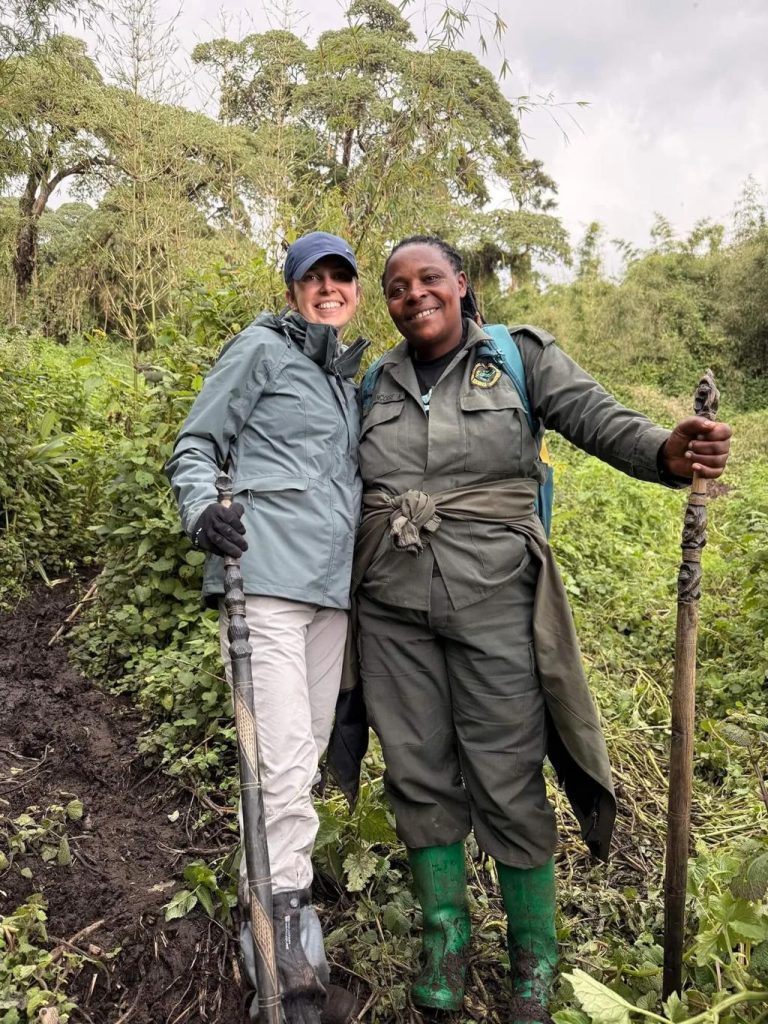
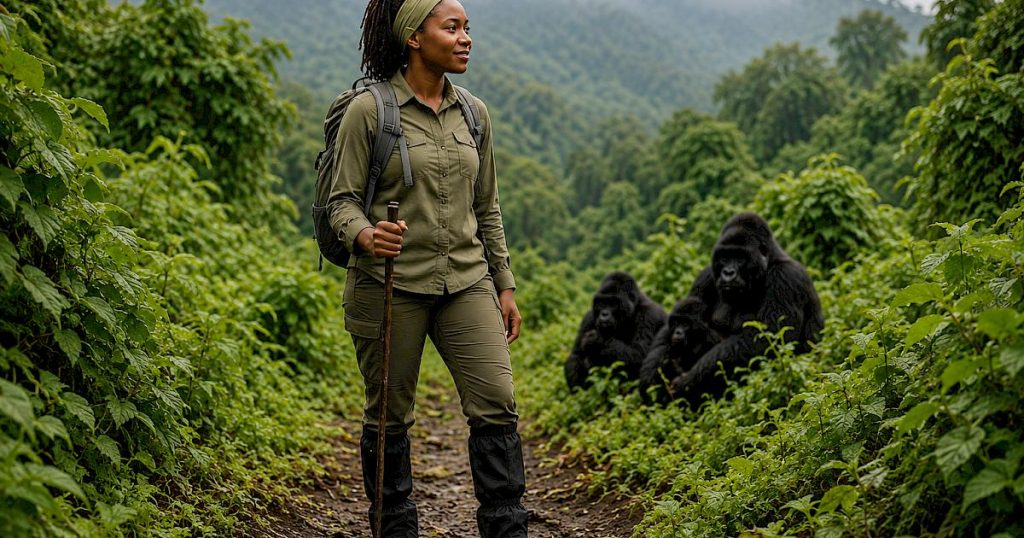
Planning a gorilla trekking adventure in Rwanda is exciting. However, it is important to understand the physical demands before booking your trip. Gorilla trekking takes place in natural mountain forests, where visitors may encounter steep slopes, muddy paths, uneven ground and thick vegetation. The experience can also involve walking at high altitudes, which may make physical activity more demanding.
One of the most important steps is telling your tour operator about your fitness level. This information helps the operator understand your abilities, identify possible challenges and discuss suitable arrangements before your journey begins.
At Safari O’clock, we believe every traveller deserves clear information before setting out on a gorilla trekking adventure. You do not need to be a professional athlete to enjoy this experience. However, you should be honest about your physical abilities and any limitations that may affect your trek.
This guide explains what to tell your tour operator about your fitness level, which details matter most and how early communication can help you prepare for Rwanda gorilla tracking.
Why Your Fitness Level Matters for Gorilla Trekking
Gorilla trekking is not a simple forest walk. It is a guided outdoor activity that takes place in mountainous terrain. In Rwanda, visitors trek through the forests of Volcanoes National Park, located within the Virunga Mountains.
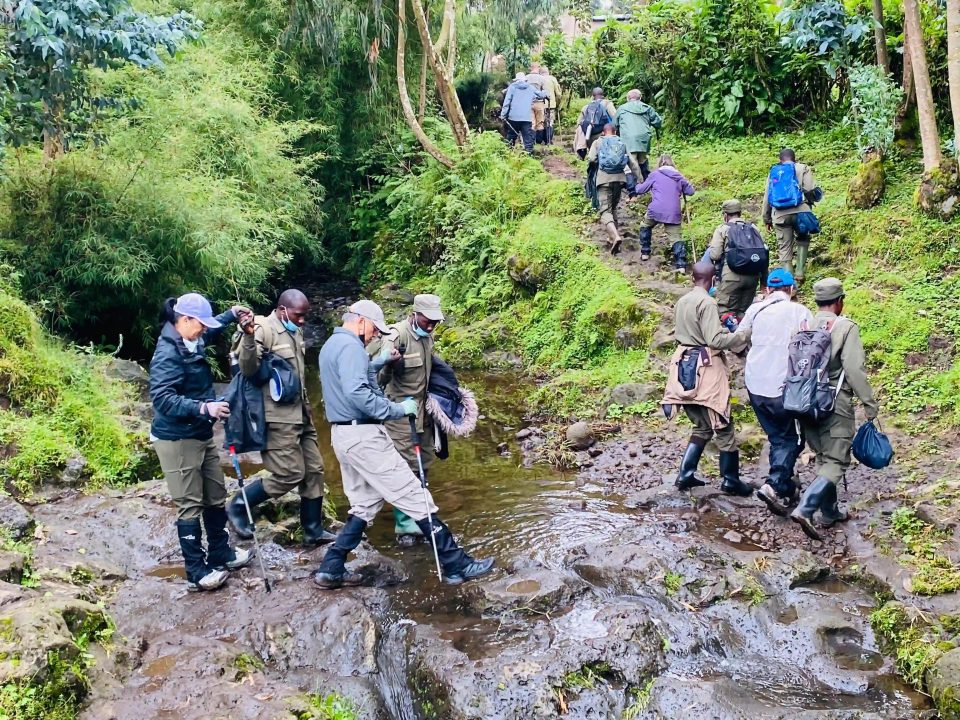
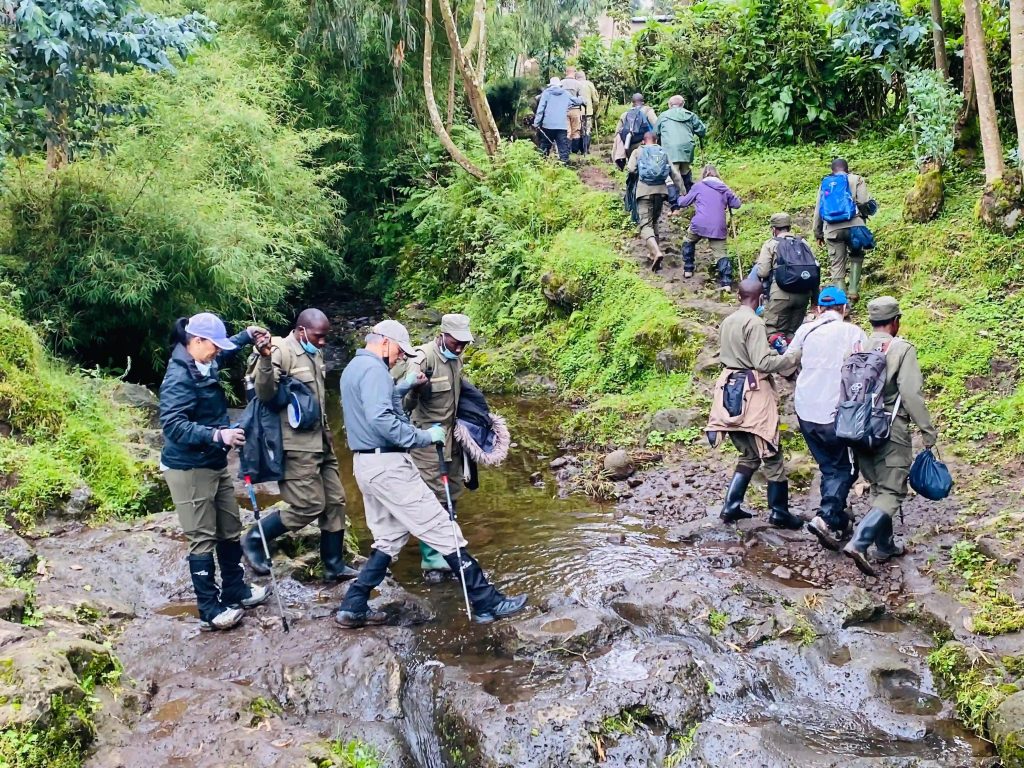
The terrain varies from one trekking day to another. Some routes involve gradual walking, while others may include steep climbs and slippery sections. You may also need to move through thick vegetation as guides and trackers lead the group towards the gorillas.
The time spent walking can also vary. Some visitors reach a gorilla family relatively quickly, while others spend several hours on the trail. The location of the gorillas changes, so the exact walking distance and difficulty cannot always be predicted before the trek.
Altitude adds another consideration. Volcanoes National Park lies at a high elevation, and some visitors may experience breathlessness or fatigue during physical activity. Therefore, your usual fitness level at home may not fully reflect how you feel while hiking in the mountains.
When you share accurate information with Safari O’clock, we can discuss these factors with you before booking. This allows you to make informed decisions instead of discovering important physical challenges on the trekking day.
What to Tell Your Tour Operator About Your Fitness Level
A general statement such as “I am fit” or “I am not very active” may not provide enough information. Your operator needs a practical description of the activities you can comfortably manage.
Instead of giving only a fitness label, explain what your body can currently handle. The following details can help Safari O’clock understand your needs.
1. Describe How Far You Can Comfortably Walk
Start by explaining how much walking you normally do. Tell your operator whether you can walk for 30 minutes, one hour or several hours without significant difficulty.
Also explain whether you need frequent breaks. For example, you may be comfortable walking on flat roads for an hour but struggle when the ground becomes steep or uneven. This difference matters because gorilla trekking involves more than ordinary road walking.
You can give a practical description such as:
“I can walk for about one hour on flat ground, but I need regular breaks when walking uphill.”
This gives your operator a clearer understanding of your endurance. It also creates an opportunity to discuss the demands of the trek and the preparation you may need.
2. Explain Your Experience With Hills and Uneven Ground
Walking on a flat road is different from hiking through a mountain forest. Gorilla trekking routes may involve slopes, muddy ground, exposed roots, rocks and thick vegetation.
Tell your operator whether you have experience walking on hills or hiking on natural trails. Explain whether you feel confident climbing slopes and descending on uneven ground.
If you have only walked on flat surfaces, mention that too. There is no need to exaggerate your experience. Your operator can explain what to expect and recommend practical preparation before departure.
Safari O’clock can use this information to help you understand why suitable footwear, walking practice and physical preparation matter.
3. Be Honest About Your General Fitness Level
Your general fitness level gives your operator an idea of how regularly you engage in physical activities.
For example, you may exercise several times a week, walk occasionally or spend most of your day sitting. Each situation provides different information about your current endurance.
Explain whether you can climb several flights of stairs, walk for extended periods or participate in moderate outdoor activities. You should also mention whether you become tired quickly during physical exercise.
Remember that fitness is not measured by appearance or age alone. Someone who exercises regularly may still struggle with steep terrain. Likewise, someone who does not visit the gym may have good walking endurance.
What matters is your actual ability to manage the activity.
4. Mention Any Previous Injuries or Mobility Challenges
Previous injuries can affect your ability to complete a gorilla trek. This is especially important if an injury affects your knees, ankles, hips, back or balance.
Tell your operator if you have recently undergone surgery or are recovering from an injury that could affect your movement. Explain whether you can walk normally, climb stairs or stand for extended periods.
If you use a walking aid or need physical support, mention this before booking. Do not wait until you arrive at the park to explain an important mobility requirement.
Safari O’clock can then discuss possible arrangements and help you understand which options may be available. However, the suitability of any support arrangement must be confirmed with the relevant park authorities.
5. Disclose Relevant Medical Conditions
Some medical conditions may affect your ability to participate in strenuous outdoor activities. For example, certain heart and lung conditions may make climbing at high altitude more challenging.
If you have a condition that could affect your breathing, balance, stamina or ability to walk, discuss the trek with your healthcare professional before booking.
You should also inform your tour operator about any relevant restrictions or support needs. You do not need to share unrelated private information. However, information that could affect your safety should not be hidden.
A tour operator cannot replace medical advice. Therefore, Safari O’clock encourages travellers with health concerns to seek professional guidance before committing to a physically demanding activity.
6. Explain How You Respond to Long Physical Activities
Fitness involves more than the ability to walk a certain distance. It also includes how your body responds to continued activity.
Tell your operator whether you can remain active for several hours with short breaks. Explain whether you experience unusual exhaustion, dizziness or difficulty recovering after physical effort.
For example, you may manage a short hike comfortably but struggle when an activity continues for several hours. This information helps your operator explain the possible demands of a gorilla trekking day.
It is also useful to mention whether you are comfortable spending time outdoors in changing weather conditions. Mountain forests can be wet, cool and physically demanding.
How Altitude Can Affect Your Fitness Level
Altitude is an important part of Rwanda gorilla trekking. Volcanoes National Park sits high above sea level, and the thinner air can make physical activity feel more difficult.
Some visitors notice that they become breathless more quickly when walking uphill. Others may experience headaches, tiredness or reduced exercise tolerance. These effects can vary between individuals.
This is why you should tell Safari O’clock if you have previously experienced difficulties at high altitude. Also mention any medical advice you have received about strenuous exercise or mountain environments.
If you have a heart or lung condition, seek medical advice before booking. Your healthcare professional can assess your individual circumstances and explain any precautions you should take.
During the trek, follow your guide’s instructions and maintain a comfortable pace. Tell the guide if you feel unwell or experience unusual symptoms. Do not push yourself simply because other visitors are walking faster.
Why Your Fitness Level Helps With Trekking Preparation
Sharing your fitness level early allows your tour operator to discuss practical preparation before the trip. It also helps you understand which areas may need attention.
For example, if you rarely walk long distances, you can gradually increase your walking routine before travelling. If you struggle with hills, you can practise climbing gentle slopes or stairs.
Your preparation should reflect your current abilities. Avoid sudden, intense exercise programmes, especially if you have not been physically active for a long time.
Build Your Walking Endurance Before the Trek
Regular walking is one of the simplest ways to prepare for gorilla trekking. Start with distances you can comfortably manage and increase the duration gradually.
As your endurance improves, introduce gentle slopes and varied surfaces. This helps your body become more familiar with the type of movement you may experience in the forest.
You can also practise walking in your hiking boots before travelling. This allows you to identify discomfort early and choose footwear that offers suitable grip and support.
Prepare for Uphill Walking
Gorilla trekking may involve climbing steep sections. Therefore, practising uphill walking can help you prepare.
If you have access to hills, use gentle routes and increase the difficulty gradually. Stair climbing can also help improve leg endurance.
However, avoid pushing beyond your ability. If you have a medical condition or previous injury, ask your healthcare professional which exercises are appropriate.
Ask About Porters and Available Assistance
Porters are an important part of many gorilla trekking experiences. They can carry your daypack and may offer a helping hand on difficult sections of the trail.
Hiring a porter can reduce the weight you carry and provide additional support. It also creates an opportunity to support local people who work around the national park.
However, a porter does not remove the physical demands of trekking. You should still be able to meet the applicable park requirements and follow the guidance provided by your trekking team.
If you have significant mobility limitations, ask your operator about other possible arrangements. Some destinations may offer special assistance services, but availability, conditions and costs must be confirmed in advance.
Can Your Fitness Level Influence Your Gorilla Trekking Arrangements?
Yes, your fitness level can help inform discussions about suitable trekking arrangements. However, it is important to understand that no tour operator can guarantee a particular gorilla family or an easy route.
Gorilla families move through the forest, and their locations change. Rangers and park authorities make the final trekking arrangements based on the conditions and available information on the day.
When you share your fitness level, Safari O’clock can discuss your concerns and communicate relevant requests to the appropriate authorities where possible.
You can also ask whether a route that better matches your abilities may be available. However, the final decision rests with the park authorities, and conditions can change.
The best approach is to communicate early, remain flexible and prepare for the possibility of a longer or more demanding hike than expected.
Questions to Ask Your Tour Operator About Your Fitness Level
Sharing information should be a two-way conversation. You should also ask questions that help you understand what the trek may involve.
Before confirming your booking with Safari O’clock, consider asking:
- How physically demanding can gorilla trekking be in Volcanoes National Park?
- How long might I spend walking during the trek?
- What type of terrain should I expect?
- Can I request consideration for a less demanding route?
- Are porters available, and what assistance can they provide?
- Are any additional mobility support services available?
- What physical preparation would you recommend before travelling?
- What happens if I experience difficulty during the trek?
- Are there any park requirements that I should understand before booking?
These questions help you make realistic plans. They also give your operator an opportunity to explain what can and cannot be arranged.
What Happens If You Overestimate Your Fitness Level?
Overestimating your fitness can create unnecessary challenges during a gorilla trekking experience. You may agree to a demanding hike without understanding how difficult it could feel.
For instance, you might describe yourself as comfortable with mountain hiking even though you rarely walk on steep terrain. This could lead to a mismatch between your expectations and the physical demands of the day.
You may also struggle to communicate your needs once the trek has started. This can affect your comfort and make it harder for the trekking team to understand your situation.
Being honest does not mean you are disqualified from the experience. Instead, it helps everyone discuss the available options before the journey begins.
Safari O’clock encourages travellers to describe their abilities accurately. It is better to explain that you need regular breaks than to pretend you can walk continuously for several hours.
What If Your Fitness Level Changes After Booking?
Your physical condition may change between the time you book and the day of your trek. You could experience an injury, illness or reduced mobility during the months before travelling.
If this happens, contact Safari O’clock as soon as possible. Explain what has changed and ask whether your arrangements need to be reviewed.
Do not assume that your original fitness assessment still applies. A recent injury or medical condition may affect your ability to participate safely.
You should also consult your healthcare professional before continuing with strenuous activities. If you become unwell close to the trekking date, tell your operator and follow the park’s health requirements.
Visitors should not trek when they have an infectious illness that could put mountain gorillas at risk. The final decision on participation follows the applicable park rules and guidance.
How Safari O’clock Helps You Plan Around Your Fitness Level
A successful gorilla trekking experience begins with proper preparation. At Safari O’clock, we encourage travellers to discuss their physical abilities before finalising their travel arrangements.
When you share your fitness level, we can help you understand the terrain, walking expectations and possible challenges associated with gorilla trekking in Rwanda.
We can also discuss practical preparation, suitable accommodation, transport arrangements and available support options. Where necessary, we can help communicate relevant requests to the appropriate park authorities.
Our goal is to help you make informed decisions before your journey. We do not want you to arrive with unrealistic expectations or feel pressured to complete a trek that may not suit your abilities.
Every traveller has different needs. Therefore, honest communication helps us plan more responsibly and provide guidance that reflects your circumstances.
Final Thoughts: Be Honest About Your Fitness Level Before Booking
Gorilla trekking is a remarkable experience, but it requires realistic preparation. The forest terrain, changing weather, steep slopes and high altitude can make the activity physically demanding.
You do not need to describe yourself as extremely fit to start planning your adventure. Instead, explain how far you can walk, how you manage hills, whether you have previous injuries and whether any health concerns could affect your participation.
Most importantly, communicate these details before booking. Early discussions give you more time to seek medical advice, prepare physically and understand the available arrangements.
Safari O’clock is ready to help you plan your Rwanda gorilla trekking experience with clear information and realistic expectations. Share your fitness level with us, ask your questions and take the first step towards a well-prepared adventure in the beautiful forests of Volcanoes National Park.