- DIRECT CONTACTS:
- +256394517569
- tours@safarioclock.africa

Can Beginners Enjoy Gorilla Tracking in Rwanda?

How Rest Stops Work During a Guided Gorilla Trek
November 23, 2026
How to Prepare Your Knees for a Steep Forest Walk
November 23, 2026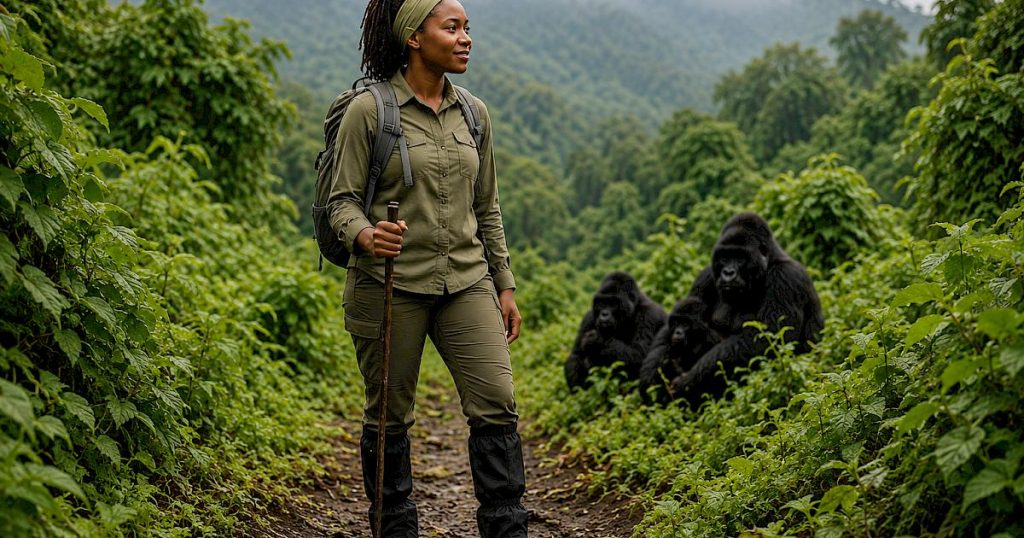
Have you always dreamed of seeing mountain gorillas in their natural habitat but never considered yourself a good hiker? Perhaps you enjoy travelling, wildlife and nature, but the thought of climbing through a mountain forest makes you nervous. If so, you may be wondering whether gorilla tracking in Rwanda is suitable for beginners.
The good news is that you do not need to be a professional hiker or an experienced mountain climber to enjoy this remarkable adventure. Many visitors take part in gorilla tracking without having extensive hiking experience. However, the experience requires preparation, patience and a realistic understanding of the physical demands.
Rwanda’s Volcanoes National Park offers visitors an opportunity to encounter endangered mountain gorillas in their natural environment. The journey takes place in a mountainous forest, where the terrain can include steep slopes, muddy paths, thick vegetation and uneven ground.
At Safari O’clock, we believe that beginners should have access to clear information before planning their adventure. Understanding what to expect can help you prepare with confidence and enjoy the experience without unnecessary worry.
In this guide, we explain whether beginners can enjoy gorilla tracking in Rwanda, how challenging the trek can be, what preparation helps and how to make your first experience more comfortable.
Can Beginners Enjoy Gorilla Tracking in Rwanda?
Yes, beginners can enjoy gorilla tracking in Rwanda, even if they have never participated in a serious hiking activity before. You do not need previous mountain trekking experience to join a guided gorilla trek.
However, it is important to understand that beginner-friendly does not mean physically effortless. Gorilla tracking involves walking through a natural mountain environment. Some routes may be manageable, while others can require considerable physical effort.
The difficulty depends on several factors. These include the location of the gorilla family, the terrain, the weather and the walking distance on the day. Therefore, two visitors trekking in the same park may have very different experiences.
The Rwanda Development Board explains that mountain gorilla hikes can take approximately 30 minutes to more than four hours to reach a gorilla family. The actual duration depends on where the assigned family is located. The return journey can also require considerable walking.
This means beginners should prepare for a potentially demanding outdoor activity rather than expect a short nature walk.
The important thing is to understand your current abilities, prepare appropriately and follow your guide’s instructions. With realistic expectations, first-time hikers can have a rewarding gorilla tracking experience.
Why Gorilla Tracking in Rwanda Can Be Manageable for Beginners
Although the trek can be physically demanding, several aspects of the experience help visitors who are new to hiking.
1. You Trek With Experienced Park Guides
Beginners do not have to find their way through the forest independently. Gorilla tracking takes place under the direction of trained park guides and trackers.
Before the trek begins, visitors attend a briefing where park staff explain the procedures, safety requirements and gorilla protection rules. The guide then leads the group towards its assigned gorilla family.
This guidance is particularly helpful for first-time hikers. You can follow the instructions, ask questions and receive information about the route as the trek progresses.
The guide also manages the group and explains how visitors should behave when they encounter the gorillas. Therefore, you can focus on the experience instead of worrying about navigating the forest alone.
2. You Can Walk at a Sensible Pace
Beginners sometimes worry that they must keep up with experienced hikers. However, gorilla tracking is not a race.
The Rwanda Development Board advises visitors to walk slowly, especially because the gorillas live at high altitude. A steady pace allows you to manage your energy and pay attention to the terrain.
If you need a short break, communicate with your guide. Suitable pauses may help you recover before continuing.
Do not compare your walking speed with that of another visitor. Your main goal should be to follow the guide safely and manage your energy throughout the journey.
3. Porters Can Provide Useful Assistance
Porters are available around Volcanoes National Park to help visitors carry their daypacks. Some may also offer a helping hand when the trail becomes difficult.
This service can be especially useful for beginners who are not accustomed to carrying equipment during a long walk.
A lighter backpack allows you to concentrate on your footing and movement. In addition, hiring a porter supports local people who work around the park.
However, remember that a porter does not remove the physical demands of the trek. You should still prepare for walking on uneven and sometimes steep ground.
4. You Receive Guidance Throughout the Experience
The guided nature of gorilla tracking gives beginners an opportunity to learn as they go.
Your guide explains the trekking procedures, leads the group and provides instructions when the terrain becomes challenging. You will also receive guidance on how to behave around the gorillas.
This support can make the experience less intimidating for someone who has never visited a mountain forest.
At Safari O’clock, we encourage first-time visitors to ask questions before travelling. Understanding the process beforehand can help you feel more comfortable on the trekking day.
How Difficult Is Gorilla Tracking in Rwanda for Beginners?
The difficulty of gorilla tracking varies from one trek to another. There is no single route that every visitor follows.
Volcanoes National Park lies within the Virunga Mountains. Its forest environment includes steep slopes, thick vegetation and uneven natural trails. Rain can also make some sections slippery and muddy.
Some visitors may reach their assigned gorilla family after a relatively short walk. Others may need to hike for several hours before finding the animals.
Altitude is another important consideration. Physical activity can feel more demanding in high-altitude environments because the air contains less oxygen per breath than at lower elevations.
You may notice that you become breathless more quickly when climbing. Therefore, beginners should avoid rushing and should allow themselves enough time to recover during suitable breaks.
It is also important to remember that the return journey requires energy. Reaching the gorillas does not mean the physical activity has ended.
For these reasons, beginners should approach gorilla tracking with respect for the environment and a willingness to adapt to the conditions.
How Beginners Can Prepare for Gorilla Tracking in Rwanda
You do not need an expensive gym membership or a complicated training programme to begin preparing. Simple, consistent activities can help improve your walking endurance before the trip.
The best preparation starts with understanding your current fitness level. If you rarely exercise, begin gradually and increase your activity as your body becomes more comfortable.
Start With Regular Walking
Walking is one of the most practical ways to prepare for gorilla tracking. Begin with distances that feel comfortable and gradually increase the time you spend walking.
For example, you can start with a 20-minute walk and slowly build towards longer sessions. The aim is to improve your ability to remain active for an extended period.
Try walking on different surfaces when possible. This can help you become familiar with changes in ground conditions.
Consistency matters more than speed. A regular walking routine is more useful than attempting one exhausting walk shortly before departure.
Practise Walking Uphill
Mountain gorilla tracking may involve climbing slopes. Therefore, practising on gentle hills can help you prepare.
If you do not have access to hills, you can use stairs or a suitable inclined walking route. Start with manageable sections and increase the challenge gradually.
Uphill walking helps you become more familiar with the effort required to climb. It can also help you identify whether you need to improve your stamina before travelling.
However, do not force yourself through painful or exhausting exercise. If you have a medical condition or previous injury, seek professional advice before starting a new training routine.
Wear Your Hiking Boots Before Travelling
Do not wait until the trekking day to wear your new hiking boots for the first time.
Choose comfortable walking shoes or hiking boots with good grip and suitable ankle support. Wear them during your preparation walks so that your feet become familiar with the fit.
This also gives you time to identify problems such as rubbing, tightness or discomfort.
The Rwanda Development Board recommends steady walking shoes or hiking boots for gorilla tracking. Long trousers, long-sleeved clothing and rain protection are also useful in the forest.
Practise Carrying a Light Backpack
During the trek, you may carry water, snacks, a rain jacket and other personal items.
Practise walking with a light backpack before travelling. This helps you understand how the weight feels and whether the straps need adjustment.
Avoid carrying unnecessary items. A heavy bag can make a demanding walk feel even more difficult.
You can also hire a porter to carry your daypack during the actual trek.
What Should Beginners Pack for Gorilla Tracking?
Packing suitable equipment can make your first gorilla tracking experience more comfortable.
Start with hiking boots that offer good grip. The forest floor may contain mud, exposed roots, stones and slippery sections.
Long trousers and a long-sleeved shirt can help protect your skin from vegetation and insects. Gardening-style gloves may also protect your hands when moving through thick plants.
Carry a lightweight waterproof jacket because rainfall can occur in the mountains. A comfortable backpack should hold your water bottle, permitted snacks and other essentials.
You may also need sunscreen, insect repellent and a camera. Remember that flash photography is not permitted when photographing the gorillas.
Keep your belongings organised so that you can access important items easily. You should also avoid carrying unnecessary equipment that increases the weight of your bag.
Safari O’clock can help you understand the practical items to prepare before your Rwanda gorilla tracking adventure.
Can Beginners Request an Easier Gorilla Trekking Route?
This is an important question for first-time visitors who feel nervous about the physical demands.
You can communicate your fitness level and request consideration for a route that better matches your abilities. However, you should understand that a particular route or gorilla family cannot be guaranteed.
Park authorities organise trekking assignments based on several factors, including the location and movements of the gorilla families. The final decision rests with the relevant park staff.
If you have limited hiking experience, tell Safari O’clock before confirming your arrangements. Explain how far you can comfortably walk, whether you manage uphill terrain and whether you need regular breaks.
This information allows us to discuss your concerns and communicate relevant requests where possible.
You should also remain flexible. The gorilla family may move, and the route may become more demanding than expected.
A beginner who prepares well and understands these possibilities is more likely to approach the experience with realistic expectations.
What Happens If a Beginner Gets Tired During the Trek?
Feeling tired during a gorilla trek does not automatically mean you cannot continue. Walking uphill, managing uneven ground and adjusting to altitude can be tiring, especially for someone who rarely hikes.
If you need a break, tell your guide. The guide can assess the situation and identify a suitable place for the group to pause.
Use appropriate breaks to drink water, recover your breathing and adjust your equipment. Continue at a sensible pace when the guide advises the group to move.
However, do not ignore unusual symptoms. Severe breathlessness, chest pain, dizziness or significant weakness require immediate attention. Tell your guide rather than trying to push through the discomfort.
Your safety matters more than completing the trek at any cost. If you cannot continue safely, the guide will consider the available options according to the circumstances and park procedures.
This is another reason why honest communication before booking is so important.
Is Gorilla Tracking Suitable for Older Beginners?
Age alone does not determine whether someone can enjoy gorilla tracking. Older travellers who have never hiked before may still be able to participate, depending on their physical abilities and health.
The most important considerations include walking endurance, balance, mobility and the ability to manage uneven terrain.
Rwanda’s official gorilla tracking requirements set a minimum age of 15 years. They do not establish a general upper age limit.
However, older visitors should assess their physical condition carefully. Anyone with heart, lung, joint or mobility concerns should consult a healthcare professional before booking.
It is also useful to discuss porter assistance and other available support options with your tour operator.
At Safari O’clock, we encourage travellers to make decisions based on their actual abilities rather than assumptions about age.
What Beginners Should Know About Gorilla Viewing Rules
The trekking journey is only one part of the experience. Once you reach the gorillas, you must follow strict conservation and visitor rules.
Rwanda’s official guidance allows a maximum of eight visitors to visit a gorilla family at a time. The viewing period lasts a maximum of one hour.
Visitors must maintain the required distance from the gorillas, keep their voices low and avoid touching the animals. Flash photography is not allowed.
You should also avoid eating or drinking in the immediate presence of the gorillas. If you need to cough or sneeze, turn away and cover your mouth and nose.
These rules protect both visitors and the gorillas. Mountain gorillas are vulnerable to human diseases, so visitors with contagious illnesses such as colds or flu should not participate.
Your guide will explain the applicable instructions before and during the encounter. Follow them carefully, even if you are excited to take photographs or get a closer look.
Common Mistakes Beginners Should Avoid
First-time trekkers sometimes make simple mistakes that can affect their comfort and preparation.
One common mistake is assuming that gorilla tracking is an easy walk. Although some treks may be shorter, others involve several hours of hiking through challenging terrain.
Another mistake is buying new boots shortly before travelling and wearing them for the first time in the forest. This can lead to discomfort and blisters.
Some beginners also carry too many belongings. A heavy backpack can increase fatigue, so pack only what you need.
You should also avoid rushing to keep up with experienced hikers. Walk at a sensible pace and communicate with your guide when you need assistance.
Finally, do not hide health concerns or physical limitations from your tour operator. Early communication helps you understand the available arrangements and prepare responsibly.
How Safari O’clock Helps First-Time Gorilla Trekkers
Your first gorilla tracking experience should begin with good information and realistic planning.
At Safari O’clock, we help travellers understand what to expect before visiting Rwanda’s Volcanoes National Park. We encourage beginners to ask questions about the terrain, walking duration, fitness preparation and available support.
We can also discuss practical arrangements such as accommodation, transport, trekking equipment and porter assistance.
If you have specific fitness or mobility concerns, share them with us early. This gives us time to discuss your needs and explain what arrangements may be possible.
We also encourage beginners to prepare physically before travelling. Even simple walking routines can help you become more comfortable with longer periods of activity.
Our goal is not to make the trek sound easier than it is. Instead, we want you to understand the experience and approach it with confidence.
Whether this is your first hiking adventure or your first visit to Rwanda, Safari O’clock can help you plan a gorilla tracking experience that begins with informed decisions.
Final Thoughts: Your First Gorilla Trek Can Be a Wonderful Experience
You do not have to be an experienced hiker to enjoy gorilla tracking in Rwanda. Beginners can take part, provided they understand the physical demands and prepare appropriately.
The journey may involve steep climbs, muddy trails, uneven ground and several hours of walking. However, experienced guides, suitable preparation, sensible pacing and porter assistance can help you manage the experience.
Start building your walking endurance before travelling. Wear comfortable hiking boots, pack suitable equipment and communicate honestly about your fitness level.
Most importantly, keep realistic expectations. The route and walking time depend on the gorilla family’s location, so every trek is different.
Seeing mountain gorillas in their natural habitat is a remarkable experience. With proper preparation and guidance from Safari O’clock, even a first-time hiker can look forward to this special adventure with greater confidence.