- DIRECT CONTACTS:
- +256394517569
- tours@safarioclock.africa

How Rest Stops Work During a Guided Gorilla Trek

What to Tell Your Tour Operator About Your Fitness Level Before Gorilla Trekking
November 23, 2026
Can Beginners Enjoy Gorilla Tracking in Rwanda?
November 23, 2026
Gorilla trekking in Rwanda is an unforgettable adventure. However, reaching mountain gorillas in their natural habitat requires patience, preparation and physical effort. Visitors walk through mountainous forests, cross uneven ground and sometimes climb steep slopes before finding their assigned gorilla family.
For many travellers, one important question comes up before the journey: will there be opportunities to rest during the trek?
The answer is yes. Guided gorilla treks can include pauses that allow visitors to catch their breath, drink water, adjust their equipment and regroup. However, these breaks do not follow one fixed timetable. Their timing and duration depend on the terrain, the group’s progress and the guide’s judgement.
Understanding how rest stops work can help you feel more prepared and confident. At Safari O’clock, we encourage travellers to understand the physical demands of gorilla trekking before setting out. This guide explains what happens during rest stops, when they may occur and how to make the most of them.
Why Rest Stops Matter During a Gorilla Trek
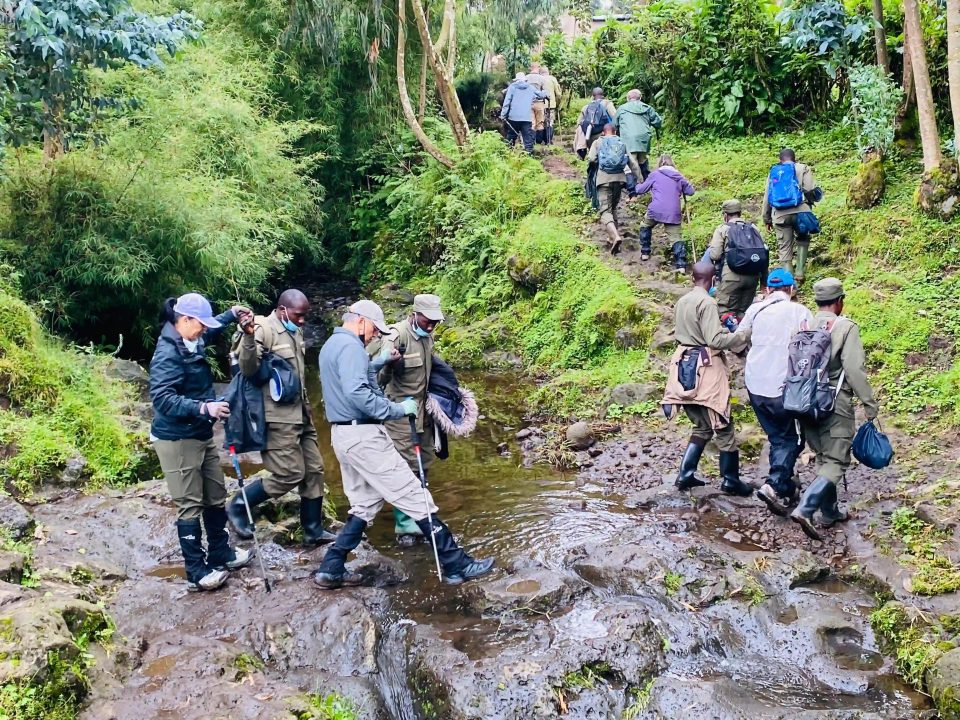
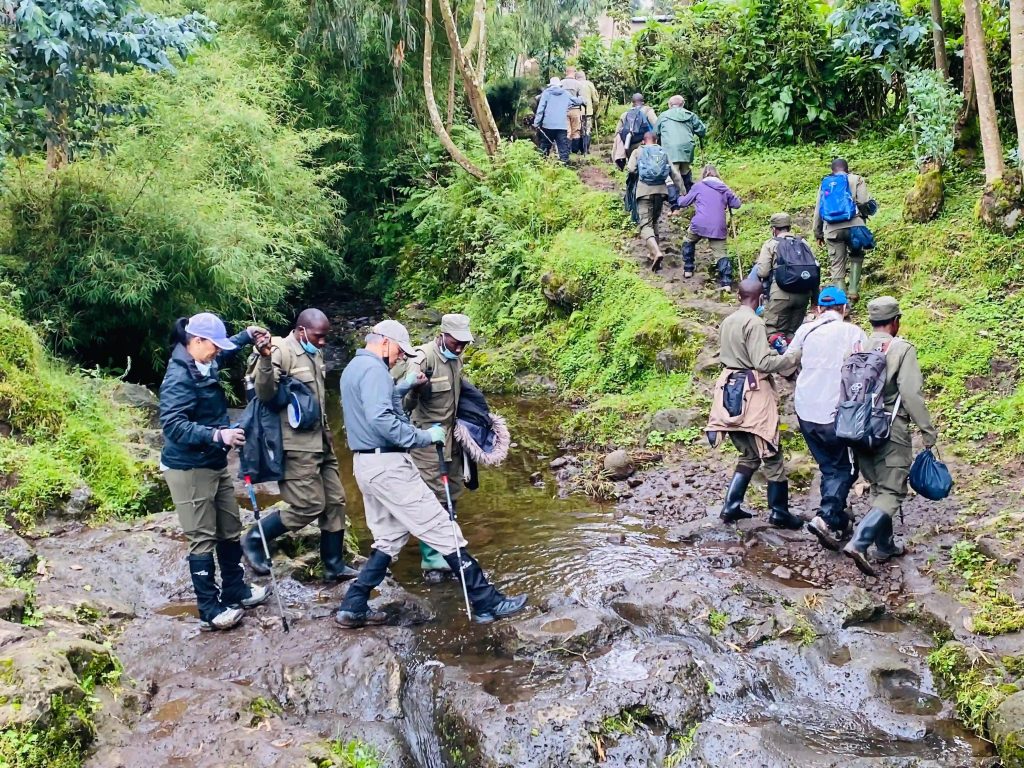
Gorilla trekking is different from walking along a flat road or following a short nature trail. In Rwanda’s Volcanoes National Park, visitors explore a mountainous forest environment where the terrain can change throughout the journey.
Some sections may be relatively manageable. Others may involve steep climbs, slippery ground, thick vegetation and uneven surfaces. The altitude can also make physical activity feel more demanding, particularly for visitors who are not used to hiking in mountain environments.
Rest stops give trekkers an opportunity to manage their energy. They allow the group to pause instead of continuing at a pace that may cause unnecessary exhaustion.
A short break can also help visitors regain their balance, adjust their clothing or check their footwear. Furthermore, it gives the guide an opportunity to assess the group’s progress and explain what may lie ahead.
For this reason, rest stops are a useful part of managing a guided trek. They support a more comfortable experience while allowing the group to continue safely and responsibly.
How Rest Stops Work During a Guided Gorilla Trek
There is no universal schedule for breaks during a gorilla trek. The guide considers the conditions on the day and decides when the group should pause.
A stop may happen after a demanding climb, on a suitable section of the trail or when visitors need time to recover. The guide may also pause to allow everyone to regroup if the terrain causes the group to spread out.
1. The Guide Chooses Suitable Moments for Rest Stops
Your park guide leads the group throughout the trek. Guides use their knowledge of the forest, terrain and tracking information to lead visitors towards the assigned gorilla family.
They also monitor the group’s progress. If the climb becomes demanding or visitors need a short recovery period, the guide can organise a pause.
However, travellers should not expect breaks at exact intervals. One trek may require several short pauses, while another may involve longer stretches of walking between stops.
The location of the gorillas also influences the journey. Since gorilla families move through the forest, the walking distance and difficulty can vary from one day to another.
Safari O’clock encourages visitors to follow the guide’s instructions and communicate whenever they need assistance. If you feel tired, do not wait until you become completely exhausted before speaking up.
2. Rest Stops Allow the Group to Regroup
A guided trek involves several visitors moving together through natural terrain. Some people may walk faster, while others need more time to manage steep or slippery sections.
Rest stops help the group remain together. The guide can check that everyone has caught up before continuing.
This is especially useful when the trail becomes difficult or the group needs to move through dense vegetation. It also gives visitors time to adjust their walking pace and prepare for the next section.
Remember that gorilla trekking is a guided activity. Do not walk ahead independently or leave the group without informing your guide.
3. Visitors Can Catch Their Breath and Recover
The main purpose of a rest stop is to give your body time to recover. During a pause, you can stand comfortably, relax your legs and allow your breathing to settle.
If you have been climbing a steep slope, a short recovery period can make the next section more manageable. You can also check whether your boots feel comfortable and whether your clothing needs adjustment.
However, avoid sitting on unsafe or slippery ground. Choose the resting place recommended by your guide.
If you experience unusual breathlessness, dizziness, chest discomfort or severe weakness, tell your guide immediately. Do not assume that every symptom is ordinary hiking fatigue.
What Can You Do During Gorilla Trekking Rest Stops?
A rest stop is more than an opportunity to stop walking. It is also a useful moment to check your comfort and prepare for the next part of the adventure.
Drink Water During Suitable Rest Stops
Walking through a mountain forest can be physically demanding. Drinking water helps you maintain hydration throughout the trek.
Carry a reusable water bottle that you can access easily. Take small drinks during appropriate breaks rather than waiting until you feel extremely thirsty.
The Rwanda Development Board’s gorilla tracking guidance advises visitors to carry water and walk slowly. However, visitors must follow the gorilla protection rules when they approach the animals.
In particular, do not eat or drink while in the immediate presence of the gorillas. Follow your guide’s instructions about where you can safely take a drink or snack.
Adjust Your Clothing and Hiking Equipment
Mountain weather can change during the day. You may experience sunshine, cool air or rainfall as you move through the forest.
During suitable stops, check whether your rain jacket is accessible. You can also adjust your backpack straps, gloves and other hiking equipment.
Your footwear deserves attention too. If your boots feel uncomfortable or your laces become loose, address the problem before continuing.
Small adjustments can prevent unnecessary discomfort later in the trek.
Take Photos of the Surrounding Forest
The forest itself can make the journey memorable. You may notice beautiful vegetation, mountain views, birds and other natural features along the way.
A suitable rest stop may provide an opportunity to appreciate the surroundings or take photographs.
However, always ask your guide before stepping aside or taking pictures. Stay with the group and avoid disturbing wildlife or damaging vegetation.
Also, remember that the rules become stricter when you reach the gorillas. Follow the guide’s instructions about photography, distance and movement.
Eat a Snack When the Guide Allows It
Some travellers carry a small snack to maintain their energy during a longer trek. A snack may be useful during an appropriate break away from the gorillas.
However, you must never eat near the gorillas. Rwanda’s gorilla protection guidelines prohibit eating and drinking in their immediate presence.
Keep food securely packed and take all wrappers and waste back with you. Never leave rubbish in the forest.
Safari O’clock recommends checking your packing list before the trekking day so that you carry suitable refreshments without creating unnecessary waste.
How Often Do Rest Stops Happen During a Gorilla Trek?
One of the most common questions travellers ask is how frequently they will stop to rest.
There is no guaranteed number of rest stops during a guided gorilla trek. The guide considers the group’s needs and the conditions along the route.
For example, a group walking along a relatively manageable section may continue for longer before taking a break. Another group climbing a steep slope may need more frequent pauses.
The walking time also varies. Rwanda’s official tourism information explains that reaching a gorilla family may take anywhere from around 30 minutes to more than four hours, depending on the family and its location. The return journey can take additional time.
Therefore, travellers should avoid planning around a fixed break schedule. Instead, prepare for a flexible experience in which the guide decides when and where suitable pauses should happen.
If you need frequent breaks because of your fitness level, communicate this before booking. Your tour operator can explain the physical demands and discuss relevant arrangements with you.
Can You Request a Rest Stop Whenever You Feel Tired?
Yes. You should tell your guide when you need a break. You do not have to wait for the guide to notice that you are struggling.
Different visitors have different levels of fitness and hiking experience. Some may feel comfortable walking uphill for an extended period, while others need more frequent recovery time.
Speak clearly and politely when you need to pause. Your guide can assess the situation and identify a suitable place to stop.
However, the guide must also consider the group’s safety, the terrain and the tracking activity. Avoid stopping suddenly in a dangerous section, such as a narrow or slippery slope. Instead, inform the guide so that the group can move to a safer resting point.
If you feel seriously unwell, explain your symptoms immediately. A normal rest stop may not be enough when someone experiences a medical problem.
Do Rest Stops Affect the Time You Spend With the Gorillas?
Rest stops and gorilla viewing are two different parts of the experience.
During the trek, guides may pause to allow visitors to recover, regroup or manage difficult terrain. Once the group finds its assigned gorilla family, a separate viewing period begins.
Under Rwanda’s current gorilla tracking guidance, visitors may spend a maximum of one hour with the gorillas. The guide manages this period and ensures that visitors follow the conservation rules.
Resting during the walk does not give visitors extra viewing time. The viewing period remains subject to the applicable park rules.
Visitors must also maintain the required distance from the gorillas, keep their voices low and avoid touching the animals. Eating and drinking near them are not permitted.
If the gorillas become unsettled, the guide may end the visit earlier. Their welfare always comes first.
What Happens If Someone Needs a Longer Rest?
Sometimes a visitor may need more time to recover than the rest of the group. This can happen after a steep climb or when someone feels unusually tired.
The guide will assess the situation and provide appropriate direction. Depending on the conditions, the group may pause while the visitor recovers.
If the person cannot continue safely, the guide will consider the available options. These depend on the location, terrain, park procedures and the nature of the problem.
This is why travellers should communicate honestly about their fitness level before booking. It also helps to mention previous injuries, mobility challenges or relevant health concerns.
Porters may provide useful assistance during the trek. They can carry daypacks and may help visitors with their footing on difficult sections. However, their assistance does not replace the guide’s responsibility for managing the trek or guarantee that every visitor can complete the route.
Safari O’clock encourages travellers with medical concerns to seek professional advice before taking part in a physically demanding mountain activity.
How to Prepare for Rest Stops Before Your Gorilla Trek
Good preparation can make rest stops more useful. You do not need to carry excessive equipment, but a few practical items can improve your comfort.
First, carry enough drinking water for the expected duration of the trek. Use a bottle that fits securely inside your daypack and is easy to reach.
Next, wear comfortable hiking boots with good grip. The forest can contain mud, rocks, roots and slippery sections. Suitable footwear can help you maintain stability as you walk.
Carry a lightweight rain jacket because mountain weather can change. Gloves may also help protect your hands when moving through vegetation.
A small snack can be useful during a permitted break away from the gorillas. Keep it securely packed and carry every wrapper back out of the forest.
You should also prepare your body before travelling. Regular walking, gentle uphill practice and gradual improvements in endurance can help you manage the trek.
Finally, listen to your body. Do not push yourself to match another visitor’s speed. A steady pace and sensible breaks are more useful than rushing through the forest.
Common Mistakes to Avoid During Gorilla Trekking Rest Stops
Even though rest stops may seem simple, visitors should observe a few important practices.
One common mistake is walking away from the group without informing the guide. The forest can be difficult to navigate, so always remain with your trekking team.
Another mistake is drinking or eating too close to the gorillas. Follow the park rules and wait until the guide identifies an appropriate place away from the animals.
Some visitors also ignore early signs of exhaustion. They continue walking until they struggle to keep up. Instead, communicate your needs early and allow the guide to assess the situation.
Avoid leaving litter behind during breaks. Every item you carry into the forest should come back out with you.
Finally, do not assume that every rest stop will offer a comfortable seat or a cleared resting area. This is a natural forest environment. Your guide will identify suitable places based on the conditions.
How Safari O’clock Helps You Prepare for Guided Gorilla Trekking
At Safari O’clock, we understand that knowing what to expect can make a major difference to your confidence before travelling.
We encourage visitors to ask questions about walking time, terrain, fitness requirements and rest opportunities before confirming their gorilla trekking arrangements.
Our team can help you understand why rest stops may be necessary and what to carry for a comfortable day in Volcanoes National Park. We can also discuss porter assistance and other practical considerations.
If you have specific fitness or mobility concerns, share them early. This gives us an opportunity to discuss your needs and communicate relevant requests where possible.
However, the park guide remains responsible for managing the trek on the day. The terrain, gorilla movements and group conditions determine how the journey unfolds.
Our goal at Safari O’clock is to help you arrive prepared, informed and ready to appreciate this extraordinary wildlife experience.
Final Thoughts: Rest Stops Make Gorilla Trekking More Manageable
Rest stops are an important part of managing the physical demands of a guided gorilla trek. They allow visitors to recover, drink water at suitable locations, adjust their equipment and regroup before continuing.
However, there is no fixed timetable for breaks. Your guide decides when the group should pause based on the terrain, progress and individual needs.
The best way to prepare is to build your walking endurance, wear suitable footwear, carry enough water and communicate honestly about your fitness level.
Most importantly, follow your guide’s instructions throughout the experience. This helps protect your safety, supports the group and ensures that visitors respect the mountain gorillas.
With proper preparation and realistic expectations, you can enjoy the journey as much as the unforgettable moment of meeting mountain gorillas in their natural habitat.
Safari O’clock is here to help you plan your Rwanda gorilla trekking adventure with confidence.