- DIRECT CONTACTS:
- +256394517569
- tours@safarioclock.africa

How to Prepare Your Knees for a Steep Forest Walk

Can Beginners Enjoy Gorilla Tracking in Rwanda?
November 23, 2026
How to Recover Comfortably After a Challenging Gorilla Trek
November 23, 2026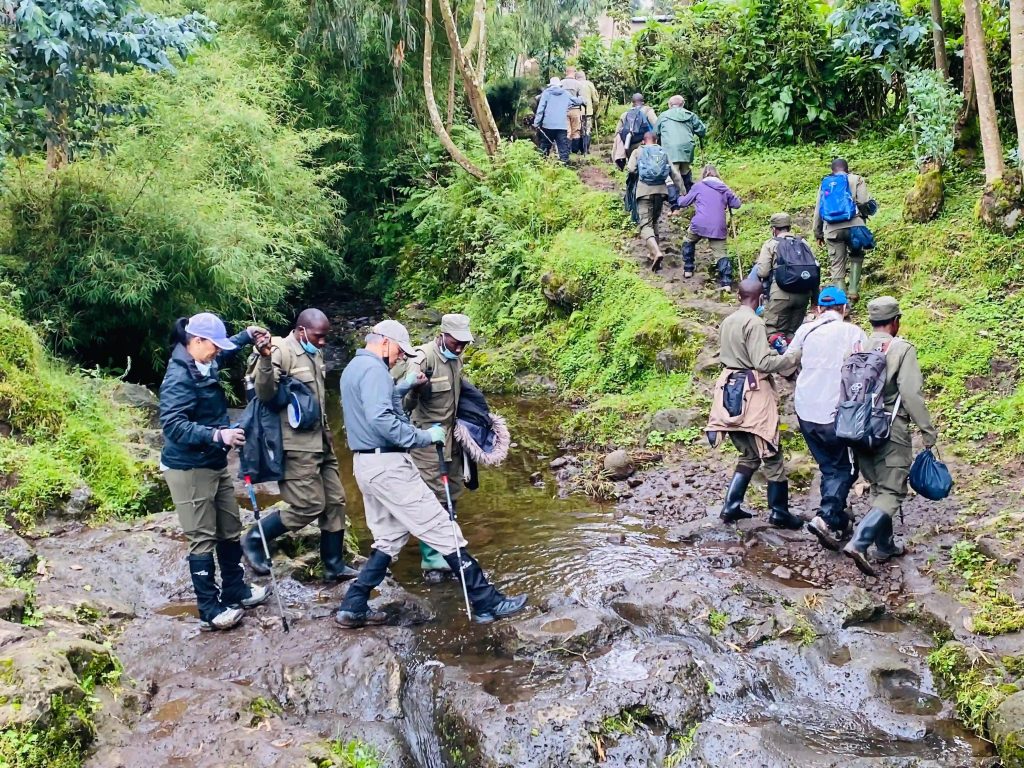
A steep forest walk can be one of the most physically demanding parts of a gorilla tracking adventure. The experience takes visitors through natural forest terrain, where paths may include steep slopes, muddy sections, uneven ground and slippery surfaces. These conditions require more than general fitness. They also require strong legs, good balance and careful movement.
For visitors planning gorilla tracking in Rwanda, preparing the knees should be part of the travel preparation process. The knees help support body weight, absorb impact and control movement when walking uphill or downhill. Therefore, weak leg muscles, poor balance or limited experience with uneven terrain can make a long forest walk more challenging.
At Safari O’clock, we encourage travellers to prepare their bodies before arriving for a gorilla tracking adventure. You do not need to become a professional athlete. However, building strength gradually and practising on different surfaces can help you feel more confident during the trek.
This guide explains how to prepare your knees for a steep forest walk, which exercises can help, what to consider when choosing footwear and how to manage your steps on challenging terrain.
Why Knee Preparation Matters for a Steep Forest Walk
Knee preparation matters because forest trails place different demands on your legs. Unlike walking on a smooth road, a forest walk often involves stepping over roots, climbing slopes and adjusting your balance on uneven ground. Each movement requires the muscles around your knees to work together.
The quadriceps muscles at the front of your thighs help straighten your knees. Meanwhile, your hamstrings at the back of your thighs support knee movement and control. Your gluteal muscles around the hips also help stabilise your legs when you climb or step down.
When these muscles are weak, your knees may experience greater strain during demanding activities. Building strength in the surrounding muscles can help support knee movement and improve your ability to control each step. The American Academy of Orthopaedic Surgeons recommends strengthening the quadriceps and hamstrings as part of maintaining healthy knees.
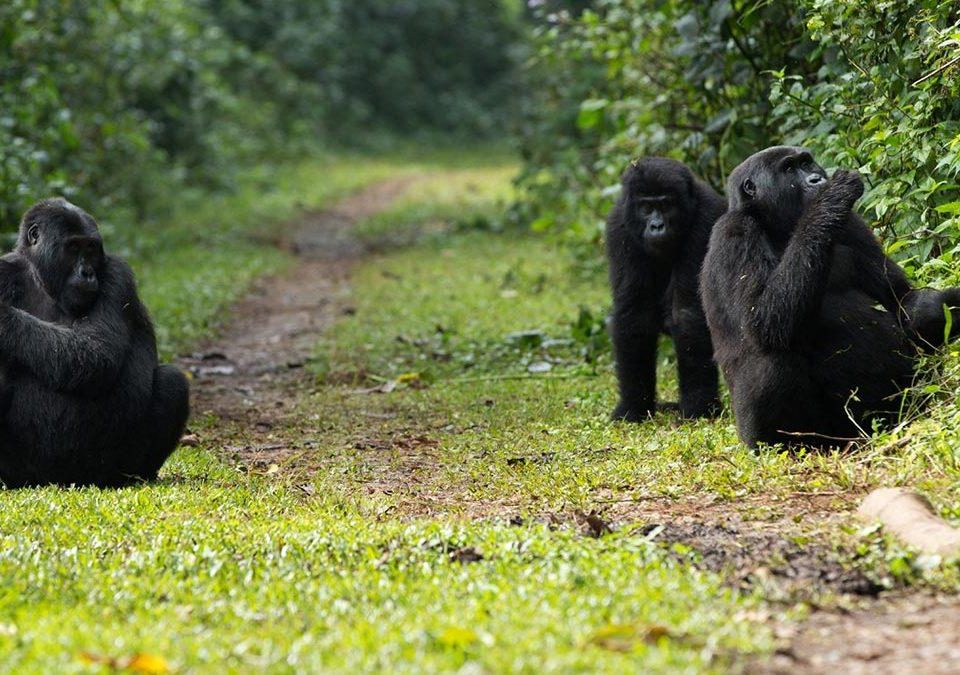
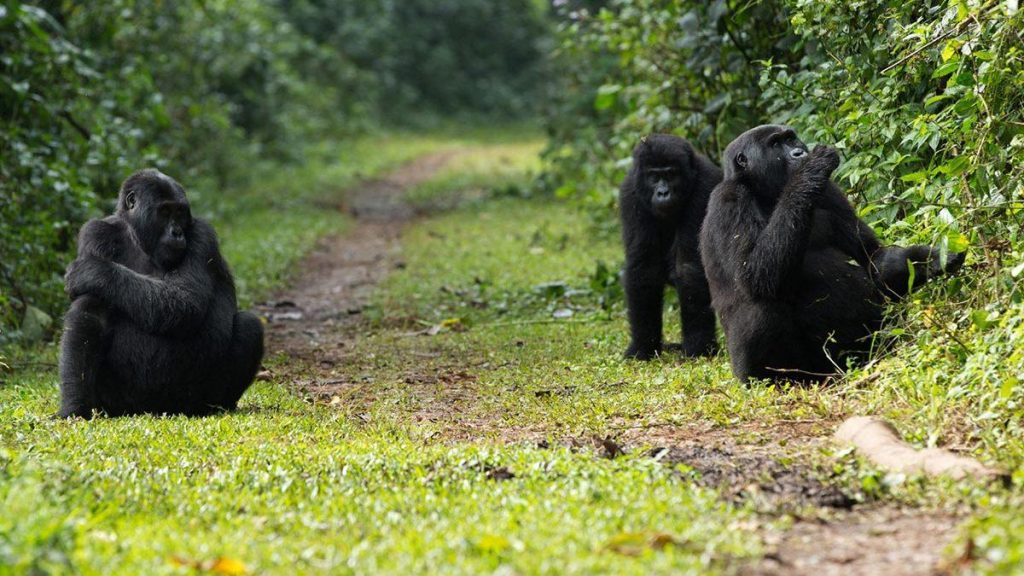
For gorilla tracking, this preparation is especially useful because the terrain in Volcanoes National Park is not a standard walking path. The Rwanda Development Board advises visitors to wear steady walking shoes or hiking boots. It also recommends walking slowly because the mountain environment and high altitude can create additional physical challenges.
Knee Preparation Exercises to Practise Before Your Trip
You can begin preparing your knees several weeks before your planned forest walk. The aim is to build strength gradually rather than exhaust your muscles with intense workouts. Start with exercises that you can perform safely and increase the difficulty as your body becomes stronger.
1. Practise Chair Squats for Knee Preparation
Chair squats help strengthen the muscles in your thighs and hips. These muscles support your knees when you stand, climb and lower your body. They also help you control movement when you step onto uneven ground.
To perform a chair squat, stand in front of a stable chair with your feet about shoulder-width apart. Slowly bend your knees and push your hips backwards as if you are preparing to sit down. Lower yourself towards the chair, then return to a standing position.
Keep your movements controlled and avoid dropping quickly into the chair. You can begin with a small number of repetitions and increase them gradually. If you experience sharp pain, stop and seek professional advice before continuing.
2. Use Step-Ups to Build Strength for Forest Trails
Step-ups are useful because they imitate the movement of climbing onto higher ground. They strengthen the quadriceps, hamstrings and gluteal muscles. These muscles help your legs manage uphill sections during a forest walk.
Find a low, stable step or platform. Place one foot on it and slowly lift your body until both feet reach the platform. Step down carefully and repeat with the other leg.
Start with a low step. As your strength and balance improve, you can gradually increase the number of repetitions. Avoid using a high platform before you develop sufficient control.
This exercise can help prepare your legs for the repeated climbing movements that may occur during gorilla tracking. However, it does not replace practising on natural terrain.
3. Strengthen Your Thighs With Straight-Leg Raises
Straight-leg raises are a gentle exercise that targets the quadriceps. They can be useful for people who want to begin strengthening their thighs without performing deep knee bends.
Lie on your back with one knee bent and the other leg straight. Tighten the thigh muscles of the straight leg, then lift it slowly. Hold the position briefly before lowering the leg with control.
Repeat the movement on the other side. Start with a comfortable number of repetitions and increase gradually as your muscles become stronger.
The American Academy of Orthopaedic Surgeons includes straight-leg raises among its recommended knee-strengthening exercises. However, the right exercise programme depends on your individual condition and fitness level.
4. Practise Controlled Step-Downs
Walking downhill can place considerable demands on the muscles that control your knees. Step-down exercises help you practise lowering your body with control.
Stand on a low, stable step. Slowly lower one foot towards the ground while keeping your supporting knee aligned with your foot. Touch the ground lightly, then return to the starting position.
Use a wall or sturdy support if you need help with balance. Begin with a low step and avoid forcing your knee into a painful position.
This exercise is particularly useful because descending a slope requires control. During a steep forest walk, rushing downhill or taking large steps may make it harder to maintain balance.
Practise Walking Uphill and Downhill Before Gorilla Tracking
Strength exercises are useful, but they should not be your only preparation. A forest walk involves continuous movement over different surfaces. Therefore, regular walking should form part of your training.
Start with comfortable walks on level ground. As your stamina improves, introduce gentle hills and gradually increase the walking time. You can also practise using stairs or an inclined treadmill if natural hills are not easily accessible.
Most importantly, practise walking downhill. Many travellers focus on climbing because uphill sections appear more difficult. However, descending can also challenge the knees because your muscles must control your body as gravity pulls you down the slope.
Take shorter steps when walking downhill. Keep your movements steady and avoid running or jumping from one level to another. If the ground is slippery, slow down and use available support.
Safari O’clock recommends building up gradually rather than attempting a very long hike immediately before your trip. Consistent practice gives your body time to adapt and helps you identify areas that need more attention.
How to Protect Your Knees on Steep and Uneven Forest Trails
Even with good preparation, forest terrain can present unexpected challenges. A path may become muddy after rainfall, while roots and stones can make each step less predictable. Good movement habits can help you manage these conditions.
Take Short, Controlled Steps on Steep Slopes
Large steps may place additional demands on your knees and make it harder to maintain balance. Instead, take shorter steps and keep your movements controlled.
When climbing, choose stable places to place your feet. Avoid rushing to keep up with other visitors. A steady pace allows you to respond to changes in the ground.
When descending, bend your knees slightly and avoid locking them straight. Keep your weight balanced and look ahead to identify a safe place for your next step.
Use Trekking Poles for Extra Support
Trekking poles can provide additional balance on uneven ground. They also allow you to share some of the work between your arms and legs.
Research published in the Journal of Sports Sciences found that hiking poles reduced several measured knee-joint forces during downhill walking in a small study. A later review also examined how poles may reduce lower-limb loading during outdoor activities.
However, poles do not remove all pressure from your knees. Their usefulness depends on the terrain, your technique and how you use them. Ask your guide or trekking team for advice about the appropriate walking support available for your trek.
Wear Shoes With Good Grip and Support
Your footwear can influence your balance and confidence on forest trails. Choose sturdy hiking boots or walking shoes with good grip. They should fit properly and feel comfortable before your trip.
Avoid wearing brand-new boots for the first time on tracking day. Instead, walk in them during your preparation period. This helps you identify uncomfortable areas and allows you to become familiar with their fit.
The Rwanda Development Board recommends steady walking shoes or hiking boots for gorilla tracking. Rain gear is also useful because forest conditions can change.
Good footwear does not make slippery ground completely safe. You still need to move carefully and follow the instructions of your guides.
Build Your Fitness Gradually Before the Forest Walk
Your knees need time to adapt to new physical demands. Therefore, avoid starting an intense exercise programme a few days before travelling.
Begin with manageable activities such as walking, gentle cycling and basic strengthening exercises. Gradually increase the duration or difficulty as your body becomes comfortable.
You can use a simple weekly routine as a starting point. For example, include two or three sessions of leg-strengthening exercises and regular walking sessions. Add gentle hills as your fitness improves. Allow time for recovery between demanding workouts.
However, this is only a general preparation example. Your ideal routine depends on your current fitness, age, health and previous injuries. If you have existing knee pain or a medical condition, speak with a healthcare professional before beginning a new exercise programme.
Do not ignore pain during training. Mild muscle tiredness can occur after exercise, but sharp pain, swelling or difficulty bearing weight needs attention. Rest and seek appropriate medical advice rather than pushing through serious discomfort.
What to Do if You Already Have Knee Pain
Travellers with existing knee problems should plan carefully before booking a demanding forest walk. Knee pain can have different causes, and not every condition responds to the same exercises.
If you have a previous knee injury, persistent swelling, instability or pain when climbing stairs, consult a healthcare professional. A doctor or physiotherapist can assess your condition and recommend suitable exercises.
You should also discuss your mobility needs with Safari O’clock before your trip. Sharing this information early helps the team understand your concerns and discuss possible arrangements. However, no particular route or level of difficulty can be guaranteed because gorilla families move through their natural habitat.
Do not hide an injury because you are worried about missing the experience. Your safety should always come first. If your knee condition changes before the trip, seek fresh medical advice and update your tour operator.
Prepare Your Knees for the Downhill Journey Too
Reaching a gorilla family is only one part of the forest walk. Visitors must also make the return journey. Depending on where the gorillas are located, the return route may involve climbing, descending or crossing uneven ground.
This is why knee preparation should include both uphill and downhill practice. Strong thigh and hip muscles help control movement in both directions. Good balance also makes it easier to adjust your steps when the terrain changes.
During the trek, listen to your body and communicate with your guide. Take breaks when needed and avoid rushing. If you feel unwell or experience significant pain, inform the guide rather than continuing silently.
Remember that gorilla tracking takes place in a natural mountain environment. The walking time and difficulty vary because the gorillas move freely through the forest. Preparation can improve your readiness, but it cannot predict the exact route or remove every physical challenge.
How Safari O’clock Can Help You Prepare for Gorilla Tracking
Planning a gorilla tracking trip involves more than securing a permit and choosing accommodation. Travellers should also consider their physical readiness, clothing, footwear and personal needs.
Safari O’clock helps visitors plan their Rwanda gorilla tracking experiences with practical travel guidance. Before travelling, share any concerns about your fitness, walking ability or knee discomfort. This allows the team to discuss your needs and explain what to expect.
You should also ask questions about the trekking day, including the briefing process, walking conditions and available support. Porters are available for visitors who need help carrying their daypacks. The Rwanda Development Board provides information about porter assistance as part of its visitor guidance.
Most importantly, prepare early. Give yourself enough time to practise walking, strengthen your legs and become comfortable with your hiking footwear.
A well-prepared traveller is more likely to approach the experience with confidence. With sensible preparation and guidance from Safari O’clock, you can focus on enjoying the remarkable experience of seeing mountain gorillas in their natural habitat.
Final Thoughts on Knee Preparation for a Steep Forest Walk
A steep forest walk can challenge your knees, especially when the trail includes muddy slopes, uneven ground and long periods of walking. However, gradual preparation can help improve your leg strength, balance and confidence.
Start with simple strengthening exercises. Practise walking on hills and stairs. Wear comfortable hiking boots and learn to use walking poles if they are available. Above all, listen to your body and seek professional advice if you have an existing knee problem.
Gorilla tracking is a special experience, but it requires respect for both the forest environment and your physical limits. Plan ahead with Safari O’clock, prepare at a comfortable pace and approach your adventure with realistic expectations.