- DIRECT CONTACTS:
- +256394517569
- tours@safarioclock.africa

How to Choose a Waterproof Jacket for Gorilla Tracking in Rwanda

Why Gardening Gloves Can Be Helpful on Forest Trails During Gorilla Tracking
November 23, 2026
Packing Layers for Cool Mornings in Musanze: A Complete Guide for Rwanda Travellers
November 23, 2026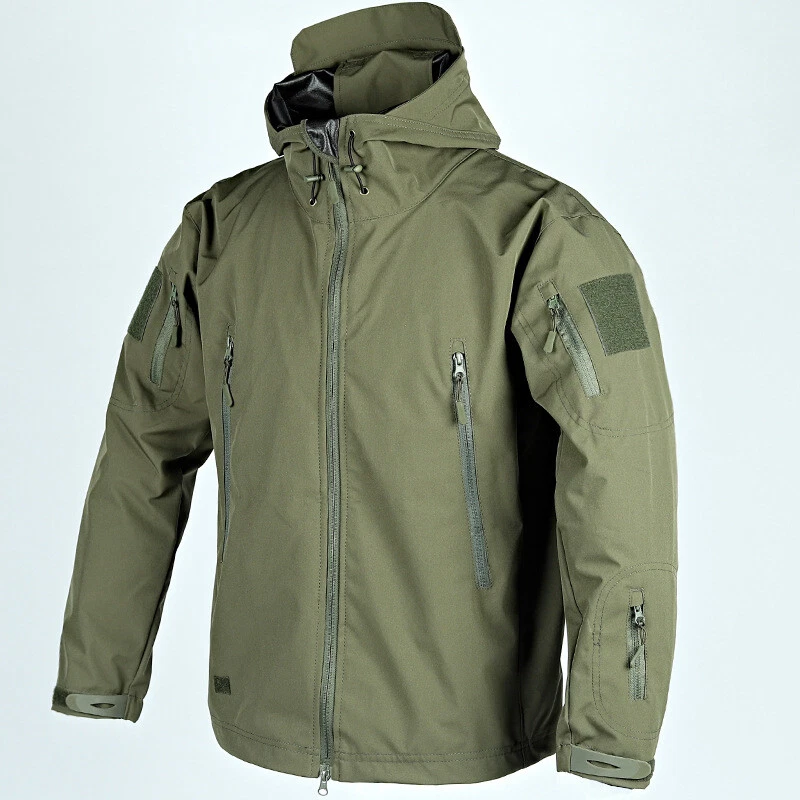
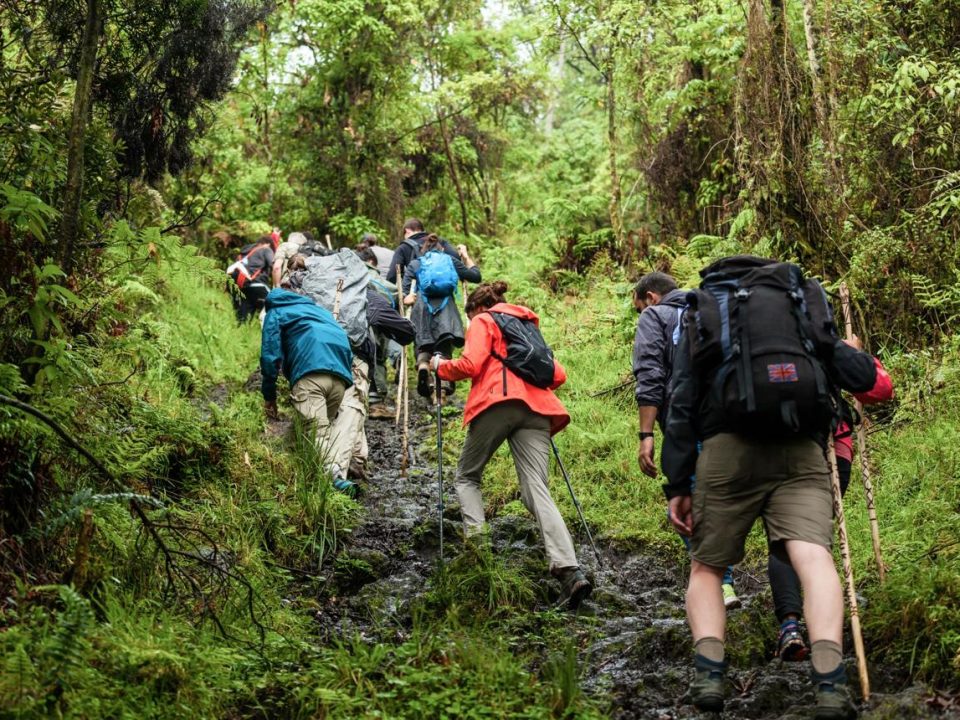
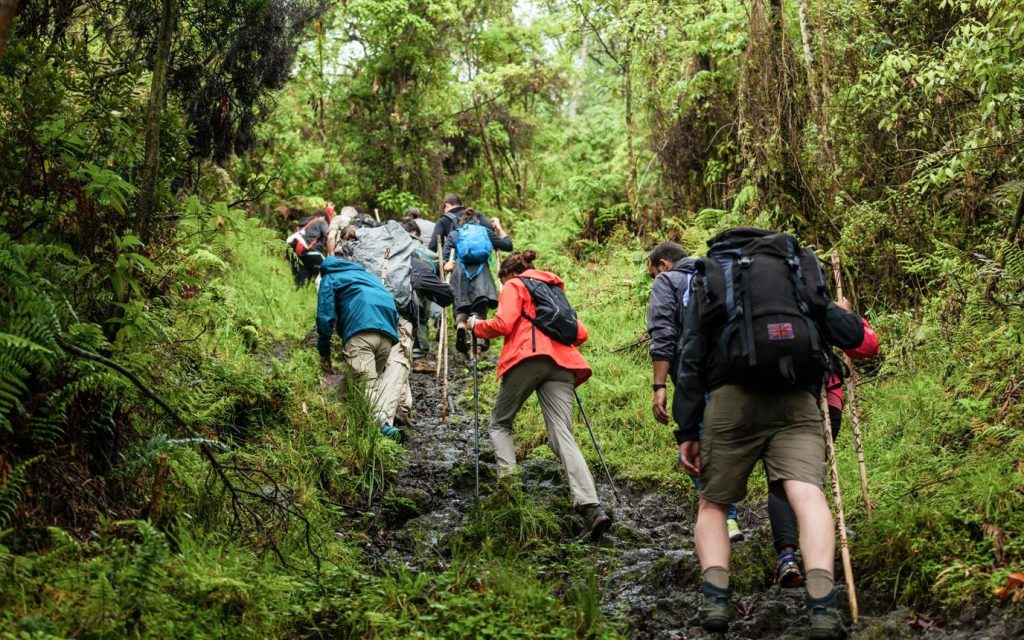
Gorilla tracking in Rwanda takes visitors through beautiful mountain forests, thick vegetation and sometimes muddy trails. However, the weather in these high-altitude areas can change quickly. A bright morning can turn into a rainy afternoon, making the right clothing essential for a comfortable trekking experience.
One of the most important items to pack is a good waterproof jacket. It helps protect you from rain, wind and cold conditions as you move through the forest. However, not every jacket offers the same level of protection. Some jackets only resist light showers, while others provide better protection during prolonged rainfall.
Choosing the right jacket also involves considering comfort, breathability, weight and freedom of movement. You want something that keeps rain out without making you feel too hot during the hike.
At Safari O’clock, we encourage travellers to prepare for changing weather conditions before setting out for their gorilla tracking adventure. This guide explains what to look for when choosing a waterproof jacket for Rwanda’s mountain forests.
Why a Waterproof Jacket Is Important for Gorilla Tracking
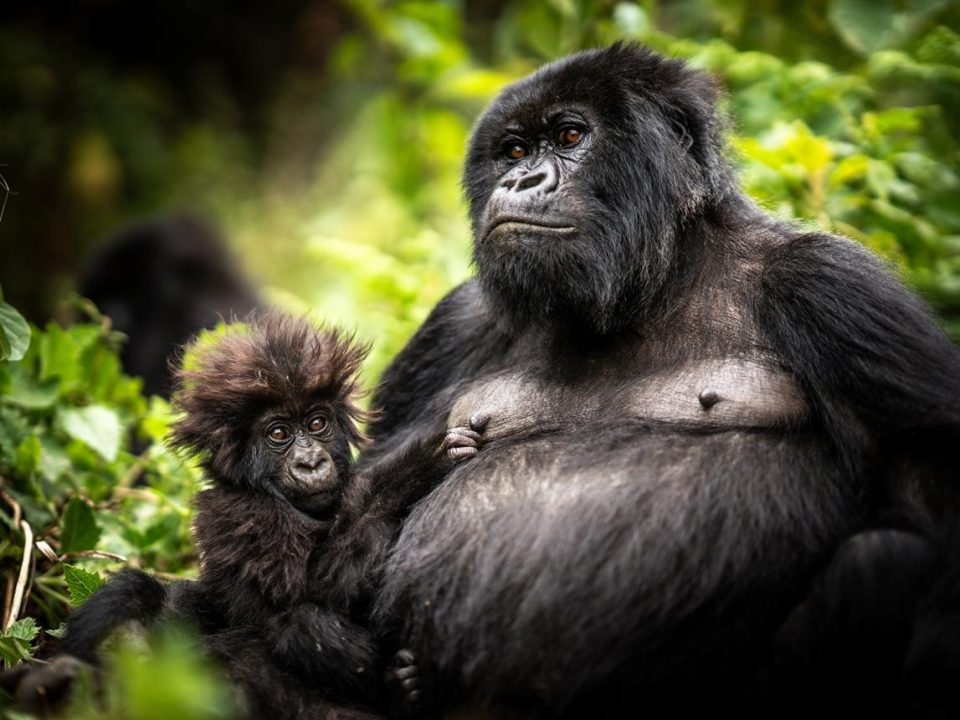
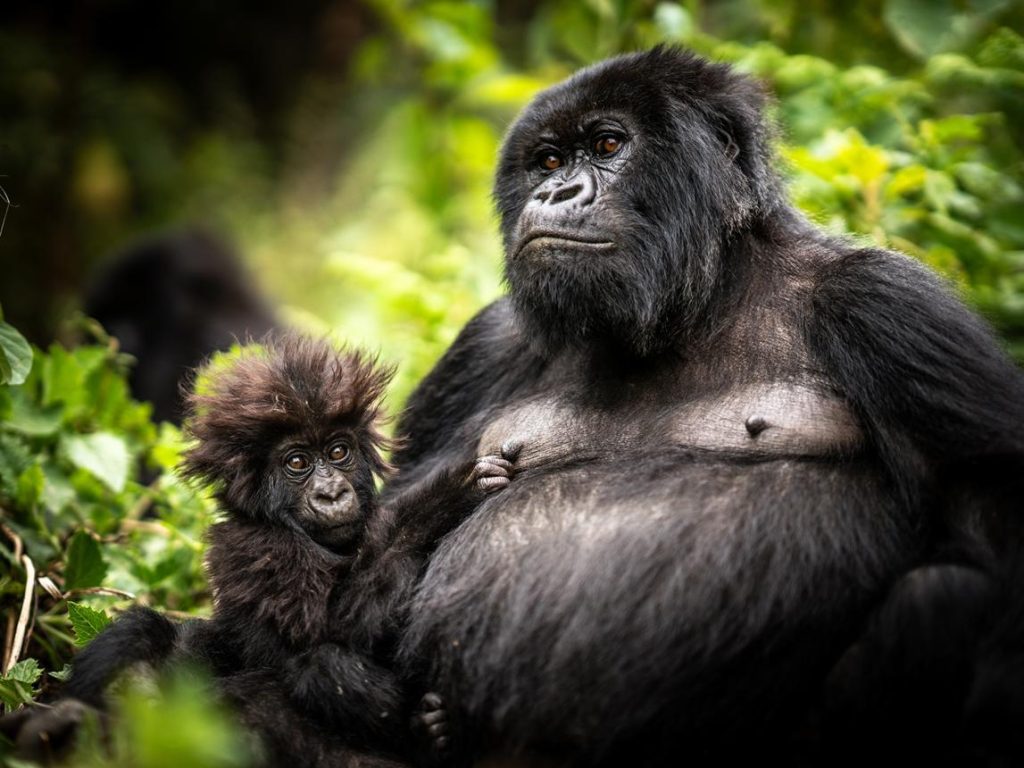
Rwanda’s Volcanoes National Park is home to endangered mountain gorillas. The park sits within the Virunga mountain landscape, where visitors trek through forest vegetation and steep terrain to find habituated gorilla families.
Rain can occur throughout the year in this environment. Therefore, travellers should not depend entirely on the weather forecast when choosing what to wear. Even during generally drier months, unexpected showers can affect the trekking experience.
A waterproof jacket helps keep your upper body dry as you walk through wet vegetation and changing weather. It also provides an extra layer against cool mountain air, especially during early morning hours.
Furthermore, staying dry helps you remain comfortable during a trek that may last several hours. Wet clothing can become uncomfortable, particularly when temperatures drop or when you stop walking.
For this reason, Safari O’clock recommends including reliable rain protection in your gorilla tracking packing list, regardless of the season.
1. Choose a Truly Waterproof Jacket, Not Just a Water-Resistant One
One of the first things to understand when shopping for a rain jacket is the difference between waterproof and water-resistant clothing.
A water-resistant jacket can handle light rain or brief exposure to moisture. However, it may allow water to enter during prolonged or heavy rainfall. This makes it less reliable for a long forest trek.
A waterproof jacket offers a stronger barrier against rain. Many quality outdoor jackets use a waterproof membrane or coating to prevent water from reaching the inner layers. They also include sealed seams to reduce the chances of water entering through stitched areas.
When shopping, check the product description carefully. Look for terms such as waterproof, fully seam-sealed and waterproof-breathable.
Do not rely on the appearance of the fabric alone. A thick jacket is not automatically waterproof. Similarly, a jacket that feels smooth or has a water-repellent surface may only resist light moisture.
Safari O’clock recommends choosing a jacket designed for outdoor hiking rather than an ordinary fashion raincoat.
2. Select a Waterproof Jacket That Is Breathable
Staying dry from rain is important, but you should also avoid becoming uncomfortable from sweat.
Gorilla tracking involves walking uphill, navigating uneven ground and moving through thick vegetation. These activities can make your body warm, even when the surrounding air feels cool.
A jacket with poor breathability can trap heat and moisture inside. As a result, you may feel sweaty and uncomfortable during the trek.
A breathable waterproof jacket allows some water vapour from your body to escape while blocking external rain. This feature helps regulate comfort during physical activity.
When comparing jackets, check whether the manufacturer describes the fabric as waterproof and breathable. Some designs also include underarm ventilation zips, which allow you to release excess heat when needed.
For active travellers, this combination is particularly useful. You can stay protected from rain while maintaining better comfort as you walk.
3. Check the Hood Before Buying a Waterproof Jacket
A good hood is another important feature to consider. Rain can fall from different directions, especially when wind moves through the mountains.
Choose a jacket with an attached, adjustable hood. It should cover your head properly without blocking your vision.
A well-designed hood often has adjustment points around the face and back. These allow you to tighten or loosen it depending on the weather and the clothes underneath.
You should also check whether the hood can accommodate a light hat or cap. This can help improve comfort during rainy conditions.
Avoid jackets with very loose hoods that keep falling over your eyes. They can distract you when walking along narrow or uneven forest trails.
Before purchasing, wear the jacket and move your head from side to side. Check that the hood stays in place and allows you to see your surroundings clearly.
4. Consider the Weight of Your Waterproof Jacket
Gorilla tracking can involve several hours of walking. Therefore, your clothing should provide protection without adding unnecessary weight.
A heavy jacket may feel uncomfortable when combined with other trekking clothes. It can also take up more space in your daypack when you are not wearing it.
A lightweight waterproof jacket is often a practical choice for this activity. It provides rain protection while allowing you to move comfortably.
However, lightweight should not mean poor quality. Check the fabric, seams, zips and general construction before making your decision.
You should also consider how easily the jacket folds into your backpack. A compact design is useful when the weather is dry and you want to store the jacket until you need it.
Safari O’clock encourages travellers to balance weight, protection and durability rather than choosing a jacket based on weight alone.
5. Choose the Right Jacket Length and Fit
The fit of your jacket can affect both comfort and protection. A jacket that is too tight may restrict movement, especially when you wear additional layers underneath.
On the other hand, an oversized jacket may flap in the wind or become uncomfortable as you walk through thick vegetation.
Choose a design that allows you to raise your arms, bend and walk freely. The jacket should also leave enough room for a long-sleeved trekking shirt or a light fleece.
A slightly longer design can provide additional coverage around your waist and lower back. This is helpful when bending or walking uphill in the rain.
Pay attention to the sleeves as well. They should cover your wrists when you extend your arms. Adjustable cuffs can help prevent rain from entering through the openings.
Before buying, try the jacket with the clothes you intend to wear during your gorilla trek. This gives you a better idea of how it will fit on the actual trekking day.
6. Look for Strong Zips and Well-Sealed Seams
The quality of a waterproof jacket depends on more than its main fabric. Small construction details can also affect how well it protects you from rain.
Start by checking the seams. Fully seam-sealed jackets have protective tape covering the stitched areas. This helps prevent water from entering through tiny needle holes.
Next, inspect the front zip. Some outdoor jackets use water-resistant zips, while others include protective storm flaps over the zip area.
These features help reduce water entry during rainfall. However, you should still follow the manufacturer’s instructions because different jackets offer different levels of protection.
Check the pocket zips too. Pockets can collect water when rain runs down the front of the jacket. Therefore, secure closures are useful when carrying small personal items.
Choose a jacket with strong stitching and zips that open and close smoothly. These details can make a difference during a demanding outdoor activity.
7. Consider Ventilation Features for Long Treks
Even a breathable jacket can feel warm during a steep climb. This is why ventilation features deserve attention.
Some waterproof jackets include underarm zips, commonly called pit zips. You can open them to release trapped heat without removing the entire jacket.
Adjustable cuffs and waist drawcords also help you manage comfort. You can loosen them when you need more airflow and tighten them when rain or wind increases.
These features are especially useful when the weather changes during your trek.
However, do not leave ventilation openings exposed during heavy rain. Close them when you need maximum protection from water.
A jacket that offers both weather protection and ventilation gives you more flexibility throughout the day.
8. Choose a Jacket That Allows Easy Movement Through Vegetation
Gorilla tracking does not take place on ordinary paved walking paths. Visitors may encounter thick plants, muddy sections, steep slopes and uneven ground.
Your jacket should therefore allow natural movement without catching easily on nearby vegetation.
Avoid designs with excessive loose straps, hanging accessories or oversized decorative details. These can become inconvenient when moving through narrow forest sections.
A simple outdoor jacket with adjustable features is often more practical. It should also fit comfortably over your trekking clothes without restricting your shoulders or arms.
Remember that a waterproof jacket does not replace protective trekking clothing. You should still wear long trousers, long sleeves, suitable hiking boots and gardening gloves where appropriate.
Safari O’clock advises travellers to choose practical clothing that supports movement and protection throughout the forest experience.
9. Think About Colour and Practical Maintenance
When choosing a jacket, consider how easy it will be to clean after the trek.
Forest trails can be muddy, and your jacket may collect dirt from wet vegetation or contact with your backpack. A practical outdoor design can make cleaning easier.
You may also prefer darker or earthy colours because they can hide ordinary dirt more easily. However, colour should not be your main consideration when buying rain protection.
Prioritise waterproof performance, comfort, fit and durability.
It is also important to follow the manufacturer’s cleaning instructions. Dirt, body oils and sunscreen can affect the performance of some water-repellent finishes.
Use a suitable mild detergent or technical garment wash when recommended. Avoid fabric softeners unless the manufacturer specifically allows them.
Some waterproof jackets also need occasional reproofing. If water stops beading on the outer fabric, check whether the garment needs cleaning or a fresh water-repellent treatment.
Proper care helps maintain the jacket’s performance and extends its useful life.
10. Understand the Difference Between a Waterproof Jacket and a Poncho
Travellers sometimes wonder whether they should carry a rain jacket or a poncho for gorilla tracking.
Both can provide protection from rain, but they serve slightly different purposes.
A waterproof jacket offers a closer fit around the body. It usually provides better freedom of movement when walking, bending and navigating vegetation.
A poncho covers a larger area and can also protect part of your backpack. However, loose fabric may move around in the wind or catch on branches and vegetation.
For a forest trek, a well-fitting waterproof jacket is often the more practical main layer. If you prefer a poncho, consider its size and design carefully.
You can also use a separate waterproof rain cover or dry bag to protect your backpack and important belongings.
The best choice depends on your comfort, the weather and the type of trekking gear you already have.
11. Test Your Waterproof Jacket Before Travelling
Do not wait until the morning of your gorilla trek to discover that your jacket does not fit properly.
Try it at home before travelling to Rwanda. Wear the clothes you plan to use underneath and check whether you can move freely.
You can also inspect the zips, cuffs, hood and seams. Make sure the jacket closes properly and does not have visible damage.
If the manufacturer provides instructions for testing water resistance, follow them. Avoid using harsh methods that could damage the fabric.
It is also wise to test how easily you can pack and unpack the jacket. This saves time when the weather changes during your trip.
If you already own a waterproof jacket, check its condition before buying another one. A well-maintained jacket may still serve you perfectly.
12. What Other Items Should You Wear With Your Waterproof Jacket?
A waterproof jacket works best as part of a complete trekking outfit. It protects your upper body, but other clothing and equipment also contribute to comfort.
Start with a comfortable, long-sleeved shirt. This helps protect your arms from scratches, stinging nettles and rough vegetation.
Wear long trekking trousers to protect your legs. Choose comfortable materials that allow movement and dry reasonably quickly.
Waterproof hiking boots with good grip are also important. The forest floor can become slippery, especially after rainfall.
You should also consider gardening gloves. They help protect your hands when you need to hold suitable vegetation for support.
A light fleece or sweater can provide additional warmth during cool conditions. You can wear it underneath your waterproof jacket when necessary.
Finally, carry a small daypack with drinking water, snacks and other essential items. A waterproof rain cover or dry bag can help protect your belongings.
Safari O’clock encourages travellers to prepare their full trekking outfit instead of relying on one item to handle every weather condition.
Common Mistakes to Avoid When Choosing a Waterproof Jacket
One common mistake is buying a jacket simply because it looks fashionable. Appearance matters to some travellers, but performance should come first when preparing for a mountain forest trek.
Another mistake is confusing water-resistant clothing with fully waterproof protection. Always read the product description before making a purchase.
Some travellers also choose very heavy jackets without considering how they will feel during several hours of walking. A jacket should offer enough protection without creating unnecessary discomfort.
Buying a jacket that is too tight is another problem. Remember that you may need to wear a warm layer underneath it.
Finally, avoid packing an old jacket without checking its condition. Damaged seams, worn-out coatings and broken zips can reduce its effectiveness.
A little preparation before travelling can help you avoid these problems.
Final Thoughts: Choose Your Waterproof Jacket Carefully
Choosing the right waterproof jacket is an important part of preparing for gorilla tracking in Rwanda. The park’s mountain environment can bring rain, cool temperatures and changing weather conditions. Therefore, travellers should prepare for more than one type of weather.
Look for a jacket that offers reliable waterproof protection, breathability, a comfortable fit and an adjustable hood. Strong seams, secure zips and ventilation features can also improve your experience.
Most importantly, test your jacket before the trekking day. Combine it with suitable hiking clothes, waterproof boots and other essential equipment.
At Safari O’clock, we believe that proper preparation helps travellers enjoy their gorilla tracking experience with greater comfort and confidence. With the right clothing and guidance, you can focus more on the remarkable experience of encountering Rwanda’s mountain gorillas in their natural habitat.