- DIRECT CONTACTS:
- +256394517569
- tours@safarioclock.africa

How to Dress for Muddy Trails Without Overpacking on a Rwanda Gorilla Trek

What to Keep in Your Daypack and What to Leave at the Lodge During Rwanda Gorilla Trekking
November 24, 2026
Packing for a Gorilla Trek During the Wet Season in Rwanda
November 24, 2026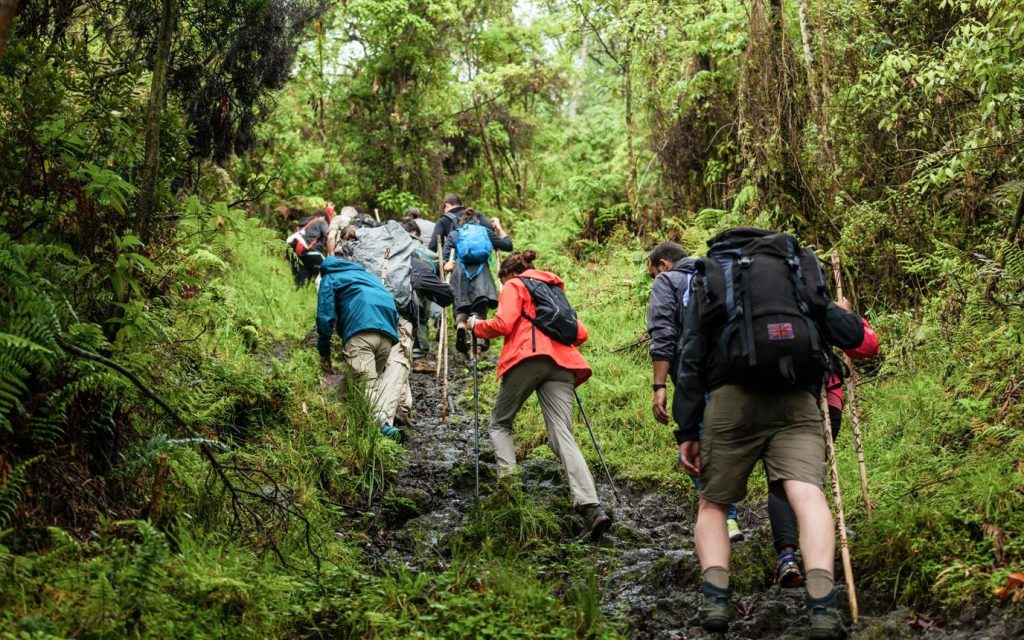
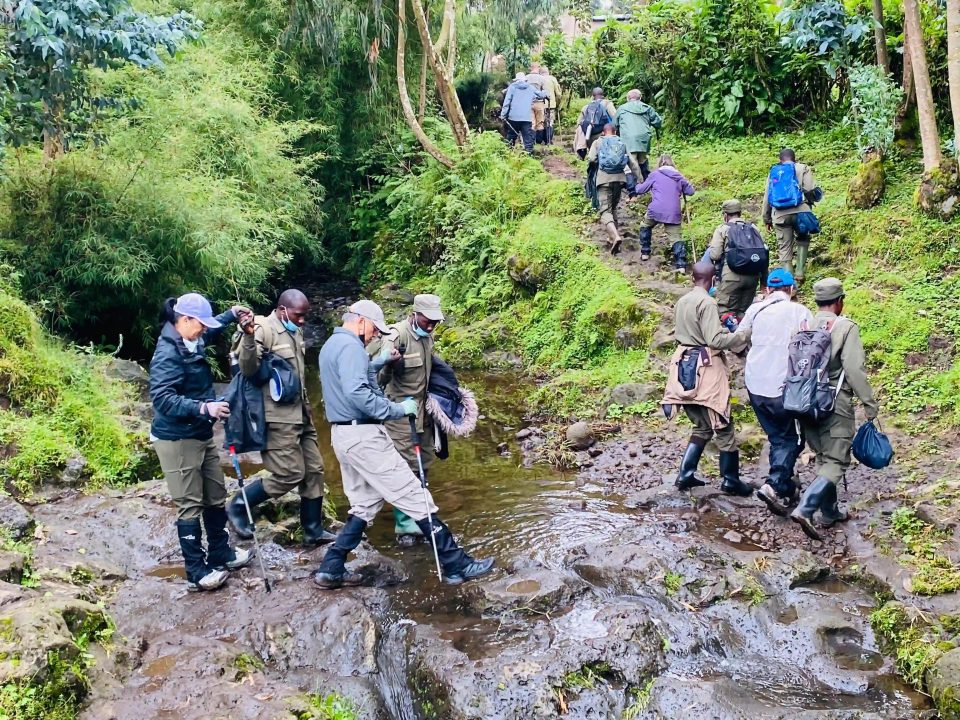
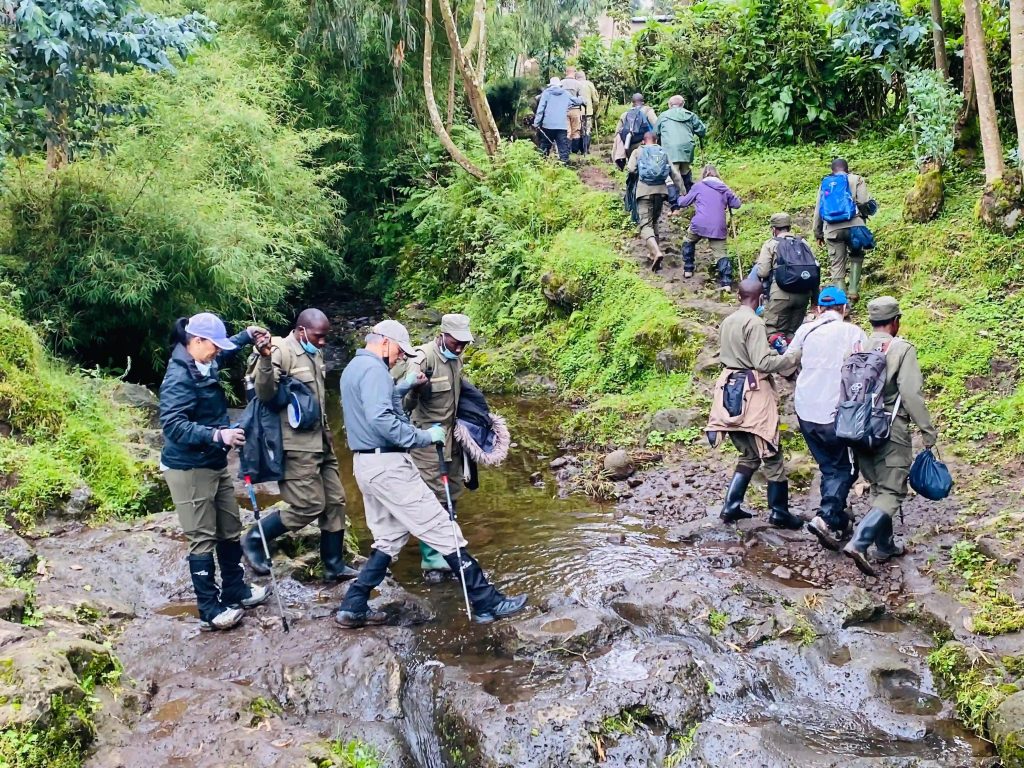
Muddy trails are part of the adventure when gorilla trekking in Rwanda. The forest paths in Volcanoes National Park can become slippery, wet and uneven. Rain may also arrive when you least expect it. Therefore, your clothing should protect you from mud, rain, insects and thick vegetation without making your journey uncomfortable.
However, preparing for muddy conditions does not mean carrying your entire wardrobe into the forest. You only need a few carefully selected clothing items. The right combination will keep you comfortable while leaving enough space in your daypack for water, snacks and other essentials.
At Safari O’clock, we encourage travellers to pack practically. Choose clothes that serve more than one purpose, wear your heaviest trekking items on the day, and avoid carrying unnecessary extras. This guide explains how to dress for muddy trails while keeping your luggage light and manageable.
Why You Should Dress for Muddy Trails in Rwanda
Gorilla trekking takes place in a natural mountain forest rather than a maintained walking path. As a result, the terrain can include slippery slopes, wet vegetation, exposed roots and muddy sections. You may also walk through areas with stinging nettles, thorny plants and thick undergrowth.
Volcanoes National Park sits within the Virunga Mountains. Its high-altitude environment can feel cool in the morning, while the weather may change during the trek. Even during traditionally drier months, visitors should prepare for possible rain.
Your clothing therefore needs to do three important things. First, it should protect your skin from vegetation and insects. Second, it should help you stay warm and comfortable when the weather changes. Finally, it should allow you to walk freely without carrying unnecessary weight.
Safari O’clock recommends choosing practical trekking clothes rather than buying a completely new wardrobe for one activity.
Choose the Right Boots When You Dress for Muddy Trails
Your footwear is one of the most important parts of your trekking outfit. Muddy paths can become slippery, especially on steep sections. Ordinary trainers may not provide enough grip or protection for these conditions.
Choose sturdy hiking boots with a good rubber sole and reliable traction. Waterproof or water-resistant boots can also help protect your feet when you encounter wet grass, shallow puddles and muddy ground. Ankle support is useful on uneven terrain.
However, the boots must fit comfortably. A waterproof pair that causes painful blisters will make your trek difficult. Wear them on shorter walks before travelling to Rwanda. This gives your feet time to adjust and helps you identify any uncomfortable areas.
Pair your boots with comfortable hiking socks. Choose socks that fit properly and do not bunch up inside your footwear. Thick socks can also help reduce friction when worn with well-fitting boots.
You do not need to pack several pairs of trekking boots. One reliable, broken-in pair is enough for the trekking activity. You can carry lightweight sandals or comfortable shoes for relaxing at the lodge.
Wear Long Trousers When You Dress for Muddy Trails
Long trousers provide useful protection during a forest trek. They help shield your legs from stinging nettles, thorny plants, insects and muddy vegetation. They also reduce direct contact between your skin and wet plants along narrow trails.
Choose comfortable hiking trousers made from a durable, quick-drying fabric. These are usually easier to manage than heavy jeans. Denim can become uncomfortable when soaked because it holds water and takes longer to dry.
Your trousers should allow you to bend your knees, climb and walk without restriction. Avoid extremely tight trousers because they can limit movement. Equally, very loose trousers may catch on branches and thick vegetation.
You can tuck the lower ends of your trousers into your socks. This helps reduce the chance of insects and small debris entering around your ankles. Alternatively, you can use lightweight gaiters if you already own them or can borrow them.
There is no need to pack several pairs of trekking trousers for one gorilla trek. Wear one comfortable pair and keep a clean outfit for after the activity.
Choose a Long-Sleeved Top That Works in Different Conditions
A long-sleeved shirt is another useful part of your trekking outfit. It protects your arms from scratches, stinging plants and direct contact with vegetation. It can also help protect your skin from the sun.
Choose a breathable shirt that allows you to move comfortably. A lightweight hiking shirt is often more practical than a thick sweater. It offers protection without adding too much weight.
Consider wearing a light base layer underneath if you feel cold in the morning. You can then adjust your clothing as your body warms during the hike.
Avoid packing several heavy tops for the same trek. Instead, choose one suitable long-sleeved shirt and one light insulating layer. This combination offers flexibility without filling your daypack.
Safari O’clock can help you plan your clothing around the expected conditions and the activities included in your Rwanda itinerary.
Carry One Reliable Rain Jacket Instead of Too Many Rain Items
Rain protection is essential when preparing for a mountain forest trek. A shower can begin while you are already walking. Therefore, you should have a waterproof outer layer within easy reach.
A lightweight rain jacket with a hood is a practical choice. It protects your upper body and leaves your hands free for balance and movement. Choose one that fits comfortably over your trekking shirt or light fleece.
You may also consider waterproof trousers if the forecast or trail conditions suggest prolonged rain. However, you do not need to carry several raincoats, a heavy poncho and multiple waterproof jackets.
Choose one dependable rain jacket that suits your needs. If you already have a suitable poncho, ask your tour operator or lodge whether it will work for your trek. Some accommodation providers may also offer rain gear for guests.
Remember that a waterproof jacket protects your body, but it does not automatically protect everything inside your bag. Use a rain cover or suitable waterproof pouch for your phone, camera and other sensitive items.
Use Gaiters or Long Socks Without Packing Both Unnecessarily
Mud can collect around your ankles and enter your boots. Gaiters help cover the gap between your trousers and footwear. They also provide an extra layer against mud, wet vegetation and debris.
However, gaiters are not compulsory for every traveller. You can often use long socks and tuck your trousers into them as a simple alternative. This approach may be enough for your clothing needs, depending on the trail conditions.
If your lodge provides gaiters, you may not need to bring your own. Ask before travelling. This small check can save valuable luggage space.
Choose the option that offers suitable protection without adding unnecessary equipment. You do not need to pack both several pairs of long socks and multiple sets of gaiters unless your itinerary requires them.
Dress for Muddy Trails With a Simple Layering System
Layering helps you respond to changing temperatures without carrying many clothes. Instead of wearing one very thick outfit, combine a few lightweight pieces.
Start with a comfortable long-sleeved shirt. Add a light fleece or sweater if the morning feels cold. Keep your waterproof jacket accessible so you can wear it when rain begins.
This system works well because you can remove or add a layer as conditions change. It also reduces the need to pack several bulky sweaters.
Choose fabrics that remain comfortable when you sweat and dry reasonably quickly. Avoid relying on heavy cotton clothing as your main wet-weather layer. Once soaked, thick cotton can take a long time to dry.
Most importantly, test your outfit before the trekking day. Walk in your boots and clothing to confirm that everything fits properly.
What Colours and Clothing Should You Choose?
For a gorilla trek, comfortable and practical clothing matters more than looking fashionable. Choose muted colours such as olive, brown, khaki and other natural shades. These colours work well for outdoor activities and do not show every small mark of mud.
Avoid clothing that restricts your movement. Very short trousers, delicate fabrics and outfits that expose much of your skin offer less protection against forest vegetation.
Also, do not wear camouflage clothing. Civilians in Rwanda should avoid camouflage patterns because military-style clothing is restricted.
You do not need a special outfit for photographs. A clean, comfortable change of clothes at the lodge will help you feel refreshed after the trek.
What to Leave Out When Packing for Muddy Trails
Overpacking often happens because travellers prepare for every possible situation. However, carrying too many clothes can make the journey more tiring. A small, organised selection is usually more useful.
You can leave the following items in your main luggage or at the lodge:
- Extra pairs of heavy trekking trousers.
- Several thick sweaters that serve the same purpose.
- Fashion shoes that are unsuitable for muddy ground.
- Heavy denim jeans for the actual trek.
- Multiple rain jackets when one reliable jacket is enough.
- Unnecessary accessories that may get wet or dirty.
- Delicate clothing that requires special care.
Instead, focus on clothing that protects your body and supports comfortable movement. Keep your main luggage organised so you can change after returning from the forest.
How to Keep Your Trekking Outfit Light and Organised
Before the trekking day, lay out every item you intend to wear. Check whether each piece has a clear purpose. If two items perform the same function, consider taking only one.
Wear your hiking boots, trekking trousers and long-sleeved shirt rather than placing them in your daypack. Keep your rain jacket somewhere easy to reach. This saves space and allows you to respond quickly if the weather changes.
Your daypack should contain only useful items for the trek. These may include drinking water, snacks, personal medication, a camera and basic personal essentials. Protect electronic equipment from rain using suitable waterproof storage.
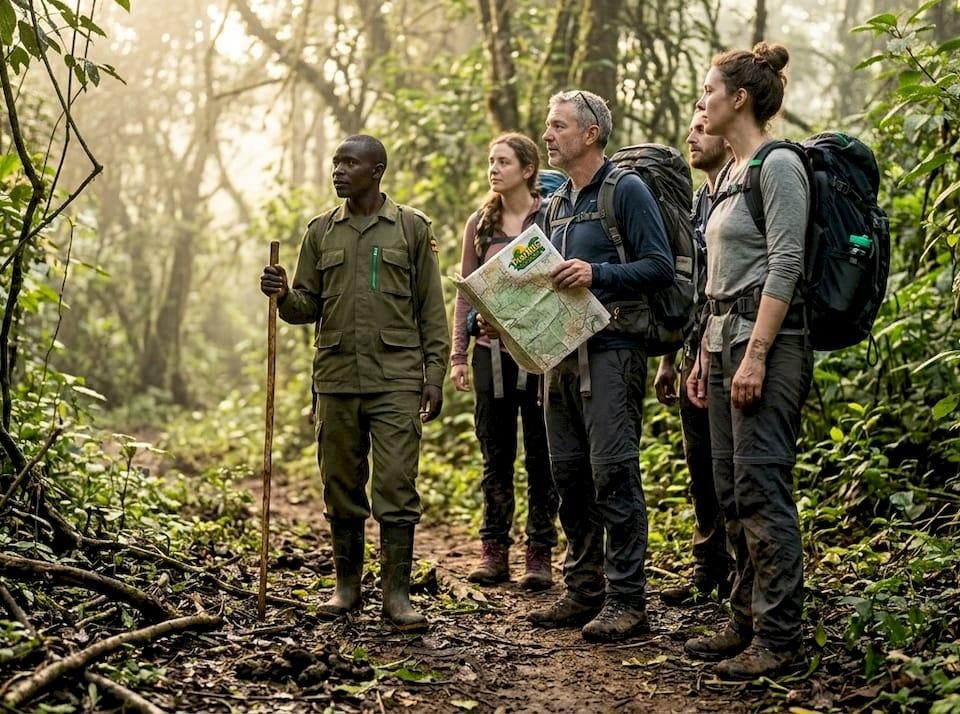
You should also consider hiring a porter. Porters can help carry your daypack and support you on challenging sections. Their assistance can make the experience more manageable while providing income to local community members.
A walking stick may also help with balance on uneven or slippery ground. Ask your guide about the available options at the park headquarters.
After the Trek: Prepare for Muddy Clothes
Your trekking outfit may be muddy or wet when you return. Therefore, keep a clean change of clothes at your lodge or in your vehicle. This allows you to freshen up without carrying an extra outfit through the forest.
Place muddy boots and clothing separately from clean items. A reusable bag or suitable laundry bag can help keep the rest of your luggage organised. You can then clean and dry your trekking clothes according to their care instructions.
Do not forget to check your socks and footwear. Allow wet boots to dry properly before wearing them again. This helps prevent discomfort during the rest of your safari.
Safari O’clock can help you plan the practical details of your trekking day, including what to wear, what to carry and what to leave at your accommodation.
Final Clothing Checklist for Muddy Gorilla Trekking Trails
A comfortable outfit does not need to be complicated. Use this simple checklist when preparing for your Rwanda gorilla trekking experience:
- One pair of sturdy, broken-in hiking boots.
- Comfortable hiking socks.
- One pair of durable, long trekking trousers.
- One long-sleeved trekking shirt.
- One lightweight fleece or warm layer.
- One waterproof rain jacket.
- Gardening gloves for protection from vegetation.
- Long socks or gaiters for ankle protection.
- A hat suitable for the weather.
- A clean change of clothes for after the trek.
Check whether your lodge provides gaiters, walking sticks or rain protection before packing. This can help you avoid carrying equipment that is already available.
Plan Your Rwanda Gorilla Trek With Safari O’clock
The best trekking outfit is not necessarily the most expensive one. It is the outfit that protects you, fits comfortably and works in changing forest conditions. With suitable boots, long trousers, a protective shirt and reliable rain gear, you can prepare well without overpacking.
Safari O’clock helps travellers plan memorable Rwanda experiences with practical advice and organised safari arrangements. Whether you are preparing for your first gorilla trek or returning to the Virunga Mountains, thoughtful packing can make your adventure more comfortable.
Pack fewer items, choose each one carefully and leave room for the experience itself. The forest adventure is waiting.