- DIRECT CONTACTS:
- +256394517569
- tours@safarioclock.africa

What to Keep in Your Daypack and What to Leave at the Lodge During Rwanda Gorilla Trekking

Useful Personal Items for a Comfortable Gorilla Trekking Day in Rwanda
November 24, 2026
How to Dress for Muddy Trails Without Overpacking on a Rwanda Gorilla Trek
November 24, 2026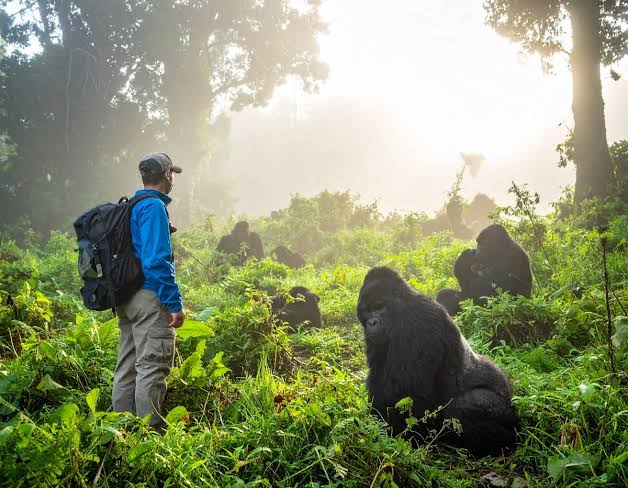
Introduction
Preparing for a gorilla trekking adventure in Rwanda involves making several important decisions. One of them is knowing what to carry into the forest and what to leave behind at your accommodation. Although you may want to bring everything that could possibly become useful, carrying too many belongings can make the trek uncomfortable.
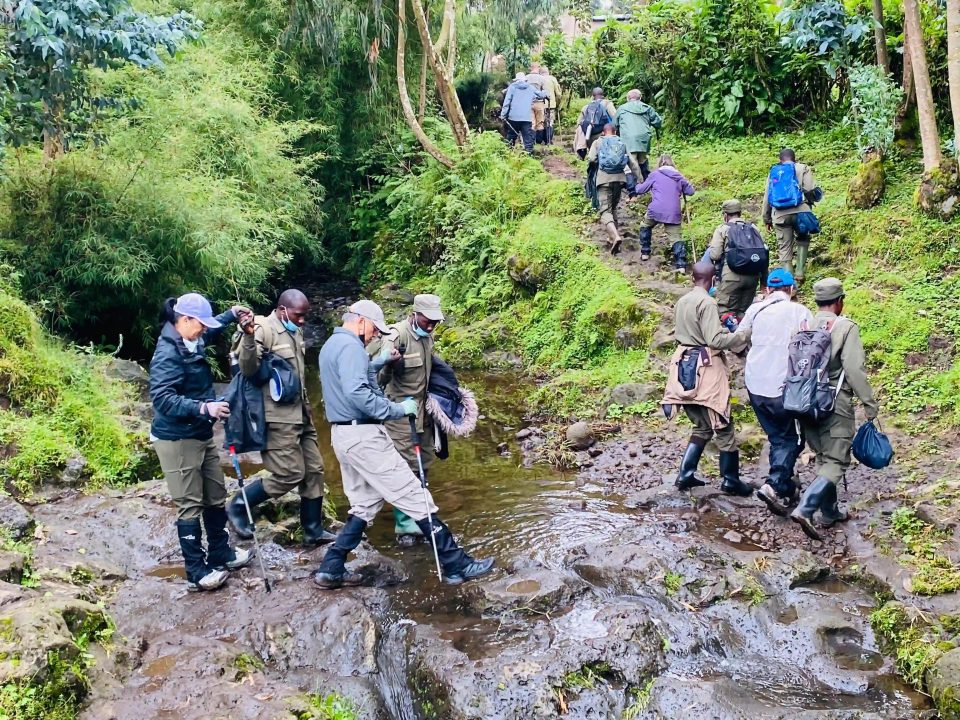
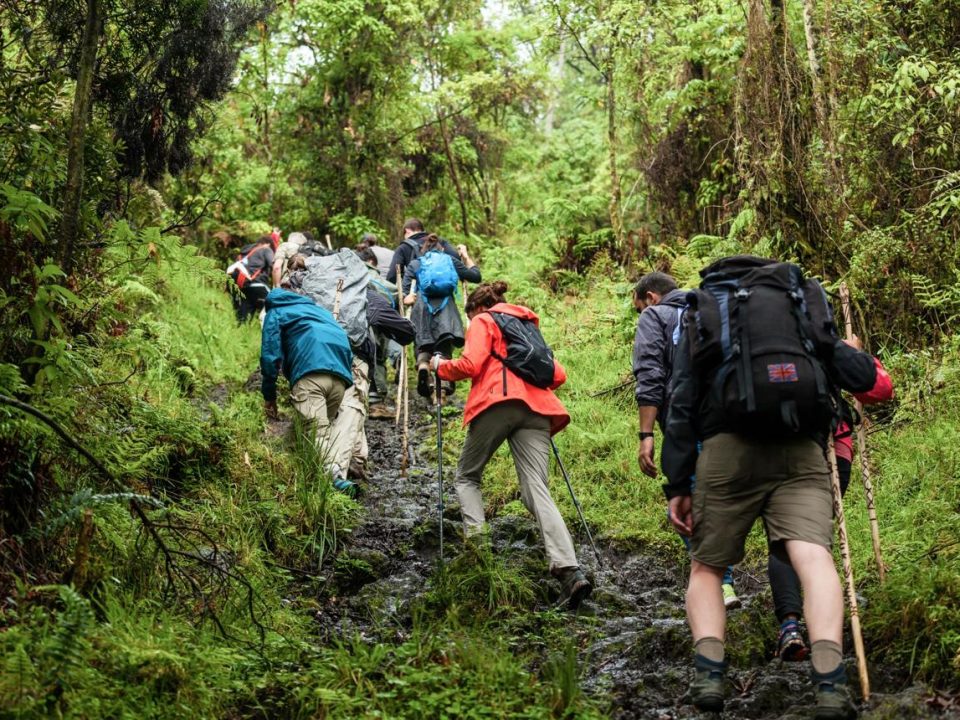
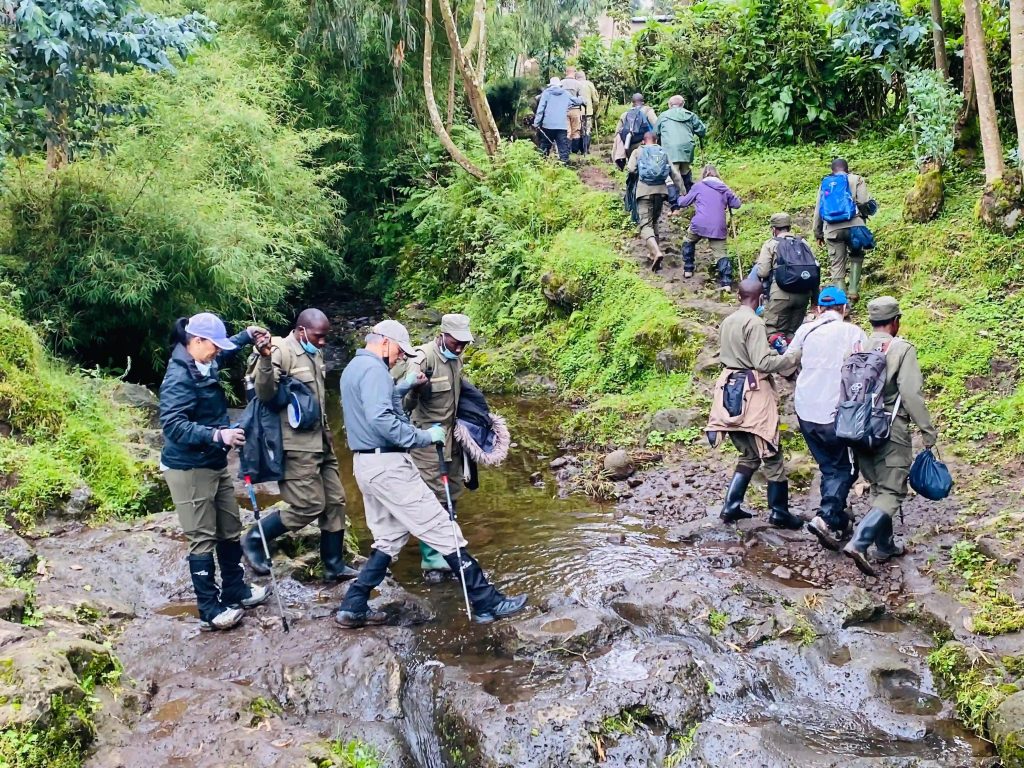
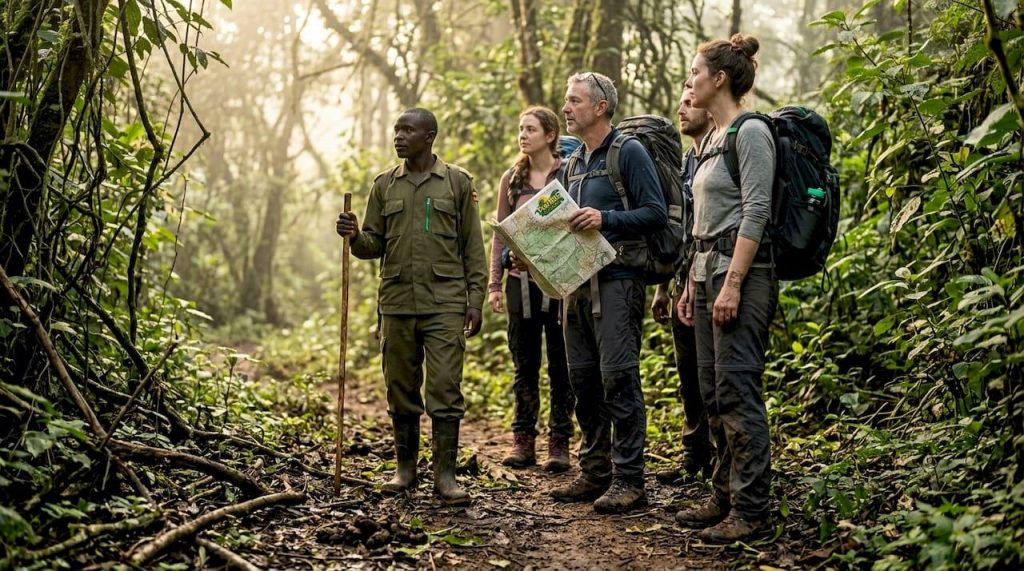
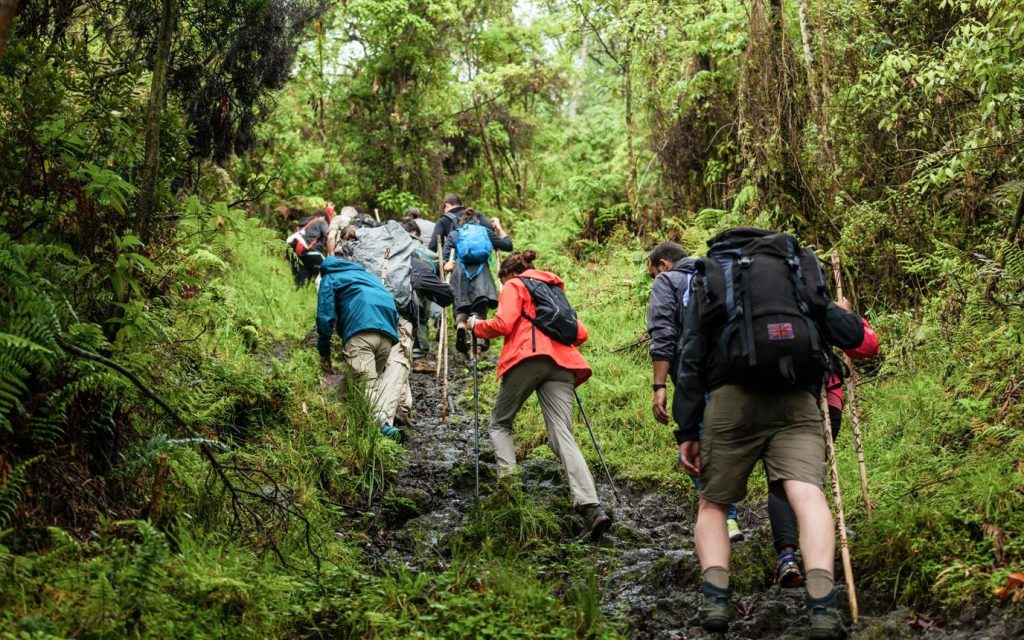
Gorilla trekking takes place in the mountainous forests of Volcanoes National Park. Visitors walk through uneven ground, thick vegetation, muddy paths and sometimes steep slopes. The trek can last several hours, depending on the location of the assigned gorilla family. Therefore, a well-organised daypack helps you carry important belongings without unnecessary weight.
However, not everything you pack for your Rwanda safari needs to enter the forest. Extra clothes, large suitcases, jewellery and most personal accessories can remain safely at your lodge. Your trekking bag should contain only the items you may need during the actual adventure.
At Safari O’clock, we encourage travellers to separate their main luggage from their trekking daypack before departure. This simple practice saves time, improves organisation and makes the trekking experience more manageable.
In this guide, we explain what to keep in your daypack, what to leave at the lodge and how to organise your belongings for a comfortable gorilla trekking experience in Rwanda.
Why Organising Your Gorilla Trekking Daypack Matters
A well-organised gorilla trekking daypack helps you prepare for changing conditions in the forest. It also prevents you from carrying unnecessary belongings throughout the journey.
Unlike ordinary sightseeing, gorilla trekking involves physical activity in a natural environment. You may need to climb, bend, step over vegetation and navigate slippery ground. A heavy backpack can make these movements more difficult.
Additionally, the weather around Volcanoes National Park can change quickly. Rain may interrupt an otherwise clear morning, while cooler temperatures can make early departures feel cold. Carrying essential protection within easy reach helps you respond to these changes.
Your daypack also becomes particularly important when you hire a porter. Porters provide valuable assistance by carrying visitors’ bags and helping them navigate difficult sections of the trail. However, they may remain behind when the group approaches the gorillas. Therefore, you must keep important personal belongings with you and never leave valuables in a bag carried by someone else.
Safari O’clock recommends deciding what belongs in your daypack the evening before your trek. This gives you enough time to check your belongings and avoid unnecessary last-minute packing.
What to Keep in Your Gorilla Trekking Daypack
Your daypack should contain lightweight items that support your comfort, hydration, personal safety and photography needs. The following essentials are worth considering.
1. Drinking Water
Drinking water should be one of the first items you pack. Walking through mountainous terrain requires physical effort, especially when the trail involves steep climbs.
Carry enough water for the expected duration of your trek. Around one to two litres is a useful starting point for many visitors, although your needs may vary according to the weather, walking conditions and personal hydration requirements.
Choose a reusable water bottle that fits comfortably inside your backpack. You can also use a hydration bladder if you prefer drinking without stopping to remove your bottle.
Importantly, drink water during appropriate breaks. Park rules prohibit eating and drinking while visitors are with the gorillas. Follow your guide’s instructions about when and where to take refreshments.
2. A Lightweight Rain Jacket
Rain protection is essential when visiting Volcanoes National Park. The park lies within a mountainous rainforest environment, so visitors should prepare for possible showers throughout the year.
Pack a lightweight waterproof jacket with a hood. Choose one that folds easily and does not occupy too much space.
If you expect particularly wet conditions, consider waterproof trousers or a rain cover for your backpack. You can also place electronic equipment inside waterproof pouches for additional protection.
Do not leave your rain jacket at the lodge simply because the morning looks sunny. Mountain weather can change unexpectedly, and having protection nearby can make a significant difference.
3. Gardening Gloves
Gardening gloves are useful when moving through thick vegetation. During the trek, you may encounter thorny plants, sharp branches and stinging vegetation.
A comfortable pair of gloves helps protect your hands when holding vegetation for balance. Choose gloves that fit properly and provide a good grip.
You only need one pair. Pack them in an accessible compartment so you can wear them when necessary.
Although gloves may seem like a minor item, they can make navigating challenging sections more comfortable.
4. Your Camera or Smartphone
A gorilla trekking experience offers wonderful photography opportunities. Therefore, carrying a camera or smartphone can help you preserve memories of your adventure.
Choose equipment that you can comfortably carry throughout the trek. You do not need several cameras or a large collection of lenses.
If you use a professional camera, consider carrying a spare battery and an extra memory card. Forest conditions can be humid, so protect your equipment using a waterproof camera bag or dry pouch.
Before reaching the gorillas, check that your camera flash is switched off. Flash photography is not permitted during the encounter. Also, follow your guide’s instructions about photography and visitor behaviour.
Remember that taking photographs should never distract you from respecting the animals and their natural environment.
5. Personal Medication and a Small First-Aid Kit
Your personal health needs should always come first. If you take prescription medication, carry the necessary supply in your daypack.
Keep medicines in their original packaging where practical. Protect them from moisture and ensure you can access them when needed.
A compact first-aid kit can also be useful. Include a few blister plasters, adhesive dressings and basic supplies suitable for minor problems.
Blisters can become uncomfortable during long walks, particularly when your feet get wet or your boots rub against your skin. Having a few suitable plasters can help you manage minor friction problems.
However, do not carry unnecessary medicines or use unfamiliar products without appropriate medical advice.
6. Light Snacks
A gorilla trek may take several hours. Depending on your assigned gorilla family, you may spend a considerable part of the morning or afternoon walking through the forest.
A few lightweight snacks can help you maintain your energy during designated breaks. Suitable options include nuts, dried fruit and energy bars.
Some accommodation providers also prepare packed lunches for visitors. Confirm your arrangements with Safari O’clock before departure so you know whether you need to bring additional food.
Most importantly, never eat while you are with the gorillas. Follow your guide’s instructions and keep all food wrappers and other waste inside your bag until you can dispose of them properly.
7. Insect Repellent and Sunscreen
Although much of the trek takes place under forest vegetation, visitors may encounter exposed sections along the route.
Carry a small bottle of sunscreen to protect exposed skin. A broad-spectrum SPF 30 or higher product is a practical choice.
Insect repellent can also help reduce insect bites. Choose a suitable product and follow its instructions for use.
Travel-sized containers are ideal because they occupy little space. Apply these products according to their directions before or during the trek.
8. A Face Mask and Personal Hygiene Items
Mountain gorillas are vulnerable to human respiratory infections. Therefore, visitors must follow the health precautions issued by park authorities.
Carry a clean face mask and follow the current instructions about when to wear it. Requirements may depend on the park’s applicable health guidance.
You can also pack a small hand sanitiser, tissues and a few wet wipes. These items support personal hygiene during the journey.
Keep used tissues, wipes and other waste in a small bag until you reach an appropriate disposal point. Never leave rubbish in the forest.
If you develop symptoms of a contagious illness before your trek, inform your tour operator and follow the park’s instructions. Protecting gorillas must always take priority over completing a scheduled visit.
9. Your Identification and Important Documents
Your travel documents are important, even if you only need them at specific stages of the experience.
Carry your passport or the identification required by park authorities. Visitors should also confirm that their gorilla trekking permit arrangements are complete before travelling to the park.
Keep essential documents in a waterproof pouch to protect them from rain and accidental spills.
If your tour operator has provided electronic booking confirmations, save copies on your phone. However, digital copies do not replace original identification when authorities require it.
Safari O’clock recommends confirming document requirements before leaving your accommodation.
10. A Small Amount of Cash
Carrying some cash can be useful for small personal expenses during your safari.
For example, you may want to hire a porter or purchase something at an appropriate stop. Keep a reasonable amount in small denominations and store it securely.
The Rwandan franc is the local currency. You should therefore consider exchanging or withdrawing some money before travelling to remote areas.
Avoid carrying large amounts of cash into the forest. Keep only what you reasonably need for the day.
What to Leave at the Lodge During Gorilla Trekking
Knowing what to carry is only half the preparation. You should also understand which belongings can remain at your accommodation.
Most lodges provide luggage storage arrangements for guests who go trekking. However, always confirm the availability and security of these facilities before leaving valuable belongings behind.
1. Large Suitcases and Extra Travel Bags
Your main suitcase should remain at the lodge or in the secure storage facility arranged by your accommodation.
There is no need to carry your entire travel wardrobe into the forest. Large suitcases are difficult to manage on muddy paths and offer no practical advantage during the trek.
Instead, transfer your trekking essentials into a comfortable daypack before departure.
This allows you to move more freely and keeps your main luggage organised for the rest of your Rwanda safari.
2. Extra Clothing and Unnecessary Outfits
You do not need several changes of clothing inside your trekking bag.
Wear suitable trekking clothes and carry only an additional lightweight layer if you expect changing temperatures.
Extra shirts, evening outfits and casual clothing can remain at the lodge. You can change after returning from the forest, especially if your trekking clothes become muddy or wet.
Keeping additional clothing at your accommodation also makes it easier to separate clean items from used trekking gear.
3. Expensive Jewellery and Valuables
Gorilla trekking is an outdoor activity, not an occasion that requires expensive accessories.
Leave expensive watches, necklaces, bracelets and other unnecessary valuables at your accommodation.
These items can become uncomfortable while walking through thick vegetation. They may also get lost or damaged during the trek.
If your lodge offers a secure safe, use it for valuables that you do not need during the day. Never leave important belongings with a porter or unattended in an unsecured location.
4. Full-Sized Toiletries and Cosmetic Products
Large cosmetic bottles, perfumes and full-sized toiletries do not belong in your trekking daypack.
You will not need your complete skincare or beauty routine inside the forest.
Keep your main toiletries at the lodge. If necessary, carry only a small sunscreen, lip balm or personal hygiene product.
This reduces unnecessary weight and leaves room for items that genuinely support your trekking experience.
5. Unnecessary Electronic Equipment
Carrying several electronic devices can make your backpack heavy.
You generally do not need a laptop, tablet, portable speaker or multiple cameras during the trek.
Choose one suitable camera or smartphone. Add only the accessories that support its use, such as a spare battery or memory card.
Leave other electronics at your accommodation in an appropriate secure location.
Also, avoid using loud electronic devices in the forest. Respect the natural environment and follow the guide’s instructions.
6. Excessive Snacks and Food Containers
Although snacks are useful, carrying too much food is unnecessary.
Pack a reasonable amount for the expected duration of the trek. If your lodge provides a packed lunch, ask about its contents before adding extra food.
Large food containers and unnecessary packaging take up space. Instead, choose lightweight, reusable containers that you can carry back after use.
Remember that eating, drinking and smoking are prohibited when you are with the gorillas. Never leave food waste in their habitat.
7. Unnecessary Travel Documents
Your passport and required identification are important. However, you do not need to carry every document related to your entire trip.
Keep unrelated hotel receipts, printed itineraries, old tickets and additional paperwork securely at the lodge.
Organise essential documents in one waterproof pouch. This makes them easier to locate when park staff request identification.
Do not leave your passport or other required documents behind simply because you expect not to use them. Confirm the park’s requirements before departure.
8. Bulky Photography Accessories
Professional photography equipment can quickly increase the weight of your daypack.
Unless your safari involves a specifically arranged photography activity, leave large tripods, lighting equipment and unnecessary camera accessories at the lodge.
A practical camera with suitable settings and adequate battery power is usually enough for ordinary visitor photography.
Remember that flash photography is not allowed near the gorillas. Always follow the instructions of your guide and park authorities.
Gorilla Trekking Daypack vs Lodge Luggage: What Goes Where?
The following comparison provides a simple way to organise your belongings before leaving your accommodation.
| Item | Where it belongs |
|---|---|
| Drinking water | Daypack |
| Lightweight rain jacket | Daypack |
| Gardening gloves | Daypack |
| Camera or smartphone | Daypack |
| Personal medication | Daypack |
| Small first-aid kit | Daypack |
| Light snacks | Daypack |
| Sunscreen and insect repellent | Daypack |
| Passport and required identification | Keep accessible; carry as required |
| Small amount of cash | Daypack |
| Extra outfits | Lodge |
| Large suitcase | Lodge |
| Evening shoes | Lodge |
| Full-sized toiletries | Lodge |
| Expensive jewellery | Secure lodge storage |
| Laptop and unnecessary electronics | Lodge |
| Extra cosmetic products | Lodge |
| Large photography equipment | Lodge, unless specifically needed |
Remember that this is a general guide. Your final packing decisions should reflect your personal needs, trekking arrangements and instructions from park authorities.
How to Organise Your Gorilla Trekking Daypack Properly
Once you have selected your essentials, the next step is arranging them correctly.
Start by choosing a comfortable, lightweight backpack. It should have adjustable shoulder straps and enough space for your belongings without encouraging unnecessary packing.
Place heavier items close to your back. This helps distribute the weight and improves balance when walking over uneven ground.
Keep frequently used items in accessible compartments. For example, place tissues, sunscreen and your water bottle where you can reach them easily.
Use waterproof pouches to separate important belongings. Store your phone, camera accessories and documents away from items that may leak.
It is also helpful to place personal medication and first-aid supplies together in a small pouch. This makes them easier to locate if you need them.
Before sleeping, wear your packed backpack for a few minutes and check whether it feels comfortable. Remove anything you do not genuinely need.
Safari O’clock recommends completing this preparation the evening before trekking. This prevents unnecessary rushing during the early morning departure.
Should You Give Your Daypack to a Porter?
Hiring a local porter is a helpful option for visitors who want additional assistance during gorilla trekking.
Porters can carry your daypack and support you on difficult sections of the trail. Their assistance can be especially valuable when navigating steep or muddy terrain.
Hiring a porter also creates income opportunities for people living around Volcanoes National Park. This allows local communities to benefit directly from tourism.
However, there is an important detail to remember. Porters may remain behind when the trekking group approaches the gorillas.
Therefore, keep your camera, phone, identification, medication and any other belongings you will need with you. Do not leave valuables inside a bag carried by someone else.
You can transfer your main daypack to the porter while retaining a small personal pouch for essential belongings, provided this arrangement works with your guide’s instructions.
If you would like to hire a porter, Safari O’clock can help explain the arrangements before your trekking day.
Common Packing Mistakes to Avoid Before Your Trek
Even experienced travellers sometimes make mistakes when organising their trekking equipment.
One common mistake is carrying too many belongings. Visitors may assume that bringing additional items will make them better prepared. However, unnecessary weight can make walking more tiring.
Another mistake is leaving rain protection at the lodge. The weather in the Virunga Mountains can change, so you should prepare for possible rainfall even during relatively dry months.
Some visitors also forget their personal medication or assume that a porter will carry everything they need. Always keep essential personal belongings accessible.
Additionally, avoid packing valuable items that you do not need. Jewellery, expensive accessories and unnecessary electronics can remain securely at your accommodation.
Finally, never assume that you can eat or drink whenever you want during the gorilla encounter. Park authorities have rules designed to protect the animals from disturbance and disease transmission.
Good preparation means understanding both your personal needs and the responsibilities that come with visiting endangered wildlife.
A Final Checklist Before Leaving Your Lodge
Before departing for Volcanoes National Park, take a few minutes to review your belongings.
Inside your daypack:
- Drinking water
- Lightweight rain jacket
- Gardening gloves
- Camera or smartphone
- Personal medication
- Small first-aid kit
- Light snacks
- Sunscreen
- Insect repellent
- Tissues and hand sanitiser
- Face mask, following current park guidance
- Waterproof pouch for electronics and documents
- Passport or required identification
- Small amount of local currency
Leave securely at your lodge:
- Large suitcases
- Extra clothing
- Evening shoes
- Full-sized toiletries
- Expensive jewellery
- Unnecessary electronic devices
- Extra cosmetic products
- Bulky photography accessories
- Other belongings that you will not need during the trek
Before leaving, confirm that your accommodation has secured your main luggage. Also, check that you have everything required for park registration and your trekking arrangements.
How Safari O’clock Makes Your Gorilla Trekking Preparation Easier
Preparing for a gorilla trekking adventure becomes much easier when you know what to expect.
Safari O’clock helps visitors organise their Rwanda safari experiences by providing practical guidance before departure. We help travellers understand the equipment they need, prepare for changing forest conditions and organise their trekking arrangements.
Our team can also assist with gorilla permit arrangements, accommodation recommendations and transportation to Volcanoes National Park.
For visitors who are unsure about what to carry, we encourage a simple approach. Separate your main luggage from your trekking daypack, pack only useful belongings and confirm any equipment provided by your lodge.
We also encourage travellers to consider local porter services. These services provide practical assistance while supporting communities around the national park.
Most importantly, we remind every visitor to respect park instructions and wildlife conservation guidelines. Responsible preparation helps protect mountain gorillas while improving the overall visitor experience.
Final Thoughts: Carry What You Need and Leave the Rest Behind
Knowing what to keep in your daypack and what to leave at the lodge can make your Rwanda gorilla trekking adventure more comfortable.
Your daypack should contain the essentials you may need in the forest. These include drinking water, rain protection, gardening gloves, personal medication, snacks, photography equipment and important identification.
Meanwhile, large suitcases, extra clothing, expensive jewellery and unnecessary electronic devices can remain securely at your accommodation.
The most important thing is to prepare according to the nature of the trek. Avoid unnecessary luggage, protect your valuables and keep important belongings accessible.
With proper organisation and guidance from Safari O’clock, you can approach your trekking day with confidence.
Pack smart, travel comfortably and enjoy the remarkable experience of meeting mountain gorillas in Rwanda.