- DIRECT CONTACTS:
- +256394517569
- tours@safarioclock.africa

Packing for a Gorilla Trek During the Wet Season in Rwanda

How to Dress for Muddy Trails Without Overpacking on a Rwanda Gorilla Trek
November 24, 2026
Last-Minute Packing Checks Before Leaving for Kinigi, Rwanda
November 24, 2026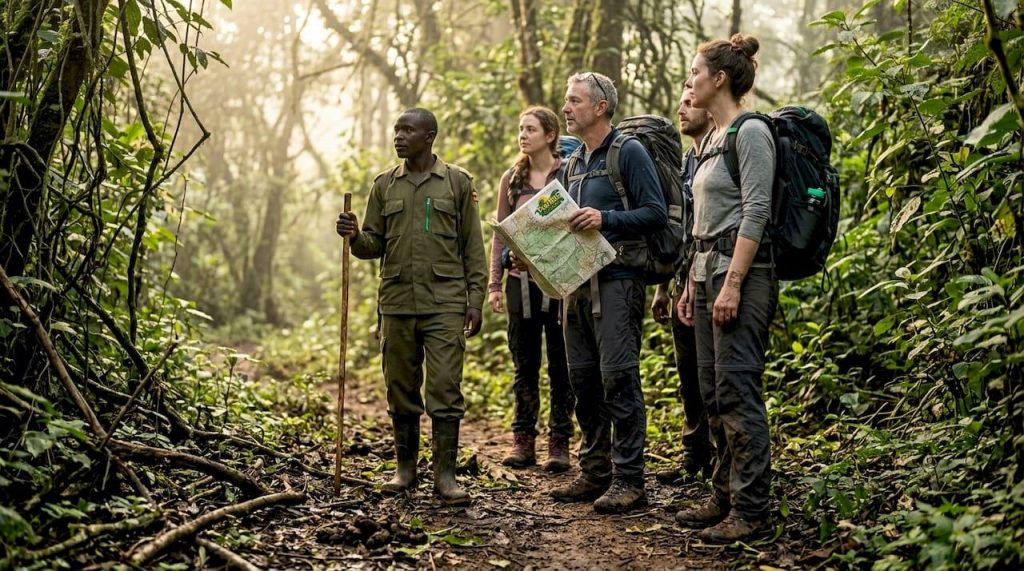
Gorilla trekking in Rwanda is an unforgettable experience. However, visiting during the wet season requires thoughtful preparation. Rain can make forest paths slippery, clothing wet and photography equipment harder to protect. Therefore, your packing choices can make a big difference to your comfort.
Volcanoes National Park lies within the Virunga Mountains. Its forest environment receives rainfall throughout the year. However, March to May generally brings longer rains, while October and November usually experience a shorter rainy period. Weather can still change quickly, so visitors should prepare for rain even outside these months.
Packing for a wet season gorilla trek does not mean filling your suitcase with heavy clothes and extra equipment. Instead, choose items that protect you from rain, mud and thick vegetation. Carry only what you need for the forest, and leave the rest at your lodge.
At Safari O’clock, we encourage travellers to prepare practically. This guide explains what to pack, how to protect your belongings and how to stay comfortable during a rainy-season gorilla trekking adventure.
Why a Wet Season Gorilla Trek Needs Careful Packing
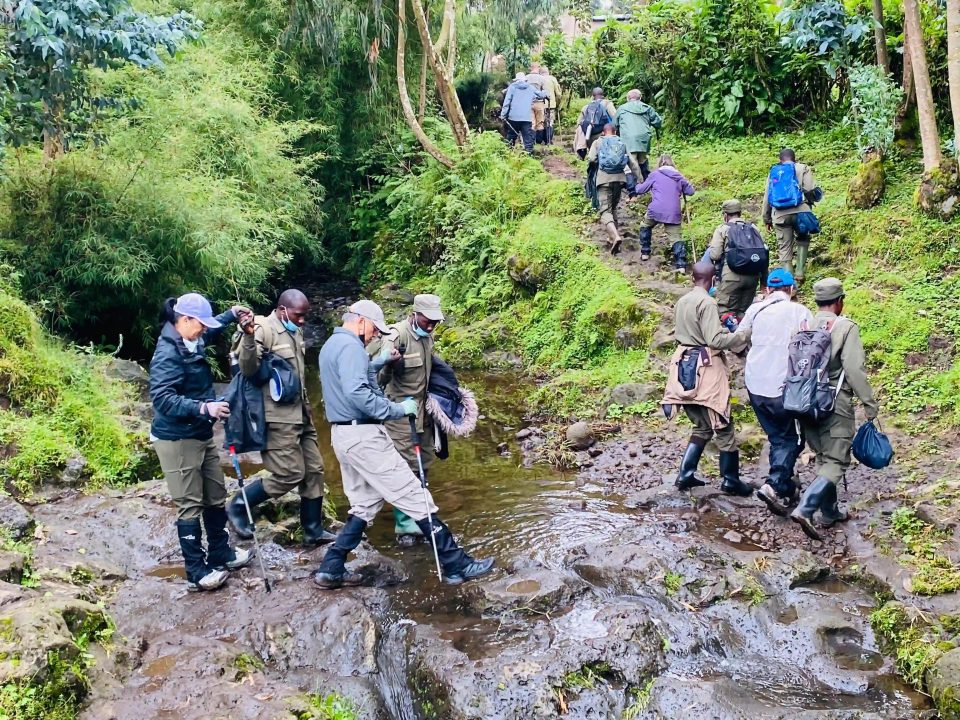
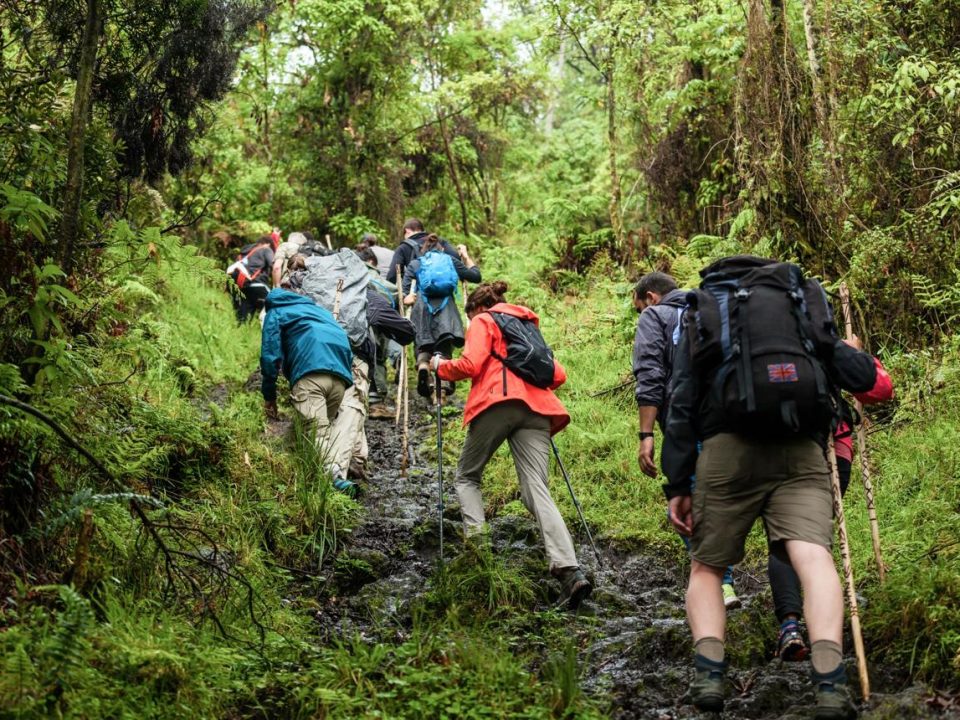
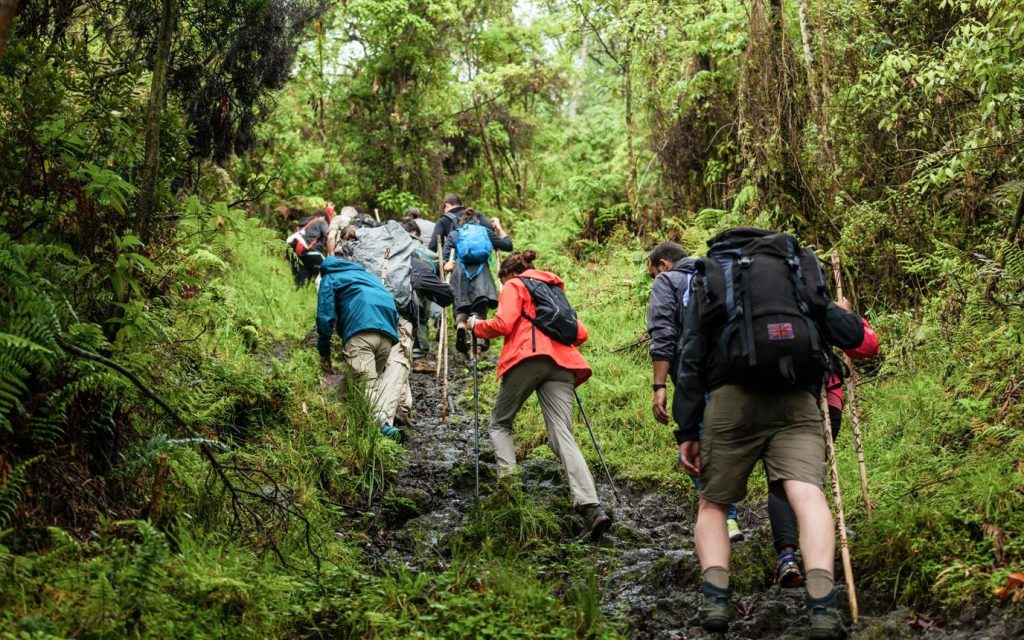
The wet season changes the conditions you may encounter during a gorilla trek. Rain can soften the ground and create muddy sections along forest paths. Steep slopes may also become more slippery, making suitable footwear especially important.
In addition, thick vegetation can brush against your clothing as you walk. Some plants may cause scratches or skin irritation. You may also experience cool conditions, particularly during the early morning hours.
These conditions make your clothing and equipment important. A good rain jacket helps protect your upper body. Sturdy hiking boots provide better support on uneven ground. Meanwhile, waterproof bags help protect your valuables.
However, you should not pack for every possible situation. A few carefully selected items can serve several purposes. Safari O’clock recommends focusing on protection, comfort and convenience rather than quantity.
Choose Waterproof Hiking Boots for a Wet Season Gorilla Trek
Your hiking boots should be one of your first packing priorities. Wet-season trails can become muddy and slippery. Therefore, ordinary trainers may not offer enough grip or protection.
Choose sturdy hiking boots with strong traction and a comfortable fit. Waterproof or water-resistant materials can help keep your feet dry when crossing wet vegetation and muddy sections. Boots with ankle support can also provide useful stability on uneven terrain.
Most importantly, break in your boots before travelling. New footwear may cause blisters during a long trek. Walk in them several times before your safari so your feet become familiar with the fit.
Pack comfortable hiking socks as well. Choose socks that fit properly and reduce friction inside your boots. You can tuck your long trousers into your socks to help prevent insects and debris from entering.
You do not need several pairs of heavy hiking boots. One reliable pair is enough for the trekking activity. Carry lightweight shoes or sandals for relaxing at your lodge.
Pack a Reliable Rain Jacket for a Wet Season Gorilla Trek
Rain protection is essential when visiting Volcanoes National Park. A shower can begin while you are already walking through the forest. Therefore, keep a lightweight waterproof jacket within easy reach.
Choose a jacket with a hood and enough room for a warm layer underneath. It should also allow you to move your arms freely. Avoid bulky jackets that restrict movement or take up too much luggage space.
A waterproof poncho can also provide useful protection. However, you do not need to carry several different rain covers. Select one suitable option based on your preferences and the advice of your tour operator.
If you expect prolonged rainfall, waterproof trousers may offer additional comfort. Nevertheless, consider their weight and usefulness before packing them. You may not need them for every trek.
Safari O’clock can help you plan your wet-weather clothing before departure. This allows you to prepare for the forest without filling your luggage with unnecessary items.
Pack Long-Sleeved Shirts and Durable Trousers
Your clothing should protect your skin from wet vegetation, thorny plants and stinging nettles. Long-sleeved shirts and durable trousers are therefore practical choices.
Choose lightweight, breathable shirts that dry reasonably quickly. They should cover your arms without making you feel restricted. A quick-drying fabric is particularly useful when rain or sweat makes your clothing damp.
For your lower body, choose comfortable hiking trousers. Avoid heavy jeans because they can become uncomfortable when wet. They also take longer to dry than many trekking fabrics.
Your trousers should allow you to bend, climb and walk freely. You can tuck their lower ends into your socks for extra protection against insects and debris.
There is no need to pack a different trekking outfit for every possible weather change. One suitable outfit, combined with a light spare layer, can be enough for the activity.
Carry Gardening Gloves for Wet Forest Vegetation
Gardening gloves are among the most useful items for a gorilla trek. They protect your hands when you hold branches or move through thick vegetation. They can also reduce contact with thorny and irritating plants.
Choose lightweight gloves that fit properly. They should allow you to grip branches without slipping. Avoid very bulky gloves because they may make movement difficult.
During the wet season, your gloves may become damp or muddy. Therefore, choose a pair that you can clean and dry easily. You may also carry a lightweight spare pair if you expect to trek on several different days.
Remember that gloves do not replace careful movement. Follow your guide’s instructions and avoid grabbing plants unnecessarily.
Protect Your Daypack During a Wet Season Gorilla Trek
Your daypack carries the items you need while walking through the forest. During rainy conditions, protecting its contents becomes especially important.
Choose a small, comfortable backpack with enough space for your essentials. A waterproof daypack is useful, but a separate rain cover can offer extra protection. You can also place sensitive items inside waterproof dry bags.
Your daypack should contain drinking water, snacks, personal medication and other necessary items. Keep your rain jacket somewhere easy to reach. This saves you from unpacking everything when the weather changes.
Avoid carrying your entire suitcase into the forest. Leave unnecessary clothing, toiletries and other belongings at your accommodation. A lighter bag is easier to manage on steep and muddy sections.
If you prefer not to carry your own bag, consider hiring a porter. Porters can assist with carrying luggage and provide support on difficult sections of the trail. Their services also create income opportunities for local community members.
Keep Your Camera and Phone Safe From Rain
The wet season can create beautiful photography opportunities. Rain clouds, misty mountains and fresh green vegetation can make the landscape especially attractive. However, moisture can damage electronic equipment if you do not protect it properly.
Carry your camera in a suitable waterproof case or dry bag. A rain cover can also protect your equipment while you walk. For your phone, use a waterproof pouch that allows you to store it safely.
A small microfibre cloth is useful for cleaning moisture from camera surfaces. You may also carry a spare battery and keep it in a dry place.
Remember that flash photography is not permitted when observing the gorillas. Check your camera settings before the encounter. Follow the instructions given by your guide and park staff.
You do not need to carry several cameras and large photography accessories. Choose equipment you can handle comfortably during the trek.
Pack Enough Water, Snacks and Personal Essentials
A gorilla trek may take several hours, depending on the location of the assigned gorilla family and the terrain. Therefore, carry enough drinking water and suitable snacks.
A reusable water bottle can help you stay hydrated throughout the activity. Check your tour arrangements for any packed lunch or snack provisions. This helps you avoid carrying more food than necessary.
You should also pack your personal medication. Keep it in a waterproof pouch inside your daypack. If you regularly use specific medication, do not leave it in your main suitcase.
Other useful items include sunscreen, insect repellent, lip balm and tissues. A small hand sanitiser may also be helpful. Carry a face mask and follow the current instructions from park staff about health precautions around gorillas.
Keep these items together in a small waterproof pouch. This makes them easier to find when needed.
Carry a Warm Layer for Cool and Rainy Conditions
Rainy weather can make the mountain environment feel cooler. Early mornings may also feel cold before the trek begins. Therefore, pack one lightweight fleece or warm sweater.
A warm layer helps you stay comfortable while waiting for the morning briefing. You can also wear it during cooler periods of the journey.
Choose a layer that fits easily under your rain jacket. Avoid packing several thick sweaters that perform the same function.
Layering is a simple way to manage changing temperatures. Start with a comfortable shirt, add a fleece when necessary and use your rain jacket for wet conditions.
This combination gives you flexibility without adding unnecessary weight.
Consider Gaiters and a Walking Stick for Muddy Trails
Gaiters cover the gap between your boots and trousers. They can help prevent mud, water and small debris from entering your footwear. They are particularly useful when walking through wet vegetation.
However, gaiters are not essential for every traveller. Their usefulness depends on the trail conditions and your clothing. Ask your lodge or Safari O’clock whether suitable gaiters are available before packing your own.
A walking stick can also help you maintain balance on slippery or uneven ground. Park staff or accommodation providers may offer wooden walking sticks or other suitable options.
Do not assume you must purchase every trekking accessory. Check what you can borrow or hire locally. This reduces luggage weight and helps you avoid buying equipment you may never use again.
What to Pack in Your Wet Season Gorilla Trek Daypack
A well-organised daypack makes your trekking day easier. You should carry items that serve a clear purpose and protect them from moisture.
For a wet season gorilla trek, consider packing:
- Drinking water in a reusable bottle.
- A few suitable snacks.
- A lightweight waterproof jacket.
- A camera or phone in waterproof protection.
- Personal medication.
- Gardening gloves.
- Sunscreen and lip balm.
- Insect repellent.
- Tissues and hand sanitiser.
- A face mask, following current park guidance.
- A small cloth for cleaning camera equipment.
Keep the items you may need quickly near the top of your bag. For example, place your rain jacket where you can reach it without removing everything.
Avoid carrying unnecessary clothes, large toiletries or heavy accessories. Your main luggage can remain at your lodge while you explore the forest.
What to Leave Behind When Packing for the Wet Season
Overpacking can make a challenging trek even more tiring. You may feel tempted to carry several spare outfits because of the rain. However, most of these clothes will remain unused in your daypack.
Leave heavy jeans, delicate clothing and unnecessary shoes at your accommodation. You should also avoid carrying multiple thick sweaters, large toiletry containers and extra electronic equipment.
Instead, pack one clean change of clothes for after the trek. Place it in your main luggage or leave it at the lodge. This gives you something comfortable to wear when you return.
You can also reduce your luggage by checking what your accommodation provides. Some lodges may offer rain gear, laundry services or other useful facilities. Confirm these details before travelling.
The goal is not to carry less at any cost. It is to carry the right items for the conditions.
How to Keep Your Belongings Dry After the Trek
Your preparation should not end when you leave the forest. Wet clothing and muddy boots need proper attention after the activity.
Keep a separate bag for dirty or damp clothes. This prevents moisture and mud from spreading to clean items in your suitcase.
When you return to the lodge, remove your boots and allow them to dry properly. Follow the manufacturer’s care instructions. Avoid placing them too close to direct heat, which may damage some materials.
Clean your gloves and other muddy equipment as needed. Dry your camera pouch and waterproof bags before storing them again.
If you plan to trek on another day, prepare your clothing the evening before. This gives you enough time to check your equipment and organise your daypack.
Prepare for a Wet Season Gorilla Trek With Safari O’clock
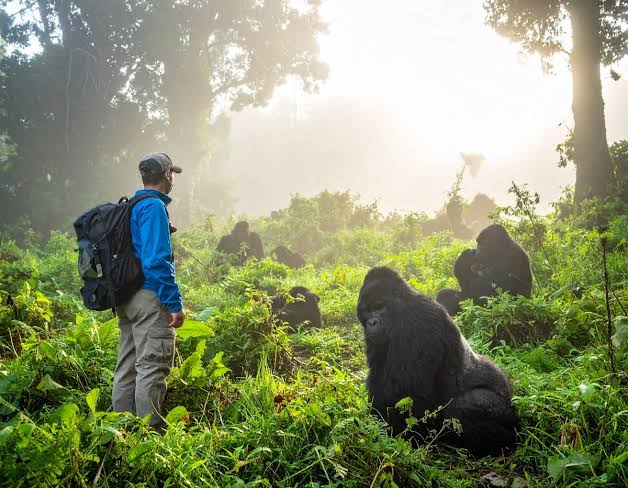
A wet-season gorilla trek can still be a rewarding experience. The forest may look especially green, and mist can create beautiful mountain scenery. However, rain and muddy paths require sensible preparation.
The most important items are reliable hiking boots, long protective clothing, gardening gloves, rain protection and a well-organised daypack. Protect your electronics, carry enough water and keep personal essentials within reach.
You do not need to buy every piece of trekking equipment. Check what your lodge can provide and ask your tour operator about available support. This helps you avoid unnecessary spending and overpacking.
Safari O’clock helps travellers organise Rwanda gorilla trekking experiences with practical planning and useful travel guidance. We can help you prepare for the weather, understand what to carry and organise the details of your safari.
Pack thoughtfully, travel comfortably and enjoy the experience of exploring Rwanda’s remarkable mountain forests.
Packing for a Gorilla Trek During the Wet Season in Rwanda
Gorilla trekking in Rwanda is an unforgettable experience. However, visiting during the wet season requires thoughtful preparation. Rain can make forest paths slippery, clothing wet and photography equipment harder to protect. Therefore, your packing choices can make a big difference to your comfort.
Volcanoes National Park lies within the Virunga Mountains. Its forest environment receives rainfall throughout the year. However, March to May generally brings longer rains, while October and November usually experience a shorter rainy period. Weather can still change quickly, so visitors should prepare for rain even outside these months.
Packing for a wet season gorilla trek does not mean filling your suitcase with heavy clothes and extra equipment. Instead, choose items that protect you from rain, mud and thick vegetation. Carry only what you need for the forest, and leave the rest at your lodge.
At Safari O’clock, we encourage travellers to prepare practically. This guide explains what to pack, how to protect your belongings and how to stay comfortable during a rainy-season gorilla trekking adventure.
Why a Wet Season Gorilla Trek Needs Careful Packing
The wet season changes the conditions you may encounter during a gorilla trek. Rain can soften the ground and create muddy sections along forest paths. Steep slopes may also become more slippery, making suitable footwear especially important.
In addition, thick vegetation can brush against your clothing as you walk. Some plants may cause scratches or skin irritation. You may also experience cool conditions, particularly during the early morning hours.
These conditions make your clothing and equipment important. A good rain jacket helps protect your upper body. Sturdy hiking boots provide better support on uneven ground. Meanwhile, waterproof bags help protect your valuables.
However, you should not pack for every possible situation. A few carefully selected items can serve several purposes. Safari O’clock recommends focusing on protection, comfort and convenience rather than quantity.
Choose Waterproof Hiking Boots for a Wet Season Gorilla Trek
Your hiking boots should be one of your first packing priorities. Wet-season trails can become muddy and slippery. Therefore, ordinary trainers may not offer enough grip or protection.
Choose sturdy hiking boots with strong traction and a comfortable fit. Waterproof or water-resistant materials can help keep your feet dry when crossing wet vegetation and muddy sections. Boots with ankle support can also provide useful stability on uneven terrain.
Most importantly, break in your boots before travelling. New footwear may cause blisters during a long trek. Walk in them several times before your safari so your feet become familiar with the fit.
Pack comfortable hiking socks as well. Choose socks that fit properly and reduce friction inside your boots. You can tuck your long trousers into your socks to help prevent insects and debris from entering.
You do not need several pairs of heavy hiking boots. One reliable pair is enough for the trekking activity. Carry lightweight shoes or sandals for relaxing at your lodge.
Pack a Reliable Rain Jacket for a Wet Season Gorilla Trek
Rain protection is essential when visiting Volcanoes National Park. A shower can begin while you are already walking through the forest. Therefore, keep a lightweight waterproof jacket within easy reach.
Choose a jacket with a hood and enough room for a warm layer underneath. It should also allow you to move your arms freely. Avoid bulky jackets that restrict movement or take up too much luggage space.
A waterproof poncho can also provide useful protection. However, you do not need to carry several different rain covers. Select one suitable option based on your preferences and the advice of your tour operator.
If you expect prolonged rainfall, waterproof trousers may offer additional comfort. Nevertheless, consider their weight and usefulness before packing them. You may not need them for every trek.
Safari O’clock can help you plan your wet-weather clothing before departure. This allows you to prepare for the forest without filling your luggage with unnecessary items.
Pack Long-Sleeved Shirts and Durable Trousers
Your clothing should protect your skin from wet vegetation, thorny plants and stinging nettles. Long-sleeved shirts and durable trousers are therefore practical choices.
Choose lightweight, breathable shirts that dry reasonably quickly. They should cover your arms without making you feel restricted. A quick-drying fabric is particularly useful when rain or sweat makes your clothing damp.
For your lower body, choose comfortable hiking trousers. Avoid heavy jeans because they can become uncomfortable when wet. They also take longer to dry than many trekking fabrics.
Your trousers should allow you to bend, climb and walk freely. You can tuck their lower ends into your socks for extra protection against insects and debris.
There is no need to pack a different trekking outfit for every possible weather change. One suitable outfit, combined with a light spare layer, can be enough for the activity.
Carry Gardening Gloves for Wet Forest Vegetation
Gardening gloves are among the most useful items for a gorilla trek. They protect your hands when you hold branches or move through thick vegetation. They can also reduce contact with thorny and irritating plants.
Choose lightweight gloves that fit properly. They should allow you to grip branches without slipping. Avoid very bulky gloves because they may make movement difficult.
During the wet season, your gloves may become damp or muddy. Therefore, choose a pair that you can clean and dry easily. You may also carry a lightweight spare pair if you expect to trek on several different days.
Remember that gloves do not replace careful movement. Follow your guide’s instructions and avoid grabbing plants unnecessarily.
Protect Your Daypack During a Wet Season Gorilla Trek
Your daypack carries the items you need while walking through the forest. During rainy conditions, protecting its contents becomes especially important.
Choose a small, comfortable backpack with enough space for your essentials. A waterproof daypack is useful, but a separate rain cover can offer extra protection. You can also place sensitive items inside waterproof dry bags.
Your daypack should contain drinking water, snacks, personal medication and other necessary items. Keep your rain jacket somewhere easy to reach. This saves you from unpacking everything when the weather changes.
Avoid carrying your entire suitcase into the forest. Leave unnecessary clothing, toiletries and other belongings at your accommodation. A lighter bag is easier to manage on steep and muddy sections.
If you prefer not to carry your own bag, consider hiring a porter. Porters can assist with carrying luggage and provide support on difficult sections of the trail. Their services also create income opportunities for local community members.
Keep Your Camera and Phone Safe From Rain
The wet season can create beautiful photography opportunities. Rain clouds, misty mountains and fresh green vegetation can make the landscape especially attractive. However, moisture can damage electronic equipment if you do not protect it properly.
Carry your camera in a suitable waterproof case or dry bag. A rain cover can also protect your equipment while you walk. For your phone, use a waterproof pouch that allows you to store it safely.
A small microfibre cloth is useful for cleaning moisture from camera surfaces. You may also carry a spare battery and keep it in a dry place.
Remember that flash photography is not permitted when observing the gorillas. Check your camera settings before the encounter. Follow the instructions given by your guide and park staff.
You do not need to carry several cameras and large photography accessories. Choose equipment you can handle comfortably during the trek.
Pack Enough Water, Snacks and Personal Essentials
A gorilla trek may take several hours, depending on the location of the assigned gorilla family and the terrain. Therefore, carry enough drinking water and suitable snacks.
A reusable water bottle can help you stay hydrated throughout the activity. Check your tour arrangements for any packed lunch or snack provisions. This helps you avoid carrying more food than necessary.
You should also pack your personal medication. Keep it in a waterproof pouch inside your daypack. If you regularly use specific medication, do not leave it in your main suitcase.
Other useful items include sunscreen, insect repellent, lip balm and tissues. A small hand sanitiser may also be helpful. Carry a face mask and follow the current instructions from park staff about health precautions around gorillas.
Keep these items together in a small waterproof pouch. This makes them easier to find when needed.
Carry a Warm Layer for Cool and Rainy Conditions
Rainy weather can make the mountain environment feel cooler. Early mornings may also feel cold before the trek begins. Therefore, pack one lightweight fleece or warm sweater.
A warm layer helps you stay comfortable while waiting for the morning briefing. You can also wear it during cooler periods of the journey.
Choose a layer that fits easily under your rain jacket. Avoid packing several thick sweaters that perform the same function.
Layering is a simple way to manage changing temperatures. Start with a comfortable shirt, add a fleece when necessary and use your rain jacket for wet conditions.
This combination gives you flexibility without adding unnecessary weight.
Consider Gaiters and a Walking Stick for Muddy Trails
Gaiters cover the gap between your boots and trousers. They can help prevent mud, water and small debris from entering your footwear. They are particularly useful when walking through wet vegetation.
However, gaiters are not essential for every traveller. Their usefulness depends on the trail conditions and your clothing. Ask your lodge or Safari O’clock whether suitable gaiters are available before packing your own.
A walking stick can also help you maintain balance on slippery or uneven ground. Park staff or accommodation providers may offer wooden walking sticks or other suitable options.
Do not assume you must purchase every trekking accessory. Check what you can borrow or hire locally. This reduces luggage weight and helps you avoid buying equipment you may never use again.
What to Pack in Your Wet Season Gorilla Trek Daypack
A well-organised daypack makes your trekking day easier. You should carry items that serve a clear purpose and protect them from moisture.
For a wet season gorilla trek, consider packing:
- Drinking water in a reusable bottle.
- A few suitable snacks.
- A lightweight waterproof jacket.
- A camera or phone in waterproof protection.
- Personal medication.
- Gardening gloves.
- Sunscreen and lip balm.
- Insect repellent.
- Tissues and hand sanitiser.
- A face mask, following current park guidance.
- A small cloth for cleaning camera equipment.
Keep the items you may need quickly near the top of your bag. For example, place your rain jacket where you can reach it without removing everything.
Avoid carrying unnecessary clothes, large toiletries or heavy accessories. Your main luggage can remain at your lodge while you explore the forest.
What to Leave Behind When Packing for the Wet Season
Overpacking can make a challenging trek even more tiring. You may feel tempted to carry several spare outfits because of the rain. However, most of these clothes will remain unused in your daypack.
Leave heavy jeans, delicate clothing and unnecessary shoes at your accommodation. You should also avoid carrying multiple thick sweaters, large toiletry containers and extra electronic equipment.
Instead, pack one clean change of clothes for after the trek. Place it in your main luggage or leave it at the lodge. This gives you something comfortable to wear when you return.
You can also reduce your luggage by checking what your accommodation provides. Some lodges may offer rain gear, laundry services or other useful facilities. Confirm these details before travelling.
The goal is not to carry less at any cost. It is to carry the right items for the conditions.
How to Keep Your Belongings Dry After the Trek
Your preparation should not end when you leave the forest. Wet clothing and muddy boots need proper attention after the activity.
Keep a separate bag for dirty or damp clothes. This prevents moisture and mud from spreading to clean items in your suitcase.
When you return to the lodge, remove your boots and allow them to dry properly. Follow the manufacturer’s care instructions. Avoid placing them too close to direct heat, which may damage some materials.
Clean your gloves and other muddy equipment as needed. Dry your camera pouch and waterproof bags before storing them again.
If you plan to trek on another day, prepare your clothing the evening before. This gives you enough time to check your equipment and organise your daypack.
Prepare for a Wet Season Gorilla Trek With Safari O’clock
A wet-season gorilla trek can still be a rewarding experience. The forest may look especially green, and mist can create beautiful mountain scenery. However, rain and muddy paths require sensible preparation.
The most important items are reliable hiking boots, long protective clothing, gardening gloves, rain protection and a well-organised daypack. Protect your electronics, carry enough water and keep personal essentials within reach.
You do not need to buy every piece of trekking equipment. Check what your lodge can provide and ask your tour operator about available support. This helps you avoid unnecessary spending and overpacking.
Safari O’clock helps travellers organise Rwanda gorilla trekking experiences with practical planning and useful travel guidance. We can help you prepare for the weather, understand what to carry and organise the details of your safari.
Pack thoughtfully, travel comfortably and enjoy the experience of exploring Rwanda’s remarkable mountain forests.