- DIRECT CONTACTS:
- +256394517569
- tours@safarioclock.africa

Last-Minute Packing Checks Before Leaving for Kinigi, Rwanda

Packing for a Gorilla Trek During the Wet Season in Rwanda
November 24, 2026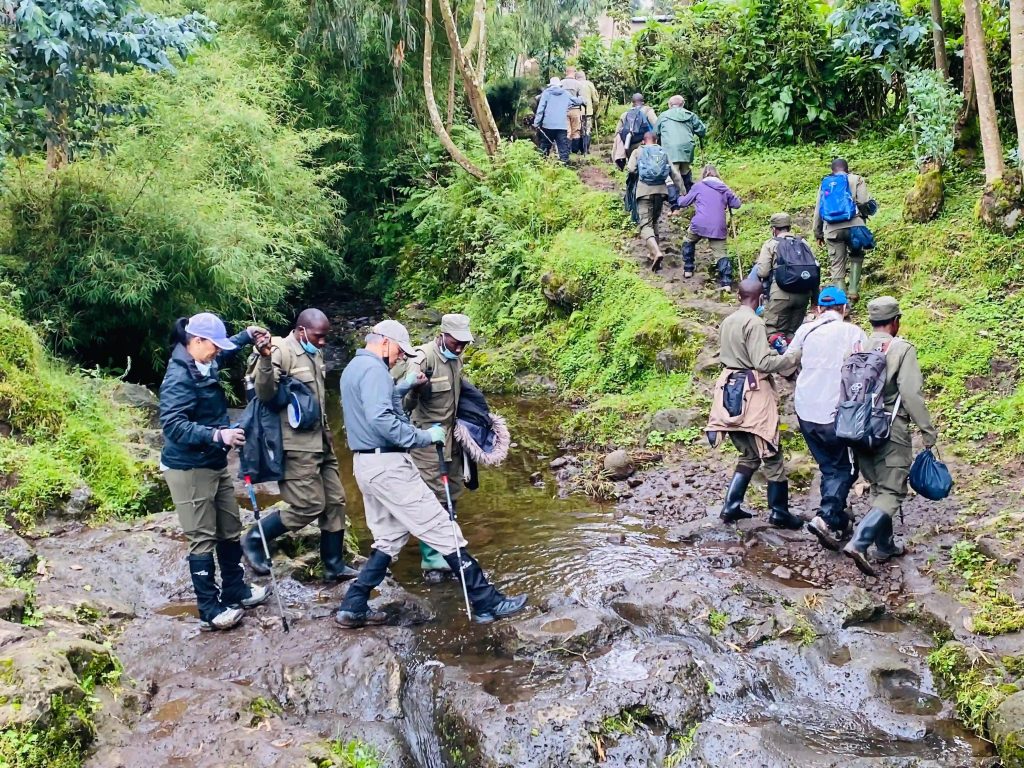
The excitement of a gorilla trekking adventure often begins before you reach the forest. You may already have your accommodation, transport and gorilla permit arranged. However, the final hours before leaving for Kinigi still require careful preparation.
Kinigi is the main starting point for gorilla trekking activities in Volcanoes National Park. Visitors report to the Rwanda Development Board offices for registration and a morning briefing. The reporting time is generally 7:00 a.m. Therefore, arriving prepared helps you avoid unnecessary delays.
Your final packing checks should cover more than clothing. You also need to confirm your travel documents, permit details, transport arrangements and personal essentials. A missing passport or forgotten rain jacket can create unnecessary stress on an important travel day.
At Safari O’clock, we encourage travellers to prepare early and check everything before leaving their accommodation. This guide explains the important Kinigi packing checks to complete before starting your journey.
Why Kinigi Packing Checks Matter Before Departure
The journey to Kinigi is an important part of your gorilla trekking experience. You need to arrive on time, complete the required formalities and prepare for the forest activity.
The morning can begin early, especially if you are staying in Musanze or another nearby location. You may also need to travel from further away. Therefore, leaving your packing until the last minute can cause avoidable problems.
A final check helps you confirm that you have everything required for the day. It also gives you time to identify missing items while shops and accommodation staff may still be available to assist.
More importantly, good preparation allows you to focus on the experience rather than worrying about forgotten belongings. Safari O’clock recommends checking your essentials the evening before your scheduled trek.
Check Your Gorilla Trekking Permit Before Leaving for Kinigi
Your gorilla trekking permit is one of the most important items to confirm. Without the correct booking details, you may experience difficulties during registration.
Check that your permit details match your planned trekking date. Confirm the visitor information and any booking reference provided by your tour operator or the Rwanda Development Board.
Keep your permit confirmation or relevant booking documents accessible. If you received electronic documents, save them on your phone and consider keeping an offline copy. This is useful when internet access is unreliable.
Do not rely entirely on screenshots that you have not checked. Open your documents and confirm that the information is readable. If you have a printed confirmation, place it safely with your travel documents.
The Rwanda Development Board also advises visitors to verify their trekking dates and retain their permits. Therefore, confirm these details before starting the journey to Kinigi.
Keep Your Passport or Identification Document Ready
Your passport or acceptable identification document is another essential item. The Rwanda Development Board requires visitors to present identification during registration at Kinigi.
Place your passport in a secure and accessible travel document holder. Do not bury it beneath clothes or toiletries inside your suitcase.
If you are travelling with other people, remind everyone to check their own documents. Each traveller should carry the identification required for their registration.
It is also wise to keep a digital copy of your passport in a secure location. However, a digital copy should not replace the original document required for verification.
Before leaving your accommodation, check your passport once more. This simple step can prevent a stressful situation at the park headquarters.
Complete Your Kinigi Packing Checks for Trekking Clothes
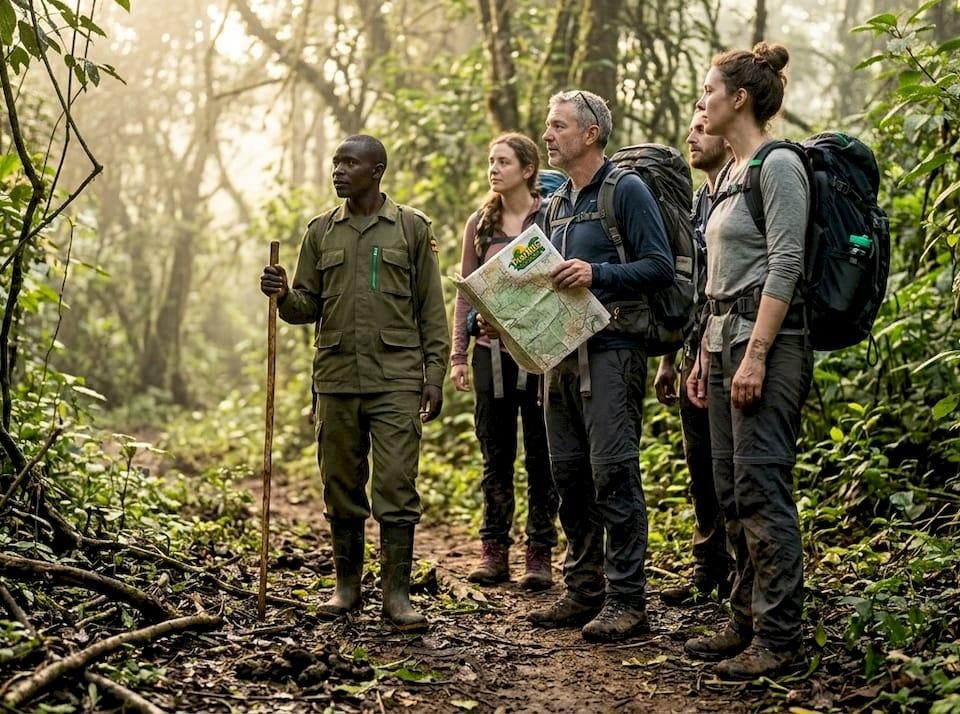
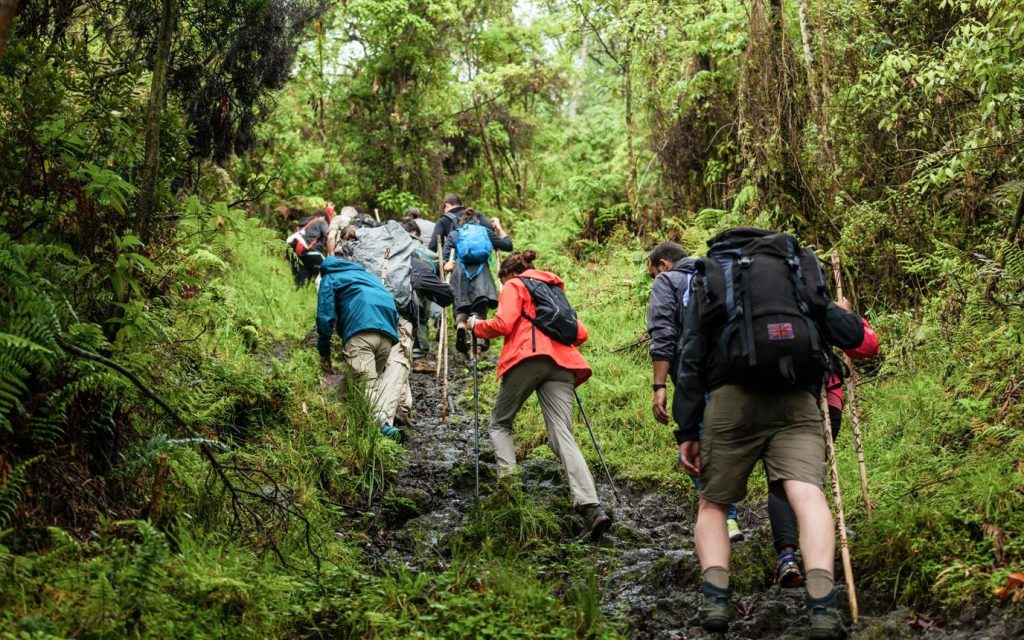
Your trekking clothes should protect you from wet vegetation, stinging nettles and changing mountain weather. Therefore, check your outfit before packing the rest of your belongings.
Start with comfortable hiking boots that have good grip. Make sure you have already worn them on previous walks. New boots can cause blisters, especially during a long forest trek.
Next, prepare long trousers and a long-sleeved shirt. These help protect your skin from vegetation and insects. Choose comfortable fabrics that allow you to move freely.
A lightweight waterproof jacket is also important. Weather in the Musanze area can change, and rain may occur during the day. You should also carry a warm layer for the cool morning conditions.
Finally, check that you have suitable hiking socks and gardening gloves. Gaiters can also help keep mud and debris out of your boots. However, ask your lodge whether it provides them before packing your own.
Check Your Daypack Before Leaving for Kinigi
Your daypack should contain the items you need during the trek. Avoid carrying your entire suitcase into the forest. A smaller, organised bag is easier to manage on uneven terrain.
Start by checking your drinking water. Carry enough for your planned activity and follow the advice of your guide or tour operator. Add a small snack or packed lunch according to your arrangements.
You should also pack personal medication, sunscreen and insect repellent. Keep these items in a small pouch so you can find them easily.
If you plan to take photographs, carry your camera or phone with suitable rain protection. A waterproof pouch or dry bag can help protect electronic equipment from moisture.
A few other useful items include tissues, hand sanitiser and a small personal first-aid kit. Carry a face mask if required by current park guidance.
Before leaving, open your daypack and check every item. This is better than assuming everything is inside because you packed it earlier.
Confirm Your Transport and Departure Time to Kinigi
Having the correct equipment is not enough if you arrive late. You should also confirm your transport arrangements before going to bed.
The Rwanda Development Board lists 7:00 a.m. as the reporting time for the gorilla trekking briefing at Kinigi. Therefore, discuss your departure time with your driver or tour operator in advance.
Your departure time will depend on where you are staying. Travellers in Musanze may have a shorter journey than visitors staying in Kigali or other destinations.
Do not plan to arrive at the last possible minute. Allow time for traffic, road conditions and registration. Your driver should understand the required reporting time and the location of the Kinigi offices.
It is also important to confirm your vehicle arrangements. Some access roads around the park can be rough, steep and challenging. A suitable vehicle, often a high-clearance four-wheel-drive vehicle, can help with access to the trekking area.
Remember that the journey from the Kinigi offices to the actual forest starting point may involve additional driving. Confirm these details with your tour operator rather than assuming that the briefing location is the trailhead.
Review Your Health and Personal Essentials
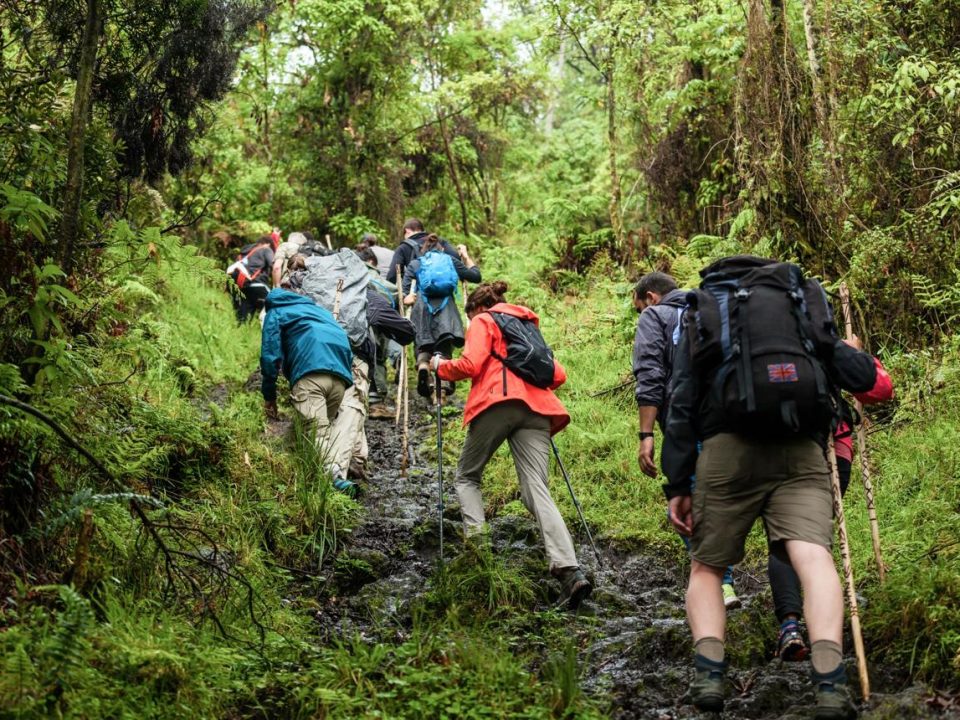
Your health matters during a gorilla trekking adventure. The activity involves walking through a mountain forest, sometimes on steep and uneven ground.
If you take regular medication, pack it before departure. Keep it somewhere safe and accessible. Do not leave essential medication in your main luggage if you may need it during the day.
You should also consider your general condition before travelling to the park. If you develop a cough, flu symptoms, diarrhoea or another potentially contagious illness, inform your tour operator and park staff before the trek.
Mountain gorillas are vulnerable to human diseases. Park authorities may restrict participation when a visitor is unwell to protect the animals.
Get enough rest before the activity. Drink water and avoid starting the morning already exhausted. During the trek, follow your guide’s pace and instructions.
Prepare Your Camera and Phone Before Leaving
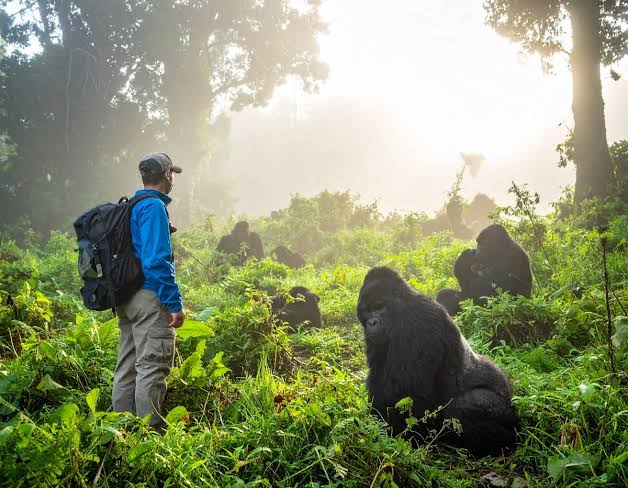
Many visitors look forward to photographing the mountain gorillas and the surrounding forest. However, a camera that runs out of battery can spoil some of those plans.
Charge your phone, camera and power bank the evening before. Check your available storage space and remove unnecessary files if needed.
Carry spare batteries or memory cards if your equipment requires them. Protect your camera from rain with a suitable cover or waterproof bag.
Also, check your camera settings before reaching the gorillas. Flash photography is not allowed during the encounter. Switch off the flash and follow your guide’s instructions.
Keep your phone on silent mode when appropriate. This helps you remain respectful and avoid disturbing the wildlife.
You do not need to carry several cameras or heavy photography equipment. Choose equipment you can handle comfortably during the trek.
Complete These Kinigi Packing Checks for Money and Small Payments
It is useful to carry some money for personal expenses during your trip. For example, you may want to hire a porter or purchase small items before the trek.
Prepare some cash in advance and keep it in a secure pocket. Ask your tour operator about current porter fees and the payment methods available at the park.
Porters can help carry your daypack and support you on difficult sections of the trail. Hiring one also creates an income opportunity for a local community member.
However, do not assume that every service accepts card payments. Confirm the arrangements before leaving your accommodation.
Keep your money separate from your passport and other important documents. This makes it easier to access small payments without exposing everything you carry.
Check the Weather and Prepare for Changing Conditions
Weather in the Musanze area can change during the day. You may experience cool mornings, sunshine, rainfall or mist around the mountains.
Check the forecast before leaving your accommodation. However, do not rely on a dry forecast as a reason to leave your rain jacket behind.
Keep a waterproof layer in your daypack. You should also protect your phone, camera and other sensitive belongings from moisture.
If rain is expected, check your footwear and rain protection carefully. Make sure your boots are comfortable and your jacket fits properly.
Sunscreen, a hat and sunglasses can also be useful. Even on cloudy days, outdoor exposure can affect your skin and eyes.
The aim is to prepare for changing conditions without carrying unnecessary equipment.
What to Leave at Your Accommodation Before Going to Kinigi
Your gorilla trekking daypack should contain only the items you need for the activity. Leave bulky luggage and unnecessary belongings at your lodge.
You do not need to carry your entire wardrobe into the forest. Keep extra shoes, heavy toiletries, spare casual clothes and unnecessary accessories in your main luggage.
Avoid carrying expensive jewellery or valuables that have no purpose during the trek. They may become uncomfortable or difficult to manage.
You can also leave large electronic devices and unnecessary documents behind. However, keep your required identification and permit details with you.
Before leaving, confirm that your accommodation has a safe place for your luggage. If you are checking out, arrange luggage storage or transport with your lodge and tour operator.
The Final Kinigi Packing Checks Checklist
Before leaving for Kinigi, take a few minutes to review this checklist. It covers the most important items and arrangements for your trekking day.
Travel documents
- Passport or acceptable identification document.
- Gorilla trekking permit or booking confirmation.
- Relevant travel and accommodation details.
- Emergency contact information.
Trekking clothing
- Comfortable, broken-in hiking boots.
- Long trousers.
- Long-sleeved shirt.
- Hiking socks.
- Waterproof rain jacket.
- Light warm layer.
- Gardening gloves.
- Gaiters, if needed.
Daypack essentials
- Drinking water.
- Snacks or packed lunch, according to your arrangements.
- Personal medication.
- Sunscreen and insect repellent.
- Phone or camera with rain protection.
- Power bank, if needed.
- Tissues and hand sanitiser.
- Face mask, following current park guidance.
Final arrangements
- Confirm your driver and departure time.
- Check the route to Kinigi.
- Confirm the 7:00 a.m. reporting time.
- Charge your electronic devices.
- Check the weather forecast.
- Leave unnecessary luggage at your accommodation.
- Get enough rest before the trek.
Start Your Gorilla Trekking Adventure With Safari O’clock
A successful gorilla trekking day begins with good preparation. Your permit, identification, clothing and transport arrangements all play an important role.
Completing your final checks the evening before helps you avoid unnecessary stress. It also gives you more time to enjoy the journey and prepare for the experience ahead.
Safari O’clock helps travellers organise Rwanda gorilla trekking experiences with practical travel guidance and safari arrangements. From transport planning to packing advice, we help you prepare for the important details of your journey.
Before leaving for Kinigi, check your documents, organise your daypack and confirm your departure time. Then, travel with confidence and get ready to experience the remarkable mountain gorillas of Rwanda.