- DIRECT CONTACTS:
- +256394517569
- tours@safarioclock.africa

Planning a Rwanda Gorilla Trek in November: Weather, Permits and Travel Tips

What to Know About Gorilla Tracking in October: A Complete Rwanda Travel Guide
November 23, 2026
Rwanda Gorilla Trekking in December: Holiday Travel Advice
November 23, 2026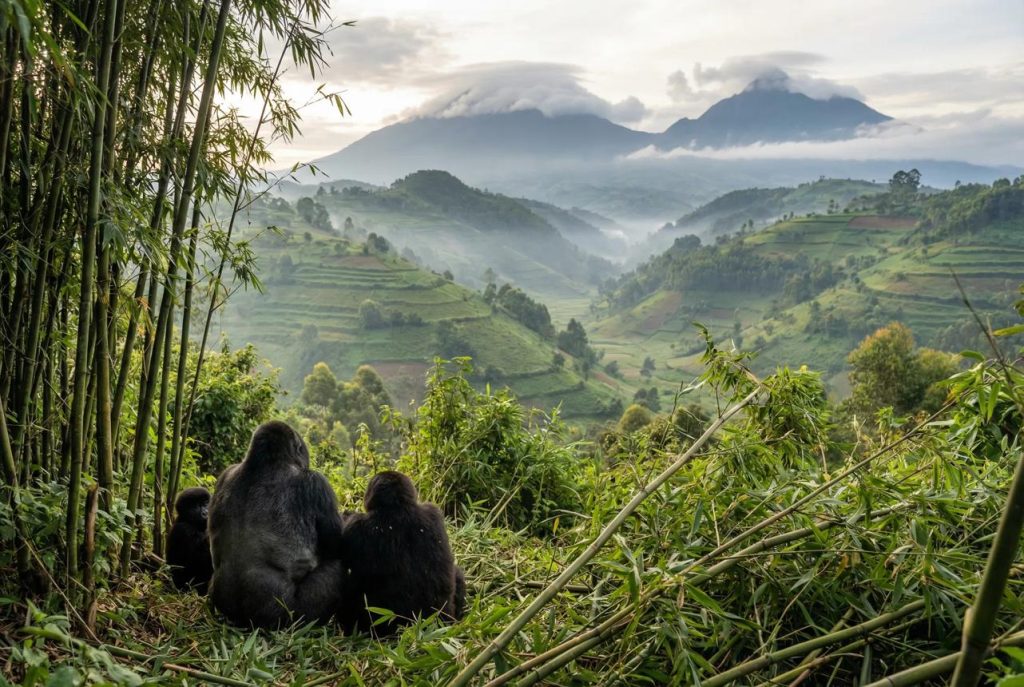
November can be a rewarding month to visit Rwanda’s mountain gorillas. The forests of Volcanoes National Park become lush and green, while mist often settles around the Virunga Mountains. However, November also falls within Rwanda’s short rainy season. Travellers should therefore prepare for wet trails, changing weather and cool conditions.
Does this mean November is a bad month for gorilla trekking? Not at all. Gorilla trekking takes place throughout the year. With the right clothing, a confirmed permit and a well-planned itinerary, visitors can still enjoy an unforgettable encounter with mountain gorillas.
Safari O’clock helps travellers organise Rwanda gorilla trekking holidays with practical advice, permit arrangements, accommodation and transport planning. Here is what to consider when planning your November adventure.
Is November a Good Month for a Rwanda Gorilla Trek?
November is a good month for travellers who do not mind a little rain and prefer a greener forest experience. It falls within Rwanda’s shorter rainy season, which generally runs from around September to December. Rainfall can make the forest trails wet and slippery. However, it does not stop gorilla trekking.
One advantage of visiting in November is the beautiful forest scenery. The vegetation looks fresh, and mist can create dramatic views across the volcanic landscape. Photographers may enjoy the rich green surroundings and changing mountain light. Birdwatchers may also find the season interesting because wet months can bring increased bird activity.
However, visitors should understand the trade-off. Rain can make hiking more demanding. Some paths become muddy, and steep sections may require extra care. Therefore, November suits travellers who are flexible, reasonably prepared and comfortable with outdoor conditions.
Safari O’clock can help you decide whether November matches your travel style, fitness level and wider Rwanda holiday plans.
Understanding November Weather During a Rwanda Gorilla Trek
The weather around Volcanoes National Park can change quickly. The park sits high in the Virunga Mountains, where temperatures are generally cool and conditions can be damp. November usually brings regular rainfall. However, showers do not necessarily last throughout the day.
Mornings can begin with mist or cloudy skies. Rain may develop as the day progresses. Some days may offer clearer periods, while others remain wet. Travellers should not rely on a fixed weather pattern when planning their trek.
It is also important to remember that mountain weather differs from conditions in Kigali. A visitor may experience warm sunshine in the city and much cooler weather near the park. Pack for the forest environment rather than relying on the weather forecast for Kigali alone.
Safari O’clock recommends carrying waterproof clothing even if the forecast looks promising. A waterproof jacket, suitable hiking trousers and a protective cover for your daypack can make the experience more comfortable.
Booking Permits for a November Rwanda Gorilla Trek
A gorilla trekking permit is essential for anyone who wants to visit the habituated mountain gorillas in Volcanoes National Park. Rwanda Development Board manages the official permit system. Visitors should secure their permits before travelling, especially when their dates are fixed.
The official RDB booking portal lists the standard adult foreign visitor permit at US$1,500. However, permit prices can depend on visitor category and applicable promotional arrangements. Always confirm the rate for your nationality, residency status and travel date through the official booking channel before making payment.
Permits are limited because gorilla tourism follows strict conservation rules. Each habituated gorilla group receives a limited number of visitors per day. The current RDB guidance allows a maximum of eight visitors per group, with a viewing period of one hour.
November may offer more flexibility than the busiest dry-season periods. Still, do not assume that every date will have space. Confirm availability before purchasing flights or making non-refundable hotel arrangements.
Safari O’clock can assist with checking travel arrangements and guiding you through the permit planning process. Make sure your passport details and trekking date are correct before completing your booking.
What to Expect on the Rwanda Gorilla Trekking Day
Your trekking day usually begins early. Visitors are required to report to the park’s visitor registration centre in Kinigi at 7:00 a.m. Here, park staff register participants, provide a briefing and explain the rules for visiting the gorillas.
After the briefing, guides and trackers organise visitors into groups. Each group receives a gorilla family to visit. The time spent walking in the forest varies. Some groups may find their assigned gorillas sooner, while others may hike for several hours.
November’s wet conditions can affect the walking experience. You may cross muddy paths, climb uneven ground and move through thick vegetation. Therefore, take your time and follow your guide’s instructions.
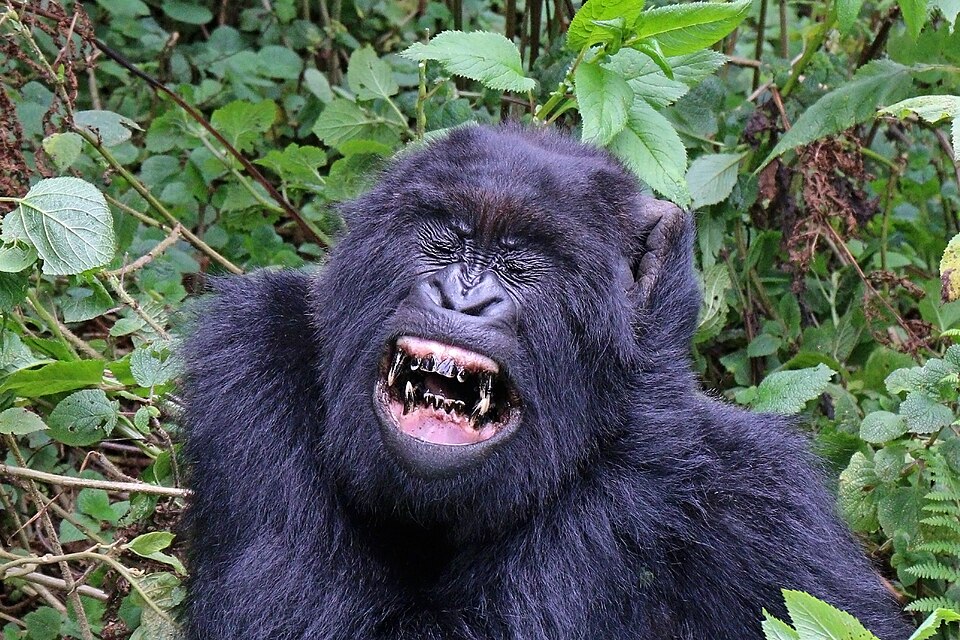
Once the group finds the gorillas, visitors can spend up to one hour observing them. You may see adults feeding, resting or moving through the forest. Young gorillas may play close to their mothers, while silverbacks often remain alert to their surroundings.
The encounter is special because you observe these animals in their natural habitat. However, remember that they are wild animals. Keep the required distance and avoid sudden movements.
What to Pack for a Rwanda Gorilla Trek in November
Packing well can make a major difference during a November trek. Since rain is common, waterproof clothing should be at the top of your list. A good rain jacket helps protect you from showers and mist. Waterproof trousers can also be useful, especially when vegetation brushes against your legs.
Choose sturdy hiking boots with good grip. The trails can become muddy and slippery, so ordinary trainers may not provide enough support. Break in your boots before travelling to avoid blisters. Long hiking socks also help protect your feet.
Carry gardening gloves or lightweight hiking gloves. They can protect your hands when you hold vegetation for balance. However, never pull or damage plants as you move through the forest.
A small daypack is useful for carrying drinking water, snacks for before or after the gorilla encounter, a camera and personal essentials. Use a waterproof bag or cover to protect your belongings. Pack a warm layer because the mountain air can feel cold, especially in the early morning.
You should also carry your passport or accepted identification, as officials verify visitor documents during registration. Safari O’clock can provide a practical packing checklist before departure so that you do not overlook important items.
Choosing Accommodation for Your November Rwanda Gorilla Trek
Where you stay can influence the comfort of your gorilla trekking holiday. Volcanoes National Park is in northern Rwanda, near Musanze. Many visitors choose accommodation in Musanze, Kinigi or the surrounding area.
Staying close to the park makes it easier to reach the Kinigi briefing point early in the morning. This is particularly helpful because registration begins at 7:00 a.m. It also reduces the pressure of travelling a long distance before an early activity.
Rwanda offers different accommodation categories. Travellers can choose budget guesthouses, comfortable mid-range lodges or luxury safari properties. Your choice should depend on your budget, preferred comfort and the kind of holiday you want.
In November, consider accommodation with warm rooms, reliable access and comfortable indoor spaces. After a wet trek, you may appreciate having somewhere to dry your clothes and rest.
Safari O’clock can help compare suitable accommodation options and coordinate your stay with the trekking date. Booking early also gives you more choice, even when travelling outside the busiest season.
Planning Transport from Kigali to Volcanoes National Park
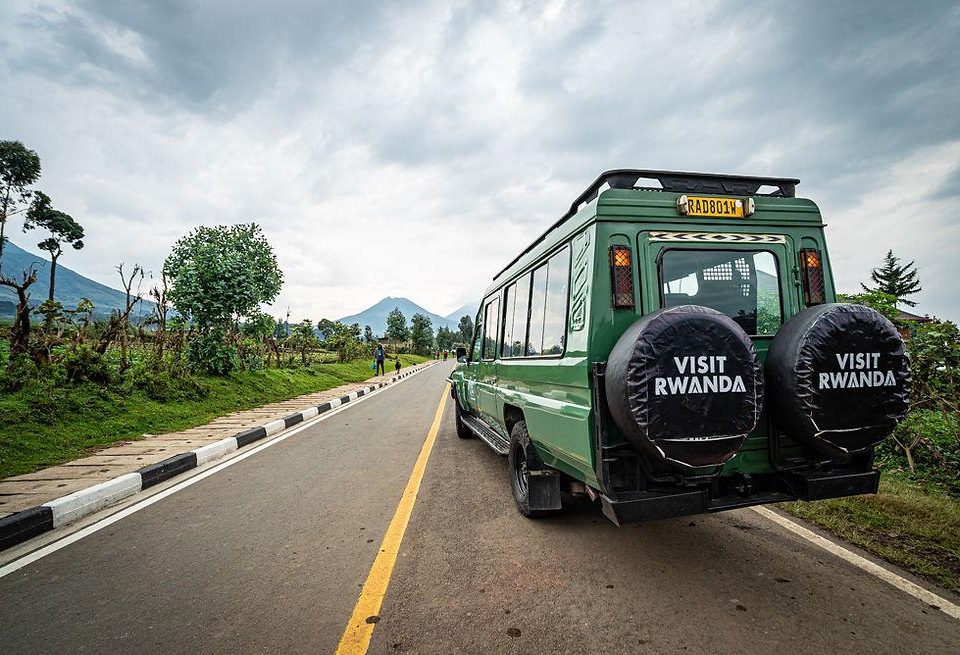
Most international visitors arrive in Rwanda through Kigali International Airport. From Kigali, travellers continue by road to Musanze and the Volcanoes National Park area. The journey commonly takes around two to three hours, although traffic, weather and road conditions can affect the travel time.
For a November trek, consider travelling to Musanze the day before your permit date. This gives you time to settle in and reduces the risk of arriving late for the morning briefing.
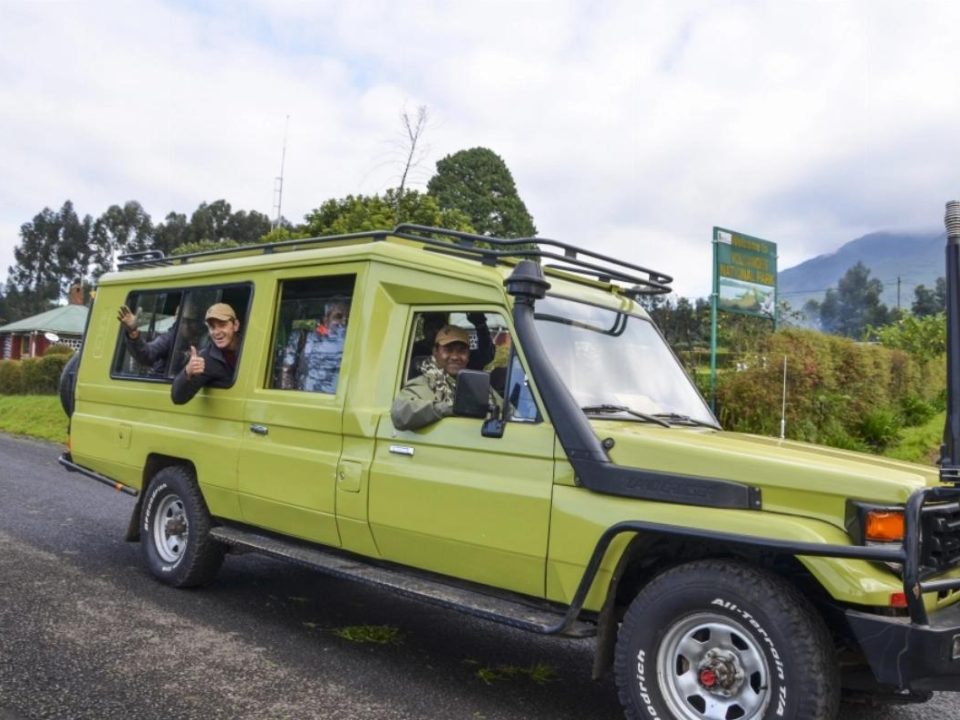
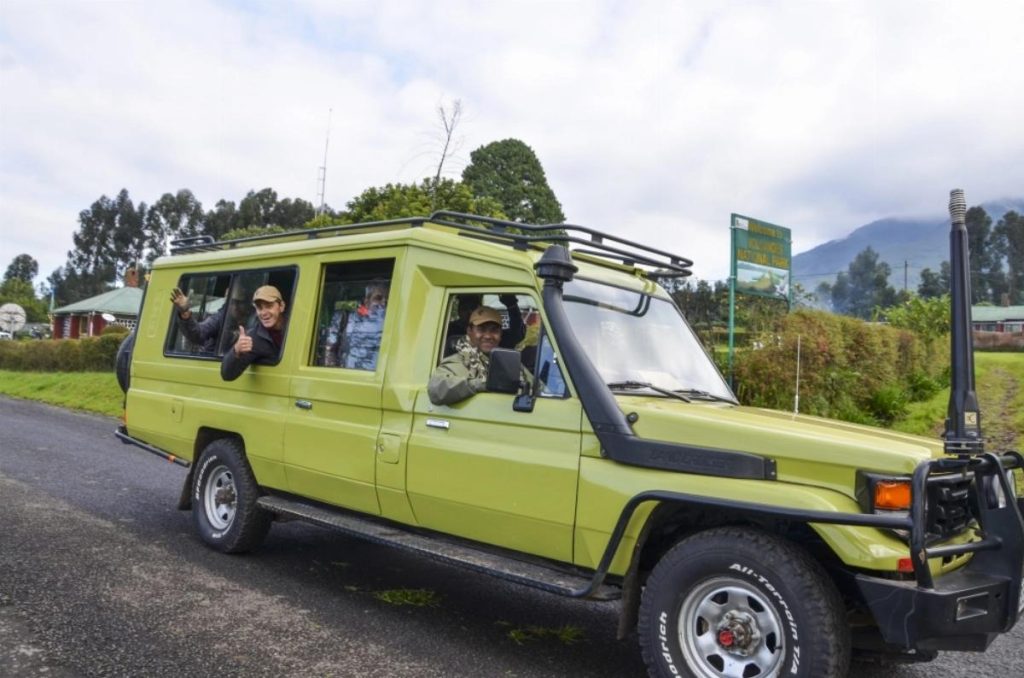
A private vehicle with an experienced driver can make the journey easier. It also allows you to travel at your preferred pace and carry your luggage comfortably. During rainy conditions, a suitable vehicle and careful driving are especially important.
If you are planning other activities, Safari O’clock can include them in the same itinerary. For example, you may combine gorilla trekking with a visit to the Twin Lakes, a cultural experience or a golden monkey tracking activity, subject to availability and your schedule.
Preparing Physically for a November Rwanda Gorilla Trek
Gorilla trekking requires walking through a natural mountain forest. The route can include steep slopes, uneven ground, thick vegetation and muddy sections. Your assigned gorilla family’s location determines how long you will walk.
You do not need to be an athlete to take part. However, a reasonable level of fitness helps you enjoy the experience. Start preparing several weeks before your trip if possible.
Regular walking is a useful way to build stamina. You can also practise walking on gentle hills or uneven paths. Increase your walking time gradually and wear the boots you plan to use during the trek.
During the hike, move at a comfortable pace. Drink water and take short breaks when needed. If you need additional assistance, you can hire a porter at the park. Porters help carry daypacks and can offer support on difficult sections. Hiring one also provides a way to support people in the local community.
Tell your tour operator about any mobility concerns before the trip. Safari O’clock can help you discuss practical arrangements and understand what the trek may involve.
Gorilla Trekking Rules Every November Visitor Must Follow
Gorilla tourism depends on responsible visitor behaviour. The rules protect both people and the endangered mountain gorillas. They apply throughout the year, including November.
Rwanda Development Board currently advises visitors to maintain a distance of at least seven metres from the gorillas. Visitors must also keep their voices low, avoid sudden movements and follow the guide’s instructions. Flash photography is not allowed.
Do not eat, drink or smoke when you are close to the gorillas. Never litter or spit in the forest. If you need to cough or sneeze, cover your mouth, turn away from the gorillas and follow the guide’s instructions.
Health precautions are equally important. Gorillas can catch some human illnesses. Therefore, anyone with a cold, flu or another contagious illness should not visit the gorillas. RDB may deny access to visitors who are unwell.
The minimum age for gorilla tracking in Rwanda is 15 years. Each visitor should also respect the one-hour viewing limit and remain with the group.
Safari O’clock encourages every traveller to understand these rules before arrival. Responsible tourism helps protect the gorillas and supports the long-term future of conservation in Volcanoes National Park.
Other Activities to Add to Your November Rwanda Gorilla Trek
A gorilla trek can be the main highlight of your holiday, but northern Rwanda offers other experiences worth considering. If your schedule allows, you can spend extra days exploring the region.
Golden monkey tracking in Volcanoes National Park is one option. These primates live in the bamboo forests of the Virunga Mountains. The activity offers a different wildlife experience and can complement a gorilla trek. However, it requires its own arrangements and permit.
You can also visit the Twin Lakes of Burera and Ruhondo. Their scenery offers beautiful views of the surrounding hills and countryside. A visit to a local community or cultural experience can add another perspective to your holiday.
Travellers with more time may consider visiting other parts of Rwanda. Kigali offers museums, markets and cultural attractions. Akagera National Park provides a different safari experience, with savannah landscapes and wildlife.
When adding activities, allow enough time for road transfers and rest. November weather can affect travel plans, so avoid creating an itinerary that is too tight. Safari O’clock can help arrange a balanced holiday that combines wildlife, culture and scenic experiences.
How to Plan a Comfortable November Gorilla Trek with Safari O’clock
A successful gorilla trekking holiday starts with careful planning. First, choose your preferred November travel dates. Then confirm permit availability and check the applicable price for your visitor category.
Next, arrange international flights, accommodation and transport. Consider arriving in Rwanda at least a day before your trek. This gives you time to travel to Musanze and prepare for the early morning briefing.
After that, organise your packing list and review the park rules. Prepare for wet weather, choose suitable hiking footwear and consider hiring a porter. If you plan to visit other attractions, include enough time for each activity.
Safari O’clock can help bring these arrangements together. From permit guidance to accommodation and ground transport, the company can help you organise a practical Rwanda itinerary. The aim is to reduce unnecessary travel stress and give you more time to enjoy the destination.
Most importantly, remain flexible. November weather can change, and trekking conditions may differ from one day to another. A well-planned trip should allow room for these natural changes.
Is a November Rwanda Gorilla Trek Worth It?
A November gorilla trek is worth considering if you are comfortable travelling during the rainy season. The forest is green, the mountain scenery is beautiful and gorilla tracking remains open. You should, however, prepare for wet and slippery trails.
Travellers who prefer drier hiking conditions may find the main dry season more suitable. Those who value quieter travel periods and do not mind rain may enjoy November.
There is no single perfect month for every visitor. Your best travel time depends on your budget, schedule, comfort with rain and wider holiday interests.
With good preparation and responsible travel choices, November can offer a memorable encounter with Rwanda’s mountain gorillas. Contact Safari O’clock to start planning your November gorilla trekking holiday and create an itinerary that suits your travel needs.