- DIRECT CONTACTS:
- +256394517569
- tours@safarioclock.africa

How to Pack Light Without Forgetting Trekking Essentials for Rwanda Gorilla Trekking

Should You Bring Walking Poles for a Rwanda Gorilla Trek?
November 23, 2026
Useful Personal Items for a Comfortable Gorilla Trekking Day in Rwanda
November 24, 2026
Introduction
Preparing for a gorilla trekking adventure in Rwanda is exciting. However, packing for the experience can sometimes become confusing, especially for first-time visitors. You want to carry everything you might need, but you also do not want a heavy bag slowing you down during the trek.
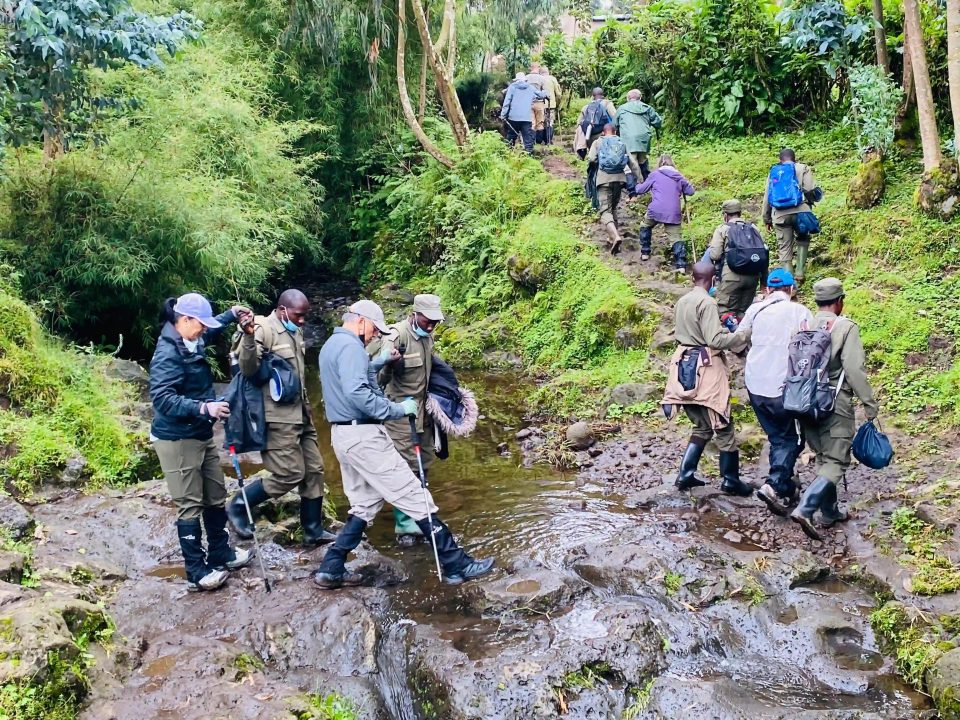
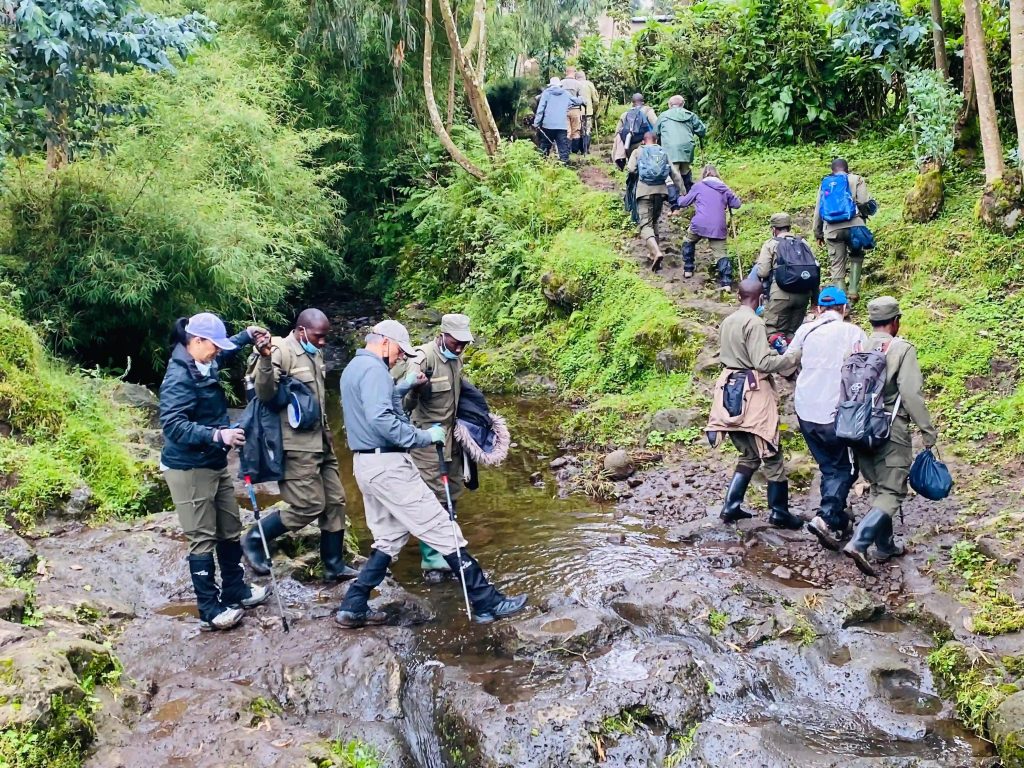
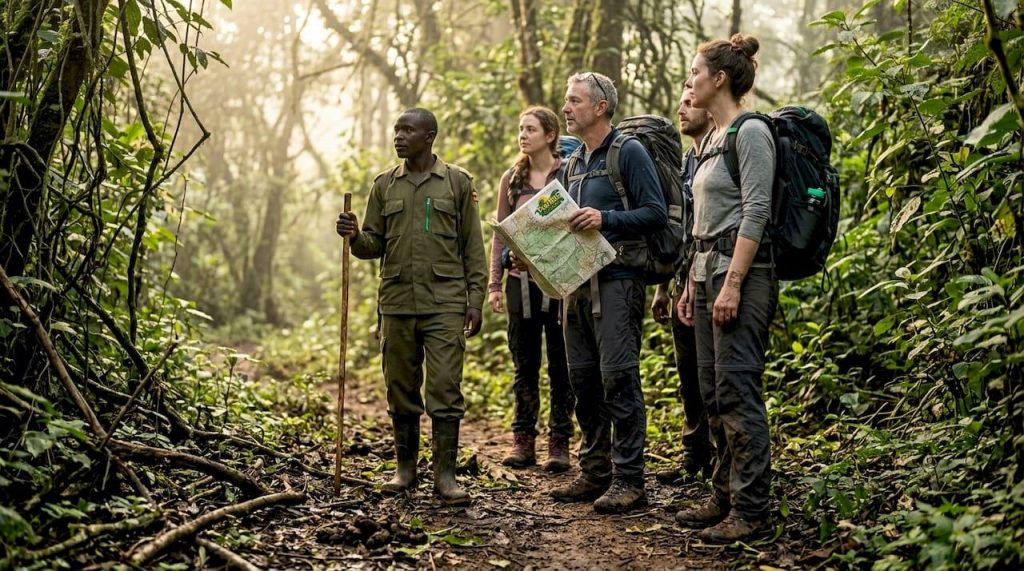
Gorilla trekking takes place in natural forest environments where visitors encounter steep slopes, muddy trails, thick vegetation and changing weather conditions. In Volcanoes National Park, the experience can involve several hours of walking through the mountainous rainforest. Therefore, choosing the right equipment matters more than carrying a large quantity of luggage.
The secret is to pack strategically. Instead of bringing several outfits and unnecessary accessories, focus on lightweight, practical and multipurpose items. Good hiking boots, protective clothing, rain gear, drinking water and a few personal essentials can make a significant difference.
At Safari O’clock, we encourage travellers to prepare thoughtfully before setting out for their gorilla trekking adventure. A well-organised bag allows you to move comfortably, protect your belongings and concentrate on the incredible experience of meeting mountain gorillas in their natural habitat.
Why You Should Pack Light for Gorilla Trekking
Packing light is not simply about travelling with fewer belongings. It is about making your trekking experience more comfortable and manageable.
Gorilla trekking involves walking through uneven terrain, climbing slopes and navigating vegetation. Some trails can become slippery after rainfall. Carrying a heavy backpack may increase fatigue and make balancing more difficult, particularly during steep sections.
A smaller bag also allows you to access important items quickly. For example, you should be able to reach your water bottle, rain jacket or camera without unpacking everything.
Additionally, some travellers hire local porters to assist with carrying their bags. Although this is a helpful service, packing only what you need makes the process easier for everyone. Porters also provide valuable support to local communities around Volcanoes National Park.
Safari O’clock recommends separating your main travel luggage from your actual trekking equipment. Leave unnecessary belongings at your lodge or in the appropriate secure luggage storage. Carry only the essentials you need in the forest.
How to Pack Light for Gorilla Trekking Without Missing Essentials
The best way to organise your luggage is to divide your belongings into categories. This helps you identify what you genuinely need and prevents unnecessary items from taking up space.
1. Choose Multipurpose Trekking Clothes
Clothing is one of the easiest areas to overpack. Many travellers bring several outfits because they worry about changing weather conditions or getting dirty.
However, you do not need a different outfit for every hour of your trekking adventure. Choose comfortable clothing that protects your body and works well in different conditions.
Pack one or two long-sleeved shirts, depending on the length of your trip. Long sleeves help protect your arms against scratches, insects and stinging vegetation. Lightweight, quick-drying materials are useful because they remain comfortable during physical activity.
Carry one pair of durable trekking trousers. Long trousers protect your legs against thorny plants and other vegetation. Neutral colours such as khaki, brown and green are practical choices for forest activities.
A lightweight fleece or sweater is also useful. Early mornings in the Virunga Mountains can feel cold, particularly at higher elevations. Instead of packing several heavy jackets, choose one warm layer that fits comfortably under your rain jacket.
Safari O’clock also recommends packing a separate comfortable outfit for relaxing at your lodge after the trek. You can reuse suitable clothing during your stay instead of carrying excessive changes.
2. Invest in the Right Hiking Boots
Your footwear deserves special attention because uncomfortable shoes can affect your entire trekking experience.
Pack one reliable pair of waterproof hiking boots with good grip and ankle support. The trails in Volcanoes National Park can include slippery mud, loose soil, rocks and steep sections. Therefore, ordinary trainers or fashionable walking shoes may not provide enough protection.
Most importantly, break in your hiking boots before travelling. Wearing brand-new boots for the first time on trekking day can cause painful blisters.
You should also carry enough comfortable hiking socks. Choose moisture-managing socks that fit properly inside your boots. One spare pair is useful in case your feet become wet.
For the rest of your safari, a lightweight pair of casual shoes or sandals may be enough. You do not need several pairs of heavy footwear for a short trip.
3. Carry a Lightweight Waterproof Daypack
A small daypack is one of the most important items for your gorilla trekking adventure. It keeps your essentials organised while allowing you to move freely.
Choose a comfortable backpack with adjustable shoulder straps and enough room for your water, snacks, rain jacket and personal belongings.
A waterproof backpack is useful, but you can also use a regular daypack with a rain cover and waterproof dry bags inside. This provides an additional layer of protection for your camera, phone and important documents.
Avoid filling every available compartment. A bag that is only partially filled gives you enough room to organise your belongings without carrying unnecessary weight.
At Safari O’clock, we recommend testing your packed daypack before your safari. Wear it around your home or during a short walk to check whether it feels comfortable.
Essential Items to Pack for Gorilla Trekking
Packing light does not mean leaving important equipment behind. Some items are necessary for safety, comfort and protection against changing forest conditions.
4. Never Forget Your Rain Protection
Rain is possible throughout the year in the mountainous rainforest. Even when you visit during a relatively dry season, weather conditions can change quickly.
A lightweight waterproof rain jacket with a hood should therefore be part of your packing list. Choose one that folds easily and fits inside your daypack.
Waterproof trousers can also be useful, particularly during wetter months or longer treks. However, they are an additional item rather than a replacement for your rain jacket.
You should also protect your electronic equipment. Place your phone, camera and spare batteries in waterproof pouches or dry bags. This simple precaution can prevent unnecessary damage.
Instead of carrying a large umbrella, choose compact rain protection that leaves your hands free for trekking.
5. Pack Gardening Gloves for Forest Protection
Gardening gloves are among the most useful items for gorilla trekking. Yet, first-time visitors sometimes forget them when preparing their luggage.
During the trek, you may need to hold branches or vegetation for balance. Some plants have thorns, sharp edges or irritating surfaces.
A lightweight pair of gardening gloves helps protect your hands while navigating the forest. Choose gloves that fit properly and provide a comfortable grip.
You do not need several pairs. One good pair is sufficient for your trekking adventure.
6. Carry Enough Drinking Water and Light Snacks
Physical activity in a mountainous environment requires proper hydration. Therefore, carry sufficient drinking water for the expected duration of your trek.
A reusable water bottle is a practical choice because you can refill it before departure. The amount you need depends on the length of the trek, your personal requirements and the advice provided by your guide.
Many travellers find that carrying approximately one to two litres is a useful starting point. However, follow your tour operator’s guidance and prepare for a potentially long day.
You can also pack a few lightweight energy snacks, such as nuts, dried fruit or energy bars. Keep them properly sealed inside your daypack.
Remember that you must follow park instructions about eating and drinking near mountain gorillas. Do not eat, drink or leave food waste close to the animals.
7. Bring Essential Personal Care Items
Personal care products can quickly make a backpack heavy. Fortunately, you can reduce their weight by choosing travel-sized containers.
Pack a small sunscreen, lip balm, insect repellent, hand sanitiser and tissues. These items take up little space but can improve your comfort throughout the day.
A small personal first-aid kit is also useful. Include blister plasters, basic wound dressings and any personal medication you may need.
If you use prescription medication, carry enough for your trip and keep it in its original packaging where practical. Do not transfer essential medication into unidentified containers.
You should also pack a face mask. Mountain gorillas are vulnerable to human respiratory illnesses. Rwanda’s official visitor guidance advises visitors who have contagious illnesses not to visit the gorillas. Follow the current instructions from park authorities and your guide, including any mask requirements.
8. Pack Only the Camera Equipment You Need
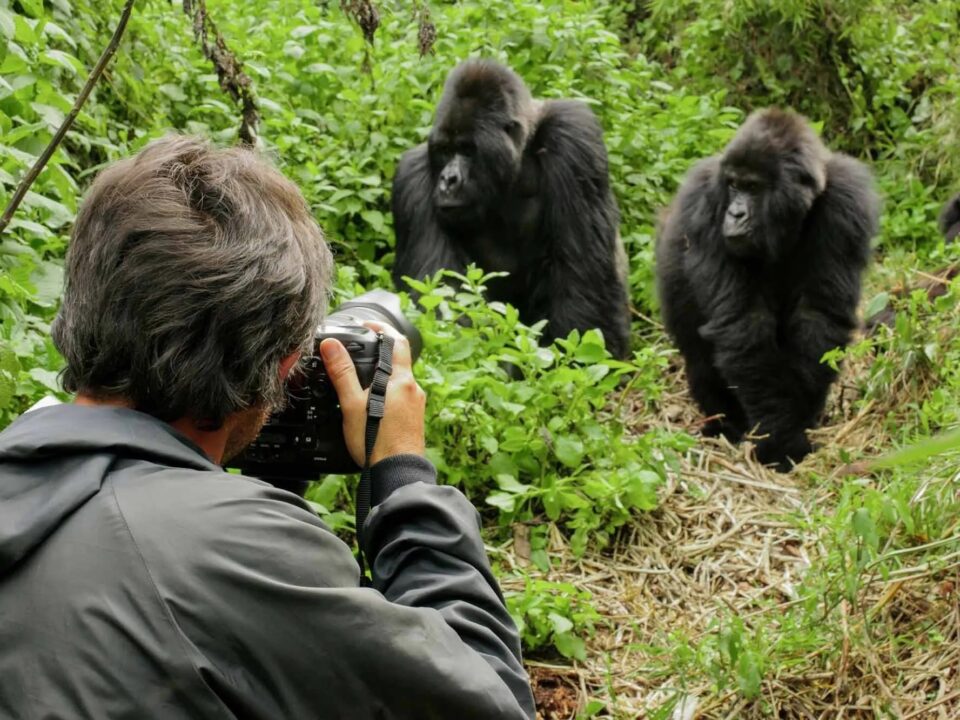
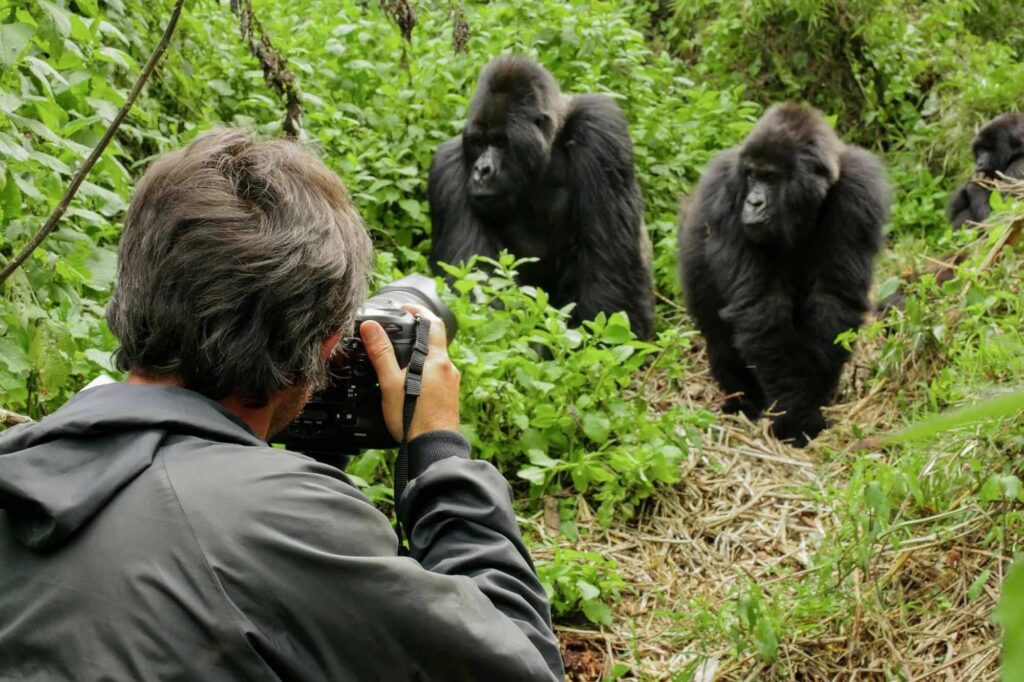
Photographing mountain gorillas is one of the most memorable parts of the experience. However, you do not need an entire photography studio inside your backpack.
A good camera or smartphone may be sufficient, depending on your photography preferences. If you use a camera, choose a suitable lens and carry a spare battery or memory card when necessary.
Keep your equipment protected against rain and moisture. A small waterproof camera pouch can be more practical than carrying several bulky protective accessories.
Remember that flash photography is not allowed when observing mountain gorillas. Switch off your camera flash before taking photographs.
Avoid carrying unnecessary tripods, large lighting equipment or multiple lenses. They add weight and may make movement through thick vegetation more difficult.
How to Reduce Luggage Without Sacrificing Comfort
Knowing what to pack is only half the preparation. You also need a practical strategy for reducing the amount of luggage you carry.
9. Use a Simple Packing List
A packing list prevents last-minute shopping and unnecessary additions to your luggage.
Before travelling, place all your proposed items on a bed or clean surface. Examine each item and ask whether you genuinely need it for the trek.
If two products perform the same function, choose the lighter and more practical option. For instance, one waterproof jacket is usually more useful than several heavy outerwear options.
You can also select clothing that works for multiple activities. A comfortable pair of trekking trousers may be suitable for other outdoor activities during your Rwanda safari.
This approach helps you avoid packing items simply because you might use them.
10. Separate Your Main Luggage from Your Trekking Bag
One common packing mistake is carrying everything you own into the forest.
Your main suitcase should contain items you only need at your accommodation. These may include extra clothes, toiletries, casual footwear and evening wear.
Your trekking daypack should contain only the belongings you need during the actual adventure.
Keep your passport and any required travel documents secure and accessible. Your gorilla trekking permit should be arranged through your tour operator, and you should follow instructions about carrying identification for verification.
This separation makes your trekking morning easier because you will not need to search through a large suitcase before leaving your lodge.
11. Avoid Carrying Items That the Park or Lodge Can Provide
Some trekking equipment may already be available at the park headquarters or through your accommodation.
For example, walking sticks are commonly provided at the start of the trek. Therefore, you may not need to pack your own unless you have a personal preference.
Some lodges may also provide rain ponchos, gaiters or other outdoor equipment. However, availability differs between properties.
Before buying or packing additional equipment, ask Safari O’clock to confirm what your accommodation and trekking arrangements include.
This simple step can save luggage space and prevent unnecessary expenses.
12. Consider Hiring a Local Porter
Hiring a porter is a practical option for visitors who want additional assistance during their trek.
Porters can help carry your daypack and may provide support on difficult sections of the trail. Their assistance can be particularly useful for travellers who find steep or muddy terrain challenging.
More importantly, hiring a local porter contributes to community livelihoods around the national park. Tourism creates employment opportunities and helps communities benefit from conservation activities.
You should still pack responsibly. A porter is there to assist you, not to carry an unnecessary collection of personal belongings.
Safari O’clock can help travellers understand porter arrangements before their trekking day.
What You Should Leave Behind When Gorilla Trekking
Packing light also means knowing what not to bring.
Avoid carrying excessive clothing, large toiletry bottles, unnecessary jewellery and heavy accessories. These items rarely improve your trekking experience.
You should also leave bulky entertainment equipment, unnecessary electronic gadgets and large handbags at your accommodation.
Do not bring food packaging that you might abandon in the forest. Rwanda has restrictions on plastic packaging, so use suitable reusable containers and follow local waste-management rules.
Additionally, avoid carrying drones or other equipment unless you have confirmed that their use is permitted. Do not assume that an item allowed at your lodge is automatically allowed inside the national park.
The goal is to keep your daypack practical, organised and respectful of the environment.
A Simple Gorilla Trekking Packing Checklist
Use the following checklist when preparing for your Rwanda gorilla trekking adventure.
Clothing and footwear
- Waterproof hiking boots with good grip
- Comfortable hiking socks
- Long-sleeved trekking shirt
- Durable long trousers
- Lightweight fleece or sweater
- Waterproof rain jacket
- Gardening gloves
- Hat or cap
Daypack essentials
- Lightweight daypack
- Drinking water
- Light snacks
- Sunscreen
- Lip balm
- Insect repellent
- Personal medication
- Small first-aid kit
- Tissues and hand sanitiser
- Waterproof pouch for electronics
- Face mask, following current park guidance
Important travel items
- Passport or required identification
- Gorilla trekking permit arrangements
- Camera or smartphone
- Spare camera battery, if needed
- Small amount of cash for personal expenses and porter services
You can adjust this list according to the length of your safari, the weather forecast, your personal needs and the equipment provided by your accommodation.
How Safari O’clock Helps You Prepare for Gorilla Trekking
Preparing for gorilla trekking should be an exciting part of your Rwanda safari rather than a stressful exercise.
Safari O’clock understands that visitors have different travel needs. Some are experienced hikers, while others are preparing for their first mountain trekking adventure.
Our team helps travellers understand the equipment required, choose suitable clothing and organise their travel arrangements before reaching Volcanoes National Park.
We can also help you identify accommodation options, arrange transportation, organise gorilla permits and understand what to expect on trekking day.
For visitors travelling with limited luggage, we encourage practical packing decisions. You do not need to purchase every product advertised as essential. Instead, invest in reliable footwear, appropriate rain protection and comfortable clothing.
Our aim is to make your journey smooth, comfortable and memorable while encouraging responsible tourism.
Final Thoughts: Pack Smart and Enjoy the Adventure
Packing for gorilla trekking does not have to be complicated. The most important thing is understanding the environment you will explore and selecting equipment that serves a clear purpose.
A comfortable pair of waterproof hiking boots, protective clothing, a rain jacket, gardening gloves, sufficient drinking water and a small daypack will provide a strong foundation for your adventure.
Avoid filling your luggage with unnecessary items. Instead, focus on quality, comfort and practicality. Remember that the forest experience can be physically demanding, and carrying less allows you to concentrate on the journey.
With the right preparation and guidance from Safari O’clock, you can arrive at Volcanoes National Park feeling confident and ready to enjoy one of Rwanda’s most remarkable wildlife experiences.
Travel light, prepare well and let Safari O’clock help you make your Rwanda gorilla trekking adventure unforgettable.