- DIRECT CONTACTS:
- +256394517569
- tours@safarioclock.africa

How to Plan Your First Gorilla Trek Without Overcomplicating It

How Long Does a Rwanda Gorilla Tracking Experience Take?
November 3, 2026
What First-Time Visitors Often Get Wrong About Gorilla Tracking
November 3, 2026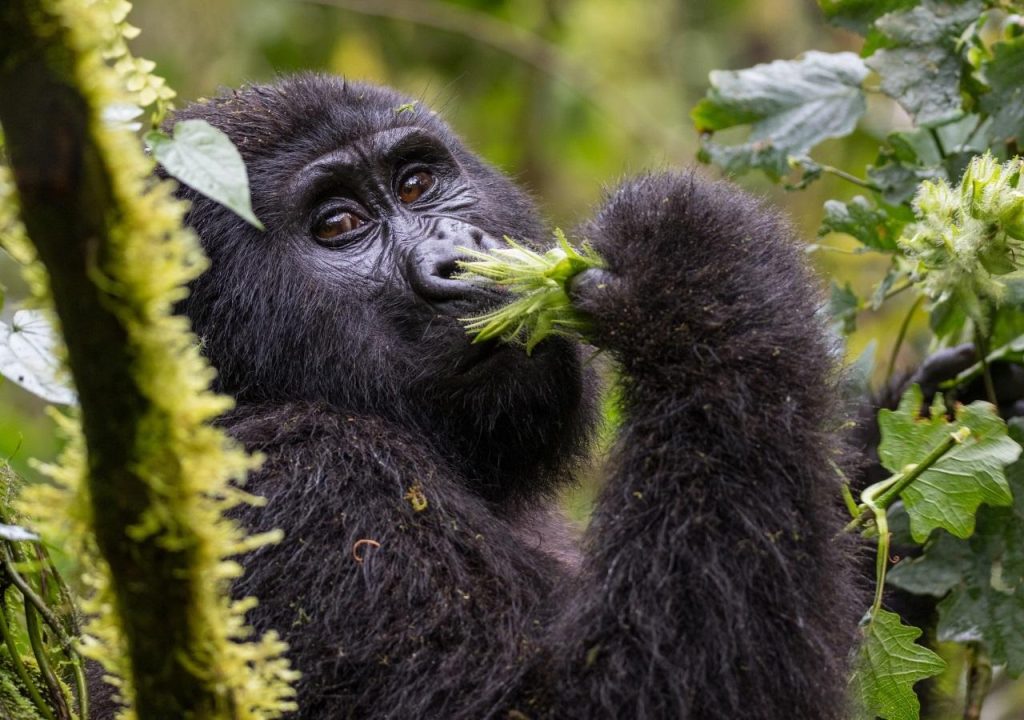
Planning your first gorilla trekking adventure can feel overwhelming, especially when you start researching permits, accommodation, transport, packing lists, and travel arrangements. You may find yourself wondering where to begin, how many days to spend in Rwanda, what to carry, and how physically demanding the experience will be. However, planning your first gorilla trek does not have to be complicated.
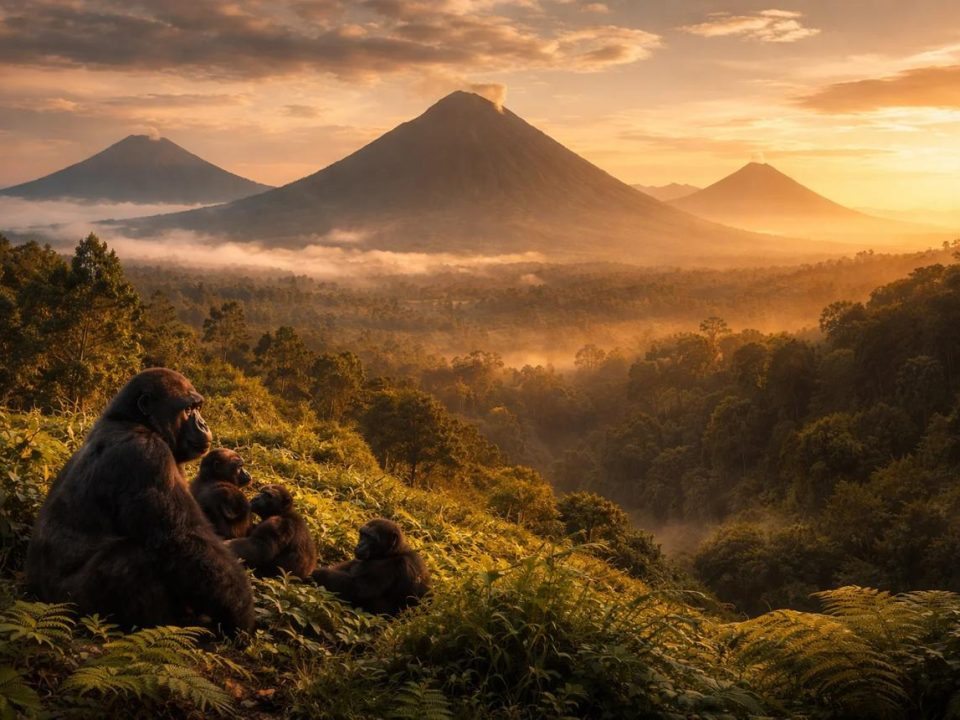
Gorilla trekking is one of the most extraordinary wildlife experiences in Africa. It gives visitors an opportunity to observe endangered mountain gorillas in their natural habitat. In Rwanda, this adventure takes place in Volcanoes National Park, a beautiful protected area within the Virunga Mountains. The park is famous for its mountain gorillas, volcanic landscapes, and rich biodiversity.
The secret to planning a successful trip is to focus on the essentials. You do not need a complicated itinerary or weeks of activities. Instead, you need the right permit, suitable accommodation, reliable transport, and a little preparation before entering the forest.
At Safari O’clock, we believe that a well-planned safari should feel exciting rather than stressful. This guide explains how to organise your first gorilla trekking adventure, one simple step at a time.
1. Start by Choosing Where You Want to Trek
The first step is deciding where you want to experience mountain gorilla trekking. Mountain gorillas live in the forests of Rwanda, Uganda, and the Democratic Republic of Congo. However, each destination offers a different travel experience.
For travellers choosing Rwanda, Volcanoes National Park is the main destination for mountain gorilla trekking. The park lies in the northwestern part of the country, near Musanze. Its dramatic volcanic scenery and relatively accessible location make it a popular choice for international visitors.
Uganda offers gorilla trekking in Bwindi Impenetrable National Park and Mgahinga Gorilla National Park. These destinations provide different forest landscapes and travel routes.
Your choice should depend on your travel budget, available time, preferred destination, and the overall experience you want. If Rwanda is your preferred destination, concentrate on planning around Volcanoes National Park. This will make the next steps much easier.
Safari O’clock can help you understand the available options and select a destination that matches your travel plans.
2. Secure Your Gorilla Trekking Permit Early
Once you have selected your destination, your next priority should be the gorilla trekking permit. This is one of the most important parts of your preparation because visitors cannot simply enter the forest and look for gorillas without official permission.
A gorilla trekking permit gives you access to a scheduled visit with a habituated gorilla family under the supervision of authorised park personnel. In Rwanda, the Rwanda Development Board manages the official mountain gorilla tracking permit system.
Permits are limited because park authorities control the number of visitors who can approach each gorilla family. Rwanda generally allows a maximum of eight visitors per gorilla family at a time. This restriction helps reduce disturbance and protects the animals from unnecessary human contact.
Therefore, booking early is a sensible decision, particularly if you plan to travel during a popular holiday period. Before making payment, confirm your travel dates, visitor category, passport details, and the applicable permit price.
Rwanda’s official booking system provides the current permit requirements and prices. Rates can differ according to visitor category and applicable promotional arrangements. For that reason, avoid relying on outdated prices from old travel articles.
At Safari O’clock, we recommend treating the permit as the foundation of your itinerary. Once your trekking date is confirmed, you can organise accommodation, transport, and other activities around it.
3. Choose the Best Time for Your First Gorilla Trek
Choosing when to travel is another important decision. Fortunately, mountain gorilla trekking in Rwanda is available throughout the year. You do not have to wait for a particular month to enjoy this experience.
However, weather conditions can influence the comfort and difficulty of your trek. Rwanda has wetter and drier periods, and these conditions affect the forest trails.
The drier periods generally offer firmer walking conditions. They are often preferred by visitors who want to reduce the chances of walking through extremely muddy sections. Nevertheless, mountain weather can change quickly, even during the drier months.
The wetter periods can bring heavier rainfall and slippery trails. On the other hand, the forest remains beautiful, and visitors can still enjoy remarkable wildlife encounters.
Rather than choosing a travel date based only on the weather, consider your annual leave, budget, accommodation availability, and preferred travel schedule. A good travel plan should fit your circumstances.
Safari O’clock can help you compare possible travel dates and build an itinerary that makes the most of your time in Rwanda.
4. Plan a Simple Itinerary for Your First Gorilla Trek
One common mistake first-time visitors make is trying to include too many activities in a short trip. They may want gorilla trekking, golden monkey tracking, volcano hiking, cultural visits, and several other experiences within just a few days.
Although Rwanda offers many attractions, you do not need to visit everything during your first trip. Start with a realistic itinerary that gives your gorilla trekking experience enough attention.
A two-day Rwanda gorilla trekking itinerary
A two-day trip can work for travellers with limited time. On the first day, travel from Kigali to Musanze and continue towards the Volcanoes National Park area. The drive from Kigali generally takes around two to three hours, depending on traffic and road conditions.
After arriving, check into your accommodation and take time to relax. You can enjoy the surrounding scenery, prepare your trekking equipment, and confirm the arrangements for the following morning.
On the second day, wake up early and travel to the park headquarters in Kinigi. Complete the registration process, attend the briefing, and join your assigned trekking group. After the trek, return to your accommodation or begin your onward journey, depending on your schedule.
This itinerary is suitable for travellers who need a short experience. However, it can feel rushed if you have a long international journey or want time to explore Rwanda.
A three-day Rwanda gorilla trekking itinerary
A three-day trip provides a more relaxed experience. It allows you to enjoy the destination without placing too much pressure on your schedule.
On the first day, arrive in Rwanda and travel towards Musanze. You can enjoy the countryside along the way and settle into your accommodation near the park.
On the second day, dedicate your time to gorilla trekking. After an early breakfast, head to Kinigi for registration and the pre-trek briefing. Spend the day experiencing the forest and observing mountain gorillas in their natural environment.
On the third day, enjoy breakfast before travelling back to Kigali. If your schedule allows, you can include a short city visit or another suitable activity before departure.
This option gives you more time to rest and enjoy the journey. It is particularly useful for first-time visitors who prefer a comfortable pace.
The best itinerary is not necessarily the longest one. It is the one that gives you enough time to enjoy the experience without unnecessary rushing.
5. Book Accommodation Near Volcanoes National Park
Your choice of accommodation can make a significant difference to your trekking experience. Since gorilla trekking begins early in the morning, staying near Volcanoes National Park is a practical decision.
Musanze and the surrounding areas offer accommodation options for different travel budgets. Visitors can choose from comfortable hotels, safari lodges, guesthouses, and luxury properties.
When selecting your accommodation, consider its distance from the park headquarters, available meals, transport arrangements, and the facilities you need. A property close to the park can reduce early morning travel and make your trekking day more comfortable.
You should also check whether breakfast is available early enough for your departure. Some accommodation providers can arrange packed breakfasts for guests leaving before the normal dining hours.
Luxury accommodation can provide additional comfort, but it is not essential for enjoying gorilla trekking. A clean, comfortable, and conveniently located property can serve you perfectly well.
Safari O’clock can help you identify accommodation that matches your budget and travel arrangements. The aim is to make your stay comfortable without spending unnecessarily.
6. Understand the Costs Before You Travel
Budgeting is one of the easiest ways to avoid stress when planning your first gorilla trek. Instead of thinking about the entire trip as one large expense, divide it into smaller categories.
Your first major expense is the gorilla trekking permit. This is the official permission required to participate in the activity. Confirm the current price with the Rwanda Development Board before booking.
Next, consider accommodation. Your choice of hotel or lodge will influence the overall cost of the trip. You can select a comfortable budget property or choose a luxury lodge if you prefer a more exclusive stay.
Transport is another important expense. You need to travel from Kigali to the Volcanoes National Park area and reach the designated trekking point. Depending on your arrangements, this may involve a private vehicle and driver-guide.
You should also budget for meals, drinks, travel insurance, and personal expenses. If you plan to hire a porter, include that cost as well. Porters can carry your daypack and offer assistance along difficult sections of the trail.
Finally, keep a small amount for unexpected expenses. This gives you flexibility if you need an additional night, transport adjustment, or other travel service.
The easiest approach is to request a clear quotation that explains what is included and what is not. Safari O’clock can help you understand the different cost components before confirming your trip.
7. Prepare Your Body Without Overtraining
Many first-time visitors worry about whether they are physically fit enough for gorilla trekking. It is a reasonable concern because the experience involves walking through a natural mountain forest.
The trek can take several hours, depending on the location of the gorilla family. Some routes are relatively short, while others involve steep slopes, muddy ground, and thick vegetation.
You do not need to become a professional athlete before your trip. However, improving your general fitness can make the experience more comfortable.
Start by taking regular walks in your neighbourhood or on suitable walking trails. Gradually increase the distance as your body becomes more comfortable. You can also include gentle hill walking or stair climbing to improve your stamina.
Remember to wear the shoes you intend to use during the trek when practising. This gives you time to check their comfort and identify any problems before travelling.
If you have a medical condition that could affect your ability to walk at altitude, speak to a qualified healthcare professional before booking. Also, inform your tour operator about any mobility concerns so that appropriate arrangements can be discussed.
Do not pressure yourself to walk faster than everyone else. During the trek, follow your guide’s pace and communicate when you need a short rest.
A little preparation can make a big difference. The goal is to enjoy the forest, not to compete with other visitors.
8. Pack Only the Essentials for Your Gorilla Trek
Packing for your first gorilla trekking adventure does not require an enormous suitcase full of equipment. You mainly need comfortable clothing, suitable footwear, and a few useful personal items.
Start with sturdy hiking boots that provide good grip and ankle support. The forest trails can become slippery, so ordinary sandals or smooth-soled shoes are not suitable.
Wear long trousers and a long-sleeved shirt to protect your skin from vegetation. A waterproof jacket is also important because rain can occur at different times of the year.
Your daypack should contain drinking water, personal medication, and a few necessary items. You may also carry a camera or phone for photographs, provided you follow the park’s photography rules.
Gardening gloves can help protect your hands when moving through vegetation. In addition, consider carrying insect repellent, sunscreen, and a small personal first-aid kit.
A walking stick can provide additional balance on steep or muddy sections. Porters are also available to assist with carrying bags and navigating difficult terrain.
Avoid packing items you will not use. A heavy bag can make the trek more tiring, especially when the trail becomes challenging.
Safari O’clock can provide practical packing guidance before your departure so that you arrive prepared without carrying unnecessary equipment.
9. Learn the Gorilla Trekking Rules Before Entering the Forest
A successful gorilla trekking experience depends on respecting the animals and following the park’s instructions. Before entering the forest, every visitor receives a briefing from authorised park personnel.
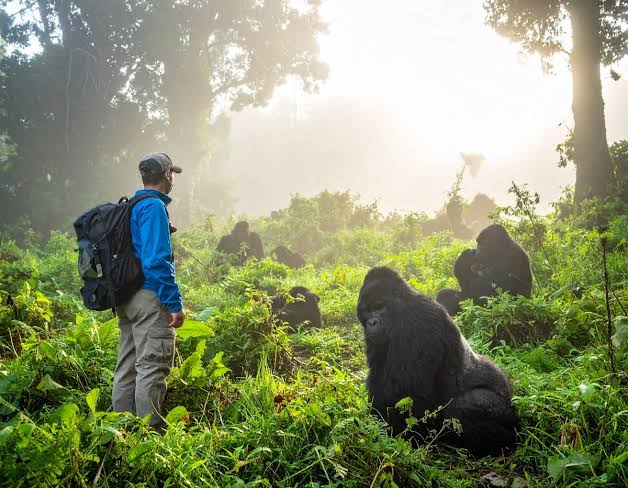
One important rule concerns the distance between visitors and gorillas. Rwanda’s official guidance requires visitors to maintain a minimum distance of seven metres. However, gorillas may sometimes move closer on their own. If this happens, remain calm and follow the guide’s instructions.
Visitors must also keep their voices low and avoid sudden movements. Never attempt to touch a gorilla, attract its attention, or move closer for a photograph.
Another important requirement concerns health. Gorillas are vulnerable to human infectious diseases. Visitors who have a contagious illness, such as a cold or flu, should not participate in the trek.
The viewing period is limited to a maximum of one hour. This restriction helps minimise disturbance and gives visitors a controlled opportunity to observe the gorillas.
Photography is permitted under the park’s rules, but flash photography is not allowed. Visitors should also avoid littering or leaving anything behind in the forest.
These rules are not intended to make the experience difficult. They exist to protect the gorillas and ensure that tourism remains responsible.
10. Know What to Expect on the Actual Trekking Day
Knowing how the trekking day works can help you feel more confident. In Rwanda, visitors trekking in Volcanoes National Park report to the park headquarters in Kinigi at 7:00 a.m.
Arrive on time and carry your permit confirmation and required identification. Park staff will complete the registration process and organise visitors into trekking groups.
You will then receive instructions about the rules, safety precautions, and expected conduct in the forest. Guides will explain the trekking process and assign your group to a gorilla family.
After the briefing, you will travel towards the appropriate forest starting point. The exact route depends on the location of the gorilla family.
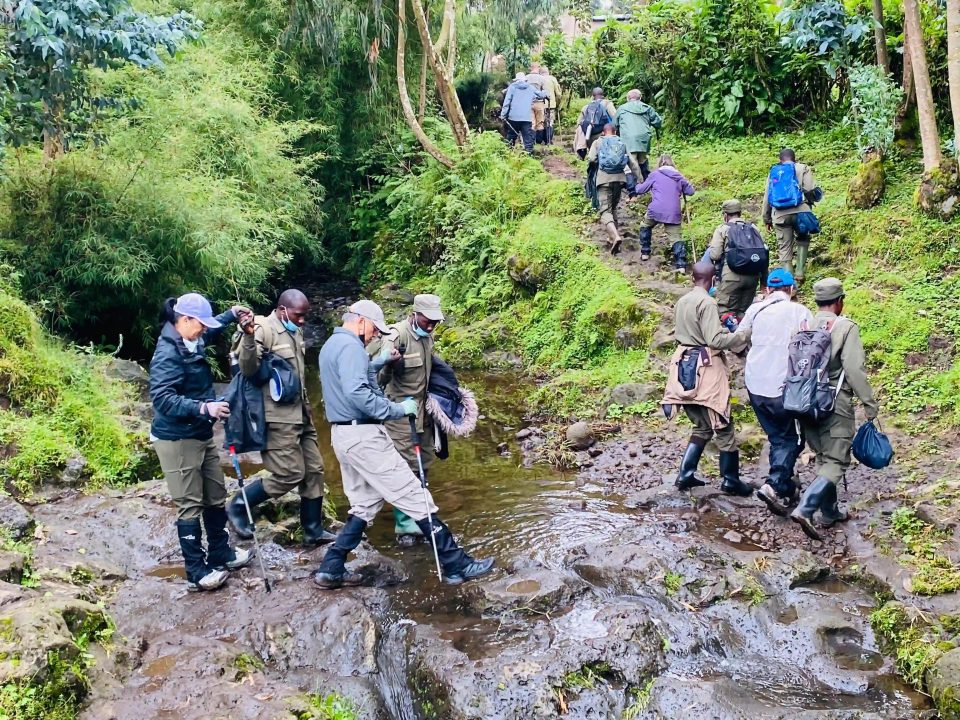
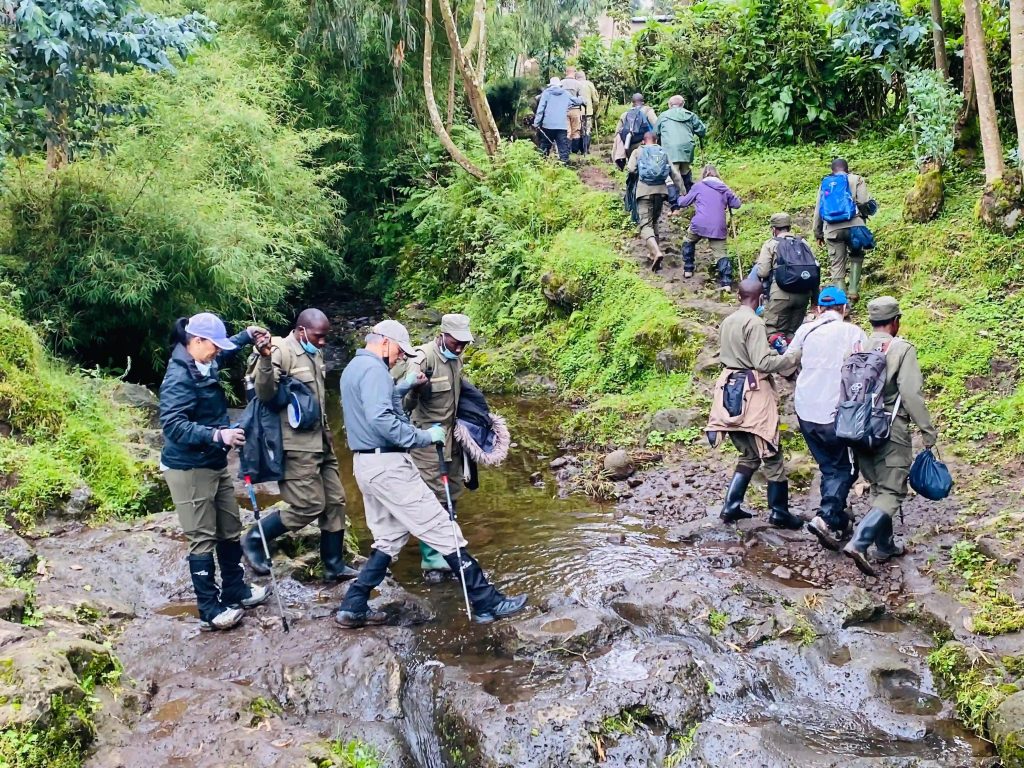
Once the walk begins, follow your guide and remain with your group. You may pass through open areas, thick vegetation, muddy trails, and steep sections.
Eventually, the trackers will help locate the assigned gorilla family. When you reach the animals, your guide will explain where to stand and how to behave.
You will have up to one hour to observe the gorillas, depending on the animals’ condition and park instructions. During this time, you may see them feeding, resting, grooming, or interacting with their young.
After the encounter, your guide will lead the group away from the gorillas and back towards the designated meeting area.
Every trek is different. The walking distance and duration depend on where the gorillas are located. Therefore, remain flexible and enjoy the experience as it unfolds.
11. Consider Hiring a Porter for Extra Support
Hiring a porter is a useful option, especially for first-time trekkers. A porter can carry your daypack, help you navigate difficult sections, and provide a steady hand where the ground becomes slippery.
You do not need to carry everything yourself. Allowing someone to assist with your luggage can help you concentrate on the forest and enjoy the journey.
Porter services also create income opportunities for people living around the park. By hiring a local porter, visitors can support livelihoods connected to tourism and conservation.
If you have concerns about the physical demands of the trek, discuss them with your tour operator before the trekking date. The park team can explain available support options and the arrangements permitted on the day.
Hiring a porter is not a sign of weakness. It is a practical choice that can improve your comfort and support the local community.
12. Avoid These Common First-Time Gorilla Trekking Mistakes
A little knowledge can help you avoid problems during your first trip. One common mistake is booking flights before confirming permit availability. Since trekking permits are limited, it is better to secure your trekking date before finalising every other arrangement.
Another mistake is underestimating travel time. Although Rwanda is relatively compact, you still need enough time to reach your accommodation and the park headquarters. Avoid planning a late arrival followed by an unnecessarily rushed morning.
Some visitors also pack unsuitable footwear. Comfortable hiking boots are far more useful than fashionable shoes when walking through muddy forest trails.
Another problem is expecting the gorillas to be found immediately. Their movements depend on natural conditions, and the trek may take longer than expected. Patience is an important part of the experience.
You should also avoid planning too many activities on the same day. Gorilla trekking can be physically demanding, so give yourself enough time to rest afterwards.
Finally, never ignore the park’s health and safety rules. Even a small action can affect the wellbeing of the gorillas. Always listen to your guide and follow the instructions provided.
Keeping your plans simple helps you avoid these common mistakes and enjoy a more comfortable journey.
13. Make Your First Gorilla Trek More Than Just a Wildlife Visit
Gorilla trekking is about more than taking photographs of an endangered animal. It offers a rare opportunity to understand wildlife conservation and experience one of Africa’s most remarkable natural environments.
During your visit, you may learn about the behaviour of mountain gorillas, their family structures, and the conservation work that protects them. You also discover the importance of local communities, park rangers, guides, and trackers.
Tourism plays a role in supporting conservation and creating economic opportunities around protected areas. Responsible visitors contribute by following park regulations, respecting wildlife, and supporting legitimate local services.
You can make your journey even more meaningful by learning about the destination before travelling. Read about Volcanoes National Park, explore Rwanda’s culture, and understand the importance of protecting mountain gorilla habitats.
However, do not feel pressured to turn your trip into a long list of activities. Sometimes, one well-planned wildlife experience is enough to create lasting memories.
The most important thing is to arrive with an open mind and respect for the natural environment.
Plan Your First Gorilla Trek with Safari O’clock
Your first gorilla trekking adventure should be exciting from the moment you begin planning. You do not need an overly complicated itinerary to enjoy a memorable experience. You simply need to make the important decisions in the right order.
Choose your destination, secure your permit, select comfortable accommodation, arrange reliable transport, and prepare for the forest. Once these essentials are in place, you can focus on enjoying the adventure.
Safari O’clock is here to help make the planning process easier. From organising your Rwanda gorilla trekking experience to helping you understand accommodation, transport, and travel arrangements, we aim to make your journey smooth and rewarding.
Whether you are travelling alone, with your partner, with family, or with friends, your first encounter with mountain gorillas can become one of the most unforgettable moments of your African safari.
Ready to plan your first gorilla trekking adventure? Get in touch with Safari O’clock and let us help you turn your travel plans into an unforgettable experience.