- DIRECT CONTACTS:
- +256394517569
- tours@safarioclock.africa

How Long Does a Rwanda Gorilla Tracking Experience Take?

What Visitors Learn During the Pre-Trek Briefing: A Complete Gorilla Trekking Guide
November 3, 2026
How to Plan Your First Gorilla Trek Without Overcomplicating It
November 3, 2026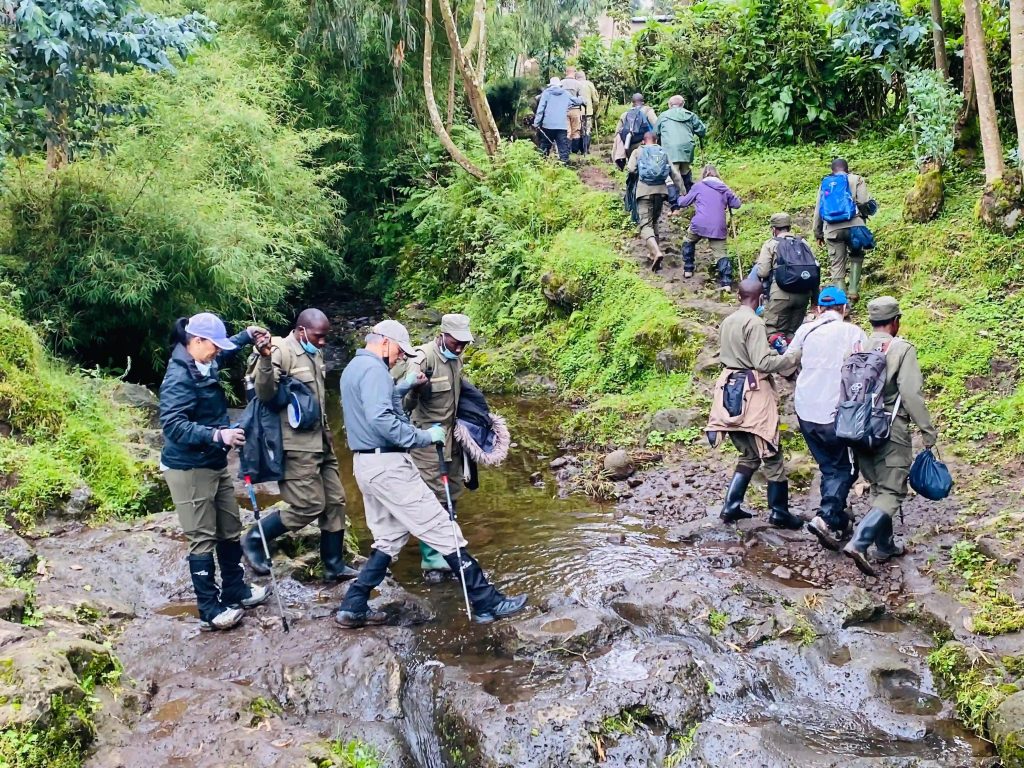
Rwanda gorilla tracking is one of Africa’s most extraordinary wildlife adventures. It takes visitors into the beautiful mountain forests of Volcanoes National Park, where they can observe endangered mountain gorillas in their natural habitat. However, before booking this unforgettable experience, many travellers ask an important question: how long does a Rwanda gorilla tracking experience take?
The answer depends on several factors. These include the location of the gorilla family, the difficulty of the hiking trail, the weather, and the time needed to reach the park headquarters. Some visitors find their assigned gorilla family relatively quickly. Others spend several hours walking through the forest before reaching these remarkable animals.
At Safari O’clock, we believe that understanding the timing helps travellers plan a comfortable and rewarding safari. It allows you to organise your accommodation, transport, meals, and other activities without rushing through the experience.
In this guide, we explain how long Rwanda gorilla tracking takes, what happens during the day, and how you can prepare for every stage of the adventure.
How Long Does Rwanda Gorilla Tracking Take?
A Rwanda gorilla tracking experience generally takes several hours, and visitors should plan for a full morning or potentially part of the afternoon. The exact duration varies because mountain gorillas move freely through their natural habitat.
According to Rwanda’s official tourism information, visitors gather at the Volcanoes National Park headquarters in Kinigi at approximately 7:00 a.m. for registration, briefing, and allocation to a gorilla family. The group then travels to its designated starting point and begins the trek into the forest.
The hike can take anywhere from around 30 minutes to several hours each way. Some groups reach their assigned gorillas relatively quickly, while others must travel farther across steep and challenging terrain.
Once the group finds the gorillas, visitors can spend a maximum of one hour observing them. Afterward, they return through the forest to the starting point.
Therefore, the one-hour encounter represents only one part of the experience. The full activity includes preparation, hiking, wildlife observation, and the return journey.
Safari O’clock recommends keeping your schedule flexible on the trekking day. This gives you enough time to enjoy the experience without worrying about rushing to your next activity.
1. What Happens During a Rwanda Gorilla Tracking Day?
Understanding the daily schedule makes it easier to estimate the total time required. Although the exact timetable varies, the experience follows several main stages.
Early Morning: Arrival and Registration
The day begins early at the Volcanoes National Park headquarters in Kinigi. Visitors generally need to arrive by 7:00 a.m. for registration and the pre-trek briefing.
During registration, park staff check the necessary documents and confirm the trekking arrangements. Visitors then receive important instructions about gorilla behaviour, personal safety, and conservation rules.
The briefing also explains how to behave when the group encounters the gorillas. Visitors learn why they must remain quiet, follow the guide, and avoid disturbing the animals.
After the briefing, park authorities allocate visitors to trekking groups. Guides then lead each group towards its designated starting point.
Because the process begins early, travellers should arrange their transport in advance. Staying near Kinigi or Musanze the previous night can also make the morning journey more convenient.
Morning: Hiking Through Volcanoes National Park
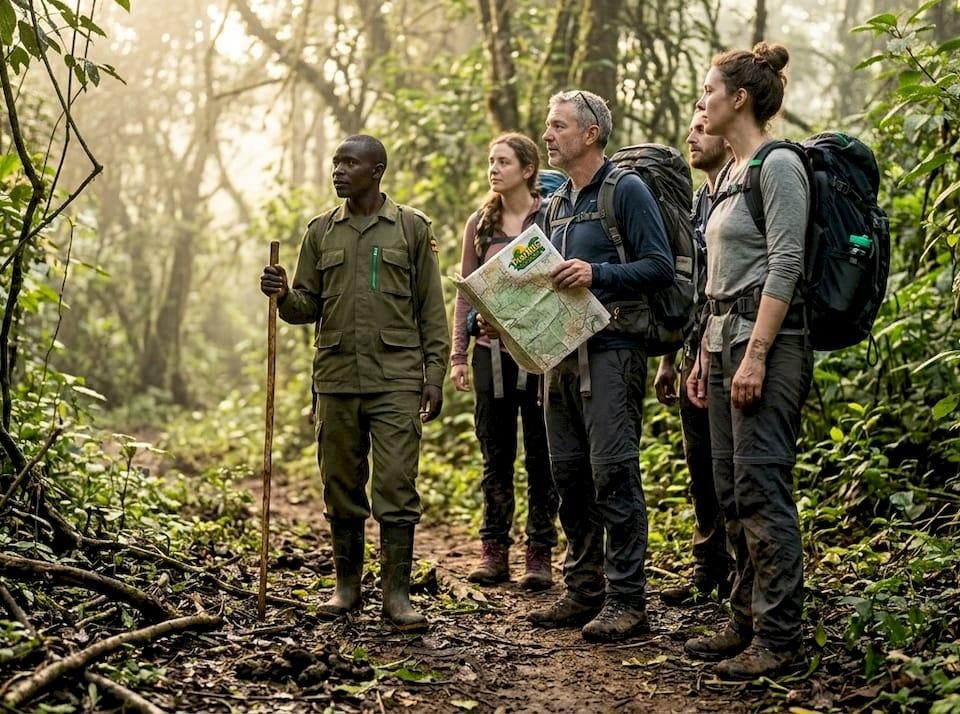
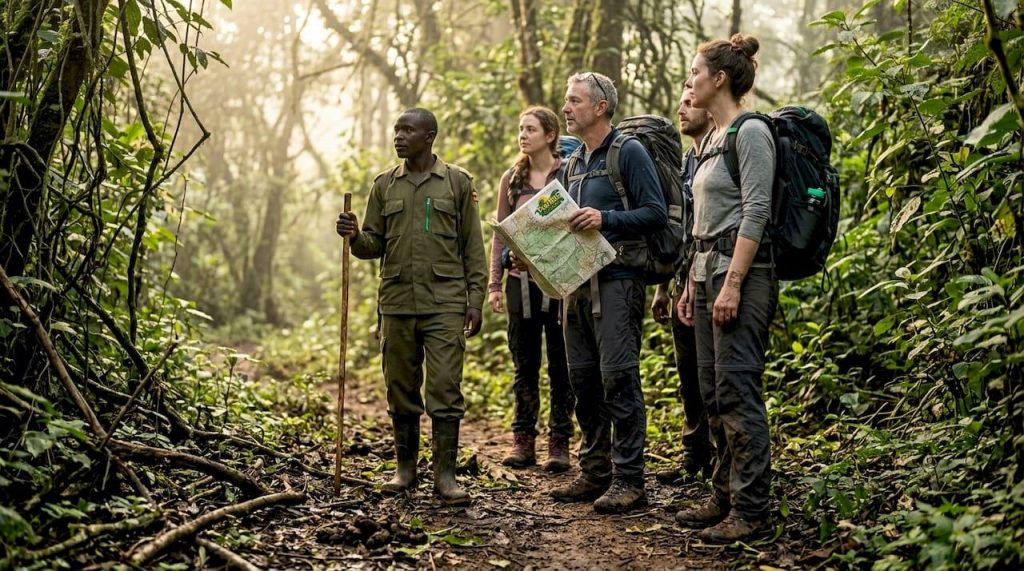
After registration and the briefing, the trekking adventure begins. Visitors follow experienced guides and trackers into the forest to locate their assigned gorilla family.
The hike may pass through bamboo vegetation, forest trails, volcanic slopes, and areas with thick undergrowth. Depending on the route, visitors may encounter muddy paths, slippery ground, and steep sections.
Some gorilla families remain relatively close to the starting point. Others range farther up the mountain slopes, which can extend the hiking time.
Trackers help locate the gorillas and communicate relevant information to the guides. However, the animals move naturally, so no two trekking experiences follow exactly the same schedule.
During the hike, visitors may stop to rest, drink water, and navigate difficult sections of the trail. These breaks contribute to the total time spent in the forest.
During the Encounter: One Hour With the Gorillas
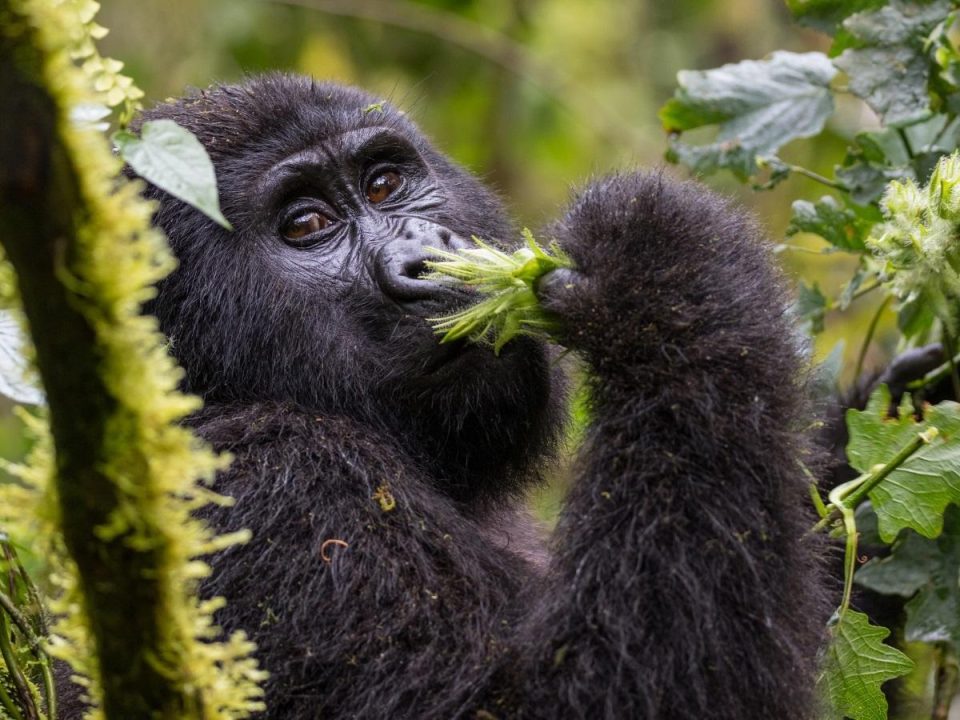
Finding the gorilla family is often the highlight of the day. Visitors can observe the animals feeding, resting, grooming, playing, and interacting with one another.
Rwanda’s standard gorilla trekking rules limit the viewing period to a maximum of one hour. This restriction helps reduce disturbance and supports the protection of these endangered animals.
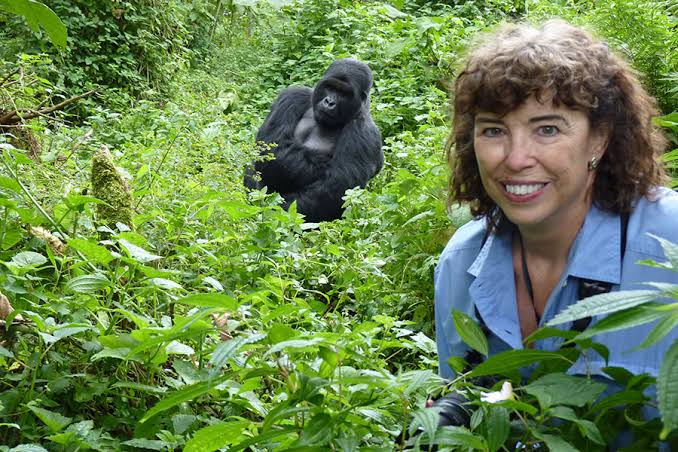
Visitors must follow their guide’s instructions throughout the encounter. They should maintain the required distance, keep their voices low, and avoid sudden movements.
Photography is allowed under the applicable park rules, but flash photography is prohibited. Visitors should never move closer to a gorilla simply to obtain a better photograph.
Although the encounter lasts no more than one hour under standard rules, the memories can last a lifetime.
Afternoon: Returning From the Forest
After the viewing period, the group begins the return hike. The return journey may take less time, a similar amount of time, or occasionally longer than the outward hike.
The duration depends on the group’s location, the trail conditions, and the terrain. Visitors who trek to a distant gorilla family should therefore expect a potentially demanding walk back.
Once the group returns to the starting point, visitors can continue with their planned transport arrangements.
Depending on the length of the trek, some travellers return around midday, while others may finish later in the afternoon.
For this reason, Safari O’clock recommends avoiding tight afternoon schedules on your gorilla tracking day.
2. What Factors Affect Rwanda Gorilla Tracking Duration?
Several factors determine how long the experience takes. Understanding them helps visitors set realistic expectations before arriving in Rwanda.
Location of the Gorilla Family
The location of the assigned gorilla family is one of the most important factors. Mountain gorillas move through the forest in search of food, resting places, and suitable vegetation.
Some families may be found relatively close to the trailhead. Others may be farther away, requiring longer hikes through the forest.
Trackers work to locate the gorillas and help guides plan the trek. Nevertheless, the final hiking distance depends on where the animals are and how they move.
Consequently, visitors should not assume that every trek will take the same amount of time.
Terrain and Elevation
Volcanoes National Park lies within a mountainous landscape. Some trekking routes involve steep slopes, uneven ground, thick vegetation, and changes in elevation.
Walking uphill can be physically demanding, especially at higher altitudes. Muddy trails may also slow progress and require extra care.
The terrain can affect both the outward and return journeys. Visitors should therefore wear suitable hiking boots and follow their guide’s recommended pace.
A reasonable level of physical preparation can make the experience more comfortable.
Weather Conditions
Weather can also influence the trekking duration. Rain may make the trails slippery and muddy, while mist can reduce visibility in some areas.
During wet conditions, visitors may need to walk more carefully along steep or uneven sections. This can increase the time required to reach the gorillas and return.
Rwanda’s mountain climate can change during the day. Therefore, travellers should prepare for both sunshine and rain.
A waterproof jacket, suitable footwear, and protective clothing can help you manage changing conditions.
Walking Pace and Rest Breaks
The walking pace of the group also affects the overall duration. Some visitors move comfortably across steep terrain, while others need more time to rest.
Guides help manage the trek and provide instructions along the route. Visitors should communicate their needs and follow the guide’s advice.
Taking reasonable breaks can help you conserve energy. However, the group must also allow enough time to reach the gorillas and return safely.
If you expect to need additional assistance, discuss your requirements with Safari O’clock before your trip.
3. Is Rwanda Gorilla Tracking a Full-Day Activity?
Rwanda gorilla tracking is best planned as a major activity for the day. Although some treks finish relatively early, others continue into the afternoon.
The early start, registration, briefing, journey to the trailhead, hiking, gorilla encounter, and return walk all contribute to the total duration.
Travellers should avoid assuming that the activity will finish at a specific hour. The gorillas’ movements and the conditions of the forest make precise timing difficult to predict.
For example, a group that finds its gorilla family close to the trailhead may finish much earlier than a group that travels several hours across steep terrain.
This difference is normal and forms part of the wildlife experience.
Safari O’clock recommends keeping the remainder of your trekking day flexible. You can return to your lodge, enjoy a meal, rest, or explore nearby attractions if time allows.
However, avoid booking an activity with a strict afternoon departure unless you have confirmed that the timing is practical for your itinerary.
4. How Long Does It Take to Reach Volcanoes National Park?
The time required to reach Volcanoes National Park depends on your starting point, accommodation, traffic, and road conditions.
From Kigali, Rwanda’s capital, the drive to the Musanze area commonly takes approximately two to three hours. Visitors then continue to Kinigi, where they attend the morning briefing and complete the trekking arrangements.
The journey may take longer depending on the precise location of your hotel, traffic, and other travel conditions.
For this reason, travellers arriving from Kigali should organise their transport carefully. An early departure may be necessary if they intend to reach Kinigi on the same morning.
However, staying overnight near Musanze or Kinigi is often the more comfortable option. It reduces the pressure of an early morning drive and gives you time to prepare for the trek.
Safari O’clock can help travellers organise accommodation and transport as part of their Rwanda safari arrangements.
When planning your itinerary, remember to separate the driving time from the actual gorilla tracking duration. They are two different parts of the day’s schedule.
5. Can You Finish Rwanda Gorilla Tracking Before Noon?
Yes, some visitors finish their gorilla tracking experience before noon. However, this depends on the location of the gorilla family and the time required for the return hike.
When the assigned family is relatively close to the starting point, the group may complete the trek and return early.
On the other hand, families located farther into the forest can require several hours of hiking. Difficult terrain and wet conditions may also extend the experience.
Therefore, finishing before noon is possible, but visitors should not treat it as a guarantee.
If you are planning lunch reservations, a transfer, or another activity, leave sufficient time between arrangements.
The most practical approach is to plan for a flexible morning and afternoon rather than relying on the shortest possible trekking duration.
6. How Long Should You Stay in Rwanda for Gorilla Tracking?
The actual gorilla tracking activity may take several hours, but the overall safari requires additional planning.
Many travellers choose a two- or three-day Rwanda itinerary for a more comfortable experience. This allows time to travel from Kigali to the Volcanoes National Park area, complete the trek, and return to Kigali.
A two-day itinerary can work well for travellers with limited time. They can travel to the Musanze area on the first day, stay overnight, and trek the following morning.
A three-day itinerary provides more flexibility. Visitors can spend the first day travelling and relaxing, the second day tracking gorillas, and the third day returning to Kigali or enjoying another planned activity.
However, the ideal length depends on your flight schedule, budget, interests, and other destinations you want to visit.
Travellers who want to explore more of Rwanda may prefer a longer stay. They can combine gorilla tracking with cultural experiences, scenic drives, or other wildlife activities.
Safari O’clock can help you choose a practical itinerary that balances travel time, accommodation, and the activities you want to enjoy.
7. How Physically Demanding Is Rwanda Gorilla Tracking?
The physical demands of Rwanda gorilla tracking vary considerably. Some treks involve relatively short walks, while others require several hours of hiking across steep mountain terrain.
The altitude can make walking more challenging, particularly for visitors who are not accustomed to mountainous environments.
In addition, mud, wet vegetation, and uneven trails may require extra effort. A visitor’s fitness level, walking pace, and comfort on slopes can also influence the experience.
You do not need to be an elite athlete to participate. However, preparing your body for sustained walking can improve your comfort.
Before your trip, consider regular walks and gentle hill training. Suitable hiking boots can also help you manage the terrain.
Visitors who may need additional assistance should discuss their needs before the trekking day. Porters are available for a fee and can help carry bags and provide support along difficult sections of the trail.
It is also important to follow your guide’s instructions and take breaks when necessary.
With appropriate preparation, many visitors can enjoy the experience while managing the physical challenges responsibly.
8. What Should You Carry for a Rwanda Gorilla Tracking Experience?
Preparing the right equipment can make your trek more comfortable. Since the activity may last several hours, visitors should carry essential items without overloading themselves.
Sturdy hiking boots with good grip are important for uneven and muddy trails. Long trousers and long-sleeved shirts help protect your skin from vegetation.
A waterproof jacket is useful because mountain weather can change quickly. Gardening gloves may also protect your hands when you need to steady yourself on the trail.
Carry enough drinking water for the hike. You may also bring a small snack for use during an appropriate break away from the gorillas.
A lightweight backpack can hold your personal essentials, camera, and any medication you need.
Remember that eating and drinking near the gorillas is restricted under park rules. Follow your guide’s instructions about when and where you can consume food and water.
A walking stick may help on steep sections, while a porter can assist with your backpack.
At Safari O’clock, we encourage visitors to prepare their equipment before the trekking day. This reduces delays and allows you to concentrate on the experience.
9. What Happens if the Gorilla Trek Takes Longer Than Expected?
A longer trek is a normal possibility during mountain gorilla tracking. The animals move through their natural habitat, so the group may need additional time to find them.
If the hike takes longer than expected, guides manage the group and adjust the trek according to the circumstances.
Visitors should remain patient, follow instructions, and avoid rushing along difficult trails. It is also helpful to conserve energy and drink water during appropriate breaks.
A longer trek does not necessarily mean that anything has gone wrong. It may simply mean that the gorilla family is farther away that day.
However, visitors should understand that wildlife sightings cannot be guaranteed in every circumstance.
Rwanda has an organised tracking system, with trackers and guides working to locate the gorilla families. Even so, travellers should maintain realistic expectations and remain flexible.
This is another reason to avoid planning a tight schedule immediately after the trek.
Safari O’clock recommends treating gorilla tracking as the main priority of the day. That way, you can enjoy the adventure without unnecessary pressure from other commitments.
10. How to Make Your Rwanda Gorilla Tracking Day Easier
Good planning can make a significant difference to your trekking experience.
First, arrange your permit and confirm the official reporting time before travelling. Gorilla tracking is a regulated activity, so visitors should follow the instructions provided by the relevant authorities.
Second, consider staying near Musanze or Kinigi the night before the trek. This helps reduce early morning travel and makes it easier to arrive on time.
Third, prepare your clothing and equipment in advance. Check your hiking boots, waterproof jacket, drinking water, and other essentials before going to bed.
It is also wise to get enough rest and eat breakfast before heading to the park headquarters.
During the trek, listen carefully to your guide and follow the recommended pace. If you have a concern about the terrain or your physical comfort, communicate it as soon as possible.
Finally, keep your schedule flexible. You may finish earlier than expected, but you should also be prepared for a longer day.
Safari O’clock can assist you with planning the practical details of your trip, helping you focus on the wildlife experience rather than last-minute arrangements.
Why Plan Your Rwanda Gorilla Tracking Safari With Safari O’clock?
Planning a successful gorilla tracking safari involves more than knowing how long the trek lasts. You must also consider permits, accommodation, transport, park regulations, and the physical demands of the experience.
Safari O’clock can help you organise these elements into a practical travel plan. We can help you consider where to stay, how to reach Volcanoes National Park, and how to arrange your itinerary around the early morning briefing.
We also encourage travellers to prepare for the variable nature of wildlife activities. Although the gorilla encounter has a defined maximum duration, the hiking time depends on the location of the animals and the conditions on the day.
Whether you are visiting Rwanda for the first time or returning for another wildlife adventure, thoughtful planning can make your experience smoother and more enjoyable.
By allowing enough time for the trek, you can concentrate on the extraordinary opportunity to observe mountain gorillas in their natural environment.
Conclusion: Allow Enough Time for Your Rwanda Gorilla Tracking Adventure
So, how long does a Rwanda gorilla tracking experience take? The complete activity usually requires several hours and may extend into the afternoon. Visitors begin with an early morning briefing, hike through the forest, spend a maximum of one hour with their assigned gorilla family, and then return to the starting point.
The exact duration depends on the gorillas’ location, terrain, weather, walking pace, and other conditions.
For the best experience, plan your tracking day around this activity and avoid tight schedules. Staying near Volcanoes National Park the night before can also make your morning easier.
Most importantly, remember that the journey is part of the adventure. The forest, mountain scenery, and opportunity to observe endangered mountain gorillas make the experience special.
Ready to plan your Rwanda gorilla tracking adventure? Contact Safari O’clock to organise your safari and prepare for an unforgettable wildlife experience in Volcanoes National Park.